The dog walk is one of the enjoyable moments every dog owner will always want to enjoy. If you own a dog and you take it on a walk regularly, you will agree with me on this. It is not only filled with the fun of enjoying outside activities, but it also helps in many other ways, one of which is keeping you and your dog healthy. This also helps your dog to widen its horizon of smelling, hearing and sight beyond the limits of your home.
Taking a walk with your dog is also a means of exercising yourself and your dog. It is widely recommended by dog veterinary doctors to take your dog out on a walk regularly. Dogs get bored when they are just kept at a corner and not taking on a walk. Dogs that don’t go on walks are always aggressive and destructive, majorly because they want to have fun, so they find all means of expressing themselves. A destructive dog is not what you want to keep.
As much as dog walks can be adventurous and fun-filled, you can encounter several unforgettable difficulties, one of which is a pulling dog. A pulling dog does not only cause you difficulties in getting him/her in the direction you want. It can cause you severe arm aches, injuries, in the means of trying to control your dog from pulling.
Dogs are naturally really excited when out for walks with different level of activities going on that amazes them. And in this situation, they want to be free and not controlled by a leash. You as a dog owner must learn how to walk with your pulling dog to ensure you are not being pulled along by your dog and also to teach them how to listen and follow your orders. This article has been written to provide you all the needed details as regard dog pull and how to walk with your pulling dog.
Why Do Dogs Pull On The Leash?
Many dog owners overly ask this question because in their bid to take their dog on a walk, they have encountered severe difficulties stopping their pulling dog or ensuring it walks at their pace. This can be frustrating and annoying and can discourage many dog owners from taking their dogs on a walk, which is in no way suitable for you and your dog. Dogs pull due to a lot of reasons, some of which you should look into as a dog owner. We have decided to look into a selected few that made our list which includes:
I. Dominance of Direction:
A myth has it that dogs pull majorly because they want to be dominant and lead. As it is always said, there can’t be two masters. You have to lead, and your dog follows. This also has its root in a myth that says, “A dog must always follow its master.”
Dogs want to pull on the leash because they want to go in the direction they want, and then you want to go in another direction. In doing this they feel they are not in control, and one of their reactions to not agreeing to be in charge is pulling on the leash and dragging you in their own choice of direction, in the process of their pulling they could cause you serious arm aches, they could even escape, they could even pull you several distances in your bid to stopping him/her.
II. Dog Anxiety:
Some factors seem to get your dog anxious when they come in contact with them, and one of their reaction to escaping is to pull. If you are not a very observant dog owner, you might not know the reason for your dog pulling.
One of the factors that can make your dog anxious is loud noise; some or the majority of dogs don’t cope in an environment where there is a loud noise and in such situations your dog pulls hastily to live in the vicinity. Coming in contact with another dog when on a dog can make your dog anxious and decide to pull either to charge at the coming dog or try to retreat if the dog is bigger. Dogs feel a sense of insecurity when another dog walks towards them, and one of the ways they deal with this is either they charge or retreat, which definitely will involve them pulling.
III. Type of Leash/ Harness Used on the Dog :
An uncomfortable dog with a too-tight leash or chaffing harness will pull hard, since their significant means of communication is body language. When your dog is in distress or discomfort from equipment that causes pain to your dog, one of its first reaction is wanting to get rid of the leash/harness used on him/her.
If you are very observant, you should be able to notice this. Dog owners must get a leash that are suitable for their dogs in this case, as this is one of the primary reasons why a lot of dogs pull. You have to watch out for signs of discomfort in your dog when this situation occurs.
IV. They Are Untrained:
Training your dog is essential for all dog owners. In this case, a reinforcement trainer might be needed. As a dog owner, you have to be able to communicate certain basic manners with your dog, one of which is walking on a leash and not pulling. This is essential because your dog knows what you want and what you don’t. This help prevents him/her from inappropriate behavior such as pulling while on a walk, inappropriate barking, destructive chewing, etc.
One of the reasons why dogs pull is because they are untrained on how to walk, and since dogs want to walk at a pace more than ours, if they are untrained, they will want to pull you at their speed and due to this fact they pull you along with their leash.
Dog Pulling On Lead Solution: Better Ways to Restrain Dog
Dog pulling on lead is very disastrous and dangerous to you because, in the process of the dog pulling, you might be severely injured. In this case, if you are faced with the challenges of your dog pulling on the lead you need to consider the solutions that have made our list and which can ultimately help you with your pulling on the lead dog which includes:
Dog Lead Training:
As a dog owner, you have to teach your dog how to walk on the lead without pulling, either when it is on a collar, a harness or head collar. Some useful tips have been used in training dogs that pull on the lead. When you want to train your dog that pulls on the instead, load your treat bag with tasty food. After you have done this ensure that your dog sits calmly before attaching the lead.
When your dog sits calmly make sure you reward it with a treat. Set out on a walk and ensure that you reward him/her with a treat when he/she complies by walking by your side. Walk slowly and encourage it to walk slowly, when it paces ahead of you stop the treat. Continue this process, in no time your dog will comply with your leadings.
Using Head Collars:
There are a certain breed of dogs that are heavy breeds and are very strong if you own one of these kinds of dogs, it is advisable to use a head collar especially if there is a risk of you being pulled over. The head collar is usually worn on the dog’s face, and the contact point is under the chin, this makes you have more control and this makes you teach your dog how to work loosely on the lead.
Different collars are available in dog stores and market, you must get the best dog head collar and introduce it to your dog in the right way, and the best technique must be used when doing this. If the right technique is not used, it is possible that your dog hates to wear the head collar and your dog will be frustrated and aggressive when it is supposed to be having an adventurous walk with you.
At first, when you put the head collar on your dog, if your dog has never used a head collar before, it will be so strange to him/her having a head collar on and their reaction to this is to either rubbing their face on the ground or trying to use its paw at it. This is not strange, in no time with proper techniques and with proper use of the best headcollar, your dog will get used to it.
Using a Harness:
One of the best ways of restraining your dog that pulls is to use a harness, not just a harness but one with the best specifications and features for your dog. Harnesses that fit correctly around your dog chest in the front of his/her leg or behind are one of the best for restraining your dog from pulling. Using the right dog harness does not put pressure on your dog, or either does it cause chafing?
Using the right dog harness can be very useful and effective in the sense that it prevents your dog from pulling, from slipping out. Your dog is less likely to escape from a harness because they are most times with collars, they are very secure and safe than holding your dog.
There are different kind of dog harnesses in the market that has been designed to meet and solve your dog pulling issue. Dog harnesses come with certain suitable features that prevent your dog from pulling and also to say bye to arm dislocation, bruises, etc. that can be sustained from walking your pulling dog. Using dog harnesses is what you will consider as a smart option.
What Is the Correct Side to Walk a Dog?
This is one of the questions every dog owner has to ask and get an answer to. The specific purpose of knowing which side is correct for your dog is to gain total control of your dog and be in control of its motion and paces without any difficulties. Reading articles on the correct side your dog is supposed to walk, you discover that your dog is supposed to walk on the left.
The question is, why? It is not a necessity that your dog should walk on the left; you are free to choose the best side for your dog to walk. But then, there are several reasons why the left side is always preferable.
Traditionally most people before us have chosen to lead their dog on the left so that they can do other things with their right hand. Hunters and men of the forces hold their dogs on the left so that they can be able to run conveniently and also hold their gun on the right.
There are several reasons to which your dog may not be able to walk on the customary left-hand side due to reasons such as injury to the left arm of the dog owner, dog owner being left-handed, etc. In whatever position your dog is, it should be able to respond to commands, whether on the right-hand side or the left-hand side.
If you are left-handed, injured on your left arm or you want to choose the convenient side that your dog is supposed to walk, then it is up to you to have the best heel position that suits you. All that matters is establishing a good level of understanding between you and your dog.
Having your dog walk on the left is traditional, and it is one of the most used methods in walking dogs, but then it is up to you to decide which suits you. Walking a dog on the left helps you hold other things on the right.
Final Words for you on How to work a dog that pulls
Walking a dog that pulls, is a big problem in the sense that it is discomforting, injurious and also a very tiring experience. To walk a dog that pulls you have to take several factors into consideration, and they should be discovered and worked upon.
As a dog owner, you must be observant of what your dog likes and doesn’t, understand and create an owner to dog relationship. Understand the body language of your dog since it cannot speak. All in all, ensure that you use the methods listed in this article as they will help you walking effectively your dog that pulls.
Low energy dog breeds are the ones that do not require much exercise since they prefer to be coach potatoes and just lay around. This is because their bodies need less energy in order to function properly. Additionally, too much exercise might prove to be bad for their health because most of these breeds get tired easily.
However, this does not mean that these dogs do not need daily walks, grooming and exercises like other breeds with high levels of energy. Just like too much exercise might prove disastrous, the same can happen if they do not exercise at all.
In this article we are going to cover some of the most popular low energy dog breeds that do not demand much walking, running and hours of exercise.
However, keep in mind that even though they prefer to spend more time around you, sitting on the coach and just being lazy, it does not mean that they also require less care. It is just that their bodies function in that way and the owner should adapt to it.
1. French Bulldog
The Bulldog is probably one of the most famous lazy breeds in the world. His country of origin is England and his past is very bloody in the sense that he was used for bull baiting and even attacking humans. There are a couple of varieties of this breed, some that are extinct today, which are: the American Bulldog, Leavitt Bulldog, Olde English Bulldogge, and the French Bulldog.
The one with the lowest energy is the French Bulldog which has been ranked as one of the most popular dogs in the UK and USA. He does require daily walks but minimal exercise and he is a very loyal companion. He is a great choice if you live in an apartment; however their bulk and short coat mean that they can get cold and hot easily, so they should be taken care of carefully.
2. Chinese Crested
The Chinese Crested Dog was originally bred for being a companion for invalids; however, today he is a very popular and beautiful toy breed with low energy. This breed can participate in agility competition but there is no need for him to do daily exercises like big dogs need.
There are two varieties: the Powder Puff which has long silky fur and the Hairless which belongs to the group of dogs without fur.
Both of them require daily grooming because of their coat and they can be perfect apartment companions, even though they also like being in the country. If you choose him you can stay assured that he will be devoted to you forever.
3. Pekingese
The Pekingese, also called the Lion Dog or Peke, belongs to the group of ancient dog breeds or the oldest dogs in the world. His country of origin is China and this breed could be owned only by Chinese princes until the mid-19th century.
The Pekingese is a very small dog breed with short legs and a flat nose. They cannot spend too much time outside because they tire easily and they can have a heatstroke if left in the hot sun for too long. Despite that they are very loyal, fierce and brave companions that are very devoted to their owner and family.
4. Lhasa Apso
The Lhasa Apso is a dog breed from Tibet. He is a known non-sporting and low energy breed which means that they are not very fond of long walks and tough exercises. The Lhasa Apso was bred by Buddhist monks in order to alert them of intruders, but also as lovable companions.
They were also described as “goat-like” because of their silky long coat that needs to be groomed regularly. The Lhasa Apso belongs to the group of ancient dog breeds and has been around for more than four thousand years. He still acts as a loyal guardian to his owner and family.
5. Japanese Chin
The Japanese Chin is a dog breed that is also known as the Japanese Spaniel. He belongs to the group of toy and lap dogs that have little to no energy thus do not require much exercise. It is believed that this little friend originated in China but it is still debatable.
This breed is very cat-like when it comes to his long fluffy hair, coat and other traits. He is independent, loyal and smart. His silken coat requires weekly grooming or brushing but the dog itself does not need tough exercises. He is a great dog for apartments and smaller condos but he also needs walks from time to time.
6. Shih Tzu
The Shih Tzu, also known as the Chrysanthemum Dog, is the dog breed that originated in Tibet and China. The Shih Tzu is a popular toy dog breed without too much energy that has beautiful, long and silken coat. The Shih Tzu is in need of regular grooming because of his long coat and in order to maintain it beautiful and healthy.
When it comes to his temperament, he is always affectionate and loyal. His type of coat and fur unable him to perform vigorous tasks, so he only needs regular walks, not exercise. He is a very popular lap dog because of that.
7. Cesky Terrier
The Cesky Terrier is a terrier type of a dog that originated in Czechoslovakia. This unique dog is known for being very quiet and calm, even more than other terriers. This is a great trait for older people who would like companions or even families with children.
He has a specific coat that should be clipped regularly and it prevents him from exercising vigorously. However, he needs his daily walks and he also loves spending time with his owner. This dog breed is pretty rare because it first arrived in the UK and USA in the 90s.
8. Saint Bernard
The St. Bernard is a dog breed that originated from Swiss Alps, north Italy and Switzerland. This dog is famous for its enormous size and lovable character, depicted in various media such as Tooper and Swiss Miss. He belongs to the group of giant dogs and can weight more than 140 kg (or 310 lb). This means that St Bernard is no lap dog and he is not suitable for small apartments. However, he is also not suitable for daily tough exercises even if his size is so big.
That is because he is naturally not energetic and he needs only as much exercise as to maintain health and discipline. That means you won’t see him jumping around recklessly unless his was trained for that. Tough training for small puppies is forbidden so their bones would not get disfigured. His temperament is also very calm, docile and affectionate.
9. Stabyhoun
The Stabyhoun is, believe it or not, one of the top five rarest dog breeds in the world as of 2013. His country of origin is the Netherlands and he is considered as a Dutch national treasure. What makes him unique is the black and white coat and white tipped tail. Brown Stabyhouns are very rare while the orange and white ones are even rarer. They also have spotting on the white parts of the coat, especially legs.
When it comes to his temperament, he is a very gentle, nice and affectionate dog. He is also intelligent, patient and always willing to please his master. This breed should never be aggressive or snappy.
10. Basset Hound
The Basset Hound is a dog breed that originated in France. He is one of the short-legged dog breeds and that is one of the traits that made him famous.
He is also a scent hound whose original job was to hunt small prey, e.g. hare. Basset Hounds are known for having a “sad expression” on their face, long hung ears, long tail and very short legs. The coat is short and their sense of scent is impeccable.
When it comes to their temperament, they can be great companions in apartments and they are also very tolerant of children. His short legs are the reason why he can’t jump much and he prefers being laid back and accompanied by his family.
11. Bernese Mountain Dog
The Bernese Mountain Dog is the large dog from Switzerland, or more precisely, the canton of Bern. His original job was to accompany herders and take care of their livestock, however, today they are just lovable family companions. He is a giant dog with tri-colored coat, and it is usually black, white and orange. He appears to be very muscular but you won’t see him energetic because he doesn’t have that much energy to give.
Originally a farm dog, nowadays the Bernese is a beloved family dog that goes well with children. He is not really suitable for apartment due to his large size and he prefers being outdoors but tough exercise is not really for him. Daily walks and socializing are a must, but they should not include extreme sports. This breed should never be aggressive or snappy but rather good-natured, docile and placid.
12. Bullmastiff
The bullmastiff is a large dog breed that originated in the UK. Even though Bullmastiffs’ size can be frightening, they are actually quite docile, calm dogs that almost never bark. The short coat is usually fawn, red, or brindle and the muzzle is black. They are very strong and powerful dogs, but sensitive and good-natured. It is very important to socialize them from an early age because they can be independent.
They are also very possessive and the natural guardians of their home. Apartment keeping is not recommended due to their big size. They need a special approach during their training and even though they look big, their level of energy is pretty low.
13. Chow Chow
The Chow Chow is a lazy breed that originated in China and is sometimes called the “puffy lion dog” due to his unique appearance. The breed also belongs to the ancient group of dogs which are the oldest in the world. The Chow Chow is a sturdy dog of medium size with a recognizable mane, dense red coat and a blue black tongue.
When it comes to his temperament, the Chow Chow is not very fond of strangers and he has been known as a snappy breed. That is because he is fiercely protective of his own and family and he should be trained properly from an early age in order to avoid any aggressive behavior. He can also live in an apartment because he is not an active dog. They also tend to go after their hunting instincts and attack smaller animals.
14. Pug
The Pug is a very small dog breed that originated in China as well. He is famous for short curled tail, flat black muzzle, small ears, short light coat and the wrinkled face. The breed has become very popular nowadays and it ranked among top popular dog breeds in Europe.
Pugs are known for being very gentle and easy going companion and lap dogs. Due to their flat noses they tend to breathe faster all the time which is a common trait. They do not handle high or low temperatures very well, and they also do not handle tough exercises. They are playful but not very active. Their temperament is often described as “much in little” because they are fierce, protective, brave and loyal. They are also perfect as lap dogs and suitable for smaller apartments.
15. Great Dane
The Great Dane, or “the gentle giant” is a large dog breed that originated in Germany. This huge German Mastiff is one of the largest dog breeds in the world so it may come as a surprise to some people that he is also a low energy consumer. However, he is not very active dog even though he does require lots of space and attention.
If you’re interested in this breed, you can check out our article on the rarest mastiff breeds.
His nature is friendly, placid and easy going. He loves both physical and emotional affection from his owner and he is not shy to ask for it. This breed should never be snappy or aggressive, not even towards other dog and smaller animals. They tend to go great with children and love being in family homes. However, before considering him as your pet, make sure that you can provide him with enough space and love.
16. Neapolitan Mastiff
The Neapolitan Mastiff or Mastino is a large Italian dog breed that also belongs to the ancient dog breeds group. His fierce appearance scares and puts off many people, but he is actually quite calm and not very active. However, on the other hand; he is very protective of his home so he is often used as a guardian.
The Neapolitan Mastiff has a short black coat and a specific wrinkled muzzle. When it comes to his temperament, he is fearless, brave, intelligent and loves family.
He also does not bark often and he needs obedience training from an early age. If he is trained properly he will grow into a really kind and affectionate dog that would show you his love all the time.
17. Irish Wolfhound
The Irish Wolfhound is the dog breed from Ireland. He is a very large dog that is also the tallest dog breed in the world. The minimal height is 0.81 m while the minimal weight is 48 kg. When it comes to their temperament, each Wolfhound is specific with his own quirks, but they are always intelligent, protective and reserved. They will always create strong bonds with their owners and shower them with love.
When it comes to their energy-related characteristic they are calm which makes them suitable for urban life and big apartments; however, they prefer rural life and enough place to move even though they are not very active. Their height makes them inconvenient for really small apartments where they would bump into other things, just like the Great Dane.
In Conclusion
To sum up, we have covered some of the most popular lazy dog breeds that are real coach potatoes. As you can see, they are not only tiny or lap dog breeds that are physically unable to move too much. Some of them are really big but their metabolism is still slower than in other breeds.
They do require regular walks and training in order to maintain both physical and mental health; however, you won’t see them jumping around like crazy and being fond of tough exercises.
They do not need much and that means that they should be compatible with their owners.
For example, if you are active or sports person who goes on long walks or hikes all the time, you won’t match with the breeds mentioned in the article above. On the other hand, if you are someone who do not need vigorous moving all the time, then you can consider these dog breeds. You should also keep in mind that these dogs need as much grooming, brushing, loving and socializing as any other dog, no matter how energetic.
How to protect dogs from cold weather: Dogs were recorded to be the first domesticated carnivore. In the 18th Century Dogs were referred to as “Man’s best friend”. Over the years the relationship between humans and this wolf-like species has increased, not just because of their domestic nature or charming looks but because of the several roles they perform; companionship, security, hunting, etcetera.
As a matter of fact, their long association with humans has made them uniquely attuned to human behavior and the atmospheric environment. Hence, while their level of tolerance may outweigh ours simply because many people think they have a layer of fur protecting them, they equally feel the effect of the changes in times and seasons; winter, autumn, spring, and summer.
You probably have an idea as to what to do when your dog faces the warm/hot weather, its risks, and necessary percussion. But do you know how to protect your dog when the weather becomes cold, harsh, and freezing? Do you know how to keep your dog warm?
Here are some tips for you!
How to keep the dog warm in the car
According to the American Society for the Prevention of Cruelty to Animals, leaving your dog in a freezing car can be as dangerous as leaving him in a hot car. Therefore, it is generally advised that dogs remain indoors during cold weather, most especially when the cold is extreme.
However, when it is absolutely necessary for your dog to be taken on a ride, to keep him warm and protected, you must
Consider a dog-coat or sweater
Keep the heater running and
Do not leave him in the car for more than five minutes especially when the outside temperature is freezing.
Although when compared to hot weather, the risks of a dog in a cold car are limited, however, you must ignore the fact that fast cars can cool down in winter, it often feels like a refrigerator and can make your dog chilly and uncomfortable and in fact at the risk of causing him hypothermia.
What temperature is too cold for a dog?
While cold may not affect some dogs like Alaskan Malamutes and Siberian Huskies which are specially bred to work in cold weather, most of the other dogs that don’t have a thick fur to naturally keep them warm need to be protected from the cold and kept warm when the temperature generally falls below 45 degrees Fahrenheit.
However, dogs come in different breeds and their immune systems equally vary either because of their age (such as small dogs and older dogs) or as mentioned above, their fur, therefore you must be sensitive enough to know if your dog requires a coat even when the temperature is 60 degrees Fahrenheit or if it can go without a coat even when the temperature is below 45 degrees. But when the temperature drops below 20 degrees, know that even dogs bred for cold weather need a coat. Also if your dog has an injury, you might consider a boot on the injured paw or leg to prevent infections.
To discover when your dog is cold, you could keep an eye out for the following signs: shivering, feeling their ears, anxiousness, whining, or slowing down, they may also start a search out for a warm place to lie down. Always remember that a dog gets cold just like us!
Do dogs need blankets?
Apart from a dog-coat or sweater, you can also protect and keep your dog warm with a blanket. Yes! You can. As a matter of fact, some dogs need a blanket to keep them warm even when in thick coats. This is however subject to the following factors: environment, the breed of your dog, its age, health, weight, and the available home heating conditions.
Environment: Where a dog resides in an environment that often gets cold and snowy, if proper attention is not given to his health, he stands at risk of hypothermia which often occurs when the body temperature of a dog drops below 99-95 Fahrenheit.
Breed: as mentioned above, certain dogs are bred specially for working in cold weather; such dogs usually would not require much warmth in cold weather. Dogs with long and thick hair or fur equally have a higher level of cold tolerance compared to those with thin and short hair, or dogs that get their hair trimmed.
Age: Older dogs have weaker immune systems and joints; hence they require a lot of protection and warmth during cold weather. Small dogs are usually fragile and have their bellies closer to the ground which puts them at the risk of constant contact with the cold floor, snow or water when without a thick coat or blanket to keep them warm.
Weight: Fat dogs or overweight dogs can manage a cold-weather way above underweight dogs, hence it is important to consider the weight of your dog when deciding if he needs a blanket or not.
Home heating conditions: most dog owners do not take cognizance of this but it goes a long way in determining what level of warmth your dog might require especially when indoors. Some dogs might require a dog-house with its own heating conditions depending on his health and environment.
How can I keep my small dog warm?
Just like human babies or toddlers require the special attention of their parents to survive, a small dog equally requires the protection of his owner, especially in cold weather. They need to be dressed warmly at all times (note: in cold weather), they need a coat for a walk or playtime outside, this is because they do not have the ability to generate enough body heat for themselves like the middle-aged or bigger dogs would. Small dogs often also require blankets alongside coats to protect them in very cold weather.
Conclusively, always wipe out the paw or leg of your dogs after a walk in the snow or misty grass; this is to protect them from taking in poisonous contents of toxic chemicals like antifreeze or de-icers when they lick their paws.
With all these percussions, your dog is sure to survive the cold, stable in health, and warm!
Related Articles:
Occasionally, you’ve heard of people walking in their sleep, but rarely have you heard of animals displaying such behavior.
A funny thing has been happening to Frisky, Julie’s pet Labrador. More frequently these days as the dog snoozes in its favorite corner, he starts twitching and moving his legs rapidly in a manner as if running.
Eventually, the dog would jump to its feet and start moving around in circles.
Julie would try to talk to him in her usual way to give him some reassurance, but he does not seem to hear her. Is Frisky in a dream or is he a sleepwalking dog?
Sleep Walking Behavior
Sleepwalking is often the subject of funny recollections and great hilarity relating to humans. You probably know of a friend, a brother, or someone of other relations who raided the refrigerator and ate the entire apple pie but does not have a clue what you’re talking about when confronted.
But the pictures finally tell the tales as you caught the culprit red-handed. He cannot be held responsible, however, because he did it in his sleep.
Very rarely does one hear of animals displaying unusual behaviors that you would classify as sleepwalking otherwise called somnambulism.
Somnambulism is really a sleep behavior that occurs during deep sleep that involves movement such as walking and engaging in other activities that would only happen when awake.
You see, during sleep the brain causes both the conscious mind and the physical body to shut down and be at rest. The muscles become relaxed and movement is suspended for a while. However, for some people this function becomes sort of twisted, and sleep walking takes place.
The behavior tends to occur more in children than adults especially when persons are deprived of sleep. You may have heard tales of persons moving to another area in the house and carrying out activities that are not normal. Some activities can go close to normal such as eating a bag of chips.
However, some persons have climbed out of windows and landed up hard two stories below or have found themselves in places that are rather unsafe. Then there is that incident of urinating in the shoes. It is quite difficult to arouse a sleep walker and usually he has no memory of the activity (National Sleep Foundation, 2015).
Dog Sleepwalking
Have you heard of a dog running in sleep? If you were one of those persons who keeps up with the technology, you would have seen the video of Bizkit the dog that sleepwalks. This video went viral when it was uploaded and many viewers have found it quite a funny affair. In the video, Bizkit lies down to take his usual nap.
However, minutes into his sleep the dog’s body starts to jerk and then it starts to flay his feet as if he is running. This goes on for seconds or a few minutes but the action gets more intense until it seems that the dog is overwhelmed by his seeming “activity”, he jumps to his feet and runs right into a wall.
The dog runs into the wall as it seemingly tries to continue the activity in his sleep. It is only when it hits the wall that it wakes up and stands there as if asking “What just happened a while ago?”
Dreaming in Animals
One of the things that must be done for sure is to determine what took place. Many pet owners will tell of their experience with their dog that seemed to be dreaming as it sleeps. Watching the animal, it would growl, whimper, twitch, and move its feet as if running.
The dog would also inhale and exhale rapidly, panting as if in a chase. What do you do, do you try to wake the animal? According to Meggit (2014), it’s better to “Let sleeping dogs lie”’ as there is a chance that it may attack you when aroused.
Was that sleepwalking behavior, a simple dream or a seizure? The jury has been out for this as many people question whether animals dream or sleepwalk. The non-expert view is that animals such as dogs do dream as humans.
The dream occurs in the rapid eye movement (REM) stage of sleep and dogs do display the behaviors. Our earlier article on the psychological basis of dog dreams will surely interest you.
The brain is very active at this stage and the images in dreams would have been acted out had it not been for certain chemicals that control the body.
It is suggested that if those inhibitions were to be removed from cats for example, they would have moved around the room in their sleep, trying to chase the mice that find their way in their space (Hill, 2010).
According to Texas A & M College of Veterinary Medicine, there is no surety that animals on a whole do dream although they display all the signs as humans.
Dr. M. A Crist, Clinical Professor at the University indicates that this behavior of the dog in the video could be a sign of a sleep disorder (Sleeping Disorders in Animals, 2009).
He observes however, that dogs do have REM sleep and display certain identifiable signs such as leg and tail movements, facial twitching, and vocalization (barking and growling). This could very well be a signal that they are dreaming.
Sleep Disorders
Here is another scenario where a pet owner describes how her Labrador gets up in the nights and sniffs around the family’s shoes and crawls in and out from under the kitchen table as if in a trance.
The dog does not recognize when the light is turned on or that someone comes into the room. He only returns to bed after some gentle coaxing and is back to normal in the morning. This is a mysterious case also where the owner is now wondering if the dog is actually sleepwalking.
Wedderburn (2014) advises that it is not a case of sleep walking as dogs do not ramble around as humans do in their sleep. Dogs are more likely to paddle their feet as if running, and engage in jerky movements of the body.
The Labrador’s problem instead resembled a cognitive or mental disorder that is often associated with aging. We have a complete profile on the Labrador that will pique your interest.
Senility for example is an infirmity of old age and when it is setting in, a dog can move around aimlessly without any obvious indication of purpose. Narcolepsy and cataplexy are two other disorders that can affect dog sleep.
Wondra (2013) does not call the behavior sleepwalking. Instead, she offers what is described as REM behavior and periodic limb movement disorder. Of such, it is necessary that the dog have a neurological examination done by a vet to determine any mental issues. Senior dogs need extra care and our article on how to take care of aging dogs will come in handy.
Seizures in Dogs
Could a seizure be mistaken for sleepwalking? Scotty the pooch is quite an exuberant little dog, but these last few times he moves about in a confused state with an unsteady gait.
He would fall to the floor and appears unconscious and paddles his feet as if in water while his body twitches uncontrollably. These are the signs of a dog having a seizure or epilepsy and yet some could be those of a sleepwalker.
Seizures are a result of complex chemical reactions in the brain that sets off a firestorm of electrical activities, causing uncontrollable abnormal behaviors in the animal. There is therefore nothing to say that the dog in the video was not having a seizure.
Many symptoms of seizure may be mistaken for sleepwalking. In the case of a seizure, apart from paddling his feet a dog may slump on the floor, become dazed and disoriented, drool and twitch, move around in circles and bump into objects. Read our article on what causes dog seizures and what treatments are available for pet owners.
Need for Neurological Test
Whether your dog is a victim of sleepwalking, dreaming or seizure, you may not know for sure. A dog cannot tell what is happening to them. It may be time therefore to talk to your vet. Seizures will definitely need anti-seizure drugs. However, where there is doubt as to the actual behavior of the dog, the vet may seek to rule out each problem by prescribing drugs.
If it is a case of sleepwalking or dreaming, anti-seizure drugs will not have an effect. One thing is certain is that where a seizure is detected, the dog must be treated right away. In a seizure it is said that the body temperature can rise so high that it can damage the organs.
Veterinarians will suggest that a neurological examination is done of a dog that displays sleep behaviors. Neurological tests are used to determine if the animal has a disease in his nervous system and if so, the likely location in the brain.
Neurological tests do not tell the disease that the animal has, but rather the location of the problem. The dog will be checked for its mental state. Where there is evidence that the animal is not behaving normal, being in a stupor, semi-consciousness or disorientation, means that there is a problem in the frontal lobe of the brain.
The doctor will also look at the animal’s gait and posture which could indicate weakness in the muscles and incoordination. This test could also root out orthopedic diseases such as arthritis.
The nerves in the cranium that run to different parts of the brain will also be tested, and this will lead to any neurological disease that may exist in these areas. Additionally, the neurologist will test the positions of the limbs and also the reflexes.
Animal Safety
Something must be said about the safety of the animal that is experiencing unusual sleep behaviors. People who are in the position of observing sleepwalking in another human or in animals do find it quite amusing as they only see the funny actions that occur.
While there will be concern for the human species walking over a ledge, stepping through a six-storey window, or falling into a pond, sentiments may not be as high for a canine although he is considered a man’s best friend.
A dog that sleepwalks or has a seizure is at risk of injuring himself at any time. The dog in the video clearly could have injured itself as it jumps up and slams into the wall. How many times does a dog sleepwalk and gets a body slam like that? What other danger do they face, drowning, burning, or falling?
Dogs with displays of abnormal activities such as sleepwalking should get immediate attention from a vet. The fact is that we are not sure what the problem is which could be more serious than occurs on the surface. In the meantime it is suggested that you do a review of your pet’s diet as certain foods are known to help with sleep disorders in animals.
A diet that is enriched with Omega 3 fatty acids and foods high in antioxidants are known to be good for dogs and will help with their cognitive and sleep issues.
Studies have shown that dogs who have foods supplemented with beta-carotene, mixed tocopherols, flavonoids and carotenoids and omega-3 fatty acids experience greater improvements in their cognitive performance.
Upon the advice of your veterinarian, you may also go for organic food; and an article on natural food for dogs that boost their health is a must-read.
Many pet owners have observed their dogs engaging in activities that leave them to wonder if their pets are sleepwalking. The twitching body and paddling feet are just few of the signs that dogs exhibit.
But then experts have pointed to the fact that there are other issues with the same displays. REM sleep, narcolepsy and cataplexy are some sleep disorders that do get in the way of animals.
However, seizures or epilepsy are also culprits that affect dogs in the same way. There are cases of dog epilepsy and the reason why they occur, as we have written in a previous article.
Chilling scenes of a dog’s behavior supposedly sleepwalking may be a thing of amusement, but the reality is that it can be a sign of something greater, and may present a clear danger to the animal. Pet owners should take steps to have their dogs examined.
As a pet parent who cares so much about his or her pet, the happiness of your feline companion should be your greatest concern at all times.
You might have even asked questions such as ‘’how can I be sure my cat is happy?” “What are the things I can do to make my cat happy?” all these questions are expected to have been asked about just making your cat happy, just as you will want to please and make your friends and family happy at all times
This article has been written to provide answers to questions you can ask as regards making your cat happy indoors without them having to go outside before they can be happy and satisfy their natural instincts.
Also read: Sturdy Cat Trees for Large cats in Australia
How to keep a single cat happy
Research has shown that cats are very social and they require all the attention they can get. They suffer attention when left alone for long hours which is more peculiar to single cats. As a pet parent getting a perfect companion that will make your feline happy at all times will be the perfect solution
There are several tips that if followed can help keep your single cat happy at all times, some of which include:
CREATE A PLAYGROUND INSIDE: It is a myth that cats can only satisfy their natural instinct of climbing jumping etc. when outside. With proper planning and the right set of toys, cat trees, etc. your cat can enjoy itself without being lonely indoors.
Is true that cats are designed to climb, jump and move from one place to another. In this situation, a cat tree is a perfect spot for your cat to relax, scratch, jump and climb. Majority of cat trees comes with spacious rooms, toys, etc. that will keep your cat engaged at all times
PLAY WITH YOUR CAT EACH DAY: To get your single cat happy at all times, you have to give him or her the attention they require. Try different types of cat toys that allow your cat to jump, chase, kick, climb, etc. This is not only important in making your cat happy, but it also helps build a great relationship between you and your cat. It is very important to get toys that are safe and would not pose any threat or danger to your feline companion.
PLACE YOUR CAT TREE OR CREATE A WINDOW CLOSE TO THE OUTSIDE: Cats love fascinating and jaw-dropping views which will get them engaged at all times. They love to see the birds fly, see squirrels climb, etc. all this makes them feel like they are outside and it makes them really happy.
The life expectancy of an indoor cat is 13-17 years while for an outdoor cat is just 5 years. All you need to do is just bring the outside indoors for your cat to enjoy!
Also read: Best Cat Tree for Big Cats
What do indoor cats need?
A cat can live indoors and be very happy, most especially if he or she has been living indoors since he or she was a kitten. An indoor cat has some particular needs because they cannot go out and because if this reason adequate provision should be made for him or her. Some of the needs include:
A scratching post: A cat scratching post is used for stretching and exercise for your cat. So, getting a cat scratching post is very essential to the health and general well-being of your cat. Most especially when your cat is a single cat.
A litter tray: A cat litter tray is a must-have for all cat parents as the advantages are very numerous. It potentially helps prevent accidents and the risk of stress in your cat as well as bowel problems because your cat will not have to go outside or you getting involved when him or her need to visit the toilet
Food and water: Food and water are very essential for the growth and development of your cat. It is very important that the right combination of food is given. Using a cat feeder from Closer Pets is a great way to ensure your cat eats the right amount at the right time. They can also help you regulate the amount of food your moggie can access throughout the day.
Regular exercise: Regular exercise is very essential for your cat’s overall health, it is needed for his or her mental well-being. Ensure that your cat engage in activities that will help him or her exercise his or her hunting abilities and in the same way exercise
Cat toys: Cat toys are needed to help your cat grow and acquire cognitive and motor skills and to also socialize. There are a variety of toys that they can play with ranging from small toys resembling mice etc.
The needs of an indoor cat are numerous and as a loving and caring pet parent, it is very essential that you know the basic needs of your cat.
Do indoor cats get depressed?
Just like humans, cat feels great and strong emotions which could be due to one reason or the other. Yes, Indoor cats can be depressed and this is due to many reasons. Just like humans, when left alone we get lonely and this might lead to a depressed state. This case is the same for our feline companion as research shows that cats that are not given attention have the tendencies of getting depressed.
Lonely cats do not have who to bond with or who to interact with and because of this they get so depressed and one of the signs is that they are extremely quiet and sometimes may refuse to eat. It is necessary to have toys, cat tree, cat condos etc. for your cat to have fun and be happy.
Also read: Best Flea Treatment
How to make your cat happy
These tips are necessary to be followed in ensuring that your indoor cat is happy at all times. They are numerous, but some of them include:
Provide your cat with toys
Ensure they have a spacious and roomy environment to play and have fun
Spend enough time with your cat
Feed your cat well
Keep its environment clean
A final word on how to make your cat happy
It is expedient that the general well-being of your cat is taken into serious consideration at all times. A depressed cat is not a happy cat and you don’t want to keep a depressed and unhappy cat. Ensure to do all to please and make your feline companion happy at all times
Related articles:
The need for the best dog harness for pullers is important because taking your dog on a walk is one of the most enjoyable moments you can have with your dog as a parent, and as enjoyable and adventurous these moments can be, it can be very tiring and injurious especially for a dog that pulls.
Dogs naturally, when in contact with environments or scenes that fascinate them, tend to pull in the direction they want to go instead of the direction of the owner.
This can be a very tiring experience most especially if your dog has a great burst of energy as you can develop severe arm aches or several other injuries in the cause of trying to control your dog.
If you are a dog parent and you are faced with severe pulling from your dog, it is necessary you get the best dog harness available in the market.
A dog harness is one of the surest ways of controlling your dog from pulling when on a walk, jog, or hike. If your dog pulls when he/she is secured by a harness, the pressure is evenly distributed throughout the chest and the sternum of your dog and in this way, you need not worry about damage to the neck or spine of your dog.
Several dog harness is available in the market, and some don’t leave up to expectation as the producer of the harness ignores some key factors. You must get key facts about the use of dog harness and the benefits involved.
Harnesses that are not designed properly can cause you several consequences even legal consequences as dogs with a very great burst of energy can slip through if the harness is not designed properly.
This article has been written to provide you with the information needed about dog harnesses that can effectively help in controlling your pulling dog. We have come up with a top 5 list of dog quality and top-notch dog harnesses that can help effectively secure your dog.
Factors to consider when choosing the best dog harness for pullers
It is essential that some key factors are taking into consideration when looking to buy a dog harness that will suit the purpose for which it was bought.
It is necessary to take this factors into consideration because a lot of dog harness is available in the market, and some of them do not stand the test of time, and rather than securing and giving you the full control of your dog, they rather make things worse as your dog can easily slip or break out of the harness.
Some of the factors to be considered are:
The harness should be Durable and Strong:
It is very important that the dog harness is designed with quality and high-grade materials which will give the harness its resiliency from breaking at all times and thus securing your dog
Secure:
The major reason for the use of a dog harness is for safety and security. It is essential that the stitches of the harness are string, the buckles are preferably made of alloys rather than plastic to give you a 100 percent certainty, and also it must possess the D-ring and front ring and also a soft padded handle
Reflective, Stylish, and attractive:
For great visibility when on a late-night walk with your dog, it is very important that the straps are reflective. For style and taste, it is very necessary that the harness is stylish and colorful.
Harnesses are equipment that consists of straps of webbings that loops around your dog. The dog harness is fastened using the side release buckles, and they are designed to have straps on the chest and in front of their forelimbs.
The dog harness possesses the D-ring which is always connected to a leash, so as to have total control of your dog at all times
Types of harnesses are available in markets and stores, and a good harness must be good for training your dog, most especially against pulling. The straps of the harness are most times made of nylon, cotton or polyester.
Top 5 Best Dog Harness for Pullers
1) Icefang tactical dog harness k9 working dog vest no pulling
Special Features: 100% nylon, Water-resistant, soft ventilated mesh, Alloy metal hardware, Metal Buckle.
When using a dog harness, it is essential that the harness is made of good quality, most especially when used for dogs who pull a lot.
It is very expedient that the harness is solid and will not fail at any point in time, and it is guaranteed that your dog is secure and also helps you to control your dog effectively.
The Icefang harness is a strong and durable dog harness which will help in securing your dog and also help you have full control when they pull. Unlike ordinary dog harness which comes with plastic buckles, which give way when a dog with a great burst of energy pulls, the Icefang adopt the alloy metal buckle which is 1000lb load tested on the dog shoulder position with the most load-bearing point when a dog pulls.
The no-pull front clip is used to connect to the leash and this helps to redirect your dog forward when he or she pulls and also lifts his or her leg off the ground. This harness allows you to control your pulling dog with less effort and also helps effectively discourage your dog from pulling
The strap can be easily locked with the lock strap feature as it designed to give your dog total security and also ensures that the strongest pulling dog cannot slip out of the harness or loose the harness when he or she pulls strongly.
Pros
Water-resistant
Durable and strong
Escape proof
Great style and design
Heavy-duty materials used
Cons
Issues of breaking of stitches over time
2) Kurgo Dog Harness |Pet Walking Harness| Car Harness for dogs| Front D-ring for No Pull Training
Special Features: Quick release plastic buckles for easy on and off, front and back D-ring, 5 adjustment points for wide ranges of dog sizes.
Going on a walk with your dog is fun-filled and exciting, but could turn sour, if your dog is not totally secured and controlled most especially if they are heavy pullers. A very good and strong harness helps to secure and effectively control your dog when outdoors on a walk, hike or even when you travel with your dog.
The Kurgo dog harness is designed as walking and also a car restraint dog harness. The harness is designed to make every of your trip with your canine companion safe and secure with the high-quality materials used. The harness is quick and easy to put on your dog: All you need do is slip it over your dog’s head and then clip it at the midsection.
The harness comes in a plethora of sizes and colors which makes you choose what is good for your dog and also suit your style. The lightweight but strong dog harness have five easy adjustable points and a Weiner lock plastic which makes it very easy to take on and off.
The no-pull training feature of the dog harness employs the usage of the front and back D-ring with which you can connect a leash to train your dog and also effectively discourage him or her from pulling when walking or jogging.
The 10-inch tether can be used to restrain the movement of your dog when traveling so as to prevent them from distracting.
Pros
Makes walking, jogging, etc. fun with your dog
Good quality
Safe and secure
Strong and durable
Cost-effective
Cons
Stitching on the interior sharp in some places
3) Ruffwear –Web Master, Multi-Use Support Dog Harness, Hiking and Trail Running
Special Features: Reflective, Customizable to fit, padded for comfort, 2 reinforced leash attachment points, 5 adjustment points.
It is essential that your canine companion gets as much fun as you do when on adventurous journeys such as hiking with them and also at the same time ensure that they are safe and secure and under your total control as a slight pull or loss of control can be very disastrous.
The Ruffwear harness has been specially designed for outdoor activities such as jogging, hiking, etc. with your dog. The dog harness is super secure as it is anatomically designed for canine companions with a nose for adventure! It is a good thing as your canine companion will be left out of the fun. The dog harness is ideal for challenging terrain, service dog handlers, etc.
The lift and assist feature helps ensure that you can lift and maneuver your dog when they move or pull to positions you don’t want. It possesses a padded reinforced handle which is designed to safely and comfortably help your dog hop over different types of obstacles.
The dog harness is customizable fit as it possesses 5 convenient points of adjustments for a full range of motion; The 2 sturdy leash connection points helps you to gain total control.
It is durable and strong as it is designed for high performance, lightweight feel, ruggedness etc. It is padded for comfort with padded straps which provide lasting comfort without hindering the movement of your dog.
Pros
Strong and durable
Safe and secure
Good for bolting dogs and pullers
Escape proof
Great for adventurous moments
Cons
Size issues with some dogs.
4) Eagloo Dog Harness No pull, Walking Pet Harness with 2 metal Rings and Handle Adjustable Reflective
Special Features: 2 metal rings, Adjustable, reflective, breathable soft vest, Front clip harness for small, medium, and large dogs.
Dog’s energy level increases most, especially when they are outdoor. It is very necessary that in this case, strong and durable dog harness is employed. The Eagloo dog harness is specially designed to evenly distribute pressure to the chest if your dog rather than the sensitive areas such as the neck and thus preventing your dog from choking.
The dog harness is designed to ensure the safety of your dog with the dog walk changer feature which features the metal clip, sturdy handle, front clip, chest clip – The front clip gives you more control of your dog trajectory which helps your dog learn to heel and also discourage their desire to pull.
The chest clip is designed to give your dog comfortable control, and it also suitable for casual walking. The handy handle helps you manage difficult situations such as guiding your dog from charging at another dog or stranger or when trying to guide him or her into the car.
The harness is very easy to wear, fully adjustable at the neck and the chest with the 4 adjusters. It is not necessary you adjust it too often, as once customized a snug it is a nice fit for your dog. The harness is designed with two zinc alloy rings on the chest and the back. The rings can be used to control your dog with zero stress involved.
Pros
100 percent quality warranty
Good quality
Cost-effective
Sturdy and well-fitting dog harness
Strong and comfortable
Cons
Straps do not stay tightened enough with usage
5) OneTigris Tactical Service Dogs Vest – Water resistant Comfortable Military Patrol K9 dog Harness with Handle.
Special Features: Water-resistant, Handle, durable 1000D nylon, light and soft padded, Molle system for attaching extra pouch.
The OneTigris tactical harness is focused on durability, practicality, and style with its super features. The harness features a bellyband and adjustable strap design with the top handle, which helps control your dog effectively at all times. The Molle and hook and loop system your dog will be able to carry extra gear and also wear morale patches.
The harness can be easily adjustable with its 4 quick-release buckles for easy put on and off while also providing your dog with extra security. The harness comes in different colors and sizes, which gives you the opportunity to choose the best size and also choose the color that suits your style.
The dog harness is made with durable materials, and it is soft padded. The harness to be able to withstand greater pull from heavy pullers was designed using the 1000D nylon, which gives the harness its strength and durability. The harness is well padded in all pressure areas for a comfortable fit.
The all-purpose dog harness makes it possible for your canine companion to store treats/ toys/ water etc. with the extra mole pouches, which is useful when you are out hiking or jogging with your dog.
It comes on top of our list. The dog harness is durable, strong, and water-resistant. It can be effectively used to control your pulling dog and also discourage him or her from pulling.
2) The Kurgo Dog Harness
Comes in close to the Icefang with its superb and standout features. The dog harness is strong, durable, and it possesses 5 adjustment points which make it suitable for different sizes of dogs.
What can Yorkies eat from human food: Yorkie’s which are also known as the Yorkshire terriers are a special breed of dogs that are small in size but are quite big in their personality. They are popularly called the America toy breed because of its super devotion to its owner with its elegant looks and its suitability to living in the apartment.
The majority of dog owners ask different questions about what they can feed their dogs because most pet parents face the problem of giving their pet the proper and balanced diet which is needed for their growth and development.
If as a pet parent you are faced with the dilemma of either feeding your dog human food or dog food, this article has been written to provide you with what your Yorkshire terrier can eat from human food.
Also read: Best Dog Food for Picky Yorkie
Can I feed my dog human food instead of dog food?
Yes, as a dog parent you can feed your dog with regular human food. Food is food, but it is very essential that you know what is good and bad for your dog, as some human food might be very harmful and cause severe intestinal issues and long term health problems to your dog.
You can feed your dog with human food such as cooked grains, meat fish, vegetables, etc. It is very important to also know that dogs’ interest with food varies, some dogs are picky or selective eaters while some are voracious eaters. In this case, it is very important to know what your dog finds pleasure in eating.
When feeding your dog with human food of any kind, it is very necessary that you ensure that the human food is composed of the essential vitamins and nutrients that are needed for healthy and glowing skin and coat and also for proper well-being. Don’t just feed your dog with scraps or leftovers, our canine companion deserves more than this.
What can I give my dog for breakfast?
The majority of dog parents oftentimes face the problem of what to feed their dog for breakfast and some dog parents since they do not have answers to this question, feed their dog what comes their way and this makes your dog loss appetite for food. This is in no way ideal as some food is well suited to be given as breakfast.
Some of the food that is best suited for you to give your dog as breakfast includes:
Apples: Apples are very nutritious for both human and your canine companion as it provides a good source of vitamin A and C. It is important to note that when you feed your dog with apple, remember to remove the core and the seed after then you can feed your dog slices of the apple pumpkin and Sweet Potatoes: Pumpkin and potatoes are a good source of vitamin A and beta-carotene which effectively helps your dog manage its digestive system.
Yogurt: They are rich in protein and they are very good for the growth and development of your dog. However, it is necessary to avoid yoghurts which are made with high sugar and preservative contents as they can be very harmful to your dog’s health
Salmon: Salmon is very rich in omega 3 which effectively helps your dog with skin and coat protection and also give him or her a shining and glowing skin and coat
Peas and green beans: This contains potassium, vitamin K and Vitamin C in good quantities. They are both low in calories and are a good source of healthy nutrients.
Pasta and Rice: They are good sources of energy because of their carbohydrate content. It is important to avoid feeding your dog with acidic of fatty sauces.
Feeding your dog with human food is in no way wrong but it is necessary you avoid him or her some certain human food because of its effects on their digestive system. Some of these foods are poisonous and harmful to the health of your dog and they must be avoided.
Some of the human food which is harmful to your dog include:
Xylitol contained products or food Such as Peanuts, butter, lollies, sugar-free gum, etc. Xylitol based products are very harmful to your dog.
Avocado: The seed, leaves, fruit and bark contain persin which affects dogs but in rare cases. It causes intestinal tract issues and also indigestion
Coffee, Tea, Chocolate: This contains caffeine, theophylline or Theobromine which can cause serious intestinal issues that can lead to vomiting and diarrhea. They are also very toxic to the heart and the nervous system of your dog.
Fish: Canned, raw or cooked fish, when fed to your dog in large amounts, can lead to vitamin B deficiency and ultimately results to loss of appetite, seizure and can lead to death when in large quantity
Grapes, Currants, and raisins: This fruit contains a very harmful toxin which can cause severe kidney problem and eventually damage to your dog’s kidney
Mushrooms: It causes damage to multiple systems in your dog and might eventually, in the long run, lead to death.
Onions and Garlic: It contains sulfoxides and disulfides which can damage the red blood cell and also causing anaemia which is a blood disease.
Raw eggs: It contains a particular enzyme that decreases the absorption of biotin. This leads to your dog developing severe skin and coat problems.
Final word on what you Yorkshire can eat from human food
Our canine companion deserves the best most especially your Yorkshire terrier which will go any length in protecting you irrespective of the risk involved.
Proper nutrition and diet are important for the growth and development of your canine companion and in regards to this you have to carefully select the most suitable food for your terrier.
As beneficial as human food is to your terrier so also it can be very harmful to their health. In lieu of this, it is very important to carefully select what you feed your dog with.
Related Articles:
The undying popularity of pet photography roots itself in the timeless bond between humans and their furry companions. Our dogs, with their boundless energy and unwavering loyalty, fill our lives with joy and our hearts with love, and capturing these fleeting moments helps preserve these emotions for a lifetime.
Creating a memorable photo book for your dog isn’t just about compiling pictures; it’s about weaving a narrative of their unique adventures and individual stories.
Choosing the Right Camera
When embarking on the journey of capturing your canine’s moments, selecting the right camera is paramount. The market is flooded with options, from high-end DSLRs to handy smartphones. Each type serves a distinct purpose in pet photography.
DSLRs offer versatility with interchangeable lenses and manual settings, allowing for the capture of high-quality, detailed images, especially suitable for action shots. However, the complexity and price tag might not appeal to everyone.
Mirrorless cameras, a compact and user-friendly alternative to DSLRs, offer similar image quality, making them an excellent choice for those who value portability without compromising on detail.
Point-and-shoot cameras, with their simplicity and affordability, are apt for beginners wanting to explore the realm of pet photography without delving into intricate settings. Lastly, smartphones, our constant companions, allow for spontaneous shots, capturing the essence of the moment with ease and accessibility.
Understanding Your Dog’s Personality
Knowing your dog’s personality and preferences is key to capturing authentic and meaningful photos. Observing your dog’s habits, favorite activities, and reactions enable you to anticipate moments worth capturing.
Some dogs are playful and energetic, providing ample opportunities for dynamic action shots, while others are calm and contemplative, making them perfect subjects for serene and thoughtful portraits.
Understanding your dog’s comfort zones, favored environments, and reactions to different stimuli is essential in planning photo sessions. Some dogs might revel in the freedom of the outdoors, while others prefer the cozy corners of your home.
Additionally, knowing your dog’s favorite treats or toys can help in grabbing their attention and bringing out their genuine expressions and joy.
Selecting the Ideal Settings
Camera settings play a pivotal role in determining the quality and impact of your photos. The trio of aperture, shutter speed, and ISO work in harmony to balance the exposure, ensuring your dog is illuminated perfectly in every frame.
A wider aperture (lower f-stop number) lets in more light and creates a blurred background, focusing attention on your dog, while a fast shutter speed freezes action, capturing every playful leap and sprint with clarity.
Adjusting the ISO setting influences the camera’s sensitivity to light. While a higher ISO allows for better pictures in low-light conditions, it may introduce graininess to the photos.
Experimenting with different combinations of these settings, considering the available light and desired outcome, is crucial to mastering the art of dog photography.
Natural Lighting Tips
Natural light is a photographer’s best friend, especially in pet photography, where the authentic essence is the focal point. Early mornings and late afternoons offer the golden hour’s soft and warm light, flattering to your dog’s features and fur. Overcast days, with their diffused light, eliminate harsh shadows, bringing out the details and textures of your dog’s coat.
Choosing locations with open shade, like under a tree or beside a building, can provide even lighting, emphasizing your dog’s expressions without the interference of harsh shadows or overly bright spots. Being mindful of the light direction, positioning your dog such that the light falls on their face, enhances the overall aesthetic and emotion of the photograph.
Indoor Photography Techniques
Capturing your dog’s antics at home requires a keen eye for detail and a good understanding of indoor lighting. Utilizing window light can create soft and flattering portraits, while strategically placed lamps can introduce interesting shadows and highlights, adding depth to the image.
Choosing backdrops that contrast with your dog’s fur color makes them stand out, and incorporating their favorite toys or blankets adds a personal touch to the photograph.
Setting up a mini studio with softboxes or LED panels can allow for controlled lighting, helping to emphasize textures and details. Using props and decorations can introduce elements of fun and creativity, allowing your dog’s personality to shine through in playful and themed photo sessions.
Composition and Framing
Effective composition and framing breathe life into photographs, turning simple snapshots into compelling narratives. Employing techniques like the rule of thirds, leading lines, and symmetry can create balanced and harmonious images that draw the viewer’s eye to your dog.
Filling the frame with your dog’s face or body emphasizes their expressions and features, while leaving negative space allows for a minimalist and focused representation.
Experimenting with different angles and perspectives, like shooting from your dog’s eye level or using a bird’s-eye view, adds diversity and intrigue to your photo collection, showcasing your dog’s world from various vantage points.
Candid vs. Posed Shots
The debate between candid and posed shots revolves around the essence of spontaneity versus the charm of deliberate composition. Candid shots, with their unrehearsed charm, capture the essence of your dog’s spirit, be it in a moment of mischief or a burst of joy.
Posed shots, on the other hand, allow for controlled settings, deliberate compositions, and the accentuation of your dog’s best features.
The choice between candid and posed boils down to the desired emotion and narrative. While candid shots encapsulate the raw and authentic character of your dog, posed shots offer the refined elegance of meticulous preparation.
Incorporating Action Shots
Action shots encapsulate the vigor and zest of your dog’s playful moments. The thrill of a chase or the focus of a catch is immortalized, showcasing your dog’s dynamic nature. Using a fast shutter speed to freeze motion, and shooting in burst mode to capture every nuanced movement, are critical techniques in action photography.
Prefocusing on the area where the action will occur and tracking your dog’s movements with the camera ensure sharp and well-composed shots.
Editing and Enhancing
Post-processing through photo editing software and apps is essential in fine-tuning your dog’s photos. Tools like Adobe Lightroom and Snapseed allow for adjustments in exposure, contrast, and color balance, enhancing the overall visual appeal. Cropping and straightening help in refining the composition, focusing attention on your dog.
However, maintaining a natural look is crucial. Subtlety in adjustments preserves the authenticity of the moment, ensuring the photo remains a true representation of your dog’s character and adventure.
Creating Your Photo Book
Once you have a collection of captivating photos, various platforms and tools like Shutterfly or Mixbook enable the creation of personalized photo books. Starting with selecting a theme or layout that complements your dog’s personality, you can arrange the photos chronologically or thematically, weaving a visual story of your dog’s adventures.
Including captions, anecdotes, or quotes adds a textual dimension to the narrative, making the photo book a comprehensive memoir of your dog’s life and adventures.
Preserving Memories
In conclusion, the journey of creating a memorable photo book of your dog is a holistic process of observation, creativity, and expression. It is a labor of love that intertwines the joy of photography with the unparalleled bond between you and your canine companion.
Embarking on this journey is not just about preserving memories; it is about celebrating the unique spirit of your dog, cherishing every adventure, and sharing the essence of their existence with the world. So, let the journey begin, and let the adventures of your canine companion be immortalized through the lens of your camera.
Harnesses are designed for the safety of your dog, when out on a walk, hike, etc. with your dog. They are most times preferred to dog collars because traditional dog collars are known to choke when your dog pulls.
Harnesses are known to distribute the weight across the chest, and other parts of your dog’s body and they are known to have several points of attachments so that the leash can be kept from tangling, and it also helps you have enough room to control your dog.
For the effectiveness of the dog harness, it is essential that you know how to wear the dog harness and also know the information as regards putting on a harness for your dog. There are key procedures that should be followed in this situation; else, the harness will be less effective and can be harmful and cause issues such as chafing, choking, etc.
Also read: Best No-pull Harness for Pitbull
How to fit a dog harness correctly
There are procedures when it comes to getting your dog strapped in a dog harness for maximum security and protection, and the methods and steps must be followed closely. To strap or wear the harness for your dog you should consider the following:
Ensure that you stand, sit or squat behind your dog and it is very expedient to ensure that he/she is relaxed and is also in a sitting or standing position
After the first step, you slip or put the harness over your dog’s head as careful as possible and ensure that the D-ring of the harness is towards the back. If this is so, then you are wearing the harness correctly. When slipping it into your dog’s head, the broader loop of the harness goes first, followed by the narrower.
Make sure to put the leg of your dog through the first hole of the harness, and definitely, after doing this, his leg must be in between the loop that goes around the neck and the rib of your dog.
Ensure that the harness is buckled, so that the other leg of your dog is in the proper hole. Should, in case after doing this, the harness is not closeable, you need to loosen the strap of the harness.
Once you are done with the above step, and the harness is well buckled, adjust the harness so that it fits your dog properly. The harness should not be too tight so as not to cause any injury to your dog, and to check this, stick two fingers under every strap. If it is not tight, it will accommodate the fingers else it won’t.
Also read: Best Dog Harness for Pullers
Dog harness too big
Getting a harness that will rightly fit your dog might be a herculean task, and in cases of using harnesses, do not fit, your dog can chafe, have skin issues, etc. Should in case the harness is too big for your dog, it is essential to consider some key factors to get the best harness for your dog shopping online.
To get a dog harness that will rightly fit, you have to consider taking a measurement of the neck, chest, and weight of the dog.
Weight: One of the easiest ways to measure the weight of your canine companion is to first measure the weight of yourself on the scale, then after that measure yourself and your canine companion on the scale. The difference between yourself and your dog is the exact measurement of your dog.
Chest: To measure the chest of your dog is very easy and straight forward. All you have to ensure is that the measurement is starting at the ribcage, and it goes up over the back and back to where you started off initially.
Neck: Wrap the tape around the thickest part of your dog’s neck and take the measurement.
Also read: Best Dog Harness for Labradors
How to adjust dog harness
If your dog harness does not fit your dog well, it is essential that you adjust it carefully and with love and not hurriedly. When adjusting your dog harness, it is necessary to ensure that:
The harness is not so tight. About 2-3 fingers under the strap tightness are the best. The majority of dogs prefer that when you want to adjust the harness, you take it off to adjust. When adjusting your harness it important that the harness is tight on the chest and loose around the body
Additionally, when adjusting the harness, it is important to place the harness on your dog and ensure to thread the straps of the harness using the adjuster. It is also to be noted that it is expedient to check the harness fitting regularly if you have a growing dog or puppy
Also read: Best Dog Harness for Stopping Pulling
Where should a dog harness sit?
Accurate positioning is essential when putting on a padded harness for your dog as a wrongly worn dog harness is less effective. The harness must sit comfortably on the neck and rib cage of your dog. It must not be too tight to avoid choking or chafing, and it must not be too loose so that your dog will not slip out of the harness.
Final word on how to put on a padded dog harness
There are different types of dog harness available in the market, ranging from the standard harness, step-in dog harness front clip dog harness, and overhead dog harness. It is to be noted that for the effectiveness of the dog harness, it is very important that the right procedures are followed when putting on the harness for your dog.
It is very important that you know the best harness for your dog, how to put it on, and several other factors. When the harness is too tight, it can cause irritation and soreness to your dog; it can limit the movement and several other disadvantages. As a dog owner who loves his or her canine companion, it is essential that you take the key factors to use a harness into consideration.
Related Posts:
The love we have for our canine companion is indescribable and you will rightly agree with me that it is always very exciting and fun-filled to have you and your canine companion go on a walk, go hiking and have a fun time together, hence the need for the best wearable dog carrier
Gone are the days of carrying your dog wherever you want to go with your hands. Nowadays we have different types of wonderful dog sling or pet carriers available in the market.
With the carrier, it is very easy for you to explore new places with your furry friend and also keep him protected and safe during your adventure.
Pet carriers are small portable boxes, crates or cages which can be used to transport your canine companion with you wherever you go
As a pet parent, there are several factors to consider when choosing a pet carrier, factors such as safety, versatility, durability, cost-effectiveness, etc.
There is a lot of dog carrier in the market, but unfortunately, not all are designed with some of these factors in mind, and with this, the main purpose of having to buy a pet carrier is lost.
To help you in your search for the best wearable dog carrier available in the market, we have carefully reviewed the strongest, and most durable dog carriers available in the market, which are convenient, safe to use, cost-effective, spacious, properly ventilated, etc.
All dogs are excited and fascinated, most especially when they are in environments that catches their attention.
Small pups are known to have small bodies and small legs, and because of this when out for walks, exploring the mountains or the woods, hiking, etc. they cannot keep up with our pace. This shouldn’t be a reason why you should keep them at home, away from having the fun they deserve.
The Kurgo dog carrier is designed in order to allow you to take your small pup everywhere you go, with no one missing out of the fun and excitement. The Kurgo carrier is specifically built for adventures, the dog backpack is very rugged and comfortable enough for a daily commute.
The hands-free pet back carrier is made to accommodate pets of up to about 25lbs. In order to keep your small dog secure when on the move, the carrier is designed with interior swivel tether latches onto the harness; this keeps your wonderful pup safe and sound.
Under the sun and in the rain, the carrier is designed to be able to withstand several harsh environmental factors. In the situation that it starts raining when on a walk with your dog, the carrier is designed with a water-resistant top, and a waterproof armorsole bottom. In the case of stains; the carrier is stain resistant and easy to wipe clean.
The best wearable dog carrier is designed to enable your pup to enjoy maximum comfort, similar to that of the home environment; the dog carrier is well ventilated and the fabric is fantastic.
The travel backpack comes with a separate compartment to fit your belongings. It features two bottle holders on the sides, a compartment for your pet and your belongings, and zippered organization pockets for storage.
In addition to these features, the amazing pet carrier can also be used as hand luggage, by stowing the straps. With this feature, you can take the dog carrier anywhere and everywhere you go.
The carrier comes with a lifetime warranty against the manufacturer’s defect.
Many parents find it very difficult to leave their canine companion just for a couple of hours, and to be honest, your canine companion feels the same way.
Keeping your little pup all alone at home can take a toll on your canine companion in a lot of ways, He can be lethargic at times or destructive, being all alone can even affect his mental health.
With the Henkelion carrier, instead of keeping your little companion all alone, you can take them anywhere you want to go.
Irrespective of where you are going; traveling, hiking, hunting, etc. the Henkelion carrier is very convenient and safe to use. All you have to do is put the package directly on your suitcase and your pet moves with you wherever you go.
The airline-approved carrier is designed with two connecting loop handle for balanced carrying as a dual seat belt or luggage strap to secure transport. It comes with an adjustable shoulder strap which helps enables hand-free carrying, this makes the carrier, the best and safest pet carrier for your travel
In the rain? You need not worry. The rain cannot spoil your time out with your pet. The Henkelion is designed with a durable, lightweight, and waterproof polyester fabric which makes the pet carrier water-resistant.
The pet carrier is designed with a 4 side mesh which will not only give your pup a safe and comfortable trip with you but also makes it easy for you to check on your pet from time to time.
The padded shoulder strap of the carrier makes it very easy for you to carry your dog anywhere you go. The cozy fleece pet bed can be completely removed and machine washed after each use.
The pet carrier allows you to carry not just your dog, but also its essentials such as food, water, bedding materials, etc.
The three side entrances on the sides front and top of the carrier room for fresher air, and it also provides your pup with a wider view.
Pros
Extra safe
Waterproof
Made with washable material
Breathable mesh entrance
Sturdy design
Easy to carry
Comfortable pet carrier
Cons
It works better for short trips
3) Pecute Pet carrier Backpack, dog carrier backpack, expendable with breathable mesh
Special Features: Retractable safety lock, zipper with lock,
A lot of pet parents are oftentimes faced with the dilemma of how to bring their little pup out with them when out for a walk, out for sight-seeing, hiking, etc. This dilemma is accompanied by what type of carrier to buy.
The Pecute portable pet carrier is one of the best carriers available in the market. This pet carrier comes with an expandable back design which helps increases the air in the pet carrier, gives more room for your pet to rest, and also moves around more.
For proper ventilation, the top of the backpack can be open, for your dog to stick out his head, this way, he misses no part of the excitement around. In addition to this, there are four venting holes and a venting net design on the left and right sides to ensure their enough air in the carrier.
The producers of this amazing pet carrier designed the carrier with an adjustable shoulder pad to help you reduce the load while also increasing your comfortability. In addition to this, the carrier comes with two retractable buckles on the top and bottom of the backpack; this helps to prevent shoulder strap deviation and also maintains the stability of the carrier.
The best wearable dog carrier is made of high-quality oxford cloth, waterproof, anti-scratch, non-toxic and environmentally friendly material, this allows your pup to breathe freely and relax.
For storage purposes, there are two storage bags on each side of the pet bag, one for waste bags and dispensers and water bottle holders, the other can also be used for storing your items such as mobile phones, wallets, etc.
The carrier is designed with a removable firm button that can be unzipped, and its features comfortable padding for your pet to sit or sleep comfortably.
The carrier is designed with a removable cover for double-sided use. The short plush side enables your small dog to stay warm in winter and the oxford cloth side helps him keep cool in summer.
For safety, the carrier has two zippers that each other, to prevent your dog from escaping, in addition to this, the carrier is designed with a safety belt strap, which can be connected to the collar of your dog, preventing your pet from accidentally falling.
Pros
Enough storage for essentials
Lightweight
Comfortable
Sturdy
A versatile carrier; it can also be used for cats
Cons
The Velcro to hold the main opening doesn’t have a real stick
4) Lollimeow pet carrier backpack, bubble pack carrier
Special Features: See-through window, latch hook, soft mat, and support pad.
Taking your dog out has been made very easy with the Lollimeow pet carrier backpack. The aim of the producer of this excellent carrier is to provide the best solutions for pet travel, moat especially your small dogs and puppies that are unable to walk outside for a long time.
The newly designed backpack comes with a completely transparent window that allows your dog to have a wonderful view of the environment and it also gives them a sense of safety and comfort at the same time.
For excellent ventilation in the carrier, it comes with 9 large ventilation holes on both sides, and in addition to this is the front, left and right ventilation nets. The backpack has an expandable anti-scratching net which provides your dog with the maximum breathability he needs.
The string and durable pack are designed with superior and excellent high-quality pet safe materials. It is waterproof, easy to clean and lightweight.
This backpack provides your small dog with maximum security and comfort; the latch hook and quality zipper your dog from jumping out, at any point in time. The thick handle and the soft made are specially designed to provide your dog with great comfort.
The buckle on the shoulder strap and the padded mat on the backpack was added in order to help lighten the burden on your shoulder and waist.
The best pet carrier backpack comes with a little opening by the side which allows you reach to your dog when nervous.
The carrier is designed to accommodate dogs up to 11 pounds, it also comes with a free min fan to help your dog stay cool during the summer.
Taking your favorite four-legged companions on a road trip is no longer a problem with the amazing kuryakyn most versatile motorcycle pet carrier. The Kurakyn pet carrier has been designed with you and your canine companion in mind. It has wonderful features to make life easy for you and your canine companion.
It is understandable that as a pet parent the safety of your companion is your topmost priority. With this in mind, the kurakyn carrier is designed with an internal frame with rigid structural support, this gives the carrier its strength to stand firm. With this feature, you are at peace of mind knowing fully well that your small dog is secure and protected when you are on transit
The sissy bar straps and the D-rings, and the adjustable straps gives you a plethora of mounting options for motorcycles, UTV, ATV etc.
As a pet parent, all you’d ever want for your canine companion is an ultimate home away from home. Having this in mind, the Kurakyn is designed with an internal space and additional ventilation for your fur baby. With
The easy-clean removable foam cushion offers your canine a companion a comfortable ride during your adventure. The carrier comes with 2 dishes, removable stash dishes and an internal adjustable leash.
For ventilation purposes and the opportunity to catch a glimpse of the environment, the carrier is designed with a top window that can be opened. This carrier is made with a UV-rated weather-resistant 1200 denier textile material with a removable rain cover.
The PetAmi carrier is designed with you and your small dog in mind. It is designed for maximum comfort for you and your pet while hiking, traveling, or when you take your best friend to the vet.
The carrier is sturdy and it holds its shape so that the bag of the carrier is firm and does not collapse. When you are not using the carrier, it can be unzipped, flattened, and kept till when it is needed.
For proper ventilation the carrier is designed with several vents, this keeps the room cool at all times; it features a two entry for easy air passage.
For security purposes, the carrier comes with an extra strap that helps prevent your canine companion from jostling when you are out on an adventure. It also comes with a safety strap and buckles to prevent your canine from escaping.
The back and shoulder straps are equipped with extra thick padding for more comfort during long trips. For extra support, the carrier comes with both waist and chest buckles. The side pouches and a pocket are added for you to save your essential pet supplies. It also comes with a collapsible pet bowl to keep your pet hydrated on the move.
The best wearable dog carrier was designed with the utmost quality in mind. It is made with durable 600d high-grade polyester for a long-lasting experience.
In addition to these wonderful features, the carrier comes with a name tag for easy identification of your small pup, a side zipper, which allows you to easily reach out for your little companion when you need to feed him and 2 sided access.
Final Verdict on the Best wearable dog carrier
The Henkelion cat carriers Dog carrier pet carrier for small-medium cats Dogs puppies comes on top of our list. The dog carrier is specially designed to cater to all the needs of your furry companion with its amazing features. Factors such as safety, versatility, security were factored in when designing this wonderful dog carrier. It is safe, comfortable easy to use etc.
The Lollimeow pet carrier backpack, bubble pack carrier comes in very close to the Henkelion pet carrier. The pet carrier is well padded, properly ventilated, safe and comfortable for your canine companion
Here are some other interesting choices available on Amazon:
We use cookies to ensure that we give you the best experience on our website. If you continue to use this site we will assume that you are happy with it.

 The dog walk is one of the enjoyable moments every dog owner will always want to enjoy. If you own a dog and you take it on a walk regularly, you will agree with me on this. It is not only filled with the fun of enjoying outside activities, but it also helps in many other ways, one of which is keeping you and your dog healthy. This also helps your dog to widen its horizon of smelling, hearing and sight beyond the limits of your home.
Taking a walk with your dog is also a means of exercising yourself and your dog. It is widely recommended by dog veterinary doctors to take your dog out on a walk regularly. Dogs get bored when they are just kept at a corner and not taking on a walk. Dogs that don’t go on walks are always aggressive and destructive, majorly because they want to have fun, so they find all means of expressing themselves. A destructive dog is not what you want to keep.
As much as dog walks can be adventurous and fun-filled, you can encounter several unforgettable difficulties, one of which is a pulling dog. A pulling dog does not only cause you difficulties in getting him/her in the direction you want. It can cause you severe arm aches, injuries, in the means of trying to control your dog from pulling.
Dogs are naturally really excited when out for walks with different level of activities going on that amazes them. And in this situation, they want to be free and not controlled by a leash. You as a dog owner must learn how to walk with your pulling dog to ensure you are not being pulled along by your dog and also to teach them how to listen and follow your orders. This article has been written to provide you all the needed details as regard dog pull and how to walk with your pulling dog.
The dog walk is one of the enjoyable moments every dog owner will always want to enjoy. If you own a dog and you take it on a walk regularly, you will agree with me on this. It is not only filled with the fun of enjoying outside activities, but it also helps in many other ways, one of which is keeping you and your dog healthy. This also helps your dog to widen its horizon of smelling, hearing and sight beyond the limits of your home.
Taking a walk with your dog is also a means of exercising yourself and your dog. It is widely recommended by dog veterinary doctors to take your dog out on a walk regularly. Dogs get bored when they are just kept at a corner and not taking on a walk. Dogs that don’t go on walks are always aggressive and destructive, majorly because they want to have fun, so they find all means of expressing themselves. A destructive dog is not what you want to keep.
As much as dog walks can be adventurous and fun-filled, you can encounter several unforgettable difficulties, one of which is a pulling dog. A pulling dog does not only cause you difficulties in getting him/her in the direction you want. It can cause you severe arm aches, injuries, in the means of trying to control your dog from pulling.
Dogs are naturally really excited when out for walks with different level of activities going on that amazes them. And in this situation, they want to be free and not controlled by a leash. You as a dog owner must learn how to walk with your pulling dog to ensure you are not being pulled along by your dog and also to teach them how to listen and follow your orders. This article has been written to provide you all the needed details as regard dog pull and how to walk with your pulling dog.
 Many dog owners overly ask this question because in their bid to take their dog on a walk, they have encountered severe difficulties stopping their pulling dog or ensuring it walks at their pace. This can be frustrating and annoying and can discourage many dog owners from taking their dogs on a walk, which is in no way suitable for you and your dog. Dogs pull due to a lot of reasons, some of which you should look into as a dog owner. We have decided to look into a selected few that made our list which includes:
I. Dominance of Direction:
A myth has it that dogs pull majorly because they want to be dominant and lead. As it is always said, there can’t be two masters. You have to lead, and your dog follows. This also has its root in a myth that says, “A dog must always follow its master.”
Dogs want to pull on the leash because they want to go in the direction they want, and then you want to go in another direction. In doing this they feel they are not in control, and one of their reactions to not agreeing to be in charge is pulling on the leash and dragging you in their own choice of direction, in the process of their pulling they could cause you serious arm aches, they could even escape, they could even pull you several distances in your bid to stopping him/her.
II. Dog Anxiety:
Some factors seem to get your dog anxious when they come in contact with them, and one of their reaction to escaping is to pull. If you are not a very observant dog owner, you might not know the reason for your dog pulling.
One of the factors that can make your dog anxious is loud noise; some or the majority of dogs don’t cope in an environment where there is a loud noise and in such situations your dog pulls hastily to live in the vicinity. Coming in contact with another dog when on a dog can make your dog anxious and decide to pull either to charge at the coming dog or try to retreat if the dog is bigger. Dogs feel a sense of insecurity when another dog walks towards them, and one of the ways they deal with this is either they charge or retreat, which definitely will involve them pulling.
III. Type of Leash/ Harness Used on the Dog :
An uncomfortable dog with a too-tight leash or chaffing harness will pull hard, since their significant means of communication is body language. When your dog is in distress or discomfort from equipment that causes pain to your dog, one of its first reaction is wanting to get rid of the leash/harness used on him/her.
If you are very observant, you should be able to notice this. Dog owners must get a leash that are suitable for their dogs in this case, as this is one of the primary reasons why a lot of dogs pull. You have to watch out for signs of discomfort in your dog when this situation occurs.
IV. They Are Untrained:
Training your dog is essential for all dog owners. In this case, a reinforcement trainer might be needed. As a dog owner, you have to be able to communicate certain basic manners with your dog, one of which is walking on a leash and not pulling. This is essential because your dog knows what you want and what you don’t. This help prevents him/her from inappropriate behavior such as pulling while on a walk, inappropriate barking, destructive chewing, etc.
One of the reasons why dogs pull is because they are untrained on how to walk, and since dogs want to walk at a pace more than ours, if they are untrained, they will want to pull you at their speed and due to this fact they pull you along with their leash.
Many dog owners overly ask this question because in their bid to take their dog on a walk, they have encountered severe difficulties stopping their pulling dog or ensuring it walks at their pace. This can be frustrating and annoying and can discourage many dog owners from taking their dogs on a walk, which is in no way suitable for you and your dog. Dogs pull due to a lot of reasons, some of which you should look into as a dog owner. We have decided to look into a selected few that made our list which includes:
I. Dominance of Direction:
A myth has it that dogs pull majorly because they want to be dominant and lead. As it is always said, there can’t be two masters. You have to lead, and your dog follows. This also has its root in a myth that says, “A dog must always follow its master.”
Dogs want to pull on the leash because they want to go in the direction they want, and then you want to go in another direction. In doing this they feel they are not in control, and one of their reactions to not agreeing to be in charge is pulling on the leash and dragging you in their own choice of direction, in the process of their pulling they could cause you serious arm aches, they could even escape, they could even pull you several distances in your bid to stopping him/her.
II. Dog Anxiety:
Some factors seem to get your dog anxious when they come in contact with them, and one of their reaction to escaping is to pull. If you are not a very observant dog owner, you might not know the reason for your dog pulling.
One of the factors that can make your dog anxious is loud noise; some or the majority of dogs don’t cope in an environment where there is a loud noise and in such situations your dog pulls hastily to live in the vicinity. Coming in contact with another dog when on a dog can make your dog anxious and decide to pull either to charge at the coming dog or try to retreat if the dog is bigger. Dogs feel a sense of insecurity when another dog walks towards them, and one of the ways they deal with this is either they charge or retreat, which definitely will involve them pulling.
III. Type of Leash/ Harness Used on the Dog :
An uncomfortable dog with a too-tight leash or chaffing harness will pull hard, since their significant means of communication is body language. When your dog is in distress or discomfort from equipment that causes pain to your dog, one of its first reaction is wanting to get rid of the leash/harness used on him/her.
If you are very observant, you should be able to notice this. Dog owners must get a leash that are suitable for their dogs in this case, as this is one of the primary reasons why a lot of dogs pull. You have to watch out for signs of discomfort in your dog when this situation occurs.
IV. They Are Untrained:
Training your dog is essential for all dog owners. In this case, a reinforcement trainer might be needed. As a dog owner, you have to be able to communicate certain basic manners with your dog, one of which is walking on a leash and not pulling. This is essential because your dog knows what you want and what you don’t. This help prevents him/her from inappropriate behavior such as pulling while on a walk, inappropriate barking, destructive chewing, etc.
One of the reasons why dogs pull is because they are untrained on how to walk, and since dogs want to walk at a pace more than ours, if they are untrained, they will want to pull you at their speed and due to this fact they pull you along with their leash.
 Dog pulling on lead is very disastrous and dangerous to you because, in the process of the dog pulling, you might be severely injured. In this case, if you are faced with the challenges of your dog pulling on the lead you need to consider the solutions that have made our list and which can ultimately help you with your pulling on the lead dog which includes:
 This is one of the questions every dog owner has to ask and get an answer to. The specific purpose of knowing which side is correct for your dog is to gain total control of your dog and be in control of its motion and paces without any difficulties. Reading articles on the correct side your dog is supposed to walk, you discover that your dog is supposed to walk on the left.
The question is, why? It is not a necessity that your dog should walk on the left; you are free to choose the best side for your dog to walk. But then, there are several reasons why the left side is always preferable.
Traditionally most people before us have chosen to lead their dog on the left so that they can do other things with their right hand. Hunters and men of the forces hold their dogs on the left so that they can be able to run conveniently and also hold their gun on the right.
There are several reasons to which your dog may not be able to walk on the customary left-hand side due to reasons such as injury to the left arm of the dog owner, dog owner being left-handed, etc. In whatever position your dog is, it should be able to respond to commands, whether on the right-hand side or the left-hand side.
If you are left-handed, injured on your left arm or you want to choose the convenient side that your dog is supposed to walk, then it is up to you to have the best heel position that suits you. All that matters is establishing a good level of understanding between you and your dog.
Having your dog walk on the left is traditional, and it is one of the most used methods in walking dogs, but then it is up to you to decide which suits you. Walking a dog on the left helps you hold other things on the right.
This is one of the questions every dog owner has to ask and get an answer to. The specific purpose of knowing which side is correct for your dog is to gain total control of your dog and be in control of its motion and paces without any difficulties. Reading articles on the correct side your dog is supposed to walk, you discover that your dog is supposed to walk on the left.
The question is, why? It is not a necessity that your dog should walk on the left; you are free to choose the best side for your dog to walk. But then, there are several reasons why the left side is always preferable.
Traditionally most people before us have chosen to lead their dog on the left so that they can do other things with their right hand. Hunters and men of the forces hold their dogs on the left so that they can be able to run conveniently and also hold their gun on the right.
There are several reasons to which your dog may not be able to walk on the customary left-hand side due to reasons such as injury to the left arm of the dog owner, dog owner being left-handed, etc. In whatever position your dog is, it should be able to respond to commands, whether on the right-hand side or the left-hand side.
If you are left-handed, injured on your left arm or you want to choose the convenient side that your dog is supposed to walk, then it is up to you to have the best heel position that suits you. All that matters is establishing a good level of understanding between you and your dog.
Having your dog walk on the left is traditional, and it is one of the most used methods in walking dogs, but then it is up to you to decide which suits you. Walking a dog on the left helps you hold other things on the right.

 The Bulldog is probably one of the most famous lazy breeds in the world. His country of origin is England and his past is very bloody in the sense that he was used for bull baiting and even attacking humans. There are a couple of varieties of this breed, some that are extinct today, which are: the
  The Pekingese, also called the Lion Dog or Peke, belongs to the group of ancient dog breeds or the oldest dogs in the world. His country of origin is China and this breed could be owned only by Chinese princes until the mid-19th century.
The Pekingese is a very small dog breed with short legs and a flat nose. They cannot spend too much time outside because they tire easily and they can have a heatstroke if left in the hot sun for too long. Despite that they are very loyal, fierce and brave companions that are very devoted to their owner and family.
The Pekingese, also called the Lion Dog or Peke, belongs to the group of ancient dog breeds or the oldest dogs in the world. His country of origin is China and this breed could be owned only by Chinese princes until the mid-19th century.
The Pekingese is a very small dog breed with short legs and a flat nose. They cannot spend too much time outside because they tire easily and they can have a heatstroke if left in the hot sun for too long. Despite that they are very loyal, fierce and brave companions that are very devoted to their owner and family.
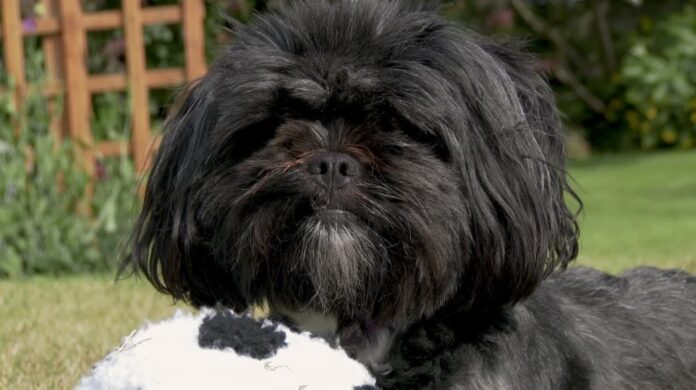 The Lhasa Apso is a dog breed from Tibet. He is a known non-sporting and low energy breed which means that they are not very fond of long walks and tough exercises. The Lhasa Apso was bred by Buddhist monks in order to alert them of intruders, but also as lovable companions.
They were also described as “goat-like” because of their silky long coat that needs to be groomed regularly. The Lhasa Apso belongs to the group of ancient dog breeds and has been around for more than four thousand years. He still acts as a loyal guardian to his owner and family.
The Lhasa Apso is a dog breed from Tibet. He is a known non-sporting and low energy breed which means that they are not very fond of long walks and tough exercises. The Lhasa Apso was bred by Buddhist monks in order to alert them of intruders, but also as lovable companions.
They were also described as “goat-like” because of their silky long coat that needs to be groomed regularly. The Lhasa Apso belongs to the group of ancient dog breeds and has been around for more than four thousand years. He still acts as a loyal guardian to his owner and family.
 The Japanese Chin is a dog breed that is also known as the
 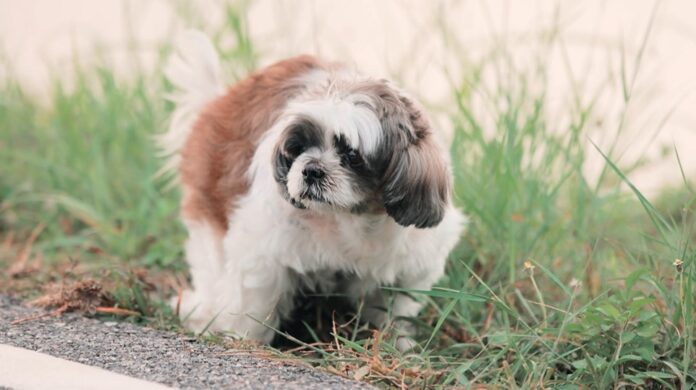 The
The  The St. Bernard is a dog breed that originated from Swiss Alps, north Italy and Switzerland. This dog is famous for its enormous size and lovable character, depicted in various media such as Tooper and Swiss Miss. He belongs to the group of giant dogs and can weight more than 140 kg (or 310 lb). This means that St Bernard is no lap dog and he is not suitable for small apartments. However, he is also not suitable for daily tough exercises even if his size is so big.
That is because he is naturally not energetic and he needs only as much exercise as to maintain health and discipline. That means you won’t see him jumping around recklessly unless his was trained for that. Tough
The St. Bernard is a dog breed that originated from Swiss Alps, north Italy and Switzerland. This dog is famous for its enormous size and lovable character, depicted in various media such as Tooper and Swiss Miss. He belongs to the group of giant dogs and can weight more than 140 kg (or 310 lb). This means that St Bernard is no lap dog and he is not suitable for small apartments. However, he is also not suitable for daily tough exercises even if his size is so big.
That is because he is naturally not energetic and he needs only as much exercise as to maintain health and discipline. That means you won’t see him jumping around recklessly unless his was trained for that. Tough 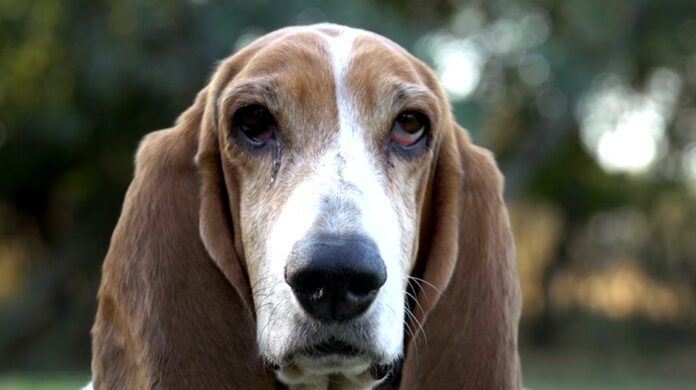 The Basset Hound is a dog breed that originated in France. He is one of the short-legged dog breeds and that is one of the traits that made him famous.
He is also a scent hound whose original job was to hunt small prey, e.g. hare. Basset Hounds are known for having a “sad expression” on their face, long hung ears, long tail and very short legs. The coat is short and their sense of scent is impeccable.
When it comes to their temperament, they can be great companions in apartments and they are also very tolerant of children. His short legs are the reason why he can’t jump much and he prefers being laid back and accompanied by his family.
The Basset Hound is a dog breed that originated in France. He is one of the short-legged dog breeds and that is one of the traits that made him famous.
He is also a scent hound whose original job was to hunt small prey, e.g. hare. Basset Hounds are known for having a “sad expression” on their face, long hung ears, long tail and very short legs. The coat is short and their sense of scent is impeccable.
When it comes to their temperament, they can be great companions in apartments and they are also very tolerant of children. His short legs are the reason why he can’t jump much and he prefers being laid back and accompanied by his family.
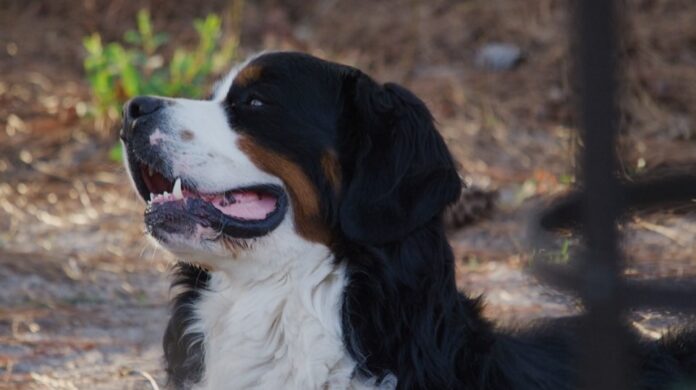 The
The 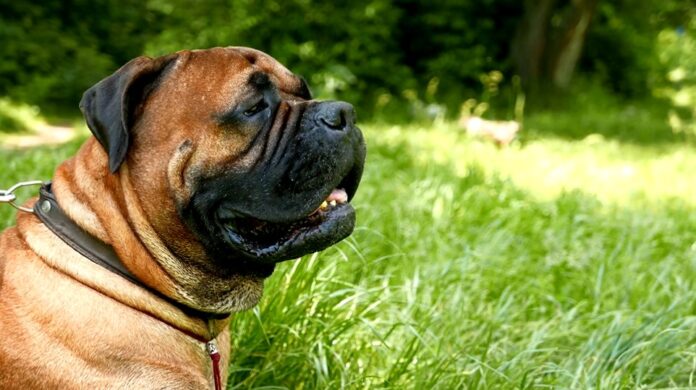 The bullmastiff is a large dog breed that originated in the UK. Even though Bullmastiffs’ size can be frightening, they are actually quite docile, calm dogs that almost never bark. The short coat is usually fawn, red, or brindle and the muzzle is black. They are very strong and powerful dogs, but sensitive and good-natured. It is very important to socialize them from an early age because they can be independent.
They are also very possessive and the natural guardians of their home. Apartment keeping is not recommended due to their big size. They need a special approach during their training and even though they look big, their level of energy is pretty low.
The bullmastiff is a large dog breed that originated in the UK. Even though Bullmastiffs’ size can be frightening, they are actually quite docile, calm dogs that almost never bark. The short coat is usually fawn, red, or brindle and the muzzle is black. They are very strong and powerful dogs, but sensitive and good-natured. It is very important to socialize them from an early age because they can be independent.
They are also very possessive and the natural guardians of their home. Apartment keeping is not recommended due to their big size. They need a special approach during their training and even though they look big, their level of energy is pretty low.
 The Chow Chow is a lazy breed that originated in China and is sometimes called the “puffy lion dog” due to his unique appearance. The breed also belongs to the ancient group of dogs which are the oldest in the world. The Chow Chow is a sturdy dog of medium size with a recognizable mane, dense red coat and a blue black tongue.
When it comes to his temperament, the Chow Chow is not very fond of strangers and he has been known as a snappy breed. That is because he is fiercely protective of his own and family and he should be trained properly from an early age in order to
The Chow Chow is a lazy breed that originated in China and is sometimes called the “puffy lion dog” due to his unique appearance. The breed also belongs to the ancient group of dogs which are the oldest in the world. The Chow Chow is a sturdy dog of medium size with a recognizable mane, dense red coat and a blue black tongue.
When it comes to his temperament, the Chow Chow is not very fond of strangers and he has been known as a snappy breed. That is because he is fiercely protective of his own and family and he should be trained properly from an early age in order to 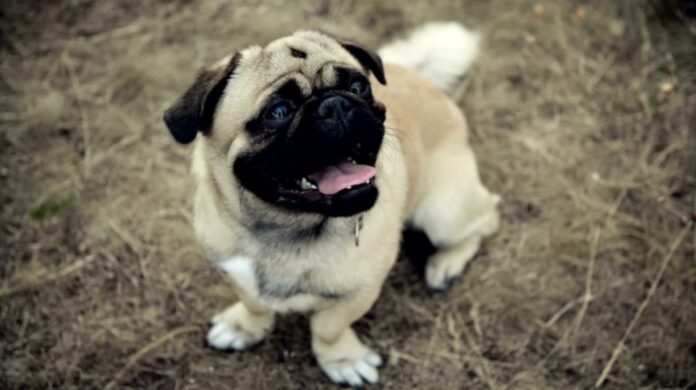 The Pug is a very small dog breed that originated in China as well. He is famous for short curled tail, flat black muzzle, small ears, short light coat and the wrinkled face. The breed has become very popular nowadays and it ranked among top popular dog breeds in Europe.
Pugs are known for being very gentle and easy going companion and lap dogs. Due to their flat noses they tend to breathe faster all the time which is a common trait. They do not handle high or low temperatures very well, and they also do not handle tough exercises. They are playful but not very active. Their temperament is often described as “much in little” because they are fierce, protective, brave and loyal. They are also perfect as lap dogs and suitable for smaller apartments.
The Pug is a very small dog breed that originated in China as well. He is famous for short curled tail, flat black muzzle, small ears, short light coat and the wrinkled face. The breed has become very popular nowadays and it ranked among top popular dog breeds in Europe.
Pugs are known for being very gentle and easy going companion and lap dogs. Due to their flat noses they tend to breathe faster all the time which is a common trait. They do not handle high or low temperatures very well, and they also do not handle tough exercises. They are playful but not very active. Their temperament is often described as “much in little” because they are fierce, protective, brave and loyal. They are also perfect as lap dogs and suitable for smaller apartments.
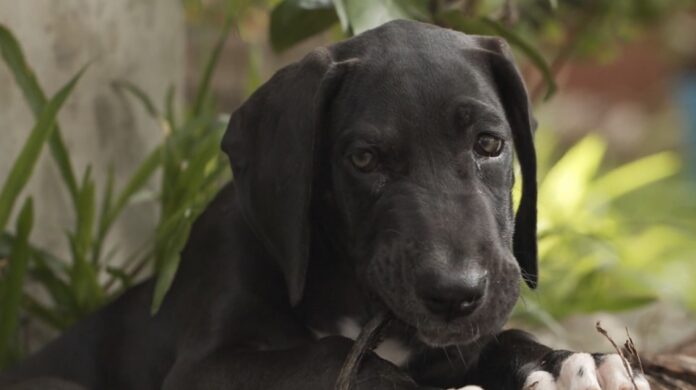 The Great Dane, or “the gentle giant” is a large dog breed that originated in Germany. This huge German Mastiff is one of the largest dog breeds in the world so it may come as a surprise to some people that he is also a low energy consumer. However, he is not very active dog even though he does require lots of space and attention.
If you’re interested in this breed, you can check out our article on the
The Great Dane, or “the gentle giant” is a large dog breed that originated in Germany. This huge German Mastiff is one of the largest dog breeds in the world so it may come as a surprise to some people that he is also a low energy consumer. However, he is not very active dog even though he does require lots of space and attention.
If you’re interested in this breed, you can check out our article on the 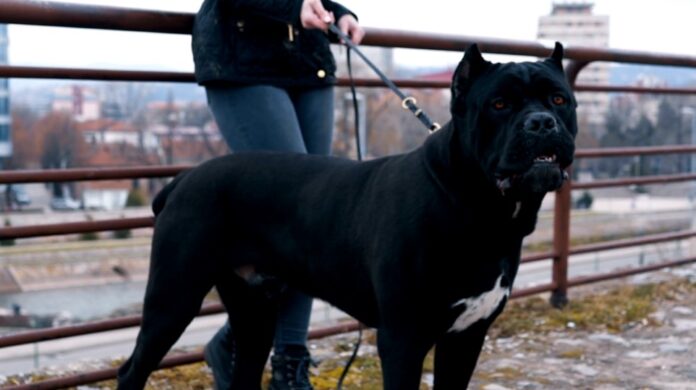 The Neapolitan Mastiff or Mastino is a large Italian dog breed that also belongs to the ancient dog breeds group. His fierce appearance scares and puts off many people, but he is actually quite calm and not very active. However, on the other hand; he is very protective of his home so he is often used as a guardian.
The Neapolitan Mastiff has a short black coat and a specific wrinkled muzzle. When it comes to his temperament, he is fearless, brave, intelligent and loves family.
He also does not bark often and he needs
The Neapolitan Mastiff or Mastino is a large Italian dog breed that also belongs to the ancient dog breeds group. His fierce appearance scares and puts off many people, but he is actually quite calm and not very active. However, on the other hand; he is very protective of his home so he is often used as a guardian.
The Neapolitan Mastiff has a short black coat and a specific wrinkled muzzle. When it comes to his temperament, he is fearless, brave, intelligent and loves family.
He also does not bark often and he needs  The Irish Wolfhound is the dog breed from Ireland. He is a very large dog that is also the tallest dog breed in the world. The minimal height is 0.81 m while the minimal weight is 48 kg. When it comes to their temperament, each Wolfhound is specific with his own quirks, but they are always intelligent, protective and reserved. They will always create strong bonds with their owners and shower them with love.
When it comes to their energy-related characteristic they are calm which makes them suitable for urban life and big apartments; however, they prefer rural life and enough place to move even though they are not very active. Their height makes them inconvenient for really small apartments where they would bump into other things, just like the Great Dane.
The Irish Wolfhound is the dog breed from Ireland. He is a very large dog that is also the tallest dog breed in the world. The minimal height is 0.81 m while the minimal weight is 48 kg. When it comes to their temperament, each Wolfhound is specific with his own quirks, but they are always intelligent, protective and reserved. They will always create strong bonds with their owners and shower them with love.
When it comes to their energy-related characteristic they are calm which makes them suitable for urban life and big apartments; however, they prefer rural life and enough place to move even though they are not very active. Their height makes them inconvenient for really small apartments where they would bump into other things, just like the Great Dane.
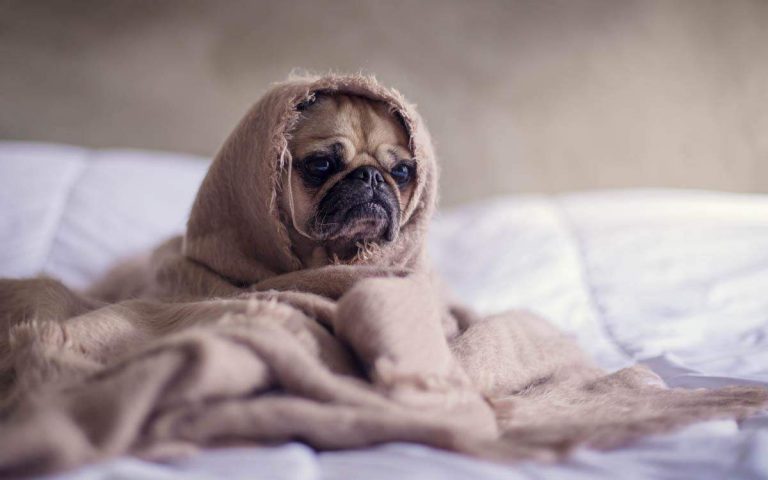
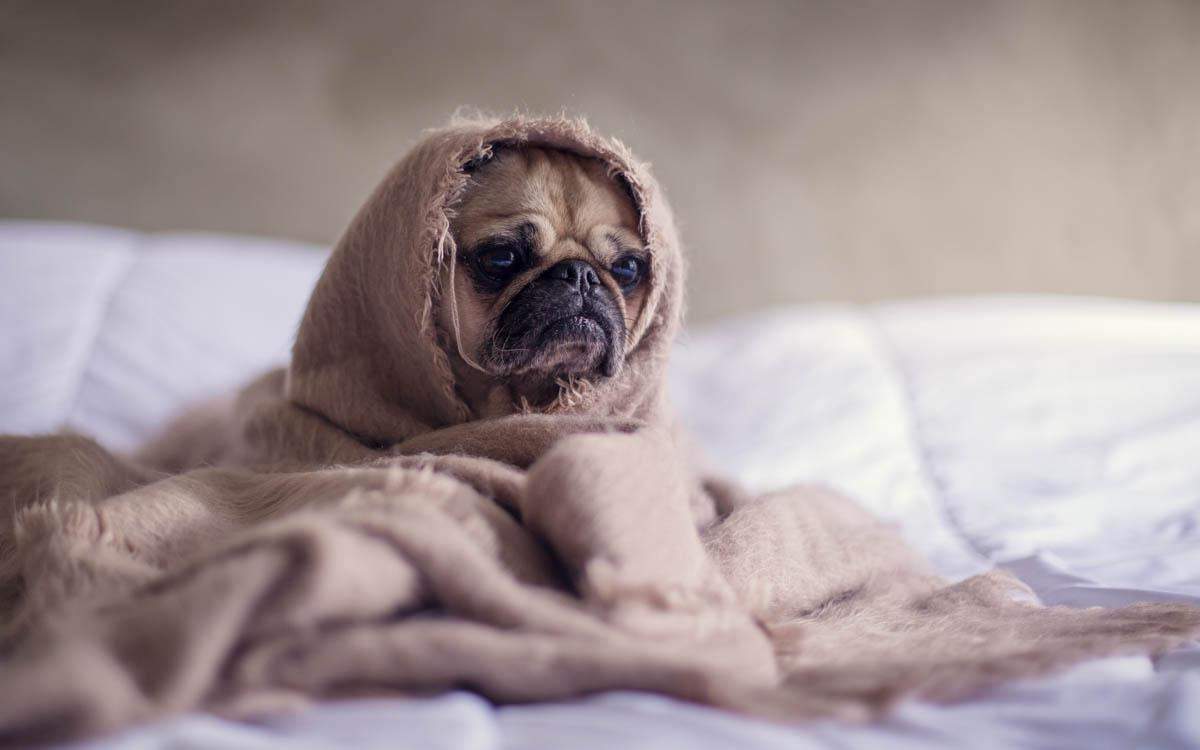 How to protect dogs from cold weather: Dogs were recorded to be the first domesticated carnivore. In the 18th Century Dogs were referred to as “Man’s best friend”. Over the years the relationship between humans and this wolf-like species has increased, not just because of their domestic nature or charming looks but because of the several roles they perform; companionship, security, hunting, etcetera.
As a matter of fact, their long association with humans has made them uniquely attuned to human behavior and the atmospheric environment. Hence, while their level of tolerance may outweigh ours simply because many people think they have a layer of fur protecting them, they equally feel the effect of the changes in times and seasons; winter, autumn, spring, and summer.
You probably have an idea as to what to do when your dog faces the warm/hot weather, its risks, and necessary percussion. But do you know how to protect your dog when the weather becomes cold, harsh, and freezing? Do you know how to keep your dog warm?
Here are some tips for you!
How to protect dogs from cold weather: Dogs were recorded to be the first domesticated carnivore. In the 18th Century Dogs were referred to as “Man’s best friend”. Over the years the relationship between humans and this wolf-like species has increased, not just because of their domestic nature or charming looks but because of the several roles they perform; companionship, security, hunting, etcetera.
As a matter of fact, their long association with humans has made them uniquely attuned to human behavior and the atmospheric environment. Hence, while their level of tolerance may outweigh ours simply because many people think they have a layer of fur protecting them, they equally feel the effect of the changes in times and seasons; winter, autumn, spring, and summer.
You probably have an idea as to what to do when your dog faces the warm/hot weather, its risks, and necessary percussion. But do you know how to protect your dog when the weather becomes cold, harsh, and freezing? Do you know how to keep your dog warm?
Here are some tips for you!
 Apart from a dog-coat or sweater, you can also protect and keep your dog warm with a blanket. Yes! You can. As a matter of fact, some dogs need a blanket to keep them warm even when in thick coats. This is however subject to the following factors: environment, the breed of your dog, its age, health, weight, and the available home heating conditions.
Environment: Where a dog resides in an environment that often gets cold and snowy, if proper attention is not given to his health, he stands at risk of hypothermia which often occurs when the body temperature of a dog drops below 99-95 Fahrenheit.
Breed: as mentioned above, certain dogs are bred specially for working in cold weather; such dogs usually would not require much warmth in cold weather. Dogs with long and thick hair or fur equally have a higher level of cold tolerance compared to those with thin and short hair, or dogs that get their hair trimmed.
Age: Older dogs have weaker immune systems and joints; hence they require a lot of protection and warmth during cold weather. Small dogs are usually fragile and have their bellies closer to the ground which puts them at the risk of constant contact with the cold floor, snow or water when without a thick coat or blanket to keep them warm.
Weight: Fat dogs or overweight dogs can manage a cold-weather way above underweight dogs, hence it is important to consider the weight of your dog when deciding if he needs a blanket or not.
Home heating conditions: most dog owners do not take cognizance of this but it goes a long way in determining what level of warmth your dog might require especially when indoors. Some dogs might require a dog-house with its own heating conditions depending on his health and environment.
Apart from a dog-coat or sweater, you can also protect and keep your dog warm with a blanket. Yes! You can. As a matter of fact, some dogs need a blanket to keep them warm even when in thick coats. This is however subject to the following factors: environment, the breed of your dog, its age, health, weight, and the available home heating conditions.
Environment: Where a dog resides in an environment that often gets cold and snowy, if proper attention is not given to his health, he stands at risk of hypothermia which often occurs when the body temperature of a dog drops below 99-95 Fahrenheit.
Breed: as mentioned above, certain dogs are bred specially for working in cold weather; such dogs usually would not require much warmth in cold weather. Dogs with long and thick hair or fur equally have a higher level of cold tolerance compared to those with thin and short hair, or dogs that get their hair trimmed.
Age: Older dogs have weaker immune systems and joints; hence they require a lot of protection and warmth during cold weather. Small dogs are usually fragile and have their bellies closer to the ground which puts them at the risk of constant contact with the cold floor, snow or water when without a thick coat or blanket to keep them warm.
Weight: Fat dogs or overweight dogs can manage a cold-weather way above underweight dogs, hence it is important to consider the weight of your dog when deciding if he needs a blanket or not.
Home heating conditions: most dog owners do not take cognizance of this but it goes a long way in determining what level of warmth your dog might require especially when indoors. Some dogs might require a dog-house with its own heating conditions depending on his health and environment.
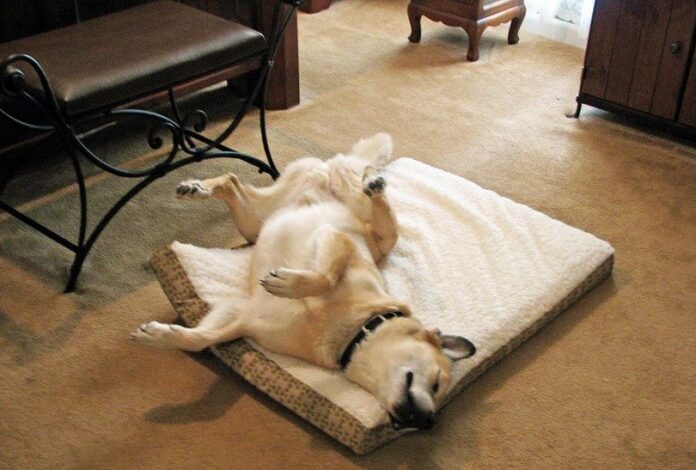 Sleepwalking is often the subject of funny recollections and great hilarity relating to humans. You probably know of a friend, a brother, or someone of other relations who raided the refrigerator and ate the entire apple pie but does not have a clue what you’re talking about when confronted.
But the pictures finally tell the tales as you caught the culprit red-handed. He cannot be held responsible, however, because he did it in his sleep.
Very rarely does one hear of animals displaying unusual behaviors that you would classify as sleepwalking otherwise called somnambulism.
Somnambulism is really a sleep behavior that occurs during deep sleep that involves movement such as walking and engaging in other activities that would only happen when awake.
You see, during sleep the brain causes both the conscious mind and the physical body to shut down and be at rest. The muscles become relaxed and movement is suspended for a while. However, for some people this function becomes sort of twisted, and sleep walking takes place.
Sleepwalking is often the subject of funny recollections and great hilarity relating to humans. You probably know of a friend, a brother, or someone of other relations who raided the refrigerator and ate the entire apple pie but does not have a clue what you’re talking about when confronted.
But the pictures finally tell the tales as you caught the culprit red-handed. He cannot be held responsible, however, because he did it in his sleep.
Very rarely does one hear of animals displaying unusual behaviors that you would classify as sleepwalking otherwise called somnambulism.
Somnambulism is really a sleep behavior that occurs during deep sleep that involves movement such as walking and engaging in other activities that would only happen when awake.
You see, during sleep the brain causes both the conscious mind and the physical body to shut down and be at rest. The muscles become relaxed and movement is suspended for a while. However, for some people this function becomes sort of twisted, and sleep walking takes place.
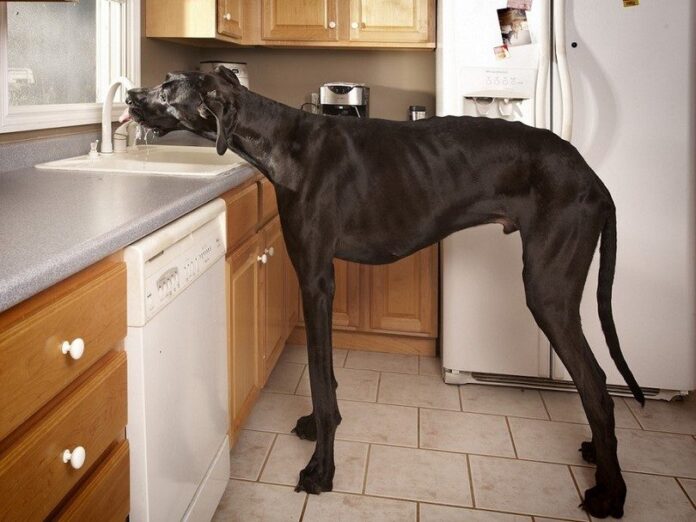 The behavior tends to occur more in children than adults especially when persons are deprived of sleep. You may have heard tales of persons moving to another area in the house and carrying out activities that are not normal. Some activities can go close to normal such as eating a bag of chips.
However, some persons have climbed out of windows and landed up hard two stories below or have found themselves in places that are rather unsafe. Then there is that incident of urinating in the shoes. It is quite difficult to arouse a sleep walker and usually he has no memory of the activity (National Sleep Foundation, 2015).
The behavior tends to occur more in children than adults especially when persons are deprived of sleep. You may have heard tales of persons moving to another area in the house and carrying out activities that are not normal. Some activities can go close to normal such as eating a bag of chips.
However, some persons have climbed out of windows and landed up hard two stories below or have found themselves in places that are rather unsafe. Then there is that incident of urinating in the shoes. It is quite difficult to arouse a sleep walker and usually he has no memory of the activity (National Sleep Foundation, 2015).
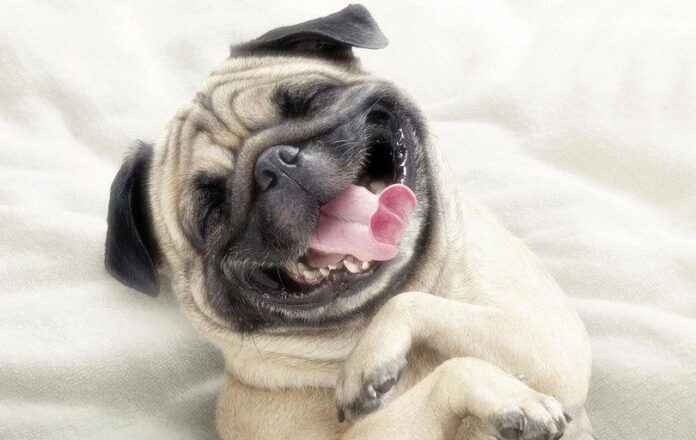 Was that sleepwalking behavior, a simple dream or a seizure? The jury has been out for this as many people question whether animals dream or sleepwalk. The non-expert view is that animals such as dogs do dream as humans.
The dream occurs in the rapid eye movement (REM) stage of sleep and dogs do display the behaviors. Our earlier article on the
Was that sleepwalking behavior, a simple dream or a seizure? The jury has been out for this as many people question whether animals dream or sleepwalk. The non-expert view is that animals such as dogs do dream as humans.
The dream occurs in the rapid eye movement (REM) stage of sleep and dogs do display the behaviors. Our earlier article on the  He observes however, that dogs do have REM sleep and display certain identifiable signs such as leg and tail movements, facial twitching, and vocalization (barking and growling). This could very well be a signal that they are dreaming.
 Wedderburn (2014) advises that it is not a case of sleep walking as dogs do not ramble around as humans do in their sleep. Dogs are more likely to paddle their feet as if running, and engage in jerky movements of the body.
The Labrador’s problem instead resembled a cognitive or mental disorder that is often associated with aging. We have a
Wedderburn (2014) advises that it is not a case of sleep walking as dogs do not ramble around as humans do in their sleep. Dogs are more likely to paddle their feet as if running, and engage in jerky movements of the body.
The Labrador’s problem instead resembled a cognitive or mental disorder that is often associated with aging. We have a  Veterinarians will suggest that a neurological examination is done of a dog that displays sleep behaviors. Neurological tests are used to determine if the animal has a disease in his nervous system and if so, the likely location in the brain.
Neurological tests do not tell the disease that the animal has, but rather the location of the problem. The dog will be checked for its mental state. Where there is evidence that the animal is not behaving normal, being in a stupor, semi-consciousness or disorientation, means that there is a problem in the frontal lobe of the brain.
The doctor will also look at the animal’s gait and posture which could indicate weakness in the muscles and incoordination. This test could also root out orthopedic diseases such as arthritis.
The nerves in the cranium that run to different parts of the brain will also be tested, and this will lead to any neurological disease that may exist in these areas. Additionally, the neurologist will test the positions of the limbs and also the reflexes.
Veterinarians will suggest that a neurological examination is done of a dog that displays sleep behaviors. Neurological tests are used to determine if the animal has a disease in his nervous system and if so, the likely location in the brain.
Neurological tests do not tell the disease that the animal has, but rather the location of the problem. The dog will be checked for its mental state. Where there is evidence that the animal is not behaving normal, being in a stupor, semi-consciousness or disorientation, means that there is a problem in the frontal lobe of the brain.
The doctor will also look at the animal’s gait and posture which could indicate weakness in the muscles and incoordination. This test could also root out orthopedic diseases such as arthritis.
The nerves in the cranium that run to different parts of the brain will also be tested, and this will lead to any neurological disease that may exist in these areas. Additionally, the neurologist will test the positions of the limbs and also the reflexes.
 Something must be said about the safety of the animal that is experiencing unusual sleep behaviors. People who are in the position of observing sleepwalking in another human or in animals do find it quite amusing as they only see the funny actions that occur.
While there will be concern for the human species walking over a ledge, stepping through a six-storey window, or falling into a pond, sentiments may not be as high for a canine although he is considered a man’s best friend.
A dog that sleepwalks or has a seizure is at risk of injuring himself at any time. The dog in the video clearly could have injured itself as it jumps up and slams into the wall. How many times does a dog sleepwalk and gets a body slam like that? What other danger do they face, drowning, burning, or falling?
Dogs with displays of abnormal activities such as sleepwalking should get immediate attention from a vet. The fact is that we are not sure what the problem is which could be more serious than occurs on the surface. In the meantime it is suggested that you do a review of your pet’s diet as certain foods are known to help with sleep disorders in animals.
A diet that is enriched with Omega 3 fatty acids and foods high in antioxidants are known to be good for dogs and will help with their cognitive and sleep issues.
Studies have shown that dogs who have foods supplemented with beta-carotene, mixed tocopherols, flavonoids and carotenoids and omega-3 fatty acids experience greater improvements in their cognitive performance.
Upon the advice of your veterinarian, you may also go for organic food; and an article on
Something must be said about the safety of the animal that is experiencing unusual sleep behaviors. People who are in the position of observing sleepwalking in another human or in animals do find it quite amusing as they only see the funny actions that occur.
While there will be concern for the human species walking over a ledge, stepping through a six-storey window, or falling into a pond, sentiments may not be as high for a canine although he is considered a man’s best friend.
A dog that sleepwalks or has a seizure is at risk of injuring himself at any time. The dog in the video clearly could have injured itself as it jumps up and slams into the wall. How many times does a dog sleepwalk and gets a body slam like that? What other danger do they face, drowning, burning, or falling?
Dogs with displays of abnormal activities such as sleepwalking should get immediate attention from a vet. The fact is that we are not sure what the problem is which could be more serious than occurs on the surface. In the meantime it is suggested that you do a review of your pet’s diet as certain foods are known to help with sleep disorders in animals.
A diet that is enriched with Omega 3 fatty acids and foods high in antioxidants are known to be good for dogs and will help with their cognitive and sleep issues.
Studies have shown that dogs who have foods supplemented with beta-carotene, mixed tocopherols, flavonoids and carotenoids and omega-3 fatty acids experience greater improvements in their cognitive performance.
Upon the advice of your veterinarian, you may also go for organic food; and an article on  Many pet owners have observed their dogs engaging in activities that leave them to wonder if their pets are sleepwalking. The twitching body and paddling feet are just few of the signs that dogs exhibit.
But then experts have pointed to the fact that there are other issues with the same displays. REM sleep, narcolepsy and cataplexy are some sleep disorders that do get in the way of animals.
However, seizures or epilepsy are also culprits that affect dogs in the same way. There are cases of
Many pet owners have observed their dogs engaging in activities that leave them to wonder if their pets are sleepwalking. The twitching body and paddling feet are just few of the signs that dogs exhibit.
But then experts have pointed to the fact that there are other issues with the same displays. REM sleep, narcolepsy and cataplexy are some sleep disorders that do get in the way of animals.
However, seizures or epilepsy are also culprits that affect dogs in the same way. There are cases of 
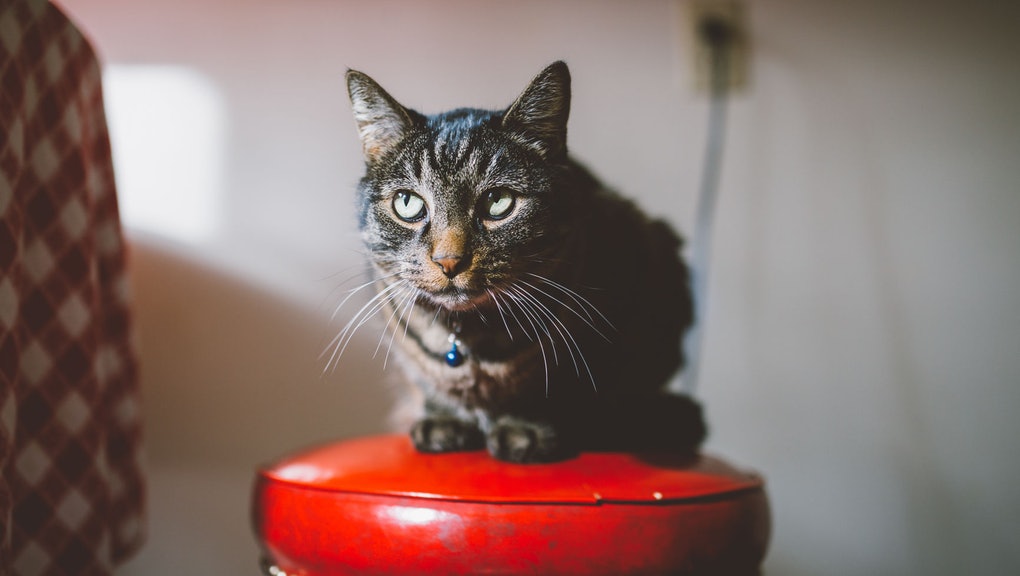 Just like humans, cat feels great and strong emotions which could be due to one reason or the other. Yes, Indoor cats can be depressed and this is due to many reasons. Just like humans, when left alone we get lonely and this might lead to a depressed state. This case is the same for our feline companion as research shows that cats that are not given attention have the tendencies of getting depressed.
Lonely cats do not have who to bond with or who to interact with and because of this they get so depressed and one of the signs is that they are extremely quiet and sometimes may refuse to eat. It is necessary to have toys, cat tree, cat condos etc. for your cat to have fun and be happy.
Also read:
Just like humans, cat feels great and strong emotions which could be due to one reason or the other. Yes, Indoor cats can be depressed and this is due to many reasons. Just like humans, when left alone we get lonely and this might lead to a depressed state. This case is the same for our feline companion as research shows that cats that are not given attention have the tendencies of getting depressed.
Lonely cats do not have who to bond with or who to interact with and because of this they get so depressed and one of the signs is that they are extremely quiet and sometimes may refuse to eat. It is necessary to have toys, cat tree, cat condos etc. for your cat to have fun and be happy.
Also read: 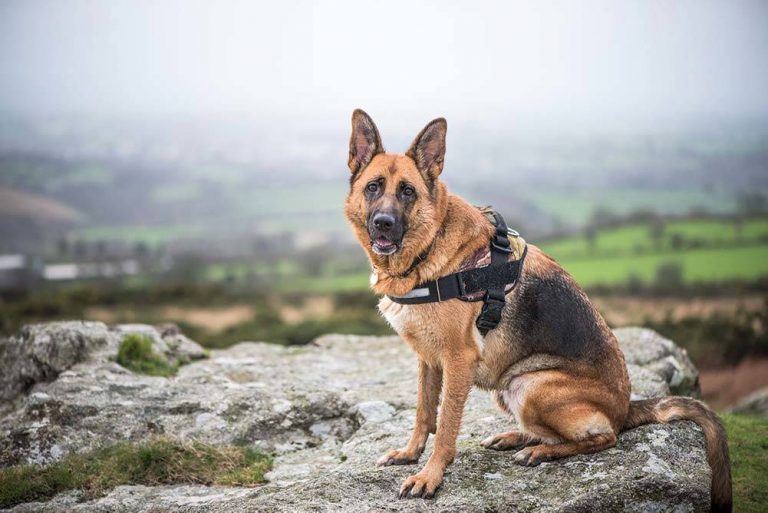
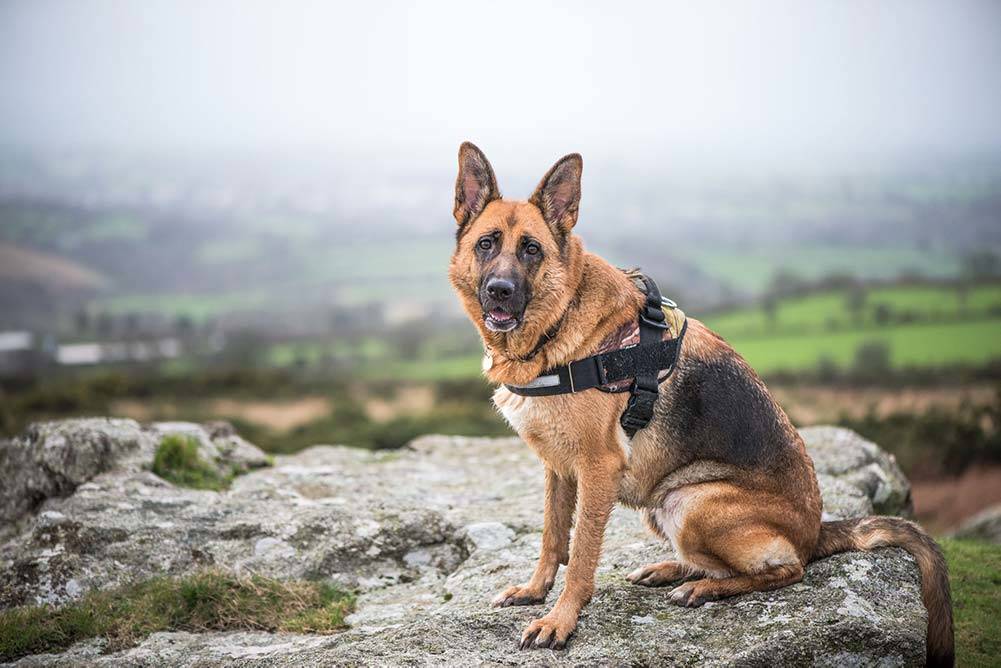

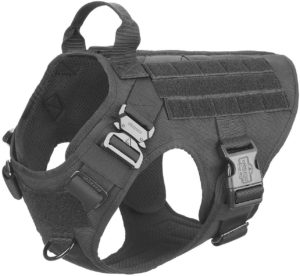

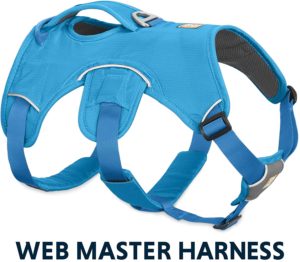

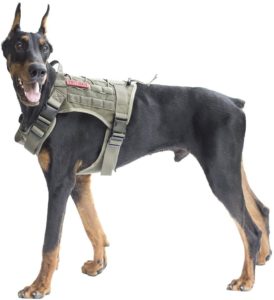

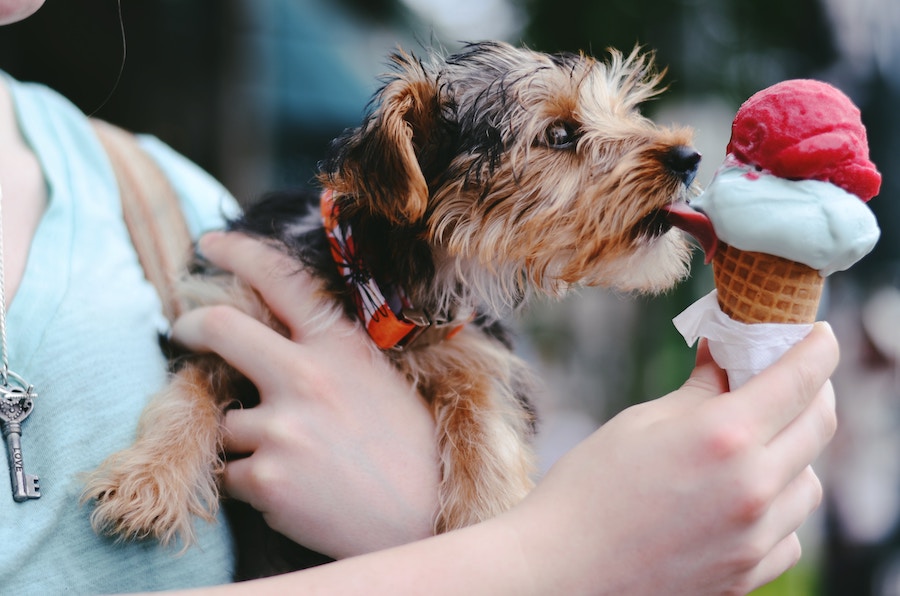 What can Yorkies eat from human food: Yorkie’s which are also known as the
 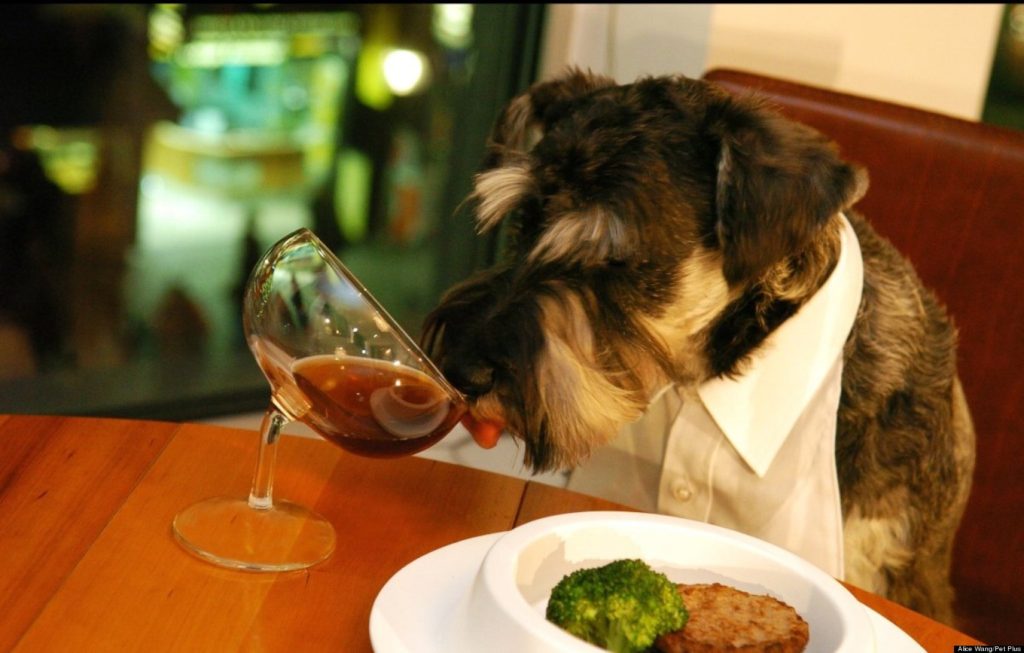 Feeding your dog with human food is in no way wrong but it is necessary you avoid him or her some certain human food because of its effects on their digestive system. Some of these foods are poisonous and harmful to the health of your dog and they must be avoided.
Some of the human food which is harmful to your dog include:
Feeding your dog with human food is in no way wrong but it is necessary you avoid him or her some certain human food because of its effects on their digestive system. Some of these foods are poisonous and harmful to the health of your dog and they must be avoided.
Some of the human food which is harmful to your dog include:
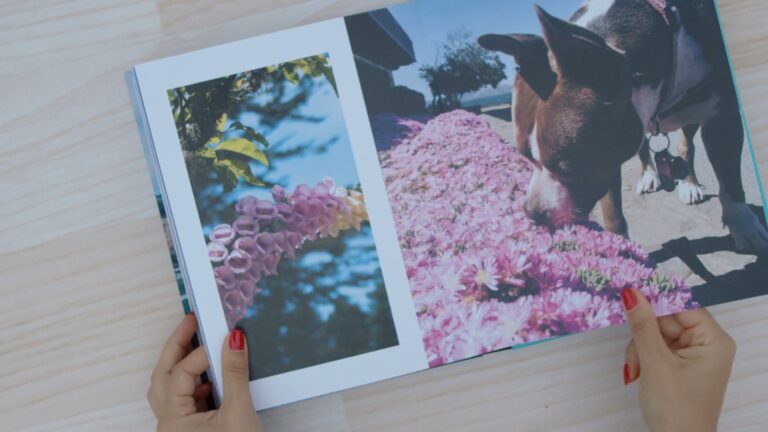
 When embarking on the journey of capturing your canine’s moments, selecting the right camera is paramount. The market is flooded with options, from
  Camera settings play a pivotal role in determining the quality and impact of your photos. The trio of aperture, shutter speed, and ISO work in harmony to balance the exposure, ensuring your dog is illuminated perfectly in every frame.
A wider aperture (lower f-stop number) lets in more light and creates a blurred background, focusing attention on your dog, while a fast shutter speed freezes action, capturing every playful leap and sprint with clarity.
Adjusting the
Camera settings play a pivotal role in determining the quality and impact of your photos. The trio of aperture, shutter speed, and ISO work in harmony to balance the exposure, ensuring your dog is illuminated perfectly in every frame.
A wider aperture (lower f-stop number) lets in more light and creates a blurred background, focusing attention on your dog, while a fast shutter speed freezes action, capturing every playful leap and sprint with clarity.
Adjusting the  The debate between candid and posed shots revolves around the essence of spontaneity versus the charm of deliberate composition. Candid shots, with their unrehearsed charm, capture the essence of your dog’s spirit, be it in a moment of mischief or a burst of joy.
Posed shots, on the other hand, allow for controlled settings, deliberate compositions, and the accentuation of your dog’s best features.
The choice between candid and posed boils down to the desired emotion and narrative. While candid shots encapsulate the raw and authentic character of your dog, posed shots offer the refined elegance of meticulous preparation.
The debate between candid and posed shots revolves around the essence of spontaneity versus the charm of deliberate composition. Candid shots, with their unrehearsed charm, capture the essence of your dog’s spirit, be it in a moment of mischief or a burst of joy.
Posed shots, on the other hand, allow for controlled settings, deliberate compositions, and the accentuation of your dog’s best features.
The choice between candid and posed boils down to the desired emotion and narrative. While candid shots encapsulate the raw and authentic character of your dog, posed shots offer the refined elegance of meticulous preparation.
 Post-processing through photo editing software and apps is essential in fine-tuning your dog’s photos. Tools like
  In conclusion, the journey of creating a memorable photo book of your dog is a holistic process of observation, creativity, and expression. It is a labor of love that intertwines the joy of photography with the unparalleled bond between you and your canine companion.
Embarking on this journey is not just about preserving memories; it is about celebrating the unique spirit of your dog, cherishing every adventure, and sharing the essence of their existence with the world. So, let the journey begin, and let the adventures of your canine companion be immortalized through the lens of your camera.
In conclusion, the journey of creating a memorable photo book of your dog is a holistic process of observation, creativity, and expression. It is a labor of love that intertwines the joy of photography with the unparalleled bond between you and your canine companion.
Embarking on this journey is not just about preserving memories; it is about celebrating the unique spirit of your dog, cherishing every adventure, and sharing the essence of their existence with the world. So, let the journey begin, and let the adventures of your canine companion be immortalized through the lens of your camera. 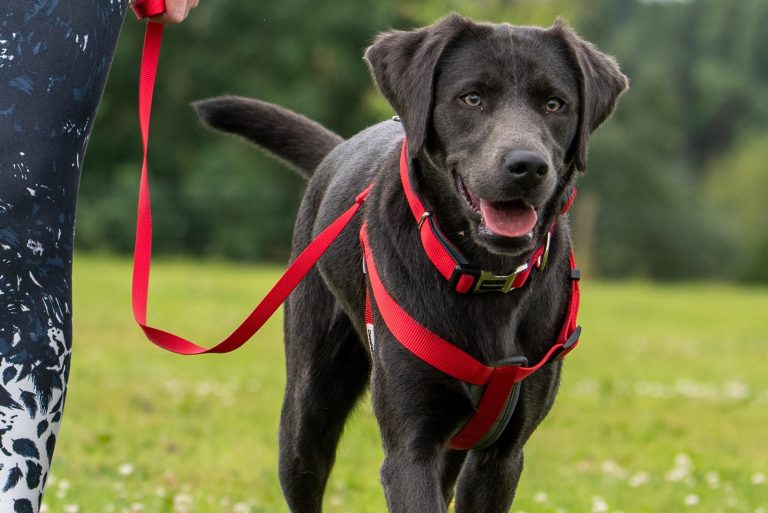
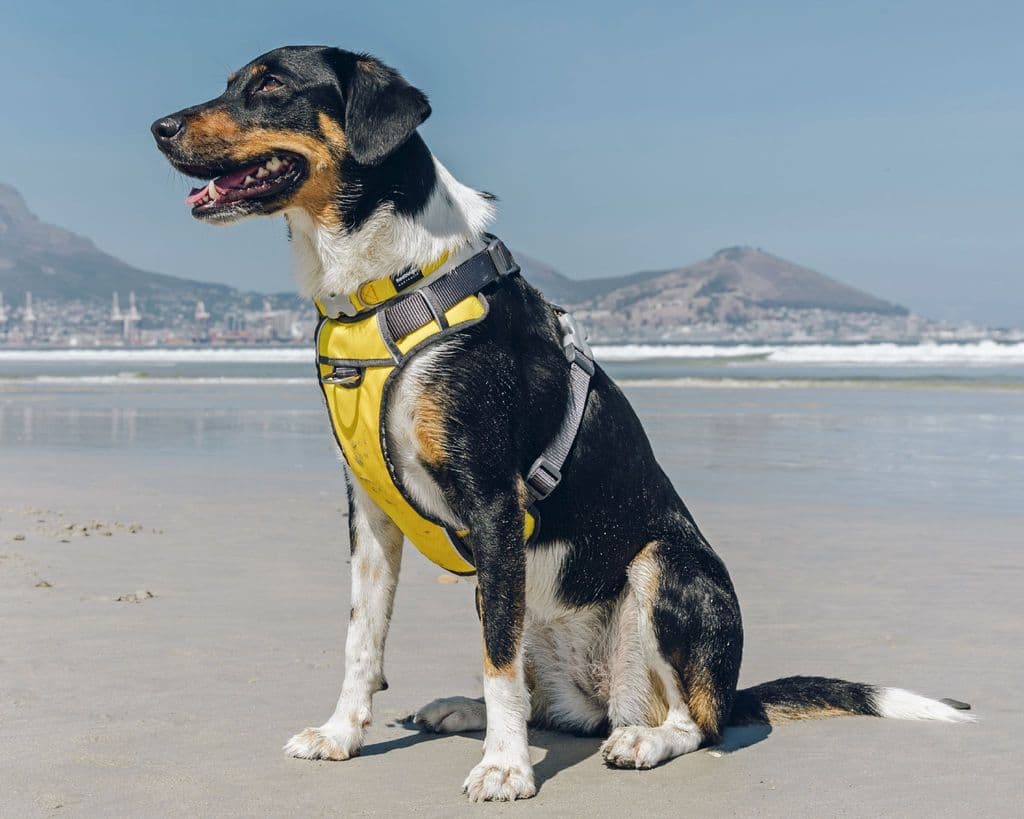 Harnesses are designed for the safety of your dog, when out on a walk, hike, etc. with your dog. They are most times preferred to dog collars because traditional dog collars are known to choke when your dog pulls.
Harnesses are known to distribute the weight across the chest, and other parts of your dog’s body and they are known to have several points of attachments so that the leash can be kept from tangling, and it also helps you have enough room to control your dog.
For the effectiveness of the dog harness, it is essential that you know how to wear the dog harness and also know the information as regards putting on a
Harnesses are designed for the safety of your dog, when out on a walk, hike, etc. with your dog. They are most times preferred to dog collars because traditional dog collars are known to choke when your dog pulls.
Harnesses are known to distribute the weight across the chest, and other parts of your dog’s body and they are known to have several points of attachments so that the leash can be kept from tangling, and it also helps you have enough room to control your dog.
For the effectiveness of the dog harness, it is essential that you know how to wear the dog harness and also know the information as regards putting on a 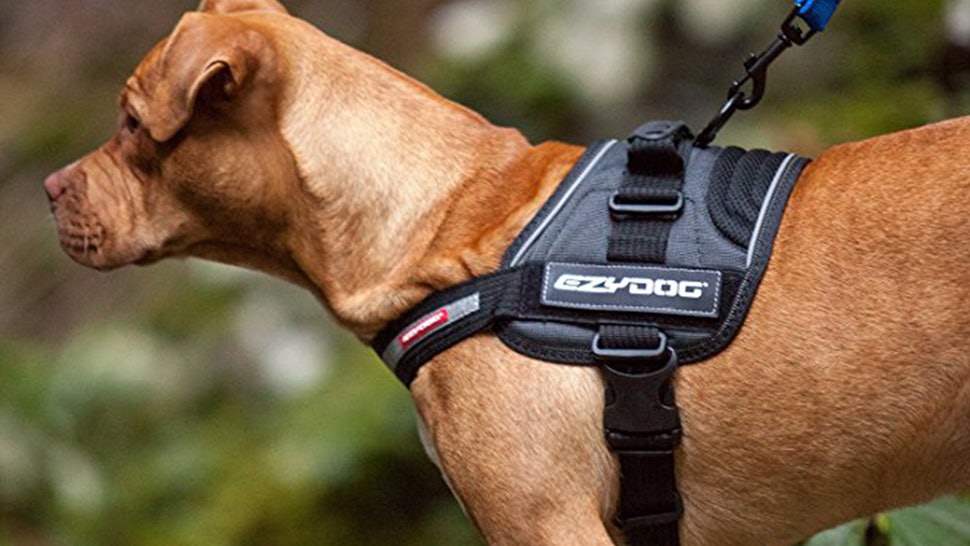 If your dog harness does not fit your dog well, it is essential that you adjust it carefully and with love and not hurriedly. When adjusting your dog harness, it is necessary to ensure that:
The harness is not so tight. About 2-3 fingers under the strap tightness are the best. The majority of dogs prefer that when you want to adjust the harness, you take it off to adjust. When adjusting your harness it important that the harness is tight on the chest and loose around the body
Additionally, when adjusting the harness, it is important to place the harness on your dog and ensure to thread the straps of the harness using the adjuster. It is also to be noted that it is expedient to check the harness fitting regularly if you have a growing dog or puppy
Also read:
If your dog harness does not fit your dog well, it is essential that you adjust it carefully and with love and not hurriedly. When adjusting your dog harness, it is necessary to ensure that:
The harness is not so tight. About 2-3 fingers under the strap tightness are the best. The majority of dogs prefer that when you want to adjust the harness, you take it off to adjust. When adjusting your harness it important that the harness is tight on the chest and loose around the body
Additionally, when adjusting the harness, it is important to place the harness on your dog and ensure to thread the straps of the harness using the adjuster. It is also to be noted that it is expedient to check the harness fitting regularly if you have a growing dog or puppy
Also read: