In the last couple of years, people have started dressing up pets as a fashion statement and for the sake of having the coolest dog on the block. Sometimes, even for outfits matching. Since then, this whole thing has turned into a new industry that reflects the fashion trends we see for humans.
Today, the entire dog fashion industry keeps growing day by day, giving dog owners lots of cool and trendy new choices to make sure their furry friends are just as trendy as they are. Woah. This means that now you can finally get closer to your pet in the most unpredictable way possible. Sounds cool, right? Today, we will talk about the newest fashion for dogs including collars, hoodies, and leashes. Let’s get to it!
How Collars Became Main Attraction?
Well, simply put, designer collars for dogs are no longer here just for the sake of functionality. Currently, LV dog collar is the talk of the town, and they will help your pup express his character and your fashion sense in the same effort.
Of course, they come in various materials, from premium leather to eco-conscious choices and even upcycled materials which is my personal favorite. These collars are now full of enhancements like custom engravings, gem adornments, and tech-savvy which we will touch upon later in the article.
Fancy Dog Attire
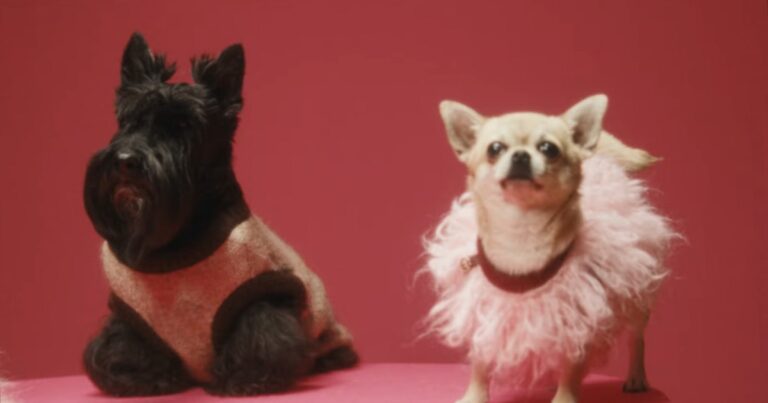
Fancy clothes for dogs are now a big thing in pet fashion, with some of the best designers making outfits for our furry pals. These clothes are made from fancy stuff like silk and soft cashmere, with lots of detail, and are well made. But, these fancy clothes might not be for everyone. They’re for dog owners who like to match their style with their dogs.
You can find all sorts of fancy outfits, like pretty dresses and sharp tuxedos for big parties, or custom-made clothes that keep up with what’s in style for people. It’s all about showing off and sharing the fun of dressing up with your pet.
Chic Dog Coats
With the changing seasons and unpredictable weather, we got a chance to see a new trend for dogs. Coats. As of this year, it is all about mixing style with comfort and protection from the elements. Raincoats became a must, with glow-in-the-dark strips adding safety on your night walks. For a little bit colder times, there is an option for insulated jackets, and best of all, they will not restrict your pup’s movement at all!
As with anything we will be listing today, coats come in various styles for everyone’s taste. Also, coats are made mostly with an emphasis on eco-friendly materials and sustainable production. This means that if you make an eco-conscious decision for your dog, you will also help the planet. Isn’t this nice?
Comfortable Hoodies
You know how comfortable and warm hoodies get when it is chilly outside. Well, recently, dog hoodies came out on the market as something new for them bringing the same comfort and warmth as they bring to us. These hoodies are not basic by any means. They have amazing design options, positive slogans, and even customization options!
For example, you can add your pet’s name to the hoodie and it stands out among other dogs in the park. Hoodies are made out of soft, flexible fabrics, and of course, they ensure your pup moves without any problem, making them perfect for both indoor and outdoor activities.
Useful Accessories
Now comes the interesting part. Every accessory serves a purpose. Bandanas have gained popularity, available in many colors and patterns, and, as it does to you, can keep pups cool in warm climates. Bow ties and neckties add a dash of sophistication, ideal for special occasions like weddings or family gatherings.
We can assure you your dog will be treated as a special guest with a cute little bowtie around his next. Ugh, we almost forgot. Even the harnesses and leashes have been transformed, with designs that complement the pup’s style while ensuring their safety and comfort during walks.
Sustainable Fashion
Sustainability has become an important part of dog fashion, with pet owners looking for stylish yet environmentally friendly pet accessories. This boils down to brands responding by incorporating recycled materials, organic fabrics, and ethical manufacturing practices. If you ask me, this sounds epic.
This move of sustainability reflects a societal shift towards eco-conscious living, extending the concept of “fashion with a purpose” to the world of pet fashion.
Seasonal and Festive Garb
Seasonal and festive dog attire is on the rise, the same as the Earth’s temperature level. Anyway. From Halloween costumes putting pups in superhero roles or mythical beings to Christmas sweaters adorned with snowflakes, reindeer, and other festive motifs, meaning that your family can easily match an outfit with your pup. This will surely create memories.
Spring and summer collections feature lighter materials, vibrant colors, and patterns, perfect for outdoor gatherings and going to a beach. All this makes every season an opportunity for your pet’s fashion moment.
Tech-Infused Fashion
Technology has, as mentioned above, integrated into dog fashion, which was expected to happen. There are collars and leashes equipped with LED lights that will ensure your pup is visible during nighttime walks, while coats with built-in GPS keep track of your pet and his activity levels all in real-time. Wow. One worry less is never a bad thing.
There are also cooling vests that are made out of innovative materials and will regulate your dog’s body temperature in hot conditions. This mix of tech, pet apparel, and accessories improves both the well-being and safety of pets while incorporating a modern touch.
Wrapping it up
Remember that pet fashion is a vibrant mix of style, functionality, and fresh ideas and is solely based on your taste, which is nice. This will allow you to express your ideas and have a companion that will proudly wear it. From the designer dog collars to the practical benefits of tech-enhanced accessories, there’s something for every pet owner.
Seasonal attire introduces an element of fun and allows pups to participate in family celebrations. With an emphasis on sustainability, the future of dog fashion isn’t just about looking good but about contributing positively to the planet.
Dogs are more than just pets; they are cherished members of our families. We want to ensure that our furry companions are comfortable, happy, and healthy. One crucial aspect of their well-being is quality sleep, and orthopedic memory foam dog beds have emerged as a game-changer in this regard.
In this article, we will explore how these specialized beds can significantly improve sleep quality and contribute to the overall well-being of our canine friends.
Understanding the Importance of Quality Sleep for Dogs
Just like humans, dogs require quality sleep to maintain good health and vitality. Dogs typically sleep for a significant portion of the day, with some breeds sleeping up to 18 hours a day, depending on age and activity level.
During this restorative phase, their bodies repair tissues, consolidate memories and boost their immune systems. Poor sleep can lead to a range of issues, including increased stress, anxiety, and even behavioral problems.
The Role of Orthopedic Memory Foam
Orthopedic memory foam dog beds are designed to support a dog’s body and alleviate discomfort, making them especially beneficial for older dogs or those with joint issues.
The key component in these beds is memory foam, a viscoelastic material that conforms to a dog’s body shape and provides optimal support.
How Orthopedic Memory Foam Beds Improve Sleep Quality
Pressure Relief: One of the primary benefits of orthopedic memory foam is its ability to distribute a dog’s weight evenly across the surface. This reduces pressure points on joints, which can be especially helpful for dogs with arthritis or other musculoskeletal conditions. As a result, dogs experience less discomfort and are more likely to stay asleep throughout the night.
Enhanced Comfort: Memory foam beds provide a plush and comfortable sleeping surface. Dogs can sink into the foam, allowing them to relax and fall asleep faster. This enhanced comfort leads to longer and more restful sleep cycles, ultimately improving sleep quality.
Temperature Regulation: Many orthopedic memory foam beds are designed with cooling properties to help regulate a dog’s body temperature. This is particularly important for breeds prone to overheating. By keeping dogs cool and comfortable, these beds contribute to uninterrupted sleep.
Durability: Orthopedic memory foam dog beds are built to last. Their durability ensures that the supportive qualities of the bed remain intact over time, preventing sagging or loss of support. This means that your dog can enjoy consistent, quality sleep for years to come.
Health Benefits of Orthopedic Memory Foam Beds
Pain Relief: Dogs suffering from joint pain, arthritis, or other orthopedic conditions often find relief in memory foam beds. These beds alleviate pressure on aching joints, leading to reduced pain and discomfort. Better sleep, in turn, supports the body’s natural healing processes.
Preventing Bed Sores: Bed sores, also known as pressure sores, can develop in dogs who spend prolonged periods lying down. Orthopedic memory foam beds help prevent the formation of these sores by evenly distributing pressure and reducing friction on the skin.
Improved Mobility: Quality sleep on an orthopedic bed can lead to increased mobility and flexibility for older dogs. As joint pain is alleviated, dogs are more willing and able to engage in physical activities, which is crucial for their overall well-being.
Mental Health Benefits: Just as in humans, poor sleep can lead to mood disturbances and behavioral problems in dogs. Improved sleep quality on an orthopedic memory foam bed can help reduce anxiety, aggression, and other behavioral issues, ultimately contributing to a happier and more contented pet.
Allergy and Hygiene: Just like humans, many dogs suffer from allergies. Dust, mites, and other allergens can trigger reactions ranging from skin irritations to respiratory issues. The hypoallergenic covers on some orthopedic beds act as a safeguard against these allergens.
An Easy Clean: Maintaining hygiene is straightforward with these beds. A quick wipe or a machine wash ensures that your pet’s sleeping spot remains pristine, promoting overall wellness.
Injury Recovery: Dogs recovering from surgeries or injuries require more than medication. They need a conducive environment that promotes healing. Memory foam beds contour to a dog’s body, distributing weight evenly and alleviating pressure points.
The Healing Touch: By minimizing discomfort, these beds ensure that your pet’s recovery journey is smoother and potentially faster, enabling them to bounce back to their playful selves in no time.
Orthopaedic memory foam beds are an invaluable asset in a dog’s life, from ensuring quality sleep to aiding in recovery. Making this investment is a step towards guaranteeing your furry friend’s long-term health and happiness.
Choosing the Right Orthopedic Memory Foam Bed
When selecting an orthopedic memory foam bed for your dog, consider the following factors:
Size and Breed: Ensure that the bed is an appropriate size for your dog’s breed and size. Larger dogs may require thicker memory foam for adequate support.
Firmness: The level of firmness can vary among memory foam dog beds. Choose a firmness level that suits your dog’s needs, especially if they have specific joint issues.
Cover Material: Look for removable and washable covers for easy maintenance. Some covers are also designed to be water-resistant, which can be beneficial for dogs prone to accidents.
Cooling Features: If your dog tends to overheat, opt for a memory foam bed with cooling properties, such as gel-infused foam or breathable fabrics.
Durability: Invest in a high-quality bed that will withstand your dog’s use over time. Look for reputable brands known for their durability.
Conclusion
Orthopedic memory foam dog beds are more than just a luxury for your furry friend; they are an investment in their overall well-being. These beds offer comfort, support, and relief from various health issues, ultimately leading to improved sleep quality and a happier, healthier dog.
By providing your canine companion with the gift of quality sleep, you are ensuring they enjoy a longer and more fulfilling life by your side. So, when it comes to your dog’s sleep, consider making the switch to an orthopedic memory foam bed—you won’t regret it. Your loyal companion will thank you with every peaceful, restorative slumber.
If you are a searcher of the good running partner, surely a Golden Retriever being a natural-born runner can be the best choice for you. Now a typical question may echo in your mind “how fast can a Golden Retriever run” and you may wander for getting the absolute answer.
How Fast Can a Golden Retriever Run
Source:goldenretrieversociety.com
Running speed is an individual characteristic which varies from dog to dog. Being an excellent running buddy and having an exceptionally long-distance ability, Golden Retriever can run fast but there is no hard and fast measurement as this speed depends upon various facts like the breeding background, physical composition, age, health condition and also the conditions in which you are calculating your dog’s running speed. In general, dogs can run about 15-20 miles per hour for a short distance while Golden Retriever can hit speeds of nearly 35 mph in short bursts.
Purpose of the Breeding Background
The Golden Retriever is amazing at both sprinting and long-distance running having an exceptional breeding background. They originated in the Scottish Highlands in the 1800s who were ideal dogs for retrieving waterfowl during hunting parties. As this breed has been bred to be working dog, they can spend hours out in the field, putting on mile after mile, searching for birds.
Moreover, some specific inheritable traits including well-balanced body, deep chest, broad head, long and muscled leg make this breed as a marathon runner while feathering on the neck, legs, thighs, underside, and tail make this breed as one of the most attractive dogs.
Their approximate height range (22-24 inches) and weight range (55-75 pounds) along with dense, straight, or wavy water-repellent outercoat with a thick undercoat within all shades of gold, from light to dark gold are also the revelations of the suitability of being a fast runner.
In the case of temperament, they are very much sweet being even-tempered, intelligent, and affectionate service dogs who are easily trainable for running purposes.
What is the Perfect Age for Running
Source:pawesome.net
Taking your Golden Retriever running a marathon with you is a great idea but you may wonder about the perfect age for running. In this case, puppyhood can be the best time for preparing your pet for a long run through plenty of training but this is not the best time for a marathon as in this stage, a dog has little endurance power.
On another side, old age is not suitable for the fast run as in this stage, your dog may suffer from physical weakness along with various diseases. Thus, the matured stage can be the perfect time for your pet to have a marathon as in this time, your dog has more strength and endurance power. It would be better not to take your dog running with you before the age of 18 months.
Moreover, you should use your common sense to realize the actual time for running your pet as there is no minimum or maximum age limit for taking your dog running.
Some Pre-consideration Before Starting Running
A Golden Retriever has the potential to run long distances but it would be unwise to expect him to do this immediately. Before starting a marathon, you should consider some issues-
You need to let your dog get stronger through gradual preparation as it takes time to get muscles and tendons ready for the long run.
Well socialization and early obedience training are must to get your pet ready.
Select an open and wide yard or road with less disturbance as noises, other animals, strangers, and any other new experience can make either your pet nervous on the trail or change the mood of running.
Running too early can cause joint disorders including hip and elbow dysplasia.
Get him accustomed to collar and leash for his first run in order to have full control over him. Once having full command over him, the leash will be no longer needed.
Make sure the health condition of your puppy is OK and he is ready for the run.
At first, prepare your puppy for a long run through proper and gradual plenty of training.
You need to develop a good routine along with any other training exercise.
Gradual speed and endurance exercises are needed before a marathon speed.
Use the right command and encouragement.
Provide your pet a special treat for every single success.
Try to promote positive reinforcement through mental stimulation.
Obesity can be a problem for your pet. So, give him a sufficient diet and nutritious food.
Make fun with him during intervals and give him proper rest.
Popularly known as the first runner, your Golden Retriever can be the best running partner for you with his 10-12 years life span. Taking your dog out for regular short or long-distance run will improve and strengthen the bonding with your dog.
Dogs instinctively dig holes wherever they are. It can be your yard, your couch or bed, and even your floor or carpet. Should you be worried about this behavior?
Why is my dog digging holes all of a sudden?
Source:patchpuppy.com
Around 83% of all dog owners ask- why is my dog digging holes all of a sudden? So, rest assured, you are among the majority. There are a variety of different reasons for a dog digging out of a hole, and you need to be aware of them if you want to act accordingly.
If your dog is digging up holes in the backyard, and it could be because it feels trapped in a small space. Consider taking your dog on more walks to make it feel better. It may even be because of some danger it feels. Try spending more time with your dog.
Your dog may also dig dirt for psychological reasons. It that case, your dog is digging it out as a way of calming its anxiety or depression. Even if you don’t know the cause of such a thing, it can be an excellent decision to show more affection to your dog for the time being.
Why do dogs like mud? No one knows for certain. However, it is theorized that dogs might have used mud for stealth in the ancient past, a behavior that modern-day dogs inherited. No matter the case, there is nothing wrong with liking mud or digging holes.
What about a dog digging on the couch, or what about a dog digging on the carpet? Both of these behaviors are extensions of digging in the yard. But no one likes to see their furniture getting damaged. There are some things you can try to discourage this behavior.
Source:hepper.com
Your puppy is digging in bed, and you need to stop it. The first thing to do is to train your puppy. If you can keep it off of your furniture, you’ll both be much happier. Get your puppy its bed, and don’t allow it to sleep on your bed. If nothing works, consider getting a cage.
If your dog has already dug a few holes and you don’t know anything about filling holes in the yard, don’t worry, you’re not alone. Most dog breeds can’t dig too deep, but a golden retriever digging would be quite another case. Anyway, you don’t need special tools for this task.
For filling a large hole in the yard, make a mixture of soil and sand. You can make the proportion as per the availability of the ingredients. But it’s generally better to have a little more soil than sand. Dogs dig it out of habit, so keep your dog away for a while and let the yard heal.
If you aren’t able to improve your dog’s habit, however, take a look at digging toys for dogs. These toys will allow your dog to continue its habit, but not harm your yard or furniture in any way. It’s also known as a sandbox for dog digging, so definitely check that out.
Only a fellow dog owner can understand the responsibility that comes with owning a dog. Sometimes you’ll have to give emotional support to your dog, just like the solution to this question- ‘Why is my dog digging holes all of a sudden?’
As a pet animal, the American Bulldogs are much loved and admired right around the world for their powerful athletic appearance with strong muscles, working abilities and for the unparalleled companionship they provide. An American Bulldog is sweet, intelligent, and charming but can be stubborn.
That is why it is very important to know the way how to train an American Bulldog to have a well-behaved bulldog. This training session takes much time, consistency, and patience. Training can be started the moment you bring your puppy home as early and proper training can help a puppy to be an obedient and mindful companion.
American Bulldog training can be fun and enjoyable if you just follow some steps and tricks. Learn how to best train an American Bulldog with some effective steps-
Basic obedience commands training
Source:thriftyfun.com
To know how to train an American Bulldog firstly you should educate yourself for being your puppy’s perfect master to teach him the basic obedience commands and this command training is very much important for your success to have a well-trained bulldog. As an American bulldog is a little bit stubborn, establishing yourself firmly as his leader is the most important fact for commanding your puppy in a right way.
Clear guidance in a positive non-violent manner should be given to your puppy. In this case, your puppy should be taught the basic verbal, gesture, and click commands like “Sit”, “Down”, “Heel”, “Come”, “Go”, “Leave it” etc. You should use “Yes” and “No” commands very firmly as these will help your pet to understand which is acceptable and right and which is unacceptable and wrong.
To teach command perfectly, train your dog in a short session otherwise it will be boring for him. During the session break, make fun and play with him, give him treat and reward for his response. In this way, your puppy will enjoy the training and you will be able to create a strong connection and bonding with your loving pet.
Name Training
A fixed name is very important to train your puppy effectively. Select a pretty name for your puppy in order to get proper response from him. You should call your pet repeatedly here and there by his name and as soon as he looks at you, say your marker word (or click!) and give command. Do not forget to give your puppy a treat immediately after his response to your call and this treat will reinforce his response.
Crate Training
You have to have proper knowledge about crate training to know how to train an American Bulldog as it is a good way to supervise and confine your puppy. It keeps the puppy confined to a specific space, reducing the chance of wandering your house randomly while you are away.
Give your puppy a comfortable crate to use as a safe “den” and train him to get accustomed to the new environment. You can feed your pet and make him sleep inside the crate so that your puppy can feel protected while eating and sleeping.
Moreover, you can also place some dog toys inside in it so that he can play even inside the crate. Train your bulldog to go inside the crate through using a verbal command such as “Go Crate” and reward the pet for entering the crate.
Potty Training
Source:anybulldog.com
If you want to know properly how to train an American Bulldog, you have to surely know about potty training. As potty training is very much related to the cleanliness of your house and also the crate of your pet, you should be more careful and active while give your puppy potty training.
This training requires more patient and perseverance. At first, you have to select a specific potty place and take your puppy outside for plenty of potty breaks. Create a schedule or habit for potty. An American Bulldog puppy can hold his bladder 1 hour for every month of life, so if you have a 3-month-old puppy, you should take him to potty every 2-3 hours.
You can use verbal command like “Hurry up”, “Potty” or click. Offer a small treat after he is done. If he has accident, simply clean them up; never punish your puppy for this unexpected job.
Socialization Training
Socialization training is part and parcel to know about how to train an American Bulldog. Through socialization training, your puppy will be able to interact and behave properly with your family members, other people and pets in his lifetime. Without being socialized, your puppy bulldog will grow up with full of behavioral problems.
Thus, expose your American puppy to positive experiences with new people and other pets from the time the pet joins your household. Sometimes, take him to your friend and family’s house and for a car rid. An American Bulldog have the habit of bite and chewing anything including hands, shoes, books, tools, etc. So, while you socialize your pet, teach him to use its mouth gently too.
Teach him that the only things available for biting are his own toys. Treat should be given your puppy for his every single successful social interaction.
Collar and Leash Training
Source:anybulldog.com
Using Collar and leash for your puppy is another important tips for knowing how to train an American Bulldog. Train your puppy to get accustomed to collar and leash. As a young new comer, your puppy may ran off, that is why a collar with your address and information is particularly important for your puppy.
On the other hand, a leash will help you guide the puppy easily and keep him under your control. Your little pet might not like the collar at first, but it will be OK over time. It is better to teach the training before going outside for a walk with your puppy.
Once your puppy get accustomed with collar and leash and prepare to walk under your control, it would be enjoyable for both of you. You should give verbal appreciation and treat when he has done his training successfully.
An American Bulldog is moderately hard to train as they can be a bit stubborn and sometimes indifferent towards training. But if you can follow the above steps to know how to train an American Bulldog and keep your training session enjoyable, short, and treat based, it would be hopeful for you to have a proper and well-trained bulldog as your perfect companion.
Are you tired of finding little surprises on your living room floor? Are you ready to embark on the journey of house training your beloved furry friend? Look no further! In this comprehensive guide, we will walk you through the ins and outs of house-training a dog, providing you with expert tips, practical advice, and answers to frequently asked questions. Get ready to transform your pup into a well-behaved and house-trained companion!
Before we delve into the nitty-gritty of house training a dog, let’s first understand the importance of this process and how it lays the foundation for a harmonious relationship between you and your four-legged friend.
The Significance of House Training
House training is an essential aspect of responsible dog ownership. It not only prevents accidents and messes in your home but also establishes clear boundaries and helps your dog develop good habits. By properly house-training your dog, you ensure a safe and clean environment for both your pet and your family.
Setting Realistic Expectations
When it comes to house training, patience is key. It’s important to remember that every dog is unique and learns at their own pace. While some dogs may catch on quickly, others may require more time and repetition. Setting realistic expectations and approaching the process with a positive mindset will set you and your pup up for success. Now having said this we also recommend you search for a trainer using this search, dog board and train near me, to find a selection of dog training companies to talk to before you make any decisions.
Getting Started: The Basics of House Training
1. Create a Designated Elimination Area
Designating a specific area for your dog to eliminate outside is a fundamental step in house training. Choose a spot in your yard or near your home that is easily accessible and consistently use this area for potty breaks. The scent of previous eliminations will help your dog recognize it as the appropriate place to relieve themselves.
2. Establish a Routine
Dogs thrive on routines, and establishing a consistent schedule will aid in their house-training journey. Take your dog outside to the designated elimination area at regular intervals throughout the day, such as after meals, naps, play sessions, and waking up in the morning. Remember to continue to make sure you get your dog walking. Consistency is key to reinforcing the desired behavior.
3. Reward Good Behavior
Positive reinforcement is an effective tool in house training your dog. When your pup successfully eliminates in the designated area, praise them enthusiastically and offer a small, tasty treat as a reward. This positive association will motivate your dog to repeat the desired behavior.
Common Challenges and Solutions
House training a dog can come with its fair share of challenges. Let’s address some common issues that dog owners face and provide practical solutions to overcome them.
1. Accidents Inside the House
Accidents are bound to happen during the house-training process. If you catch your dog in the act, interrupt them with a gentle “no” and immediately take them outside to the designated area. Avoid scolding or punishing your dog, as it can create fear and hinder their progress. Clean up any accidents using an enzymatic cleaner to remove the scent and prevent your dog from revisiting the same spot.
2. Submissive or Excitement Urination
Some dogs may exhibit submissive or excited urination, especially during greetings or when feeling anxious. To address this, approach your dog calmly and avoid direct eye contact or overly enthusiastic greetings. Provide them with positive reinforcement for remaining calm and gradually build their confidence through obedience training and socialization.
3. Marking Behavior
Marking behavior, where dogs urinate in small amounts to establish their territory, can be challenging to curb. Neutering or spaying your dog can significantly reduce marking behavior. Additionally, diligent supervision, consistent training, and the use of belly bands or diapers can help manage this issue while you work on redirecting your dog’s focus to appropriate behaviors.
Frequently Asked Questions (FAQs)
Q: How long does it take to house train a dog?
A: The time it takes to house train a dog can vary depending on several factors, including the dog’s age, breed, and previous experiences. On average, it can take anywhere from a few weeks to several months for a dog to become reliably house-trained.
Q: Should I use puppy pads or newspaper during the house-training process?
A: While puppy pads or newspapers can be useful in the initial stages of house training, it’s important to gradually transition your dog to eliminate outside. Relying solely on indoor elimination surfaces may confuse your dog and hinder the ultimate goal of house training.
Q: My dog continues to have accidents even though I’ve been consistent with the training. What should I do?
A: If your dog is struggling with house training despite your consistent efforts, it may be beneficial to consult with a professional dog trainer or a veterinarian. They can assess any underlying medical conditions or behavioral issues that may be impeding the house-training progress.
Q: Can I use punishment to discourage my dog from having accidents inside the house?
A: No, punishment is not recommended during the house-training process. It can create fear and anxiety in your dog, hindering its progress and potentially damaging your relationship. Instead, focus on positive reinforcement, consistency, and redirecting your dog to appropriate elimination areas.
Q: Are some dog breeds more challenging to house train than others?
A: While each dog is an individual, certain breeds may pose additional challenges during the house-training process. Some small or toy breeds, as well as stubborn or independent breeds, may require extra patience and consistent training. However, with the right approach and dedication, any breed can be successfully house-trained.
Q: Is it possible to house-train an adult dog?
A: Yes, it is absolutely possible to house-train an adult dog. The same principles apply, but the process may require a bit more time and effort, especially if the dog has developed ingrained habits. Consistency, positive reinforcement, and patience are crucial when house-training adult dogs.
Conclusion
Congratulations on taking the first step toward house training your dog! Remember, patience, consistency, and positive reinforcement are the keys to success. By establishing a routine, setting realistic expectations, and addressing challenges with the right strategies, you will soon enjoy a well-behaved and house-trained companion. So, roll up your sleeves, grab those training treats, and embark on this rewarding journey with your furry friend!
It is a very confusing question to a dog lover either he wants bulldog vs pitbull as his pet because he may not able to find out easily any dissimilarity in physical appearance between bulldog and pitbull. Thus, in order to decide which one is a preferable and perfect match for you, you have to have some basic ideas about the bulldog and the pitbull.
Exploring some similarities and dissimilarities between the bulldog and the pitbull is very important and helpful for you to choose your favorite pet. Some “bulldog vs pitbull” facts in terms of the history of origin, size matter, physical appearance, temperament, training and exercise, health concern and lifespan, price and breeding cost are exhibited below:
Bulldog vs Pitbull; History of origin
Source:dogsnet.com
Both bulldog and pitbull trace their lineage back to the old English bulldog. Bulldog belongs to the “mastiff” group while pitbull belongs to the “terrier” group. originally bred for hunting and guarding, bulldog is a purebred dog. On the other hand, pitbull is a result of crossbreeding of old English bulldog and old English terrier which came from Ireland and England.
Bulldog vs Pitbull; Size matter
Size is the most obvious difference between bulldog and pitbull. bulldog is a medium-sized dog but much larger than pitbull. Their weight may remain between 60-125 pounds and measure between 20-27 inches at the shoulder.
On the other side, though there is no proper height limit for Pitbulls, their weight might not exceed 60 pounds and size no more than 20 inches at the arm.
Bulldog vs pitbull; Physical appearance
Physical appearance of bulldog and pitbull is so similar that it may difficult to identify the breed without experienced eye. Bulldog is a medium-sized breed with a muscular body, wrinkled face, and a distinctive pushed-in nose, wide head and shoulder, round eyes, thick fold of skin on the brow, a short muzzle with nose roll above the nose, hanging skin under the neck and upturned jaw. The bulldog have a short, flat, and sleek coat with colors of red, fawn, white, brindle and piebald.
On the contrary, despite having a muscular frame, the Pitbulls are less heavy than bulldog. Strong and lean body with a square-shaped wide head, broad skull, unique pointed ears, strong jaws, skin tightened face without wrinkle are some basic physical characteristics which might rightly describe the appearance of pitbull. Pitbulls have a shiny coat with red, gray, blue, and many other colors.
Bulldog vs Pitbull; Temperament
In the comparison of temperament, both breeds bulldog and pitbull share some similar temperament traits and can be willful, stubborn, and dominant. In this case, bulldogs are popular than Pitbulls as bulldogs are more loyal family dogs than Pitbulls. Bulldogs are too affectionate to the breeders’ family, especially to children. They may little bite stubbornly in puppyhood but this behavioral problem may not remain longer.
Comparing with a bulldog, Pitbulls are a little bit aggressive to other dogs and wild animals but they never attack a human being. They love to please their owner and emotionally very touching towards people. They are more energetic and active than bulldog.
Bulldog vs Pitbull; Training and Exercise
Source:hepper.com
Proper training is must for the bulldog and the pitbull for their socialization, mental stimulation, and preferable nature. Positive motivation and reward-based training processes are very much helpful for both of the breeds. In this case, it is more tough to train a bulldog as too much patient and perseverance are needed for this little bit lazy dog. Contrasted with a bulldog, train to pitbull is easy as there is no pre-experience is needed for training your pitbull and he is more active than the bulldog.
Regular exercise is also needed for both of the breeds to keep fit and sound health. Some moderate exercise like short walking, playing, skating, etc. Should be enlisted to regular exercise for both bulldog and pitbull. in this case, more care is needed for your bulldog than pitbull as a bulldog is the most sensitive breed.
Bulldog vs Pitbull; Health concern and lifespan
Attack of various diseases is very common for both of these two breeds. Both may suffer from hip and elbow dysplasia, bloat, breathing problems, and various complex skin condition. In this case, the bulldog is the worst sufferer than a pitbull. thus, special care is needed for both of these breeds especially for the bulldogs as they have more thick and wrinkled skin and breathing problems for the short nose.
Bulldog and pitbull 10 to 15 years have to life prospects and respectively 8 to 15 years.
Bulldog vs Pitbull; Price and breeding cost
Source:thepets.net
The bulldog is a more costly possession than the pitbull terrier. A handsome cost is needed for breeding your bulldog as he would need special care, better living condition including proper air condition and good ventilation.
In comparing with a bulldog, both the price and breeding cost of a pitbull terrier is reasonable to any pet lover as pitbull is not so sensitive and need only general and proper care, there is no need of special care for him like a bulldog.
Both the bulldog and the pitbull are awesome with their own characteristics no matter the shape or size they come in. From the above information, you can easily decide which one is the best pet for you and can make a perfect match providing proper care and training.
The Dachshund Jack Russell Mix is a recently developed designer dog. The popularity of this breed is rising day by day for its cute appearance and loving personality. The nickname of this dog is “Jackshund” which reveals the name of its parent breeds. Jackshund is a cross of the purebred Dachshund and purebred Jack Russell Terrier.
Many dog lovers search for a hybrid dog with exceptional appearance and sweet temperament. In this case, Dachshund Jack Russell Mix is the perfect choice for them. For knowing all the basic information of this designer breed, you can have a glance at this article.
How are the parent breeds of Dachshund Jack Russell Mix?
sOURCE:loveyourdog.com
The Dachshund Jack Russell Mix is the blended product of its parent breeds. So, it is important to look at it’s both parent breeds to get a better idea about Jackshund.
The Dachshund
Source:akc.org
The origin place of the Dachshund is Germany. It is also known as “Wiener dog” or “Sausage dog”. It comes from around the 15th century. It was bred for hunting purpose and over time, the purpose changes many times. At the early time, it hunted badgers and other den animals like foxes. It also hunted larger animals in packs.
Over many years, German people used this breed for burrow digging purposes. The people of England started to keep this breed for accompanying themselves along with hunting purposes. At the end of the 19th century, the Dachshund arrives in America. Here it also gains popularity as a good family pet.
The most noticeable appearance of a Dachshund is its short leg with a long body. It has three types of coats including smooth-haired, wire-haired, or long-haired. The Dachshund is a bold, intelligent, and adorable dog. When not trying to get its own way, it likes to cuddle.
The Jack Russell Terrier
Source:dogtime.com
The origin place of Jack Russell Terrier is the South of England. This breed takes its name from its first breeder Reverend John Russel. He used this breed in the early 19th century. He wanted to develop this breed as working as well as a hunting dog. It became popular worldwide to the hunters who love to hunt from horseback.
Jack Russell Terrier is mainly white-bodied with smooth, rough, or broken-coated. It packs a lot of sweet personalities. It is a not only energetic, spirited, intelligent but also loving and loyal companion. It is a very quick dog and has a chasing tendency. It loves life so much that people around this breed will be easily entertained with its enthusiasm.
What does the Dachshund Jack Russell Mix look like?
The appearance of Dachshund Jack Russell Mix is similar to both parent breeds. It is a small to medium-sized dog. It has a strong body with some blended appearance of its parent breeds. It can have a body length in proportion to the height like its Russell parent. Or, long body with short stubby legs like its Dachshund parent.
It has a deep chest, wide head, long snout, and v-shaped floppy ears. The eyes can be in different shapes and colors. The height and weight range of this breed are 8-13 inches and 15-28 pounds respectively.
The coat type of Jackshundis totally dependable on the parent breeds. It can have either a single or double coat. The coat can be short to long, wiry to straight, curly, and fine. Coat colors can include white, cream, brown, golden, and black.
How is the temperament of Dachshund Jack Russell Mix?
Source:dogtime.com
The Dachshund Jack Russell Mix is a super energetic dog with a loving personality. It is a happy dog who loves life like its Jack Russell parent. Its vivid enthusiasm will easily touch anyone’s heart and its surroundings.
Jackshund is very loyal and devoted to its owner and family. This designer dog loves to be with people. It likes to entertain people through its lively performance.
The Dachshund Jack Russell Mix has some stubbornness also. It can have the tendency of chasing small animals, children, or strangers. It is not an absolute characteristic though. If it gets more personality from Russell side then this chasing tendency can happen. Loneliness can make this breed destructive and it can suffer from separation anxiety.
In this case, be careful and always keep an eye on your Jackshund. Give your pet proper socialization and early obedience training to reduce such bad tempers.
Does Dachshund Jack Russell Mix train up quickly?
Being an intelligent, smart, and willful breed, the Dachshund Jack Russell Mix needs experienced ownership. To train up a Jackshund is moderately easy because of its intelligent side. But, you can face some difficulty for its stubbornness and willful side.
As a trainer, you have to be firm, patient, and positive in your approach. Train up your pet in an open and quiet place. Keep the training session short, reward-based. Give your pet more treat, praise, and encouragement. Never scolds or punish it as your designer pet is very sensitive. All these positive stimulations will help you to train up your Jackshund in a proper way.
How much exercise does the Dachshund Jack Russell Mix need?
Being an active dog, Dachshund Jack Russell Mix does not require a lot of exercises. A minimum level of exercise with various activities is enough for Jackshund. At least half an hour exercise per day is suitable for this breed to keep its body fit. This means Jackshund is suitable for the apartment living and inactive owner.
You can keep variation in exercise to reduce the monotony of your pet. Exercise can include walking, running, indoor and outdoor playing, etc. Visiting nearby Dog Park or any open place is beneficial to your pet’s health. It will enhance the socialization capability along with the exercise of your Jackshund.
Does there need any special care for Dachshund Jack Russell Mix?
As Dachshund Jack Russell Mix is a designer breed, it needs some special care and attention. Always keep a perfect and clean environment for this breed. Being low to moderate shedder, it needs regular grooming. The amount of grooming may depend on the coat it has inherited.
Longer hair needs more brushing and trimming than a shorter one. The short coat needs a couple of times brushing per week. If your Jackshund has wiry hair, you need stripping it from a professional groomer on a regular basis.
Bath your pet at least one time within 2-3 months or as per its need. Moreover, brushing teeth, trimming nail, cleaning ears, and eyes are very much important for your Dachshund Jack Russell Mix. Loneliness can make your pet unhappy and can create behavioral problems also. So always supervise your pet, give it enough accompany, never let it be alone.
How is the health condition of Dachshund Jack Russell Mix?
There are some health issues of Dachshund Jack Russell Mix which it can inherit from its parents. IVDD, Back problems, Epilepsy, Patellar Luxation, Hip, and elbow dysplasia are some probable major health issues. Moreover, there is some common health concern like eye and ear infection, heart problems, blot, etc.
You can reduce the chance of suffering from your pet from any of these problems. For this, you have to render your Jackshund proper care, diet, and nutritious food. Besides, to avoid the risk, you have to alert to select healthy pets at the time of buying it. You can ask the seller to show you the health clearance of Jackshund’s parents.
Moreover, regular consulting and checking from the vet are a must to maintain your Jackshund’s health.
How is the life span of Dachshund Jack Russell Mix?
Source:loveyourdog.com
The life duration of Dachshund Jack Russell Mix is comparatively more than the same type of designer breed. If you can provide it proper care, you can expect a 12 to 16 years life span of Jackshund.
As an energetic and sweet-tempered pet with exceptional looking Dachshund Jack Russell Mix is amazing. After knowing all the information, any dog lover might be interested to have a Jackshund as his friend.
The English Bulldog Poodle Mix (also known as the Boodle, Boddle, Bulldogdoodle, Bullydogpoo, Bullypoo, etc.) is a winsome designer mix breed crossing between the purebred “English Bulldog” who were originated from the British Isles and descendant of the Asiatic mastiff and the purebred “Poodle” whose past is debated but agreed upon that they were originated in Germany but developed in France.
This designer mixed breed might be a desirable pet to any dog lover. In the case of a beginner dog owner, it might be difficult to decide whether this lovely mixed breed would be his right choice. In order to make the right decision, be prepared to expand your knowledge with some relevant information about this designer breed provided here.
Some important factors to be known before buying an English Boodle
Source:101dogbreeds.com
At first, you have to be determined the age, color, and gender of English Boodle as per your choice and budget. You should choose a healthy, standard colored, and cute puppy as your pet.
Getting your English Bulldog Poodle Mix from a right and reliable source is very important
You must be aware of the puppy’s DNA testing and physical veterinary exams before purchasing.
You have to also think about whether your home and lifestyle are right and preferable to your pet.
Before purchasing and welcoming your English Boodle into your household, you have to be well determined about the above facts in order to ensure you and your pet’s happy co-existence.
How Much Resemble the Physical Appearance and Temperamentof English Boodle with Parent Breeds?
Source:hepper.com
It is totally unknown the actual physical appearance and temperament of English Boddle until their grown-up. These mixed breeds can vary in appearance and temperament depending on the genetics they inherit from their purebred parent dogs. They can mostly be like either their Poodle ancestry or their English Bulldog ancestry.
Or they can be anything in-between between their parent breeds. The English Bulldog Poodle Mix is generally a medium-sized breed engaging with a strong body covered by soft curly medium-sized coat which varies in black, white and red colors; floppy ears; rounded or box-shaped head; often has longer muzzle; dark color eyes with a mischievous expression; black nose with widest nostrils.
Their leg can be either long and slender with fluffy hair like Poodle or short and stocky like English Bulldog. The cutest part of their body is their tail which can be both long and pointed curling up over the back, or long and slightly fluffy. The height and weight range of Bulldoodle are about 12-15 inches and 40-50 pounds respectively which are around the same size as his parent breeds.
In case of temperament, English Boddle is very much gentle, loving, affectionate, alert, friendly and social breed who likes to enjoy the company of his owner, other family members, kids as well as other household pets.
In spite of being calm and quiet breed, their prolonged boredom and loneliness may create behavioral problems e.g. excitement, anxiety, incessant barking, etc. The Boodle is protective of your home and family and he will sound a warning bark to let you know if any intruder or stranger approaches your house.
How Much Training and Exercise Needed for the Bullypoo
Source:petguide.com
Proper training and regular exercise are must for the Bulldoodle to make a perfect breed. It might not be so easy for the first-time owner to train up this mixed breed because of your pet’s little bit stubbornness. You need to have a lot of patients, perseverance, and a positive mentality for being a perfect and firm master of your pet.
Early socialization, obedience training, and mental stimulation are needed for your designer dog to be a well-socialized pet. In this case, your training process should be short length, interesting, and reward-based which will reinforce the positivity of your Bullpoo.
Regular exercise is needed for your puppy including short walk, regular game, skating, etc. As a mixed breed, English Bulldog Poodle Mix may be a little bit lazy which is from his English Bulldog inheritance, and at the same time, he may also get athletic energy from his Poodle inheritance.
So, no exercise or too much exercise may be harmful to your pet. Thus, moderate and regular exercise is helpful and enough to keep your English Bullypoo in the right shape, fit, and healthy. As a curious being, your Bulldoodle loves to walk and this walking can be an effective exercise for him.
How Can You Maintain Your English Boddle
Source:101dogbreeds.com
The way you treat your puppy would play a vital role in your pet’s physical, mental, and behavioral traits and even can alter their life expectancy. Thus, special care is needed for your designer dog. Keep him always neat and clean, brush his coat about 2-3 times per week, give him a fresh bath according to his need, ears, and eyes need to be cleaned regularly to avoid infection.
Nutritious and diet food is very much essential for his healthy growth. Regular counseling with an Experienced Veterinarian is also important for your pet to avoid unexpected physical conditions.
Whatis the Health Concern and Life Expectancy of the Bullypoo
While it is assumed that English Boodle as a mixed breed is healthier than his parent breeds, there are some inheriting health concerns with the English Bulldog Poodle Mix that potential owners should know about. Your pet may suffer from elbow and hip dysplasia, hypothyroidism, skin problem, respiratory problem, patellar luxation, etc.
Thus, precautions and regular counseling with Experienced veterinarians are most important to minimize the worst condition of the health of your English Bulldoodle.
English Bulldog Poodle Mix has quite a short life expectancy ranging between 10 to 12 years. This lifespan is longer than the 8-10 years lifespan of an English Bulldog and shorter than the 10-15 years lifespan of a Poodle.
Interesting Facts about English Bulldog Poodle Mix
Source:101dogbreeds.com
This is such an enchanting designer breed who has a lot of cute nickname along with their given name by owners e.g. Boodle, Boddle, Bulldogdoodle, Bullydogpoo, Bullypoo, etc.
English Bullypoo can survive in every climate as this mix breed never bothers by hot or cold temperatures.
It is assumed that this designer breed is hypoallergenic.
English Boodle has a great sense of smell.
This mixed breed loves to walks at a moderate pace and is very much curious about his surroundings.
Your Bulldoodle likes to eat a lot.
English Boodle is a budget-friendly dog than his parent breeds or any other pure breeds.
In conclusion, English Bulldog Poodle Mix is an elegant breed with his enchanting characteristics who might be a perfect choice for any dog lover. With proper socialization and care, this adorable mixed breed can be your best companion.
Hair loss in dogs isn’t just a cosmetic issue—it can be a sign that something’s not quite right with your pet’s health. Whether your pup is shedding more than usual or showing patchy bald spots, knowing what’s normal and what’s not can help you respond quickly and avoid bigger problems.
Hair loss (also called alopecia) can have a range of causes, from seasonal shedding to parasites to allergies. So, if you’ve noticed your dog’s coat thinning or falling out, it’s important to pay attention and act early. In this article, I’ll walk you through the most common causes, how to tell when it’s serious, and what you can do about it.
Key Highlights
Hair loss in dogs can be caused by anything from allergies to parasites or stress.
Watch for signs like bald patches, skin irritation, or unusual scratching.
Diet, grooming habits, and underlying health issues all play a role.
Some breeds are more prone to shedding and hair loss than others.
Consulting a vet early prevents the issue from becoming chronic.
At-home treatments can help in mild cases, but persistent problems need professional care.
Is It Normal Shedding or a Real Problem?
Let’s start with something many dog owners overlook: dogs naturally shed. Some breeds, like Labradors or Huskies, blow their coats with the seasons. Others, like Poodles, barely shed at all. So a little fur on the couch might be annoying, but not unusual.
However, if you notice any of the following, that’s not just shedding:
Bald spots or patches of missing hair
Red, flaky, or irritated skin where the hair fell out
Scabs, crusts, or sores
Constant scratching or biting
A foul odor coming from your dog’s skin
These are signs that something more than just normal shedding is going on. And it’s time to dig deeper.
Common Causes of Hair Loss in Dogs
Source: yourpetandyou.elanco.com
Hair loss can be triggered by different factors—some minor, some more serious. Understanding what’s behind it is key to choosing the right solution.
Allergies Are a Major Culprit
Environmental allergens like pollen, mold, and dust mites can make your dog’s skin itchy and inflamed. Food allergies can do the same, especially if your dog reacts to common proteins like chicken, beef, or dairy. Repeated scratching or licking leads to thinning hair or bald patches, especially around the paws, belly, or ears.
Parasites Can Wreck a Coat
Fleas, mites, and ticks are more than just pests—they can cause serious skin irritation and even infection. Mange, caused by mites, can lead to large bald patches and inflamed skin. Flea allergy dermatitis is also incredibly common and causes dogs to scratch and chew fur off their backs and tails.
Hormonal Imbalances
Source: articles.hepper.com
Conditions like hypothyroidism and Cushing’s disease are often behind unexplained hair loss. These disorders affect your dog’s metabolism and coat health, leading to symmetrical hair loss along the flanks, lethargy, or changes in weight.
Stress and Behavioral Issues
Yes, dogs can lose hair from stress. Boredom, anxiety, or major changes (like a move or a new pet in the house) may lead to compulsive licking or biting—often referred to as psychogenic alopecia. The result? Patchy hair loss that doesn’t seem to make sense at first.
Don’t Rule Out Diet and Nutrition
Nutrition plays a huge role in skin and coat health. Dogs need a balanced diet with the right mix of fatty acids, proteins, and vitamins. If your dog is eating a low-quality or inappropriate diet, it can show up as dull fur, shedding, or baldness. Try to stick with dog foods that have real meat as the first ingredient and include healthy oils like salmon or flaxseed oil.
For dog owners who search for valuable advice online, it is best to first verify content credibility. Use tools like the AI detector which can be be helpful in ensuring the reliability of pet care information found online.
When You Should Call the Vet
Source: petsradar.com
Sometimes, hair loss isn’t something you can or should handle at home. If your dog’s skin looks inflamed or infected, or the hair loss is spreading rapidly, book a vet appointment. They may run tests to rule out:
Fungal infections like ringworm
Bacterial skin infections
Endocrine disorders
Autoimmune diseases
Early diagnosis can save you and your dog a lot of discomfort—and often, a lot of money in long-term treatments.
At-Home Care and Treatment Options
For minor or seasonal cases of hair loss, there are a few things you can do from home that might help bring your dog’s coat back to health.
Things You Can Try at Home:
Oatmeal baths – soothe the skin naturally and help with mild itching.
Coconut oil rubs – have antibacterial properties and moisturize dry skin.
Supplements with Omega-3s – fish oil can improve coat shine and reduce inflammation.
Switching to a high-quality diet – some pet parents see big changes with better food.
Be patient—hair regrowth doesn’t happen overnight. Even with proper care, it may take weeks to see visible improvement.
Breeds That Tend to Have Hair Loss Issues
Some breeds are just more prone to hair and skin problems than others. If your dog is one of the following, regular coat checks are a good idea.
Bulldogs – tend to suffer from skin folds and infections.
Dachshunds – can have genetic alopecia.
Labrador Retrievers – heavy seasonal shedders.
Chihuahuas – can get patchy hair loss on their backs.
Boxers – prone to allergies and sensitive skin.
Knowing your breed’s tendencies helps you stay ahead of issues and prevent unnecessary vet visits.
Final Thoughts
Hair loss in dogs can be minor or a sign of something bigger. What matters most is how quickly you respond. Check your dog’s skin, keep track of symptoms, and when in doubt—call your vet. Don’t wait for things to get worse. The good news is, most cases of hair loss are treatable with a little effort, observation, and care.
The more you understand your dog’s body and behavior, the faster you can act when something seems off. It might be a simple fix—or a warning sign—but either way, staying informed and attentive makes all the difference.
We use cookies to ensure that we give you the best experience on our website. If you continue to use this site we will assume that you are happy with it.
 Fancy clothes for dogs are now a big thing in pet fashion, with some of the best designers making outfits for our furry pals. These clothes are made from fancy stuff like silk and soft cashmere, with lots of detail, and are well made. But, these fancy clothes might not be for everyone. They’re for dog owners who like to match their style with their dogs.
You can find all sorts of fancy outfits, like pretty dresses and sharp tuxedos for big parties, or custom-made clothes that keep up with what’s in style for people. It’s all about showing off and sharing the fun of dressing up with your pet.
Fancy clothes for dogs are now a big thing in pet fashion, with some of the best designers making outfits for our furry pals. These clothes are made from fancy stuff like silk and soft cashmere, with lots of detail, and are well made. But, these fancy clothes might not be for everyone. They’re for dog owners who like to match their style with their dogs.
You can find all sorts of fancy outfits, like pretty dresses and sharp tuxedos for big parties, or custom-made clothes that keep up with what’s in style for people. It’s all about showing off and sharing the fun of dressing up with your pet.
 You know how comfortable and warm hoodies get when it is chilly outside. Well, recently, dog hoodies came out on the market as something new for them bringing the same comfort and warmth as they bring to us. These hoodies are not basic by any means. They have amazing design options, positive slogans, and even customization options!
For example, you can add your pet’s name to the hoodie and it stands out among other dogs in the park. Hoodies are made out of soft, flexible fabrics, and of course, they ensure your pup moves without any problem, making them perfect for both indoor and outdoor activities.
You know how comfortable and warm hoodies get when it is chilly outside. Well, recently, dog hoodies came out on the market as something new for them bringing the same comfort and warmth as they bring to us. These hoodies are not basic by any means. They have amazing design options, positive slogans, and even customization options!
For example, you can add your pet’s name to the hoodie and it stands out among other dogs in the park. Hoodies are made out of soft, flexible fabrics, and of course, they ensure your pup moves without any problem, making them perfect for both indoor and outdoor activities.
 Sustainability has become an important part of dog fashion, with pet owners looking for stylish yet environmentally friendly pet accessories. This boils down to brands responding by incorporating recycled materials, organic fabrics, and ethical manufacturing practices. If you ask me, this sounds epic.
This move of sustainability reflects a societal shift towards eco-conscious living, extending the concept of “fashion with a purpose” to the world of pet fashion.
Sustainability has become an important part of dog fashion, with pet owners looking for stylish yet environmentally friendly pet accessories. This boils down to brands responding by incorporating recycled materials, organic fabrics, and ethical manufacturing practices. If you ask me, this sounds epic.
This move of sustainability reflects a societal shift towards eco-conscious living, extending the concept of “fashion with a purpose” to the world of pet fashion.
 Technology has, as mentioned above, integrated into dog fashion, which was expected to happen. There are collars and leashes equipped with LED lights that will ensure your pup is visible during nighttime walks, while coats with built-in GPS keep track of your pet and his activity levels all in real-time. Wow. One worry less is never a bad thing.
There are also cooling vests that are made out of innovative materials and will regulate your dog’s body temperature in hot conditions. This mix of tech, pet apparel, and accessories improves both the well-being and safety of pets while incorporating a modern touch.
Technology has, as mentioned above, integrated into dog fashion, which was expected to happen. There are collars and leashes equipped with LED lights that will ensure your pup is visible during nighttime walks, while coats with built-in GPS keep track of your pet and his activity levels all in real-time. Wow. One worry less is never a bad thing.
There are also cooling vests that are made out of innovative materials and will regulate your dog’s body temperature in hot conditions. This mix of tech, pet apparel, and accessories improves both the well-being and safety of pets while incorporating a modern touch.
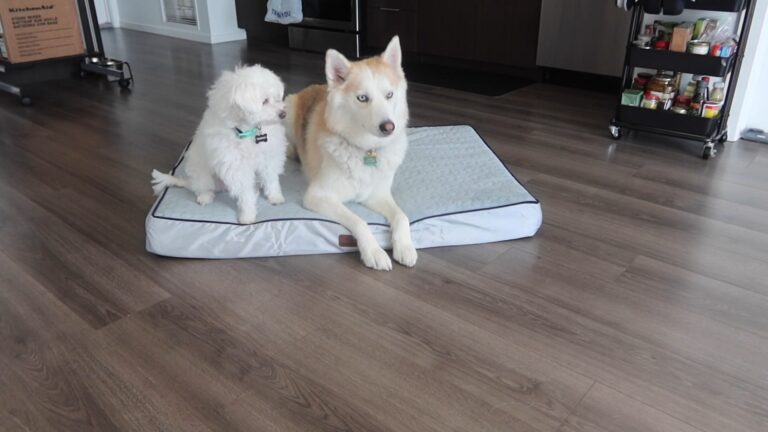
 Just like humans, dogs require quality sleep to maintain good health and vitality. Dogs typically sleep for a significant portion of the day, with some breeds sleeping up to 18 hours a day, depending on age and activity level.
During this restorative phase, their bodies repair tissues, consolidate memories and
Just like humans, dogs require quality sleep to maintain good health and vitality. Dogs typically sleep for a significant portion of the day, with some breeds sleeping up to 18 hours a day, depending on age and activity level.
During this restorative phase, their bodies repair tissues, consolidate memories and 
 When selecting an orthopedic memory foam bed for your dog, consider the following factors:
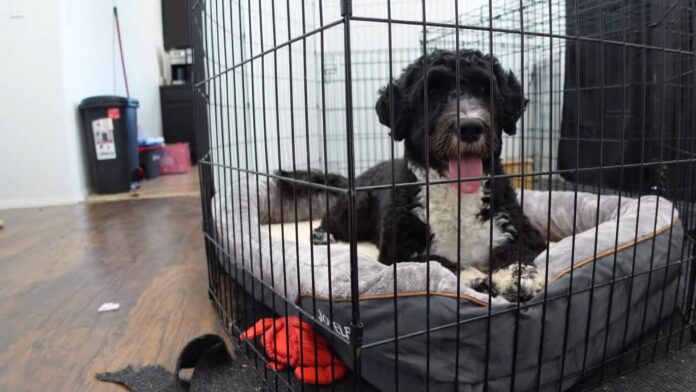 Orthopedic memory foam dog beds are more than just a luxury for your


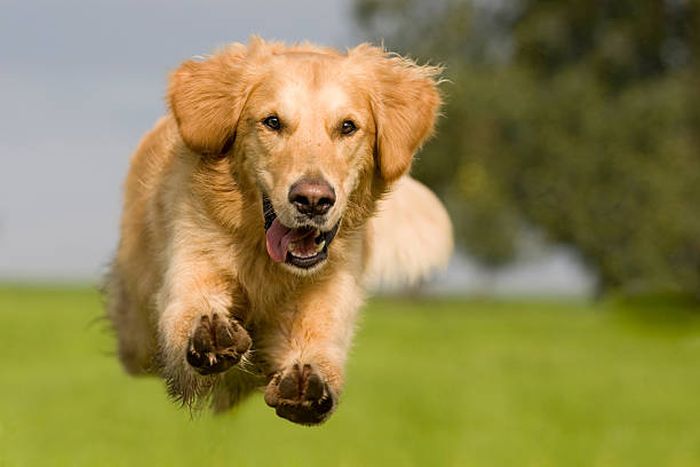


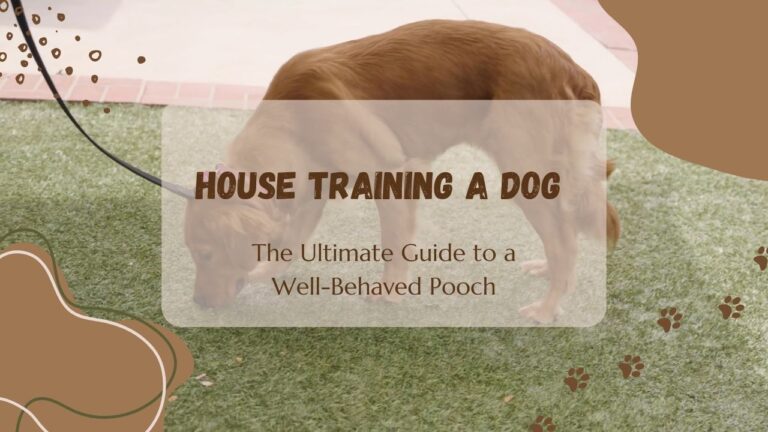
 House training is an essential aspect of responsible dog ownership. It not only prevents accidents and messes in your home but also establishes clear boundaries and helps your dog develop good habits. By properly house-training your dog, you ensure a safe and clean environment for both your pet and your family.
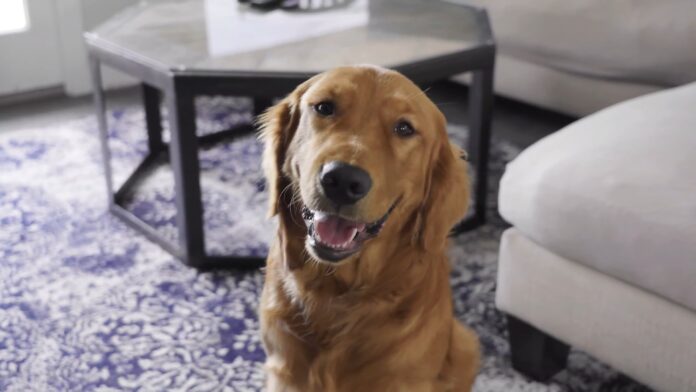
 House training a dog can come with its fair share of challenges. Let’s address some common issues that dog owners face and provide practical solutions to overcome them.