We’ve all heard dogs being referred to as a man’s best friend, and it couldn’t be more accurate. After all, dogs bring joy and companionship like none other; however, they aren’t without their challenges.
A common challenge among dog owners is knowing how to deal with a fussy eater; after all, when a dog is constantly refusing food, this sparks concern in owners.
Since this is such a common struggle, though, there are a number of strategies you can try to encourage your dog to eat regularly and healthily.
To that end, detailed below are just some of the top tips to help get your pooch eating as they should be.
Understand the Root Cause of the Fussiness
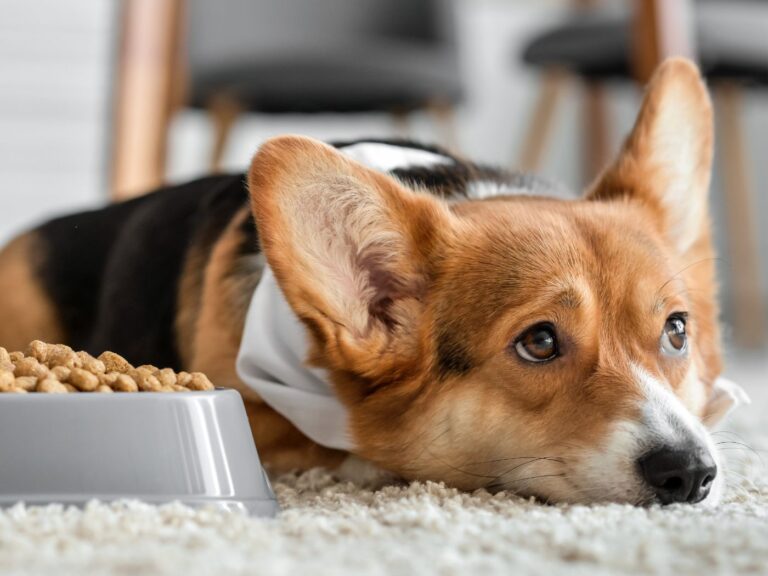
Before you can resolve the issue, you need to identify and understand the cause of your dog’s picky eating habits. Your dog could be refusing food for a number of reasons, including the following:
Health issues– Dental problems, gastrointestinal issues, and other underlying health conditions can cause a dog to lose its appetite. When dogs become fussy out of nowhere, it’s a good idea to get in touch with a vet to rule out any medical problems.
Boredom – Dogs aren’t too dissimilar from humans – they, too, can get bored with their food. So, if you’ve been feeding your dog the same food for an extended period of time, it might be time to switch things up for them.
Behavioral factors – Anxiety, stress, or even the way you’re feeding your dog can affect how they respond to food. If your dog is stressed during mealtime or they associate eating with a negative experience, this might mean that they refuse to eat.
Overfeeding treats – When a dog receives too many treats or table scraps, this may mean that they’re not hungry by the time mealtime rolls around.
Keep to a Consistent Feeding Schedule
Like humans, dogs are most content when they have a consistent routine. If your dog is fussy, you might want to steer away from free feeding, where the food is left out all day, as this can contribute to their fussiness.
Instead, fussy dogs should have set mealtimes, and if they don’t eat within 20-30 minutes, you should remove the bowl.
This works to reinforce the idea that food is only available at certain times, encouraging your dog to eat when it’s offered.
Opt for High-Quality Dog Food
Source: hepper.com
The quality of your dog’s food will affect how willing they are to eat. Quality brands typically offer trial dog food packs, allowing you to give your pooch a taster before committing to a large bag.
This is a great option for dogs who are particular about the taste, texture, and smell of their food. In this instance, it’s important to opt for nutritionally balanced dog food that suits your dog’s preferences.
You might go for food with real meat as the first ingredient, as this will help you avoid artificial preservatives, colors, and fillers.
If your dog still doesn’t show interest, you might consider different types of food, like dry kibble, wet food, or a mix of both.
Some dogs prefer the taste and texture of wet food, while others enjoy the crunch of kibble. It’s a good idea to try out different brands and flavors, as this will help you find the right food for your dog.
Incorporate Variety and Flavor
Much like humans, dogs appreciate variety in their diet. As a result, you might add safe and dog-friendly toppings or mix-ins to your dog’s regular food. This is sure to make mealtime more exciting for them. You might consider the following:
Bone broth – If your dog is craving enhanced flavor and aroma, then you might treat them to some low-sodium bone broth over their food. Not only is it tasty for your dog, but it’s also rich in nutrients that are beneficial to your dog’s health.
Cooked vegetables – Carrots, green beans, and sweet potatoes are just some of the cooked vegetables that you might add to their food. Just make sure that you avoid vegetables that are toxic to dogs, such as onions and garlic.
Plain yogurt – Your dog might enjoy a spoonful of plain, unsweetened yogurt. What’s more, yogurt contains probiotics that can aid in digestion.
Canned pumpkin – You might mix a small amount of plain canned pumpkin into your dog’s food. It’s tasty for your dog, and it’s also high in fiber and can help with digestive issues.
Just be careful when it comes to introducing new foods into your dog’s diet – you need to do it gradually; otherwise, you run the risk of upsetting your dog’s stomach.
Use Puzzle Feeders or Interactive Toys
Source: living.greatpetcare.com
Dogs are sometimes picky eaters because they’re bored or not receiving the stimulation they need. That’s where puzzle feeders and interactive toys can come in to bring some fun and engagement into mealtime.
Tools like these require your dog to work for their food, which makes the process more enjoyable and mentally stimulating. There are multiple designs of puzzle feeders, including simple slow feeders and complex puzzles that challenge your dog’s problem-solving skills.
Not only can these feeders be effective when it comes to fussy eating, but they also provide mental enrichment, which is crucial for your dog’s overall well-being.
Limit Treats and Table Scraps
If your dog is filling up on treats or table scraps, this might mean that they’re not hungry when feeding time rolls around. If your dog is fussy, it’s crucial that you limit treats and avoid feeding your dog from the table to encourage them to eat their dog food.
You might use treats for training, but if that’s the case, you should use small, low-calorie treats or break large treats into smaller pieces to reduce the overall calorie intake.
You should also ensure that everyone in the household is on the same page when it comes to feeding the dog. As previously mentioned, consistency is key when it comes to preventing fussy eating habits.
Once you made the decision to bring a dog into the home, there are wonderful things that you will envisage about your pet. You would imagine the times when you can pet and play with him in the yard.
Some dogs are so cute and funny, they are a bundle of entertainment, jumping about and frolicking, and inviting you to catch them if you can. Simply watching your dog with her antics can be a source of joy and laughter.
A dog however comes with other abilities that are particular to his nature. He will seize every opportunity to run and chase after things, even if they are imaginary. He can get aggressive when he sees others of his kind. Plainly, a dog is a handful and will need some kind of control that at the same time will make him be himself.
A dog run is an innovative idea that can allow a dog to be himself. The run is a fenced-off portion of the yard where a dog can run about freely and enjoy doing the things that he does best. Whether you have one dog or a pack, they will enjoy this space provided for them. You will need a dog run for several reasons.
In many instances, dog owners cannot possibly give their dogs all the play time and attention that they need. Dogs are not usually satisfied with only an hour of walking per day. They want to have unrestrained runs where they are able to express their energies. A run can mean a reprieve for the owner.
Many find their dog a bit much to handle as they tend to get into a lot of trouble. They will jump the fence and get aggressive with other dogs. Some dogs love to chase down smaller animals and birds.
Others will run into the street putting themselves at risk of being hit by vehicles. A dog run is a place where your dog can run about and engage in activities that come naturally to him, while he remains safe.
The beauty of establishing a dog run is that it allows you to express your creativity in building one. You will find that you have no limit in what you can include making both you and your dog happy. Let’s explore some dog-run ideas that you can use.
Select a Suitable Location
To begin with, decide on an area that you are willing to give up to your dog. It should be a place that should be out of the way of regular and social activities. You will not want to have to be moving your dog to entertain.
It should be close enough, however, that you can check on the dog periodically. A side yard that runs against the house can be a suitable and convenient area to place your dog. You would need only to enclose it at two ends to provide a place your dog can enjoy.
Consider the climate in your area. In hot climate for example you will want to select a shaded area where the dog can retreat from the hot sun. The size of the area will be a factor when selecting a dog run.
The ideal is for the dog to have a large space, room to run about and play and explore without feeling restricted. A dog that feels restricted will start to exhibit unhealthy behaviors. It is recommended that the run is at least five times the length of the dog and twice as wide. But make the run as wide and as long as your yard will permit.
Choose an area that has good drainage also. Poor drainage may have your dog run muddy and wet, and uncomfortable for both you and the dog.
What is Your Dog Like?
When considering a dog run, you will need to take the personality of your dog into consideration. According to Cohoon (2015), you should think like a dog and discover what his preferences would be.
An active, energetic, and rambunctious dog that likes to run the length of your yard chasing everything in sight will demand a longer and more spacious area to be himself. Dogs that have docile and calm temperaments may not need the whole run of the yard. They may be satisfied with just regular yard space enough for exercise.
Consider also the size of the dog. Larger dogs will need more room to maneuver in; and if they are the energetic type, they will need even more space to burn their energy. Smaller dogs, though active, may not need the space that the larger fellows require. What if your dog is a climber? You would have to consider increasing the height of the fencing to make it more challenging to jump over.
Enclosing the Dog Run
The objective of any enclosure is to create a barrier that keeps the dog in making him safe from outside troubles. Dog run barriers are an opportunity to get creative. You are not only going to build a fence that is dog friendly, but it will be for your comfort also.
It should be aesthetically pleasing and integrate with the décor of your house and surrounding, even if situated in the backyard. Chain link fencing in dog runs is a very popular choice because it is strong, fairly expensive and durable. This option also allows the dog to see beyond his boundaries which he will thank you for.
With the chain link you will also be able to see and check on your dog easily. To have yards of wire fencing stretching against your backyard however, can be unattractive. The fence may not blend with the background; but there are ways a dog owner can get around this. This is an opportunity to get creative.
Whittaker (2015) suggests painting the fence. A dark green color will blend in with the lush grass of the lawn or the greenery in the background. If the surrounding area is more of wooden structures and fencing, and the ground is of dirt or sand surface, you could paint the fence brown or a color that would match.
You may take the more natural approach of greening the fence as suggested by Weiss-Roessler (2015). You can plant bush at the base of the fence or plant creepers that will run along the posts. This will create a more natural environment for the dog. Wooden and ornate metal fencing are practical options also.
Ensure that there is enough space between the wood and metal so that the dog can see through but he won’t get his head in. Many homes have a side yard between the house and the boundary fencing – wooden, ornate metal or wire fence. You can complete this enclosure to create an inexpensive dog run by putting gates at both ends.
Flooring Ideas
There are several options for flooring for your dog run. Whichever you are going to chose, consider the maintenance it will require and safety for the dog and you.
Grass
Natural grass is wildly beautiful and a perfect extension to your yard greenery. However romping dogs may create holes with their feet, and continued pounding will only leave brown paths in the run. Cleaning up poop will also put dents into this space. Artificial grass on the other hand is longer lasting and easier to maintain. Poop is easily removed and urine can be easily rinsed away. You need only to mix one part water to one part vinegar and spray to maintain a fresh environment.
Gravel
This can be a good option and has been quite popular in dog runs. Gravel can provide a cool surface that relieves dogs when it is hot. Pebbles won’t go far either when dogs romp and play in them; they can be shoveled back into place. However, choose round gravel types as opposed to sharp edged ones that could hurt your dog. Gravel is tough flooring and can be bruising on paws that are sensitive.
Paving stone
Although this option can be expensive to install, add some designs when laying down the stones to give an appealing look. Select stones that are not too smooth as this can cause falls and injuries to your pet. Stones that are too rough can also be bruising to dogs’ feet. You can add grass between stones to help provide traction. Paved stones can become hot on sunny days. So add a tree here or there to provide shade for your pet.
Rubber padding
This can be an expensive flooring option for a dog run. However rubber padding is aesthetically appealing and easy to clean. Additionally it is quite safe for both your dog and the children.
Create a Path to Exercise and Explore
There is no doubt that dogs love the outdoors. They love to exercise by playing, running and patrolling. For owners who have spacious exteriors and can sacrifice some extra area, you can establish a path where the dog can be comfortable exploring and be himself.
Seek out materials that are comfortable for their feet. Concrete, smooth rocks, and pebbles are some materials worth looking for. You could also lay wood panels along the path. Give the path a natural look and feel by making it twist and wind to someplace else.
If your dog had already created a path for himself, do not redirect it. Only seek to enhance what is there. Plant foliage as a screen to hide his run as dogs tend to love having their secret garden (Cohoon).
Ensure Shade for Your Dog
Dogs are animals and like humans, they can suffer from sunburn, heatstroke, and dehydration if exposed to too much heat from the sun. This is especially true of places with warm temperatures.
You may already have the advantage of a covered patio, trees, or fences in the area of the dog run. If there is no such provision you may need to consider creating some form of shaded area for your dog to be safe from the sun and to have a more comfortable stay.
1. Add a Dog House
Get creative by placing a dog house at some point inside the run or attach it to the outside of the fence where he can get easy access.
Apart from protection from the sun, the dog house will shelter the dog from excessive wind and rain especially in times when you are not at home. Consider also that as much as he loves your house, he will appreciate his alone time in a house that is his own. Be sure to add a pillow where he can rest his head and lie comfortably.
2. Install a Pergola
Pergolas and arbors make appealing entrances. In the dog run they can provide the added benefit of shade for your dog.
They are easy to make; but if you are not up to it, you can purchase one at a home and garden store. Plant running vines to provide more cover.
3. A Patio Umbrella Will Do
You may have a patio umbrella lying unused somewhere, or opt to purchase one at your home and garden store. You can put it to use by installing it for shade for your dog. You can seek out other options such as building a roof over the dog run.
You can also plant short-term growing plants especially climbing vines on both sides of the fencing that will overlap at the top. Your dog will find it a naturally cool place to hang out.
Add a Water Source
Your dog will need access to clean drinking water. One good idea is to add a self-circulating filtration system that supplies clean fresh water. A simple water bowl will do also. Only ensure that it is cleaned and refilled regularly with fresh clean water.
You can use your creativity here in constructing an outdoor water hole that is attached to a hose or connected to the piping system. When times are hot they like to have a splash to cool themselves.
Create a Dining Area
Your dog will look forward to his meal at dinner time. Create a safe clean area for his meals.
Some owners build a raised stand for their dogs to eat. This method allows the dog to eat at a slower pace, and food does not spill as much when eaten from higher up.
Create a Lookout Point
Dogs are cute and they know and like to show it. They sometimes like to stand high and view the world around them. Oftentimes it is their curiosity getting the better of them.
Amid the shrubbery of their run you can set up a rock, a table or some other platform that they can stand, sit or lie on. You can go further and take pictures of the poses and share them.
Put in a Peek-a-boo Window
What is a more wonderful idea than to include a viewing window in your pets fencing? Dogs are mighty curious. They will not want to be shut away and not know what is happening beyond their borders.
You can satisfy their curiosity by installing a viewing window in the wooden fence. You can create one at your own pleasure or you may purchase one and install it. This is great for dogs that are not heavy barkers, and for heavy chewers and fence jumpers.
Include a Potty Station
You would not wish that your dog eliminate at any and every place in his run. Set up a do-it-yourself potty station in a corner of the area and teach him to eliminate there.
Simply design a rectangular box consisting of small rocks and gravel which you can easily clean by washing with a hose. You can enhance the design and add some privacy to your dog by planting grass around the edges.
Set Up Marking Spots
In the dog run, the dog will be free to do as he pleases. One thing is for certain, he will stake out his territory from very early and establish who he is among the pack. They can be allowed to set their markings in the place they chose.
You can also establish a designated area that will encourage them to go to this location to do their business. Large stones and pieces of driftwood are excellent ideas to assist this activity. Set them strategically so they are inviting to the dogs.
Establish a Digging Area
Here is an issue that is a sore point with many dog owners. Many breeds are diggers and so often they raze the flower beds or other prized garden plant or ruin precious lawns. You may have lost count of the times you have had to scream at Fido for his antics.
The dog run is a good idea to establish boundaries by designating an area where he can dig all he wants. Lay materials such as sand and mulch that they can dig while your yard is protected.
Encourage them to dig in this area by burying bones and toys for them to find. On the other hand you can discourage digging behaviors by covering the ground with artificial grass. Ensure that this grass is environmentally-friendly and also dog-friendly.
Games for a Dog Run
A dog run cannot be complete without toys and play areas. Dogs will run and exercise by themselves. But they also need human interaction to maintain that bond and relationship. Here are some play ideas that you can perform with your dog in the run.
1. Find the Treat
The dog will be required to follow obedience commands to perform this activity. Let your dog remain in a stay position while you hide treats in different areas of the run.
Give the command for him to go find them. This game is even more interesting when you have three or more dogs vying to find the most treats.
2. Go Find
This is more like the find the treat game but a more advanced version. It constitutes a game of Fetch and obeying the “Stay” command. You will therefore need a ball or other toy for this.
Let the dog “stay” while you drop the ball. If he “stay”, release him (you could use “Yes”) to get the ball. Kick the ball even further to let him run and get it.
Give him the command to “stay” again. Throw the ball further and let him wait for the permission to get it. Your dog will soon be waiting on your “yes” each time before diving for the ball.
Increase the distance to throw the ball at times. Make it a bit more complex by walking about 10 – 15 feet before you drop the ball. Release him to get it. You can even go a bit further by dropping the ball behind a log. Then give him the cue to “Go Find”. Walk farther away, say 50 feet and drop the ball behind the log. Let him find it.
Add some trick to the routine. Pretend to drop the ball; then walk about 10 feet and drop it behind a log. Tell him to “Go Find” and watch as he searches the place. Continue to mix the activity and very soon he will get the idea that he will need to check different places (Blackman, 2010).
3. Hide and Seek
Give the dog the “Wait” command. Then find a place to hide. Call him to come to find you. You have to be skillful not to get him to peek.
4. Tunneling
You can build or purchase a tunnel that your dog and the kids can go through. Dogs love to burrow their way under places and this will be a fun way to channel this behavior.
Conclusion
A dog run can help dog owners to exercise a bit more control over their oftentimes best friend.
While it confines the dog to a particular area of the yard, the run is a safe way to protect dogs from harm. In the meantime, it is to be a place where your dog can have fun and be what he is – a dog
Every dog owners often ask this question, and the primary reason is that most dog owners face the problem of what type of food is best for their dog. Improper dietary or the wrong kind of food for your dog can cause your dog severe problems such as gastrointestinal issues, skin reactions, diabetes, nutritional imbalance, etc.
It is essential as a dog owner; you get the right answer to this question so that you will know what kind of food is right for your dog.
A proper and balanced diet is essential in man, and our faithful and loyal companion is not also left out in this. Animals and not only dogs need a certain combination of nutrients; vitamins, minerals, carbohydrates, water, etc. to be healthy and fit.
Without proper nutrition and the right type of food, your dog cannot build teeth, repair tissues, grow muscles, etc. Food is essential for major development in your dog.
There are different types of food for dogs, and it is sort of complicated in choosing the right dog food for your dog. There are various benefits the dog food possesses be it dry food, wet food, or the mixture of both.
Knowing the best one to feed your dog might be what you want to know, as your dog must get the best and nutritionally balanced food. Identifying the best for your dog include several other reasons apart from health, some dogs are picky eaters, and they prefer one to another.
Both wet and dry dog food contains high nutritional values that benefit your dog; the major difference between the wet and dry dog food is just the water content of the two food. Most dry food always has a water content of between 3-12% and wet food between 60-80%. The water content can determine, to a great extent, the longevity of the food.
How do you know the best dog food for your dog, as a passionate dog lover who wants the best for your dog? This article has been written to give answers to your question, we have carefully studied and research on this subject matter to provide you with the right answer
Also read: Training a Fearful Dog to Walk on a Leash
Advantages of Wet and Dry Food
The type of food might not necessarily be a thing of concern but rather the content of the food. Be it the dry or wet food; they have been prepared to provide your dog with the best nutrient. Vitamins and minerals. The two types of dog food have their various advantage and disadvantages. We will be looking at the selected few advantages of dry and wet food for your dog.
Advantages of Wet Food
The wet food is made with a higher water content
which can really help your dog stay hydrated at all times and this helps your dog in all way avoid urinary tract problems which are sometimes caused by dehydration. The wet food can also be the best choice if your dog doesn’t drink more water
It is attractive to picky eaters
your picky eating dog or puppy will find the wet food attractive because of its smell and attractiveness
It possesses fewer carbohydrate
Wet dog food contains fewer carbohydrate, and this can be very helpful to dogs that are overweight.
Easier to chew
The wet food is more comfortable to chew for your dog, and this is very beneficial in particular to dogs that are suffering from tooth or gum problem. This is also very easy and easy to chew for your dog irrespective of the breed or age.
Advantages of Dry Food
It is easier to store
the dry dog food is easier to store as you can always seal the pack after use. It does not spoil easily even when left out.
Contains essential nutrients
The dry dog food contains vital nutrients to help keep your dog healthy and safe
No spillage
Since the food is dry, you can be assured that there will be very little mess when feeding this to your dog
Wet food vs. dry food: make the right choice for your dog
Either dry or wet dog food, they are both prepared for the nutritional benefits of your dog, and it might be very dicey to pick the best. You will be able to make the right choice for your dog, depending on what suits you and convenient for you as a dog owner.
Affordability and convenience
When it comes to getting the best dog food which is very affordable and very comfortable to give your dog, dry food is the best. In the sense that they contain less water, which makes them less messy. The dry food is cheaper per pound, and it provides more energy to the wet food
Dental Hygiene and benefit
The dry food helps in cleaning your dog teeth as him or her chews, and most times the wet food causes plaque build in the teeth of your dog. When plaque buildup in your dog teeth it can cause dental disease
Tastefulness
When it comes to palatability, the wet dog food beats the dry dog food to this. Manufacturers of wet dog food prepared the wet dog food with an irresistible aroma which majority of picky dogs will not resist.
When considering the best nutrition for your beloved canine companion, explore the options of both wet and dry dog food. Each has its advantages, ensuring your pet receives the necessary nutrients for optimal health and vitality.
If you’re looking for premium quality dog food options, check out ZIWI AU for a range of nutritious choices to keep your furry friend happy and healthy.
Nutritional content
The wet food is more of nutritional benefit to the dry food because it is more of nutritious low carbohydrate ad calorie when compared to the dry food.
Also read: How to Walk a Dog that Pulls
Mixing wet and dry food together: is it healthy for my dog?
Both wet and dog food are very advantageous and nutritious to your dog, and there is nothing bad in mixing them together. There is nothing against mixing the two types of food, will make you have your picky eaters ready to eat with the enticing aroma and also have the cost-effectiveness of the dry food at the same time.
It is to be noted that in dogs with dietary problems it is necessary you contact your veterinary doctor, to determine and also help you with the right proportion of the combination of the two types of foods.
Final Words
The two types of dog food or the mixture are very good and nutritious for your dog to stay healthy and strong but in the right proportion. All that matters most times is not the type of food you feed to your dog, but majorly the content of nutrients present in the food.
It is always important you contact a veterinary doctor before you modify the type of food you give to your dog, and it is also very important you know your dog preference when it comes to the type of food he or she prefers.
Getting a new puppy at your home is a wholesome feeling. So naturally, all dog lovers do everything they can to make the most of such an opportunity for their new member. But, apart from making the basic requirements for this little new member at home, there is some essential work that you need to do. All these things matter if you want the dog to have a healthy and disease-free life. Also, it becomes necessary to raise your dog with the proper process to follow the instructions and not harm the people around you.
Importance Of Buying A Puppy From An Ethical Supplier
Source: tglpuppy.com
There are multiple ways to get a dog as a part of your loving family. A service dog breeder is the best option, as you can choose the size of the puppy you want and the kind of appearance you want. There are high chances that you are most likely to go for a pedigree dog. Apart from that, the breeder can help you with the details of the puppy’s parents, the measures you need to help the dog socialize in the new environment, the body conditions, and others.
Also, you can know about the medical conditions, if any, followed by comprehensive details of the emotional and physical requirements that will help you give the new member a healthy and happy life.
5 Best Puppy Buying Tips For 2024
Source: elledecor.com
There are some considerations when you want to add this furry friend to your family. They are as follows:
1. Watch The Breeder
The breeder that you are choosing should be responsible. They should have information about the puppy and never stop you from meeting it and its parents. Also, the puppy should be kept in a clean and safe area that does not harm its health and wellness. Also, they will ask you many questions and suggest different ways of house training.
But there are some things that you need to pay immediate attention to. For example, it can be problematic if you cannot get your hands on the vet who has been treating the puppy or don’t have any information about the vaccination, deworming, and other health issues. These can raise legitimate questions, and you should not ignore them.
2. Meeting The Puppy
Source: humanesociety.org
When you have chosen the breeder and the dog breed you want to take home, you should plan a meetup. The meetup should not only be with the breeder but also with teh dog. Familiarity is essential when dealing with little puppies, as they are babies and need time to get comfortable around them.
It would help if you planned with your breeder about the ideal time to take it home. You can immediately shift the puppy’s location from a kennel to your home, but such a sudden change will take time to be familiar with. Also, they don’t know you yet and hence, fall ill. So, it is better to meet your pet at least twice before you take them home. Also, while meeting, you should allow yourself to know about the breed’s habits and traits. Then, you can make similar arrangements at your home.
3. Knowing The Puppy’s Age
When any puppy reaches 8-12 weeks, they begin weaning off. After attaining this age, they can start eating their food and spend most of their time away from their mothers at this stage. Also, they begin adapting to the natural playing, eating, and sleeping schedule. Also, this is the best time to adopt the puppy and give it a new home.
When you wait for the puppy to attain this age, it will help you ensure that the little one has received all the goodness of its mother’s milk which is essential for good growth and health. Mother’s milk has necessary nutrients that are helpful in the puppy’s development, and they also get immune to certain diseases. However, the idea of puppy vaccination is different. You need to contact your local vet for the same.
Apart from the puppy’s age, it would help if you also asked the breeder about the age of the dog’s mother. The mother should be over a year but not too old or unhealthy. Otherwise, the same thing will reflect the child and its health.
4. Looking At The Living Conditions
Source: countryliving.com
While buying a puppy of any breed, you should gather details about their living conditions. It would help if you considered different factors, like whether they stay alone or with their mothers. Also, other things include the dog’s condition, their adaptation to a different temperature, genetic factors, and resting and playing time.
Also, you need to know how your dog and its body are equipped. It is because the place where the puppy currently resides may have a different temperature or condition than your home or the area you are planning to keep it. Therefore, you should take the steps accordingly so that the baby dog does not have any problems settling in.
5. Litters, Playfulness, And Other Things
While learning about the health details of the mother and the puppy, you should know about their litters, activities, playing and resting, and other information. You should ensure that you pick a puppy whose mother has had at most six litters. Also, it would help if you did not forget to check the living condition of the litter and the mother.
You should take the puppy out of the kennel or stay in place for a play session. You will learn about their social skills and their play sessions. Also, it might help you learn about their likes and dislikes while playing in the park or any other location. You can use balls, frisbees, and sticks for the same. Also, you can bring things from your home and keep them with the puppy so that they grow familiarity.
Also, you need to be sure and check the eyes of the puppy, its ears, and the bottom.
Conclusion
Source: fizzionclean.com
Puppies are playful, and they give and take love like no other. So, when taking this tiny one home, you must ensure they are of the right age. You are taking them amongst new people, and in a new environment, hence, you should see to these things. They need their mothers initially, and you should not separate them from their mothers during this time.
The need for safety and how to seatbelt a dog in a car when travelling cannot be overemphasized. It is essential that as a dog owner, attention should be paid to details when on a wheel and your dog is right behind or beside you.
Dogs are always very excited when they are thrilling adventurous journeys, and in lieu of this, it is very expedient not to give a dog total moving freedom when in the car with you.
This need be because a slight distraction is in no way safe for you and your dog as this can lead to a serious car crash which can lead to serious injuries or a possible loss of life. Due to this fact, great attention is needed when it comes to the safety of you and your pet.It is essential to seatbelt your dog when on a journey using a dog seat belt or a dog harness. Both tools are crucial in securing your dog to the front seat or the back seat when you are on transit. The dog seat belts are similar to the way standard seat belts work, which is by plugging or clipping them directly into the receiver/buckle in the car at one end and clipping onto a harness or leash. Non-usage of the dog car seatbelt poses a greater risk to your dog, and it is expedient that the car seatbelt be used at all timesThis article has been written to supply you all details you need as regards how to seatbelt your dog in a car, how safe they are etc. so as to make your journey or drive with your canine companion safe and adventurous. Also read: How to Secure Dog in a Car with Leash
Are dog seat belts safe?
Dog seat belts are safety harness which always possesses a loop which can be clicked to the car seat belt. The question often asked by dog owners who wants the best for their dog and also totally care about the safety of their canine companion is “Are dog seat belts really safe?”
Dogs’ seat belts are very safe and secure majorly because just like the seatbelt in cars, they ensure that the injury sustained by your dog is minimal. If a dog car seatbelt is not used, your dog can sustain serious injuries or tragically the death of your canine companion.
As a dog owner who cares about his or her dog, it is very important that the car seatbelt is used at all times when on a trip with your dog. In some countries, the dog seatbelt is legalized just as the driver and passenger seatbelt is, and it is to be used at all times even during short drives. Dog seatbelt are safe and do not pose any danger of chafing, choking, etc. your dog rather they are designed to help keep your dog safe and sound in case of a severe or minor car crash.
Are dog seat belts effective?
This question is often asked by a lot of dog owners on whether a dog seatbelt is very effective and can serve the purpose of securing your dog when on a long trip or short trip. Dog seatbelts attach a full-body harness or leash with a buckle that easily fits into the regular seatbelt device of the car.In the case of an accident, the harness with the leash spreads a pulling force across the back and the chest of your dog and thus minimizing the force along the neck of your dog and also preventing your dog from crashing into the seat in front of him. Dog seatbelts are very useful as they are a great tool in securing and minimizing the risk of serious injury to your dog. The effectiveness of a dog seatbelt cannot be overemphasized because they offer you a lot when used; They can easily help keep your dog in place to avoid distractions when driving and it is known that a slight loss of concentration can lead to a serious car crash, they are effective in keeping your dog safe and minimize to a great extent the possibility of a severe injury.Also read: Best Dog Harness for Labrador Dogs
How to buckle your dog in the car
The effectiveness and the safety of the car seatbelt lie in the understanding of how to safely buckle your dog in the car. If you are not familiar with the procedures of buckling your dog in your car, the few steps below will help you in safely bucking your dog in the car.To buckle your dog effectively and safely:
Pull the seatbelt of the car as far as you can; In other words, ensure to extend the length of the car seat belt to the length that suits the usage.
Every dog car leashes and harnesses possess a loop to which the car seat belt can be connected to. Attach the strap of the seatbelt to the loop of the harness or dog leash and ensure that the car seat belt is firmly gripped to the loop of the harness or leash.
The car seatbelt has a device that the buckle can be clipped into. Clip the buckle of the car seatbelt into the device.
In following the simple and direct steps above, you will be able to safely and securely travel with your canine companion.Also read: Best Pet Stroller for Dogs
Final word on how to seatbelt a dog in a car
The safety of your dog should be your number priority as a dog owner, and it is very important that you are faithful to this. Dogs are faithful and loyal, and they are considered as man’s best companion because of their loyalty and faithfulness. It is very important to see your dog as part of your family and also give it the affection you will give a family.It is very important that you ensure that your dog is firmly secured and safe using the car seatbelt before embarking on a journey, short drive etc. The step of buckling your dog in the car should be strictly followed and no single step should be omitted for no reason or the other.
Related Articles:
Dogs are always excited whenever they had the opportunity to go out on an exciting walk or road trips in a car with their owner, because of this, it is essential as a dog owner you know how to secure dog in car with leash to restrain the movement of your dog inside your car either at the back or front seat.
As a dog owner, restraining the movement of your dog in a car is important, not only because it makes you concentrate while driving, but also saves you from consequences that can emanate from having a loose dog inside a car.
Leashes are essential tools that are expedient for every dog owner to have, especially a leash that is durable and of high quality. Dog Leash can be used when on a walk, road travel in a car, hiking, or other outdoor activities you may engage in with your dog.
As a dog owner who travels with his or her dog regular need not worry on how to secure his or her dog when on a road trip as the car dog leash does this effectively.
Safety is a priority when traveling in a car or other means of transportation, and that is why cars, buses, airplanes, etc comes with seatbelts so as to secure the passengers in case of an unprecedented occurrence. It is essential that when traveling with your canine companion, you keep them safe the same way you will save yourself. The car safety leash helps secure your dog from sustaining severe injuries in case of a car accident.
Through detailed and accurate research work, this article has been written to supply you with pieces of information you need to know about car safety leash and ways by which you can ride safely with your dog.
Also read: How to Fatten up a Malnourished Dog
How to travel with a dog in a car
As a caring dog owner, you must know the procedures and the best way to travel in a car with your dog when on a trip or a drive-in neighborhood, etc.
Traveling with your dog is a lot of fun when all precautions are duly followed, and it can also pose a whole lot of safety issues if the needed safety precautions and basic information on how to travel with your dog are not taken into considerations.
We provide some tips on the best way to travel with your dog in a car which are the following:
Traveling with your dog in crates:
Travel rated crates, also known as carriers can be used to limit the movement of your dog, secure them and also prevent any form of distractions when traveling or on a short drive.
Crates are to be secured by strapping them with the seat belt to ensure that your dog does not slide around when traveling. The crate should be big enough and accommodating for your dog
Traveling with your dog secured with harnesses or dogsafety leash:
Harnesses and leashes are one of the best ways to secure your dog from injuries when on a road trip, drive to the vet or drive around the neighborhood. The dog leash has a loop that can be attached to the seat belt, and this effectively helps prevent your dog from possible injuries during an accident.
Traveling with water:
You must travel with water to keep you and your canine companion hydrated during a long journey. Dogs can be very restless when dehydrated, and in this case, they can be so restless. This is not safe as this can lead to your distraction as this can possibly lead to a fatal accident because of your lack of concentration or distraction.
Make regular stopovers:
When on a long journey, it is very important that you make regular stopovers during your journey. This is to ensure that your dog stretches, have a drink, or probably get some fresh air or go to the toilet. This is very important as it is dangerous to have a pressed dog or an anxious dog traveling with you in the same car.
Safe ways for a dog to ride in a car
If you will be traveling with your dog on a long road trip or maybe even a short trip it is very important to consider the surest and safest means to ride in a car with a dog. When riding in a car with your dog the following safe ways should be considered.
Fitting a dog harness seat belt or leash:
The harness seat belt or leash helps secure your dog in one position and it possesses a strap that you can plug into the seat belt. It is very secure and one of the safe ways to travel with your dog.
Use of ziplines:
The ZIPLINE is used to secure dogs that find it very hard to settle down. The zip line helps restrain the dog’s movement, but it gives them the freedom to move around in their confined space.
Use of plush carry box:
The plush carry box is very useful for little and anxious dogs. It gives them a good view during the drive, and it is very comfortable as it restrains the movement of your dog effectively.
Use of back seat hammock:
The back seat hammock as the name implies is used in the back seat, and this can be used for older dogs which may want to lie down. The hammock is very good as it protects the dog from falling off and also effectively protecting them from getting to the front seat.
Also read: Best Bark Collar for Big Dogs
Final word: How to secure dog in car with leash
Every dog owner must see their canine companion as part of their family and must ensure that they are safe, happy and healthy at all times. It is very important that as a dog owner you take into consideration the safety measures that are required when traveling or on a short ride with your dog, so as to avoid unprecedented events that may arise from negligence.
A little procrastination or a little negligence could cause great havoc. Ensure to travel safely with your dog at all times by using dog safety leashes and other safety tools.
Related Articles:
Fear is a character or trait that can be caused by several reasons in your dog. And as a dog owner, it is your duty, to understand and know what causes fear or anxiety to your dog. Dogs as man’s best friends are supposed to be brave and not fearful; it is a big problem when you have a nervous dog that cannot even lift his/her head to look you in the eye. This article tells you all you need to know on training a fearful dog to walk on a leash.
Fear or phobia in dogs can be caused by lack of early socialization, fear of thunderstorms, busy environment, riding in car, negative experiences when growing and most especially the subject matter, which is walking your dog on a leash.
Having a fearful dog is not an easy thing for the dog and the dog owner, majorly because owning a fearful dog is a load of work and can be very tiring at times.
As an owner of a fearful dog, it is essential that you give proper training to your dog so that he/she will be able to go on a walk with you, without the fear of the leash.
The leash is a piece of necessary control equipment that gives you total control of your dog when out on a walk. Hence, your timid or fearful dog must get used to walking on a leash without any anxiety or fear.
This article has been writing to give you step by step guide, on how to effectively train your timid or fearful dog to walk on a leash.
Also read: Best Dog Harness for Stopping Pulling
Why dogs fear to walk on a leash
Dogs naturally love to be free and explore the environment around them, and this one of the reasons why most dogs are always excited when they are on a walk with their owner. They even go as far as pulling the leash out of their excitement.
Walking on a leash is not a natural thing for dogs and for this reason some or most dogs fear walking on a leash for so many reasons such as Negative Experience when him/her walks on a leash, he/she has not been trained to walk on a leash, he/she has been beaten or maltreated with the leash, he/ she has never walked with a leash, or maybe the leash causes Pain, etc.
As a dog owner, you have to effectively recognize the reason why your dog fears to walk on a leash and ensure you take corrective measures, to ensure that your dog finds it comfortable to walk on a leash without fear or anxiety.
How to train a fearful dog to walk on a leash: Step by Step
In training your dog irrespective of the breed, certain conditions have to be obeyed, such as establishing a great level of trust between you and your dog. Training a fearful dog is encompassed with so much stress and challenges. To overcome this, you have to build trust with your dog.
To effectively train your fearful dog to walk on a leash, you have to take into consideration certain rules. The rules are many, but the selected few that will be helpful that has made our list include:
Build trust: This is the first step to take in training your fearful dog to walk on the leash. This is important because the instant you are able to build a great deal of trust with your dog, he or she will obey your every instruction and believe that the process is in no way harmful to him/her.
To build a great deal of trust with your dog ensure that you show your dog great affection, give him/her their own space, protect your dog at all cost and most especially comforting him/her when afraid. In no time, he/she will start bonding with you and develop a great level of trust.
Reward your dog with treats: This is a continuation of the dog to owner trust process, during this phase of the training, ensure that you give him/her few treats when he/she comes near you. In doing this, it will teach him/her to understand that you don’t want to hurt him/her.
When giving these treats to your dog, ensure that are healthy, nutritious, and are not made of preservatives or any ingredient that can cause your dog any issue.
Introduce your dog to a fun-filled experience: If you have effectively gone through the first two processes, by now your dog should have built little self-confidence, and one thing that is expedient in this situation is that they don’t get bored.
As your dog gradually begins to have its confidence, having fun-filled experiences ranging from swimming, taking a walk, go hiking, etc. will help in building his/her social life and in no time the fear is gone.
Introduce the Leash: By now, as you have followed all the above steps carefully introducing the leash will not be a problem as your dog would have developed a great deal of trust with you.
After introducing the leash, it is very important that your dog gets used to the leash. Attach the leash and allow your dog to move about in free space, as this will encourage him/her to get used to the leash. The free space should be free of objects that can entangle the leash and cause him/her injuries.
When your dog is used to having the leash around, then you can pick up the leash, run around and play with him/her. Make sure you enjoy your time together as much as possible and then you can progress with taking him/her on a walk.
Fearful dog rehabilitation: one of the ways to train a skittish dog
Rehabilitation is a way of restoring your dog’s lost confidence. The dog rehabilitation process is a process of ensuring that your fearful dog overcomes fear, and several things are put into consideration to assist with the rehabilitation process.
The rehabilitation process is also a means of helping your dog eradicate bad behaviors that arise from being fearful. Several situations and circumstances cause a dog to be fearful, and because of this, the first thing that your dog trainer will do in this circumstance is to identify the cause.
If the root of fear in a dog is due to lack of socialization, the dog is effectively taught and trained on how to be a social dog that tolerates people and other dogs, and also be able to adapt and react in a way behaved manner when in contact with the trigger.
All in all, the rehabilitation process helps identify the root of the fear in your dog, and the proper training is given by the dog trainer to eradicate it.
Final word on training a fearful fearful dog to walk on a leash
Walking a fearful dog to walk on a leash is tasking and might be full of difficulties, it is expedient as a dog owner that you discover the source of your dog’s fear or anxiousness as this will make this issue a step easier.
Discovering the source of your dog’s fear is important so that you will be able to know how to help him/her overcome the fear and become confident. You will also need to be patient when introducing these training methods.
Read Also: Best Leads to Stop Dogs Pulling
Malnutrition occurs in dogs when they lack essential minerals and vitamins in their body. This is mainly because their body is deficient of major essential bodybuilding nutrients. Malnutrition is common in majorly homeless dogs due to the fact that they are not properly taken care of or well-fed.
Malnutrition in domesticated dogs in rare cases is caused by nutrients deficiency, and this could only occur if the dog owner is negligent about the kind of food given to the dog. Asides nutrients deficiency, malnutrition can be caused due to health issues in your dog, and it is essential that as your dog shows any sign of illness, he or she should be taken to the vet. In addition to the above mentioned, malnutrition can be caused by parasitic infestation; as your dog is deprived of all nutrients, he or she needs by the parasite. Dehydration is also a common cause of malnourishment in dogs. And owing to this fact, it is necessary that you take your dog to the vet rather than guessing what the cause could be.This article has been written to give you detailed and accurate information on how to solve your dog’s malnourishment issues and also to ensure that your dog is healthy and happy.Also read: Best Flea Treatment for Cats
Signs of malnutrition in dogs
Physical appearance:
One of the easiest ways to tell that a dog is undernourished is through the physical appearance of the dog. When your dog is fed the proper and correct proportion of minerals and vitamins, it is easier to tell because they will maintain a healthy weight.
One of the ways to know that a dog is malnourished is that the bones will be visible through the skin and the dog appears to be emaciated. This method is most times used by vet doctors to know if your dog is malnourished or not.
Health issues:
Re-occurring health issues in your dog can be a significant concern as this might be a big sign of malnutrition in your dog. If your dog visits the vet doctor week in week out, this means that the immune system of your dog is very weak and it might be unable to fight against infections, bacteria, etc.
A weak immune system can be caused by nutrients deficiency, and this makes it very difficult for your dog to recover from illness because his or her immune system is compromised.
Change in attitude:
One of the easiest ways to knowing that your dog is malnourished is that he or she will not be active majorly because he or she is not getting the required nutrient that keeps him or her strong.
In this situation, your dog will refrain from barking, running, or doing things it does with ease on a normal. A change in a dog’s attitude is not so good for your dog, as this can make him or her depressed. It is essential that when you notice a change in behaviour, it is necessary you seek the attention of a vet.
Digestive issues:
Dogs that suffer from gastrointestinal issues are most times suffering from an illness or the other. This can be noticed when your dog is experiencing inconsistent bowel movements, diarrhea, etc. consistently, it can lead to weakness, weight loss, fluid loss, etc.Also read: Best Bark Collars for Big Dogs
How long does it take for a dog to become emaciated?
Emaciation is when your dog significantly loses body fat and muscle mass. Emaciation can be caused due to a lot of reasons ranging from illness, malnutrition, etc. Emaciation is a serious problem in pets, and it is required that an emaciated dog is given quick medical attention. When a dog has emaciated the bone of the pelvic and the ribs become visible to the eye.Emaciation can occur in your dog if you are a negligent dog owner or due to serious and life-threatening illness or parasitic infestation. In the case of illness, your dog refuses to eat because he or she does not have the appetite to. And in this case, your dog begins to lose weight and gradually becomes emaciated.If your dog is suffering from a parasitic infestation, he or she will not get the correct proportion of nutrient he or she needs because he or she shares that with the parasitic host.
When your dog does not eat for five days, emaciation sets in majorly because by the fifth day, your dog will start surviving on body fat as this will be the source of energy to sustain your dog. The immediate visible sign of emaciation is weight loss, and the rib and pelvic bone become visible to the eye.
Also read: Best Dry Dog Food to Gain Weight
What to feed a malnourished dog
When you have an undernourished dog, the solution is not to feed the dog with a large ration of dog food. Most dog owners have this instinct, and it is in no way helpful to your dog as their digestive system cannot at this time accommodate large ration of dog food.
It is very important that you take note of this fact because if you feed them a large ration at this time, it could do more harm than good as your dog may develop worse gastrointestinal issues.
It is advisable that you start with a small ration that is of high quality; in other words food with the right proportion of minerals and vitamins that are essential for the growth and development of your dog.
You may choose to look into dry or wet food or the mixture. Dry foods are rich in calories and nutrients, and wet food helps keep your dog hydrated.
What to feed emaciated dog to regain weight
Emaciation is when your dog loses significantly body mass and muscle mass, and it is important that when you feed your emaciated dog, you feed him or her with puppy food or high protein dog food with high-quality nutritional value. You can additionally supply the emaciated dog supplements with 1-2IU of vitamin E per pound of his or her body weight. This helps the emaciated dog to regain the weight as fast as possible.
Final word: How to fatten up a malnourished dog
Dogs are men’s most loyal and faithful companions and because of this, we need to be loyal and faithful in providing all that is needed for our dogs. As a dog owner, it is expedient that you provide your dog with not just a large ration of food, but food with high nutritional content that will help your dog stay healthy and happy.
It is very important that you are very observant and once you notice that your dog is ill or does not do what he or she does with ease on a regular day, it is advisable to seek the help of a vet for a thorough examination of your dog.
Related Articles:
If you own a dog you probably already know how to tell if they are in the mood for dressing up or not since you know their behavior. The truth is that pets can have such different preferences and characters when it comes to items of clothes. If you are a first-time dog owner you might not know what to expect when it comes to protective or recreational clothing for your big or small puppy. Here’s everything you need to know to tell if your pup likes wearing clothes.
How do you know if it is okay to put clothes on your dog? Top 5 key facts
Source: manomano.co.uk
1. Make sure that your dog feels comfy
You’ll be able to tell if your dog doesn’t like wearing a particular item of clothing if they get pretty upset and try to shake it all off. If they are all of a sudden moving up and down, scratching or biting uncontrollably, it is time to remove these pieces from them. When it comes to removing clothes you should know that this is not just because your pup shouldn’t feel bothered or restrained. It is because they might end up swallowing a piece of fabric due to their hectic behavior. Avoid this at all costs.
2. Watch out for thin or smaller dogs
If you have a short-haired or hairless dog you might want to ”gear them up” and give them the protection they need. If you have a greyhound (for instance) you should put it in a warm sweater during cold winter days. This especially applies to parts of the world where it frequently snows and the temperature gets below 5 degrees Celsius. Pups with minimal fur need to be protected, but only if they feel comfortable in the chosen item. Find something that they like before you start to play dress up.
3. Older dogs will appreciate thicker fabrics
Just like smaller breeds need more protection, so do older dogs, especially those with low body fat. Older dogs could have a hard time in cold temperatures, especially if they are not that physically active. Unfortunately, some pups could have health conditions, heart issues, or metabolism concerns that you have to worry about and think ahead for their case. They should stay physically active while being comfy in their chosen clothes, items that are also appropriate for their health concern.
4. Watch out for pups who have allergies
If your dog has allergies or a specific skin condition of some sort you should get them wrapped up in comfy and practical wear, without aiming for something that’s going to make them itchy. Buying these specific clothing items can be a challenge since sometimes your options are limited. This is why when picking out clothing for your dog, make sure it’s not going to cause any additional irritation or itching. Always read the label of your chosen product to see if it can be worn by your puppy. Get informed on their allergies early on.
5. There are sometimes exceptions to follow
And this exception oftentimes applies to the Halloween season. A lot of dog owners go crazy during this period, trying to make their pets match their outfits. Well, while we think it’s adorable to dress up our dogs, for the most part, dogs don’t agree with this. This is why your Halloween, photoshoots, or NYE moments should be quick and swift, nothing too excessive. Also, animals must be introduced slowly to wearing clothes, you don’t want to bug them too much. If you are really persistent for some stylish moments, be quick.
When not to dress up your dog? Top 3 signs to follow and understand
Source: npr.org
1. If their clothes are restrictive
When picking out clothes for your big or small breed make sure to aim for something that is loose, comfy, and comes in the right size. Shop on sites or in stores that offer a wide range. If your dog doesn’t have a lot of movement in your chosen outfit you are causing a lot of difficulties, such as for him or her to run, play fetch or jump around. Do not risk them tumbling or falling down with restrictive clothing.
2. If your dog seems or acts scared
Is your dog shaking and uncontrollably barking? Do you think that they are feeling fear at every moment? If you have a new dog who doesn’t fully trust you yet, trying to force them to play dress-up may damage your relationship and make your dog lose your full trust or belief in the future. You won’t make your pup happy or cheerful by introducing something new, especially in this way. Rather stick to toys for a new fun element.
3. If it is too hot outside
Some breeds can easily get overheated when outside, especially dogs that have thicker fur and that aren’t used to high temperatures. Always ask your vet what is the best approach for your kind of dog in particular. Do they like to play around in clothes, how cold or hot they usually tend to get, and how to know if they are allergic to something. Be patient, do not force anything if they are not familiar with it.
Want to shop for your pup and dress them up?
Source: dearcooper.store
Do you know your dog and its needs? If you are already familiar with your pup and what they like to wear why not play dress-up? In fact, why not get something high-quality that they can wear for years to come? You can find here a ton of luxury dog collars, tank tops, dresses, and shirts, all inspired by the Spring and perfect for the Spring season! Both genders will find something suitable and gorgeous. Let your dog enjoy high-quality designer clothing that is comfy, and reasonably priced in the upcoming period. Find something that they’re going to love and browse through a lot of fun and colorful models.
Living in the US, it’s not easy to find a dog name that’s easily recognizable and yet isn’t too common at the same time. If you stick to the US, chances are you’re going to end up with an overused name like Fido, Spots, or Spike.
If you venture out to other continents, your dog could end up with a totally alien name that’s impossible for your friends or family members to pronounce. You need a name that’s unique yet doesn’t stray too far from home. Spanish names for dogs fit the bill perfectly.
Perhaps your dog is a Spanish breed—like the Spanish Pointer, Spanish Greyhound, Spanish Mastiff, and many more. Even if your dog isn’t a Spanish breed, however, there are plenty of reasons why exploring Spanish names for them is a good idea.
First of all, it is the fastest-growing language today. Pet parents all over the world are getting increasingly influenced by this sweet and romantic language.
Secondly, Spanish names sound exotic, but not too exotic, because most people are at least a bit familiar with this language. It’s taught mandatorily in some schools.
If you’re not entirely familiar with the language, the selection process might be a bit daunting. Worry not, because we have conjured a comprehensive list of the best Spanish names for your pup. To make the name game easier for you, we’ve categorized our list based on gender. Happy searching!
Female Spanish Dog Names
On a hunt for girl names for dogs in Spanish? We commend your decision, because Spanish names for females all sound very striking, with their focus on melodic-sounding vowels and all. They are also easily recognizable without being too common.
The list compiled below has a plethora of sweet-sounding female names that you can easily pronounce even if you don’t speak Spanish.
Abril: A name derived from the month of April. This name symbolizes the arrival of spring.
Adriana: It means ‘dark.’ It’s perfect for a dog with black hair.
Aida: A fairly short and epigrammatic name that means ‘wealthy.’
Alicia: This beautiful name defines someone as ‘noble.’
Alida: A Spanish word that means ‘aristocrat.’
Alma: It stands for ‘high-spirited.’ So, if you own a doggy that is hyperactive and playful, this one should be your top choice.
Beatriz: A catchy term that stands for ‘voyager.’
Bebe: A name derived from the English word ‘baby.’It’s a unique-sounding alternative.
Belinda: A sweet sounding name that means ‘beautiful.’How about picking this name for your pretty show dog?
Bella: A fairly short name that means ‘beautiful.’
Blanca: Is your pup a Samoyed? No matter what breed she is, if she has a gorgeous ‘white’ coat, this name is perfect for her.
Bolero: A name inspired by the popular Spanish folk dance. If you love dancing, try this name.
Brisa: A snappy term that means ‘breeze.’It would suit a dog that’s fast on her feet, such as a hunting dog.
Buena: This Spanish word defines someone as ‘capable and worthy.’
Carina: It means ‘beloved.’ We believe that you have got every reason to handpick this name for your lovable pup.
Carissa: An elegant name that means ‘to caress.’ This name would surely suit your little snuggle bug.
Catalina: This Spanish name indicates ‘purity’; a bond as pure as that of a canine and her owner deserves this title.
Charo: It’s a cutesy variant of Rosa.
Chica: Use this name for your Chica as it means ‘little girl.’
Chiquita: We recommend this name for your little friend because it means ‘little one.’
Cielo: It means ‘heaven.’
Cornelia: It means horn.
Corona: It means ‘crown.’ It would definitely suit your little princess.
Cristina: An epigrammatic name that means ‘a follower of Christ.’
Dahlia: This term defines someone as ‘a dweller of the valley.’
Damita: Great name for a highborn pup as it means ‘little noble.’
Delora: It’s a term that sounds great, and yet it means ‘sorrows.’ If you’re in the mood for some contradiction, this could be the name for you.
Drina: It means ‘defending men’.
Elena: A popular name that means ‘wicker.’
Elsa: A name inspired by a character from Disney’s ‘Frozen.’ Did you know it’s actually a common Spanish name? It means ‘truth.’
Elvira: A feminine name that stands for ‘noble garden.’
Emelda: Keeping in view the meaning, i.e. ‘entire battle’, this name can be used for a K9 dog.
Esmeralda: This Spanish term means ‘emerald.’
Esperanza: If your new furry friend has brought ‘hope’ into your life, try this name.
Estrella: A beautiful name that means ‘star.’
Eva: Good name suggestion for the love of your ‘life.’
Felicia: Handpick this name for the one that makes you ‘happy’ every day.
Feliciana: This one also means ‘happy.’
Fiesta: It stands for ‘celebration.’
Flamenco: A cool name inspired by a well-known style of Spanish music and dancing.
Flor: This one means ‘flower.’
Frida: A snappy name that means ‘peace.’
Giselle: Inspired by the name of a top supermodel.
Isabel: In Spanish, it stands for ‘of God’.
Juanita: A beautiful name that means ‘gift of God.’
Justina: It describes someone as ‘righteous.’
Larena: It means ‘royal princess’ in Spanish.
Lela: This Spanish word states someone as ‘beautiful and dark-haired.’
Linda: It’s a popular name that means ‘pretty.’
Lisbon: This name is derived from the capital of Portugal.
Lola: Although it means ‘sorrow,’ this name is ironically beautiful and cheery.
Lucia: In Spanish, this word is used to describe ‘someone who brings light.’ If your dog has chased away darkness from your life, this name should be perfect for her.
Luna: It means ‘moon.’ How about trying this name for a white-haired canine?
Madre: Does the pup still cry out for her ‘mother’ occasionally?
Manda: As it means ‘battle maiden,’ we recommend this name for a K9 female dog.
Margarita: A beautiful Spanish name that means ‘pearl.’
Maya: It means ‘mother.’
Mona: It means ‘noble.’
Mora: It stands for ‘a peacock’ in Spanish.
Nina: As it means ‘strong’ as well as ‘girl,’ you can use it for your strong female pup.
Paco: It defines someone as ‘free.’
Paloma: In Spanish, this name stands for ‘dove.’ How about using this name for a white-haired pooch?
Perfecta: A Spanish word that is used just like the word ‘perfect’ in English. We recommend this name for a purebred dog.
Pilar: It means ‘pillar or column.’
Quito: A catchy name derived from the capital of Ecuador.
Ramona: As it means ‘wise defender,’ it would suit a guard dog.
Reina: This one is the Spanish word for ‘queen.’ Pick this name if your girl dog demands the royal treatment.
Rosa: This word stands for ‘rose.’
Rosalba: It means white ‘rose’ in Spanish.
Rumba: This name is derived from a famous dancing style.
Sabria: It refers to ‘someone who has great knowledge.’
Savannah: An exotic term that stands for ‘plateau.’
Sierra: As it means ‘mountain,’ this name would suit a large-framed dog.
Tequila: It means ‘liquor’ in Spanish.
Tia: A short and sweet name that means ‘princess.’
Tierra: Tierra stands for ‘earth.’
Toiya: It means ‘victory’ in Spanish. Try giving this name to a show dog.
Valencia: This term belongs to the Mediterranean Port of Spain.
Ventura: It means ‘good fortune.’
Vida: This word stands for ‘wisdom.’
Xaviera: It means ‘the owner of a new house.’ Has your dog claimed your house as her territory?
Yolanda: It means ‘violet.’
Zelia: Try this name for the ‘sunshine’ of your life.
Zita: This fairly short name stands for ‘girl.’ A simple and charmingly literal name.
Male Spanish Dog Names
Names for male dogs in Spanish are a delight to call because they sound strong and masculine, yet at the same time, melodious and charming. Below you will find a list of male Spanish dog names. We’ve made sure to include names with meanings across all categories so you can pick one according to his personality.
Adan: Of Hebrew origin, this name is derived from Adam.
Agustin: It stands for ‘someone who deserves respect.’
Alejandro: It stands for ‘defender of mankind.’ Isn’t it just perfect for your loyal friend?
Alonzo: This word stands for ‘noble’—a name that sounds great and also has a great meaning.
Amor: This Spanish word stands for ‘love.’
Antonio: Someone who is ‘beyond praise.’
Aragon: A region of N.E Spain.
Armando: Much like the way it sounds, this name means ‘Army man.’ A fab name for a K9 dog.
Barrera: A name inspired by a famed Mexican boxer.
Benito: It means ‘blessed.’ Select this name if you believe yourself to be blessed for having this new four-legged family member.
Bernardo: Use it for your ‘brave’ friend.
Burrito: A Spanish name inspired by a food item.
Carlos: A snappy name that means ‘free man.’
Carmine: It is the Spanish word for ‘garden.’
Chico: A fairly short name that means ‘boy.’
Ciro: It stands for ‘royal.’
Consuelo: As it means ‘solace,’ use this name for a pup that becomes your solace in this turbulent world. You can also use this name if solace (in the presence of your energetic canine) is just a dream for you.
Cortez: Someone who is ‘victorious.’
Cruz: A name derived from the word ‘cross.’
Dali: A name inspired by the name of a famous Spanish painter.
Dante: This term means ‘enduring’; use this name for your brave and courageous doggy.
Dario: It means ‘well-maintained.’
Diablo: It means ‘devil.’ How about using it for a hyperactive or naughty pooch?
Diego: An adorable name that means ‘supplanter.’
Domingo: This Spanish word stands for ‘lord.’
Don: A short name that means ‘world rule.’
Donato: A word that means ‘given.’
Duque: This name is taken from the word ‘duke.’
Ebro: A name derived from the second largest river in Spain.
Eduardo: It means ‘rich guard.’ How about using this name for a watchdog?
Eloy: This Spanish term stands for ‘selection.’
Emilio: A name that easily rolls off your tongue; it means ‘rival.’
Enrique: A catchy name that stands for ‘home ruler.’
Esteban: A name that means ‘crown.’
Federico: It stands for ‘peaceful ruler.’
Felipe: It means ‘lover of horses.’ If you love all animals, not just dogs, this will make a good naming option.
Gallan: An exotic name that is derived from the term ‘gallant.’ You can try this name for your brave doggie.
Gitano: It stands for ‘gypsy.’
Goya: A famous Spanish painter.
Grandee: It means ‘noble.’
Guido: This one is the Spanish word for ‘forest.’ The ‘o’ ending makes it a great choice for a term of endearment.
Hernan: This word describes someone as ‘intelligent and brave.’
Jamie: This term stands for ‘supplanter.’
Lobo: As it means wolf, you should use this moniker for a Siberian Husky or an Alaskan Malamute.
Mario: This term describes ‘someone who is from Mars.’ If your dog’s rather strange habits make you believe that he is from another planet, this name is perfect.
Mateo: Nice name that means ‘God’s gift,’ just like your furry friend.
Miguel: Someone who is ‘like the Lord.’
Nicholas: As it means ‘victory,’ you should pick this name for a show dog.
Nieve: It means ‘snow’ in Spanish. A beautiful name for a pure white pup.
Pablo: It means ‘small.’ Those who own a Pomeranian or a Chihuahua must give this name a try.
Paz: It means ‘peace.’ A highly recommended name for a pup that brings you peace.
Poco: It means ‘little.’
Rico: This word means ‘strong.’ Use it for an aggressive canine.
Rio: This short and sweet name stands for ‘river.’
Sancho: A name that means ‘saint.’
Santiago: A name inspired by the largest city in Chile.
Serge: This Spanish word stands for ‘servant.’
Taco: A yummy Spanish food.
Tito: It means ‘giant.’
Toledo: A famous city in central Spain.
Vidan: It means ‘life’ in Spanish.
Vito: A concise name that means ‘life.’
Zorro: It means ‘fox.’ Is your pup mischievous? A bit of an outlaw?
Wrap Up
A pet name is something that you shouldn’t decide on lightly. As your furry baby is going to be around for many years to come, it is advised that you take your time and avoid rushing.
If Spanish is a foreign language to you, you must pay heed to the meanings. Remember, just because a word sounds good, doesn’t mean it automatically has a good meaning as well. You don’t want to give a bad name to your pooch accidentally, and we understand this plight of yours, which is why we made sure all the names we listed above not only sound great but are also meaningful in a positive way.
Have you selected a Spanish term of endearment for your furry sidekick? If yes, what is it? You are also welcome to give us some other Spanish name suggestions. Please post your feedback in the comments section.
We use cookies to ensure that we give you the best experience on our website. If you continue to use this site we will assume that you are happy with it.
 Before you can resolve the issue, you need to identify and understand the cause of your dog’s picky eating habits. Your dog could be refusing food for a number of reasons, including the following:


 The beauty of establishing a dog run is that it allows you to
  Consider the climate in your area. In hot climate for example you will want to select a shaded area where the dog can retreat from the hot sun. The size of the area will be a factor when selecting a dog run.
The ideal is for the dog to have a large space, room to run about and play and explore without feeling restricted. A dog that feels restricted will start to exhibit unhealthy behaviors. It is recommended that the run is at least five times the length of the dog and twice as wide. But make the run as wide and as long as your yard will permit.
Choose an area that has good drainage also. Poor drainage may have your dog run muddy and wet, and uncomfortable for both you and the dog.
Consider the climate in your area. In hot climate for example you will want to select a shaded area where the dog can retreat from the hot sun. The size of the area will be a factor when selecting a dog run.
The ideal is for the dog to have a large space, room to run about and play and explore without feeling restricted. A dog that feels restricted will start to exhibit unhealthy behaviors. It is recommended that the run is at least five times the length of the dog and twice as wide. But make the run as wide and as long as your yard will permit.
Choose an area that has good drainage also. Poor drainage may have your dog run muddy and wet, and uncomfortable for both you and the dog.
 Whittaker (2015) suggests painting the fence. A dark green color will blend in with the lush grass of the lawn or the greenery in the background. If the surrounding area is more of wooden structures and fencing, and the ground is of dirt or sand surface, you could paint the fence brown or a color that would match.
You may take the more natural approach of greening the fence as suggested by Weiss-Roessler (2015). You can plant bush at the base of the fence or plant creepers that will run along the posts. This will create a more natural environment for the dog. Wooden and ornate metal fencing are practical options also.
Ensure that there is enough space between the wood and metal so that the dog can see through but he won’t get his head in. Many homes have a side yard between the house and the boundary fencing – wooden, ornate metal or
Whittaker (2015) suggests painting the fence. A dark green color will blend in with the lush grass of the lawn or the greenery in the background. If the surrounding area is more of wooden structures and fencing, and the ground is of dirt or sand surface, you could paint the fence brown or a color that would match.
You may take the more natural approach of greening the fence as suggested by Weiss-Roessler (2015). You can plant bush at the base of the fence or plant creepers that will run along the posts. This will create a more natural environment for the dog. Wooden and ornate metal fencing are practical options also.
Ensure that there is enough space between the wood and metal so that the dog can see through but he won’t get his head in. Many homes have a side yard between the house and the boundary fencing – wooden, ornate metal or  There are several options for flooring for your dog run. Whichever you are going to chose, consider the maintenance it will require and safety for the dog and you.

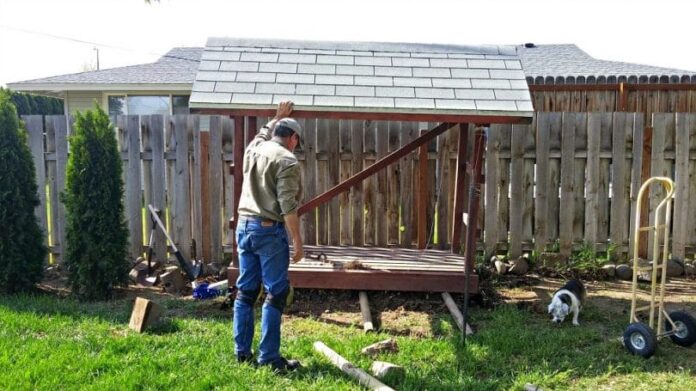 Pergolas and arbors make appealing entrances. In the dog run they can provide the added benefit of shade for your dog.
They are easy to make; but if you are not up to it, you can purchase one at a home and garden store. Plant running vines to provide more cover.
Pergolas and arbors make appealing entrances. In the dog run they can provide the added benefit of shade for your dog.
They are easy to make; but if you are not up to it, you can purchase one at a home and garden store. Plant running vines to provide more cover.
 Some owners build a raised stand for their dogs to eat. This method allows the dog to eat at a slower pace, and food does not spill as much when eaten from higher up.
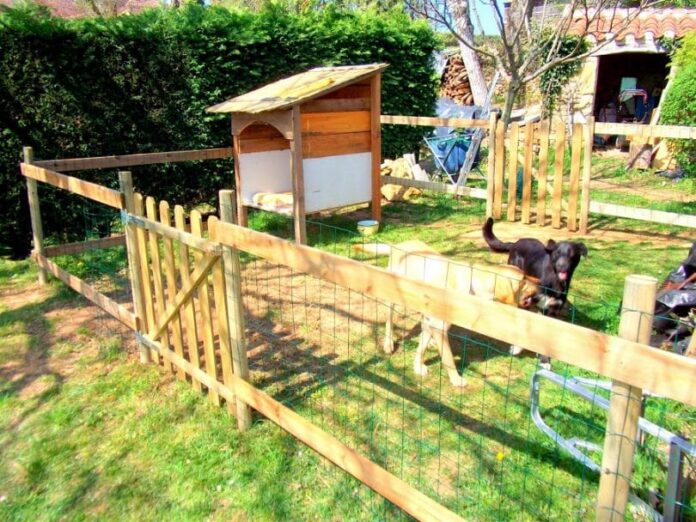
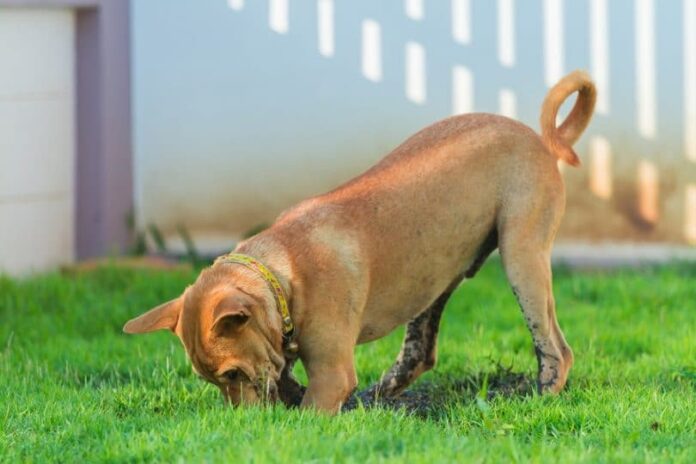 Here is an issue that is a sore point with many dog owners. Many breeds are diggers and so often they raze the flower beds or other prized garden plant or ruin precious lawns. You may have lost count of the times you have had to scream at Fido for his antics.
The dog run is a good idea to establish boundaries by designating an area where he can dig all he wants. Lay materials such as sand and mulch that they can dig while your yard is protected.
Encourage them to dig in this area by burying bones and toys for them to find. On the other hand you can discourage digging behaviors by covering the ground with artificial grass. Ensure that this grass is environmentally-friendly and also dog-friendly.
Here is an issue that is a sore point with many dog owners. Many breeds are diggers and so often they raze the flower beds or other prized garden plant or ruin precious lawns. You may have lost count of the times you have had to scream at Fido for his antics.
The dog run is a good idea to establish boundaries by designating an area where he can dig all he wants. Lay materials such as sand and mulch that they can dig while your yard is protected.
Encourage them to dig in this area by burying bones and toys for them to find. On the other hand you can discourage digging behaviors by covering the ground with artificial grass. Ensure that this grass is environmentally-friendly and also dog-friendly.
 Give him the command to “stay” again. Throw the ball further and let him wait for the permission to get it. Your dog will soon be waiting on your “yes” each time before diving for the ball.
Increase the distance to throw the ball at times. Make it a bit more complex by walking about 10 – 15 feet before you drop the ball. Release him to get it. You can even go a bit further by dropping the ball behind a log. Then give him the cue to “Go Find”. Walk farther away, say 50 feet and drop the ball behind the log. Let him find it.
Add some trick to the routine. Pretend to drop the ball; then walk about 10 feet and drop it behind a log. Tell him to “Go Find” and watch as he searches the place. Continue to mix the activity and very soon he will get the idea that he will need to check different places (Blackman, 2010).
Give him the command to “stay” again. Throw the ball further and let him wait for the permission to get it. Your dog will soon be waiting on your “yes” each time before diving for the ball.
Increase the distance to throw the ball at times. Make it a bit more complex by walking about 10 – 15 feet before you drop the ball. Release him to get it. You can even go a bit further by dropping the ball behind a log. Then give him the cue to “Go Find”. Walk farther away, say 50 feet and drop the ball behind the log. Let him find it.
Add some trick to the routine. Pretend to drop the ball; then walk about 10 feet and drop it behind a log. Tell him to “Go Find” and watch as he searches the place. Continue to mix the activity and very soon he will get the idea that he will need to check different places (Blackman, 2010).
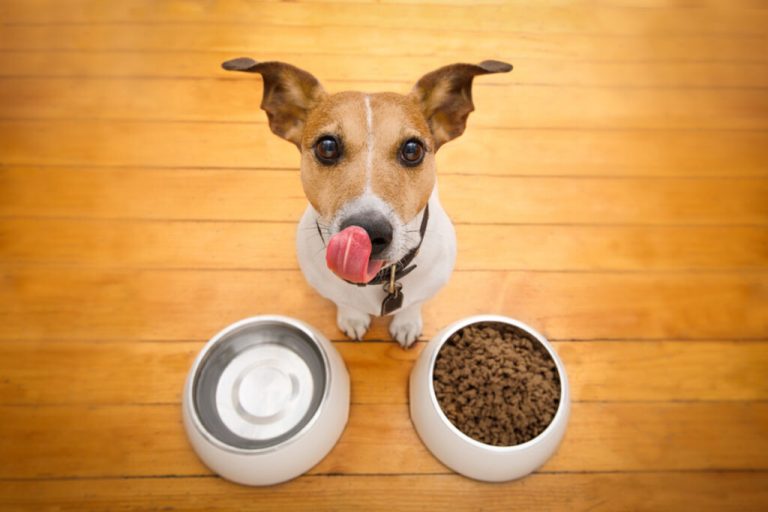
 Either dry or wet dog food, they are both prepared for the nutritional benefits of your dog, and it might be very dicey to pick the best. You will be able to make the right choice for your dog, depending on what suits you and convenient for you as a dog owner.


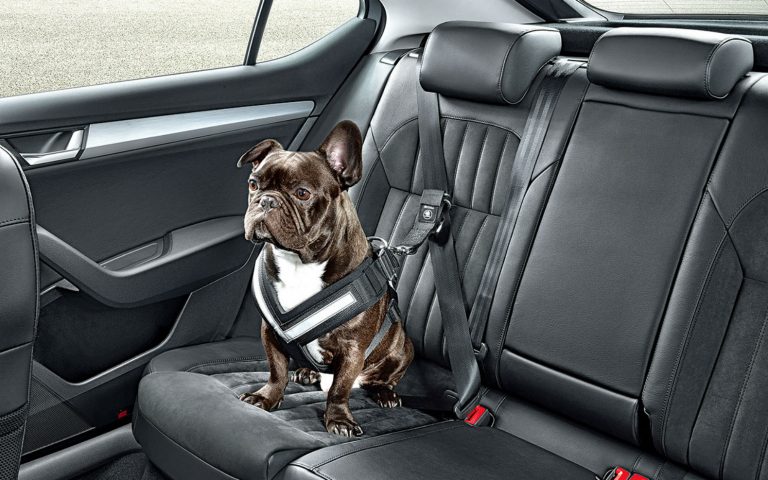
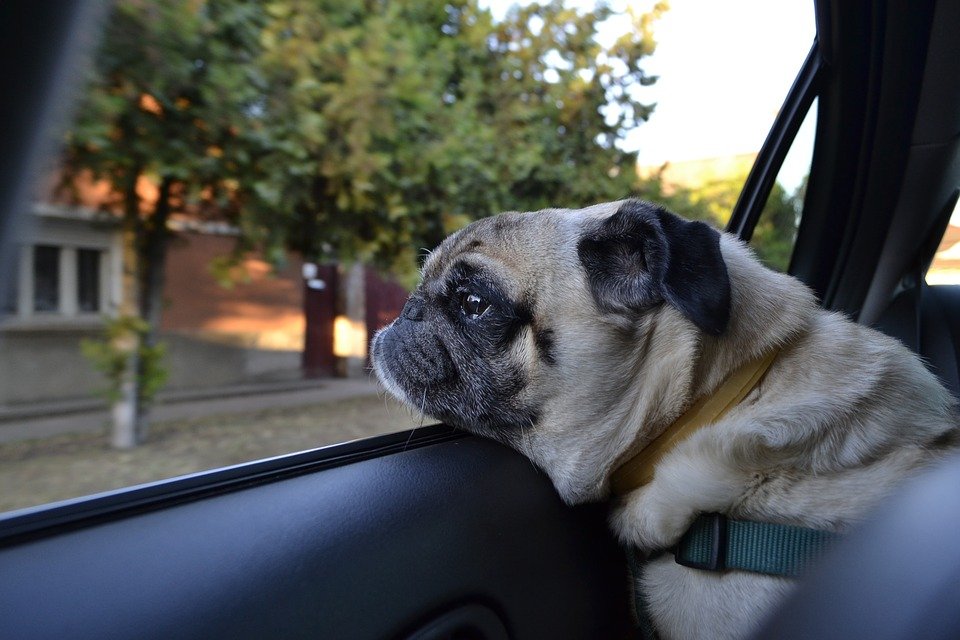 The need for safety and how to seatbelt a dog in a car when travelling cannot be overemphasized. It is essential that as a dog owner, attention should be paid to details when on a wheel and your dog is right behind or beside you.
Dogs are always very excited when they are thrilling adventurous journeys, and in lieu of this, it is very expedient not to give a dog total moving freedom when in the car with you.
The need for safety and how to seatbelt a dog in a car when travelling cannot be overemphasized. It is essential that as a dog owner, attention should be paid to details when on a wheel and your dog is right behind or beside you.
Dogs are always very excited when they are thrilling adventurous journeys, and in lieu of this, it is very expedient not to give a dog total moving freedom when in the car with you.
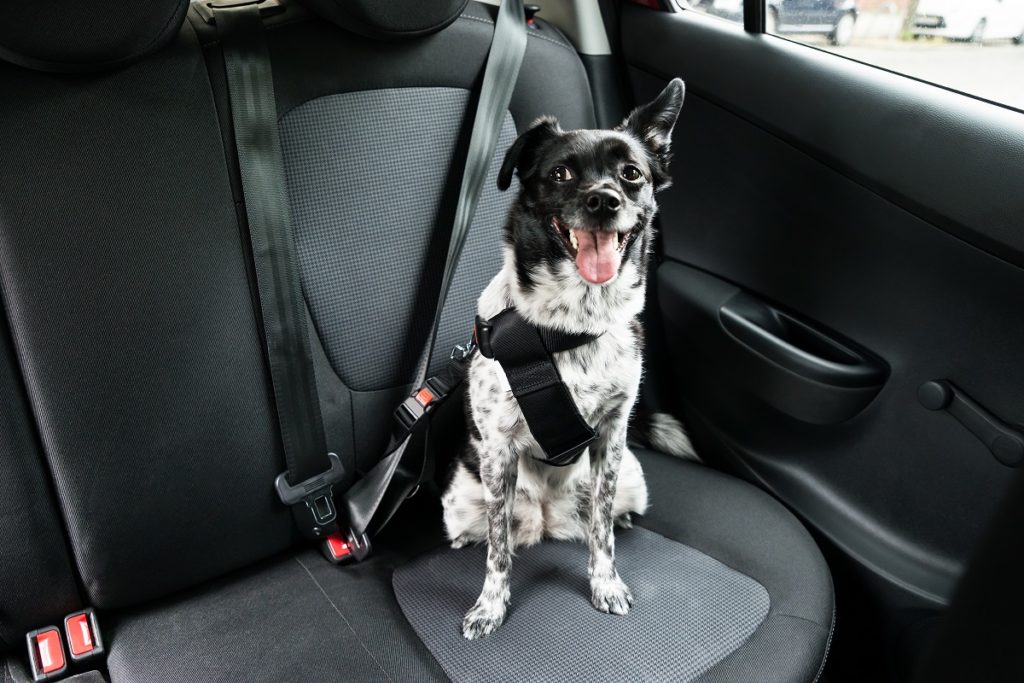

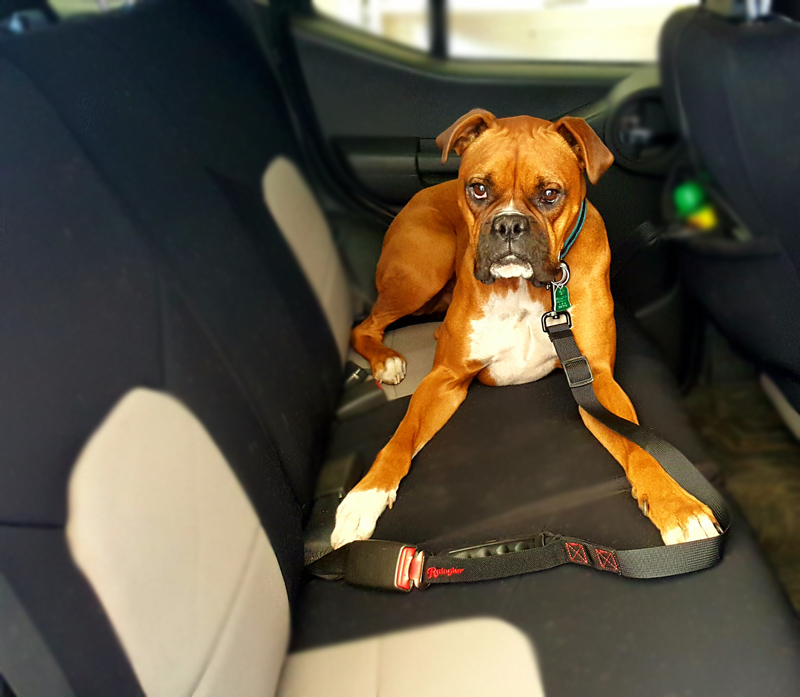 Dogs are always excited whenever they had the opportunity to go out on an exciting walk or road trips in a car with their owner, because of this, it is essential as a dog owner you know how to secure dog in car with leash to restrain the movement of your dog inside your car either at the back or front seat.
As a dog owner,
Dogs are always excited whenever they had the opportunity to go out on an exciting walk or road trips in a car with their owner, because of this, it is essential as a dog owner you know how to secure dog in car with leash to restrain the movement of your dog inside your car either at the back or front seat.
As a dog owner,  As a caring dog owner, you must know the procedures and the best way to travel in a car with your dog when on a trip or a drive-in neighborhood, etc.
Traveling with your dog is a lot of fun when all precautions are duly followed, and it can also pose a whole lot of safety issues if the needed safety precautions and basic information on how to travel with your dog are not taken into considerations.
We provide some tips on the best way to travel with your dog in a car which are the following:
As a caring dog owner, you must know the procedures and the best way to travel in a car with your dog when on a trip or a drive-in neighborhood, etc.
Traveling with your dog is a lot of fun when all precautions are duly followed, and it can also pose a whole lot of safety issues if the needed safety precautions and basic information on how to travel with your dog are not taken into considerations.
We provide some tips on the best way to travel with your dog in a car which are the following:
 If you will be traveling with your dog on a long road trip or maybe even a short trip it is very important to consider the surest and safest means to ride in a car with a dog. When riding in a car with your dog the following safe ways should be considered.

 Fear is a character or trait that can be caused by several reasons in your dog. And as a dog owner, it is your duty, to understand and know what causes fear or anxiety to your dog. Dogs as man’s best friends are supposed to be brave and not fearful; it is a big problem when you have a nervous dog that cannot even lift his/her head to look you in the eye. This article tells you all you need to know on training a fearful dog to walk on a leash.
Fear or phobia in dogs can be caused by lack of early socialization, fear of thunderstorms, busy environment, riding in car, negative experiences when growing and most especially the subject matter, which is walking your dog on a leash.
Having a fearful dog is not an easy thing for the dog and the dog owner, majorly because owning a fearful dog is a load of work and can be very tiring at times.
As an owner of a fearful dog, it is essential that you give
Fear is a character or trait that can be caused by several reasons in your dog. And as a dog owner, it is your duty, to understand and know what causes fear or anxiety to your dog. Dogs as man’s best friends are supposed to be brave and not fearful; it is a big problem when you have a nervous dog that cannot even lift his/her head to look you in the eye. This article tells you all you need to know on training a fearful dog to walk on a leash.
Fear or phobia in dogs can be caused by lack of early socialization, fear of thunderstorms, busy environment, riding in car, negative experiences when growing and most especially the subject matter, which is walking your dog on a leash.
Having a fearful dog is not an easy thing for the dog and the dog owner, majorly because owning a fearful dog is a load of work and can be very tiring at times.
As an owner of a fearful dog, it is essential that you give  Dogs naturally love to be free and explore the environment around them, and this one of the reasons why most dogs are always excited when they are on a walk with their owner. They even go as far as pulling the leash out of their excitement.
Walking on a leash is not a natural thing for dogs and for this reason some or most dogs fear walking on a leash for so many reasons such as Negative Experience when him/her walks on a leash, he/she has not been trained to walk on a leash, he/she has been beaten or maltreated with the leash, he/ she has never walked with a leash, or maybe the leash causes Pain, etc.
As a dog owner, you have to effectively recognize the reason why your dog fears to walk on a leash and ensure you take corrective measures, to ensure that your dog finds it comfortable to walk on a leash without fear or anxiety.
Dogs naturally love to be free and explore the environment around them, and this one of the reasons why most dogs are always excited when they are on a walk with their owner. They even go as far as pulling the leash out of their excitement.
Walking on a leash is not a natural thing for dogs and for this reason some or most dogs fear walking on a leash for so many reasons such as Negative Experience when him/her walks on a leash, he/she has not been trained to walk on a leash, he/she has been beaten or maltreated with the leash, he/ she has never walked with a leash, or maybe the leash causes Pain, etc.
As a dog owner, you have to effectively recognize the reason why your dog fears to walk on a leash and ensure you take corrective measures, to ensure that your dog finds it comfortable to walk on a leash without fear or anxiety.
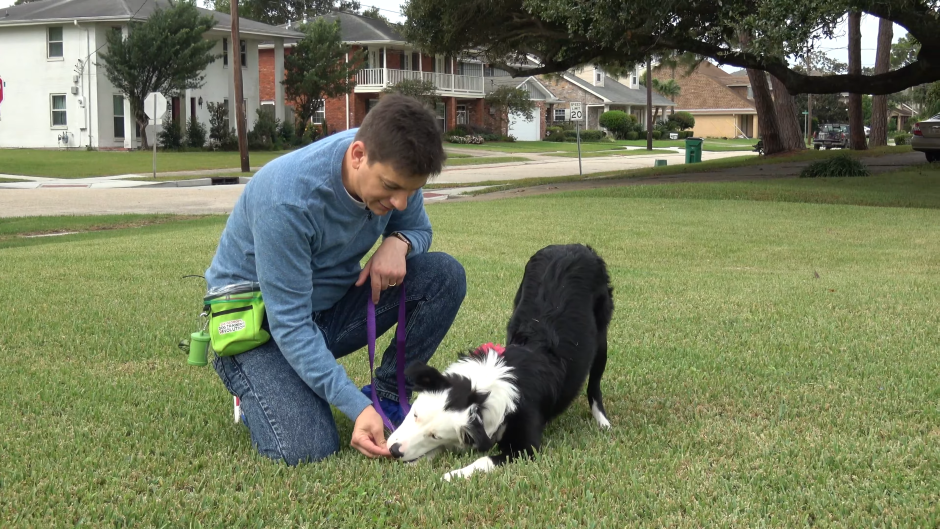 In
In Rehabilitation is a way of restoring your dog’s lost confidence. The dog rehabilitation process is a process of ensuring that your fearful dog overcomes fear, and several things are put into consideration to assist with the rehabilitation process.
The rehabilitation process is also a means of helping your dog eradicate bad behaviors that arise from being fearful. Several situations and circumstances cause a dog to be fearful, and because of this, the first thing that your dog trainer will do in this circumstance is to identify the cause.
If the root of fear in a dog is due to lack of socialization, the dog is effectively taught and trained on how to be a social dog that tolerates people and other dogs, and also be able to adapt and react in a way behaved manner when in contact with the trigger.
All in all, the rehabilitation process helps identify the root of the fear in your dog, and the proper training is given by the dog trainer to eradicate it.
Rehabilitation is a way of restoring your dog’s lost confidence. The dog rehabilitation process is a process of ensuring that your fearful dog overcomes fear, and several things are put into consideration to assist with the rehabilitation process.
The rehabilitation process is also a means of helping your dog eradicate bad behaviors that arise from being fearful. Several situations and circumstances cause a dog to be fearful, and because of this, the first thing that your dog trainer will do in this circumstance is to identify the cause.
If the root of fear in a dog is due to lack of socialization, the dog is effectively taught and trained on how to be a social dog that tolerates people and other dogs, and also be able to adapt and react in a way behaved manner when in contact with the trigger.
All in all, the rehabilitation process helps identify the root of the fear in your dog, and the proper training is given by the dog trainer to eradicate it.
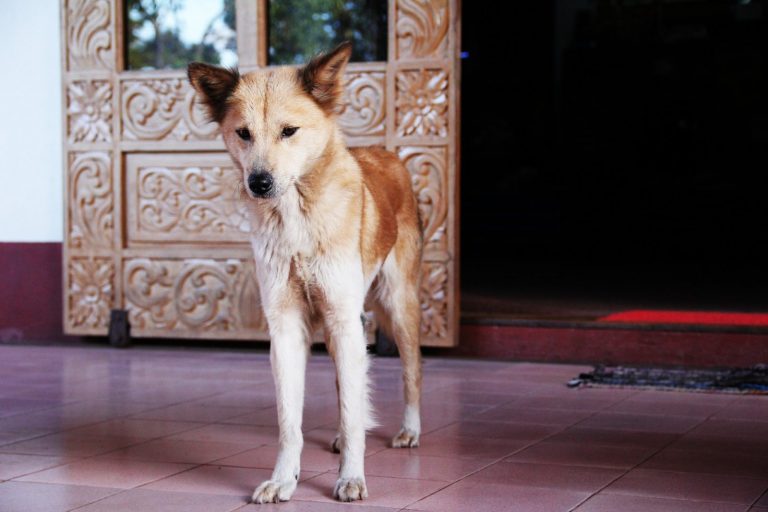
 Malnutrition occurs in dogs when they lack essential minerals and vitamins in their body. This is mainly because their body is deficient of major essential bodybuilding nutrients. Malnutrition is common in majorly homeless dogs due to the fact that they are not properly taken care of or well-fed.
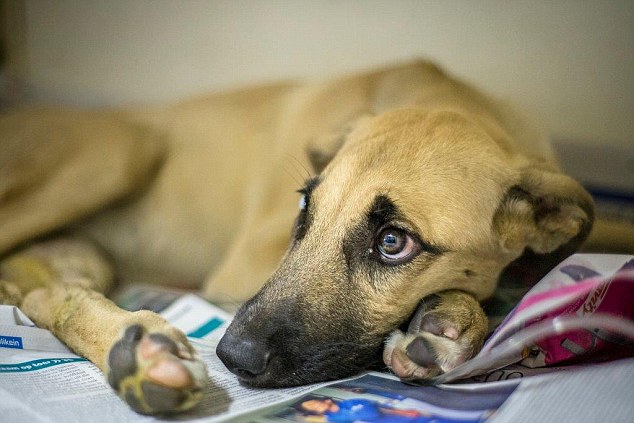
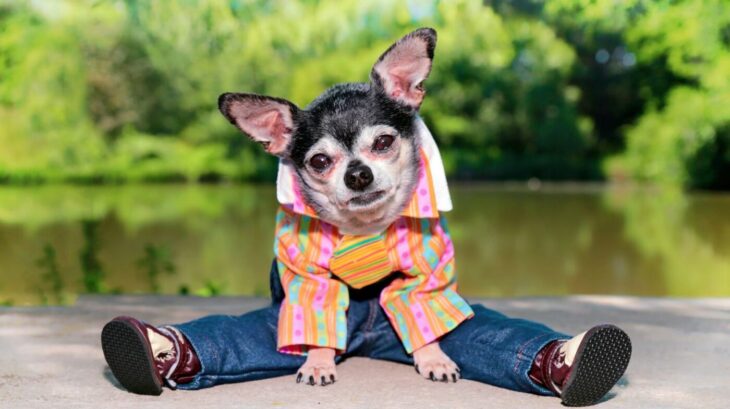


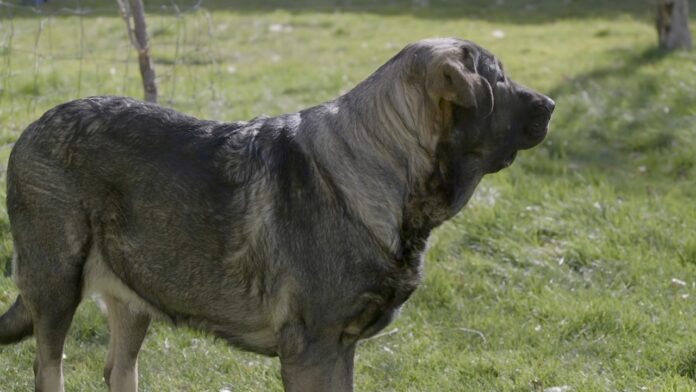 On a hunt for girl names for dogs in Spanish? We commend your decision, because Spanish names for females all sound very striking, with their focus on melodic-sounding vowels and all. They are also easily recognizable without being too common.
The list compiled below has a plethora of sweet-sounding female names that you can easily pronounce even if you don’t speak Spanish.
On a hunt for girl names for dogs in Spanish? We commend your decision, because Spanish names for females all sound very striking, with their focus on melodic-sounding vowels and all. They are also easily recognizable without being too common.
The list compiled below has a plethora of sweet-sounding female names that you can easily pronounce even if you don’t speak Spanish.
 Names for male dogs in Spanish are a delight to call because they sound strong and masculine, yet at the same time, melodious and charming. Below you will find a list of male Spanish dog names. We’ve made sure to include names with meanings across all categories so you can pick one according to his personality.