Loving means sharing, and precisely because we love our dogs so much, we often want to share our favorite foods with them.
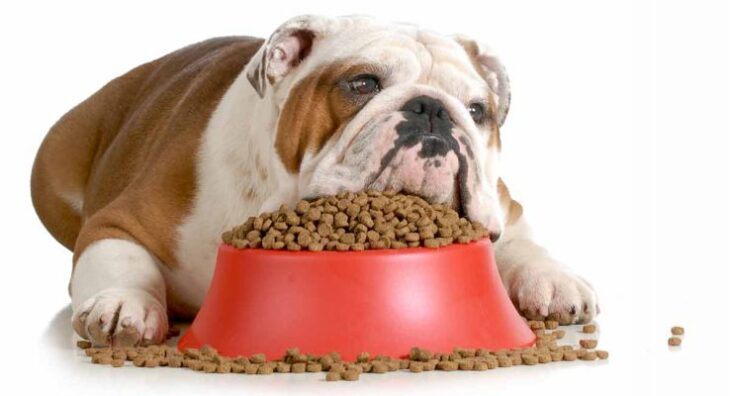
However, since a dog’s digestive system and body as a whole are different from a human’s, there are foods that we consider perfectly safe that can prove to be bad for a dog’s health. One important question that needs to be answered right now is whether feeding white rice for dogs is okay or not.
White rice is a staple in many households today. It is affordable, filling, and can be very delicious when paired with different kinds of side dishes. And because it is organic, many people consider white rice to be a healthier food option for dogs than commercial dry food. This is valid.
However, it is also a fact that white rice isn’t a part of a dog’s natural diet. Therefore, caution should be exercised when feeding your dog white rice in order to reap all the positives and none of the negatives.
We strive to provide an answer to many dog owners’ question regarding: “Is white rice ok for dogs?” This article is going to help you understand what benefits white rice has to offer to your dogs and how much white rice you can feed your dog to keep him healthy.
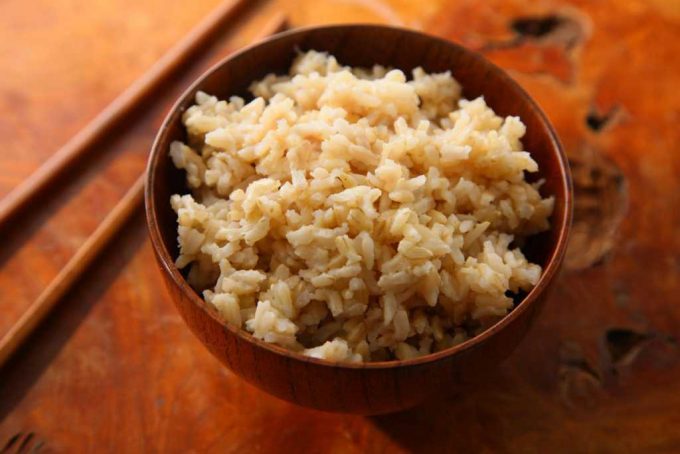
Moreover, we are also going to compare white rice with brown rice so you can pick the one that will benefit your dog the most in the long run.
Is White Rice Ok for My Dogs?
The answer to this question is: yes. The first thing you need to know is that the dogs are omnivores. Although dogs usually prefer to consume meat products, most kinds of vegetables and fruits are also perfectly safe for them.
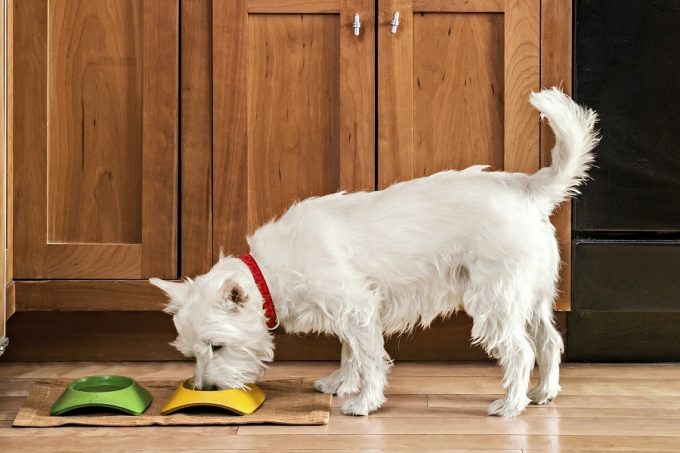
Most probably, the commercial dog foods you purchase also contain rice and vegetables. Compared to those commercial dog foods, organic rice is healthier because it is very easy to digest. Whenever your dog has an “upset stomach,” this is a good option to help him get better.
Pros of Feeding White Rice to Your Dog
Apart from the main benefit mentioned above, white rice has many other health benefits to offer to your dog:
It is an important source of energy for your dog. It energizes both the body and the brain, and many studies have demonstrated that it is a great source of carbs. Researchers discovered that a third of your dog’s food should contain healthy carbohydrates.
It contains a low percentage of fat.
It is low in sodium.
It is considered a good source of vitamins. One important vitamin that your dog will receive when he eats white rice is vitamin D.
Apart from vitamin D, white rice has a lot of minerals. For example, it is a great source of niacin, calcium, iron, and thiamine.
It improves bowel movement because it contributes to the development of useful bacteria in your dog’s body. Feeding your dog white rice is also a method you can employ to combat diarrhea.
In case your dog is dealing with a high cholesterol level, white rice will help lower it.
There is nothing wrong with adding white rice to your dog’s diet. What you should take into consideration though, is the amount of rice you include. A diet based only on rice can be harmful to your dog.
Cons of Feeding White Rice to Your Dog
Rice is quite high in sugar content. Feeding your dog too much rice can cause them to develop symptoms of diabetes—especially in older dogs. This is why it is very important to know the right amount and when to add it to your dog’s diet.
Another important thing to know is whether your dog is allergic to rice or not. It is very easy to check whether your dog manifests an allergic reaction or not when he eats rice. The most common symptoms are:
Hair loss
Itchy skin
Ear infections
If your dog is allergic to white rice or if he is getting too old and you’re afraid that feeding him white rice will give him diabetes, consider feeding him brown rice instead. Brown rice is widely considered as healthier compared to white rice when included in a human’s diet. Let’s see if the same applies to a dog’s diet.
White Rice VS. Brown Rice
If it comes down to these two options, you might want to go for white rice.
Although it is true that brown rice provides more protein and less fat for your dog, white rice is the more popular option for a reason:
White rice is softer, and thus easier to chew than brown rice. Therefore, it is also easier to digest. However, you should be careful with the amount. Because it is digested so fast, white rice can cause rapid fluctuations in your dog’s blood sugar levels.
White rice is cheaper than brown rice. This is one of the main reasons why people tend to use white rice in their dog’s diet.
White rice also takes less time to prepare than brown rice, so it is more convenient. Below we are going to explain the best way to prepare white rice for your dog so he can reap all the benefits.
How to Prepare White Rice for Your Dog
Here you will find four easy steps that will show you how to prepare white rice for your dog:
Measure 1 cup of rice and put it in a pan
Add 4 cups of water
Boil everything for a maximum of 30 minutes. Taste it after 20 minutes and see if it’s ready
Once you are done boiling the rice, cool it off. You can then mix it with some side dishes
Best Side Dishes to Accompany Your Dog’s White Rice Meal
White rice makes such a good and fun meal not just because it is easy to prepare, but also because it can be mixed and matched with a variety of side dishes so your dog won’t grow bored of the taste.
If you plan to experiment, consider adding some of these healthy side dishes to your dog’s bowl of white rice:
1. Squash
It is an excellent source of beta-carotene. If you want to make it more fun and crunchy for your dog, you can freeze the slices.
Do not forget to remove the seeds before you slice it and put it in the freezer.
2. Popcorn
Does it sound weird to give popcorn to your dog? Popcorn is actually a great source of potassium and other elements that are pivotal to his bone development.
Also, as long as you do not add butter and salt when you prepare it, popcorn is very low in calories. Therefore, if you want to keep your dog’s weight under control, this is an excellent treat.
3. Peas
Most probably you have already noticed that many dog foods contain peas. This means that the dog food manufacturers’ research has shown that this vegetable can be very healthy for a dog.
It is a good source of vitamin B, potassium and phosphorous.
4. Parsley
Apart from being a good source of beta-carotene, calcium, and potassium, parsley has another important role: it improves your dog’s breath. Therefore, the next time you notice that your dog has bad breath, you can try adding some parsley into his rice meal.
5. Cottage Cheese
Cottage cheese is an excellent source of protein and calcium for your dog. However, you should be careful. As it is a dairy product, your dog could be allergic to it.
A dog’s digestive system is usually very sensitive to lactose, and so there are often cases where he develops an allergy reaction to dairy products. To be sure that you will not do any harm to your pouch, test his reaction with a small quantity first.
6. Liver
You can buy it either freeze-dried from the pet shops or fresh from the grocery stores. When you buy it fresh, you can cook it and then freeze it.
You can divide it into smaller portions and mix them into the rice. The broth obtained from cooking the liver can also be used to add flavor to the rice.
Liver contains all kinds of vitamins and minerals like B, A, and K, and iron. Even though it is so healthy, too much liver can be toxic to your dog.
As it contains a high quantity of vitamin A, it can be very harmful if fed to your dog in excess, so be careful.
7. Pineapple
Have you ever thought that your dog could eat pineapple? As we’ve mentioned before, dogs are an omnivore, which means that they can also eat fruits and vegetables.
Many dogs love pineapple because of how sweet it tastes.
Pineapple contains calcium and potassium, which are important nutrients for your dog. However, don’t mix pineapple with rice too often because both are high in sugar content.
8. Low Fat Meat
We saved the best for the last. White rice goes amazingly well with meat products. You can add any type of meat onto your dog’s rice meal—be it chicken, pork, or beef—as long as it is low on fat and you do not add any sauces or seasonings.
Apart from being one of the dogs’ favorite foods, meat is a great source of vitamin B and amino acids. These elements play an important role in supporting your dog’s metabolism.
Chicken and rice is a match made in heaven for your dog. This meal is very nutritional and easy to digest—perfect for when your dog has an upset stomach. Although, there is one important rule to take into consideration when you make such a combination. Always give plenty of water to your dog to avoid constipation.
With so many side dishes to enhance the flavor of your dog’s rice meal, he may love it so much that he keeps asking for it. But be aware that you should not give him white rice more than 2-3 times a week.
If you want your dog to always be energetic and remain healthy, his diet should include a balanced combination of protein, carbs, and fats. If you keep giving him white rice, his nutrient intake will skew too far onto an excess of carbs and sugar and a lack of fat.
Wrap Up
In conclusion, you should not be afraid to include white rice in your dog’s diet. As long as you keep to the correct proportions, white rice will bring many advantages to your dog’s health.
If you include rice in your dog’s food, you provide him with all sorts of necessary nutrients for healthy development, including but not limited to phosphorus, iron, calcium, and carbohydrates.
Some dogs are allergic to white rice, but this is a once in a blue moon case. Moreover, in case your dog is not allergic to rice, it can even help him recover from other food allergies.
For example, your dog may develop an allergy to milk, whey, soy or other additives that many commercial dog foods contain. If your dog is no longer capable of consuming store-bought dog foods, your veterinarian will suggest that you replace it with white rice.
As we have explained above, it is perfectly safe to prepare white rice for your dog several times a week. If your dog is suffering from diarrhea or other digestive problems, you can prepare a white rice meal for him more often because it can aid his digestion.
Although, be sure not to give him too much because it can have the adverse effect of constipation. You can easily avoid this problem by always ensuring that your dog has enough water to drink.
Why does my dog bury his head in me: Dogs behave in many ways to communicate with humans, whether it be to seek attention or to say something else. But how would you know what it’s saying? Here’s how.
Why does my dog bury his head in me?
Source:superbdog.com
Dogs are one of the kindest and most affectionate animals you can have as a pet, and it shows in the way they shower their owners with love. You may often wonder- why does my dog bury his head in me? Well, that’s simple. It’s because it loves you.
Dogs go to great lengths to show their love and appreciation for their owners. When your dog nuzzles with you, it means you are much loved. But there could also be other things your dog is saying to you. So, be on the lookout for hidden messages.
‘Why is my dog rubbing the face on me?’ is perhaps one of the most common questions dog owners ask. You could even say- ‘my dog buries head into me.’ There are two possible meanings of this gesture. Either it’s showing you respect, or it’s expressing dominance over you.
If you’re saying- ‘my dog rubs face on me,’ you’re in luck. Dogs do this when they seek your attention. Maybe you’re not giving the dog enough attention. You can try to rub your nose against your dog. Dogs love to show affection like this.
But why do dogs lick armpits?
It’s not unusual for a dog to do this. Dogs like the taste of salt and your armpits are generally saltier than the rest of your body. There is nothing medically wrong with your dog. You can try wearing long-sleeved clothes to discourage this behavior.
Why does my dog rub his face on the carpet?
Source:dogdorable.com
When you see your dog rubbing head on the carpet, don’t necessarily think everything is fine. Hopefully, your dog is just cleaning itself up a bit. But there is a possibility of infections or allergies, and your dog wants to get rid of the discomfort.
Why does my dog rub against the couch?
Your dog may rub his feet or body against the couch because of itchy skin. Your dog is likely suffering from some disease or infection. You should consider checking with your local vet, to be sure.
Why does my dog rub his face? Your dog probably enjoys rubbing his face if there are no medical complications involved. But if you have a breed with wrinkles on its face, your dog is just trying to clean his face. A lot of dirt can get stuck in its wrinkles, so you should help out in cleaning.
My dog puts a paw on my arm, but why?
It is a common way for dogs to communicate, so it’s probably just trying to tell you something. As the owner, you’ll have to notice what it wants. It could want to play, it could want food, or it could just want your attention.
Why does my dog hide his face?
Source:hillspet.com
There could be several possibilities in this case. Your dog could be wiping or scratching its face, and it could be an emotional response to something you did or said. It could be a sign of fear or anxiety or even submissive behavior.
Hopefully, you’ll be able to understand your dog much better than before now. Since you know ‘why does my dog bury his head in me,’ you should respond accordingly. If you’re suspicious of any chronicle behavior, don’t hold back on seeing a vet.
if you like:
Is your dog chronically biting its nails? Don’t make the mistake of thinking that it’s nothing. Nail-biting is a serious symptom in dogs, and you should be worried.
Why does my dog bite his nails?
Source:betterpet.com
Humans bite their nails all the time, but why would dogs do it? Why does my dog bite his nails? Seeing a dog chewing on nails can be surprising to see at first, but there are two possible meanings of this behavior. Either it’s grooming itself, or it’s feeling great discomfort.
So, my dog bites his nails, but only occasionally. Is that something to be concerned? If your dog chews nails only occasionally, it’s mostly like just grooming itself. However, keep an eye on it. If the frequency increases, there could be serious ailments to worry.
For humans, nail-biting can be a bad behavior or something for soothing anxiety. But that is not the case for dogs. That’s not what they do- dogs bite their nails chronically when it causes them discomfort — if that’s the case, then taking your dog to see a vet would be the best choice.
A dog biting nails could be a symptom of inhalant allergies like Atopy. It irritates a dog’s feet and toes, resulting in dogs biting their nails. Initially, there could be some itching when a dog keeps biting nails. But it can develop a fungal or nail bed infection very soon.
Atopy can be specific to certain seasons. However, an infected dog chewing toenails may end up doing it all around the year as the infection develops. It would not be possible for a dog chewing nails to stop itself if this is the case. You’ll have to take the initiative and help it out.
Don’t take a dog’s grooming for granted. It is essential to make sure that your dog’s nails are trimmed and neat. Even if it’s not infected, dog biting toenails can be a sign that it’s painful for them to walk. These could also injure the skin, so make sure to get them trimmed.
For what reasons do dogs chew their nails? It could be grooming itself. But you should still maintain caution. A dog biting and pulling nails could be a sign of its nails being too long. It could also be injuries, claw diseases, or other medical conditions.
A dog biting nails off could also be due to fungal infections, bacterial infections, parasitic infections, allergies, etc. Interestingly, a dog may also, in some cases, chew its nails out of boredom or anxiety. These are very rare conditions, however, so it doesn’t hurt to be cautious.
Source:greyhoundhomecare.com
To stop dog biting nails, immediately take your dog to a vet. The first step is to rule out dangerous possibilities. As long as it’s not something to be scared about, you can rest easy. With your vet’s guidance, trim down your dog’s nails and take of it better.
Now that you know about this serious issue take better care of your dog. Don’t forget to tell your friends if they ever wonder- why does my dog bite his nails? You are the guardian of your dog, so be on the lookout for matters of its discomfort.
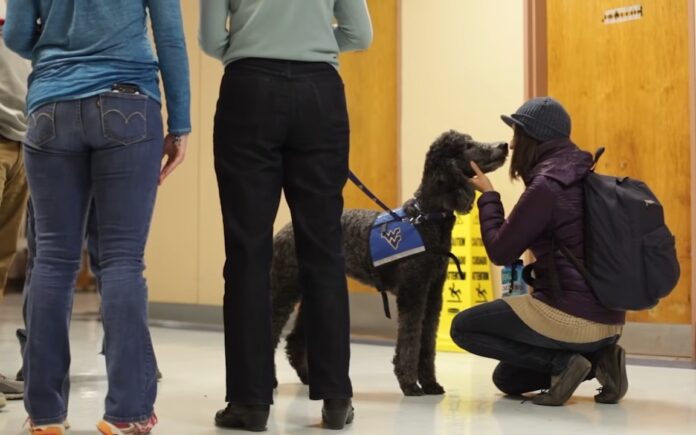
Dogs have a long history of being essential to human existence. In many facets of human culture, they have served as devoted friends, guardians, and aid. They now serve as service dogs, therapy dogs, working detector dogs, and emotional support dogs in the modern world.
Many people’s lives are significantly impacted by these trained dogs because they offer support, comfort, and friendship.
How to Support Your Dog
To help these amazing canines in their communal duties, it is crucial to feed them a wholesome, well-balanced diet. You can make sure that your canine companions get the nutrients they require to maintain excellent health and keep making a difference in the lives of those they serve by providing a range of protein sources, such as fish dog food, venison dog food, and beef dog food.
A balanced diet improves their cognitive function and physical health, enabling them to work efficiently and with clarity in their jobs.
Innovative Approach in Supporting Canine Health
To ensure service, therapy, and detection dogs continue excelling in their vital roles, proactive health care is essential. Innovative approaches likepet health insights by Everfur provide unique solutions by analyzing over 200 molecules in a dog’s fur. These insights allow pet owners to anticipate specific health needs, ensuring their dogs remain active and thriving. With advancements in joint care, such as Everfur’s arthritis expertise, maintaining mobility and comfort becomes more achievable, even for dogs with rigorous duties.
Service Dogs
Service canines are taught particularly to carry out tasks and support disabled persons. For the sake of ensuring that their handlers can fully participate in society, they are legally recognised and allowed access to public areas. Service dogs come in a variety of varieties, each with special capabilities and aptitudes.
1. Guide Dog
Seeking-eye dogs, commonly referred to as guide dogs, are taught to help the blind or visually handicapped. By avoiding hazards and warning them of potential threats, they assist their handlers in navigating their surroundings. The independence and quality of life of their handlers are affected by the considerable training these dogs receive in order to properly accompany them.
2. Mobility Dog
Individuals with mobility problems, such as those who use wheelchairs or have trouble walking, can benefit physically from the help of mobility dogs. These canines are taught to retrieve objects, open doors, and help their owners’ balance and stability. They are essential in assisting their handlers with daily activities.
3. Autism Service Dog
Autism service dogs are trained to assist people with the condition, including both children and adults. They are soothing and assist with sensory control., and intervene during meltdowns or self-destructive actions. Additionally, these canines can serve as a social link between their owner and others, promoting interaction.
4. Hearing Dog
Hearing dogs help the hard-of-hearing or deaf by alerting them to crucial sounds like doorbells, alarms, baby cries, or the sound of their name being called. These dogs help their owners feel safer and more a part of their surroundings.
5. Medical Alert Dog
Medical alert dogs are taught to recognise particular medical disorders, like severe allergies or diabetes. Medical alert dogs have a 75–100% accuracy rate, according to a 2021 study. They are able to notify their carers of changes in blood sugar levels or the presence of allergies, enabling quick intervention and condition management.
6. Psychiatric Service Dog
Individuals with mental health issues like post-traumatic stress disorder (PTSD), anxiety, or depression are supported by psychiatric service dogs. These canines are skilled at using grounding methods, like sitting on a person’s feet, to stop panic attacks or dissociation episodes and provide solace in difficult situations.
7. Seizure Alert Dogs
Dogs that are trained in seizure alerts are able to spot and react to the beginning of a seizure in people with epilepsy. They can warn their carers so that they can locate a safe place to be before the seizure happens. Some dogs can even be taught to sound alert or summon assistance.
Detection Working Dogs
Specialised detection tasks are taught to some dogs. These working dogs detect specific materials, items, or people using their keen sense of scent.
1. Search and Rescue
Dogs trained in search and rescue are used to find victims of natural catastrophes or missing persons. They trace scents over great distances and through difficult terrain using their keen sense of smell, which is essential for saving lives.
2. Bed Bug Sniffing
To find bed bugs in both home and commercial settings, bed bug-detecting canines are trained. They are able to precisely pinpoint infestations, enabling targeted removal and halting the spread of these pests.
3. Cancer Detection
Dogs who specialise in finding the scent of cancer cells in biological samples like urine or breath are trained to do so. When it comes to early cancer detection, these dogs have demonstrated extraordinary accuracy. According to a 2021 study, urine sample detection rates might reach 87.8%, while breath sample detection rates could reach 78%. These results point to enhanced early detection and screening.
4. Explosives Detection
The aroma of hazardous materials can be recognised by explosive detection dogs. To protect public safety and stop potential terrorist acts, they are frequently used in airports, public gatherings, and other high-security locations.
5. Allergy Alert Dogs
Dogs who are taught to be allergy alert can spot allergens like gluten or peanuts in food or the surroundings. They can act as an additional layer of defence for people with severe allergies, helping them avoid exposure to allergens that could be fatal.
Therapy Dogs
Instead of performing specific activities for a person with a disability, therapy dogs offer emotional and psychological support to people in a variety of contexts. Specialised training is given to these dogs to make sure they are well-mannered and able to comfort and companion anyone in need.
1. Mental Health
When it comes to the treatment of mental illnesses, therapy dogs can be a lifesaver for sufferers of PTSD, depression, and anxiety. They have a relaxing presence, which lessens tension and encourages rest.
For instance, a 2022 study on dog-assisted therapy (DAT) in a children’s mental health facility discovered that DAT enhanced social responsiveness, emotional self-regulation, and self-control. It also found that DAT increased attendance in therapy sessions.
2. Nursing Homes
Therapy dogs bring companionship and emotional support to senior citizens in nursing homes, frequently making them happier and contributing to their general well-being. Additionally encouraging social interaction among residents and employees is the presence of therapy dogs. For instance, a research experiment conducted in 2021 found that DAT programmes can improve nursing home patients’ quality of life.
3. Schools and Colleges
Therapy dogs can assist kids in managing stress, sharpening their concentration, and promoting learning in educational environments. They can also help create a more welcoming environment by fostering empathy and understanding among the pupils.
Emotional Support Dogs
Although they lack the specialised training of service or therapy dogs, emotional support animals (ESAs) offer companionship and comfort to people who are struggling with emotional or mental health issues. They are frequently prescribed by mental health experts to help treat the symptoms of anxiety, depression, or other mental health issues.
The Lasting Impact of Canine Companions
Dogs have often demonstrated their adaptability and capacity to enhance human lives. These dogs are indispensable in today’s society, whether they are therapy dogs that offer emotional support in a variety of contexts or service dogs that carry out life-changing activities for people with impairments.
Dogs continue to serve as a constant reminder of our unbreakable link with our canine companions by displaying their enduring loyalty, devotion, and love.
Shedding is always an unpleasant part of a dog breeder, though it is a natural part of any kind of dog breed. Concerning this shedding issue, a question may repeatedly echo in the mind to an English Bulldog lover that- “Do English Bulldog Shed”. Thus, before taking your English Bulldog’s ownership, it would be better for you to know the fact whether your loving English Bulldog is prone to over shed, and if you do so then you have to know the cause and solution.
All dog breeds shed and it is a natural process. English Bulldogs do shed also but not much as other breeds as they have a short, fine, smooth coat. Normal shedding is natural but too much shedding may harmful to your pet. Thus, you have to have proper knowledge about the potential causes and solutions of shedding in order to understand either the shedding of your Bulldog is normal or disastrous.
Potential Causes
Source:dogfoodsmart.com
There may have many causes of shedding along with natural causes. Some vital causes are focused below to know the proper answer to “Do English Bulldog Shed”-
Seasonal Changing Matter
The season change is a great natural cause for English Bulldogs to shed. Alike other breeds of dog, English Bulldogs might have a change in their coat during seasonal changes. English Bulldogs have two types of coats including “Winter coat” and “Summer coat”. Thus, it is natural that your English Bully would shed his Winter coat and Summer coat in “Spring” and in “Autumn” respectively.
Shedding may heavier in the later Winter months and early Spring. This natural process may exist for a couple of months and there is nothing to be worried about it. But if the process remains more than this time, then it should be a matter of concern.
Unbalanced Diet and Nutrition
Lack of proper diet food and nutrition might cause hair sheds to your English Bulldog. If you give your pet poor food continuously which may not contain enough nutrition, then it would be a reasonable cause for hair shedding.
Being carnivores, some types of food like fillers derived from grain, soy, corn, wheat, etc. are improper food for your pet. Nutritious food does not mean rich and expensive food, rather it refers to balanced food with a good proportion of nutrition.
Presence of Irritating Substances
Source:pinterest
Parasites like Lice, Fleas, etc. are some irritating substances whose presence may cause serious hair shed of your English Bulldog. These types of parasites cause itching to your pet’s body and may suck a huge amount of blood gradually. As a result, your pet may become unhealthy. These itching and unhealthiness may cause serious hair shed to your Bulldog.
Some other causes
Food-related allergy
Pregnancy or lactation
Self introduced trauma due to licking
Cancer and other immune diseases
Sunburn etc.
Precautions should be taken to solve the abnormal shed problem of your English Bulldog. Some effective steps to solve hair shed of your English Bulldog are given below:
Grooming
English Bulldogs like being groomed with a brush, specially when it ends with a reward. Brushing your pet daily is one of the most important tips for removing hair shed. Firstly, you have to select a brush with soft and compact bristles to remove the loose hair on your English Bulldog. You have to brush more actively and carefully specially in the last months of Winter and the first months of Spring.
Regular Bathing
Regular bathing is helpful for your Bulldog to shed unusual hair but too much regular may be harmful to your pet’s health. You can bath your pet one day per week with shampoo or oatmeal. Never use your own shampoo, rather you should collect tearless shampoo specially made for Bulldog. If your pet is too much naughty and has the habit of rolling in the field, you should have to be more active for his proper bath as per his need.
Feeding Nutrition and Diet Food
Source:foodblogforum.com
Give your English Bulldog proper nutritious and diet food. If your Bully has food allergy, then change the diet and give him food according to his need. Your dog should be given such food containing at least 25% protein, without grain, artificial color, and sweeteners.In this case, a special dog food like “Evo” with high protein, low carbohydrate, and grain-free can be a proper supplement of nutritious food.
Salmon fish oil is another source of diet food which contains essential vitamins for your English Bulldog to keep their coat clean, healthy, and silky by reducing shedding. Moreover, Omega-3, Omega-6 fatty acid supplements can also be helpful to reduce potential skin and coat problems.
Some More Tips
Using FURminator is an effective way to reduce shedding of your English Bulldog.
Be careful of choosing a perfect collar as a poor collar can cause an allergic reaction.
A good vacuum cleaner is needed to keep your house and your Bulldog’s crate neat and clean. This will help to reduce dust allergy.
If your Bully suffers from itching, then you can use coconut oil. This will help to remove itching Andover shedding.
In case of too much and abnormal shedding, you should council with an experienced Vet to determine whether the shedding is natural or part of an underlying disorder.
As the hair shed of a dog is a natural process and there is a little bit chance of accidental hair shed, then an English Bulldog breeder should not be worried about the fact “Do English Bulldog Shed”. If you breed your Bulldog with proper care and treatment, you would surely be gifted by a healthy pet with only natural hair shed.
Are you thinking of bringing a mix breed pet in your home? Then, you can think about the “Doberman Great Dane Mix”. It is a Hybrid cross between the Doberman Pinscher and the Great Dane. To finalize your decision, you can have some helpful information about this breed from this article.
Most of the people think that the “Doberman Great Dane Mix” is a new arrival mix breed. But, this mixed breed is twenty years old now with its high popularity in the world. This designer breed is also known as “Doberdane”. These breeds were developed for creating an extra-large canine breed.
Interesting information about the ancestry of the “Doberman Great Dane Mix”
Source:greatdanek9.com
The ancestry of Great Dane is not from Denmark as its name conveys but from Germany.
The Dogs’ paintings on the artifacts of Greek and Babylonian have the similar appearance of Great Dane.
Initially bred as “Boar Hounds”, the Great Dane was also a royal watch dog.
The name Doberman Pinscher comes from the name Karl Friedrich Louis Doberman. He creates this breed in 1890.
In the World War-two, the Doberman Pinschers were war dogs for the United State Marine Crops.
The Physical Appearance of Doberman Great Dane Mix
The Dobermane Great Dane Mix breeds are medium to large-sized. The anatomy of Dobermane is generally long with the rectangular and extended head. The heavy bones, broad chest and muscles give it muscular appearance. This mix breed has floppy ears, snout, dark eyes with black and brown colures. The short coat of this breed has black, brown, red, fawn and brindle colure variations. As a giant breed, the height and weight of Doberdane are around 28-35 inches and 95-140 pounds respectively.
The temperament of Doberman Great Dane Mix
Source:twitter
The Doberdanes are mostly alike their Great Dane parents than Doberman parents. Having most of the characteristics from its parent breeds, this is a vigorous, sharp, alert and allegiant canine. This hybrid dogs are also loyal, intelligent and obedient companions. They are very much friendly, loving and robust at the same time. Besides, they are the best guard and companion for their owners. They are also intrinsic playful canines.
Because of its big size, young children may hurt while playing with this breed. So, this breed will be better for the family without young children and small pets. Due to their natural instinct of protection, they may not behave well to the strangers. Thus, as an owner, you should aware of this. Though Doberdanes possess an intense bark, you can easily solve it through training.
Overall Care for Doberman Great Dane Mix
Dobermanes need spacious area for their jumping, running and playing. They require minimum 75-90 minutes exercise daily including walking, running, jogging etc. As they love to go outside, you can provide their required exercise very easily. Though they need minimal grooming, you should brush and bath them regularly. Give them healthy and nutritious food for their healthy growing and fit body. They need enough time to be well trained and socialized. So, give them proper time to make your best buddy.
Health Concern and Life Expectancy of Doberman Great Dane Mix
Source:dogfoodsmart.com
There is no dog breed without any health problem. Doberman Great Dane mix are comparatively healthier breeds. Hip and elbow dysplasia are very much common to this breed which is hereditary diseases. Moreover, they may suffer from other common diseases like eye and heart problem, allergy etc. Thus, to reduce all these problems, you should provide proper care to them. In case of any critical problem, you should consult with your Vet as soon as possible.
The lifespan of Doberman Great Dane mix are 9-10 years. In some cases, they can live up to 11-12 years. For the long lifespan, proper care is very much important for this breed.
Doberman Great Dane mix is a super energetic and friendly pet at the same time. You can make your Doberdane as your best buddy through providing proper care and training.
The Beagle German shepherd Mix is the offspring of purebred Beagle and purebred German Shepherd. It is an amazing mixed breed that is very popular around the world. If you are wishing for an active type of designer breed, Beagle German shepherd may be the right choice for you.
Reasons for avoidingBeagle German Shepherd Mix
Source:allthingsdogs.com
Needs a significant amount of exercise; if you are not active type and have less time, please avoid this breed.
Howl loudly; getting from its Beagle ancestry it is common to this designer breed. If you can’t tolerate the constant howling or live in a shared house, this breed is not for you.
Reasons for choosingBeagle German shepherd mix
Easily trainable; being a smart and clever breed, this dog is a very quick learner.
An amazing exercise partner; this breed will help you to be more active and healthy through its friendly accompany.
Very much protective; you can find him always beside you at the time of your need.
Breed History of Beagle German shepherd mix
Beagle is a medium-sized scent hound dog. Its history is not so clear. Beagle-like dogs were bred in England for rabbit hunting since the 1300s. The United States imported Beagle breed in the 1860s.
The term “Beagle” drives from the old French word “Becquerel” which means “noisy person”. Interestingly, the name of Beagle focuses on the characteristic of this breed’s loud baying. Baying is like a loud howling. During hunting, this bred barked and howled loudly to alert its master.
The German shepherd is a medium-sized herding dog. It originated in Germany as its name conveys. It was a herding breed who was protective and vigilant over the flock. It is a very popular breed throughout the world. Police and military use this breed for their service. This is also therapy and guide dog.
The appearanceof Beagle German Shepherd mix
Beagle Shepherd will be a combination of its parent breeds. It is a medium-sized muscular dog. Most Beagle shepherds have non-floppy droopy ears. Its dark and alert eyes are very full of expression. The muzzle of this mixed breed will be medium to long with a large or pointed black nose. It has a long tail.
The double coats of this designer breed are straight and dense which are short to medium in length. The fur color could be bi-colored or in a single solid color. Solid color includes black, liver, tan, white, silver, and red.
The height and weight of this hybrid dog are 13 to 26 inches and 20 to 70 pounds respectively.
The temperamentof Beagle German shepherd mix
The Beagle German shepherd is not only energetic and active but also affectionate, adorable, and friendly. Being a smart and intelligent breed, it is easily and quickly trainable.
It is very protective and courageous which makes it a good watch dog. It is also a trusted friend and a loving family companion. Though this breed is good with children, you should supervise when around any dog.
This designer breed can be a little bit stubborn. In this case, early socialization, proper obedience training, mental stimulation are effective solutions. Separation anxiety is common to them if left alone for a long time. This may cause behavioral problems for your pet. So, accompany them properly.
Maintenanceof Beagle German shepherd mix
Source:petsidi.com
A Beagle German shepherd mix needs regular weekly grooming. You should comb and brush its coat regularly to keep it clean and shiny. It needs at least a bathing within 2-3 months. This hybrid dog requires brushing teeth twice a week, trimming nail monthly, cleaning ears regularly. A healthy diet and nutritious food are essential for this dog to keep its body fit.
Activity Requirements of Beagle German shepherd mix
Beagle German shepherd mix has special needs than its purebred parents. Being an active dog, it needs at least 2 hours of exercise daily. The exercise can include walking, running, playing etc. To prevent boredom, you can provide it plenty of chew and interactive toys.
Due to its scent hound side, the leash is a must for it at the time of going outside. Having a strong smell of curiosity, it can easily dig out and get lost or hurt if unsupervised. In this case, to have your dog micro-chipped is a good solution. You can easily rescue it by scanning this micro-chip.
Health Condition and life Expectancy of Beagle German shepherd mix
The Beagle German shepherd mix may inherit the health issues of its parent breeds. Some common possible health problems of this breed are hip and elbow dysplasia, heart disease, epilepsy, chronic eczema, blood disorders, etc.
You can keep your pet away from these problems through providing it proper care, diet, and nutritious food. Regular consulting with a vet is also effective to keep your designer dog healthy.
The possible life expectancy of the Beagle German shepherd mix is up to 15 years.
The Beagle German shepherd mix is really one of the best designer breeds. Now you can take your decision whether you want this breed as your buddy or not.
French Bulldogs need special care. They need extra care than other dogs. To care for a French bulldog you have to do certain things. To care for a French bulldog first you need to know their problems and other things like what is friendly and what’s not.
Source:nypost.com
French bulldogs have heat exhaustion problems. So that they need to be cool. Since heat exhaustion is a problem, these dogs have outside playtime when the weather is cool. To keep her/him fit you need a short walk with her and little exercise. Not too much since they have low energy and overheating problem.
Source:thetimes.co.uk
French bulldogs are not so big as other dogs, so they don’t need a lot of food. The size of the food serving may be considered by the dog’s age, size, and activity level.
To care for a French bulldog you need to keep her clean. They do not need a bath every day, you can give her bath as need. Make sure that the whole body is clean up. Their face wrinkle needs special care. Also several places like ear, teeth, and downside of the tail.
Source:frenchbulldogbreed.net
To care for a French bulldog you must keep visiting veterans so that you have updated about her.
Colitis in dogs is described as inflammation of the colon that can be caused by a number of factors. The causes of this dog health problem include the presence of bacteria, stress, parasites and so on.
Colitis can be an acute condition and may have a sudden onset of short duration. It can also be a chronic condition if it is present for more than 2 to 3 weeks. Ulcerative colitis is the third type of colitis met in quadrupeds, especially in those belonging to the Boxer breed.
Each has a few similar symptoms, but also different ones, as well as treatments and recommended diets. It is difficult to diagnose because most dogs with colitis may look and act normal.
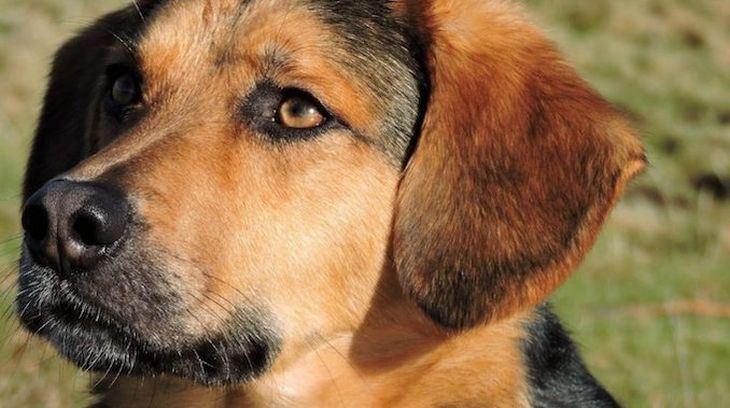
The most common signs include frequent bowel movements, mucus and/or diarrhea with traces of blood. In severe cases, vomiting may occur as well.
Causes of Colon Inflammation in Dogs
There are some common causes of colon inflammation in dogs, as it follows:
The presence of intestinal parasites such as worms, whipworms and giardia, which cause irritation and inflammation of the intestine
The presence of indigestible fibers in a dog’s stomach, such as grass
Salmonella and Campylobacter
Inflammatory bowel disease in dogs (IBD) is a common cause of colitis in canines
Irritable Bowel Syndrome (IBS), due to stress or neurological origins may cause colitis
Pancreatitis, hemorrhagic gastroenteritis or colon cancer may also be some of the common causes
Acute causes include:
Overeating
A sudden change in diet
Eating stale food
Bacterial infection
Viral infections
Stress
Food allergy
Chronic causes include:
Poor absorption of food
Pancreatic disease
Bacterial overgrowth
Inflammatory bowel disease
Vermin
A dog’s healthy body can sometimes react to an infection or an illness by taking refuge in itself. More specifically, in some cases, the products of urine or waste return in a dog’s body instead of leaving it, resulting in abnormal quantities of waste in its blood. Urea, a waste product of urine, is one of the potentially harmful substances that can enter a dog’s bloodstream.
This can also cause other problems in its body. An inflamed intestinal tract can also be a good indicator of inflammation of other organs, not just an indicator of infections. For example, a long-term inflammation of the pancreas can irritate a dog’s bowels.
Polyps and colon tumors often cause the typical symptoms of colitis. The most common malignancies are adenocarcinomas. The presence of tumors at colon level should be considered in those dogs with rectal bleeding.
Polyps can be diagnosed by rectal examination or they can be viewed by the eversion of the rectal mucosa. Usually lobed and dark red, they break easily and bleed profusely. In such cases, there is no way for you to know that your dog is not suffering from colitis, therefore the importance of seeing a vet cannot be emphasized enough not just in this case, but also in general.
Symptoms of Colon Inflammation in Dogs
The colon, also known as the large intestine, is placed above the small intestine in dogs and has 3 basic functions, namely absorbing water, storing wastewater or stool and absorbing nutrients that were not previously absorbed. The large intestine has a higher bacterial density compared to the small intestine, fact which is a cause of health problems in dogs.
Due to parasites and bacteria, a dog’s digestive system can be negatively influenced and stop functioning normally. Some dogs may show only minor symptoms of colitis, while others may be attacked by a more severe version of this disease. Among the most common symptoms of colitis in dogs are:
Stools that look like jelly or mucus
Frequent stool evacuation in small quantities
Traces of blood in stool
Diarrhea
Stool consistency varies from liquid to solid or is a mixture of both
Having a hard time to defecate
Flatulence
Vomiting
Fever
Abdominal pain
Weight loss
Read our article on how to help your dog lose weight.
Constipation is a clinical sign characterized by absent, infrequent or difficult defecation, associated with fecal impaction in the colon and rectum. This is a symptom that sometimes occurs in colitis. The problem with feces retention in these areas is water loss.
Therefore, if your dog is too dehydrated because of the diarrhea it previously had, it might not even be able to defecate anymore. Intravenous hydration might be mandatory in such case, but this is something that only a veterinarian can recommend and administer. This procedure might not apply to all ill dogs.
3 Types of Colitis in Canines
Colitis in canines can be divided into 2 main categories, namely acute colitis and chronic colitis. Acute colitis occurs suddenly and it is often called the stress-related colitis because it is caused by sudden stressful episodes in the life of a dog.
Other causes of acute colitis can be, for example, eating from the trashcan or eating foods that are not included in a dog’s diet. Chronic colitis lasts for a longer period of time compared to acute colitis.
The causes of chronic colitis are also diversified and they should be accurately determined before starting a treatment of any kind. Acute colitis is often caused by caused by dog eating grass, dirt or a foreign body, like a little toy.
Chronic colitis is much more serious and usually a biopsy is needed in order to find the cause. The causes of chronic colitis include parasites, bacteria or diseases such as inflammatory bowel disease, irritable bowel disease or, rarely, cancer.
Ulcerative colitis, the third main form of colitis in canines, is rare and it usually occurs because of unknown reasons, especially in dogs belonging to Boxer and Bulldog breeds. It is believed that a defect in a dog’s immunity system allows inflammatory cells to invade the walls of the large intestine, inflaming and damaging its coating. The symptoms are the same as for the general colitis, but much more severe.
However, this affection can be treated and kept under control with the help of medication and a strict diet. Chicken, cottage cheese, rice and eggs are often recommended in such cases. Boxer dogs under 2 years old do not have a very optimistic prognosis in care they get ill and the symptoms are severe. They usually lose a lot of weight.
There are many types of inflammatory disorders that can cause colitis or that could be associated with colitis. These disorders are collectively known as inflammatory bowel diseases. This is because their clinical symptoms are very similar.
Even so, identifying the exact disease is mandatory in order to establish a diagnosis and, eventually, a treatment. As it follows, there are a few types of inflammatory bowel diseases explained and a few details about what causes them as well:
Plasmacytic lymphocytic colitis is the most common inflammatory bowel disease in dogs. Its final cause is not known, but specialists think it is caused by an overreaction of the dog’s immune system.
Histiocytic ulcerative colitis is characterized by ulcers and the inflammation of a dog’s colon. It is most often seen in puppies, especially those from the Boxer breed.
Granulomatous colitis is a rare disease that occurs in some dogs. It is similar with the Crohn’s disease met in humans. The term «granulomatous» refers to specific inflammatory cell types that are present in the colon of a dog when this type of colitis develops.
Eosinophilic colitis is characterized by eosinophils. That is a type of white blood cell, which is often associated with allergic reactions or parasites. The cause of eosinophilic colitis is not known for sure. The best guesses include allergies and parasites.
Idiopathic chronic colitis is one of the major headaches for veterinarians, as it also affects the small intestine and stomach of a dog. The causes that lead to these processes are not yet fully established, but specialists have incriminated genetic, dietary, bacterial, immunological factors and changes in the permeability of the intestinal mucosa.
Hypersensitive reactions against bacteria, food components or problems with the bowel itself are the first aspects investigated by a veterinarian. Again, the causes can be so varied, that even a specialist may have a hard time establishing the right diagnosis. Besides the 3 main types, the secondary ones are the trickiest.
Diagnosing Colitis in Canine Specimens
The diagnosis is based on clinical signs and the history of your canine pet’s health, as well as on a microscopic evaluation of its stool, a rectal examination, various blood tests and cell tests. Additional examinations might be necessary, such as x-rays, in order to take a look at the dog’s colon and its intestinal tract.
A colon biopsy or a colonoscopy, a stool culture, a barium enema or an ultrasound evaluation of its abdomen may also be necessary in many cases. These tests are important to rule out critical conditions, such as colonic tumors or polyps, the irritable bowel syndrome and another condition when the bowel folds into itself.
Treatment Options for Affected Dogs
If the dog is dehydrated because of chronic diarrhea, as a symptom of colitis, it has to be hospitalized for intravenous rehydration. If the swelling of the colon is sudden and severe, the veterinarian may withhold food from the dog for 24 to 48 hours to allow its colon to relax.
Meanwhile, if the inflammation of the colon is chronic and a scar has formed on the colon, surgical removal may be required. The inflammation determined by a fungal infection may also require surgery. Dog colitis treatment can also include medication, which is prescribed based on the cause that determined it.
If the inflammation of the dog’s colon is the result of whipworms and hookworms infestation, then the vet prescribes drugs meant to remove them. Anti-inflammatory and immunosuppressive drugs may be prescribed if the cause is an autoimmune reaction.
Since some types of colitis are poorly responsive to medical treatment, surgery may be required. This is why any dog owner should consult a veterinarian as soon as he or she notices something wrong about his or her dog. Depending on the severity of the illness, there are also treatments that can be applied at home and that are usually only related to changes in the dog’s diet.
The vet may suggest a high-protein diet that should be prepared at home or pre-packaged and bought from stores. An unfermented fiber supplement, such as bran, can be used to increase the fecal mass, improve muscle contractions in the colon and remove the water from the stool.
Furthermore, some fermentable fibers may be beneficial. Produced by fermentation, fatty acids can help heal the colon and restore its normal bacteria. Some fibers, such as psyllium, can act as laxatives and may not be the best remedy for a disease that causes diarrhea, so it is important to consult a veterinarian before starting any treatment at home.
Milfoil, chamomile and thyme are herbs that reduce the inconvenience caused by this disease and promote healing. The dog should drink about a cup of tea made with 2 teaspoons of chamomile flowers. Not only its digestion will be easier, but the inflammation from its colon will begin to heal, due to this plant’s antiseptic and healing properties.
In case of milfoil flowers, one might not succeed to make his or her dog drink it because it does not have a pleasant taste, but it is also great for healing colitis. As for thyme, it is also a good intestinal antiseptic, a good diuretic and a sedative. The tea made with it should be administered 3 times per day.
Rice plays an important nutritional role in the treatment of colitis. In case of ulcerative colitis, it can be combined with the juice obtained from raw cabbage and carrots. However, there are dog foods especially made for those with colitis or those that suffer from irritable bowel syndrome.
The main idea is for the food to be hypoallergenic and to contain a low amount of fats. Of course, cooking at home is ideal, but if for any reason you cannot do so, then you should buy appropriate food for your pooch. Here are some examples of dog food suited for such situations:
The Honest Kitchens Zeal – dehydrated
Grandma Lucy’s Pureformance Rabbit
Addiction Dehydrated Foods, any kind as long as it contains low fats
Therefore, it can be said that the treatment for this disease, if it is associated with dietary hypersensitivity, is based on the controlled supply of a well-defined diet, free of additives and highly digestible, containing a single protein source that is not present in regular dog food.
The household diets consisting of turkey, duck, lamb, rabbit, deer, sturgeon, or tofu are more suitable, but they can be changed with a commercial hypoallergenic diet that is balanced and suitable for long-term use. Besides the options presented above, you can search for other products that you may find compatible with your dog’s condition and nutritional needs.
The prognosis for Dogs With Colon Inflammations
The prognosis is excellent for most dogs that were diagnosed with a type of colitis. Vets expect quick recovery, especially in case dogs were only affected by a mild form of colitis, the acute kind.
As said, stress is among the main causes of acute colitis in canines, so a simple change in their diet and the administration of medication can solve the inflammation issue and dogs can return to their normal life in 3 to 5 days.
Recurrent, severe or chronic cases of colitis require diagnose tests in order to identify the exact cause of their occurrence and establish a proper treatment. In case of many canines that suffer from chronic colitis, their affection is held under control with a balanced diet and medication.
Conclusion
Dogs are like children, when you least expect it, they get sick and you must take care of them. Like humans, dogs can also suffer episodes of colitis. The causes are varied, starting from overeating and going all the way to infections or digestive malformations.
Especially if your dog is still young, you should not overlook this disorder. Even if acute colitis should disappear in approximately 3 days, diagnosing it would be best so you can prevent its reoccurrence in the future.
However, sometimes colitis is only a symptom of a more serious illness. Therefore, taking your pooch to the vet for a proper diagnose is the best thing you can do.
Colitis is a general term used to describe a variety of digestive distress that originates in the large intestine. It may be acute or chronic and develop into ulcerative colitis, although this is a rare form. To prevent the reoccurrence of colon inflammation, avoid exposing your dog to other dogs, contaminated food and humid environments.
Also avoid sudden changes in your pooch’s diet. Hypoallergenic diets are very nutritional and usually recommended for dogs affected by any form of colitis. The repeated recurrences of colon swelling can be expected when they are related to autoimmune diseases, although that is not always the case.
The Chihuahua Great Dane Mix is a designer dog breed resulting from cross-breeding between the Chihuahua and Great Dane. It is one of the most awkward and unusual mixed breeds. If you are a fantasy lover and searching for a unique designer dog, this breed is for you.
There are many curious asking related to this mixed breed. The answer of some common but interesting asking about Chihuahua Great Dane Mix is here
Can Chihuahua Great Dane Mix breed actually exist?
Source:dogntreats.com
The obvious question comes from most of the dog lovers is-“can this breed actually exist”. The answer to this question is positive. Though Chihuahua Great Dane Mix is a rare breed, it exists but not so many.
Why is Chihuahua Great Dane Mix an awkward and unusual breed?
Why this is an awkward and unusual breed, this may a common asking from you. Look at the size and weight difference between the two parent breeds and you will find the answer easily.
The Chihuahua is a tiny breed with 6-9 inches height and 3.5-7.5 pounds weight. On the contrary, the Great Dane is a gigantic breed with 28-34 inches height and 100-200 pounds weight. Just think, how unusual sight it is to see such a tiny breed being cross-bred with such a gigantic breed.
Is there any difficulty with producing Chihuahua Great Dane Mix?
Source:perfectdogbreeds.com
Yes, the breeding process of this mixed breed is too much complicated. It is impossible to have natural breeding between Chihuahua and Great Dane. When it comes to the possibility of carrying the pregnancy to full term, it depends on the host body. It is impossible for a Female Chihuahua to be pregnant by a male Great Dane because of the size difference. But a Male Chihuahua can impregnate a female Great Dane. In this case, artificial insemination is a must.
For getting more information about Chihuahua Great Dane Mix, you can take a closer look at the history of both parent breeds below.
Brief Ancestral History of Chihuahua Great Dane Mix
Chihuahua
Chihuahua
The origin place of Chihuahua is the state of “Chihuahua” of Mexico. This state borders Texas, Arizona, and New Mexico in the USA. Due to the sale of Chihuahua puppies to tourists close to the border, this breed became popular in the States.
These breeds are also known to come from the Techichi who were favored by the Toltec civilization in Mexico. Chihuahua is the world’s smallest and most genetically intriguing toy dog breed. It shares some zoological and historical characteristics with the Fennec Fox.
They were used in religious ceremonial rituals by the Aztecs. Their coats have both long and short hair. The height and weight of Chihuahua are 6-9 inches and 3.5-7.5 pounds respectively. The life span is 12-20 years.
Great Dane
The Great Dane breed does not come from Denmark as its name conveys but from Germany. It is a large-sized dog with a strong long leg. In the mid of 1500’s, central European nobility imported this breed from England.
The Great Dane had descended from crossbreeds between Irish Wolfhounds and English Mastiffs. The purposes of these dogs were to hunt deer, boar, and bear. Being a favorite dog, they could stay at the bedchambers of their lords at night. For this, they were known as “chamber dog”. They were also known as a royal watch dog.
The height and weight of Great Dane are 28-34 inches and 100-200 pounds respectively. The life span is 7-10 years.
How would be your Chihuahua Great Dane Mix?
The appearance, temperament, personality, and coat type everything for a mixed breed are uncertain. All these depend upon both of the parent breeds. The most noticeable appearance of the Chihuahua Great Dane mix is its large head with a small body.
This mixed breed has the large head of Great Dane. Since the parent breeds’ size matter is totally opposite, the body size of this breed is not so tiny or large. It is at least twice the size of the Chihuahua. So, the body is able to support the large head.
Chihuahua Great Dane mix is a soft-hearted dog who is very loving, loyal, and friendly. If it gets the personality from its Great Dane parent side, your pet will be a sweet-tempered and calm dog. But, if it gets the personality from its Chihuahua parent, sometimes it can be terrible. Whenever your pet will be upset, it can become aggressive and show a bad temper.
This mixed breed is very protective of its owner. It has enough vitality like Chihuahua and strength and loyalty like Great Dane.
Is there any training difficulty of Chihuahua Great Dane Mix?
You may have some training difficulty if your pet has the stubbornness and over confidentiality from the Chihuahua parent. In this case, you have to understand the actual type of your pet. You need to have more patience, time along skillful hands to train up and socialized your pet properly.
How Much Care does need your Chihuahua Great Dane Mix?
Special care and attention are very much important for a designer breed. Keep your Chihuahua Great Dane mix always clean. Being a mild shedder, your pet needs minimal brushing and bathing. Give it nutritious and diet food for a healthy life.
TheChihuahua Great Dane mix breed needs a minimal amount of physical activity. You do not need to hard work and more time for the activity of your pet. Perhaps a simple walk around the block or quick jog will be enough for your designer breed.
How is the health condition of Chihuahua Great Dane Mix?
Source:thegoodypet.com
Chihuahua Great Dane mix prone to elbow and hip dysplasia which are common problems of all dog breeds. To minimize this condition, give your pet fish oil, glucosamine, and chondroitin supplements as soon as possible. A raw food diet will be helpful in this case. Keep regular consult with the vet for better health of your pet.
The life span of Chihuahua Great Dane mix is 7-20 years depending upon parent breeds.
The Chihuahua Great Dane mix is actually an amazing dog breed. Now, you can decide whether you want such a unique but awkward mix breed as your pet or not.
We use cookies to ensure that we give you the best experience on our website. If you continue to use this site we will assume that you are happy with it.

 We strive to provide an answer to many dog owners’ question regarding: “Is white rice ok for dogs?” This article is going to help you understand what benefits white rice has to offer to your dogs and how much white rice you can feed your dog to keep him healthy.
Moreover, we are also going to compare white rice with brown rice so you can pick the one that will benefit your dog the most in the long run.
We strive to provide an answer to many dog owners’ question regarding: “Is white rice ok for dogs?” This article is going to help you understand what benefits white rice has to offer to your dogs and how much white rice you can feed your dog to keep him healthy.
Moreover, we are also going to compare white rice with brown rice so you can pick the one that will benefit your dog the most in the long run.
 Most probably, the commercial dog foods you purchase also contain rice and vegetables. Compared to those commercial dog foods, organic rice is healthier because it is very easy to digest. Whenever your dog has an “upset stomach,” this is a good option to help him get better.
 Another important thing to know is whether your dog is allergic to rice or not. It is very easy to check whether your dog manifests an allergic reaction or not when he eats rice. The most common symptoms are:
 Although it is true that brown rice provides more protein and less fat for your dog, white rice is the more popular option for a reason:
 Here you will find four easy steps that will show you how to prepare white rice for your dog:
 Do not forget to remove the seeds before you slice it and put it in the freezer.
 It is a good source of vitamin B, potassium and phosphorous.
 A dog’s digestive system is usually very sensitive to lactose, and so there are often cases where he develops an allergy reaction to dairy products. To be sure that you will not do any harm to your pouch, test his reaction with a small quantity first.
 Liver contains all kinds of vitamins and minerals like B, A, and K, and iron. Even though it is so healthy, too much liver can be toxic to your dog.
As it contains a high quantity of vitamin A, it can be very harmful if fed to your dog in excess, so be careful.
Liver contains all kinds of vitamins and minerals like B, A, and K, and iron. Even though it is so healthy, too much liver can be toxic to your dog.
As it contains a high quantity of vitamin A, it can be very harmful if fed to your dog in excess, so be careful.
 Pineapple contains calcium and potassium, which are important nutrients for your dog. However, don’t mix pineapple with rice too often because both are high in sugar content.
 With so many side dishes to enhance the flavor of your dog’s rice meal, he may love it so much that he keeps asking for it. But be aware that you should not give him white rice more than 2-3 times a week.
If you want your dog to always be energetic and remain healthy, his diet should include a balanced combination of protein, carbs, and fats. If you keep giving him white rice, his nutrient intake will skew too far onto an excess of carbs and sugar and a lack of fat.
With so many side dishes to enhance the flavor of your dog’s rice meal, he may love it so much that he keeps asking for it. But be aware that you should not give him white rice more than 2-3 times a week.
If you want your dog to always be energetic and remain healthy, his diet should include a balanced combination of protein, carbs, and fats. If you keep giving him white rice, his nutrient intake will skew too far onto an excess of carbs and sugar and a lack of fat.
 As we have explained above, it is perfectly safe to prepare white rice for your dog several times a week. If your dog is suffering from diarrhea or other digestive problems, you can prepare a white rice meal for him more often because it can aid his digestion.
Although, be sure not to give him too much because it can have the adverse effect of constipation. You can easily avoid this problem by always ensuring that your dog has enough water to drink.
As we have explained above, it is perfectly safe to prepare white rice for your dog several times a week. If your dog is suffering from diarrhea or other digestive problems, you can prepare a white rice meal for him more often because it can aid his digestion.
Although, be sure not to give him too much because it can have the adverse effect of constipation. You can easily avoid this problem by always ensuring that your dog has enough water to drink. 





 Service canines are taught particularly to carry out tasks and support disabled persons. For the sake of ensuring that their handlers can fully participate in society, they are
  Specialised detection tasks are taught to some dogs. These working dogs detect specific materials, items, or people using their keen sense of scent.
 Instead of performing specific activities for a person with a disability, therapy dogs offer emotional and psychological support to people in a variety of contexts. Specialised training is given to these dogs to make sure they are well-mannered and able to comfort and companion anyone in need.
 Although they lack the specialised training of service or therapy dogs,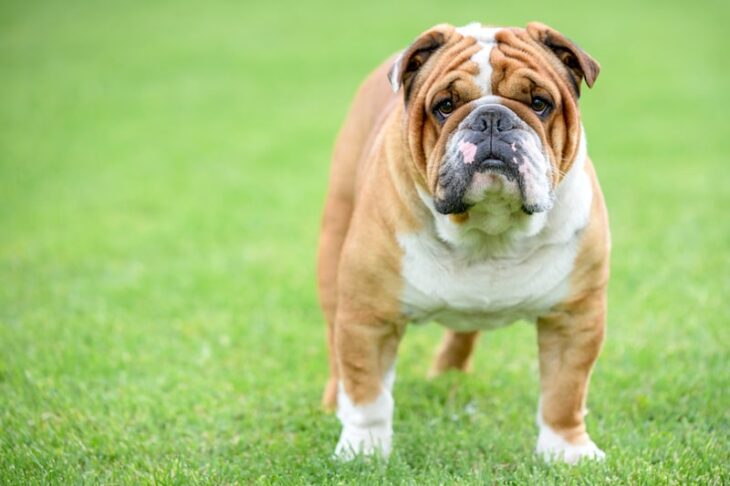







 The most common signs include frequent bowel movements, mucus and/or diarrhea with traces of blood. In severe cases, vomiting may occur as well.
 Polyps can be diagnosed by rectal examination or they can be viewed by the eversion of the rectal mucosa. Usually lobed and dark red, they break easily and bleed profusely. In such cases, there is no way for you to know that your dog is not suffering from colitis, therefore the importance of seeing a vet cannot be emphasized enough not just in this case, but also in general.
 If the inflammation of the dog’s colon is the result of whipworms and hookworms infestation, then the vet prescribes drugs meant to remove them. Anti-inflammatory and immunosuppressive drugs may be prescribed if the cause is an autoimmune reaction.
Since some types of colitis are poorly responsive to medical treatment, surgery may be required. This is why any dog owner should consult a veterinarian as soon as he or she notices something wrong about his or her dog. Depending on the severity of the illness, there are also treatments that can be applied at home and that are usually only related to changes in the dog’s diet.
The vet may suggest a high-protein diet that should be prepared at home or pre-packaged and bought from stores. An unfermented fiber supplement, such as bran, can be used to increase the fecal mass, improve muscle contractions in the colon and remove the water from the stool.
Furthermore, some fermentable fibers may be beneficial. Produced by fermentation, fatty acids can help heal the colon and restore its normal bacteria. Some fibers, such as psyllium, can act as laxatives and may not be the best remedy for a disease that causes diarrhea, so it is important to consult a veterinarian before starting any treatment at home.
Milfoil, chamomile and thyme are herbs that reduce the inconvenience caused by this disease and promote healing. The dog should drink about a cup of tea made with 2 teaspoons of chamomile flowers. Not only its digestion will be easier, but the inflammation from its colon will begin to heal, due to this plant’s antiseptic and healing properties.
In case of milfoil flowers, one might not succeed to make his or her dog drink it because it does not have a pleasant taste, but it is also great for healing colitis. As for thyme, it is also a good intestinal antiseptic, a good diuretic and a sedative. The tea made with it should be administered 3 times per day.
Rice plays an important nutritional role in the treatment of colitis. In case of ulcerative colitis, it can be combined with the juice obtained from raw cabbage and carrots. However, there are dog foods especially made for those with colitis or those that suffer from irritable bowel syndrome.
The main idea is for the food to be hypoallergenic and to contain a low amount of fats. Of course,
If the inflammation of the dog’s colon is the result of whipworms and hookworms infestation, then the vet prescribes drugs meant to remove them. Anti-inflammatory and immunosuppressive drugs may be prescribed if the cause is an autoimmune reaction.
Since some types of colitis are poorly responsive to medical treatment, surgery may be required. This is why any dog owner should consult a veterinarian as soon as he or she notices something wrong about his or her dog. Depending on the severity of the illness, there are also treatments that can be applied at home and that are usually only related to changes in the dog’s diet.
The vet may suggest a high-protein diet that should be prepared at home or pre-packaged and bought from stores. An unfermented fiber supplement, such as bran, can be used to increase the fecal mass, improve muscle contractions in the colon and remove the water from the stool.
Furthermore, some fermentable fibers may be beneficial. Produced by fermentation, fatty acids can help heal the colon and restore its normal bacteria. Some fibers, such as psyllium, can act as laxatives and may not be the best remedy for a disease that causes diarrhea, so it is important to consult a veterinarian before starting any treatment at home.
Milfoil, chamomile and thyme are herbs that reduce the inconvenience caused by this disease and promote healing. The dog should drink about a cup of tea made with 2 teaspoons of chamomile flowers. Not only its digestion will be easier, but the inflammation from its colon will begin to heal, due to this plant’s antiseptic and healing properties.
In case of milfoil flowers, one might not succeed to make his or her dog drink it because it does not have a pleasant taste, but it is also great for healing colitis. As for thyme, it is also a good intestinal antiseptic, a good diuretic and a sedative. The tea made with it should be administered 3 times per day.
Rice plays an important nutritional role in the treatment of colitis. In case of ulcerative colitis, it can be combined with the juice obtained from raw cabbage and carrots. However, there are dog foods especially made for those with colitis or those that suffer from irritable bowel syndrome.
The main idea is for the food to be hypoallergenic and to contain a low amount of fats. Of course,  The prognosis is excellent for most dogs that were diagnosed with a type of colitis. Vets expect quick recovery, especially in case dogs were only affected by a mild form of colitis, the acute kind.
As said,
The prognosis is excellent for most dogs that were diagnosed with a type of colitis. Vets expect quick recovery, especially in case dogs were only affected by a mild form of colitis, the acute kind.
As said, 


