This controversial topic is one that can raise some eyebrows, especially when owners most likely have never even heard of a dog with Down syndrome.
You may have thought that the disorder was strictly something that developed in humans or perhaps you saw social media post or YouTube video poking fun at an animal’s actions and passed it off as a product of a mean-spirited or ill-informed bully.
There’s plenty of junk to find online, and as long as there are bullies, they will continue to post such things.
This article will shed light on the subject in a respectful manner while explaining what is known about the condition, the possibilities of it afflicting dogs, and how to manage with such a diagnosis.
What is Down syndrome?
The best way to discuss the likelihood of Down syndrome occurring in dogs is to make sure that we understand what the disorder is and how it affects humans. In the center of each cell of a living organism is a nucleus. The nucleus contains genetic material, which is comprised of genes.
These genes are essentially the building blocks of all living tissue, carrying all of the traits that you inherit from your parents. Genes make up your DNA, which is a long strand of code, like a computer program, that instructs your body on how to build itself.
These DNA strands are wound into tight coils, called chromosomes, and in the human body, the nucleus of each cell typically contains 23 pairs of chromosomes. Each parent is responsible for contributing one chromosome from each pair.
All 23 pairs of these chromosomes work together in order for body systems to form and function properly. If one of them are missing, defective, or otherwise abnormal, there are a number of things that can go wrong with development. This is what is commonly known as a congenital defect.
In the case of Down syndrome, it develops when there is either an extra partial or full copy of Chromosome 21. This extra bit of genetic matter changes how the body develops. It can be in varying degrees of severity, though it is usually in predictable patterns.
Some of the shared physical traits include low or diminished muscle tone, lower than average height, a somewhat flattened and roundish face, eyes that appear to slant upward, and one crease that runs through the middle of the palm.
The disorder may not be noticeable in people with a mild case; however, those with higher degrees of severity are almost always immediately recognizable.
The mental and intellectual abilities of those with the condition vary among individuals, but there are several common factors. They generally have a delay in developing the ability to speak clearly, have smaller vocabularies, and short-term memory problems.
The IQ of those with Down normally ranges from as high as 69 in the most mild cases, to less than 20 in those who are considered “profound.” Females, on the whole, appear to be less affected intellectually than males. Regardless of how serious the case is, this disability effects every portion of the person’s life.
There are three types of the syndrome: Mosaicism, Translocation, and Trisomy 21. All of these involve either a partial or full copy of Chromosome 21, but for the purposes of this article, we will focus on Trisomy 21 because it occurs in 95% of all cases of Down.
It is caused by a phenomena called “nondisjunction” that takes place when, upon conception, the twenty-first chromosome in either the sperm or the egg does not separate. When this happens, every cell that is created afterwards contains an extra copy of the chromosome.
Geneticists, scientists who study genes, do know what causes nondisjunction; however, they have found a common link between the age of the mother and the frequency of cases. Basically, the older a mother is, the more likely she is to give birth to a child with Down.
Can It Happen in Dogs?
So you may be wondering that, with all this talk about humans, can dogs have Down syndrome. Well, the truth is, there is no simple answer. There is much debate in the veterinarian and dog-owner communities about whether nor is it possible for non-humans, let alone dogs, to have this debilitating disorder.
Some claim that there is plenty of evidence out there to show that it does exist, while others will say that it is impossible for a dog to be affected in such a way.
Recent studies from the Dog Genome Project show that it is indeed possible for it to occur. Regardless of what side of the argument you are on, there is indisputable evidence that all animals and even plants can develop Trisomy within their genetic makeup.
One of the reasons you may not have heard of an animal with this defect is because the survival rate is extremely low. Most puppies that have it are rarely born, mostly because the defect will not allow organs and body parts to properly form. The fetus usually dies long before it is born. If the puppy actually survives to be born, there are several other factors that will often prevent the little guy from living for more than a day or two.
The trauma of birth can kill the puppy right away, or it may die in a day or two because it cannot feed or even move enough to feed. Another reason for those with Down to die so soon is that the mother rejects it, and may even kill it.
Mothers can sense there is something wrong or different about certain members of their litters and more often than not will take steps to eliminate the puppy from the rest of the littermates.
Another reason you may not have heard of it is because it is often misdiagnosed. Many of the symptoms can be mistaken for signs of other diseases or disorders because puppies who are able to survive birth and nursing may not show any other signs until a year or two afterward.
Your vet may diagnose Rover’s sickness as a different illness and if he dies later, there is no cause to think that a congenital defect may have been the driving force behind the fatal illness.
Also check what to do then your dog dies
Is down syndrome manageable?
There is plenty of evidence to show that humans who are born with the defect can live relatively healthy and productive lives. Parents will tell you that it is never easy, but worth the trouble. When it comes to dogs, however, it is usually much more difficult for owners to manage their symptoms. Every day will be filled with life-threatening challenges and tests of your patience.
The two main reasons for this are that there is little in the way of information, and there is little that can be done medically to help a puppy cope with the many problems that will hinder his development into a mature adult. You may not have to worry about getting your dog spayed or neutered, because those afflicted with Down are rendered infertile. They are unable to pass their genes along to the next generation.
What should I look for?
As stated earlier, Down syndrome in dogs is rare and is hard to identify even for the most skilled veterinarians. Still, there are several signs that you may notice in the appearance or behavior of your dog that may indicate that he suffers from this defect. Some of the common physical features include irregularly shaped facial features. The head will be smaller than those of the same breed, and the face will appear flat with eyes that slant upward. Ears are generally misshapen and the neck is shorter than usual. Noses are always warm and dry to the touch.
Many have skin problems, too. They either shed heavily or have missing patches throughout the coat. Most of these physical attributes aren’t readily recognizable in puppies until they are several months old; however, a large portion are born with missing or partially developed limbs.
On the medical side, the main problems include congenital heart disease, which comes from a malformations in the circulatory system. The thyroid may not be functioning properly either, causing issues with metabolism and poorly regulated body temperature.
Other medical conditions can be triggered by the abnormal chromosomal pairing too. Older dogs have been known to bloody discharges from the rectum caused by these conditions.
Rover will most likely have hearing issues. You can observe this by watching how slow he reacts to sounds compared to his littermates. Poor eyesight isn’t something that you can easily detect, however, those dogs who are afflicted develop cataracts rather quickly.
If you spot cloudiness in your pooch’s eyes, then a cataract is probably forming. Eye problems are most likely the only ones that your vet can help you improve; the rest are manageable to varying degrees.
Behavioral issues are another area to be concerned about. Your little companion will not advance through the weekly and monthly stages as fast as others. They will be difficult to feed on a regular schedule and potty training may require months of dedication, if he can handle that aspect at all.
Many Down puppies just aren’t capable of being trained to hold their bladders. Others will accept the routine of going outside to potty, only to come in and relive themselves on the carpet.
They may also whine and howl at all hours. This could be from pain due to physical abnormalities, or even from heightened need for companionship. These dogs are less likely to be aggressive, but they also display a lack of interest in playing with toys and interacting with the things that stimulate healthy canines.
Can I improve His Quality of Life?
While there is no cure for this disorder, there are several steps that you can take in order make Rover more comfortable in his home and, in turn, make his life much more fuller (and yours as well).
It isn’t easy, so you should be prepared to put in countless hours that may seem like a huge waste of time. Keep in mind, however, that every pet owner has to tackle issues such as potty training, feeding schedules, and general obedience. You’ll be teaching Rover those same things, it’s just that his special needs makes reaching goals little more complicated.
Perhaps the most important way to help your pooch out is to begin with regulating his diet. He is going to need plenty of protein to build and maintain strength. Instead of simply filling his dish from a high-quality puppy food, consider supplementing his meals with meat. A small scoop of lean ground beef, a strip of jerky, or other meat that he can sink his teeth into will go a long way in spurring muscle development.
Just be careful to read the ingredients to any food that you give him, because just like humans, dogs that have Down syndrome can have a number of allergies. By-products and other substances may trigger allergic reactions, and then a whole slew of health problems can follow. Always consult your vet before changing up his diet.
Exercise is another necessary part in any dog’s life. Rover may not be as outgoing as his siblings, but he is still descended from wolves and he will want go outside and romp around the back yard.
Take him out for regular walks and give him the opportunity to fetch a ball, chase after birds, or some other play. His muscles require the workout and his bones and connective tissue need to stay strong too.
If Rover has been diagnosed with a heart condition, make sure that you discuss with your vet about his exercise. You need to know if there should be any limitations placed on his exercise. Too much exertion could cause further damage to his fragile ticker.
Socialization ranks up there too. Dogs with Downs are typically excellent when interacting with children and other dogs. This is because they are liable to be more submissive to and tolerant of others. Rarely do they show any sort of aggression. In fact, they thrive off socializing with others within the dog community, and they appear to have no difficulty interacting with them.
For some reason, it does not seem that the disorder hampers them on this level. Give Rover every opportunity to interact with his fellow canines; it may be his only chance to be a “normal” dog. You may even want to consider adopting another furry family member because, with the right choice, they are apt to get along really well.
Other considerations
Not only is adopting a Down syndrome dog as challenging as it is rewarding, it can be extremely expensive. Rover is going to require many more visits to the vet than your average pooch. Along with those appointments comes the costs for examinations, testing, and prescriptions.
The medications may be high-priced due to their limited availability, and due to his condition, he may even be allergic to them. There may not even be any substitution’s available.
Whereas puppies require specially training, Down dogs of any age will require special care throughout their lives. They should always have a comfortable place to lay down. A store-bought bed or a generous pile of blankets will soothe his ache-y bones as well as keep him warm on cold nights.
This bed should be placed somewhere out of the way of other dogs, as well as small children, because of their rectal discharges. This discharge may contain harmful chemicals or by-products produced by the numerous medications that Rover is most likely taking.
It can also be spread around through incidental contact, so you should monitor him for cleanliness and maintain a regular bathing schedule.
In conclusion
Down syndrome is a genetic defect that mainly effects humans, but it can occur in any animal, including dogs.
If your pet happens to be diagnosed with the condition, knowing how it manifests in humans will help you understand the role it will play in his life. There isn’t much information available, and many vets don’t have a grasp on caring for a dog with Down because they rarely survive birth.
Those that do survive can and will grow up to be just as rewarding a companion as any “normal” pet. These special little guys will need extra attention and patience, but as long as you prepare yourself for the long haul, there is nothing the two of you can’t overcome.
I remember this famous quote as told by my veterinarian when one of my dogs died due to an illness.
“Just this side of heaven is a place called Rainbow Bridge. When an animal dies that has been especially close to someone here, that pet goes to Rainbow Bridge. There are meadows and hills for all of our special friends so they can run and play together.”
Losing a pet dog is one of the most sensitive topics and no dog enthusiast would enjoy talking about. It doesn’t matter if the cause of death is due to an illness, induced, or due to old age, it is still a topic that may trigger tugging of the heartstrings. Indeed, all dogs go to heaven. But what happens to the people they have left behind?
How will they cope up to something that no one can actually prepare happening? How will they move on? How will their lives change after losing a fur baby? What is there to do when your dog dies?
The Grieving Process
Like any living thing to which a human has devoted time, effort, affection, and yes, even money, dogs are irreplaceable. Fur babies serve different purposes in every pet parent’s life, from a steadfast companion to a dependable guard dog.
But ultimately, it is the little things that they do that make us happy. You will undoubtedly remember the moment when you first brought your puppy, its first birthday, its first achievement, its first walk in the park, and many other moments that bring a smile every time.
So how do you move on when you lose a beloved pet? The most important thing to remember is that it is okay to grieve. Some jaded or cynical people will tell you to just go and get another pet.
While it is true, that it is a simple matter to go to a shelter of a reputable breeder to find your new fur baby, the aspect of moving on is not that simple. The normal grieving process will usually take months, especially after you have invested so much time and emotion into your lost pet.
You can, however, reminisce about the better parts of its life when you were still together instead of dwelling on the sadder parts of its existence. Losing your dog is something that you cannot undo, but you can make the best out of what you have left, and those are your precious memories.
Grief can be made more complicated depending on the role of the lost pet, given that a pet parent may not just be grieving the loss of a companion, but also of an indispensable part of his or her life.
This is why it is very difficult for people who live alone with their pet to get over the pain of loss. They feel a sense of aloneness, isolation, and helplessness.
People who live along lack a solid support system that could help make the process of moving on easier. If you are in such a situation, always reach out to friends or family so that you won’t be relegated to feeling alone and desolate.
Grief can also be exacerbated by feelings of guilt. Especially in the case of a pet that died because of the lack of medical attention or the owner’s inability to provide medication or pay for a visit to the veterinarian.
Even those who have used all available resources to save a pet may feel guilty of not being able to do enough. It is important to let go of such feelings and simply hold on to the belief that your pet is already in a better place–a place without hunger or pain.
Grieving varies from person to person, and the length and intensity of the process depends on the situation in which the pet parent is in. Grieving is also a highly personal experience.
Some people grieve in stages, whereas others grieve in cycles or a series of highs and lows. Even after several years, day-to-day experiences might still trigger memories from a sight, a favorite activity, a toy, or a specific date.
Grieving is something that cannot be forced to occur, something that others cannot do for you, and something that will not completely go away. It is normal to feel sad sometimes, and exhibiting sadness does not mean you are weak as a person. Humans are emotional by nature, whether in terms of feeling happiness or sadness.
Hiding or trying to ignore the feeling of sadness will not benefit you at all. This is something that should be expressed so that you can gradually begin healing and feeling better. It is important to face your grief and deal with it by expressing your feelings.
That way, it will take less time to move on. You would feel healed rather than desolate. Not expressing your feeling will just cause the pain to linger and might lead to emotional outbursts.
What makes the grieving process for the loss of a pet difficult is that this experience is not widely appreciated and understood by all. “It’s just a dog!” I’m sure you’ve heard this at least once in your life.
Not all individuals consider pets to be as valuable as you do. This is probably due to the fact that they have never experienced having a pet or they weren’t able to establish a deep and lasting connection stemming from the companionship that a pet can provide.
It is a losing battle to argue with the opinion of others regarding your grieving process. Accept the fact that the only person who will completely understand how you feel is yourself, and maybe your close friends and family members.
Help yourself
Reach out. If your primary support system—your friends and family—is not present to help you during this process, you may reach out to other people. There are numerous message boards and support groups that are available via social media. These groups will put you in touch with like-minded people—those who value their pets as much as you do.
The people you get in touch with may have experienced the same loss and thus have the capacity to fully understand what you are going through. Having someone to talk to would definitely help you in your journey toward healing.
Ask for professional help, if needed. Grieving is something that is not to be taken lightly. Never ever think that what you are going through is shallow or will simply go away, especially if the process is taking a toll on your quality of life. Some people experience grieving at a deeper level than others, and if you find yourself unable to cope, you may want to seek professional help.
A medical professional can evaluate your well-being and determine whether you are slipping toward depression. Depression here may be a looming reality because a pet is often a source of much joy, and losing that source of happiness may have significant negative effects on your emotional well-being.
Focus on the good side of the experience. If you can maintain your composure and simply look at the brighter side of the experience, it will help you cope with your loss easier. This may not be immediately possible, especially when the loss is too fresh. But over time, you may find it possible to finally recall all the good memories without breaking down in sobs. Creating an album of memories, a memento, or a framed picture will enable you to stay positive and make the loss a less melancholic event in your life.
Create a heritage. As you eventually heal, you can do something productive, such as planting a tree or creating a small memory box, photo album, or scrapbook in memory of your lost pet. These activities will enable you to remember your lost fur baby, but in a more worthwhile approach. Planting a tree yields a new life from a sad experience. As the tree grows, so will your experiences in life. This activity will make acceptance easier because another living thing somehow filled the empty space in your life.
Try your best to maintain a normal life. No matter how painful an experience may be, life only moves in one direction, and that is forward. However, bear in mind that when and how you take the first step is completely up to you. You should try to maintain a normal life, even if it will require you to move on with one less companion or a friend.
If you have other pets, do not neglect them. When a pet dies, we grieve. However, there is a tendency to overlook other pets that equally need our time and attention. Do not neglect them, as they cannot fend for themselves. Always keep this in mind to avoid problems in the future, such as you or your pets getting sick.
Consider Getting a New Dog
People have mixed feeling about getting a new dog after a pet dies. Some pet owner may feel as if they are betraying their lost pet by replacing it.
One thing you should remember is that there is no need to think of getting a new pet as getting a replacement. You are not replacing your lost pet; rather, you would like to honor its memory by providing the same love and devotion to another puppy.
Similar to grieving, there is no prescribed length of time after which you can start considering the prospect of finding another pet.
But if and when you decide to do so, one thing to remember is that you should never compare your new dog with the one you’ve lost. This will be very unfair to you and to your new pet.
Even if you will get a dog of the same breed, your new pet will have unique traits and behaviors that will be different from those of your deceased pet. It may also be in need of training and may not be as eager to please as your lost pet.
When frustrations arise, always remember that you now have a new life to care for, and this new pet is completely dependent on you for all its needs, both physical and emotional.
You must realize that as a pet parent, there will always come a time that your dog will leave you. A dog’s lifespan can never equal that of a human, especially for the larger breeds.
Death is something that we cannot control, but we can get the most out of life before death even occurs.
Smaller dogs generally live longer than their larger counterparts. A Shih Tzu can live up to 15 years on average, whereas a Great Dane lives for only about seven years. Longevity may play a role in the selection of your preferred breed, but it will still completely depend on your preference.
Remember that these are the average lifespans, but these figures can be attained when a dog lives a healthy life. Illnesses and infections can be prevented, but there are some occurrences in which extensive medication and aggressive medical management can only do so much.
When the time comes that you are ready to get a new dog, just keep in mind that time is precious and is something that should be enjoyed. Losing a pet may turn your heart cold and may get you to think,
“A dog will die anyway, so why should I care this time?” Do not allow this mindset to come into your head because it will only lead to neglect and a stronger sense of guilt if you fail as a pet parent.
If properly cared for, your fur baby will thank you for the memorable years and happy life that it has with you.
And if only dogs could speak, they will surely say how wonderful their lives have been because they had you as a pet parent.
As we grow older, we deal with many major life changes. These changes may include the loss of a friend, a family member, or a pet. However, these chapters should not define your life story.
You should continue to find joy in living, because regardless of how bittersweet the losses we encounter are, the gains that we get from friendships and bonds are still enough to outweigh all the negatives.
To fill the empty space that was left by your lost dog, try doing something worthwhile or taking care of something important. Move forward, and never stop caring.
Choosing the right breed for a new dog can be one of the most difficult decisions for a dog lover to make.
There are benefits and drawbacks to all kinds of dog breeds, and it’s always best to choose one according to your current living arrangement, how much time you have throughout the day to dedicate to your dog, and your economic status in order to ensure that you can afford to take care of your dog.
However, more and more people are looking to large, mountain dog breeds to provide them with the companionship and protection that they need within their home.
Lumbering giants, these dog breeds can not only help you feel safe, but there’s nothing more satisfying than a slobbery wet kiss when you come home from a day of work. Here are the top ten mountain dog breeds that more and more dog lovers are starting to become interested in.
Great Pyrenees
Known as the gentle giant, this French dog is known for its luxurious, long white coat and playful expression.
It’s typically a calm dog, but has been credited with the ability to sense any kind of danger. This makes them wary of new strangers that enter the home, but with time and patience, they can learn to trust guests within the home.
As part of the working dog group, they were bred to watch over and protect livestock, such as sheep, cattle and goats. They were also bred to be companion dogs, providing shepherds and livestock farmers with their friendly disposition once the work day was over.
They’re a sturdy stocky dog, weighing anywhere from 100 to 125 pounds. Their double coat provides all the warmth that they need, and should be brushed at least once a week. Special attention should be paid to trimming their nails, especially if they’re not very active outside.
Bernese Mountain Dog
This dog breed is considered one of the most beautiful out of the Swiss mountain dog breeds that exist. It has quite a long coat that does require grooming on a weekly basis, and should be bathed weekly or monthly, depending on the amount of outdoor activity.
Ear cleaning is required to prevent the onset of infection and eliminating any parasites that may have taken roost from the animals that they herd.
The wonderful pattern of their markings certainly makes them stand out from the other mountain dog breeds.
With very alert eyes and a playful smile, the Bernese mountain dog can be traced back to its Mastiff heritage during the times of the Romans.
It was bred in Switzerland to be a herding dog, ensuring that the livestock never roamed too far from the rest of its herd to be taken by predators. They live for roughly 7 to 10 years, and can weigh up to 110 pounds.
Saint Bernard
This is the infamous dog breed that has saved several people from the avalanches of the Swiss Alps. Named after the Hospice du Grand St. Bernard that resides in Switzerland, they were trained by the monks that have lived there since the 17th Century.
They’re known for copious amounts of drooling, but also for their wonderful sense of smell. They make excellent watchdogs and are quite gentle with children.
Supervision should still be paid, however, as these dogs aren’t aware of just how big they are or how easily they can bowl over other people and children. After all, they can weigh anywhere from 100 to 200 pounds.
They come in short-coat and longer-coat varieties, and should be brushed on a regular basis in order to minimize shedding and keep mats away.
Siberian Husky
Legend has it that they’re descended from the Chukchi sled dogs that used to reside in the Siberian Arctic, which is a dog breed that has existed for over 3,000 years. Bred for herding reindeer and pulling sleds, these broad-chested dogs are not content with simply sitting around and doing nothing.
This active member of the Spitz family loves having a job to do, and can become quite bored if they’re not kept active. However, they’re also known for being goofs when they’re ready.
They come in a wide array of colors and live for longer than twelve years. They shed twice a year, and require extensive amounts of bathing and brushing in order to remove all of the fur.
This is not a dog breed for those who are prone to pet dander allergies. Despite being a mountain dog breed, they don’t get much larger than sixty pounds, but that weight is typically all lean muscle.
Karakachan Bear Dog
The name alone speaks volumes about the size of this dog. A Nordic hunting breed that was created to combat bears in the forest and protect the home certainly has a lot going for it.
Any dog that can take on a bear is quite courageous, and this mountain dog breed is well known for it. Along with serving as a protector, the intention was to breed them to hunt mink, lynx, duck, partridge, moose and wild boar.
They were also used to pull sleds, making it easier for hunters to take their kills back to their home instead of lugging it back through miles of thick snow. Their extremely thick fur, which keeps them warm and weatherproof, should be brushed on a weekly basis to reduce shedding.
Greater Swiss Mountain Dog
A Swiss breed of dog, they’re known for being quite versatile when it comes to driving cattle, protecting your home, and being the winner in any fight. Herding is the main focus of this breed, and they’re not against herding small children in the yard if they’re roaming around free.
Their large size can be a little imposing to toddlers, but their gentle disposition makes them the perfectly family dog. They resemble a short-haired version of the Bernese mountain dog, and possess similar markings.
Weighing as much as 150 pounds, they should be brushed on a weekly basis, as their fur is quite dense and is prone to shedding.
Their undercoat is also quite thick in order to keep them warm from the harsh temperatures of the Swiss mountains.
Icelandic Sheepdog
The only dog breed that is actually native to Iceland, this sheepdog was bred for herding, and does an excellent job of it. Living up to fifteen years and thirty five pounds, this plucky little dog is very cheerful and quite energetic. It was brought over to Iceland by the Vikings, and its heritage as a companion dog continues to this day.
They’re funny curly tails, short triangular ears, and striking orange coat certainly make them a good choice of pooch within the home. They are prone to shedding however, due to their naturally thick coat, and should be brushed quite often in order to minimize the hair left on your furniture and carpet during shedding season.
Entlebucher Sennenhund
Aside from the complicated name, you could not choose a more loyal and dedicated breed. They’re born with a very smooth coat and are bob-tailed. This makes them a lot more agile than their larger counterparts, making them perfect herding dogs, as well as pulling carts.
They’re quite intelligent and independent, so they do require some training in order to remain obedient, but their self-confidence ensures that they won’t shy away from challenges.
Similar in marking to the Bernese mountain dog, their short coats only require weekly brushing, and their ears need to be cleaned on a regular basis. They weigh as much as 65 pounds and can live up to 13 years.
Maremma Sheepdog
This Italian breed of mountain dog has the reputation of being an excellent guard dog. They embody independence, stamina, strength, and a strong sense of courage that certainly puts them above the rest of other Italian dog breeds.
They revel in lots of exercise, so a large country home with a field for them to run in is always best.
Their luxurious white coats make it easy to confuse them with the Great Pyrenees, but they’re much smaller and have a different temperament that sets them apart.
While the Pyrenees is gentle, patient and affectionate, the Maremma Sheepdog is more alert, determined and dignified. Weighing roughly up to 100 pounds, training is required to ensure that they are not prone to jumping and knocking you over. Brushing should be done at least two to three times per week in order to keep clean and prevent mats from occurring.
Tibetan Mastiff
Considered the world’s most expensive dog, the Tibetan Mastiff is certainly a dog breed that can be intimidating at first glance. With a body full of hair and a face that is both alert and fearless, this breed of dog has remained mostly unchanged over the centuries.
This is due to the isolation of the breed by the Tibetan monks, who lived in solitude high up in the mountains.
This dog breed is quite strong and is dedicated to working on any task it is given. It serves as a guardian of the flock, as well as a companion dog who is always eager to please.
They also served as guard dogs for monasteries, so they can be very protective, but also quite stubborn.
Their fur comes in a wide range of colors, from black, to brown to even a deep orange-red, and some are even dark with tan markings.
They have an extremely heavy undercoat that’s designed to keep them warm in winter, and can lead to extremely heavy shedding seasons when the weather becomes warmer.
They can weigh up to 150 pounds, so they are quite stocky and sturdy dogs. They thrive best in large, open spaces and though are protective of children, can very easily knock them over.
Taking Care of Large Mountain Breed Dogs
Although they were originally bred to be hardy and withstand the pressures of work, large dog breeds do require their own special kind of care. This goes beyond just what you feed them; ensuring that they are happy within your home is very important. Having a large breed means that they need a lot more room to maneuver, so living in an apartment is never the best choice.
Your dog is going to need a lot of space so that they’re not knocking things over and can comfortable sit or lie down.
A big yard space is also required so that he can get ample amounts of exercise throughout the day. These were bred to be working dogs which means they need to keep those limbs moving.
Along with physical space, they also require mental exercise. As stated, they’re meant to be working dogs, so they require some mental stimulation in order to feel like they’re achieving an end goal.
Take the time to teach your dog new tricks on a regular basis and provide stimulating toys that keep their interest. Taking your dog for walks in new areas such as parks will also get their brain going with all of the new sights, smells and sounds for them to explore.
This should only be attempted if your dog is leash-trained and knows how to behave properly in new environments.
Teaching them basic commands is a key element during the puppy stages of a large dog’s life, and the lack thereof can result in behaviour that is not only painful but also dangerous. When fully grown, these dog breeds weigh upwards of 100 pounds, and can make any leash walk very dangerous if you cannot exercise the proper amount of control.
Curtailing your dog’s need to jump on you or new guests will also eliminate the risk of injury or damaging your property.
Exercising a firm hand during training will ensure that your lessons stick, so that your large dog doesn’t believe that he runs the household.
Most mountain dog breeds can withstand cold temperatures, so there are no special measures that need to be taken in ensuring that they remain warm.
These breeds, however, tend to develop winter coats, which means that they will start shedding in the spring time.
Routine brushing will eliminate the thick undercoat and prevent matting so that your dog will always look his best and won’t suffer from any hot spots in the process.
Hot spots occur when a dog’s skin because moist and itchy, which results in scratching and licking. Such hot spots can occur when moisture builds up under the matted fur, and makes it difficult for the skin to breathe.
Because of this shedding, those who suffer from allergies to pet dander may find it irritating to their sinuses to groom their dogs.
Due to their build and their status as working dogs, many large dog breeds are prone to hip dysplasia and other forms of arthritis.
Although they are not bothered by the cold, the low temperatures can make it more difficult for your dog to be comfortable while he is moving around.
Be sure to provide plenty of warm bedding, and introduce pills or treats that have glucosamine in them.
Fish oil added to your dog’s food can also help to lubricate the joints and make it much easier for them to move around.
Rigorous exercise should be avoided during the winter months in order to minimize the pain a dog may experience after each session; light exercise is preferred so that he doesn’t start packing on unnecessary pounds.
Given the high rate of growth for puppies of large breeds, your dog should be carefully monitored in order to ensure that the muscles are developing properly.
The development of muscle disorders become quite difficult to correct in later years, and can be extremely painful for a dog to cope with.
At the first sign that something is wrong, be sure to talk to your vet and schedule an appointment in order to take care of the problem before it becomes too difficult to correct.
Some of the more common muscular disorders include:
Wobbler’s syndrome: this involves the compression of the spinal cord and nerves within the neck. This can result in weakness or even paralysis in the hind legs, resulting in a wobbly gait. If you notice that your dog may have problems getting up or lying down, or has trouble walking properly, you should see a vet immediately. Physical rehabilitation, medication, and surgical options can help to minimize the symptoms of this disorder.
Degenerative myelopathy: this is a disease of the spinal cord that starts affecting dogs in their senior years. This involves loss of coordination in the hind limbs, and can result in the complete loss of use. As this affects the nerves in the lower parts of your dog, the loss of bladder and bowel control can also result.
There is no cure or correction of the disease, so treatment involves ensuring a maintained quality of life so that your dog is comfortable. Sufferers of this disorder do require meticulous care in order to protect against urinary tract infections, skin lesions and bed sores.
Masticatory muscle myositis: this muscle disorder affects the jaw muscles of the dog that are responsible for chewing. It’s an inflammatory disease that results in the swelling of the jaw muscles, consistent drooling, and pain upon opening the mouth. In chronic conditions, the muscles can become atrophied and the muscles can become scarred from fibrosis, making it difficult for your dog to open his mouth.
A biopsy can be done to discover the condition, and can be treated with corticosteroids to reduce the pain. Feeding soft or liquid food is typically recommended.
Along with muscular disorders, the bones of a puppy can be extremely fragile during their growing years. By the time a puppy is five months old, it is roughly half of its adult weight. This is because between the second and eighth month of his life, a puppy grows roughly two centimeters every two weeks. This can be a lot of pressure on a puppy’s young bones, and can even be painful.
Because of its rapid growth, its immune defenses can become compromised, leading to inflammatory diseases as they get older. Their growth isn’t something that can be controlled or altered, but it is necessary that you keep a watchful eye out in order to ensure that the quality of your dog’s life is not being compromised.
When feeding, avoid foods that are high in calories, as this will only speed up your dog’s growth rate and put more pressure on their bones. Large dog breeds are known for having low digestive tolerance, meaning that they cannot handle certain foods. High quality protein is definitely recommended in order to promote the health and growth of the muscular tissues.
Large dogs do not require as much calcium as medium- or small-sized dogs, and the overabundance of it can lead to kidney disease and urinary stones. Excess calcium in large breed dogs can surprisingly have the opposite effect: it can lead to slow bone and cartilage development during their growing years, and can even stunt growth.
When it comes to introducing a new dog breed into your home, be sure to always do your research beforehand on the needs of your large dog breed.
Not only will this prepare you for what you should expect, but your new dog will also be more thankful for your attention to detail. Introductions to dogs you already have in the home should be done in a neutral area, and patience should be exercise throughout the process in order to minimize the already stressful situation between your dogs.
If you’re still deciding whether a mountain dog breed is right for you, find someone you know or a breeder who would be willing to let you meet their dogs and get a feel for what being around one is like.
Not a lot of people can appreciate the size of a large dog until they’ve met on in person. Taking the right steps to ensure both the safety and health of your mountain breed dog will definitely pay off in the long run, and you can both enjoy the years of fun and companionship together.
The need for the strongest shock collar on the market arises because unruly behaviour is one of the attributes that every dog parents detest as it can be very annoying and disturbing to the neighborhood.
Unruly behavior is what every dog owner wants to curb in his or her dog, and one of the best ways to get your dog to be obedient and heed to your every instruction is through the use of the strongest shock collar available in the market.
Shock collars are with a receiver in the form of a collar and remote control to administer the simulation to your dog. The dog shock collar sometimes comes with 3 stimulation levels, and in some cases, it comes with 4 simulation points.
The remote control is calibrated with levels so as to be able to choose the level that suits your dog and which your dog responds perfectly to.
There are different types of shock collars available in the market, and it is very important that the shock collar you use for your dog is strong and durable.
This article has been written to give you all the information you need about dog shock collars and the major factors needed to be considered when selecting the best dog shock collar that will help you train your dog to obedience.
Durability, versatility, and strength are essential when purchasing the best shock collar available in the market. This is so because the majority of dog collars sold in the market do not meet these criteria.
The SportDOG shock collar features the smallest receiver of the SportDOG collar family, and it possesses a half-mile range which makes it suitable for long-distance control. The remote of the shock collar is designed to be operated without taking a look at the remote when operating, all you need to do in this situation is just the movement of the dial and push-button to deliver the stimulation.
The batteries are rechargeable which makes the shock collar durable and stands the test of time even when used heavily. The lithium-ion batteries are very easy to charge as it can be charged in the space of 3 hours, and it will last a whopping 50-70 hours per charge.
The drytek waterproof shock collar is waterproof, and it is submersible up to 25 feet, thus allowing it to perform in any weather or terrain. This makes the dog collar very effective and durable as you can SD-825X can be customized to fit any dog temperament with the tone, vibration, and 21 static stimulation levels.
Pros
Control up to 880 yards
Strong and durable
Good training aid for your dog
High quality
Water-resistant
Cons
Not cost-effective
2) Dog Training Collar Rechargeable and Waterproof Dog collar 1000ft Remote with Beep vibration harmless
Special Features: 1000ft remote, good shock collar for small, medium and large dogs.
Bad habits such as unnecessary and incessant barking can sometimes be very annoying when your dog exhibits this kind of character, and yelling at them might not even do the magic of curbing them of this unwanted character.
The dog training collar is designed to help you correct your dog’s bad behavior and also help them improve their ability to be much more attentive, focus and also be more obedient to your commands and also become much smarter.
Unwanted and unnecessary barking by your dog day and night can be very disturbing to the neighbors; barking when they come in contact with other dogs, etc. The strong and durable shock collar with an extensive range of control of up to 100ft is a useful tool to control your dog in this situation. The dog collar is useful for training, patrol, hiking, traveling etc.
The shock collar comes with a strong and durable battery charges rapidly in 4 hours and lasts long when used heavily. The shock collar features a power-saving design function, and it will go into standby mode when it is not in operation within 5 minutes.
The training collar is designed with adjustable and customizable static shock (1-16) and vibration of 1-8 levels as well as a standard beep mode. The plethora of modes can be selected freely according to the need to help you correct your dog inappropriate behaviour.
Pros
Vibration and other modes are very effective
Excellent training device
The device is strong and durable
Responsive and durable
Cons
Issue if random shocks
3) Ankace Shock Collar for Dogs with Remote, Dog Training Collar Rechargeable
Special Features: 3 training modes, 2000ft range, IPX7 waterproof collar, E-collar.
The effectiveness of a dog training collar lies in our efficiency the mode of stimulation is when used. The Ankace dog training collar comes with 3 efficient training modes which are very effective; Beep, vibration and shock.
The collar is designed with 1-100 adjustable vibration and shock level to suit your usage and also to ensure that you select the level that is best for your dog.
The IP67 waterproof dog collar is very effective as it can be used when your dog goes swimming, chases a toy around a pool or when your dog plays in the rain. The dog collar comes with a rechargeable lithium-ion battery which charges in the space of 2-3 hours and will effectively last for 15-20 days of strong usage
The dog collar can be used in training your dog even at a longer distance even when you are not close to them. The Ankace dog collar comes with a remote that covers a range of up to 2000ft. The QUALCOMM microprocessor is designed for the stronger signal antenna which will help you have a long and wider range of control.
The shock collar comes with the accidental shock protect mode which helps prevent against accidental stimulation to your dog. This feature makes the dog collar effective and dependable and you need not worry about accidentally simulation at any point in time.
The collar is reflective and will help protect your dog from traffic accidents and also help you locate your dog at night.
Pros
Good quality
Strong and durable
Safe and secure
Efficient Training dog collar
Up to 2000 ft. range
Cons
It can be more cost-effective
4) Petrainer PET998DBB 100% Waterproof Dog Shock Collar with Remote
Special features: 3 training mode, remote-controlled, Rechargeable, simultaneous charging, 100 per cent waterproof.
Having a non-aggressive dog is your desire, knowing fully well that an aggressive dog is not what you can keep because it can land you into serious troubles and even have legal consequences. Owning a pet should not give you heart or headaches but should rather be a pleasant experience.
In your bid to get the best collar for aggressive dogs, you should be very familiar with the Petrainer products, because of its popularity among first-time dog owners, expert trainers etc. which can be used for controlling and putting an end to aggressive behaviours in dogs.
The collar is used to correct barking, walking, leash training, sitting, and all other behavioural obedience that your dog needs.
The Petrainer possesses a three training mode that can be used to train your dog from being aggressive. The training modes include shock, vibration and beep. It has a 0-100 level of intensity for static simulation and vibration. The vibration and beep feature works well for basic obedience training, and you will need to set between the ranges of 0-100 depending on how stubborn your dog is.
In case the vibration and beep do not work depending on how aggressive your dog is, then you might need to resort to using the shock system when your dog is not responsive to the vibration and beep system.
If he/she is an aggressive dog, then you need to keep on increasing the level of shock which ranges between 0-100 to control your aggressive dog from the bad behaviour it is about to embark on.
As a dog owner, you need to be observant when using this feature by understanding and noting the range at which your dog is responsive to your orders. Increase the remote calibrated from 0-100, to know the suitable range of vibration and beep or shock your dog is responsive to. It is advisable to be very careful using this feature, understand what your dog responds to. And please do not electrocute your dog on level 100.
The Petrainer is 100 percent waterproof, and this feature makes it durable and able to stand the test of time. This feature allows you to enjoy great swimming in the pool or lake with its collar on. The Petrainer is built with unique components that do not get destroyed when it comes in contact with water, which is good. The Petrainer has carefully designed this product to ensure that you control your dog anywhere, even during its aquatic adventure.
This dog collar possesses a remote control which makes you control your dog even at a distance not exceeding 1000ft which makes it easy for you to order instructions should in case the dog is far from your vicinity at the moment it exhibits aggressive behaviours.
The remote is designed with RF434mhz technology that ranges up to 330 yards; this feature makes it very easy for you to train your dog in the backyard or even in the park at a suitable distance not exceeding 1000ft.
Some dog collar in this category sold in the market causes a great deal of skin irritation; the Petrainer is designed with soft silicone covers that cover the contact points. This ensures that your dog skin is better protected and also ensures that you have safe training experience with your dog.
Pros
Easy to pair
Get training in minutes
One year warranty
Rechargeable
Durable
Cons
The remote button cannot be locked. Hence it can accidentally be pressed
5) Planetico Remote Dog Training Collar, Large Clear LCD screen, Bark and Behavior Control Device PL-774
Special Features: 2625 ft. range, 4 training modes, Waterproof, rechargeable
When your dog starts to exhibit characteristics that are unruly such as barking incessantly, not staying in the yard, then it might be time to consider an electronic anti-barking device.
The Planetico ultrasonic electrical collar system is designed to gently and effectively help train your dog at all times and make them behave the way you want them to.
The remote collar features a multi-prong training mode which can be used to train your dog with a simple beep sound, light, vibration or a small shock all of which can be administered to your dog from a small, easy to hold and easy to read remote control.
The amazing dog collar is a unique way to correct your dog of unruly behaviors because it is very easy to control the intensity of vibration and the shock, so as to ensure that your dog does not get hurt. The strong and durable training collar comes with 8 levels for maximum sensitivity, vibration and static shock setting.
The IPX7 100 percent waterproof dog collar is water-resistant and it can be effectively used in the swimming pool when it is raining etc. Majorly wet conditions. The large LCD display helps ensure that you do not have to strain your eyes before you can interact with the remote. The anti-glare screen can be easily seen in the sun.
The battery of the dog collar can be charged in just 2 hours and it provides several hours of continuous usage.
Pros
150,000 hours lifetime charge
Strong and durable
Fits 2 dogs
Sleek and compact design
Useable in all weather conditions
Cons
Collar battery part doesn’t hold a charge
Factors to consider when choosing the strongest collar in the market
Source: youtube.com
Several training collars are available in the market, and the main importance of this article is to give you a thorough and effective guide into purchasing the best training collar available in the market for your breed of dog.
When choosing a training collar for your dog it is expedient that you take into consideration some certain features, some of which include
Range of effectiveness:
It is essential that a dog shock collar has a wide range of coverage, and the command which is administered through the remote should be able to pass through obstacles to the receiver
Speed:
The command administered through the training modes should be delivered to your dog immediately without any delay or hitch.
Good battery life:
Every dog collar must have strong and durable battery life and can also be charged in a very little amount of time It is important that it has a 2-3 hours charge time and lasts for several hours of heavy usage or even days.
Waterproof Capabilities:
A durable and strong dog collar should possess the water-resistant feature using the IPX7 or the IP67. Quality dog training collars possess this feature, as this allows your dog to have the chance of swimming. And you can even train your dog in the rain without getting worried about the collar damaging or failing.
Versatile and multifunctional:
The best training collar must be versatile and must be multifunctional, as it must have different ranges or levels of simulation so that you can be able to choose the level that best suits your dog.
As a dog parent, you will rightfully agree that an incessant barking or disobedient dog is not what you want as a parent.
Most of the time the disobedient behavior includes biting, incessant barking, peeing in the middle of the road etc. And the majority of times yelling might not stop them from this disobedient behavior.
Dog training collars are specially designed with features such as vibration, the beep, the shock and in some training collars the light feature.
Dog training collar helps in giving correction orders to your dog and also makes them obedient to your command.
Frequently Asked Questions About the Strongest Shock Collar on the Market
Q: How long can you leave a shock collar on a dog?
A: This is one of the frequently asked questions among dog parents when it comes to the use of dog collar. The dog collar has several advantages when used correctly and can serve otherwise when abused.
It is advisable that the dog collar should not be left on the dog for more than 12 consecutive hours as anything more can cause serious neck and skin damage.
Q: When should you use a shock collar?
A: The shock collar is an effective tool in training your dog if your canine companion exhibit unbearable and agonizing behaviours. The tool is not designed for torturing your dog or punishing them for unruly behaviours rather, the tool is rather designed to help you make your canine companion adhere to your every instruction without hesitating. If your dog exhibits any of the stated characters and it is very hard to train or correct him or her, then you have to get the best shock collar available in the market.
Q: When should you start shock collar training for a dog?
A: This question is oftentimes asked by dog parents “When should I start shock collar training for my dog?” It is to be noted that some dog respond to trainings differently, some of which is based on the individuality of the dog, the breed etc.
The best, widely accepted and embraced age for the usage of the shock training collar is 6 months, in some cases you could wait a little while up to seven months, depending on the individual difference, mental development and several other factors.
Q: How do I adjust my dog training collar?
A: The need for adjusting your dog collar maybe for different reasons, some of which are: The collar is too tight, the collar is too short, the collar is too long etc. Basically, the need arises when the dog collar does not fit perfectly.
In adjusting your dog’s training collar, you have to ensure that they possess adjustable straps which can be resized to the suitable size for your dog. If two fingers does not fit perfectly underneath the collar then you need to readjust.
Q: How tight should shock collar be?
Source: youtube.com
A: Shock collars are meant to be comfortably fit and must not pose any inconvenience to your dog. In choosing a dog shock collar, you have to ask several questions and take several factors into consideration.
A training collar should not be too tight on your dog’s neck to choke your dog or to make the neck swollen nor should it be too loose that it can easily slip out of your dog’s neck. If you cannot easily place your two fingers underneath the collar, then it is too tight for your dog and should be adjusted immediately.
Q: How to train a dog with the remote collar?
A: The dog shock collar is very easy to use, as you do not need to be an expert before you can operate and use the most powerful dog shock collar to train your dog. It is very necessary that when you start to train your dog he or she must be very familiar with the basic obedience commands such as “sit”, “go”, “come”, “stand” etc. When you give these commands, it is very necessary that your dog follows these instructions without hesitating, and when this is not obeyed you correct him or her using your remote collar stimulation features.
Q: At what age can a puppy wear a shock collar?
A: The usage of shock collar for puppies is only advisable to be used in very exceptional cases. The shock collar for puppies can be introduced between 8-10 weeks. In this case the anti-bark shock collars are the best to be used, as they deliver mild simulations to your dog.
Q: Does shock collars make dogs aggressive?
A: The shock collar is very advantageous but one of the cons is that, it may cause aggressive behaviour in dogs. The aggression is most the time caused by anxiety, which in turn causes misplaced aggression. The anxiety causes aggression occurs when your dog isn’t familiar with the shock collar.
Q: Does shock collars work for big dogs?
A: It is most times difficult to correct a large stubborn dog, so the best shock collar for large stubborn dogs will be required. The shock collar works for all sizes of dogs, but the stimulation will definitely vary in larger dogs. Yes! Shock collars work for big dogs. It is very important that the strongest shock collar for large dogs is purchased.
Q: Can you live a shock collar on a dog all the time?
A: No! The maximum that is advisable is 12 hours, anything outside 11-12 hours can cause redness around the neck, swollen neck, bruises etc. It is always advisable to schedule the times your dog uses the shock collar.
Final verdict on strongest shock collar on the market
The Ankace Shock Collar for Dogs with Remote, Dog Training collar Rechargeable comes in close to the Planetico dog training collar with its features. The dog collar covers up to a range of 200oft. , water-resistant, strong and durable. The 3 training modes makes it very easy for you to train your dog to obedience.
Check out some other options available on Amazon right now:
Whether it’s rain or shine, your dog needs to be walked. Though, we all cringe when we think about walking our dogs in the rain.
Not only is it an overall wet experience for both you and your dog, but you also have to clean your dog when you come home.
But there’s a way that you can still walk your dog in the rain and keep them dry and happy without putting them in an uncomfortable raincoat that often makes them fussy. This is where umbrella hat for dogs come in.
Umbrella hats for dogs are a great option when it comes to keeping your pooch dry. Not only are they effective at keeping your dog protected from the water droplets, they are also cute and fashionable.
They are a great alternative to raincoats since they won’t rub against your dog’s skin in the way that dogs hate. With umbrella hats, you won’t have to struggle with your dog right before every walk in the rain because it’s really easy to take on and off.
In this article, we’re going to tell you everything there is to know about umbrella hats and give you a review on what we believe are some of the best umbrella hats on the market for your dog.
So, let’s not waste any more time. Rain season is here, and you need to keep your dog dry.
Product Name
Reflective Lining
Diameter
Suitable for
Price
LESYPET Dog Umbrella
No
20.8 inches
Small dogs and puppies
Pet Life Pour-Protection Umbrella
Yes
19 inches
Small dogs and puppies
Morjava W555 Pet Dog Umbrella
No
28.3 inches
Small to medium-sized dogs
Midlee Rain Umbrella
No
28 inches
Small to medium-sized dogs
Patgoal Pet Umbrella
No
29 inches
Small to medium-sized dogs
OMEM Dog Umbrella
No
30 inches
Small to medium-sized dogs
Hankiki Pet Umbrella
No
29 inches
Small to medium-sized dogs
Best Products on Today’s Market
1. Lesypet Dog Umbrella
Price: approximately $16.40
Weight: 8 ounces
Dimensions: 20.8-inch diameter
Specific Features: built-in leash hook, attractive design
Best Use: puppies and smaller breeds
Description: LESYPET is a reputable company for dog accessories. If you want an umbrella that’ll be able to handle both harsh weather conditions and your energetic dog, well, the LESYPET Dog Umbrella is a great option.
Its design is trendy with a transparent hood which also allows you to easily keep an eye on your dog.
It comes with a built-in leash hook so you can attach your leash and be ready within seconds to walk your dog.
Now, this umbrella comes in one size and fits dogs who weigh less than 12lbs and who are a maximum of 19 inches in length. So, this umbrella is ideal for puppies or smaller breeds such as Poodles, Yorkies, and Pomeranians.
In addition, it’s also extremely easy to assemble. You simply install the stopper, tighten the shaft and open the umbrella.
This is perfect and easy to use which is what you want when dealing with an umbrella. If your dog isn’t a fan of the rain or snow, this umbrella is a great option. It’ll be like they don’t even know it’s raining or snowing outside.
Pros
Transparent hood for better visibility of your dog
Built-in leash handle
Easy to assemble
Inexpensive
Durable
Cons
Does not come in a variety of sizes
Does not have any reflectors on the umbrella
Related: If you’re still concerned about rain or snow or the visibility of your dog, you can also put them in a reflective jacket.
This will give them visibility, plus, extra warmth from the elements. This Ethical Pet Slicker Yellow Raincoat will act as a safety precaution and keep them nice and warm.
2. Pet Life Pour-Protection Umbrella
Price: approximately $14.00
Weight: 8.8 ounces
Dimensions: 19-inch diameter
Specific Features: multiple colors, attaches to all leashes/harnesses
Best Use: small dogs and puppies
Description: Pet Life wanted to make their umbrellas stand out from the rest. Many of the other umbrellas on the market are transparent. Thus, Pet Life Pour-Protection Umbrellascome in four different colors: pink, orange, light blue and black. So, if you’re looking for an umbrella that’s a little different from the rest, these colors are fun and vibrant.
The umbrella only comes in one size, unfortunately, meaning it’s only ideal for smaller dogs such as Pomeranians, Yorkies, and Poodles.
Essentially, if you have a lap dog, this umbrella will be great for you. The leash holder allows you to attach any leash or harness to the umbrella, so it’s easy to use.
Though the one problem we did find with this umbrella hat is ironically related to its unique feature. Because the umbrella is colored, it does lack some visibility of your dog.
So, if you like to be able to see your dog while you’re walking, you may want to opt for a transparent umbrella instead. However, other people will be able to see your dog because this umbrella comes with reflective lining.
In terms of portability, if you want an umbrella that’ll collapse and is easy to carry around, this is a great option as when it’s folded, it’s 2 inches in diameter.
The metallic collapsible hinges add extra strength to the umbrella. Thus, it’s highly durable and able to withstand strong winds and rain.
Pros
Reflective lining
Comes in a variety of colors
Inexpensive
Attaches to all leashes
Easily collapsible and foldable
Cons
Does not come in a variety of sizes
Lacks visibility for owners
Related: If your dog really isn’t a fan of water, they should wear rainboots. The American Kennel Club Jelly Wellies Rain Boots are designed for smaller dogs. It’ll keep their paws out of the cold snow or rain.
3. Morjava W555 Pet Dog Umbrella
Price: approximately $19.99
Weight: 9.9 ounces
Dimensions: 28.3-inch diameter
Specific Features: PE material, easy handling, detachable handle
Best Use: small to medium-sized dogs
Description: The Morjava Pet Dog Umbrella is another exceptional product. This transparent umbrella will not block the view of your pet while you’re walking. Though you know your pet is protected, there’s a sense of comfort by being able to see them.
The umbrella itself is made of durable materials and comes with 8-rib solid metal sticks to hold the umbrella in place. Thus, it’s extremely sturdy and strong.
This umbrella is bigger in diameter than any one of the umbrella hats we’ve mentioned above, so it will do a great job of keeping small to medium-sized dogs dry from rain, mud, and snow. If your dog is not a fan of wearing a raincoat, well, this is a great option.
The umbrella is easy to handle. You simply attach the chain leash to your dog’s collar, and you’re good to go. You can also easily store it as it collapses and comes with a detachable handle.
Pros
Detachable handle
Easy to store
Durable materials
Transparent umbrella hood
Affordable
Cons
Comes in one size only
You do not attach your leash or harness to the umbrella
Related: Sometimes, your dog is tired and doesn’t want to walk, regardless if they have a raincoat or umbrella to keep them dry.
If this is the case, the CozyCabin Pet Carrier Backpackis a great option. You can keep your pet dry and safe while carrying them on your back.
4. Midlee Rain Umbrella
Price: approximately $16.99
Weight: 7.2 ounces
Dimensions: 28-inch diameter
Specific Features: transparent hood, easy to store
Best Use: small to medium-sized dogs
Description: The Midlee Rain Umbrella is a no-fuss umbrella which offers you all the essentials needed to keep your dog dry. The 28-inch diameter is the perfect size for small dogs such as Yorkies and Pomeranians and medium-sized dogs such as Jack Russell or Dachshunds. Sadly, Midlee doesn’t make umbrellas for large dogs.
The hood is transparent, allowing you perfect visibility of your dog while you’re walking.
Though, it doesn’t come with reflectors, so, if you want your dog to be visible at night, you’ll have to opt for a reflective accessory.
With the Midlee umbrella, you do not attach your leash or harness to it. Rather, the umbrella comes with its own chain and handle, so you simply attach your dog’s collar to the chain and you’re ready to go for a walk.
It folds up quite easily and is great if you don’t have a lot of space for storage.
Pros
Transparent hood for visibility
Affordable
Durable
Easy to store
Cons
No reflective lining
Related: If you’re concerned about the visibility of your dog at night, you can always attach a LED light clip on to their collar.
You’ll be able to easily take it on and off, and they’ll be shining brightly as they walk. The Nite Ize SpotLit Clip-On Led Light is a great option, and it’s very inexpensive.
5. Patgoal Pet Umbrella
Price: approximately $7.99
Weight: 8.8 ounces
Dimensions: 29-inch diameter
Specific Features: transparent hood, built-in leash hook, easy to use
Best Use: small to medium-sized dogs
Description: If you’re on a budget, then this is the umbrella for you. It’s everything you need in a pet umbrella, and it’s very inexpensive. The Patgoal Pet Umbrella has a great design which is minimalistic, yet, gives you 100% visibility of your dog when you’re walking.
The diameter is 29 inches. It’s ideal for smaller dogs such as Yorkies and Pomeranians as well as medium-sized dogs such as Jack Russell.
Sadly, they only have one size, so if your dog is large in size, you’re out of luck with this umbrella.
The hood is designed to completely cover your pet and make sure they stay dry. It’s made of PE and metal ribs, meaning this umbrella is highly durable and can withstand windy weather and rainy conditions without any problems.
It does come with a built-in leash hook, so you can easily attach your leash, and you’re ready for your walk!
Pros
Easy to use
Built-in leash hook
Trendy design
Budget-friendly
High visibility
Cons
No reflective lining
Only comes in one size
Related: No one likes having wet paws. Stebcece Waterproof dog shoes make sure that your dog’s paws are kept out of the cold snow and rain.
They’re anti-slip shoes, so your dog won’t have any problems walking in them.
6. Omem Dog Umbrella
Price: approximately $12.50
Weight: 12.3 ounces
Dimensions: 30-inch diameter
Specific Features: easy and quick to use, transparent hood, chain attachment
Best Use: small to medium-sized dogs
Description: OMEM Dog Umbrella is another great option for keeping your dog safe and dry from harsh weather conditions such as rain or snow. It’s easy and quick to use, which is what we love about it.
The chain attachment can hook onto any collar or harness, so you don’t have to carry your leash with you. The transparent hood provides both you and your dog with complete visibility of each other while walking.
Though, it doesn’t come with any reflective lining. If you’d like to give your dog extra visibility during their evening walks, you’ll have to either put them in a reflective jacket or attach a light to their collar.
The umbrella itself is designed very well and will cover your entire dog’s body. The size of this umbrella is ideal for smaller dogs. You can also try it out with a medium size dog. However, you may not be able to cover their entire body.
Pros
Transparent hood for visibility
Covers the whole body
Trendy design
Durable
Affordable
Cons
No reflective lining
One size only
Doesn’t cover a medium-sized dog’s whole body
Related: There’s a reason why we don’t like our dogs getting wet: they smell. If your dog happens to get wet, don’t worry, you can eliminate the smell by using Zero Odor Eliminator.
You can use this spray around your house to eliminate any odor. The great thing about it is that it’s not made with any fragrances or perfumes.
7. Hankiki Pet Umbrella
Price: approximately $7.50
Weight: Not specified
Dimensions: 29-inch diameter
Specific Features: built-in leash hook, easy grip handle
Best Use: small to medium-sized dogs
Description: Last but not least is the Hankiki Pet Umbrella. Hankiki designed a cute pet umbrella for smaller dogs and medium-sized dogs.
If your dog is under 12lbs and 22” in length, this umbrella will do an amazing job of keeping your dog nice and dry.
It comes with a built-in leash hook, so you can easily connect your dog’s collar and be out the door. The easy-grip handle gives you proper control of the umbrella while walking your dog.
In terms of durability, all the materials used in this umbrellas are highly durable and will be able to withstand harsh weather conditions such as rain, wind, and snow.
The transparent hood gives you perfect visibility of your pooch while you’re walking, though, the umbrella itself does lack reflective lining, so you’ll have to attach an accessory to your dog or umbrella so they would be visible and safe even when the rain or snow gets so heavy that visibility becomes limited.
Pros
Durable material
Built-in leash hook
Easy grip handle for control
Trendy design
Affordable
Cons
One size only
No reflective lining
Related: Some owners prefer to have their dog in some sort of reflective gear for night walks. The Maggift Reflective Vestis a great option.
It’s highly visible and made of 300D Oxford Weave fabric with reflective strips. We doubt that your dog will ever not be seen in this vest.
Things to Consider Before Buying
When you’re buying accessories for your dog, it can be a challenge. You don’t know if they’re going to like what you buy them or end up tearing it up.
In addition to that, there are so many different brands and options available for you to choose from.
This in some ways is great, however, can be overwhelming when you’re trying to figure out which one is the best for your dog.
With that being said, if you want to find the best umbrella hat, you have to consider features that are going to be useful for both you and your pooch.
Use
What are you going to use a dog umbrella for? We understand that you’ll be needing it to fight against the rain, but where are you going to be walking your dog?
If you’ll be walking your pooch around the neighborhood or in the city, then a dog umbrella is a great idea. If you’re going to a restaurant or cafe, it’s very easy to detach the umbrella from your dog and have them lounge comfortably inside.
However, if you’re planning on going in the woods or on hikes, we recommend a dog jacket instead. If your dog’s going to be off leash through the woods, having an umbrella attached to him/her could be a huge safety issue.
The last thing you want is your dog getting hooked on a tree branch or ripping the umbrella. So, before you purchase a dog umbrella, you need to think about where you’re going to be using it.
Portability
You don’t want to feel like you’re carrying all these accessories for your dog. When you’re looking for a dog umbrella, you want one that doesn’t come with unnecessary features that may seem cool, however, aren’t needed.
The purpose of the umbrella is to keep your dog dry, so, the simpler, the better. Make sure it can easily fold up and be stored away or carried.
If it comes with its own case, even better, as you’ll be able to put it somewhere when it’s wet and muddy. Dog umbrellas aren’t supposed to be a burden. They’re supposed to relieve the stress of having to clean your dog after walking them in the rain.
Control
Your dogs are not going to be the ones holding the umbrella. That’s your job. Though, don’t think you have to carry their leash and hold the umbrella separately. Most umbrellas include a built-in leash that allows you to easily walk your dog while the umbrella is covering them.
If the umbrella doesn’t come with a built-in leash or another feature for your own leash, we recommend you don’t buy it. Remember, this is supposed to make your life easier, so, make sure you’ll be able to either use your own leash or the built-in leash with ease.
Waterproof
This may sound a little self-explanatory, however, sometimes, you can be surprised. You want to double check and make sure the umbrella you’re buying isn’t for decoration or only to protect them from the sun.
You need to ensure that the umbrella is, in fact, designed for rain and is waterproof. Usually, the umbrella will be made with transparent or colored plastic, thus, ensuring that the rain will stay off your dog just as intended.
In this article, we have taken great care to ensure that all of the umbrella hats we recommend are waterproof—not just sun proof or only for decorations.
Design
Some people try to save some money by making their own DIY dog umbrellas. Now, we’re not saying it’s a bad idea. However, it ends up taking a lot more energy and time than necessary.
Most umbrellas designed for people aren’t as deep or wide as the umbrellas needed for dogs. Also, umbrellas for people do not have the built-in leash feature or the option to attach your own leash, which is a huge problem.
So, you do want to make sure you are buying a dog umbrella from a company that’s reputable for their dog accessories.
Size
For dog umbrellas, it’s not a one-size-fits-all concept. You have beautiful dogs coming in all different shapes and sizes. Thus, they’ll need an umbrella that will properly cover their bodies.
The last thing you want is an umbrella that’ll only cover half their body—what’s the point! Some companies will only carry one size, usually for smaller dogs, however, many other companies do include a range of sizes.
You’ll want to measure the length and width of your dog before buying a dog umbrella to ensure that you’re getting the proper size.
WRAP UP
You’re probably walking your dog on a daily basis, maybe even twice a day. So, you want you and your dog to enjoy the experience together.
Even when it rains or snows, if you have umbrella hats for dogs on your side, you’ll still be able to enjoy long walks just as usual.
It’s easy to see what features you should be looking for in a dog umbrella. You want one that’ll be affordable, durable, and can provide you with visibility and protection.
You also want a dog umbrella that’ll last you for a while. The best umbrella hat for dogs is one that provides you with everything you need for your dog while also making it easy for you to use and store.
We are sure that the dog umbrellas we’ve provided you with in this review will be able to fulfill all your needs.
Have you used any one of the dog umbrellas in this review before? Or do you think we missed a perfectly good umbrella hat that should’ve been on this list? We want to hear from you! Write your tips and opinions in the comment section below!
Bringing home a new pow-wow is one of the most exciting, joyous, and stressful moments. We used the word ‘stressful’ because trying to find your pup a name isn’t easy—it’s a huge responsibility.
Your canine companion is going to be shouldering the name for a long time to come, so you should pick a name that stands out from the crowd. You must look for a term both unique and concise. Korean dog names fulfill both requirements.
Korean names commonly come with no more than two syllables. So, you are going to find a plethora of names that are catchy and fairly short.
Secondly, the language is highly influenced by Taoism and Buddhism, and that is why most of the terms reflect positive characteristics and traits. This makes it easy for you to find a moniker that will complement your dog’s cheery and friendly vibe.
We understand that the language is unfamiliar to many, which is why we’re here to lend a helping hand. This article comprises of a host of Korean name options for your canine companion.
We’ve made sure to include each name’s meaning or other related info to make it easy for you to choose the one that fits your dog perfectly. We have also divided the list categorically by gender.
KOREAN FEMALE DOG NAMES
The diversity in meanings and the kind of characteristics that Korean female dog names come with would make it a fun-filled experience to set up a name for your girl dog.
You can use a single-worded name or combine two words to create a unique meaning—one that matches your pup’s personality. Let’s get started.
Ae-Cha: It means ‘a loving daughter.’
Areum: It means ‘beauty’ in Korean. Those who own a puppy with a beautiful personality must give this name a try.
Bada: It means ‘sea’ or ‘ocean’ in Korean. It’s a simple yet meaningful name.
Bae: A fairly short name that means ‘inspiration.’ If your dog inspires you in any way, opt for this name.
Baram: This term is the Korean word for ‘wind.’ Pick out this name for dogs that can run like the wind.
Bitna: It means ‘shining’ in Korean. It would surely make a cool name for your queen.
Bomi: It means ‘springtime.’ It is a name derived from the term ‘bom,’ so you can call your dog that too for short. Just make sure you don’t accidentally make people think there’s a bomb around when you’re calling out to your dog.
Bo-mi: This one is different from Bomi because you’ll have to stretch out the vowel ‘o.’ It means ‘pretty.’ It can make a cute name for an outstanding show dog.
Bong-Cha: A cool name that stands for ‘the ultimate girl.’ What name could be more perfect for your little four-legged babe?
Boram: This term defines someone as ‘worthy or valuable.’
Byeol: A snappy Korean name that means ‘star.’
Chin: It means ‘precious,’ just like your huggable friend.
Chin-Sun: It defines ‘someone who appreciates goodness and truthfulness.’
Choon-Hee: It means someone who is ‘born in spring.’ Is your little snuggle bug one of them?
Chun-Hei: It stands for noble characteristics like ‘grace and justice.’
Chung Cha: It means ‘noble.’ This name can be picked for a pup that belongs to a pure breed.
Danbi: It means ‘to welcome rain.’ Does your dog love going out for a walk when it’s raining?
Dasom: The name of a Korean actress and singer ‘Kim Dasom.’ It means ‘love.’
Eui: A sweet name that stands for ‘righteousness.’
Eun: As it means ‘silver,’ we recommend this name for a pure white pup.
Gaeul: It stands for ‘autumn.’ Pick this name if your pup was born in fall or if it’s your favorite season.
Gi: It defines someone as ‘brave.’ As all dogs are brave, you can pick this term without giving it a second thought.
Goo: A snappy term that means ‘to complete someone.’ Is your dog your other half?
Gureum: This Korean term stands for ‘cloud.’ How about using it for a white fluff ball?
Hae: It means ‘the ocean.’ Handpick this name if your dog loves splashing in the seawater.
Hae-Won: It means ‘a beautiful garden.’
Haru: It stands for ‘day’ in Korean.
Hayan: It means ‘pale’ or ‘white.’ Set up this name for your white-haired sweetheart.
Hea: It means ‘grace.’ It sounds very elegant too.
Hei-Ran: A concise name that means ‘a graceful orchid.’
Hoe: A name inspired by a Korean dish.
Ho-Sook: Combined, these words mean ‘clear lake.’
Hye: It means ‘wisdom and intelligence.’
In-Na: This name is derived from a famous Korean actress named ‘Yoo-In-Na’. As it means ‘delicate,’ you can pick this name for a small-sized doggy.
Ji-a: A short and girly name, it means ‘wisdom and knowledge.’
Joo: This short word stands for ‘jewel’ in Korean.
Kuri: It stands for ‘copper’ in Korean. Anyone who has a red-haired dog should consider this name. You pronounce it ‘cur-ree.’ It sounds snappy and unique.
Kwan: Is your girl dog ‘strong’ enough to protect you?
Mee: A short and sweet name for an exceptional-looking pup; it means ‘beautiful.’
Mi Kyong: It stands for ‘beauty and brightness.’ It would make a great name for a pretty and bright-eyed pooch.
Mi Sun: It would make a perfect name for someone who is ‘a combination of beauty and goodness.’
Mi-Cha: A word that easily rolls off the tongue. It stands for ‘a beautiful girl.’
Mi-Hi: As this term stands for ‘beautiful and joyful,’ it would definitely suit your doggie, because she represents both.
Min: A name that defines someone as ‘clever, quick-minded, and responding’—just like your girl dog.
Min-Jee: It stands for ‘brightness and wisdom.’ This name would suit a playful and sharp pup.
Mishil: A name with a flair of femininity, it stands for ‘a beautiful kingdom.’
Mi—Young: An adorable name that describes someone who has ‘everlasting beauty.’
Mongsil-i: This Korean word literally defines someone as ‘fluffy like a cloud.’
Nam-Sun: A sweet name, it means ‘honest and pure.’
Nun-i: A name derived from the word ‘nun’ which means ‘snow.’ How about using it for a white-coated snuggler? The ‘i’ ending makes it easy to call out.
So-Hui: This name stands for ‘splendid.’
Soo: This Korean name is used to describe a female who is ‘noble, kind, and charitable.’ It can be used for any well-bred girl dog.
Ye-Jin: A name that sounds great and means great. It means ‘valuable and precious,’ just like your furry sidekick.
Yun: A short and sweet Korean name that means ‘lotus flower.’
Yu-Na: It means ‘to endure’; a nice naming option for someone as enduring and courageous as a dog. You pronounce it ‘yoo-na.’ A beautiful name, isn’t it?
KOREAN MALE DOG NAMES
As we have promised to canvas the best Korean dog names, we will try to add introduce terms that not just sound masculine, but also ones that would complement your pup’s personality. So, do not just browse through. Read between the lines and find one name that’s perfect for your pup in this list of Korean male dog names.
Baek: It means ‘brother’ in Korean.
Beom: It means ‘a model’ or ‘a pattern’ that anyone can follow.
Bong: A term derived from the name of a mythical bird.
Bon-Hwa: It defines someone as ‘glorious.’
Busan: A big South Korean city.
Cho: It means ‘handsome.’
Chul: This word stands for something that is ‘neither hard nor soft.’ It suits watchful breeds like the bulldog—fierce enough to be a guard dog, yet when it comes to you, they turn into a harmless snuggle bug.
Chung-Ae: It means ‘noble and love.’
Dae: It means ‘greatness.’ Why not use this name for a large dog?
Daeshim: It means ‘the greatest mind.’
Dak-Ho: A catchy term that` means ‘a deep lake.’ You can pick it if you live by a lake. Even if you don’t, you can go with this name because it symbolizes a profound personality.
Darangee: A rural area known for its eye-catching rice terraces. It can make a unique dog name.
Dong: It stands for ‘east’ in Korean.
Du-Hu: This Korean name stands for ‘goodness.’
Geon: This one is a great way to describe your furry friend. It means ‘strength.’
Gi: This short name means ‘brave.’ It is a name that would suit every type of dog, particularly a hunting dog.
Gojo: This name is inspired by the first ever kingdom of Korea, i.e. Gojoseon.
Gook: This a great-sounding word that means ‘nation.’
Hak-Kun: The word is used for ‘a person with literary roots,’ like a scholar.
Haneul: A term that easily rolls off the tongue. It means ‘heavenly.’
Hoon: This is Korean for ‘teaching.’
Horang-i: It means ‘tiger.’ It’s a great name for a fierce guard dog.
Ho-Seok: This term has double meanings—‘strong and heaven.’
Hudu: This one is Korean for ‘walnut.’ Cute, isn’t it?
Hwan: It means ‘bright and shining.’ We recommend this name for someone who has brightened your life—your good boy.
Hwan: It stands for ‘bright.’ This name would suit a playful and smart dog.
Hyeon: This term stands for ‘virtuous.’
Hyuk: It defines something as ‘radiant.’
Hyun Ki: This name seems tailor-made to define canines. It means ‘clever, wise, expert, and intelligent.’
Hyun Shik: This Korean name describes someone as ‘smart, brilliant, and clever,’ just like your furry snuggle bug.
Hyun: It defines someone as ‘intelligent and bright.’ Both adjectives are suitable for your four-legged friend.
Incheon: It means ‘kind river.’ It’s also the name of a major South Korean international airport.
In-Su: It stands for ‘preserving wisdom.’
Iseul: This one is Korean for ‘dew.’
Jae-Hee: Yet another snappy name from the land of the morning calm. It stands for ‘shining.’
Jashik: It stands for ‘child’ in Korean. Cool name suggestion for your furry baby.
Jeju: This short name is inspired by an exotic island in Korea.
Jong-Seok: It defines someone as ‘great and eminent.’
Joon: This word is used to define a man who has got ‘immense talent.’ Single out this name if your dog is a show dog.
Jum: It stands for ‘king’ or ‘ruler’ in Korean. If your pooch loves the kingly treatment, this name is for you.
Jung: It defines someone as ‘righteous.’
Kyu: This Korean term means ‘standard.’ Because sometimes, simple is the best.
Min-Ho: A brief name that is not just easy to pronounce, but is meaningful as well. It stands for ‘heroic and brave.’ This name would suit a K9 dog. It’s also a name popularized by a famous Korean actor.
Sagwa: It means ‘apple.’
Seo-Jin: It means ‘omen.’
Seok: This Korean word means ‘rock.’ Pick it out for a tough and rock-solid canine.
Seoul: This name is inspired by the capital of South Korea.
Seulgi: It means ‘wisdom.’
Seung: It stands for ‘winning.’ Keeping in view the meaning, you should pick this name for a show dog.
Suk: A sweet-sounding name that stands for ‘rock.’
Sung: This Korean term means ‘successor.’
Su-Won: A succinct term that means ‘to defend or protect.’ It would make a great name for any dog breed. We all know how dogs have been protecting humans for ages.
Suwon: The name of a Korean metropolis.
Tae-Hui: This word means ‘big or great.’
Ulsan: Derived from the name of one of the largest Korean cities.
Upo: The name of an exotic destination located near Nakdong River.
U-Yeong: This name represents positive traits like ‘glory and honor.’
Woong: This Korean word means ‘magnificence.’
Yeo: A crisp name, it stands for ‘mildness.’
Yong: It would suit your pup because it means ‘brave.’
Yu-Jin: It means ‘precious,’ just like your poochie.
WRAP UP
When you are about to choose a pet name, keep in mind that your pet’s name is the key to proper communication between you two.
It is imperative to find a moniker that is easily accepted by the canine, so each time you call him, he will be able to respond quickly.
Also, make sure to choose a name that you can live with for many years to come—one that rolls of the tongue easily and sounds good to you.
In the end, we hope that this article has helped make the name game fun for you. On top of single-worded names that are so common in Korea, we have also enlisted combinations to come up with some unique and meaningful terms.
Have you ever picked a Korean term for your pet? If yes, what was it and how did you find it? If you know some snappy Korean names and their meanings, we would be glad if you could share them with us! Leave your feedback in the comments section.
When 4/20 rolls around, are you the first one at the park rolling up a joint? Do you long for the days when Woodstock was around?
You may not be a complete stoner, but you definitely enjoy the hanging out and enjoying all that’s around you. Funny enough, your pup is exactly the same.
Okay, they’re not rolling joints and celebrating 4/20, but they definitely have that Rasta lifestyle in mind and aren’t into a hectic lifestyle. So, with this being said, we’re thinking that you need to consider weed names for dogs.
Your pup may have a Bob Marley look, or they could just be the pup that always wants to chill out. Can you blame them? Or you may be the one that loves smoking weed or living the Rasta lifestyle.
Regardless of who’s the weed lover in the family or why you want to give your dog a weed name, you need to find the right name for your pup. You just can’t give your dog any old name. You need one which truly suits them, which is where this article comes in.
There are so many different strains of weed-each with their own unique hit that we do not doubt that there is the perfect weed name out there for your dog.
In this article, we’re going to show you some of the best male and female weed names for dogs. You’ll be happy to know that we’ve divided the list into two categories by gender.
That way, you’ll be able to easily scroll through specific lists. However, there are some unisex names, so, it’s important to go through both lists if you can.
FEMALE WEED NAMES
Your pup is full of sweet and calming love. When you’re down, she’s right there next to you, giving you soft licks and cuddles. She’s not into the hustle and bustle of dog parks; she just wants to chill under a tree by the river or take a dip in the ocean. You’ve noticed that she enjoys the small things in life. Here are the weed names that suit her:
Alice: we all know pot brownies, but “pot brownie” isn’t that catchy of a name for a dog. Alice is short for Alice B. Toklas which is another name for pot brownie. A cuter and sweeter version for a pup.
Blanket: after you smoke weed, all you want to do is get under a warm blanket and watch some of your favorite shows while nibbling on popcorn or chips. Blanket is a perfect name for a pup that loves to cuddle and hang out.
Cedella: we all know the King of Marijuana, Bob Marley, but did you know he has a daughter? Cedella is Bob Marley’s daughter and what’s a better way to pay your respects to this reggae star than to name your pup after his daughter?
Charlotte: this is named after a famous strain of marijuana called “Charlotte’s Web.” This strain of marijuana is typically used to treat seizures in children. A noble name for a noble and helpful pup, right?
Esra: it’s a slang word for weed, Esra is a mystical and exotic name for your female pup. If you like this name, you will also like other names from our list of exotic names for dogs.
Indica: your girl may love hanging around the house and chilling on the couch. She’s definitely not a drama queen. If this is her, then Indica is the perfect name for your relaxed and easygoing pup. Indica is a species of marijuana which is known for creating a “mellow” or “laid back” effect.
Janis: if you’re a fan of Woodstock, then you know all about Janis Joplin. This ‘70s singer was a huge advocate of marijuana and had a killer voice to match. Your pup is extremely vocal and doesn’t mind speaking her mind.
Juanita: you want your puppy to have an ethnic name—a name that stands out from the typical weed dog names. Juanita is a slang for marijuana. However, it has Mexican roots.
Mary Jane: one of the most famous nicknames for marijuana, Mary Jane is not only a weed name, but it’s also very endearing and sweet. A great name for a shaggy dog with lots of love.
Meggie: a nickname for marijuana. Though you want to give your dog a weed name, you don’t necessarily have to choose an obvious name. Meggie is a subtle way to pay homage to your favorite plant without making it too obvious.
Nancy: if you’re a fan of sitcoms and weed then you’ve probably seen the show Weeds. Nancy is the suburban mom who sells weed and, well, aside from her selling weed, it’s also a super cute name for a lively and adventurous pup.
Sativa: your pup is full of energy, in fact, you could walk her twice a day, and it’s like she never goes out of energy. Sativa is a species of marijuana which is known to be “uplifting” and “energetic.” A perfect name for a pup that’s full of life.
Shavonne: if you love stoner movies, then you’ll love this name. You’ve probably seen the movie Dazed and Confused which is one of the most famous stoner movies out there. Shavonne is one of the female characters in the movie.
Simone: another character from the stoner movie Dazed and Confused. Simone is a great name for a mellow and happy pup with calming
Zooie: this is actually the name for a joint holder. It’s a cute name for a high-energy and playful dog that can’t seem to sit still. It’s a fun name but always symbolizes stability because even though she’s full of energy, she’s always by your side.
MALE WEED NAMES
Your pup is into one thing and one thing only: hanging out. Sure, he can go to the dog park and meet other dogs, but his true love is to hang out on the couch and chill by your side.
Everyone loves him, and he loves everyone around him, but he’s not interested in doing crazy things; he just wants to enjoy life.
Ace: though you may be thinking of a deck of cards when you hear the name Ace, this isn’t what we’re talking about. Ace is actually a marijuana cigarette or joint. Ace is a cute name for a rolly-polly pup with lots of love to give.
Baker: this means someone who loves to smoke weed. Maybe you’re that person, but your pup is also right beside you while you’re taking a puff. He’s your right-hand man, so might as well name him Baker, right?
Blaze: what do you do when you’re smoking marijuana? You’re blazing. Though it’s an act you do while smoking, it’s also a great name for a pup. If he’s full of energy and loves to run, Blaze would be the perfect name for him.
Calvin: no, not Calvin Klein, we’re not looking at fashion names. Calvin is actually the birth name of the famous rapper, Snoop Dogg. Don’t forget he’s also named Snoop Lion, Snoopzilla, Snoop Doggy Dogg, so you definitely have some options when it comes to naming your pup after him. Check out our article on celebrity names for dogs if you’re looking for more name inspiration along this line.
Herb: no, we’re not talking about parsley or cilantro. Herb is also an upscale term for marijuana. Maybe you love weed, but your pup is more of a brown noser, thinking he’s better than all the other pups. Well, then give him a gentleman name like Herb.
Jerry: it’s definitely an old man name, but it’s a cute one that would fit any smaller breed. Jerry is also a name after Jerry Garcia. So, though it’s a weed name, it’s super cute and warm.
Jimi: we all know Jimi Hendrix. Not only is he known for his crazy guitar riffs and stage performance, but he’s also well-known for his love of marijuana. It’s also a playful name for a light-hearted pup.
Kush: if you love to smoke weed, then you know about the different strains of marijuana. Kush is one species which comes from the Hindu Kush Mountains. This species is well-known for treating sleep apnea. But your pup loves to sleep, so he doesn’t have a problem with that. In fact, it may even make you wonder why do dogs sleep so much.
Marley: everyone knows who Bob Marley is. He’s the reggae king and was a huge lover of weed. If you love Bob Marley, naming your pup after his surname is an option.
Rogan: Maybe you’re a Canadian or just a fan of Seth Rogan. Whatever the reason is, Rogan is a cute name for your pup. Plus, Seth Rogan is a huge supporter of marijuana, so why not name your pup after him?
Seed: what do you need to grow weed? A seed, of course! Seed is a cute name for a little guy who’s bound to grow into a giant pup. With some tender loving care, your little seed is going to grow into a beautiful dog.
Smoke: well, this is one thing that you do when you’re “smoking weed.” How else are you going to get that high that everyone loves? Smoke is a cute name for a pup that has a little bit of mystery added to him.
Snoop: if you know anything about rap, then you know about Snoop Dogg. His name is pretty perfect, right? You can give your dog the entire name, or you can just name him Snoop. It’s even better if your dog is one that loves to sniff around!
Willie: this is definitely a good ol’ American name. Not only that, Willie Nelson, country music star, is a huge supporter and well-known pot smoker as well. So, if you love his music, it’s a win-win when it comes to giving your pup this name.
Zig Zag: if you smoke weed then you know Zig Zags are a type of rolling paper that’s extremely popular in the marijuana community. Maybe your pup has three legs, or maybe he isn’t that coordinated. Whatever the reason, it’s a quirky name for a quirky pup.
Ziggy: as you’re probably seeing now, Bob Marley had a couple of kids. Ziggy is the name of his son. You may not be a fan of the name Bob but still wants to name your pup after the king of reggae and weed. Ziggy is a great name for a pup that is full of buzzing energy that can’t seem to sit still.
WRAP UP
No one said choosing a name for your pup was going to be easy. Now that you’ve scrolled through the lists, you may be even more overwhelmed then you were in the beginning because there are so many options.
We hope that as you went through the names, some of them popped out and caught your attention. If you managed to narrow down your choices to only a few, you’re already one step closer to giving your dog their name!
Test them out on your pup and see which one they vibe with. Just because you like a name doesn’t mean they will. But through trial and error, you’ll land on a name that you both love.
Weed dog names are warm, relaxed, and of course, calm; they will suit any chill dog. If you chose a name from this list, don’t forget to let us know which name you’ve picked. But whether or not you choose a name on this list, or not, we would love to hear from you! Share your thoughts with us below.
Next, once you’ve got the perfect name for your dog, check out our article on puppy vaccination schedule so you’ll be able to better care for your canine companion. Your new friend relies on you to care for them in their vulnerable state.
If you’ve got a dog that looks like the cutest teddy bear ever, then you have to give your pet one of the most adorable bear names for dogs.
Bears are actually considered the symbol of strength and power. Even though your pet may be tiny, won’t it be nice to name him after a formidable yet cuddly bear?
Teddy bears, on the one hand, remind us of love, sweetness, companionship happiness, and all the positive things that we expect to share with our canine pets.
Giving your dog a bear-related name is not only cute and adorable, but it will also symbolize the strong and unbreakable bond that will soon form between you.
In this article, we’ll first talk about some of the cutest Teddy Bear Dog breeds. We’ll then share with you a long list of great pet names that are related to “bear.”
Then we’ll give you several excellent names for fluffy dogs to choose from, since fluffy dogs almost always resemble bears. We can’t forget all the famous bear characters, so we’re giving you a short list of some of the most popular bear characters of all time.
THE CUTEST TEDDY BEAR DOGS
Teddy bear dogs are not exactly a breed, but they are named so for their striking resemblance to adorably cute teddy bears. They’re usually small, with large round eyes and fluffy coat. Their tiny size and helpless, needy expressions just make you want to cuddle them and protect them all the time.
Cavapoo. A mix between a Cavalier King Charles and a poodle, the Cavapoo is a recent addition to the Teddy Bear Dog group. They’re known for their gentle nature, intelligence, and non-shedding coat derived from their Toy Poodle parent.
Chorkie. If you mix a Chihuahua and a Yorkshire Terrier, you’ll get a clever, headstrong, and yet loyal Chorkie.
Cockapoo. Warm-hearted and intelligent, the Cockapoo is a mix between a Cocker Spaniel and a Poodle. This Teddy Bear Dog is quite small, loving, and loyal.
Corky. Breeding a Cocker Spaniel and a Yorkshire Terrier will give you diminutive yet independent, lively, and responsive Corky.
Goldendoodle. Bred from a Golden Retriever and a Poodle, the Goldendoodle is not just cute but also intelligent, loyal, and loving.
Maltipoo. Another cute and clever Teddy Bear Dog, the Maltipoo is a mix of a Maltese and a Poodle.
Pomapoo. If you want a sociable yet home-loving Teddy Bear Dog, you should breed a Pomeranian and a Poodle to get a Pomapoo.
Pomchi. Undeniably one of the cutest Teddy Bear Dogs, the Pomchi is a mix of a Pomeranian and a Chihuahua.
BEAR-INSPIRED NAMES FOR YOUR CUDDLY PET
For dogs that remind you of a cuddly and cute bear, you can’t go wrong with a name that’s bear-inspired or has a meaning that’s related to “bear.” Here’s a long list of excellent names for you to choose from.
Name
Meaning
Arcadia or Arcadius
Derived from the Greek word Arktos which means bear
Arktos
In Greek, it means bear
Armel
From Arthmael, Old Breton for bear chief or warrior prince
Art
Short for Arthur, which in Celtic, means bear-man
Artair
The Scottish version of the Celtic name Arthur
Arthfael
Welsh form of Arthmael
Arthmael
Means bear chief in Old Breton
Arthur
Means bear man, also means strong as a bear
Artie
Pet form of Arthur
Arto or Arttu
The Finnish version of Artie
Artorius
Latin form of Arthur
Artturi
Finnish form of Arthur
Artur
Early English form of Arthur
Arturas
Lithuanian version of Arthur
Arturo
Spanish and Italian form of Arthur
Åsbjörn
Means divine bear in Swedish
Avonaco
A Cheyenne name, it refers to a lean bear
Barney
It may remind you of the green and purple Tyrannosaurus, but it’s actually the English pet form of Bernard
Bearnard
Gaelic form of Bernard
Benat
Basque form of Bernard
Beornheard
An anglo-saxon version of Bernard
Beowulf
A metaphorical expression in Old English that means bear
Ber
Yiddish name that means bear
Bera
Means she-bear in German
Berdine
Shortened form of Bernardine, the feminine version of Bernard in French
Berend
Low German form of Bernhard
Berengar
Italian name meaning bear-spear, derived from the Latin name Berengarius
Berengaria
Feminine form of Berengarius
Berengarius
In Latin, it means bear-spear
Berenger
Old French form of Berengarius
Beringar
In Old German, “ber” means bear and “ger” means spear, hence the name means bear-spear
Bernadette
Feminine form of Bernard
Bernadine or Bernardine
Means bold as a bear, feminine form of Bernard
Bernard
Means bold as a bear in Anglo-Saxon and Norman French
Bernardino
Italian pet form for Bernardo
Bernardita
Spanish feminine version of Bernardo
Bernardo
Spanish and Italian form of Bernardus
Bernardus
Latin form of Bernhard
Bernat
Catalan form of Bernardus
Bernd or Berndt
Low German name meaning bold as a bear
Bernhard or Bernhardt
Old High German name meaning bold as a bear
Bernie
English pet form of Bernard
Bernou
In Dutch, it means sacred female bear
Bernat
Hungarian form of Bernhard
Biorna
Gaelic name meaning bear
Bjarne
The modern form of Bjorn, also means bear
Bjarni
Icelandic form of Bjorn
Bjorn
Old Norse name meaning bear
Björne
Swedish pet form of Björn
Chyanne
Means loving bear
Cinnamon
In reference to the cinnamon bear, a subspecies of the American Black Bear
Dov
It means bear in Yiddish and Hebrew
Duroj
In Albanian, it means bear
Enyeto
In Miwok, it refers to someone who walks like a bear
Esben
The scandinavian name meaning divine bear, derived from Old Norse Ásbjorn
Espen
The sweddish name meaning divine bear, derived from Old Norse Ásbjorn
Glacier
In reference to the glacier bear, a subspecies of the American Black Bear that has gray or silver-blue hair
Gobi
A brown bear, this species is found only in the Gobi desert
Grizzly
In reference to the grizzly bear, which has a grizzled fur color
Honaw
In Hopi, this name means bear
Ibatu
The Maltese word for bear
Iomair
In Scots-Gaelic, this word means bear
K’eyush
In Inuit, this refers to a bear cub
Kuma
In Japanese, this name means bear
Kuruk
In Pawnee, this is a name that means bear
Lusela
A Native American-Miwok name for females, it refers to a bear that is licking its foot while swinging it
Mahon
Derived from the Irish Gaelic name Mathuin, it means bear calf
Mathuin
From the Old Gaelic Mathghamhain, the name means bear calf
Matoskah
In Sioux, the name refers to a white bear
Mecho
In Bulgarian, this is a pet name for a teddy bear
Monarch
A Californian wild grizzly bear
Nadine
In German, it refers to the courage of a bear
Nanook or Nanuk
In Eskimo mythology, it refers to the master of bears; also means polar bear in Inuit
Nita
It means bear in Native American Choctaw
Nokoski
It means bear in Seminole
Orsina
Female form of Orsino, an Italian name that means bear-like
Orsino
From the Latin Ursinus
Orso
Italian form of Ursus, the Roman Latin word for bear
Orsola
Means she-bear in Italian, from the Latin name Ursula
Orsolya
Hungarian form of Ursula
Orson
Derived from Old Norman French, it means little bear or bear cub
Osbeorn
Anglo-Saxon name meaning divine bear
Osborn
Middle English form of Osborn
Osbourne
A variant of Osborn
Otso
In Finnish, the name means bear
Ours
In French, it means bear
Panda
Giant pandas also belong to the same family as bears
Preben
Shortened form of the Danish name Predbjørn
Predbjørn
A Danish name that means magnificent bear
Sapata
In Miwok, it means dancing bear
Sloth
In reference to the Sloth Bear, an insectivorous bear found in the Indian subcontinent
Sun
The Sun Bear is found in Southeast Asian forests
Taqukaq
In Inuit, it means grizzly bear
Tarben
In Old Norse, it means Thor’s bear or thunder bear
Thorben or Thorbern
Danish name derived from Tarben, also means Thor’s bear
Thorbjorn
Norwegian variant of Thorbern
Thorburn
Scottish variant of Thorbern
Tureti
In Lithuanian, it means bear
Turi
In Spanish and Celtic, it means bear
Uffo
In German, it means wild bear
Urola
In Russian, it means little bear
Urs
From the Latin Ursus, the German name that means bear
Ursa
Shortened form of Ursula
Ursala or Ursula
In Latin, it means little she-bear
Ursel
German form of Ursula
Ursella
English variant form of Ursula
Ursina or Ursine
Variant of Ursula
Ursinus
Derived from the Latin word Ursus, it is a Roman name that means bear-like
Ursus
Derived from Ursus, it is a Roman name that means bear
Uschi
A German name that means little she-bear, the pet form of Ursel
Uzumati
In Native American Miwok, it means grizzly bear
Vorsila
In Greek, it means bear
Wahkoowah
In Sioux, it means charging bear
Wyborn
In Scandinavian, it means war bear
Yona
In Cherokee, it means bear
Cute and Silly Names for Adorably Fluffy Dogs
If you’ve got a Chow Chow, Bichon Frise, Pomeranian, Samoyed, or Poodle, then you’ve got yourself one fluffy pet that resembles a cute bear in terms of cuddliness. Here are several pet names that are fitting for bear-like fluffy dogs.
Name
Meaning
Admiral Fluff / Captain Fluff
A cute name that’s fitting for any fluffy dog
Alpaca
A very cute and furry South American animal
Bear
Surprisingly, Bear is actually a popular name for cute, fluffy, and bear-like dogs
Bunny
A cute name for fluffy dogs that are as cute as bunnies
Charmin
Sounds quite innocent, unless it reminds you of the fluffy toilet paper
Chewbacca
No one’s cuter or fluffier than the famous Star Wars character
Cotton
White fluffy dogs look so soft, just like cotton balls
Cozy
Because cuddling your pet is just so cozy
Feathers
This one’s great for dogs with fluffy hair like feathers
Fleecy
Perfect for dogs with fur like fleece
Fluffmeister
Because your cute pet is a master of fluffiness
Fluffy
Simple, and yet so on point
Furbaby
A sweet name for your furry baby
Furball
This is one of the cutest names for furry dogs
Fuzz or Fuzzy
Another simple but meaningful name for fluffy dogs
Fuzzy Wuzzy
A silly but fitting name for fluffy dogs, especially the ones with fuzzy hair
Grizzly
If your dog looks like a bear, this one’s a really fitting name
Hairy or Harry
Because your fluffy dog has a lot of hair
Mayor Fluffington
Because your pet is the fluff mayor
Mr. / Mrs. Fluffer Nutter
Another silly name for a fluffy dog that you want to cuddle like crazy
Mr. / Mrs. Softy
Dogs with fluffy hair are just so soft to hold
Nana
Based on the fluffy Newfoundland character in Peter Pan
Polar
Because your dog reminds you of a polar bear
Prince / Prince Fluffster
A silly but charming name for your little canine prince
Puffy
Whether it’s puffy or fluffy, your dog is definitely one
PupFluff
Because your puppy’s so fluffy
Ringlet
A cute name for a dog with fluffy, curly hair
Ruffles
Because you just want to ruffle your pet’s hair
Shaggy
This may sound old-school, but it’s still a popular name for furry dogs
Silky
A fitting name for fluffy dogs with silky hair
Sir Fluff’s A Lot
A silly pun on Sir Lancelot
Snowball
White dogs with fluffy hair simply remind you of snowballs
Snuggles
Because you just want to snuggle with your fluffy dog
Teddy
Because your pet resembles an adorable teddy bear
Woolly
Simply descriptive of your pet’s adorable fluffiness
PET NAMES INSPIRED BY FAMOUS BEARS
There are so many famous bears in literature and films. You can borrow the names of these popular characters for your dog.
Famous Bear
Description
Aloysius
From the novel Brideshead Revisited by Evelyn Waugh, Aloysius is the teddy bear of Lord Sebastian Flyte
Baloo
The sleepy brown bear in Rudyard Kipling’s The Jungle Book
Boo Boo
From The Yogi Bear Show, an anthropomorphic bear cub
Fozzie Bear
An orange bear character in The Muppet Show
Funshine Bear
The Care Bear who loves to have fun
Gentle Ben
From author Walt Morey’s children’s novel Gentle Ben
Grumpy Bear
A gruff yet caring Care Bear
Harmony Bear
A talented Care Bear who enjoys music
Iorek Byrnison
An exiled armored bear in Philip Pullman’s epic His Dark Materials
Kenai
An adolescent grizzly bear from the Disney Film Kenai
Little John
Robin Hood’s best friend and sidekick
Old Bear
From British author Jane Hissey’s Old Bear and Friends
Paddington Bear
From Michael Bond’s A Bear Called Paddington
Papa Bear, Mama Bear, Brother Bear, Sister Bear, and Honey Bear
From Stan and Jan Berenstain’s The Berenstain Bears
Rupert Bear
A comic strip character in the Daily Express
Shakespeare’s Bear
In William Shakespeare’s The Winter’s Tale, the death of Antigonus is presaged by Shakespeare’s famous stage direction Exit, Pursued By a Bear
Share Bear
The sharing Care Bear
Smokey Bear
An American advertising icon
Tenderheart Bear
A wise and grandfatherly Care Bear
Winnie-the-Pooh
From A. A. Milne’s Winnie-the-Pooh
Wonderheart Bear
A sweet and silly Care Bear
Yogi Bear
From the film The Good, The Bad, and the Huckleberry Hound
WRAP UP
Choosing a moniker for your pet from all of these cute and sweet bear names must have been fun! Do you have a favorite bear-inspired name for your cuddly dog?
Please feel free to share your comments and suggestions with us. We’d also love it if you could check out our next article on Karelian Bear Dog, a brave dog that will fight bears for you!
If you are looking for a hunting dog that will become a valuable member of your family, consider the Bull Arab breed. It is one of the most popular dog breeds used for hunting pigs in Australia.
If the dog accompanies you on a hunt, you will never return home without a kill. But that’s not the only thing this dog has to offer.
The Bull Arab is a versatile breed. Good-natured and friendly especially toward children, the dog provides ample protection and companionship to any family, even those that don’t usually go hunting. If you do hunt, the dog will give you speed, agility, stamina, great scent-tracking, and athleticism.
In this article, we provide an in-depth look at the Bull Arab breed. We will cover its characteristics, breed history, physical traits, and many more.
This guide is the perfect package for you if you want to understand your Bull Arab better or if you are wondering whether this is the right dog breed for you or not.
Breed Characteristics
Adaptability: High; can adapt to a wide range of conditions.
Trainability: Below Average; needs to be trained from an early age by a firm and experienced trainer who will not be intimidated by the dog’s dominance.
Health and Grooming: Good; a low maintenance dog that does not have specific grooming instructions.
All Around Friendliness: Average; Bull Arabs tend to dominate other dogs and are aggressive towards strangers.
Exercise Needs: High Maintenance; this dog is a hunter and thus requires a very active lifestylу.
Today, it is a popular hunting breed and also serves as a companion and a guard dog. A strong and agile dog, the Bull Arab is loyal and is good-natured around children and family members.
The Bull Arab breed owes its origins to Australia. Mike Hodgens was the first one to breed the dog in 1972. Hodgens was looking for a dog that was perfect for hunting wild pigs.
The characteristics he was looking for were athleticism, strength, agility, and good tracking ability. The resultant was the Bull Arab breed.
Due to the cross-breeding of multiple breeds, different Bull Arab dogs might have varying dominant characteristics.
For instance, your dog might have predominantly inherited the speed and sight of a Greyhound while another might have the power of the Bull Terrier.
The use of multiple dog breeds ensures that the Bull Arab has a vast gene pool, and thus, the dog has very few genetic problems. The Bull Arab dog is considered to be a healthy breed, and as the owner, you only need to take your dog for routine vaccinations and checkups to maintain optimum health.
The dog has a soft and short coat that needs little maintenance. Brushing the coat once per week will be enough to keep it well-groomed.
The Bull Arab dog is a very active dog. Since the Bull Arab is a hunter, the dog requires an open space so that he/she can exercise all they want and grow well. If you will be raising your Bull Arab in urban areas, ensure you exercise your dog daily.
When around other animals, a Bull Arab should always be supervised as he/she can get aggressive. Due to their hunting instinct and a strong sense of smell, Bull Arabs may chase other animals around.
The dog can also be aggressive around strangers. Obedience training and socialization from an early age are necessary to keep this dog in check.
Main Highlights
This is a dog that was bred to assist hunters. The breed was developed to hunt wild pigs and other animals.
Additionally, this is a great guard dog breed and has been used as police dogs and for search and rescue missions in Victoria.
The breed is a combination of the English Bull Terrier, the Greyhound, and the German Shorthaired Pointer. Some breeders argue that instead of a German Short Pointer, an English Pointer was used during the breeding.
The breed is also known as Australian Pig dog or Aussie Pig dog.
The breed is known for its stamina, strength, and superior tracking ability.
Most global dog associations have yet to recognize the breed officially, but the dog is still widely considered as one of the best hunting breeds in Australia.
The females can birth around seven to nine puppies at a time.
The dog does not thrive well in enclosed areas such as an apartment. They are best suited to an environment that keeps them busy with work as lack of physical activities might encourage destructive tendencies.
The dog’s diet should be made of meat, eggs, and dry kibble. The diet should also have the right amount of calcium for a growing dog.
The dog is extremely loyal to his/her owner and family. They can be quite playful. The dog is not aggressive to their owner or familiar faces. They are also very friendly to children.
However, due to their high prey drive, these dogs can be aggressive to pets and strangers. They should be taught socialization skills and trained at an early age to keep their aggression and prey drive in check.
Breed History
The Bull Arab was developed in the 1970s, with the credits given to Mike Hodgens. The dog is a crossbreed made up of ½ English Bull Terrier, ¼ Greyhound, and ¼ German Shorthair Pointer.
The name “Arab” comes from its breed supporters who believed that the Greyhound was really a Saluki.
Hodgens was looking for a large dog that had speed, good tracking skills, and could be relied upon during hunts. The German Shorthair Pointer was chosen as the third option in the crossbreeding as opposed to the English Pointer as the former was less timid and has been used to track big game.
Since then, the breed has been developed further by other breeders with some, such as Peter Paulsen, introducing a 1/8 Bloodhound to increase the dog’s tracking ability, to toughen up the feed pads, and to increase the dog’s stamina. This variation is named the Peter Paulsen Bull Arabs.
The Bull Arab dog is mainly found in Australia and used to hunt pigs there. This dog is also a great addition to families as they can become great guard dogs and companions.
Although it is well known in Australia and has earned a reputation for itself as one of the best breeds for hunting, it is yet to be recognized as a pure breed by any dog association other than the Dog Registry of America (DRA).
Size
The height of your male Bull Arab will range from 63 to 69 cm or 25 to 27 inches while a female Bull Arab can reach a height between 60 to 66 cm or 24 to 26 inches.
The weight of the male will range between 32 and 42 kilos or 70 and 93 pounds while the female will weigh between 28 and 41 kilos or 65 and 90 pounds. These are the ideal heights and weights, but heavier and taller dogs do exist.
The Bull Arab is a strong and agile dog. It has muscular hindquarters and feet, and its toes are arched—meaning the dog can be very quick off the mark and can easily change directions when chasing prey.
The dog’s body structure is well-balanced with a head that is medium-sized. The dogs tend to have shining eyes that match the coat color.
The dogs have large to medium builds with medium-length ears. The head and the muzzle are powerful and moderately-sized. The dog’s teeth meet in a level bite, and the back is proportional to the dog’s height.
The tail and the legs have no feathering, and there is no double coat. The soft coat of the dog comes in different colors, including white, silver, black, tan, and brindle among others. Some have light or white spots and patches on their coats.
This dog likes to perform tasks independently. These dogs have a busy character and can be bad-tempered. Additionally, they can be dominant, stubborn, and overly confident.
Their high prey drive can lead to an attack on livestock and pets. However, you’ll be hard-pressed to find a dog more loyal and reliable than this one.
Furthermore, Bull Arabs are friendly with all family members and very good with children.
They can be aggressive to strangers, but it’s just their protective instinct acting up. It can be trained out of them. This dog needs to learn socialization and training early to keep his/her prey drive in check.
Owners or trainers should also not allow the dog to dominate them, as the dog requires a firm hand to control.
However, if the dog is well-trained, he/she will always be obedient and listen to their owner’s command as this is a very loyal breed.
Due to their headstrong and active nature, these dogs may not be a suitable choice for first-time dog owners or owners that live in an apartment.
Health and Potential Problems
Due to the multiple dog breeds used to breed the Bull Arab, this dog is a healthy breed as the wide gene pool ensures they have few genetic problems. However, they do suffer from a few health problems, such as:
#1: Epilepsy
A neurological disorder that will cause your dog to have sudden and uncontrollable seizures. Most seizures will occur at night or early morning when the dog is resting. The recurring attacks can come with or without loss of consciousness.
The cause for this can be genetic, exposure to toxins, trauma, and other times due to unknown reasons. Younger dogs usually have more severe cases of epilepsy than older ones.
This disorder can be treated with medications. The treatment should be started early before the age of 2 for best results.
#2: Primary Lens Luxation (Pll)
This is a disorder that is characterized by weakened zonular fibers that lead to a luxation of the eye lenses. This disorder is very painful for the dog and, depending on the movement of the lens, it can cause blindness to your dog.
This disorder is often seen in dogs 3 to 6 years old. If your dog is genetically affected by PLL, take him or her to the vet every 6 months to evaluate and monitor their eye condition.
#3: Cataracts
This is cloudiness in the crystalline lenses of your dog’s eyes. Cataracts can be complete or partial. Dogs with less than 30 percent lens opacity show little or no symptoms while those with more than 60 percent opacity in their lens can have partial blindness or complete loss of vision.
Cataracts is a progressive disease and if not treated on time can cause blindness. The most suitable mode of treatment is early surgery.
#4: Cryptorchidism
Also referred to as undescended or retained testicles, this disorder occurs when both or one of your dog’s testicles do not descend to the scrotum and end up in the belly or the inguinal region.
The descending of the dog’s testicles to the scrotum occurs within two months of your puppy’s life and should be confirmed by your vet during the first puppy examination.
If left untreated, the disorder can cause testicular torsion that is a painful and complex condition. This disorder can also lead to testicular cancer. The most recommended solution for the problem is to have your dog neutered where both testicles are removed.
#5: Bloat
Bloat is often noted by an enlarged stomach, drooling, walking around, panting, and pained sounds. Excessive drinking, overeating, or exercising your dog immediately after a meal can make the problem worse.
The disorder happens when the dog’s stomach twists and becomes filled with gas that results in pressure to the diaphragm. This can cause breathing challenges and cuts the blood flow to the heart. Additionally, the pressure can lead to a rupture.
Treatments for bloat in dogs should be applied immediately as the disorder can be deadly to dogs. Surgery is the only way to untwist the twisted stomach.
Care Features
Bull Arabs are active dogs and need daily exercise. They also need room to play and run. If your dog does not get the much-needed exercise, he or she can show destructive tendencies such as chewing, whining, barking, and even property destruction.
The dog needs to learn critical behaviors such as socialization from his/her siblings and the mother for the first eight weeks after birth. Bull Arabs have a strong instinct to hunt and should be trained early enough as they may pose a danger to other animals including neighborhood pets and strangers.
Further, they need an experienced handler, as they can be stubborn and bored with repetitive exercises. If you are not an experienced handler, you need to train them in a confident and patient manner. It is best to establish respect, trust, and your dominance from a young age.
The trainer needs to be firm and serious with them to gain respect and obedience from the dogs.
It is recommended to always leash or properly secure your dog when outdoors.
Feeding Schedule
You can wean your puppy at eight weeks. Follow the breeder’s advice or food pack instructions on the quantity of feed.
If your dog does not eat the meal you put in the bowl for him in five minutes, take it back and do not replace it. Wait until the next mealtime and feed the dog as though he did not miss the last meal.
Lack of appetite may be a sign that your dog is unwell. Additionally, keep an eye on your dog’s weight to ensure he/she is not overweight. Do not forget to give them plenty of water.
Coat, Color, and Grooming
Most Bull Arabs are white with patches of black, buckskin, and brindle among other colors. They also have ticking on the white patches. It is also not uncommon to find Bull Arabs that are black, red, blue, silver, liver, or tan in color.
These dogs shed averagely and require minimal grooming skills since their hairs are short. Use a firm-bristled brush to comb the coat once per week and bathe your Bull Arab only when necessary.
As an occasional shedder, the fine and short undercoat of the dog ensures the dog’s comfort even during the shedding season. With their short coat, they thrive well in hot and humid locations. In cases of extreme cold, the dog should be kept warm.
Children and Other Pets Compatibility
This dog is good with children and has a gentle and sweet approach towards them. This is a loyal dog that will keep the family safe.
These dogs are normally good with other dogs although they have a tendency to dominate. The dog has a high prey drive and may chase other pets and livestock around. They can be aggressive to strangers and should always be safely secured when outdoors.
It is important to train and socialize these dogs from an early age, so they listen to you when you tell them not to chase after someone.
Wrap Up
The Bull Arab is a loyal dog with a great temperament. It is said to be the perfect breed for hunting wild pigs and other animals. With good stamina, amazing tracking ability, and the right speed, this dog has the perfect skills of a hunter.
Although they can get aggressive with strangers and other pets, these dogs can make great family pets if trained early and properly.
The perfect watchdogs, they are loyal to the family. Additionally, they have been used as police and rescue dogs.
What do you like about the Bull Arab breed? Would you keep one? If you already have one in your home, will you share your experiences with us? Let us know your opinion in the comment section below!
Sadly, if you live in apartments, this may not be a suitable dog breed for you as the Bull Arab needs space to exercise. You may want to check out our article on Best Dogs for Apartments instead.
Besides helping you to make the right purchases when buying dog equipment and accessories, knowing your dog’s height can help you predict his behavior and plan accordingly.
Also, if you are into dog shows, you might have encountered dogs that failed to meet the threshold for shows and competition because their heights were not accurately taken before by their owners. So, it is important to know how to measure dog height.
When it comes to taking measurements like weight, the process is quite straight forward. However, if you are to measure your dog’s height, you might find it a bit complicated as it requires more knowledge.
Not to worry, though—with the right information, every responsible dog owner should be able to take height measurements at home correctly. Here’s where we come in; we have done thorough research on all that you need to know when it comes to measuring dog height.
Below, we have outlined why it is important to measure your dog’s height, the equipment you need for this task, and we also give you a step-by-step guide on how to do it. Additionally, you will find out how your dog’s height affects his behavior and abilities.
Why You Should Measure Your Dog’s Height
Before we get into the steps of taking height measurements of your canine friend, it is important to understand why you need to do it. Below are the major reasons why you need to know the height of your pooch.
#1: To Buy a Suitable Crate or Door
When you need to purchase a kennel or a doggy door, knowing his height will cut out guesswork. Your furry companion should be able to come in or go out the flapper of his door comfortably.
The door size should allow him to jump and not get hurt. It is recommended that the door should be about 2 inches higher than him.
A good dog crate should allow him to lie down, stretch, stand up, and also turn around easily while in the cage.
For puppies, make sure you buy them a big enough kennel; they are more restless and playful than adult dogs.
An important consideration for growing dogs is that you should predict their future height by considering the average height of their breed when making a purchase.
#2: For Sports and Training
Similar to us, your pooch requires training and exercise. Dogs can start agility sports from age 1 or 2 depending on their breed.
Since your dog has to overcome an obstacle course that has jumps in training, it is important to know his height.
This will allow proper setting of hurdle height as puppies and small dogs can injure themselves while jumping.
#3: For a Dog’s Medical Records
Basically, a dog’s medical record should include data and information like his length, weight, surgeries, prescribed medications, vaccination history, and vet visits. Not knowing your dog’s height and keeping tabs on it means you are not updating and maintaining his records.
You might be wondering if the height of your dog makes him more prone to leg injuries. Dysplasia, lameness, and hind legs weakness are some of the leg conditions dogs suffer from.
Surprisingly, leg problems can affect a dog of any height. Your pooch’s height has very minimal influence on whether he will or not suffer from leg problems.
Hind legs weakness is caused by various injuries and ailments. Hind problems are broad enough to be a condition that can affect any dog equally, irrespective of their height.
#4: For a Dog’s Medical Records
If you are a dog owner, breeder, or seller, you will be required to give information which includes his height when putting him up for adoption; this information is filled in a dog bill of sale form.
This information helps the buyer to plan in advance and evaluate if the dog is suitable for his/her home.
#5: To Buy Fitting Apparel, Accessories, and Other Things
Apparel and accessories are designed to cater to dogs of different sizes and heights. To ensure that they are not oversized or too tight, you need to know your dog’s height. For example, a short dog will require a longer training leash while a tall dog doesn’t require a very long one.
You’ll also need to know your dog’s height to buy an elevated dog feeder. An elevated dog feeder is a stand that elevates your pet’s bowls used for feeding and drinking. It is designed to place the bowls several inches above ground level.
The recommended height of a dog feeder should be level with your dog’s lower chest. Not using an elevated dog feeder can cause bloating.
Bloating is when your furry friend’s stomach twists or flips, shutting off his stomach’s entry and exit points.
The condition leads to decreased blood flow, pain, as well as blocking the ability of your dog to pass gas and waste. If medical help is not provided, it can progress to shock and cause death.
The other major benefits of elevated dog feeder include improving your dog’s body posture, improving his swallowing, slowing down the eating pace, and promoting cleanliness and hygiene.
#6: To Confirm the Breed
Your furry friend’s breed can be easily recognized by observing his physical characteristics such as his head, ears, coat, color, tail, as well as his height. Every dog breed has an average height, and if a dog falls out of the range of height by a large margin, this may be a reason for concern.
#7: For Dog Shows
Dog shows require that your dog’s data meets a certain threshold. Knowing your dog’s height will enable you to know if he is eligible in advance.
Dogs which fail to meet the height requirements of their breed for the show ring are mostly disqualified. In addition, taking your dog’s height measurement acquaints him with the procedure, hence reducing instances of discomfort or anxiety when it is done during the show.
#8: For Bonding
Taking height measurements is a fun activity for both the owner and the dog. This can be a good way of strengthening the bond between the two of you. Including a treat for your dog may see some more love coming your way.
Equipment Needed for Measuring a Dog’s Height
When measuring your dog’s height, taking accurate readings is vital. This means you have to use equipment that is well calibrated and reliable as well. Some of the items you will need include:
#1: Tape Measure
This measuring tool will give exact readings because it has imperial units, i.e. feet, inches, and also metrics (meters, centimeters). These units are broken down to give further accuracy. Alternatively, you can use a folding rule.
#2: Carpenter’s Level
This is pushed firmly onto your dog’s shoulder for appropriate levelling. If you make the mistake of placing it up to the neck, you will end up with an inaccurate height reading.
#3: Frame
A door frame will enable your dog to stand upright for accurate height readings. It ensures he does not move around. Alternatively, you can place him next to a wall for the same effect.
#4: Marking Tool (Pencil)
This will be used to make a marking on the wall or the frame so as to transfer your dog’s height on the wall. A pencil is ideal as it will make a thin line that is erasable.
Steps for Measuring Your Dog’s Height
A dog’s height measurement is taken from the shoulders’ highest point down to the paws. Technically, that part is referred to as the dog’s withers. It is the point of intersection of his neck and shoulder blades.
Quite different from us, the head and the neck of dogs aren’t included when taking height measurements. It is also important to exclude the hair length and to make sure he is starting straight.
#1: Stand Your Dog Straight Against the Wall or Lead Him Next to a Door Frame
To ensure you make accurate readings, your dog should be standing upright on his four paws. He shouldn’t be shrinking or leaning towards the floor. His head should be positioned normally, not looking up or down. The surface should be flat, preferably your house floor.
A wall or frame gives you a fixed point from which you can get a reading which won’t be affected by parallax error. You will also need to be standing near the dog.
Small dogs such as puppies, Chihuahuas, and French Bulldogs are quite playful, and making them stand still on the floor might be a hassle. For these dogs, you can take their height measurement on a table.
Notably, you should not stretch your dog’s legs for him to stand upright. Dogs are not very comfortable when forced to stand upright. Instead, you can get a partner who can hold up the dog treat with their hand closed, which can make your dog stand upright by himself. When they stand upright, you can take the measurement.
After completing the exercise, you can give the dog the treat as a reward for cooperation.
#2: Touch Him to Feel His Withers
This is very important, especially if your dog has long hairs. The withers of a dog without much hair are visible. This is where you will place the carpenter’s level. Feel him to locate the highest point of the shoulder blades that is bony. As mentioned earlier, this is the exact place where his neck meets his shoulders.
#3: Place the Carpenter’s Level Across His Withers
Place the length of the level on your dog’s withers and make sure one of the ends of the carpenter’s level either touches the frame or the wall. To ensure it is level, check if the level’s bubbles are within their markings.
Having done that, you can now make a marking where the bottom of the level touches the frame or the wall. This will ensure that you have transferred his height measurement onto the wall. It is important to make sure the marking tool doesn’t draw a very thick line.
#4: Take the Measurements
You can now let your dog free. Measure the height from the floor to the marking you made. Make sure that the tape is parallel to the wall or frame and perpendicularly falls to the floor. Ensure that the tape is not bending. Now you can read the measurement of the tape and record for future reference.
Other Methods for Taking Accurate Readings
Sometimes you may find yourself without some of the tools mentioned above, for example, a carpenter’s level. This will require you to use alternative methods like the ones described below.
#1: Without a Level
On a flat surface like the floor or a table, make your dog stand still and upright like mentioned above. If he is excited, you can calm him down. You can get a family member or friend to help you with keeping him still.
Locate his withers and run your tape from the ground up to the withers point. Make sure the tape is straight and perpendicular to eliminate errors. Read and record the readings while the dog is still there.
#2: Using a Height Measuring Stick
These are sticks made specifically for measuring the height of a dog. They can be used on puppies and grown dogs as they are light and very sturdy. They are calibrated in inches on one side and centimeters on the other.
Before buying one, make sure the maximum height of your dog’s breed is accommodated.
Stand your dog upright and still on a flat surface like in the methods mentioned above.
Place the bottom of the measuring stick to sit on the floor next to your dog.
Adjust arm that comes with the stick to rest at the withers of your canine friend.
Read and record the reading of your dog’s height and release your pet.
#3: Professional Dog Show Measures
The steps above show you how to measure your dog’s height accurately at home using various methods. Are those the same methods used by judges at dog shows? Let’s find out together.
The height of a dog in a show is very important, and all dogs must have their measurements taken by judges. This is done to ensure that your pet fits the height range of his breed. This is done quickly but accurately using a wicket.
A wicket is a U-shaped measuring tool with two legs that stand firmly on the ground. It has a centrally placed movable bar that is adjusted to fit firmly on top of your dog’s withers. Show judges are allowed to wicket your dog only once. This is one of the reasons you should teach your dog to become comfortable with height measurements.
One of the most unfortunate things is that sometimes a dog can object to the wicket being swung over his back. This can be bad news to the dog owner because if the dog does not stand still to be measured, he can be excused by the judge as being “unable to measure.” This can lead to your dog being eliminated.
How a Dog’s Height Affects His Abilities and Behaviors
It’s no lie that a dog’s height can help predict a number of aspects related to his behavior. Surprisingly, shorter dogs have been found to be more aggressive than their taller counterparts. This behavior is also known as the small dog syndrome.
Bog dogs are usually more cool-headed. They have nothing to prove, and they don’t go around demanding attention. Read below for more information on this.
#1: What You Need to Know About Tall Dogs
Big dogs are naturally tall. There are some advantages to owning a tall dog as well as disadvantages.
Pros
They are great cuddling friends.
They provide better security; they scare away burglars, hostile people, and protect you from harmful animals better than small dogs.
They are great for sports and exercise; when you start to teach or train them at an early age, they learn quickly and easily.
They are more patient and have surprising self-control. They usually don’t demand attention all the time and respond to commands better.
They are gentle giants. They can be great for kids.
Most big dogs were bred to protect their owners, their families, and other small dogs.
Cons
They have a shorter life span; most large breed dogs like Great Danes generally don’t live as long as their smaller siblings.
They aren’t aware of their size; if you have both small and big dogs, you will realize the big dogs will want to do what the smaller ones are doing. Something like jumping on you spontaneously can hurt, but they don’t know that.
They scare people. People not familiar with a big dog will be very cautious as they don’t know what to expect. Small dogs mostly attract people. However, big dogs are usually sensitive to the size of children and maintain calmness around them.
They require more exercise; most big dogs need to be trained to maintain fitness and avoid becoming obese.
They require more resources; most big dogs will require more food, water, bigger crates, and kennels. They also produce more waste.
They are not easy to travel with. They aren’t allowed in plane cabins or hotels.
#2: What You Need to Know About Short Dogs
Small dogs come with their own limitations and advantages which we have outlined below.
Pros
They require less exercise; the physical exercise requirement of your small pet can be met by taking him out for a short walk and playing in your house.
They have a longer life span; small dogs can live for around 12-15 years, something that not all big dogs can achieve.
They are easier to travel with; when travelling long distances, you can go with them as they can be allowed in the cabin.
They require fewer resources; unlike big dogs, small dogs will require less food, smaller crates, and cheaper vet costs.
They are easier to groom; you will find cleaning their teeth, fur, or ears easier compared to big dogs.
They’re easier to walk; walking a big dog can be a hassle, especially for children. Small pets are easier to control with a leash.
They are easier to cuddle; small dogs don’t have big heavy bodies, hence carrying or cuddling them is easy. They can easily sit on your lap, unlike big ones.
Cons
Small Dog Syndrome. They will want to be in control and may misbehave.
Some tend to be rather fragile; handling small dogs requires you to be gentle and careful, which may not be possible with children.
They bark excessively and unnecessarily; small dogs are often bold and will want attention. They can bark at other big dogs and people unnecessarily.
Small dog breeds are quite expensive.
They are less sporty. Also, they tire much faster.
Wrap Up
Height is very important in dogs. Knowing how to accurately measure your dog’s height is important for any responsible owner. This helps you to plan accordingly and improve the quality of your canine companion’s life.
At different heights, some of your dog’s needs change. It is also apparent that short and tall dogs come with their fair share of pros and cons. All in all, when you are armed with the right information, any dog, short or tall, can become the best companion you will ever have.
Do you know the height of your dog? Try any of the above methods of measuring and let us know how it goes. What are some of the traits in your dog that you think are influenced by his height? Share this and any other feedback in the section below, plus, check out our next article on best vitamins for dogs.
We use cookies to ensure that we give you the best experience on our website. If you continue to use this site we will assume that you are happy with it.
 In the case of Down syndrome, it develops when there is either an extra partial or full copy of Chromosome 21. This extra bit of genetic matter changes how the body develops. It can be in varying degrees of severity, though it is usually in predictable patterns.
Some of the shared physical traits include low or diminished muscle tone, lower than average height, a somewhat flattened and roundish face, eyes that appear to slant upward, and one crease that runs through the middle of the palm.
The disorder may not be noticeable in people with a mild case; however, those with higher degrees of severity are almost always immediately recognizable.
The mental and intellectual abilities of those with the condition vary among individuals, but there are several common factors. They generally have a delay in developing the ability to speak clearly, have smaller vocabularies, and short-term memory problems.
The IQ of those with Down normally ranges from as high as 69 in the most mild cases, to less than 20 in those who are considered “profound.” Females, on the whole, appear to be less affected intellectually than males. Regardless of how serious the case is, this disability effects every portion of the person’s life.
There are three types of the syndrome: Mosaicism, Translocation, and Trisomy 21. All of these involve either a partial or full copy of Chromosome 21, but for the purposes of this article, we will focus on Trisomy 21 because it occurs in 95% of all cases of Down.
It is caused by a phenomena called “nondisjunction” that takes place when, upon conception, the twenty-first chromosome in either the sperm or the egg does not separate. When this happens, every cell that is created afterwards contains an extra copy of the chromosome.
Geneticists, scientists who study genes, do know what causes nondisjunction; however, they have found a common link between the age of the mother and the frequency of cases. Basically, the older a mother is, the more likely she is to give birth to a child with Down.
In the case of Down syndrome, it develops when there is either an extra partial or full copy of Chromosome 21. This extra bit of genetic matter changes how the body develops. It can be in varying degrees of severity, though it is usually in predictable patterns.
Some of the shared physical traits include low or diminished muscle tone, lower than average height, a somewhat flattened and roundish face, eyes that appear to slant upward, and one crease that runs through the middle of the palm.
The disorder may not be noticeable in people with a mild case; however, those with higher degrees of severity are almost always immediately recognizable.
The mental and intellectual abilities of those with the condition vary among individuals, but there are several common factors. They generally have a delay in developing the ability to speak clearly, have smaller vocabularies, and short-term memory problems.
The IQ of those with Down normally ranges from as high as 69 in the most mild cases, to less than 20 in those who are considered “profound.” Females, on the whole, appear to be less affected intellectually than males. Regardless of how serious the case is, this disability effects every portion of the person’s life.
There are three types of the syndrome: Mosaicism, Translocation, and Trisomy 21. All of these involve either a partial or full copy of Chromosome 21, but for the purposes of this article, we will focus on Trisomy 21 because it occurs in 95% of all cases of Down.
It is caused by a phenomena called “nondisjunction” that takes place when, upon conception, the twenty-first chromosome in either the sperm or the egg does not separate. When this happens, every cell that is created afterwards contains an extra copy of the chromosome.
Geneticists, scientists who study genes, do know what causes nondisjunction; however, they have found a common link between the age of the mother and the frequency of cases. Basically, the older a mother is, the more likely she is to give birth to a child with Down.
 One of the reasons you may not have heard of an animal with this defect is because the survival rate is extremely low. Most puppies that have it are rarely born, mostly because the defect will not allow organs and body parts to properly form. The fetus usually dies long before it is born. If the puppy actually survives to be born, there are several other factors that will often prevent the little guy from living for more than a day or two.
The trauma of birth can kill the puppy right away, or it may die in a day or two because it cannot feed or even move enough to feed. Another reason for those with Down to die so soon is that the mother rejects it, and may even kill it.
Mothers can sense there is something wrong or different about certain members of their litters and more often than not will take steps to eliminate the puppy from the rest of the littermates.
Another reason you may not have heard of it is because it is often misdiagnosed. Many of the symptoms can be mistaken for signs of other diseases or disorders because puppies who are able to survive birth and nursing may not show any other signs until a year or two afterward.
Your vet may diagnose Rover’s sickness as a different illness and if he dies later, there is no cause to think that a congenital defect may have been the driving force behind the fatal illness.
Also check what to do then your dog dies
One of the reasons you may not have heard of an animal with this defect is because the survival rate is extremely low. Most puppies that have it are rarely born, mostly because the defect will not allow organs and body parts to properly form. The fetus usually dies long before it is born. If the puppy actually survives to be born, there are several other factors that will often prevent the little guy from living for more than a day or two.
The trauma of birth can kill the puppy right away, or it may die in a day or two because it cannot feed or even move enough to feed. Another reason for those with Down to die so soon is that the mother rejects it, and may even kill it.
Mothers can sense there is something wrong or different about certain members of their litters and more often than not will take steps to eliminate the puppy from the rest of the littermates.
Another reason you may not have heard of it is because it is often misdiagnosed. Many of the symptoms can be mistaken for signs of other diseases or disorders because puppies who are able to survive birth and nursing may not show any other signs until a year or two afterward.
Your vet may diagnose Rover’s sickness as a different illness and if he dies later, there is no cause to think that a congenital defect may have been the driving force behind the fatal illness.
Also check what to do then your dog dies
 Many have skin problems, too. They either shed heavily or have missing patches throughout the coat. Most of these physical attributes aren’t readily recognizable in puppies until they are several months old; however, a large portion are born with missing or partially developed limbs.
On the medical side, the main problems include congenital heart disease, which comes from a malformations in the circulatory system. The thyroid may not be functioning properly either, causing issues with metabolism and poorly regulated body temperature.
Other medical conditions can be triggered by the abnormal chromosomal pairing too. Older dogs have been known to bloody discharges from the rectum caused by these conditions.
Rover will most likely have hearing issues. You can observe this by watching how slow he reacts to sounds compared to his littermates. Poor eyesight isn’t something that you can easily detect, however, those dogs who are afflicted develop cataracts rather quickly.
If you spot cloudiness in your pooch’s eyes, then a cataract is probably forming. Eye problems are most likely the only ones that your vet can help you improve; the rest are manageable to varying degrees.
Behavioral issues are another area to be concerned about. Your little companion will not advance through the weekly and monthly stages as fast as others. They will be difficult to feed on a regular schedule and potty training may require months of dedication, if he can handle that aspect at all.
Many Down puppies just aren’t capable of being trained to hold their bladders. Others will accept the routine of going outside to potty, only to come in and relive themselves on the carpet.
They may also whine and howl at all hours. This could be from pain due to physical abnormalities, or even from heightened need for companionship. These dogs are less likely to be aggressive, but they also display a lack of interest in playing with toys and interacting with the things that stimulate healthy canines.
Many have skin problems, too. They either shed heavily or have missing patches throughout the coat. Most of these physical attributes aren’t readily recognizable in puppies until they are several months old; however, a large portion are born with missing or partially developed limbs.
On the medical side, the main problems include congenital heart disease, which comes from a malformations in the circulatory system. The thyroid may not be functioning properly either, causing issues with metabolism and poorly regulated body temperature.
Other medical conditions can be triggered by the abnormal chromosomal pairing too. Older dogs have been known to bloody discharges from the rectum caused by these conditions.
Rover will most likely have hearing issues. You can observe this by watching how slow he reacts to sounds compared to his littermates. Poor eyesight isn’t something that you can easily detect, however, those dogs who are afflicted develop cataracts rather quickly.
If you spot cloudiness in your pooch’s eyes, then a cataract is probably forming. Eye problems are most likely the only ones that your vet can help you improve; the rest are manageable to varying degrees.
Behavioral issues are another area to be concerned about. Your little companion will not advance through the weekly and monthly stages as fast as others. They will be difficult to feed on a regular schedule and potty training may require months of dedication, if he can handle that aspect at all.
Many Down puppies just aren’t capable of being trained to hold their bladders. Others will accept the routine of going outside to potty, only to come in and relive themselves on the carpet.
They may also whine and howl at all hours. This could be from pain due to physical abnormalities, or even from heightened need for companionship. These dogs are less likely to be aggressive, but they also display a lack of interest in playing with toys and interacting with the things that stimulate healthy canines.
 Perhaps the most important way to help your pooch out is to begin with regulating his diet. He is going to need plenty of protein to build and maintain strength. Instead of simply filling his dish from a high-quality puppy food, consider supplementing his meals with meat. A small scoop of lean ground beef, a strip of jerky, or other meat that he can sink his teeth into will go a long way in spurring muscle development.
Just be careful to read the ingredients to any food that you give him, because just like humans, dogs that have Down syndrome can have a number of allergies. By-products and other substances may trigger allergic reactions, and then a whole slew of health problems can follow. Always consult your vet before changing up his diet.
Exercise is another necessary part in any dog’s life. Rover may not be as outgoing as his siblings, but he is still descended from wolves and he will want go outside and romp around the back yard.
Take him out for regular walks and give him the opportunity to fetch a ball, chase after birds, or some other play. His muscles require the workout and his bones and connective tissue need to stay strong too.
If Rover has been diagnosed with a heart condition, make sure that you discuss with your vet about his exercise. You need to know if there should be any limitations placed on his exercise. Too much exertion could cause further damage to his fragile ticker.
Perhaps the most important way to help your pooch out is to begin with regulating his diet. He is going to need plenty of protein to build and maintain strength. Instead of simply filling his dish from a high-quality puppy food, consider supplementing his meals with meat. A small scoop of lean ground beef, a strip of jerky, or other meat that he can sink his teeth into will go a long way in spurring muscle development.
Just be careful to read the ingredients to any food that you give him, because just like humans, dogs that have Down syndrome can have a number of allergies. By-products and other substances may trigger allergic reactions, and then a whole slew of health problems can follow. Always consult your vet before changing up his diet.
Exercise is another necessary part in any dog’s life. Rover may not be as outgoing as his siblings, but he is still descended from wolves and he will want go outside and romp around the back yard.
Take him out for regular walks and give him the opportunity to fetch a ball, chase after birds, or some other play. His muscles require the workout and his bones and connective tissue need to stay strong too.
If Rover has been diagnosed with a heart condition, make sure that you discuss with your vet about his exercise. You need to know if there should be any limitations placed on his exercise. Too much exertion could cause further damage to his fragile ticker.
 Socialization ranks up there too. Dogs with Downs are typically excellent when interacting with children and other dogs. This is because they are liable to be more submissive to and tolerant of others. Rarely do they show any sort of aggression. In fact, they thrive off socializing with others within the dog community, and they appear to have no difficulty interacting with them.
For some reason, it does not seem that the disorder hampers them on this level. Give Rover every opportunity to interact with his fellow canines; it may be his only chance to be a “normal” dog. You may even want to consider adopting another furry family member because, with the right choice, they are apt to get along really well.
Socialization ranks up there too. Dogs with Downs are typically excellent when interacting with children and other dogs. This is because they are liable to be more submissive to and tolerant of others. Rarely do they show any sort of aggression. In fact, they thrive off socializing with others within the dog community, and they appear to have no difficulty interacting with them.
For some reason, it does not seem that the disorder hampers them on this level. Give Rover every opportunity to interact with his fellow canines; it may be his only chance to be a “normal” dog. You may even want to consider adopting another furry family member because, with the right choice, they are apt to get along really well.
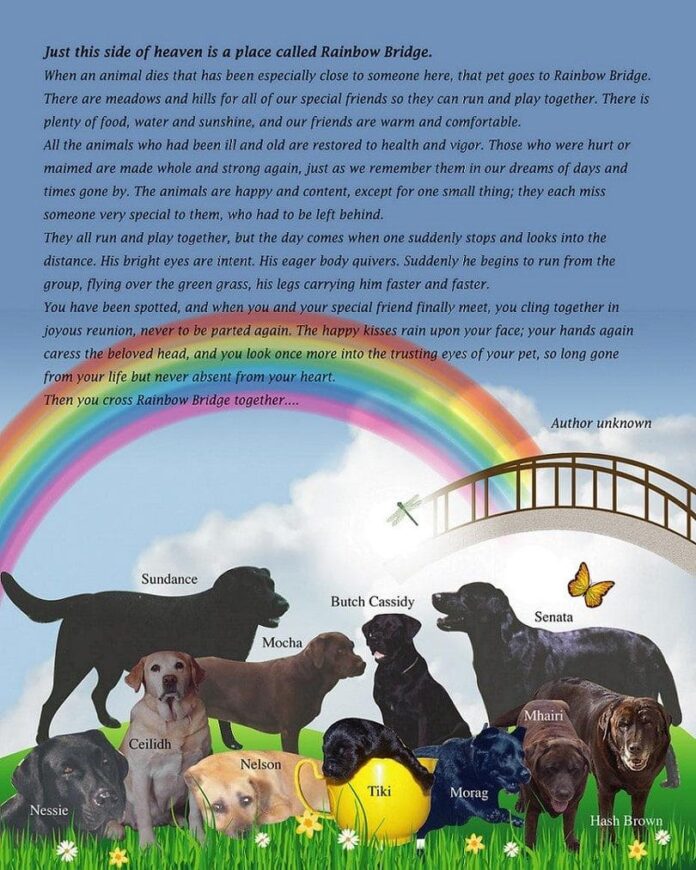 How will they cope up to something that no one can actually prepare happening? How will they move on? How will their lives change after losing a fur baby? What is there to do when your dog dies?
 Grief can be made more complicated depending on the role of the lost pet, given that a pet parent may not just be grieving the loss of a companion, but also of an indispensable part of his or her life.
This is why it is very difficult for people who live alone with their pet to get over the pain of loss. They feel a sense of aloneness, isolation, and helplessness.
People who live along lack a solid support system that could help make the process of moving on easier. If you are in such a situation, always reach out to friends or family so that you won’t be relegated to feeling alone and desolate.
Grief can also be exacerbated by feelings of guilt. Especially in the case of a pet that died because of the lack of medical attention or the owner’s inability to provide medication or pay for a visit to the veterinarian.
Even those who have used all available resources to save a pet may feel guilty of not being able to do enough. It is important to let go of such feelings and simply hold on to the belief that your pet is already in a better place–a place without hunger or pain.
Grieving varies from person to person, and the length and intensity of the process depends on the situation in which the pet parent is in. Grieving is also a highly personal experience.
Some people grieve in stages, whereas others grieve in cycles or a series of highs and lows. Even after several years, day-to-day experiences might still trigger memories from a sight, a favorite activity, a toy, or a specific date.
Grieving is something that cannot be forced to occur, something that others cannot do for you, and something that will not completely go away. It is normal to feel sad sometimes, and exhibiting sadness does not mean you are weak as a person. Humans are emotional by nature, whether in terms of feeling happiness or sadness.
Grief can be made more complicated depending on the role of the lost pet, given that a pet parent may not just be grieving the loss of a companion, but also of an indispensable part of his or her life.
This is why it is very difficult for people who live alone with their pet to get over the pain of loss. They feel a sense of aloneness, isolation, and helplessness.
People who live along lack a solid support system that could help make the process of moving on easier. If you are in such a situation, always reach out to friends or family so that you won’t be relegated to feeling alone and desolate.
Grief can also be exacerbated by feelings of guilt. Especially in the case of a pet that died because of the lack of medical attention or the owner’s inability to provide medication or pay for a visit to the veterinarian.
Even those who have used all available resources to save a pet may feel guilty of not being able to do enough. It is important to let go of such feelings and simply hold on to the belief that your pet is already in a better place–a place without hunger or pain.
Grieving varies from person to person, and the length and intensity of the process depends on the situation in which the pet parent is in. Grieving is also a highly personal experience.
Some people grieve in stages, whereas others grieve in cycles or a series of highs and lows. Even after several years, day-to-day experiences might still trigger memories from a sight, a favorite activity, a toy, or a specific date.
Grieving is something that cannot be forced to occur, something that others cannot do for you, and something that will not completely go away. It is normal to feel sad sometimes, and exhibiting sadness does not mean you are weak as a person. Humans are emotional by nature, whether in terms of feeling happiness or sadness.
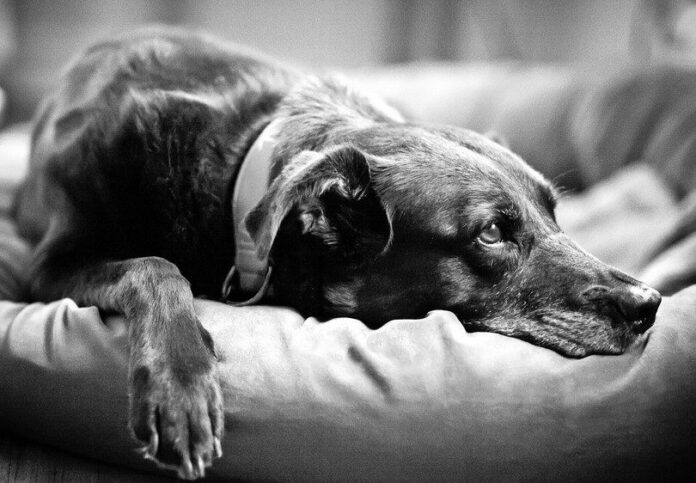 Hiding or trying to ignore the feeling of sadness will not benefit you at all. This is something that should be expressed so that you can gradually begin healing and feeling better. It is important to face your grief and deal with it by expressing your feelings.
That way, it will take less time to move on. You would feel healed rather than desolate. Not expressing your feeling will just cause the pain to linger and might lead to emotional outbursts.
What makes the grieving process for the loss of a pet difficult is that this experience is not widely appreciated and understood by all. “It’s just a dog!” I’m sure you’ve heard this at least once in your life.
Not all individuals consider pets to be as valuable as you do. This is probably due to the fact that they have never experienced having a pet or they weren’t able to establish a deep and lasting connection stemming from the companionship that a pet can provide.
It is a losing battle to argue with the opinion of others regarding your grieving process. Accept the fact that the only person who will completely understand how you feel is yourself, and maybe your close friends and family members.
Hiding or trying to ignore the feeling of sadness will not benefit you at all. This is something that should be expressed so that you can gradually begin healing and feeling better. It is important to face your grief and deal with it by expressing your feelings.
That way, it will take less time to move on. You would feel healed rather than desolate. Not expressing your feeling will just cause the pain to linger and might lead to emotional outbursts.
What makes the grieving process for the loss of a pet difficult is that this experience is not widely appreciated and understood by all. “It’s just a dog!” I’m sure you’ve heard this at least once in your life.
Not all individuals consider pets to be as valuable as you do. This is probably due to the fact that they have never experienced having a pet or they weren’t able to establish a deep and lasting connection stemming from the companionship that a pet can provide.
It is a losing battle to argue with the opinion of others regarding your grieving process. Accept the fact that the only person who will completely understand how you feel is yourself, and maybe your close friends and family members.
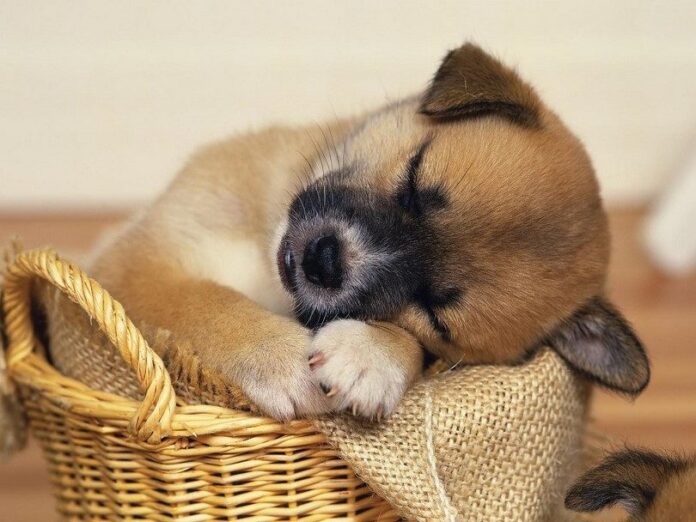 People have mixed feeling about getting a new dog after a pet dies. Some pet owner may feel as if they are betraying their lost pet by replacing it.
One thing you should remember is that there is no need to think of getting a new pet as getting a replacement. You are not replacing your lost pet; rather, you would like to honor its memory by providing the same love and devotion to another puppy.
Similar to grieving, there is no prescribed length of time after which you can start considering the prospect of finding another pet.
But if and when you decide to do so, one thing to remember is that you should never compare your new dog with the one you’ve lost. This will be very unfair to you and to your new pet.
Even if you will get a dog of the same breed, your new pet will have unique traits and behaviors that will be different from those of your deceased pet. It may also be in need of training and may not be as eager to please as your lost pet.
When frustrations arise, always remember that you now have a new life to care for, and this new pet is completely dependent on you for all its needs, both physical and emotional.
You must realize that as a pet parent, there will always come a time that your dog will leave you. A dog’s lifespan can never equal that of a human, especially for the larger breeds.
Death is something that we cannot control, but we can get the most out of life before death even occurs.
Smaller dogs generally live longer than their larger counterparts. A
People have mixed feeling about getting a new dog after a pet dies. Some pet owner may feel as if they are betraying their lost pet by replacing it.
One thing you should remember is that there is no need to think of getting a new pet as getting a replacement. You are not replacing your lost pet; rather, you would like to honor its memory by providing the same love and devotion to another puppy.
Similar to grieving, there is no prescribed length of time after which you can start considering the prospect of finding another pet.
But if and when you decide to do so, one thing to remember is that you should never compare your new dog with the one you’ve lost. This will be very unfair to you and to your new pet.
Even if you will get a dog of the same breed, your new pet will have unique traits and behaviors that will be different from those of your deceased pet. It may also be in need of training and may not be as eager to please as your lost pet.
When frustrations arise, always remember that you now have a new life to care for, and this new pet is completely dependent on you for all its needs, both physical and emotional.
You must realize that as a pet parent, there will always come a time that your dog will leave you. A dog’s lifespan can never equal that of a human, especially for the larger breeds.
Death is something that we cannot control, but we can get the most out of life before death even occurs.
Smaller dogs generally live longer than their larger counterparts. A  Remember that these are the average lifespans, but these figures can be attained when a dog lives a healthy life. Illnesses and
 As part of the working dog group, they were bred to watch over and protect livestock, such as sheep, cattle and goats. They were also bred to be companion dogs, providing shepherds and livestock farmers with their friendly disposition once the work day was over.
They’re a sturdy stocky dog, weighing anywhere from 100 to 125 pounds. Their double coat provides all the warmth that they need, and should be brushed at least once a week. Special attention should be paid to trimming their nails, especially if they’re not very active outside.
As part of the working dog group, they were bred to watch over and protect livestock, such as sheep, cattle and goats. They were also bred to be companion dogs, providing shepherds and livestock farmers with their friendly disposition once the work day was over.
They’re a sturdy stocky dog, weighing anywhere from 100 to 125 pounds. Their double coat provides all the warmth that they need, and should be brushed at least once a week. Special attention should be paid to trimming their nails, especially if they’re not very active outside.
 Ear cleaning is required to prevent the onset of infection and eliminating any parasites that may have taken roost from the animals that they herd.
The wonderful pattern of their markings certainly makes them stand out from the other mountain dog breeds.
With very alert eyes and a playful smile, the Bernese mountain dog can be traced back to its Mastiff heritage during the times of the Romans.
It was bred in Switzerland to be a herding dog, ensuring that the livestock never roamed too far from the rest of its herd to be taken by predators. They live for roughly 7 to 10 years, and can weigh up to 110 pounds.
Ear cleaning is required to prevent the onset of infection and eliminating any parasites that may have taken roost from the animals that they herd.
The wonderful pattern of their markings certainly makes them stand out from the other mountain dog breeds.
With very alert eyes and a playful smile, the Bernese mountain dog can be traced back to its Mastiff heritage during the times of the Romans.
It was bred in Switzerland to be a herding dog, ensuring that the livestock never roamed too far from the rest of its herd to be taken by predators. They live for roughly 7 to 10 years, and can weigh up to 110 pounds.
 They’re known for copious amounts of drooling, but also for their wonderful sense of smell. They make excellent watchdogs and are quite gentle with children.
Supervision should still be paid, however, as these dogs aren’t aware of just how big they are or how easily they can bowl over other people and children. After all, they can weigh anywhere from 100 to 200 pounds.
They come in short-coat and longer-coat varieties, and should be brushed on a regular basis in order to minimize shedding and keep mats away.
They’re known for copious amounts of drooling, but also for their wonderful sense of smell. They make excellent watchdogs and are quite gentle with children.
Supervision should still be paid, however, as these dogs aren’t aware of just how big they are or how easily they can bowl over other people and children. After all, they can weigh anywhere from 100 to 200 pounds.
They come in short-coat and longer-coat varieties, and should be brushed on a regular basis in order to minimize shedding and keep mats away.
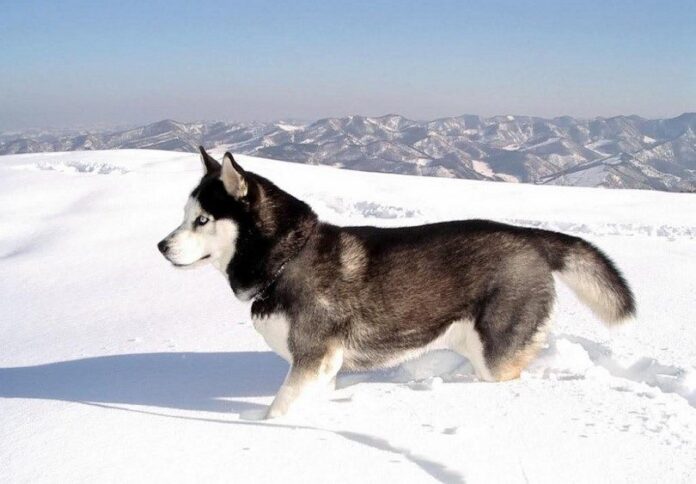 They come in a wide array of colors and live for longer than twelve years. They shed twice a year, and require extensive amounts of bathing and brushing in order to remove all of the fur.
This is not a dog breed for those who are prone to pet dander allergies. Despite being a mountain dog breed, they don’t get much larger than sixty pounds, but that weight is typically all lean muscle.
They come in a wide array of colors and live for longer than twelve years. They shed twice a year, and require extensive amounts of bathing and brushing in order to remove all of the fur.
This is not a dog breed for those who are prone to pet dander allergies. Despite being a mountain dog breed, they don’t get much larger than sixty pounds, but that weight is typically all lean muscle.
 They were also used to pull sleds, making it easier for hunters to take their kills back to their home instead of lugging it back through miles of thick snow. Their extremely thick fur, which keeps them warm and weatherproof, should be brushed on a weekly basis to reduce shedding.
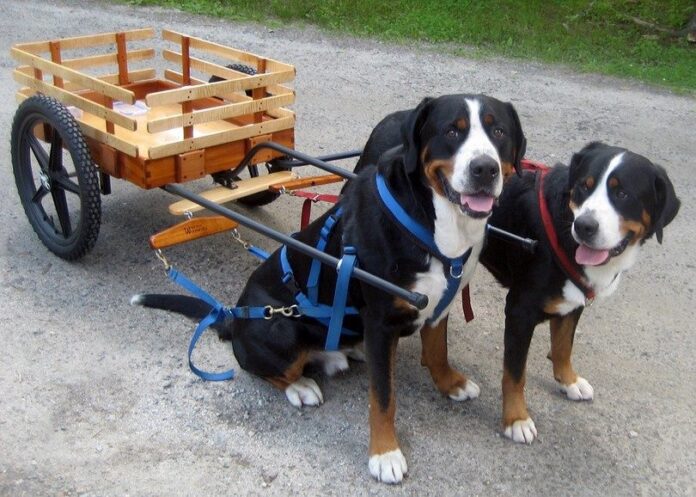 Their large size can be a little imposing to toddlers, but their gentle disposition makes them the perfectly family dog. They resemble a short-haired version of the Bernese mountain dog, and possess similar markings.
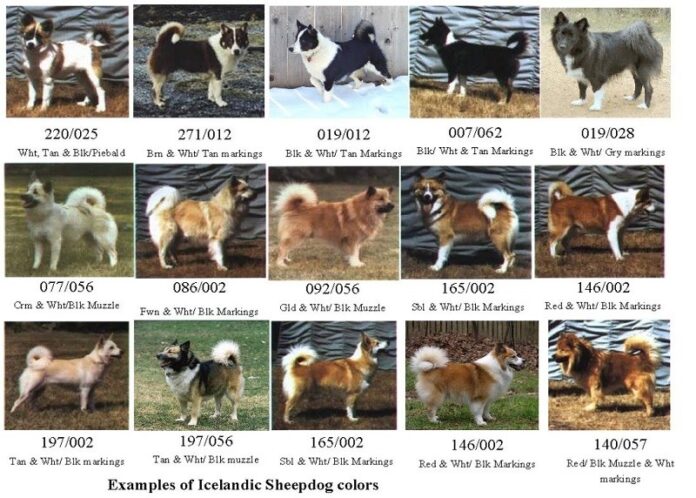 They’re funny curly tails, short triangular ears, and striking orange coat certainly make them a good choice of pooch within the home. They are prone to shedding however, due to their naturally thick coat, and should be brushed quite often in order to minimize the hair left on your furniture and carpet during shedding season.
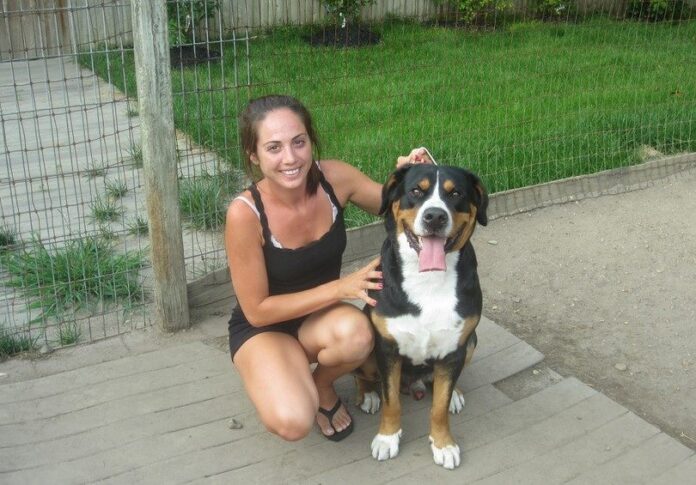 They’re quite intelligent and independent, so they do require some training in order to remain obedient, but their self-confidence ensures that they won’t shy away from challenges.
Similar in marking to the Bernese mountain dog, their short coats only require weekly brushing, and their ears need to be cleaned on a regular basis. They weigh as much as 65 pounds and can live up to 13 years.
They’re quite intelligent and independent, so they do require some training in order to remain obedient, but their self-confidence ensures that they won’t shy away from challenges.
Similar in marking to the Bernese mountain dog, their short coats only require weekly brushing, and their ears need to be cleaned on a regular basis. They weigh as much as 65 pounds and can live up to 13 years.
 While the Pyrenees is gentle, patient and affectionate, the Maremma Sheepdog is more alert, determined and dignified. Weighing roughly up to 100 pounds, training is required to ensure that they are not prone to jumping and knocking you over. Brushing should be done at least two to three times per week in order to keep clean and prevent mats from occurring.
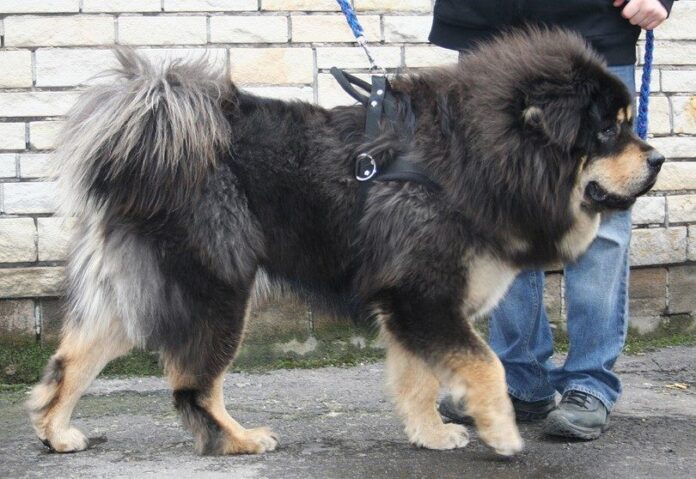 They also served as guard dogs for monasteries, so they can be very protective, but also quite stubborn.
Their fur comes in a wide range of colors, from black, to brown to even a deep orange-red, and some are even dark with tan markings.
They have an extremely heavy undercoat that’s designed to keep them warm in winter, and can lead to extremely heavy shedding seasons when the weather becomes warmer.
They can weigh up to 150 pounds, so they are quite stocky and sturdy dogs. They thrive best in large, open spaces and though are protective of children, can very easily knock them over.
They also served as guard dogs for monasteries, so they can be very protective, but also quite stubborn.
Their fur comes in a wide range of colors, from black, to brown to even a deep orange-red, and some are even dark with tan markings.
They have an extremely heavy undercoat that’s designed to keep them warm in winter, and can lead to extremely heavy shedding seasons when the weather becomes warmer.
They can weigh up to 150 pounds, so they are quite stocky and sturdy dogs. They thrive best in large, open spaces and though are protective of children, can very easily knock them over.
 Along with physical space, they also require mental exercise. As stated, they’re meant to be working dogs, so they require some mental stimulation in order to feel like they’re achieving an end goal.
Take the time to teach your dog new tricks on a regular basis and provide stimulating toys that keep their interest. Taking your dog for walks in new areas such as parks will also get their brain going with all of the new sights, smells and sounds for them to explore.
This should only be attempted if your dog is leash-trained and knows how to behave properly in new environments.
Along with physical space, they also require mental exercise. As stated, they’re meant to be working dogs, so they require some mental stimulation in order to feel like they’re achieving an end goal.
Take the time to teach your dog new tricks on a regular basis and provide stimulating toys that keep their interest. Taking your dog for walks in new areas such as parks will also get their brain going with all of the new sights, smells and sounds for them to explore.
This should only be attempted if your dog is leash-trained and knows how to behave properly in new environments.
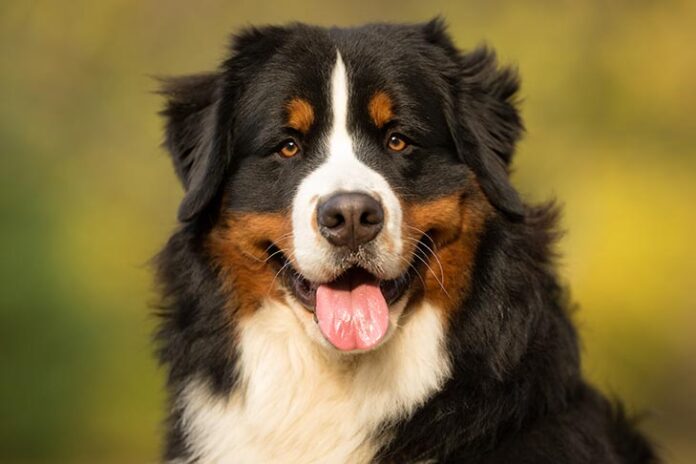 Hot spots occur when a dog’s skin because moist and itchy, which results in scratching and licking. Such hot spots can occur when moisture builds up under the matted fur, and makes it difficult for the skin to breathe.
Because of this shedding, those who suffer from allergies to pet dander may find it irritating to their sinuses to groom their dogs.
Due to their build and their status as working dogs, many large dog breeds are prone to hip dysplasia and other forms of arthritis.
Although they are not bothered by the cold, the low temperatures can make it more difficult for your dog to be comfortable while he is moving around.
Be sure to provide plenty of warm bedding, and introduce pills or treats that have glucosamine in them.
Fish oil added to your dog’s food can also help to lubricate the joints and make it much easier for them to move around.
Rigorous exercise should be avoided during the winter months in order to minimize the pain a dog may experience after each session; light exercise is preferred so that he doesn’t start packing on unnecessary pounds.
Given the high rate of growth for puppies of large breeds, your dog should be carefully monitored in order to ensure that the muscles are developing properly.
The development of muscle disorders become quite difficult to correct in later years, and can be extremely painful for a dog to cope with.
At the first sign that something is wrong, be sure to talk to your vet and schedule an appointment in order to take care of the problem before it becomes too difficult to correct.
Hot spots occur when a dog’s skin because moist and itchy, which results in scratching and licking. Such hot spots can occur when moisture builds up under the matted fur, and makes it difficult for the skin to breathe.
Because of this shedding, those who suffer from allergies to pet dander may find it irritating to their sinuses to groom their dogs.
Due to their build and their status as working dogs, many large dog breeds are prone to hip dysplasia and other forms of arthritis.
Although they are not bothered by the cold, the low temperatures can make it more difficult for your dog to be comfortable while he is moving around.
Be sure to provide plenty of warm bedding, and introduce pills or treats that have glucosamine in them.
Fish oil added to your dog’s food can also help to lubricate the joints and make it much easier for them to move around.
Rigorous exercise should be avoided during the winter months in order to minimize the pain a dog may experience after each session; light exercise is preferred so that he doesn’t start packing on unnecessary pounds.
Given the high rate of growth for puppies of large breeds, your dog should be carefully monitored in order to ensure that the muscles are developing properly.
The development of muscle disorders become quite difficult to correct in later years, and can be extremely painful for a dog to cope with.
At the first sign that something is wrong, be sure to talk to your vet and schedule an appointment in order to take care of the problem before it becomes too difficult to correct.
 Some of the more common muscular disorders include:
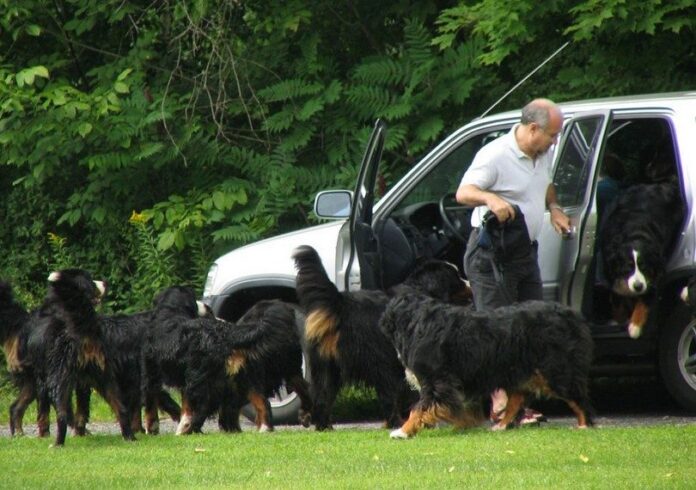 When it comes to introducing a new dog breed into your home, be sure to always do your research beforehand on the needs of your large dog breed.
Not only will this prepare you for what you should expect, but your new dog will also be more thankful for your attention to detail. Introductions to dogs you already have in the home should be done in a neutral area, and patience should be exercise throughout the process in order to minimize the already stressful situation between your dogs.
If you’re still deciding whether a mountain dog breed is right for you, find someone you know or a breeder who would be willing to let you meet their dogs and get a feel for what being around one is like.
Not a lot of people can appreciate the size of a large dog until they’ve met on in person. Taking the right steps to ensure both the safety and health of your mountain breed dog will definitely pay off in the long run, and you can both enjoy the years of fun and companionship together.
When it comes to introducing a new dog breed into your home, be sure to always do your research beforehand on the needs of your large dog breed.
Not only will this prepare you for what you should expect, but your new dog will also be more thankful for your attention to detail. Introductions to dogs you already have in the home should be done in a neutral area, and patience should be exercise throughout the process in order to minimize the already stressful situation between your dogs.
If you’re still deciding whether a mountain dog breed is right for you, find someone you know or a breeder who would be willing to let you meet their dogs and get a feel for what being around one is like.
Not a lot of people can appreciate the size of a large dog until they’ve met on in person. Taking the right steps to ensure both the safety and health of your mountain breed dog will definitely pay off in the long run, and you can both enjoy the years of fun and companionship together. 


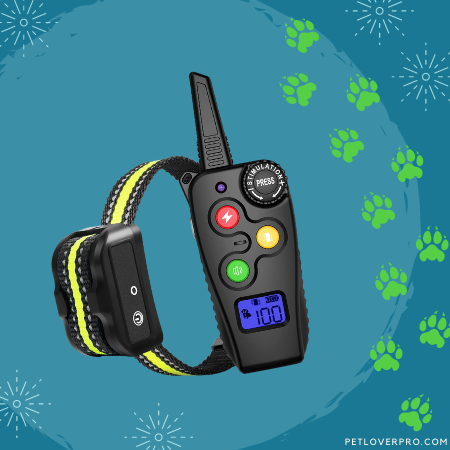




 In this article, we’re going to tell you everything there is to know about umbrella hats and give you a review on what we believe are some of the best umbrella hats on the market for your dog.
So, let’s not waste any more time. Rain season is here, and you need to keep your dog dry.
In this article, we’re going to tell you everything there is to know about umbrella hats and give you a review on what we believe are some of the best umbrella hats on the market for your dog.
So, let’s not waste any more time. Rain season is here, and you need to keep your dog dry.
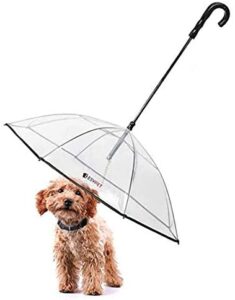

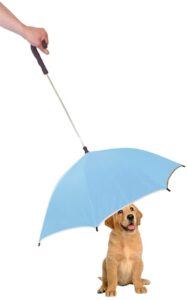


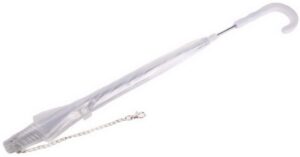


 However, if you’re planning on going in the woods or on hikes, we recommend a dog jacket instead. If your dog’s going to be off leash through the woods, having an umbrella attached to him/her could be a huge safety issue.
The last thing you want is your dog getting hooked on a tree branch or ripping the umbrella. So, before you purchase a dog umbrella, you need to think about where you’re going to be using it.
However, if you’re planning on going in the woods or on hikes, we recommend a dog jacket instead. If your dog’s going to be off leash through the woods, having an umbrella attached to him/her could be a huge safety issue.
The last thing you want is your dog getting hooked on a tree branch or ripping the umbrella. So, before you purchase a dog umbrella, you need to think about where you’re going to be using it.
 The purpose of the umbrella is to keep your dog dry, so, the simpler, the better. Make sure it can easily fold up and be stored away or carried.
If it comes with its own case, even better, as you’ll be able to put it somewhere when it’s wet and muddy. Dog umbrellas aren’t supposed to be a burden. They’re supposed to relieve the stress of having to clean your dog after walking them in the rain.
The purpose of the umbrella is to keep your dog dry, so, the simpler, the better. Make sure it can easily fold up and be stored away or carried.
If it comes with its own case, even better, as you’ll be able to put it somewhere when it’s wet and muddy. Dog umbrellas aren’t supposed to be a burden. They’re supposed to relieve the stress of having to clean your dog after walking them in the rain.
 Most umbrellas designed for people aren’t as deep or wide as the umbrellas needed for dogs. Also, umbrellas for people do not have the built-in leash feature or the option to attach your own leash, which is a huge problem.
So, you do want to make sure you are buying a dog umbrella from a company that’s reputable for their dog accessories.
Most umbrellas designed for people aren’t as deep or wide as the umbrellas needed for dogs. Also, umbrellas for people do not have the built-in leash feature or the option to attach your own leash, which is a huge problem.
So, you do want to make sure you are buying a dog umbrella from a company that’s reputable for their dog accessories.
 We are sure that the dog umbrellas we’ve provided you with in this review will be able to fulfill all your needs.
Have you used any one of the dog umbrellas in this review before? Or do you think we missed a perfectly good umbrella hat that should’ve been on this list? We want to hear from you! Write your tips and opinions in the comment section below!
We are sure that the dog umbrellas we’ve provided you with in this review will be able to fulfill all your needs.
Have you used any one of the dog umbrellas in this review before? Or do you think we missed a perfectly good umbrella hat that should’ve been on this list? We want to hear from you! Write your tips and opinions in the comment section below! 


 Your pup is full of sweet and calming love. When you’re down, she’s right there next to you, giving you soft licks and cuddles. She’s not into the hustle and bustle of dog parks; she just wants to chill under a tree by the river or take a dip in the ocean. You’ve noticed that she enjoys the small things in life. Here are the weed names that suit her:
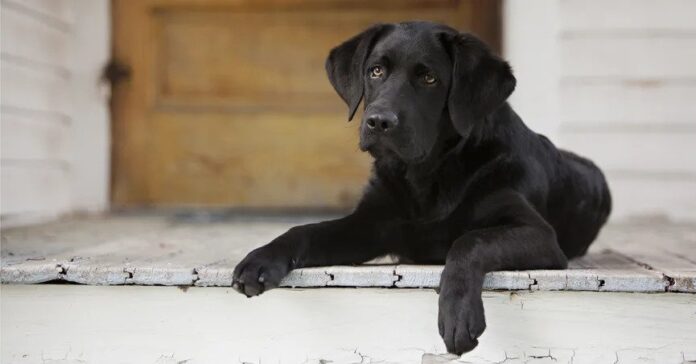 Your pup is into one thing and one thing only: hanging out. Sure, he can go to the dog park and meet other dogs, but his true love is to hang out on the couch and chill by your side.
Everyone loves him, and he loves everyone around him, but he’s not interested in doing crazy things; he just wants to enjoy life.
Your pup is into one thing and one thing only: hanging out. Sure, he can go to the dog park and meet other dogs, but his true love is to hang out on the couch and chill by your side.
Everyone loves him, and he loves everyone around him, but he’s not interested in doing crazy things; he just wants to enjoy life.
 No one said choosing a name for your pup was going to be easy. Now that you’ve scrolled through the lists, you may be even more overwhelmed then you were in the beginning because there are so many options.
We hope that as you went through the names, some of them popped out and caught your attention. If you managed to narrow down your choices to only a few, you’re already one step closer to giving your dog their name!
Test them out on your pup and see which one they vibe with. Just because you like a name doesn’t mean they will. But through trial and error, you’ll land on a name that you both love.
Weed dog names are warm, relaxed, and of course, calm; they will suit any chill dog. If you chose a name from this list, don’t forget to let us know which name you’ve picked. But whether or not you choose a name on this list, or not, we would love to hear from you! Share your thoughts with us below.
Next, once you’ve got the perfect name for your dog, check out our article on puppy vaccination schedule so you’ll be able to better care for your canine companion. Your new friend relies on you to care for them in their vulnerable state.
No one said choosing a name for your pup was going to be easy. Now that you’ve scrolled through the lists, you may be even more overwhelmed then you were in the beginning because there are so many options.
We hope that as you went through the names, some of them popped out and caught your attention. If you managed to narrow down your choices to only a few, you’re already one step closer to giving your dog their name!
Test them out on your pup and see which one they vibe with. Just because you like a name doesn’t mean they will. But through trial and error, you’ll land on a name that you both love.
Weed dog names are warm, relaxed, and of course, calm; they will suit any chill dog. If you chose a name from this list, don’t forget to let us know which name you’ve picked. But whether or not you choose a name on this list, or not, we would love to hear from you! Share your thoughts with us below.
Next, once you’ve got the perfect name for your dog, check out our article on puppy vaccination schedule so you’ll be able to better care for your canine companion. Your new friend relies on you to care for them in their vulnerable state. 


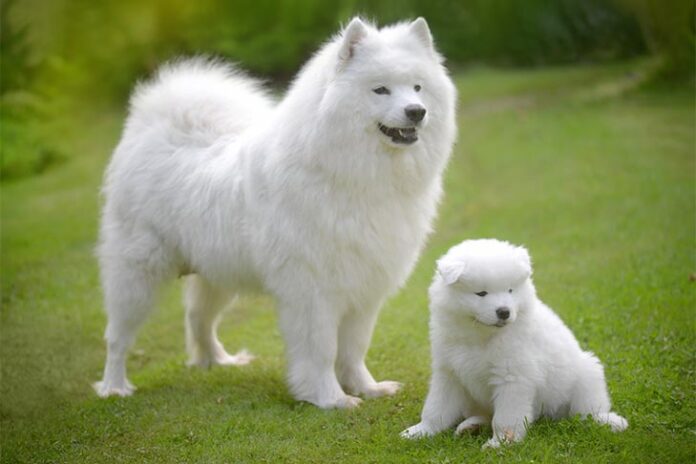


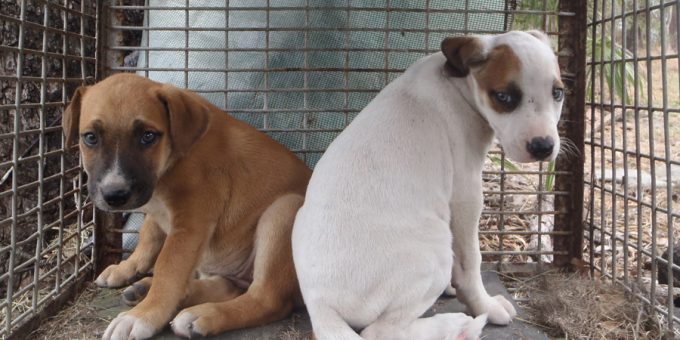


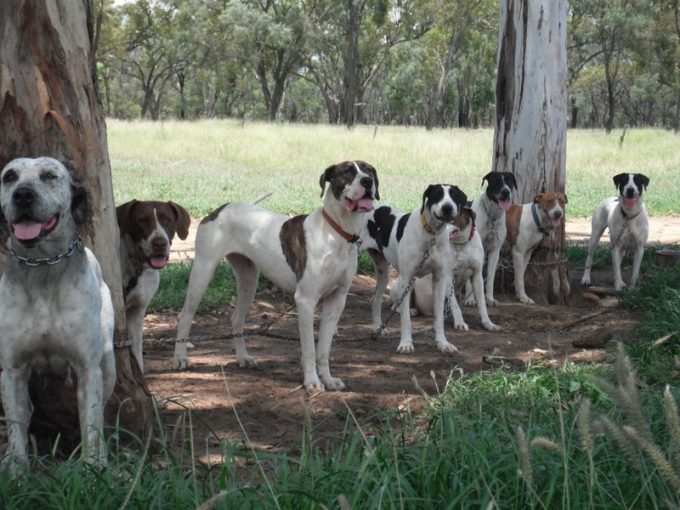


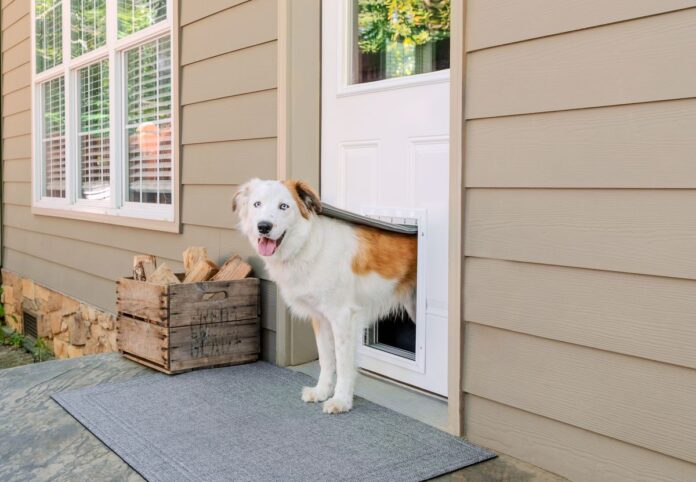 When you need to purchase a kennel or a doggy door, knowing his height will cut out guesswork. Your furry companion should be able to come in or go out the flapper of his door comfortably.
The door size should allow him to jump and not get hurt. It is recommended that the door should be about 2 inches higher than him.
A good dog crate should allow him to lie down, stretch, stand up, and also turn around easily while in the cage.
When you need to purchase a kennel or a doggy door, knowing his height will cut out guesswork. Your furry companion should be able to come in or go out the flapper of his door comfortably.
The door size should allow him to jump and not get hurt. It is recommended that the door should be about 2 inches higher than him.
A good dog crate should allow him to lie down, stretch, stand up, and also turn around easily while in the cage.
 Similar to us, your pooch requires training and exercise. Dogs can start agility sports from age 1 or 2 depending on their breed.
Since your dog has to overcome an obstacle course that has jumps in training, it is important to know his height.
This will allow proper setting of hurdle height as puppies and small dogs can injure themselves while jumping.
Similar to us, your pooch requires training and exercise. Dogs can start agility sports from age 1 or 2 depending on their breed.
Since your dog has to overcome an obstacle course that has jumps in training, it is important to know his height.
This will allow proper setting of hurdle height as puppies and small dogs can injure themselves while jumping.
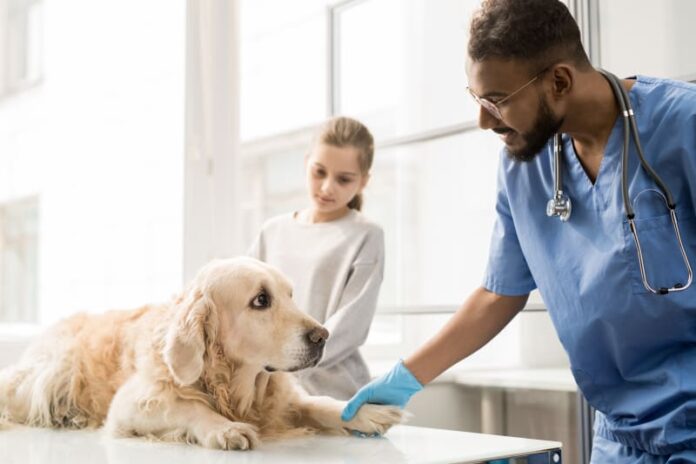 Basically, a dog’s medical record should include data and information like his length, weight, surgeries, prescribed medications, vaccination history, and vet visits. Not knowing your dog’s height and keeping tabs on it means you are not updating and maintaining his records.
You might be wondering if the height of your dog makes him more prone to leg injuries. Dysplasia, lameness, and hind legs weakness are some of the leg conditions dogs suffer from.
Basically, a dog’s medical record should include data and information like his length, weight, surgeries, prescribed medications, vaccination history, and vet visits. Not knowing your dog’s height and keeping tabs on it means you are not updating and maintaining his records.
You might be wondering if the height of your dog makes him more prone to leg injuries. Dysplasia, lameness, and hind legs weakness are some of the leg conditions dogs suffer from.
 If you are a dog owner, breeder, or seller, you will be required to give information which includes his height when putting him up for adoption; this information is filled in a dog bill of sale form.
This information helps the buyer to plan in advance and evaluate if the dog is suitable for his/her home.
If you are a dog owner, breeder, or seller, you will be required to give information which includes his height when putting him up for adoption; this information is filled in a dog bill of sale form.
This information helps the buyer to plan in advance and evaluate if the dog is suitable for his/her home.
 Apparel and accessories are designed to cater to dogs of different sizes and heights. To ensure that they are not oversized or too tight, you need to know your dog’s height. For example, a short dog will require a longer training leash while a tall dog doesn’t require a very long one.
You’ll also need to know your
Apparel and accessories are designed to cater to dogs of different sizes and heights. To ensure that they are not oversized or too tight, you need to know your dog’s height. For example, a short dog will require a longer training leash while a tall dog doesn’t require a very long one.
You’ll also need to know your 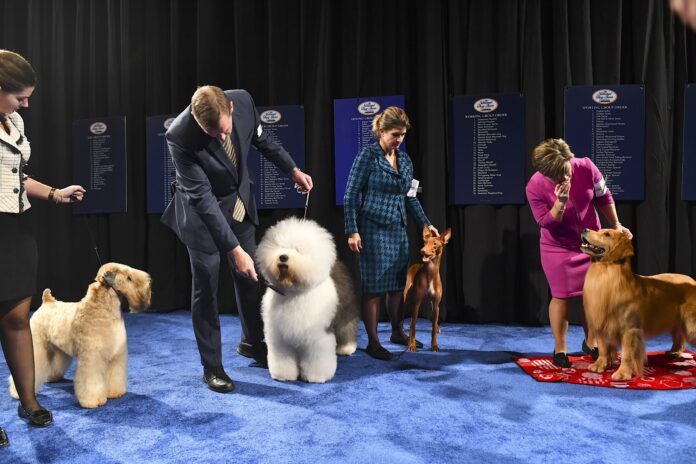 Dog shows require that your dog’s data meets a certain threshold. Knowing your dog’s height will enable you to know if he is eligible in advance.
Dogs which fail to meet the height requirements of their breed for the show ring are mostly disqualified. In addition, taking your dog’s height measurement acquaints him with the procedure, hence reducing instances of discomfort or anxiety when it is done during the show.
Dog shows require that your dog’s data meets a certain threshold. Knowing your dog’s height will enable you to know if he is eligible in advance.
Dogs which fail to meet the height requirements of their breed for the show ring are mostly disqualified. In addition, taking your dog’s height measurement acquaints him with the procedure, hence reducing instances of discomfort or anxiety when it is done during the show.
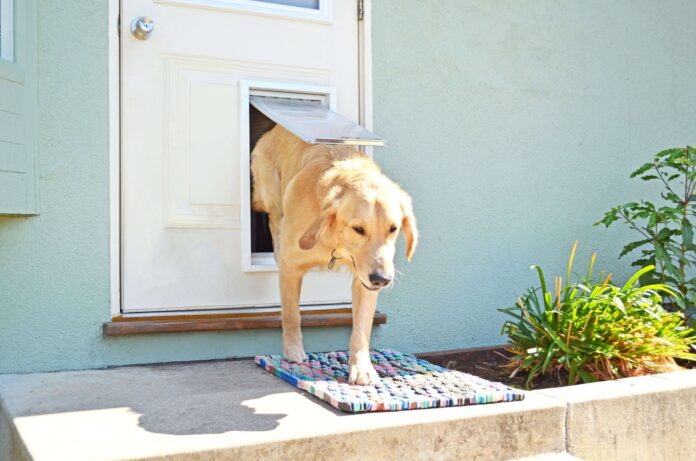 A door frame will enable your dog to stand upright for accurate height readings. It ensures he does not move around. Alternatively, you can place him next to a wall for the same effect.
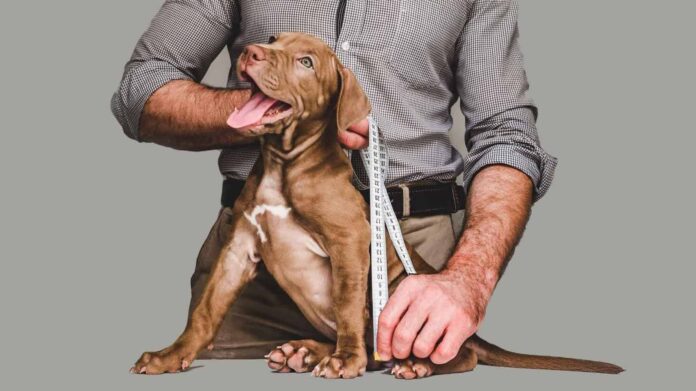 Place the length of the level on your dog’s withers and make sure one of the ends of the carpenter’s level either touches the frame or the wall. To ensure it is level, check if the level’s bubbles are within their markings.
Having done that, you can now make a marking where the bottom of the level touches the frame or the wall. This will ensure that you have transferred his height measurement onto the wall. It is important to make sure the marking tool doesn’t draw a very thick line.
Place the length of the level on your dog’s withers and make sure one of the ends of the carpenter’s level either touches the frame or the wall. To ensure it is level, check if the level’s bubbles are within their markings.
Having done that, you can now make a marking where the bottom of the level touches the frame or the wall. This will ensure that you have transferred his height measurement onto the wall. It is important to make sure the marking tool doesn’t draw a very thick line.
 These are sticks made specifically for measuring the height of a dog. They can be used on puppies and grown dogs as they are light and very sturdy. They are calibrated in inches on one side and centimeters on the other.
Before buying one, make sure the maximum height of your dog’s breed is accommodated.
These are sticks made specifically for measuring the height of a dog. They can be used on puppies and grown dogs as they are light and very sturdy. They are calibrated in inches on one side and centimeters on the other.
Before buying one, make sure the maximum height of your dog’s breed is accommodated.
 Big dogs are naturally tall. There are some advantages to owning a tall dog as well as disadvantages.
 Small dogs come with their own limitations and advantages which we have outlined below.
 Height is very important in dogs. Knowing how to accurately measure your dog’s height is important for any responsible owner. This helps you to plan accordingly and improve the quality of your canine companion’s life.
At different heights, some of your dog’s needs change. It is also apparent that short and tall dogs come with their fair share of pros and cons. All in all, when you are armed with the right information, any dog, short or tall, can become the best companion you will ever have.
Do you know the height of your dog? Try any of the above methods of measuring and let us know how it goes. What are some of the traits in your dog that you think are influenced by his height? Share this and any other feedback in the section below, plus, check out our next article on
Height is very important in dogs. Knowing how to accurately measure your dog’s height is important for any responsible owner. This helps you to plan accordingly and improve the quality of your canine companion’s life.
At different heights, some of your dog’s needs change. It is also apparent that short and tall dogs come with their fair share of pros and cons. All in all, when you are armed with the right information, any dog, short or tall, can become the best companion you will ever have.
Do you know the height of your dog? Try any of the above methods of measuring and let us know how it goes. What are some of the traits in your dog that you think are influenced by his height? Share this and any other feedback in the section below, plus, check out our next article on