The raw food diet for dogs is becoming quite a controversial issue among pet owners. This article is to shed some light on the pros, cons, and key information everyone should know about the raw food diet, in the hope it will allow you to make an informed decision on if the raw diet is suitable for your pooch.
It is incredibly important to create a diet for your dog which can suit all of their needs. With a growing number of allergies and health issues in pure-breed dogs, their diet is essential to their growth and health throughout their lives.
One major health issue which has been on the rise in the past ten years is grain allergies. A dog’s digestive system finds it difficult to digest most grains, which is why some veterinarians prefer the raw diet over-processed dry commercial pet foods, as the carbohydrate content is much larger in processed dry kibble and in some wet foods.
Before deciding on a new diet for your dog you should take into consideration the nutritional value of your current food and whether or not it is meeting the standards you want, the nutrition your dog needs, and whether or not you can improve on this.
Raw Diet Benefits & Cons
First things first, the raw dog diet is what it says on the tin, raw meat, bones, fruit, and vegetables, along with eggs and herbs. It is meant to mimic the diet of dogs before they were domesticated.
While this is all well and good, we do have to take into consideration that it has been a very long time since the domestication of dogs, in which time they have changed quite a lot. Saying this, one diet may be perfect for a certain dog and yet not ideal for another.
It is very important you research what breed of dog you have, what health issues they are prone to (if any), how you can tackle these problems with diet, and the history of the dog (this may include researching the male and female parent dogs if that information is available to you). So let’s get down to the nitty-gritty.
Benefits of the raw diet:
Cleaner teeth
Smaller, firmer stools
Higher energy
Healthier skin and coat
Higher rate of acceptance from the dog – they stay fuller for longer
There have been many pet food recalls over the past 5 years, the raw food diet allows you to know exactly what is in your dog’s food
Better weight management
Improved digestion
If these benefits are enough to persuade you, please read our article chock full of wonderful raw food diet recipes you can make in your own home.
Now for the cons:
Raw food diets can be very expensive compared to a processed dry food
Some owners who make their own dog’s food find it difficult to create a balanced diet if they haven’t done thorough research. Effects of a non-balanced diet may not show in your dog until 3 months after starting and could cause some serious health issues
Not every dog is suitable for the raw food diet
Bones can cause choking if not chewed properly – it is essential to get bones that are not too big and not too small for your dog’s size
Bacteria lies inside most raw meat, this could be a potential problem for your dog and the people living in the household as these bacteria can present themselves in feces
Can cause gastrointestinal problems if not introduced correctly
Although some of the cons sound scary, let me tell you some more information about them. Most dogs can handle the digestion of bacteria such as E.coli and Salmonella, which are the main bacterias found in raw meat. As long as you are hygienic and careful when handling raw meat then you should also be fine.
A study showed higher amounts of bacteria in raw food diets, however, they also showed that some dry foods contained the bacteria as well, showing that bacteria contamination of pet food is universal.
These bacterias can come out in feces, which then cause problems for humans as stated above, but as long as you are as clean as you can be the risk of contracting the bacteria yourself reduces drastically. This is where training your dog to defecate in one certain area comes in very handy.
Feeling Uneasy?
Source: unsplash.com
Eliminating choking risks is also fairly easy and just involves buying a grinding machine. Which of course adds to the price of feeding a raw diet.
You may hear on the grapevine that the raw diet can cause gastrointestinal (GI) problems. Fortunately this can be avoided. Most GI problems can be avoided very easily. Dogs digest kibble differently to raw food. Kibble is a starch, ready to go energy, whereas raw food is digested as protein. The GI system approaches this differently, protein needs to stay in the stomach for longer than starch.
Knowing what your dog needs and how to provide those essential vitamins and minerals is easy, and you can learn all about it in our great article about the necessities of your dog’s diet.
Hence why dogs stay fuller for longer on the raw food diet. When a dog’s diet is changed quickly, or when raw food is mixed with dry food, this can confuse and upset their stomachs and cause vomiting and diarrhea, if the process is taken slowly the dog’s digestive system has time to get used to it. This is generally the same with any diet change, this is not specific to dry kibble to raw food.
This article is in no way advising our readers on the best diet for their dog, this is simply stating the facts from previous studies in an easy to read way so our readers can make an informed decision themselves. If you are in any doubt about nutrition, health or any medical issues you should consult your veterinarian for animal related questions, or your doctor for human related questions, as soon as possible.
Let’s Bust Those Myths
Source: unsplash.com
Myth #1 – Small Dogs Cannot Eat Raw Diets
To some this would make sense, feeding a diet to mimic that of their ancestors to a dog who has very minimal connections to that ancestor. But when you break down this myth and really think about it, you will find out that actually how could anyone think this is true?
Toy and small breeds of dog have very small mouths, but unfortunately have the same amount of teeth as a large breed dog. This causes the teeth to be out of shape and squashed into a small area. With so many crevices and corners within the mouth area, this creates a breeding ground for bacteria. Bones are very good at getting into those tight spots and cleaning the teeth rather than harvesting bacteria.
It is very important that bones are fed raw, this minimizes the risk of bone splintering and causing health problems such as choking or a puncture in the digestion tract. It is also very important to get the right-sized bone. Bones that are too small can pose a higher risk of choking if not chewed correctly.
Bones that are too big can pose some serious problems for your dog whilst trying to gobble it down. For more information, you can contact your veterinarian for more advice on what sized bones you should be giving your dog.
Myth #2 – Raw Diets Are Expensive and Inconvenient
In the eyes of a dog owner, cost and convenience should come after your dog’s welfare. If you believe the raw diet will provide more nutrients and will serve your dog better than its current diet then you should not consider the cost or the convenience.
Bear in mind that most baked dry kibble has many fillers which go straight through your dog out the other end, so half of what you pay for ends up coming out the other end with little to no effect on your pooch. The key to a healthy dog is a healthy diet, this doesn’t have to be a raw diet, but definitely one of a higher quality.
The raw food diet can be as expensive as you make it, as well as how inconvenient as you make it. You can buy many freeze-dried raw diets these days at your local premium pet food store, simple and easy.
If you want to know exactly what your dog eats this will take a few conversations with your veterinarian and a lot of research on what your dog needs, including any health problems your dog’s breed is prone to, etc.
Yes it will take up more time than your standard dry food, but if you are smart with it and pre-make every meal and stick it in the freezer all you need to do is take it out of the freezer in the morning and evening ready for the next meal. Defrosting is not essential but depending on your dog it could be a good idea. For example senior dogs, or dogs with dental issues.
There are many things you can do to benefit your wallet whilst feeding the raw diet, including, buying meat in bulk, as said above pre-make all the meals beforehand using zip lock bags to avoid any waste, keep an eye out for any promotions on meat at your supermarket.
This might include meat that has 1 day left on the SELL BY DATE, not USE BY DATE. The sell-by date is only the date the supermarket is allowed to sell it till, it will still be good for human use, therefore good enough for your four-legged friend.
Myth #3 – My Dog Is Not a Wolf!
Anesthetically, yes dogs do not look like wolves anymore, apart from a few breeds. Anatomically they are more similar than you may think. We have been feeding domesticated dogs, processed food filled with stuff that they can’t digest for a very long time now, this has had an effect on their digestive and immune systems, but the effect is not permanent.
Just like humans, if we ate processed foods for a long time and then we suddenly switch to an all-natural diet, we may not adjust as quickly. But with the correct introduction, your dog’s digestive system will soon come up to par.
Source: unsplash.com
Processed dog food contains a lot of fillers, which are usually plant-based, such as grain. It takes different enzymes to digest starch (grains) than it does to digest meat (protein).
The dog’s digestive system classes processed meat within the dry kibble as starch instead of a protein so digests it differently than actual bits of meat. The fact the protein-digesting enzymes have not been in action for a while does not mean the enzymes are not present.
If we take a look at a dog’s anatomy, we can see that it is designed to eat meat, so feeding a grain-based processed food is actually a lot harder than the digestion of meat.
Myth #4 – Bacteria in Raw Meat Will Hurt My Dog
Raw meat does definitely contain bacteria such as salmonella. These can harm your dog, which is why you need to be sure your dog’s immune system is up to par.
If your dog is healthy and has no underlying health issues, your dog should be more than equipped to deal with these bacteria. For example, the saliva of a dog is antibacterial, hence why they lick their wounds and more often than not try to lick yours!
Dogs digest meat in an acid bath in their stomach. Stomach acid is very very strong, so strong that bacteria cannot survive it, providing your dog and their digestive system is healthy. Dogs can pass bacteria through their feces, this is very true.
Sometimes you may not even notice a change in your dog’s behavior, yet his body has passed a bacteria that would have most of us in an awful state. This proves how hardy their systems are and teaches us a very important lesson. If you are hygienic and wash your hands after being in contact with poop, you shouldn’t contract anything which is passed.
There have also been many cases of Salmonella from kibble-fed dogs, so the problem cannot be pointed directly at raw-fed diets.
Myth #5 – It Will Make My Dog More Aggressive
Your dog will not recognize its food is raw and then all of a sudden become feral and uncontrollable. It’s kind of like saying if a vegetarian ate meat, they would turn into a caveman? Totally not believable. So rest assured the raw food diet can only do good things to your dog’s brain.
Source: unsplash.com
A poor digestive system on the other hand, just like any other health issue can negatively affect the brain. Ask yourself a question, if you have had a poor diet over a week or two and your not feeling 100% does that show in your behavior?
I believe it does. It is exactly the same with dogs. If they have a bit of a stomach ache from a bad diet they are more likely to exhibit bad behavior. Not necessarily aggressive behavior, but they might seem a little off. It depends on the dog.
Myth #6 – Raw Bones Pose a Choking Risk
Any bone can cause a choking risk. In fact cooked bones pose more of a risk than raw bones. When a bone is cooked it makes the bone a lot more brittle. This causes the bone to splinter which can cause some severe problems if swallowed, as well as a choking risk.
Source: unsplash.com
Feeding raw bones is quite healthy. First it makes feeding time a lot more work for your dog, this strengthens his jaw and enamel, and cleans the teeth of plaque. Not to mention the difference you will see in your dog’s breath! Remember you don’t have to feed a raw diet to feed your dog a raw bone, this can be a healthy treat for your dog.
To Feed or Not to Feed – Is It a Really Question?
Source: unsplash.com
The diet of your dog is incredibly important to their health. Knowing more about how their body works can give you great insight into the life of your dog and what they want. There are pros and cons about every diet, just like there is pros and cons to pretty much everything in life, including our own diets.
It is vital to get all the information you can about your dog and ensure your decision is based on their welfare, not your convenience. If you’re still not sure, we weigh in on the real differences between natural and commercial dog food.
Your dog deserves the best you can give them, if the best for them is the raw diet then that is that. If the raw diet is what you have chosen it is key to remember that hygiene is a must. If you have small children around the house, it could be a good idea to keep them away from the feeding area until it has been cleaned thoroughly. If you are having trouble please contact your local veterinarian for more advice.
Raw dog food recipes, or BARF (Biologically Appropriate Raw Food or Bones and Raw Food), include a special diet that has been promoted by many pet owners as the best choice for your dogs. Why? Because when you cook meat, all of the proteins, vitamins, and minerals are lost. Furthermore, the commercial kibble tends to be high in grains, cereals, and preservatives, which are all sources of allergies and various health problems while raw meat is high in moisture, which is great for your dog’s kidney function.
When you feed your dog raw meat, you can notice a decrease in odor, allergies, and stool. It is also important for your dog to chew bones (never the old ones) because they will clean the teeth and keep the gums strong. Pay special attention to the quality of raw meat – it should always be fit for human consumption and bought from a reliable butcher. Your dog’s diet should consist of 60-80% of raw meat, while the rest can include vegetables.
There are many pet owners who are put off by this kind of diet, mostly because they believe that their dogs may turn into aggressive beasts after tasting raw meat. There is no scientific proof for this considering that there are thousands of dogs who are fed this way and none of them have shown any sign of increased aggression.
People also complain about possible parasites and bacteria in raw meat, which can be true, but if you buy raw meat from a trustworthy butcher, there will be no problems. Always buy the meat that is sold for human consumption, in other words, as if you were buying it for yourself and your family since your dog is part of it too.
As a responsible and reliable pet owner, you should know that the key to your pet’s health and increased life expectancy is, among other important things, a proper diet that will provide your dog with all essential nutrients.
If you’d like to know more about what your dog is really getting from a raw food diet, we have a great article detailing the benefits your dog can receive from having a raw food diet.
There are many people who are unable or insecure about making homemade meals for their dogs, and they mostly resort to buying popular commercial food which is not always the best option. You should bear in mind that your loving pet is depending only on you to make the tastiest, and most importantly, the healthiest meals, therefore this article will offer a few raw dog food recipes for you to try out.
What Kind of Meat and How Much
First of all, you should avoid mixing kibble and raw meat together, because that can increase the chances of upsetting your dog’s digestive system. You should also never cook bones because that can be very dangerous – old and cooked bones are harder and sometimes they can even break and pierce your pet’s stomach, and that is something that anyone would like to avoid.
Dogs are perfectly able to digest raw soft bones which are also a source of calcium, just like egg shells. Some people also prefer to avoid pork due to the risk of parasites; however, pork and also salmon is recommended. You can just freeze the meat for two weeks beforehand in order to reduce the risks of bacteria and parasites.
Secondly, when it comes to the number of daily meals, you should remember that every dog eats around two to three percent of its ideal adult weight per day. So, if your dog weighs 30 kg (66 lb), then a daily meal should consist of 600 g of food which is 2% of the dog’s adult weight.
However, if a dog is very active you can feed it 3% or more. Some dogs may be fed even less than 2%, it all depends on your dog, having in mind that each one is special and demands a specific treatment.
If you are switching your dog to a raw diet, then you should do it gently, by starting off with one kind of raw meat and getting the dog used to it before introducing a new type of meat. You can start off with chicken since it is affordable and easy to obtain. Cut the proper size that includes the meat and bones and feed your dog for a day or two.
It is important to monitor the stool – if it is okay, then feel free to continue with this diet for two to three weeks before introducing a new type of raw meat. If there is anything wrong with the stool, it is better to pause and wait.
Raw feeding should include
70% meat, sinew, ligaments, and fat. For example beef, chicken, turkey, goat, lamb, fish, rabbit, and pork (freeze it for two weeks before feeding).
10% edible bone. Never cook bones and never feed your dog with bones that have been in a dead animal’s body for a long time!
5% liver. You can feed liver once a week, beef liver is the best.
5% other organ meat. Chicken feet, beef trachea, tails, lung, kidney, testicles…
10% vegetables/fruits. Some of them are carrots, celery, green beans, peppers, fresh pumpkin/oranges, apples, bananas, cherries, and pineapples. * Eggs and cottage cheese can also be included in a diet; they are a great source of proteins.
Source: unsplash.com
AVOID at all costs:
Coffee (caffeine)
Tea (caffeine)
Onions (poisonous to dogs)
Yeast
Salt
Leaves and stems of vegetables (poisonous to dogs)
All fruit pits and seeds
Chocolate (causes vomiting and diarrhea)
Macadamia nuts
For a list of other practices you should avoid, please read our article on the five common mistakes made in dog nutrition.
Sometimes various supplements are required. Even though raw meat is healthier than cooked one, if you freeze it for a long period of time, some of the nutrients can be lost. Therefore you should take into account some of the supplements. If you decide to use oils, you can use fish oils, cod liver oil, or plant oils.
They are a great source of omega-3 fatty acids which are important for the immune system. When it comes to planting oils, there is safflower oil, vegetable oil, coconut oil, etc. Usually, only one teaspoon is enough, and these oils should be used as an addition to food, not as replacements. There are also other vitamins and minerals that can be bought specifically for pets.
Puppies and Raw Meat
It is easy for puppies to adapt quickly to the raw dog food and they can be ready to be fed this diet when they are around six weeks of age. However, until then you should definitely mince the meat and bones together in order to avoid any injuries due to the fact that they are too small.
From six weeks of age, it is best to give them bigger pieces of meat including softer bones so they can practice chewing and jaw muscles.
You should encourage your puppy to nip, rip and tear the meat in order for them to become as strong as possible. Do not forget to cut the wing tips off the chicken because puppies can swallow them whole and choke on them. The same goes for fish bones which can be dangerous to small puppies.
You can take a look at this outline or guide for feeding your puppy. Do not forget that smaller breeds can have one to two meals per day, while bigger puppies can have two to three meals per day. It all depends on your dog’s size, and you should measure the meals according to it.
It is also best not to subject your puppy to long walks as they can result in joint problems. You can just play with the puppy, which will keep it both entertained and fit.
A weekly feeding schedule can consist of breakfast, lunch, and dinner, and you can feed your puppy with appropriate portions of chicken breast for example. Before you decide to switch to a new type of meat, feed your puppy a smaller portion of it and check the stools to see whether there are any changes.
*at 8 weeks of age
Breakfast
Lunch
Dinner
Week 1
Chicken breast
Beef
Chicken breast
Week 2
Ground beef
Ground lamb
Ground beef
Week 3 – 4
Ground tripe
Beef tail
Ground tripe
Week 5 – 6
Ground beef
Ground chicken
Ground mackerel
Simple Raw Dog Food Recipes
This simple raw dog food recipe is an example of a well-balanced schedule that consists of approximately 10 to 15 meals (500 g each). If your dog is smaller, you can reduce the meals or if the dog is bigger and more active, you can increase the portions; it all depends on your pet’s size, needs, and activities.
Do not forget to add soft bones on a weekly basis since they are very important for teeth and gums and they can also keep the dog entertained for a long time. You can also choose the type of raw meat that your dog prefers and that is most affordable to you. The same goes for vegetables and fruits.
Firstly, prepare a huge bowl that will be used for mixing the ingredients. After that, put in it one kilo of ground beef, four kilos of chicken mice, 200 to 300 g of other organ meat (chicken feet, liver, kidneys, lungs, brains), and mix it all well.
The next step is to put a broccoli piece, a cauliflower, three whole eggs, five spoons of yogurt, and a bit of water into a blender and blend it all up until you get a nice soft mixture. Add that mixture to the bowl and mix everything properly.
You can also add a bit of salmon or coconut oil, as a vitamin boost, and now you are ready for packing.
Take a kitchen scale, storage bags, and a spoon. According to your dog’s weight, activities, and lifestyle in general, as we have already said, you should put the approximate portion in a storage bag and freeze it until it is ready to be served. If you divide the food into portions of 500 g each, in that case you should have 10 to 15 meals for your dog.
Raw dog food recipes should be an outline for a menu plan, which you should introduce after doing enough research and after monitoring your dog’s behavior and stool. If you notice that your dog rejects one type of meat, for example, beef, you can try out another type of meat and then return to beef once your dog accepts raw meat completely.
The main raw meat:
1 kilo of ground beef
4 kilos of chicken mice
200-300 g of organ meat
The additional elements:
3 whole eggs
A broccoli piece
A cauliflower
5 spoons of yoghurt
A bit of water
Another recipe that you can try out is the one that includes cottage cheese and skin-on raw chicken wings. Grate a half of carrot and mix it with a half cup of cottage cheese. Then add four to five organic skin-on raw chicken wings.
Mix all of these delicious ingredients together and pile up your doggie’s bowl, he or she would love this. This recipe can be prepared in the morning for breakfast and it will take you only 10 minutes, while the chicken wings are very affordable.
Tasty Raw Doggy Treats
Some of the simplest raw dog food recipes can be extremely delicious, and you can use them for special occasions when you want to treat your beloved pet and reward it for being good and smart. Remember that they are called treats and that means they should not replace the full meals. You can prepare them beforehand and freeze them for the later use.
Prepare a bigger bowl for mixing the ingredients. Put 300 g of ground beef in it and add one egg. Take two spoons of yoghurt, ½ teaspoon of alfalfa powder, ½ teaspoon of apple cider vinegar and 250 mgs of crushed vitamin C for dogs. You can also add a bit of water if you think the mixture is not soft enough. Mix all the ingredients together in a bowl and then take the storage bags of average size.
Take a small portion of the mixture in your hand and roll it between your palms until you form a meatball. You can put one or more meatballs in a storage bag, depending on the size you have chosen. After that you can treat your dog and put the rest in the freezer. You can also change the type of meat as you wish – use chicken, fish or anything else you find good.
Ingredients:
300 g raw ground beef
1 egg
2 spoons of yogurt
½ teaspoon of alfalfa powder
½ teaspoon of apple cider vinegar
250 mg of crushed vitamin C for dogs
A bit of water
Another tasty and natural raw dog food recipe can be the following – put 500 g of raw ground turkey into a bowl and add one egg. After that you can grate a half of carrot, apple and pumpkin and mix them all together in a bowl. These ingredients are very healthy while the ground turkey meat is very tasteful and your dog will love it.
You can once again change the meat to suit your dog’s preference, or you can change the type of vegetables you put in the mixture.
The rest of the recipe and packing is the same as for the first one – you can form the meatballs or dice and freeze them so you can treat your dog the next day.
Do not forget that it is not safe to keep raw meat in a fridge for a long time, but you can always freeze it and keep it in the freezer for days or weeks.
Ingredients:
500 g raw ground turkey
1 egg
½ carrot
½ apple
½ cup of pumpkin
A bit of water
If you’d like even more recipes to add to your repertoire, please read our article on making your own dog food. It’s chock-full of great and easy recipes your dog will enjoy.
To sum up, raw dog food or BARF is a special diet that has gained a lot of followers among pet owners and dog breeders. There are many advantages of feeding this kind of food, because it decreases the allergies and odors and it provides your dog with all essential nutrients (minerals and vitamins) that can be found in raw meat.
It also makes your dog’s coat shiny and beautiful while the fresh bones keep the teeth and gums strong and healthy. Your dog will become more active and it will be able to follow the commands more carefully. If you buy wisely, it can be cheaper and you can also see less and firmer stools which is another proof that there are more useful elements in raw meat than in commercial food.
Having in mind that it is in dogs’ nature to search for raw food and that their digestive systems have not adapted to all the commercial dog food which is filled with grains and preservatives, it seems that raw dog food is one of the best possible options out there.
This article offered the recipes for puppies, treats and simple meals for adult dogs on a weekly basis. Choose wisely and do not forget that your dog’s health depends on the choices that you make.
Have you ever wondered how to make dog food? Once upon a time, commercial dog food was nowhere to be found. What did that mean for dog owners back then? Well, they had to cook their dogs’ meals from scratch just like we did for ourselves.
In those days it was common for dogs to eat homemade meals alongside their owners. In maybe the last 100 years we have moved away from home cooking both for our pets and for us. Everything is pre-prepared for us these days, for dogs, this means either dry kibbles or wet food.
If you are looking to give your dog the best diet possible, never have to worry about a potential recall on your brand of food, and really know what your dog is eating, then making your own dog food might be exactly what you are looking for.
While it may take a little longer, your dog will love you for this tasteful dinner night after night. He will probably dance around in the kitchen, wagging his tail when he knows you are cooking for him!
This article is meant to give you a basic guide on the reasons that so many people have started to feed their dogs homemade dog food again, what sort of nutritional needs your dog has compared to your human family as well as give you a few great recipes!
Why Consider Making Your Own Dog Food?
There are many different reasons that you may be considered for making your own dog food. These reasons could range from simply wanting to know the best possible products are being fed to your dog (just as you would want for yourself or your human family) to because your dog has a food allergy and this is the best way to keep him from suffering.
I have to say, one of the greatest parts about making your own dog food is just knowing what your dog is eating. Dog food and any pet food really are not well regulated. This leads to recalls, sick pets (or worse), and even a potentially increases in food allergies from the dog’s commercial brand food.
Also, not all dog foods are created equal. While some may be rich in certain nutritional values, they may be lacking in other essential ones, leading to an unbalanced diet and a pet with malnutrition. Since the pet food industry is not closely regulated you have to hope that the manufacturer was accurate on everything they put into their food (and let’s face it, they’re not!).
If this is a concern to you, you are not alone. Many dog parents over the recent years have turned back to feeding their dog a nutritional and homemade meal instead of commercial dog foods. When you feed your dog a food that you made yourself, you can be certain about everything that goes into his body.
Also, you will know which nutrients he may be lacking, which gives you a chance to make up for it with supplements when needed.
When choosing to make your own dog food, you need to be sure to educate yourself on the nutrients needed to give your dog a balanced diet. Be sure that you give them appropriate portions for their size, age and that you give them vitamin supplements for anything their diet may be lacking in. This is essential to ensuring your best friend is eating a healthy diet.
What Nutritional Values Does Your Dog Need?
Just like we have the food pyramid showing us the food groups and have basic guidelines on how to follow a healthy diet, there is an entirely different pyramid and required nutrients for dogs. They have evolved over the years but the basic needs of their bodies have stayed the same.
Depending on how far you are willing to dive into the world of homemade dog food it may be possible to get them all the nutrients without the aid of supplements. Though some basic homemade dog foods are great for your dog as long as you add supplements to their meals to make-up for any missing vitamins or minerals.
The basic building blocks of a dog’s diet are:
Protein
Fats
Vitamins
Minerals
Water
As long as you are covering everything on that list, you are feeding your dog a well-balanced diet of homemade dog food.
Protein is probably the most important part of your dog’s healthy diet. Meat, whether you choose to cook it or serve it raw, should make up about half of the dog food you are making. Dogs, after all are carnivorous and have been for centuries.
Protein and the fats that are associated with meats help your dog’s digestive system to function properly. With most cooked homemade dog food recipes, you will need to add an additional fat supplement to meet the amount of fats your dog needs.
We, humans, turn to vegetables to get all of our proper vitamins and minerals and this works great for your dog too, but always cook the vegetables you serve your dog! A dog’s body cannot properly break down raw vegetables, wild dogs are known to get their vitamins and minerals by eating dung from rabbits or other herbivores.
This is because the vegetables in the dung have already been broken down once. By cooking and even pureeing the vegetables you are simulating the pre-digestive stage, making it easier for your dog’s system to handle these much-needed veggies.
Water is also essential to your dog – just as much as it is for you. I cannot express enough that your dog should have access to clean drinking water at all times. Whether you are out on a long walk, playing in the yard or lounging around the house, there needs to be a bowl of clean water available to your pet. They can suffer dehydration just as easily as we can if water is not available!
Are There Health Benefits to a Home Made Dog Food Diet?
Of course there are benefits to making your own dog food over buying commercial premade kibbles or cans. The most commonly mentioned benefit of making your own dog food is, “Knowing what is going into your dog’s body.” The idea is, you are so concerned about what goes into our bodies, but do you ever stop and consider what goes into your dogs?
Most commercial pet foods barley keep up with the standard required nutrients in the food and many of them are lacking in important vitamins and minerals that they need.
Among the many reasons you should make your own dog food is the fact that dogs who eat homemade dog food are much less likely to suffer from food allergies – or allergies in general – than those who eat a commercial kibble or canned food blend. This is because their bodies are getting all the essentials and they are much healthier than their counterparts who eat store brand.
Dogs who eat a homemade diet containing all the proper vitamins and minerals are likely to live fuller, healthier and potentially longer lives. A dog suffering from a vitamin deficiency is likely to be sick often, and you never want to be victim of a pet food recall! The only way to 100% avoid getting a tainted batch of food is to know exactly what you are feeding your precious pet.
Another great reason is that your dog is really going to love their food. Think about it, how many of your friends make their dogs food? Your dog will be one loved, possibly a little spoiled, but definitely well taken care of canine! People who make dog food at home tend to report that they feel closer to their dog than they did before. Cooking for your dog and watching their excitement knowing this time it’s their food in the oven is simply a great feeling!
So basically, the best benefits of making your own dog food are:
Knowing what’s in your dog’s food.
Less chance of allergies.
No food recalls.
A happier and healthier furry friend.
A better bond between you and your dog.
Want Some Great Recipes?
I personally don’t want to tell you whether a raw diet or cooked diet is better for your dog. Everyone has their own opinion on this piece and there is no point in arguing it. Yes, raw meats can potentially be dangerous – and yes, dogs have been eating raw meats since the beginning of their days.
I have chosen two recipes I found to be pretty basic to make and they include any necessary supplements to supplement what the normal meal is lacking.
There are thousands of ways to make your own dog food. These are two recipes that I believe even a beginner could handle as a way to start your dog on a better path. You will want to eventually expand your dog’s menu – after all, how would you feel about chicken and gravy for every meal?
Offering your dog a variety of food not only keeps him happy, but it also gives you opportunities to use less supplements if foods are made in the right combinations.
As for those recipes, let’s start off with the cooked recipe.
Chicken and Rice Dog Food Recipe
What you need:
10 lbs. chicken (leg and thy quarters, baked)
18 eggs (hardboiled, with shells, which are a source of calcium)
5 cups uncooked white rice (will make 10-15 cups when cooked)
1 tube of fish oil (you can use Grizzly Salmon Oil)
Some dog supplementss like the Ultimate Skin & Coat Dog Supplement (use 2-4 cups)
Once you have baked the chicken you need to debone it. You can use all the meat and fatty pieces as well as the skin in the food. Set the bones aside to make a stock with them later. After the rice is cooked, simply mix the chicken (shredded), rice and crushed up hardboiled eggs (shells and all).
Add in the fish oil and dog supplement and mix until well blended. Leave a few cups in the fridge for near future meals and freeze the remainder in portion sized containers or bags.
That recipe is one of the easiest cooked meat recipes I have found. You can add veggies to this meal as well as long as the veggies are cooked to mush. Now for those of you who are interested in feeding your dog an all-natural raw homemade dog food, here’s an easy recipe for dog food.
Raw Food Dog Recipe
Many pet owners shy away from the raw diet, but it can actually be quite a healthy option for your dog. Don’t believe us? Check out the facts at our article on the benefits of the raw food diet.
What you need:
10 lbs. raw ground beef
18 eggs (hard boiled, with shells, which are a source of calcium)
5 cups uncooked white rice (will make 10-15 cups when cooked)
1 tube of omega fatty acid supplement (you can try this product)
Dog supplement
Take the hard boiled eggs and crush them up into a large mixing bowl or tub including the shells (once again – it may sound crazy, but egg shells are actually a very, very good source of calcium for your dog. Leaving out the shells means adding a calcium supplement as well!). Mix in the cooled, cooked rice and add the tube of omega fatty acid supplement.
Once this is all mixed well, add raw ground beef and mix until well blended. Add the dog food supplement now or on a per bowl basis. Once it’s finished, leave a few servings out and freeze the rest in portion sizes for later use.
I honestly, would try a few different types of recipes and see which one your dog responds to best. You can find plenty of recipes to try in our article on the top 10 healthiest homemade dog food recipes. After all, all dogs are different, just like all humans are different. They will all have different tastes, some may love a raw diet and others may turn their nose up at it. You just have to experiment to see what your dog prefers and work from there to provide them with a diverse and well-balanced diet.
But you don’t have to stick to just dog food. We have some great recipes for homemade dog treats as well, for those times when your pooch needs a snack for that good behavior.
Is Making Your Own Dog Food Worth It?
The answer to this question, in short, is yes. Absolutely 100%! It is always a good idea to consider making your dog food from scratch. Not only will you be benefiting in all the ways mentioned throughout the article, but you will feel good about yourself too. There is a sense of pride in being able to say that your dog only eats the best because you make all his food yourself.
On a homemade diet your dog is far less likely to end up sick or suffering from seasonal allergies and on top of it, your dog is likely to be an extremely happy one. You will notice the difference within days of switching from a commercial, store-bought kibble or canned food to a home-cooked diet. You may see some indigestion at the beginning of the switch but this will happen in any creature when their diet is suddenly changed. Don’t be too concerned unless is lasts beyond a week past the diet change.
We could sit here and review all the reasons you should make your own dog food for days. The main point is, that you care about your dog and you want the best for him or her. If that sounds familiar then you should consider switching from store-bought food to a home-cooked diet.
Your dog will thank you and all the benefits will show. Dogs with a properly balanced diet have more of a natural shine to their coats, less fur loss due to aging, and generally do not suffer from allergies.
In some cases, you may have picked a home-cooked diet because your dog currently suffers from a food allergy. If this is the case, the best way to keep your dog happy and healthy is to create a dish that is free of offending food. If this food is one of the major sources of vitamins, minerals, fats, or proteins then you will need to be sure you replace it with the proper supplement.
No matter what your situation is, there is a recipe out there that fits your dog’s needs. Whether he is allergic to chicken, doesn’t like raw meat, or simply mows down everything in sight, there is homemade dog food that your furry friend will absolutely love. When you switch to a homemade dog food diet, consider a checkup with your vet after a few months to ensure your dog is getting all the needed nutrients.
Now that you’ve got a better idea of how to make your own dog food and the benefits a home-cooked meal has for both your dog and you, it’s time to stop web surfing and get in the kitchen, cooking! After you make your first few meals and see how much your dog loves it, you won’t ever want to buy him commercial-grade dog food again!
We live in a world where dogs are considered to be part of the family. Elderly, adults and children love, live and play with their dogs everyday and indulge the joy of owning a man’s best friend.
Unfortunately, nothing is perfect, so dogs too are sometimes uncontrollable and cause problems. Some breeds, however, show more tendency to aggression than others. In this article, we’ll present to you the meanest dog breeds according to their temperament and number of victims.
Here is the list, and you can find detailed explanation about each breed bellow:
Weight: Males 120 — 200 pounds (54 — 90 kg) Females 100 — 130 pounds (45 — 59 kg)
Life span: Average is under 10 years, although they can live 12-13 years.
The 10th on our dangerous list of the 10 meanest dogs is the giant among dogs. Great Dane is the tallest dog there is, with the current record of 40 inches (112cm). Originating from Germany, these dogs have an extremely well-built musculature.
This breed, also known as the Danish Hound or German Mastiff, was originally bred to be used for hunting and as guard dogs. Although their size is intimidating, Great Dane is known for its friendly and loving nature, thus the famous nickname — gentle giant.
However, this breed is independent and requires a strong leader in order to be obedient. Socialization must start as early as possible and include meeting numbers of all kinds of people and animals.
If not properly trained and socialized, the gentle giant my turn into a ravaging beast that has one of the strongest bites among dogs, which is estimated to be around 600 pounds! In February this year, 2 Great Danes were shot to death by the police after they attacked one smaller dog in their neighbor’s backyard.
Weight: Male 66–70 pounds (30–32 kg) Female 55–60 pounds (25–27 kg)
Life span: Average 9-10 years
This medium-sized, short haired dog breed also comes from Germany and is seventh most popular breed in the U.S. It is uncertain where the name comes from as they will rarely use their paws to actually box, except when playing. Developed for hunting, with a head perfected for that sport, these muscular and energetic dogs are great as family pets. They are amazing with kids, pure hearted, loyal and loving.
The thing that put them to this list is their protective attitude towards their family and distrustfulness toward strangers. If you are unknown to the dog, you are not welcome to its territory and near the family.
Boxers also got a reputation of being headstrong, but this is only the result of poor obedience training from the owner. Although they are medium-sized, they are known to be fearless and brave and it is definitely not easy to intimidate a boxer.
The last reported fatality caused by a boxer in the U.S. occurred in the late 2013 in Arizona, when the dog killed its owner who was trying to break it up from a fight with another dog.
Chow Chow
Height: 17 to 20 inches (43 to 51 cm)
Weight: Male 55 to 70 pounds (25 to 32 kg) Female 45 to 60 pounds (20 to 27 kg)
Life span: Average 9-15 years
It is difficult to imagine a canine named puffy lion dog (original name is Songshi Quan, this is translation from Chinese) to be among top 10 most feared dogs, yet, they earned this reputation through time. Chow Chow originates from northern China and is considered to be one of the oldest dog breeds known. They were bred to guard Tibetan temples, and later as working dogs for herding and pulling.
Fierce and brave when it comes to protecting their territory and owners, chow chow’s show very little, if any, trust to strangers. According to a study published in the Journal of the American Veterinary Medical Association, Chow Chows were responsible for eight deaths from 1979 to 1998. The last reported case of a Chow’s attack was in August 2014 when a dog bit a woman and a boy within only 5 days, after which the dog was finally euthanized.
But don’t retreat from this breed just because of this story; there are other wonderful traits that make this breed lovable, and you can read them here in this article about the Chow Chow.
Weight: Male 66–88 pounds (30–40 kg) Female 49–71 pounds (22–32 kg)
Life span: Average 9-13 years
Germans do know how to create a dog breed! The German shepherd is second most popular dog breed in the U.S. for a reason. Highly intelligent, loyal to death, eager to please and obedient, these dogs are great choice for a family pet or a working dog. Relatively young breed developed for herding sheep, they have quickly shown themselves worthy of much bigger roles. Extremely agile and trainable, it is no wonder these dogs are used as police and military dogs.
However, poor socialized dogs tend to become overprotective to their family and territory which makes them very dangerous. Attacking smaller breeds of dogs is also often the case with German Shepherds.
National Geographic Channel television measured their bite to be 238 pounds, which is more than pit bull’s jaw strength. According to a research done in 1995, German Shepherds were responsible for more than half of dog bites occurred in the U.S. Last year, a woman was attacked by her husband’s German shepherd in their home, which caused her death two days later.
Weight: Males 99 — 110 pounds (45 — 50 kg) Females 88 — 99 pounds (40 — 45 kg)
Life span: Average 10-11 years
Did you know that Roman warfare included dogs called Canis Pugnax? Did you know that Cane Corso is their direct descendant? Well, these facts should be enough to explain this breed’s place on the list. Cane Corso is breed of dogs created and highly valued in Italy and throughout the world. Their muscular and athletic build, strong jaw and impressive intelligence make them an amazing choice for a guard dog and a hunting companion.
However, they are only recommended for experienced dog owners as they need to be socialized from their earliest days and highly trained for obedience. In the 2014 summer, two Cane Corso’s attacked and killed a jogger running nearby, they were euthanized and the owner was charged with a second-degree murder.
Weight: Male 45–60 pounds (20–27 kg) Female 35–50 pounds (16–23 kg)
Life span: Average 12-14 years
The next on our list is a beautiful canine coming from the cold north — Siberian husky. The famous working breed originally used for pulling, meant life for people living in chilling Siberia. These dogs have higher level of independence compared to their other dog relatives. One might say that Huskies are not fully tamed as they have many similarities to an actual wolf. An urge to leave in a pack, howling instead of barking and their hunting instinct comes with their wild nature.
Described as escape artists, these dogs require a fenced yard, as big as possible, and an owner that is strong and determined. Huskies are very intelligent; yet, their stubborn nature makes them more difficult to train than a regular canine.
When it comes to temperament, huskies are not aggressive by nature; they make a great family pet and love to feel belonging to a pack. Properly socialized and taught their place in hierarchy, husky should not be a problematic pet. Their strong hunting instinct makes them dangerous to cats and other small animals, and they are also capable of hurting people.
Exercise is essential for this dog as it is very energetic, 15 minute obedience training a day, and a long run will make the dog happy and calm, otherwise, their excess energy may turn into a destructive driving force. Siberian Huskies caused 15 fatalities in the U.S. from 1979 to 1998.
This hasn’t stopped people from shying away from them, however, and that’s because there are plenty of wonderful qualities to this breed that you can read about more in the Siberian Husky.
Weight: Male 110 pounds (50 kg) Female 99 pounds (45 kg)
Life span: Average 10-11 years
This large sized dogs are on number 4 only because they are not so popular in the United States, but are spread throughout Russia, Armenia, Georgia and North Caucasus area.
They are large sized, strong boned and muscular, with a thick coat and a huge head, they make an intimidating appearance to anyone. This breed was perfected to guard sheep herds, kill wolves (!) and hunt bears (!!!), which is reason enough to be mentioned in this list.
Their temperament is problematic as they disobey orders and can be insolent. On a task to protect, they will be aggressive towards any unknown visitor, whether it is an animal or human being. These dogs require a true Alpha, an owner with strong leadership abilities and spirit in order to be loyal and obedient.
Doberman Pinscher
Height: Male 27 to 28 inches (68 to 72 cm) Female 25 to 27 inches (63 to 68 cm)
Weight: Male 88 to 99 pounds (40 to 45 kg) Female 71 to 77 pounds (32 to 35 kg)
Life span: Average 10-12 years
Doberman Pinscher or simply Dobermann is another breed on our list originating from Germany. They are medium-large sized dogs with powerful muscles and very agile and athletic. With a proper training, Dobermann can be perfect guard dog as they are very alert and protective.
In general, they are considered gentle, kind and loving, but no one would want to trespass the territory they are guarding, it is often a case that they may let you in, but when it comes to going out you may face a problem as they can be train to restrain but not kill the intruder.
According to the Report of Dog attack deaths and maimings, U.S. & Canada, September 1982 to December 26, 2011, by Merritt Clifton, Animal People from December 2011, Dobermans were responsible for 15 bodily harms (7 of which were to kids) and 7 deaths. Although disputed, their jaw strength is thought to be 600 pounds. Scary.
Weight: Male 110–130 pounds (50–60 kg) Female 77–106 pounds (35–48 kg)
Life span: 8-10 years
The American Kennel Club specifies that the Rottweiler is:
« a calm, confident and courageous dog with a self-assured aloofness that does not lend itself to immediate and indiscriminate friendships. A Rottweiler is self-confident and responds quietly and with a wait-and-see attitude to influences in its environment. It has an inherent desire to protect home and family, and is an intelligent dog of extreme hardness and adaptability with a strong willingness to work, making them especially suited as a companion, guardian and general all-purpose dog»
This breed was involved in more than half the death caused by a dog attack in period from 1993 to 1996. If a «Rott» is not properly socialized, it has a tendency to develop aggressive behavior, thus the number of attacks. Responsible and experienced owners are required to handle them well.
The last reported attack of a Rottweiler happened on March 14 this year when an elderly woman was killed by her own dog.
Pit Bull
Height: Male 18-21 inches, Female 17-20 inches
Weight: Male 35-60 pounds, Female 30-50 pounds.
Life span: Average 12-14 years
When you think of a dangerous dog, you automatically imagine a pit bull, right? Unfortunately, we humans are to blame for that. Originally bred to bait bears and bulls, these breed is now the symbol of an aggressive dog.
Pit bulls have the ability to love, play and enjoy the family they are part of if treated with care, love, but also with strong leadership. Their dominance may often turn into aggression, and that’s when a pit bull will attack.
Although Pit Bull owners and lovers are trying to «clear» the name of this breed and convince people they are not as dangerous as it is said, numbers do not lie. Pit Bull is the most dangerous breed of dog on the world.
More than half of the fatalities and injuries by dogs involved one or more Pit Bulls which is a reason enough to believe this statement. The worrying thing is that they often attack unprovoked and without a warning, and their attacks are deadly.
National Geographic Channel television measured the bite of a Pit Bull to be 225 pounds, although it is believed they have much stronger jaw.
A study from 1991 found that 94% of the attacks on children by pit bulls were unprovoked, and only this year, pit bulls took two lives.
All of the dog breeds mentioned above, are owned by thousands of people and make a great pet. We can never blame a dog for doing something. The person or family that owns the dog should hold full responsibility for everything their pet has ever done.
Dogs are wonderful, majestic animals, but they require a leader who will put them on the right path. Early socialization and daily obedience training will make any dog a harmless pet. People who train their dogs to be aggressive should suffer extreme fine or even sent to prison as owning a dangerous dog is bigger threat to the neighborhood than owning a gun.
Another thing worth mentioning is that these breeds of dogs listed above are there due to reported attacks on people. Smaller dogs often show more aggression and bite more frequent, but those attacks are usually not serious and that’s why they are not reported.
If you are deciding to get a dog, learn about the breed you want to own. Some breeds require more training and a more experienced owner than other. The breeds listed above are not to be avoided, they just need more attention.
Whether you are a dog owner for years, or you are planning to welcome your first puppy into your home, remember that YOU and you only are the one responsible for your dog.
Family pets are the hardest thing to choose. You want them to be in the family for a long time, but you do not want them to become a bother at any point. The pet that many families choose is dogs. They are safe, can become great companions, and can be a part of the family for a long time.
However, the smart choice is to choose a dog that will not need too much maintenance. To read more about the best low-maintenance dogs, stay tuned.
What is Low Maintenance?
Now, you may be wondering exactly what low maintenance is. If you have had a dog before, then you already know what maintenance dogs normally require. First is dog hair.
If your a busy person, we recommend watching this video:
A low-maintenance dog won’t leave hair everywhere. I am sure you have gone to visit someone that has a dog, sat down for a few minutes and then were covered in dog hair, and pet fur. There are dogs that seem to explode fur, everywhere, all the time.
Sometimes, it will not even matter how much you brush it. There are many dog breeds that do not shed as much and they will be on this low maintenance list.
Grooming
Another problem with some dogs is the grooming required. We do not get dogs and then expect to become part-time groomers. So if you do not groom a lot when you get your new pet, go for a low maintenance dog.
Many breeds take time once a week for their grooming. For some, this is just quickly brushing the coat a couple of times per week, brushing their teeth daily, trimming their nails, and that is all!
Exercise
Keeping a dog happy has many different aspects. When getting a dog, we do not want to be walking it two or three times a day. Many dogs are not very athletic, and not all dog breeds are meant to be canine Olympians.
Some dogs only need moderate exercise to stay physically and mentally healthy. All you need for these low maintenance dogs is a good ball throwing, a walk or run everyday, and they will be happy enough!
Training
The best of all low maintenance dogs are their smarts. They can learn new skills very quickly and you can always count on them to leave behind those pesky ‘puppy’ behaviors. But do remember to exercise patience; not all dogs develop and learn at the same rate, so it’s important that you still remain vigilant with your training, even when your pup doesn’t get the lesson on the first try.
Now that you’re aware of what you can expect from a low maintenance dog, here is just a short list of the dog breeds to consider for your home and family.
Best Low Maintenance Dogs
Chihuahua
These short haired dogs require little grooming, saving you a lot of time. The amount of shedding is very low, so they are low maintenance in that aspect. Even if you do go for a long haired Chihuahua, they are so small that the grooming will hardly take any time at all.
Also, they do not drool too much, so if you are like me and do not like slobber, then you will like this dog. It is very easy to groom and has good general health. They also do not gain weight very easily.
The chihuahua is very adaptable to apartment living and are very good for novice owners. Their sensitivity level is a little high so they do not tolerate being alone very well. They have a low cold weather tolerance, and are not too much better with hot weather either.
They are very friendly though, so they will be good with any guests you may have. They are also very affectionate with family and are very kid-friendly. They are not too friendly with other dogs, and are not too good around strangers either.
They are easy to train and have a high level of intelligence. They can be a little mouthy, and they have an average prey drive. Barking or howling will not be too much of a bother, however.
They have an average energy level and intensity, so their exercise needs are not too high. Overall, they are a very playful breed and will make a great companion. Most of all, they are small and portable so they can travel with you.
Australian Cattle Dog
This breed is not as common, but it is very easy for maintenance. This is a herding breed with a nice short coat, and only requires occasional baths and brushing. Besides that, the only maintenance necessary is to trim their nails and check their teeth and ears every once in awhile. It is a naturally healthy and lively dog, so visits to the vet will be very few.
This is more of a house dog as it does not adapt very well to apartment living, and is not really for novice owners either. They have a higher sensitivity level so they can tolerate being alone. They also adapt very well to both cold and hot weather, so climate is not a big issue.
This breed is very affectionate with family and is pretty kid-friendly as well. You do not have to worry about taking them to the dog park because they are very dog friendly, and do alright with strangers.
They do not shed too much, nor do they drool so they are clean as well. their general health is very good and they are easy to groom, keeping them low maintenance. They have more of a tendency to gain weight and can grow to be average sized.
This is also a very intelligent breed so they are easy to train, but can get pretty mouthy. They are not overly driven to prey, and they do not bark or howl too much either. The have a very high energy level and intensity level so their exercise needs and playfulness are very high.
Vizsla
This dog is known for their need to be close. This dog is a very good jogging partner, for the more athletic type, and it is very intelligent on its own, making it very easy to train. Their grooming is simple; their coat is naturally beautifully red. She likes to moan or whistle to try and communicate with you, how cute! This is a very good dog for families with children.
They were created in Hungary to work as pointers and retrievers. They have an aristocratic bearing, but all they really want is to be loved. He is a super companion for active families.
He does not adapt well to apartments, but he is good for novice owners. Their sensitivity level is high so they can tolerate being alone. They have a low tolerance for cold weather, and adapts better to hot weather.
He is very affectionate with family and is incredibly kid-friendly. He is also dog-friendly and affectionate towards strangers. He does not shed too much and does not drool so the maintenance is low as well. He is also very easy to groom, is in general good health and has a low potential for weight gain. This breed grows to be about an average size.
His intelligence level is very high so he will be very easy to train, but is a little mouthy too. There is a low prey drive and a high tendency to bark or howl. He has high intensity level and a very high energy level so he likes to be kept active. Their exercise needs are high as well, so they should be walked regularly.
American Staffordshire Terrier
If you are a people person, this is your dog. They are great people dogs and aim to please their owner. It is very intelligent, so you should have it trained. It is also known for being very headstrong, so you need to be confident and be in charge. They also have a very easy coat to care for.
Brushing it once a week is all you need to keep them looking good. The Staffy is also very affectionate for kids. This breed easily adapts to apartment living, but is not a dog for first timers. They have a high sensitivity level so they do not tolerate being alone too well.
They are good with cold weather but not with the heat. They are very family affectionate and friendly with other dogs, so they can go to the dog park and enjoy family time!
The terrier has a very low amount of shedding and a low drooling potential, so their maintenance will not be too overwhelming. They are in good general health so their potential for weight gain is not high. They also do not grow to be very large.
The terrier is pretty easy to train and has an average level of intelligence. Though they can get pretty mouthy, they have a low prey drive. They do have a tendency to bark or howl. Their energy level is pretty high and intense so they will love to get active with you. They need good exercise, and love being playful.
Rottweiler
This German pack hound loves companionship. They love spending as much time with their owner as possible. They are also very smart and are quick learners, so this is good for security. Once they learn a new skill, they can retain it with consistent use.
They are very calm natured and are usually slow to find their voice, so you will not have to worry about them barking for two or three years, if you get them young. Just brushing the fur a few times a week will keep their coat looking good.
This dog was originally bred for cattle, so you know they are tough. They are better for house living and are good for experienced dog owners. They have a high sensitivity level, so they are fine being left alone while you are at work, or out for the day. Their weather tolerance is equal.
The Rottweiler is great with family, do not let their growls surprise you, as they are also kid-friendly! They do alright with strangers, but have to warm up to other dogs. This breed can pack on the pounds, so watch their diet. They grow to be about an average size, and they are easy to train.
They have a high prey drive and a high tendency to howl and bark, so be aware, because they are! Their energy stays up, so you will need to as well. Keep them exercised, and they are very playful so be ready for that too!
Rhodesian Ridgebacks
These dogs are super smart and also want to please their owner. They learn and practice new skills so their mind stays sharp and they stay engaged, and out of trouble. They have a beautiful sleek coat and needs minimal grooming.
Their exercise needs are moderate and would make good running companions too. They are also very quiet, so if they are barking, something is wrong. Most of all, they are loyal and loving companions.
This is such an adaptable breed; a house or apartment living is fine for them. They are pretty sensitive, so they aren’t exactly for new dog owners, but they tolerate being alone pretty well. They are adaptable to both climates equally.
Grooming is easy, and they are naturally healthy. They grow big, and can pack on the pounds. They are very intelligent and trainable. They have a high prey drive so they will always be looking out for you. They are for the energy friendly, and are very intense. They will make a great exercise partner, and love to play!
Pug
The history behind these dogs is great; they are ancient Chinese dogs bred to sit with royalty. They believe they should always be pet and fed continuously. But they can pack on the pounds pretty quickly. They enjoy their grooming and are moderate shedders.
They only need a short walk daily, their exercise is mostly moving from couch to couch. One thing to know is that they are not outdoor dogs, they should be left indoors. The pug is a lot of dog in a very small space. New owners will love this dog, but don’t leave them alone too long.
Families will love this dog because they are great with kids and strangers. They do shed, but their grooming is very easy. Keep an eye on their health, and their weight.
Bull Terrier
This dog loves to be kept busy! They are also very loving and loyal and are great with kids. They just need to be encouraged to be gentle. Also, they are not very good with other dogs; so keep away from the dog park and exercise on your own with a daily run or some ball throwing.
They have a very easy coat to care for as well. Brushing just every week will keep them looking great! New and old dog owners have found their perfect match. You can leave them alone, they like cold weather, they are great with family and kids, and are very dog-friendly. They do not shed or drool too much, so grooming is a breeze!
They can gain weight, so feed them right! They grow to be an average size and hive a high energy level. If you are intense, this is the dog for you. You have definitely found your new exercise partner!
Boxer
Some think that Boxers are not all that smart, but they are wrong. By just practicing basic skills with them, the puppy will grow to be loving, and a happy member of your family. They also love giving slobbery kisses. They are enthusiastic about climbing in your lap and being an active part of family life.
All they need is a weekly brushing to combat their shedding and keep it minimal. Just a quick walk down the block is all they need! This breed is for the independent. You can leave them alone, take them out with you and bring them around family and new friends.
It is the perfect forever dog because they are very kid-friendly. Shedding is a bit high, but their grooming is so easy, it won’t matter! This is a healthy breed that grows to be average size and weight.
They are intelligent, so training is great and they bark or howl at danger, so they can protect you too! for the energy loving, and exercise oriented folks, this is your dog!
Bloodhound
This breed is affectionate and independent. A good and basic training is all this dog needs and will know their responsibilities. His coat is very easy to care for and only needs to be brushed once a week. This dog is also very good with kids, but older kids are best to be around them because they grow very large. They should be secured with a leash or in the yard.
Great with family, kids, strangers, and other dogs, this breed does shed so grooming is not very easy. However, they are easy to train, so don’t expect too much of a stubborn streak from this breed. They will definitely keep you fit and on your feet with their high intensity, energy level, and exercise needs.
Beagle
This is a very popular family dog for many reasons. They are very happy, friendly, and loving. They are also great snugglers and want to hang out with you while you read or watch television. They also prefer the indoors. This dog is very easy to train, as long as the lessons are interesting and have a reward.
They require some form of daily exercise, but just a walk will do. They need a secure yard or they will follow wherever their nose takes them. They have a very short coat and they do not need more than a weekly brushing to keep shedding minimal. Plus, they aren’t barkers, but they do bay/howl.
Conclusion
Now, you have the knowledge of all the easiest dogs to care for, but it is not all inclusive. Generally, if you have a specific dog breed in mind, just look them up and they may be low maintenance too. The things to look for are grooming and exercise needs.
You should also check how easy they are to train compared to other dog breeds. You should also know that some breeds need constant contact while others are more independent.
Finding out a healthy dog food containing natural ingredients and real protein sources is so much tough. End up your searching right now. To minimize your struggle, here is a list of the most popular high-quality dog food brands. To make your family pet healthy and happy, pick up the food as per your choice and need from this list.
All these recipes are not only delicious but also what veterinarians suggested. Thus, by feeding on this food list, your pet will be highly benefited from getting the right amount of vitamins and nutrition.
1. Blue Buffalo Life Protection Formula Natural Adult Dry Dog Food:
It is budget-friendly natural dog food. It is a good mixture of real chicken and brown rice. This Adult Chicken and Brown Rice Recipe were created for the well-being and holistic health of adult dogs.
It contains essential vitamins, antioxidant-rich ingredients, high-quality protein, and minerals. To know details about this food, click here.
2. Cesar Gourmet Wet Dog Food Variety Packs – 24 Trays:
is a great choice for a dog with a sensitive stomach. This is delicious food with the highest quality ingredients.
This unique recipe is helpful for better digestion for your dog. It will also increase the energy and vitality level of your dog. To find a detailed description of this food, visit here.
is an amazing training treat for dogs. To the expert dog trainer, this food is very popular. It has short ingredients but is large in flavor.
This delicious training reward is also great as a food topper and a pill hider. If you are interested to have more information about these roles, visit here.
4. The Honest Kitchen Human Grade Dehydrated Organic Whole Grain Dog Food:
For price-conscious shoppers “The Honest Kitchen Human Grade Dehydrated Organic Whole Grain Dog Food” is a great choice. It t is a hearty recipe for your picky dogs with quality ingredients.
This tasty food contains chicken, organic whole grain barley, and simple garden produce. This recipe is the perfect diet not only for picky puppies and adult dogs but also best for pregnant one. For details, explore this link.
5. Stella & Chewy’s Freeze-Dried Raw Dinner Patties:
is an adult dog food for all types of dogs. This 100% organic food recipe for dogs is a little bit costly. This food is best for the pet with food sensitivities.
It includes only simple, limited ingredients with no grain or gluten. Being a raw natural whole food, it provides your pet with optimal digestibility. To know more about this food, have a look here.
6. Brutus Bone Broth for Dogs:
is loaded with natural nutrition having 100% human-grade ingredients. It is a great choice for all types of dog breeds from puppies to older ones. Fortified with powerful joint supplements, this is a natural powerhouse for your pets.
You can provide this recipe to your dog as a nutritious drink or snack or supplement to dry food. To know more effective qualities of this recipe, go through this link.
7. IAMS PROACTIVE HEALTH Minichunks Dry Dog Food, Chicken:
is veterinarian-recommended dog food. This recipe has a real farm-raised chicken with wholesome ingredients. There are no artificial flavors or preservation.
It is suitable for any breed and all ages of dogs. Being easily digestible, this high-protein diet will provide your dog with a strong immune system. Know more use of this recipe from here.
8. Smart Bones Chicken-Wrapped Sticks for Dogs:
is a smart choice for all life stages and all breed sizes. This peanut butter-flavored recipe is made with chicken and wholesome natural ingredients. It is a veterinarian-suggested food that is also a good treat for your dog.
This Rawhide free recipe is easy to digest and helps dogs to maintain healthy teeth. Know all the pros and cons of this food here.
As with every dog owner, we love to give our dogs the freedom they need by letting them into the yard and allowing them vital playtime. However, constantly having to open and close the flap can be tiresome, especially if your dog wants to go in and out frequently.
That’s where a dog flap opener comes in. This innovative device is designed to automatically open and close the dog flap, giving your dog the independence they crave while saving you time and effort.
Today, we’ll tell you how to choose a dog door flap with this motorized system, installation tips, and the benefits of this system.
What is a Dog Door?
Dog doors, also called doggy doors or dog flaps, work precisely like cat flaps or chicken doors. It’s a small opening in a door or wall that allows dogs (and sometimes other pets) to go in and out of a house or enclosed area without human assistance.
They offer convenience for the pet master and the pets. But the problem is, your pets are at absolute liberty to go in and come out. As a safety-conscious pet master, you know this is not safe. It’s an open invitation to roaming animals in the wild like coyotes, raccoons, or snakes.
This is why installing a dog door opener is important.
What’s the Dog Door Opener and How It Works
The dog flap or dog door opener is an automated system that opens and closes the door when the dedicated control is activated. It provides convenience to both the dog and its owner by eliminating the need for human intervention in letting the dog in and out.
Some components include an infrared motion sensor, implanted microchips in the dog’s body, and an actuator. This latches and releases the door flap when it receives the command to do so.
Once the dog is detected, the opener triggers the door to open, allowing the dog to pass through. In some advanced models with features like RFID collars or chips, unauthorized access is prevented. This also prevents unwanted animals from entering the house.
Advantages of a Motorized Dog Flap Opener
Convenience for both the dog and owner.
Freedom for pets to move in and out independently.
The dog door opener helps with home insulation and saves energy when not in use.
Selective entry thanks to microchip recognition or the collar sensors ensures security.
Customizable and easy to control with an app system, an home automation Internet of Things (IoTs).
Features Every Dog Flap Opener Should Have
Now what should you look for when trying to get a dog flap opener? We think the motor drive system, sensor technologies, and control systems are good features to watch out for. These are perhaps the most important to consider when choosing a dog flap opener for installation.
1. Motor drive system
Various motor drive systems are used to power the flap opener. These include direct current motors, gear motors, servo motors, and actuators. Actuators are perhaps the best choice because they’re the most efficient and also affordable for this purpose.
For example, door openers with actuator systems are easily replaceable and installed. Both linear and rotary actuators are used in door flaps. It just depends on the mechanism design, space constraints, strength and force, precision and control needed, and the range of motion.
2. Sensor technology
When it comes to models that work with RFID chips or collars, the use of the dog flap is restricted to the dog alone. This offers more security and guarantees that only your dog uses the dog flap.
When they approach the door, the sensor is registered and the dog flap unlocks automatically.
However, your dog needs to be microchipped by the veterinarian for this. Once chipped, each chip has a so-called identification number, on which the dog flap can be programmed. When your dog approaches the dog flap, it registers the chip and opens automatically.
Today’s door opener models are compatible with a large number of RFID chips. But you still need to check the instructions or the product description if the electronic door flap will work well with your animal’s chip.
You should also check that the model is compatible with an RFID collar. Moreover, a collar is even already supplied with certain models so there is no need to get an additional one.
3. Remote Management
Remotely controlled dog flap openers are currently the most complete. They come with the possibility of controlling everything from an application.
These include adding or deleting registered animals, controlling the lock remotely (ideal in the event of a storm when you are not at home), programming exit or entry times, etc. To all this, we can also add notifications to warn when the animal comes in or goes out. Some models can be hooked up to the smart home automation system.
How to Use a Linear Actuator to Automate Your Dog Door
Installing simple models yourself is generally straightforward, particularly with wooden or fly-screen doors. However, if you have a glass door, it is advisable to seek the assistance of a specialist as attempting to saw through safety glass with a jigsaw is not recommended.
It is also worth noting that breaching the masonry can have an impact on the stability and insulation of the entire wall. Should you choose to proceed with the installation yourself, carefully follow the provided instructions and use the appropriate tools.
First, install the actuator and connect it to a power source, ensuring that all wiring and connections are secure. Test the actuator to ensure it opens and closes smoothly and adjust any settings or limits as necessary. Once the flap opener is in, train your pet on how to use the door. With a properly installed and functioning linear actuator, your dog door will provide convenience and peace of mind for both you and your furry friend.
Looking for more ways to automate your home, we have created a detailed video for you!
Tumors in dogs are serious health conditions that can threaten the life of your four-legged friend. They generally occur among older dogs, and if they are not treated accordingly, the situation can get out of control pretty fast. The best prevention, in this case, is to know how to identify the early signs. This is why it is a good idea to learn more about the types of tumors and where they can occur.
There are various signs that can indicate that something is wrong with your dog. Whether it is a swelling that gets bigger and bigger, or you can see a new mass on its body, you need to go the veterinary in order to receive treatment. The sooner the problem is spotted, the higher the chances are to avoid complications.
When a tumor occurs, the best solution is surgery. Though this sounds scary, it is mandatory to remove it in order to prevent it from spreading through the body. If it was not spotted on time, there are other additional treatments necessary, like radiation therapy, or even chemotherapy. Besides the fact that they are very powerful, they can also be pretty expensive. This is why it is better to know how to spot such a health problem.
If the dog receives the right treatment from the initial stage, it may even skip surgery. You can find out more about dog tumors and how they can affect the life of your pet in the following paragraphs.
Types of Tumors
You can only help your dog if you know how to spot a potential tumor. This means that it is mandatory to be aware of the major types and which are the clinical signs. At the same time, the more you know about how they evolve, the better you can support your pet throughout the process.
It is also important to be aware of the breeds that are predisposed to this health problem and which is the most appropriate treatment. Check out our post on the healthiest dog breeds.
The table presented below aims to introduce you to this matter, while the following paragraphs will treat each of the 10 types of tumors in a detailed manner.
TYPE OF TUMOR
AGE
MOST EXPOSED BREEDS
TREATMENT
LYMPHOMA
any age
Golden Retriever
Single or multi-drug chemotherapy
HEMANGIOSARCOMA
middle aged and old dogs
Golden RetrieverGerman Shepherds
Surgery and chemotherapy
OSTEOSARCOMA
middle aged and old dogs
Great Danes
Surgery and chemotherapy
MAST CELL TUMOR
any age
BoxersBulldogs
AntihistaminesRemove the area of skin around the tumor
MELANOMA
any age
Scottish TerrierDoberman Pinscher
Surgery, radiation and chemotherapy
SQUAMOUS CELL CARCINOMA
middle aged and old dogs
KeeshondStandard Schnauzer
Basset Hound
Collie
Surgery
MAMMARY CARCINOMA
females that were not spayed, or were sprayed after the age of 2
PoodlesDachshunds
Spaniels
Surgery and chemotherapy
APOCRINE GLAND CARCINOMA
middle aged and old dogs
Golden RetrieverCollies
German Shepherds
Old English Sheepdogs
Cocker Spaniel
Surgery and radiation
TRANSITIONAL CELL CARCINOMA
any age
Shetland SheepdogWest Highland White Terrier
Beagle
Scottish Terrier
Chemotherapy and anti-inflammatory drugs
SOFT TISSUE SARCOMA
any age
Labrador RetrieverGolden Retriever
Surgery, radiation and chemotherapy
1. Lymphoma
Lymphoma is a type of tumor that appears frequently in the canine world. It can strike any time, thus it is mandatory to be aware of the signs that can indicate such a disease. According to the place it appears, there are two variations:
Peripheral Lymphoma — the most visible signs are the swollen lymph nodes situated right under the jaw, behind the knees or in the shoulder area. Though there are no other major signs that indicate such an illness, your dog may feel lethargic and will start eating less food.
Internal Lymphoma — this type of tumor is more aggressive than the previous one because it affects organs like liver and spleen. As a result, the symptoms are more severe and include vomiting, difficulty in breathing, diarrhea and abdominal pain. It also advances incredibly fast and a dog that does not receive treatment will surely die in less than a month.
2. Hemangiosarcoma
Hemangiosarcoma is a type of tumor that requires a lot of time to develop. It is not painful, and it affects the cells that line the blood vessels. Unfortunately, in this case, there are no visible signs until the situation is really serious.
The dog will start feeling bad only when the tumor gets ruptured and causes internal bleeding. The organs that are usually affected are the spleen, liver, heart and skin. In order to be able to do something for your pet it is important to watch out for signs like pale gums, weakness and difficulty in breathing.
They generally indicate an internal bleeding, thus immediate treatment is required. This type of tumor is almost impossible to identify before it is at an advanced level. The solution, at this stage, is surgery because it is the only way to stop the bleeding. If the spleen is the organ affected it will be completely removed.
After two weeks, the dog will need to take several chemotherapy sessions. However, though the treatment is aggressive, there are only few pets who manage to survive this terrible disease. In most cases, the survival time varies between 2 to 3 months with surgery alone and 5 to 7 months if it takes chemotherapy sessions.
3. Osteosarcoma
Osteosarcoma is a bone tumor that is highly spread among dogs. It is very aggressive because it can spread really fast into other organs. As a result, the chances of survival are really low, especially if it is not diagnosed quickly.
The signs are hard to identify because they are very subtle. They can even be joint pain, swelling and bone aches. When the pain gets more intense, the dog refuses food and feels tired all the time. Unfortunately, most pet owners realize that something is wrong only when a mass growth is visible on the body. As the treatment is severe, there are various side effects and in most cases it leads to death.
4. Mast Cell Tumor
Mast cells can be found in the vessels that are close to external surfaces, like the mouth, lungs, skin, or nose. Their main functions are to protect the organism against parasitic infestation and to repair the tissue. They also play a role in allergies as they modify inflammation and immune reactions. They derive from the bone marrow, so they are spread throughout the body.
There are various types of mast cell tumors with different impact on the dog’s organism. The stages are from 1 to 3, the last one being the most predisposed to metastasis. As this is a disease that can be treated especially if it is diagnosed at an early stage, it is mandatory to be able to recognize the symptoms.
In this case, the symptoms depend on the grade of the tumor, but also on where it is located. If they are at the skin level, you can notice redness or fluid build-ups that can be itchy. They tend to evolve pretty fast, so if you notice something that does not look like an injury it is highly advisable to go straight to the veterinarian.
It is also good to know that half of these tumors appear at the trunk level, while 40 percent on the legs and tail and only 10 percent at the neck and head level. Though it is yet unknown what causes this illness, it is important to receive treatment fast in order to prevent it to spread throughout the body.
5. Melanoma
Melanoma is another common tumor in the animal kingdom. As a result, it is mandatory to be able to differentiate the signs that indicate such an illness. However, the good news is that it can be treated successfully if it is diagnosed at an early stage. An important aspect concerning this tumor is the fact that there are two types with different degrees of risks:
Benign melanomas — they can be spotted on the head and back area. They have a round shape and are darkly pigmented.
Malignant melanomas — they are node swellings that do not have the typical dark pigment.
If you see such swelling on your dog, you need to go to the veterinarian immediately. As there are two types, a definitive diagnosis can be given after analyzing a small section of the swelling. The biopsy can provide an accurate answer and lead to the adequate treatment. In order to remove the melanoma it is required a surgical excision.
If the tumor is malignant, there are high chances to spread to other organs. In order to prevent this from happening, it is important to take some chemotherapy sessions. If the tumor is benign, the surgery is not necessary, but you must have it checked on a regular basis in order to prevent it to become malignant.
6. Squamous Cell Carcinoma
Squamous cell carcinoma is a tumor that appears at the epidermal level. It is relatively rare in dogs, and though it evolves pretty slow, it is incredibly aggressive. It usually appears on the pigmented area of skin, where the hair coat is very sparse.
Dogs that spend most of their lives outside are predisposed to this disease much more than the ones that are kept indoors. The main factor is the direct exposure to ultraviolet radiation. As dogs are covered with hair, it is more difficult to check if there are any damages or burns caused by the sun.
In order to avoid this tumor to become aggressive it is a good idea to check the condition of your dog’s skin regularly, especially during summer months. If you notice any signs of ulcerated nodules or plaques, it is time to go to the veterinarian as soon as possible.
The areas that need to be carefully analyzed are the abdomen and inguinal skin. They are the most sensitive, and as they are not covered with hair, they are directly exposed to the sun. You can prevent this terrible disease by assuring a shady place for your dog to rest and constant access to fresh water. Avoid taking it for a walk when it is too hot outside, and if possible keep it indoors in the afternoon.
7. Mammary Carcinoma
Mammary carcinoma is a health problem that affects female dogs. This tumor can either be benign or malignant. As a result, a biopsy is required in order to determine the gravity of the situation. It is not difficult to observe this illness because it can be spotted with the naked eye. If you see swellings or solid mass in the mammary area, it is necessary to ask for professional guidance. It is also advisable to palpate the area and see whether it feels like a piece of pea.
As they are hard, they can be moved with the hand. This is the first stage of the illness, and it can evolve pretty fast. In less than a month, they can actually double the size, thus the visit to the vet must not be postponed.
Mammary carcinoma is often accompanied by ulceration, bleeding and has an irregular shape. In order to determine whether it is malignant or benign it is necessary to do a biopsy. If the form is very aggressive, it can lead to metastasize that end up affecting the lungs.
The best solution to protect your dog from this terrible disease is spaying. If it is done at an early age, it is even better. Though there are situations when the tumor appears even after this procedure, it is the only way you can actually improve the health condition of your pet.
8. Apocrine Gland Carcinoma
Apocrine gland carcinoma is a type of tumor that is non-malignant in about 70% of cases. There are several forms and they differ in intensity, thus it is important to keep it under control from an early stage. It can be located either in the glands or in the ducts. The mild variant is represented by sub-cutis nodules, while the aggressive one by ulcerative plaque.
It is important to go to the veterinarian as soon as you spot any of the two signs in order to get your dog checked. As it appears to be similar to an injury caused by licking, some pets are diagnosed only when it is too late, and the illness is in an advanced stage.
In order to determine the evolution of the tumor it is important to start with a biopsy. Once the veterinarian receives the results it is easier to establish a correct diagnosis and decide what can be done next. In most cases, the treatment recommended is surgical intervention. There are cases when surgery is not sufficient, and the dog must also follow a radiation therapy session.
The good news is that this illness responds very well to the treatment, thus the pet has high chances to recover completely. However, just like in the case of all types of tumors, it is mandatory to discover it at an early stage in order to prevent further damage.
9. Transitional Cell Carcinoma
Transitional cell carcinoma affects the urinary and reproductive systems. This means that it affects the kidneys, urethras, prostate and vagina. It is believed that certain flea-control products that are based on carbamate and organophosphates can lead to this terrible disease. There are various symptoms that can indicate the presence of this tumor.
The most common one is the staining to urinate. There are also cases when the dog urinates frequently, but only small amounts. If accidents like wetting the floor or the bed happen frequently, it can also be a sign that the urinary system does not work properly. However, if the dog urinates with difficulty, or you see blood, you need to go to the veterinarian immediately.
In order to establish a correct diagnosis it is important to analyze the symptoms, thus you need to think about how the dog reacted in the past weeks. The next step is to take some blood and urinal samples. They will indicate whether it is a urinary tract infection or something more serious.
X-rays will be used to locate the tumor and see whether it spread to other organs. In order o determine its nature it is important to perform a biopsy. According to the results, the veterinarian can prescribe the adequate treatment.
10. Soft Tissue Sarcoma
Soft tissue sarcoma is a tumor that affects the blood vessels. Fortunately, this is an illness that does not affect many dogs. It can be either malignant or benign. Though the tumor can be surgically extirpated there are high chances to recur. At the same time, if the diameter exceeds 5 centimeters, it cannot be eliminated with radiation or chemotherapy. It is also important to know that this is not an aggressive disease, and it is quite hard to diagnose. When it comes to the predisposition, usually males are more affected by it than females.
With all this said, one kind of tumor you shouldn’t worry much about is lipoma; to learn more, you should definitely check out this article on lipoma in dogs.
It can be concluded that the best way to keep your pet safe is to be able to identify the first signs that can indicate an illness. Furthermore, all pet owners must understand the importance of healthy food and how an un-balanced diet and lack of exercise can lead to serious health problems.
Some tumors tend to be more aggressive than others, so you need to be prepared to support your four-legged friend during the entire process. Though surgery is the optimal solution in almost all cases, if the tumor is malignant, additional chemotherapy or radiation is needed.
A dog is a happiness. Loving, loyal, genuine – there’s no arguing with that! The only thing is, that happiness can come with a bunch of fur all over the apartment, dirty paw prints, stained carpets, and scattered food everywhere.
Sound familiar? Don’t worry! Here are 15 life hacks on how to maintain a clean home when you have a dog.
Discover accessories designed to keep your home clean and your pets comfortable at websites such as https://pottybuddy.co/.
Choose the Right Breed
If you’re really concerned about shedding issues, choose the “right” breed. There are no completely non-shedding dogs, but there are breeds where shedding is almost unnoticeable. Pay attention to such breeds!
Regular Grooming
Properly selecting the right grooming tools plays a significant role in caring for your dog’s coat. It’s best to consult with a professional groomer who can advise you on which brush to use and how often to groom your specific dog.
In the battle against shedding, you’ll definitely win if you get an original FURminator and use it as instructed. Unlike all other brushes, gloves, and deshedding tools, this tool not only removes already shed fur but also the fur that’s about to shed but is still held by friction with other hairs and hair follicles.
Essentially, the FURminator allows you to remove the fur that would have ended up on your couch tomorrow.
Suitable Bathing Products
As a responsible owner, you already know that you shouldn’t wash your dog with your own shampoo or soap. You should purchase special shampoos and conditioners that are suitable for your dog’s skin and coat type.
Believe me, it’s not just marketing; it’s effective care that will help you forget about the unpleasant smell of your dog, dandruff, and excessive shedding.
Walk Them Right
If the weather outside is bad, it’s best to dress your dog in a waterproof suit and shoes. It’s great that modern pet stores offer a wide range of comfortable clothing for dogs. You’ll easily find an outfit for your beloved pet, whether it’s a toy terrier or an Irish wolfhound.
Train Them
Teach your dog proper behavior – there are only benefits for everyone in this. If your dog isn’t accustomed to rolling in the mud and picking up “interesting” finds from the ground, it will greatly simplify (and make it safer) to live with them.
Clean Their Paws After Every Walk
If your dog always wears shoes, you can confidently skip this step. However, for everyone else, it’s a good idea to prepare a basin of water, a special paw-cleaning solution, a sponge, and a towel in advance. It’s best to place them at the entrance to your apartment or house so that your pet enters already clean!
Get a Practical Dog Bed
A properly chosen dog bed is one-third of the success in keeping things tidy. If your dog is accustomed to a dog bed, you won’t have to worry about fur on your own bed.
Plus, your dog will take their bone to their designated spot, not to your pillow. Opt for dog beds that are easy to clean and wash, including in the washing machine.
Don’t Allow Furniture Habits
How about not letting your dog jump on sofas and chairs? If that works for you, initially train your dog to use their bed and prevent any opportunities for them to climb up.
But if you can’t resist the pleasure of cuddling with your pet on the couch, then the next point is for you!
Furniture Decor
If your pet is allowed to use the furniture, consider practical decor or special covers. The idea is that you can easily shake off fur from the decor or toss it in the washing machine at any moment.
Practical Flooring Options
If you used to love high-pile carpets or hides before getting a dog, now is the time to reconsider your preferences. How about uncluttered laminate flooring or practical coverings with short, dense piles?
Well-Arranged Dining Area
Your dog should have its own designated eating area with two separate bowls: one for water and one for food. Set aside an area in your home for these bowls that is easy to clean.
It’s better to purchase special bowls with trays or a mat underneath. This prevents splashing and spreading of food throughout your home.
Crate. Not Punishment, but A Cool Home
You can purchase a special dog crate or pen for your dog at a pet store. Don’t associate it with punishment; think of it as a playpen for your dog.
In a spacious crate with a bed and toys, your dog will be comfortable. And you won’t have to worry about your pet breaking your favorite vase or chewing on that pillow while you’re away.
The Right Toys in The Right Place
The more toys your dog has, the better. However, to keep your dog interested in them, you should rotate them intelligently. For example, let your dog play with one set of toys for a few days, and then switch to another set, and so on in a cycle.
Keep the toys your dog is currently playing with in a designated basket. As for the toys waiting for their turn, hide them away from your pet’s sight (and teeth).
If you have any pet-related items or toys in your home that your dog doesn’t like or that you no longer use, feel free to get rid of them. You don’t necessarily have to throw them away; you can consider donating them to an animal shelter as an option.
Clean More Often
Make an effort to turn cleaning into a pleasant ritual rather than a dreaded chore. For example, why not vacuum while listening to an audiobook with headphones on? Or practice pronouncing foreign words while you clean?
To effectively clean, you’ll need a powerful vacuum cleaner with attachments for hard-to-reach places, plenty of lint rollers with sticky tape, and a convenient scraper.
Take Care of Your Dog’s Health
Most importantly, visit the veterinarian not only when necessary but also for preventive check-ups. Ensure your dog has a proper diet and care regimen. Timely administer parasite control and vaccinations. It’s much easier to care for a healthy dog – this has been proven many times!
Wishing a happy life to your furry friend, and may harmony and friendship always reign in your home!
Do you want some kind of unconditional love in your life? Are you looking for a company, security or someone to follow you when you walk around? No matter what kind of day you had at work or how your love life is, the only one waiting for you at home every single day will be your lovable pet. Here is a list of best dogs for single men that will wiggle their tail and put a smile on your face.
Let’s pick the best dog for your personality, circumstances and living situation, so you can end up with a lifetime companion. The saying “dog is men’s best friend” is not just a general opinion. There is no better friend and companion than a loyal and loving pet. It’s all about that bond between the man and his dog.
Other than love and care, dogs provide comfort and a lot of fun. If you certainly love dogs but you are still wondering about some of the best breeds for you, keep reading the article. This rundown of 15 best dog breeds will provide you with their basic needs, temperaments, care and other important information.
Basic Characteristics of Dogs
In order to decide which dog is best for you, first thing to do is to identify their basic characteristics. When choosing a dog, it should have as many of the following traits as possible.
Appropriate Size: Although this is not a general opinion, most of the single men prefer bigger dogs. Rough-and-tumble dogs will wrestle with you on the floor much more.
Little shedding as possible: Even though all dogs shed their hair at some time of the year, some breeds produce more hair than others. You should choose a breed that sheds relatively little because otherwise you will be obligated to sweep and vacuum up a layer of hair every few days.
A coat with low-maintenance: To be honest, between all the responsibilities during the day, you will barely have enough free time to brush your dog’s hair. Considering this, you may not find the time to maintain a poodle’s coat looking it’s best, so you better chose a low-maintenance breed. However, grooming is not just an aesthetic need; for some breeds. grooming maintenance is necessary for their health due to some skin irritations.
Energy level: Usually, men who enjoy outdoors activities will want an energetic and action-oriented kind of dog, who will be happy to join them on their football training, camping and hiking trips.
Matching Personality: It is very similar to when you are looking for a lady; your dog must be with a personality compatible with yours. If you are a kind of person that doesn’t stand a mess or nonsense, a Labrador that enjoys rolling around in the dirt may not be the best choice for you.
Maturity: If you are planning to care for a dog, you may know that it requires a lot of love, work, sacrifice, and dedication. You will have to teach him basic obedience commands if you want him to greet your visitors. Most pet owners prefer to choose a mature dog that is already trained in the basics because they usually find this kind of work exhausting.
The sex of the dog: This is also a very important aspect to consider, before bringing home the right dog. For some breeds like Rottweilers, males are usually bigger than females, so you may have this in mind if you are seeking for a bigger breed.
When choosing the sex of the dog, it is more important to consider the biological differences between the sexes. Females will have cycle and will require some feminine products for a couple of weeks twice a year. Although today this is not an issue, because most of the owners eliminate this by have their female dog spayed.
What Breed to Choose? 15 Top Breeds for Single Men
If you are a dog lover but still wondering about some of the very best breeds for a single man, here is a rundown of the top 15 best dog breeds, and some related information about their temperament, basic needs, and characteristics.
1. Labrador Retriever
The Labrador is one of the most popular and favorite breeds, and it is pretty easy to understand why! It has a multitude of beautiful colors and magnificent friendly natures that work very well in the family experience. So, if you are a single man who is searching for a happy and friendly dog, you can’t beat a Labrador retriever.
These breeds have water-resistant fur easy to maintain and webbed feet suitable for swimming. Labradors are perfect at playing catch and they are big enough to grab the Frisbee in flight. It seems that everyone loves a Labrador, and Labradors seem to love everyone back.
2. Siberian Husky
Siberian Huskies are a perfect mixture of masculine and feminine qualities. They make friends easily, are excellent to play with outside, are very smart and also very clean. What more can you ask in a canine buddy?
Siberian huskies are sturdy athletic breeds, trained to drag heavy stuff on ice and snow. At the same time, they are quite handsome regal-looking dogs with piercing eyes and very luxurious fur. Their good personality and laid-back attitude make them easy to care for. Most often they are shy, but once they meet you, they made a new lifelong friend.
Fabulously beautiful, and very closely resembling the wolf is a bonus when you’re taking them out for a walk and want to catch the eyes of the ladies.
3. Vizsla
Vizslas are the best option if you are single man who is a passionate hiker, enjoys running on the beach, or is a nature lover. These Hungarian hunting breeds are extremely loyal, have ton of energy and want to be by your side all the time. But you should also know that when they are not running outside, they will be resting their head in your lap.
It will be a big disaster if you keep them in small apartments in large crowded city.
4. Cane Corso
In case you prefer a laid back and affectionate dog trained to please, the Cane Corso is the breed you are looking for. Even though these breeds may be little tough to train in the beginning, once you teach them who is the boss, it will be really hard to find more loyal dog to keep you and your home safe.
Even if you take one for protection, it is very important for the dog to be socialized. It may be a good idea to hire a professional dog trainer to ensure your dog will only protect you from real threats. Another advantage is that this breed has short hair that is very easy to keep clean.
5. Australian Shepherd
Although the word Australia is right there in the middle of the name, this beautiful breed is actually not Australian. With its multitude of coloring, they are very energetic and thrive on competition. The Australian Shepherd is not too large and easy-to-care-for dog.
Even though they are excellent guards, they are also very friendly, loyal and loving toward their families. If you are a single man enjoy staying at home, these not aggressive and low-maintenance dogs are impeccable choice for you. Like Vizslas, they need a bit of space to run out their energy.
6. Akita
Beside of being intelligent, full of courage and unconditionally loyal, Akitas make bonding with their owners a very big deal. Like royal guard dogs used for hunting, this breed developed in Japan a few centuries ago. You should know that Akitas may be aggressive, but with good proper training and dedication, it is proven that they can be very loving.
7. Border Collie
In case you desire a remarkably loyal and calm dog, you can stop looking any further. The Border Collie is the breed you are looking for. These dogs are one of the brainiest dogs in the world. They are the right choice for athletic owners who like to teach them a lot of tricks.
They can be good friend and funny entertainment for every single person.
8. Irish Setter
This is a much more classic breed of dog, with a very majestic look. Although they are larger dogs, they like to hang out and play like little puppies. They also have longer hair, so their fur demands a bit more care. These luxurious Irish Setters are irresistible for cuddling and hugging, and you can very easy make them your new best friends.
9. Golden Retrievers
Although it is a general opinion that golden retrievers are great family dogs, it does not mean that they need a big family. As long as you provide a plenty of love and attention, they may be just as happy living with you. Like most of the dogs, they just want to hang out with the owners and get some love.
Even though they give a warm welcome to everyone with their wagging tail and curious nose, you should know that they also have a protective side. They are alert for some kind of dangers like geese, car horns, squirrels or mailman. Their fur requires constant maintenance because they have long hair and a tendency to shed. So if you take one, be prepared to vacuum your carpet every few days.
10. English Mastiff
The English Mastiff is brawny and typically manly dog, but they are also known as gentle giants. Regardless of their larger size, they are uncommonly demonstrative and may become friends with everyone. Despite they are frightening large, they don’t bark much, are very sociable and intelligent that make them easy to train.
You can make them a good guard and even better friend.
11. Beagles
Beagles are very friendly and amazing dogs. They are very patient, playful and gentle around owners. Just like children, they always find a way to get into everything. This inquisitive breed requires an immediate training right after adopting if you are planning to establish some boundaries. After all, they will provide you lifetime memories of love, fun, and boundless energy.
There is an adorable mix of beagles and pugs called a puggle.
12. German Shepherd
When it comes to guard and working dogs, the German Shepard is the one and only breed for men. It is also known like the granddaddy of all guard dog breeds. They can be extremely intelligent and hardworking, to search and rescue, guide and therapy. Being put on a job is favorite thing to this breed.
In general, they are very well respected for their excellent performance. They are also very loyal and very good friends.
13. Parson Russell Terrier
The Parson Russell Terrier is excitable, stubborn and independent, which make this breed suitable for more experienced dog owners rather than for beginners. For example, if the dog doesn’t see a use in sitting down, it will very likely ignore your commands. Although they have a high energy level and will participate in every activity you attempt, they are smaller breed and can tolerate living in apartments.
Parson Russell Terrier has short hair and requires low maintenance, square torso, and longer legs. With their big personality in a small package, they can very quick become your partners in crime.
14. Rhodesian Ridgeback
Rhodesian Ridgebacks are good looking and spirited breeds that in the past were used to hunt large animals in South Africa. Because men love looking tough, the fact makes Rhodesian Ridgeback an excellent companion for single men. They have a lot of energy, which make them an exceptional hunting and guard dogs, but you won’t see them hanging around in your living room.
Thanks to the loyal nature and attention to intruders in secluded areas, this breed is popular among those who enjoy camping and hiking. Even though they have territorial type of behavior, they will definitely guard all your personal stuff when you will not be around.
15. French Bulldog
French Bulldogs are last, but not least, the breed of dog that is suitable in more urban conditions. They are small and cute and won’t take a lot of space in your apartment. Unlike some other breeds of small dogs, French Bulldogs are very relaxed and do love to grunt.
Although, when it comes to training they can be little stubborn. Other than walking, they don’t require a lot of exercises, so if you are single men you can both sit home and watch the football match together.
Mixed Breeds Are Great for Single Men Too
Other than all these excellent breeds, there are a lot of dogs that are not purebred but are also an equally good choice for single men. Instead of buying a purebred dog, you can adopt a fantastic companion at your local shelter. Just try to imagine how you will change a dog’s life.
The only disadvantage is that you probably won’t know what the dog’s ancestry is. Luckily, that information really doesn’t matter. If you are patient enough and willing to help, all shelter dogs can also be trained beyond their issues. They may not be as wonderful as some breed dogs, but they are also looking for a friend to share their love with.
So, leave all those labels and breeds if you are considering rescue a dog; just focus on the traits of your future soulmate.
Conclusion
No matter what the others say, any of those breeds may be the best breed for you. It depends on what you expect from this dog, hunting partner, companionship, protection or just a best friend to play with. Whenever you really desire a tiny toy breed like Chihuahua, that is your choice and there is nothing unmanly about it either.
Although most single men tend to adopt larger or giant breeds, you should remember that the size is not that much important. There are a plenty of other characteristics to consider, like energy level, sex of the dog, health issues, care and level of maintenance.
There are some breed characteristics that you may not train around. Whatever your motivation is, select the dog breed accordingly.
This list is not exhaustive, there are hundreds of other dog breeds you can choose from. So don’t give up if you do not find the breed you were looking for. And please, feel free to share with us in the comment section below, which dog breed is your favorite one.
We use cookies to ensure that we give you the best experience on our website. If you continue to use this site we will assume that you are happy with it.

 It is very important you research what breed of dog you have, what health issues they are prone to (if any), how you can tackle these problems with diet, and the history of the dog (this may include researching the male and female parent dogs if that information is available to you). So let’s get down to the nitty-gritty.
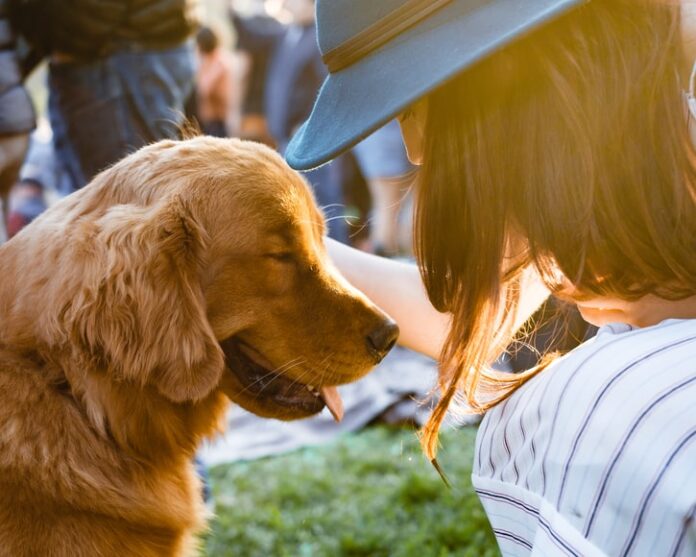
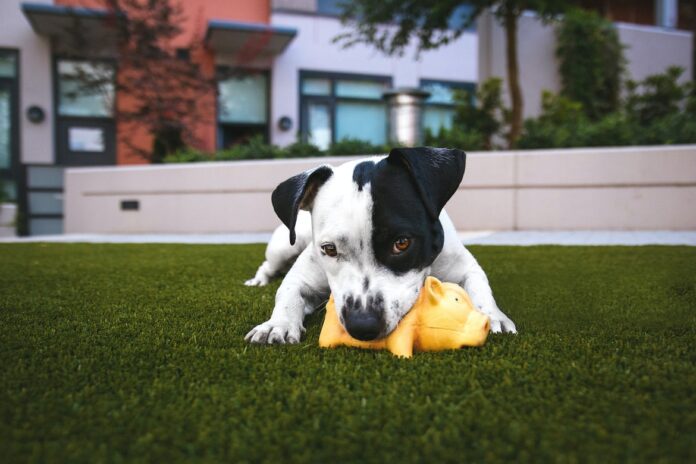
 It is very important that bones are fed raw, this minimizes the risk of bone splintering and causing health problems such as choking or a puncture in the digestion tract. It is also very important to get the right-sized bone. Bones that are too small can pose a higher risk of choking if not chewed correctly.
Bones that are too big can pose some serious problems for your dog whilst trying to gobble it down. For more information, you can contact your veterinarian for more advice on what sized bones you should be giving your dog.
It is very important that bones are fed raw, this minimizes the risk of bone splintering and causing health problems such as choking or a puncture in the digestion tract. It is also very important to get the right-sized bone. Bones that are too small can pose a higher risk of choking if not chewed correctly.
Bones that are too big can pose some serious problems for your dog whilst trying to gobble it down. For more information, you can contact your veterinarian for more advice on what sized bones you should be giving your dog.
 Yes it will take up more time than your standard dry food, but if you are smart with it and pre-make every meal and stick it in the freezer all you need to do is take it out of the freezer in the morning and evening ready for the next meal. Defrosting is not essential but depending on your dog it could be a good idea. For example senior dogs, or dogs with dental issues.
There are many things you can do to benefit your wallet whilst feeding the raw diet, including, buying meat in bulk, as said above pre-make all the meals beforehand using zip lock bags to avoid any waste, keep an eye out for any promotions on meat at your supermarket.
This might include meat that has 1 day left on the SELL BY DATE, not USE BY DATE. The sell-by date is only the date the supermarket is allowed to sell it till, it will still be good for human use, therefore good enough for your four-legged friend.
Yes it will take up more time than your standard dry food, but if you are smart with it and pre-make every meal and stick it in the freezer all you need to do is take it out of the freezer in the morning and evening ready for the next meal. Defrosting is not essential but depending on your dog it could be a good idea. For example senior dogs, or dogs with dental issues.
There are many things you can do to benefit your wallet whilst feeding the raw diet, including, buying meat in bulk, as said above pre-make all the meals beforehand using zip lock bags to avoid any waste, keep an eye out for any promotions on meat at your supermarket.
This might include meat that has 1 day left on the SELL BY DATE, not USE BY DATE. The sell-by date is only the date the supermarket is allowed to sell it till, it will still be good for human use, therefore good enough for your four-legged friend.
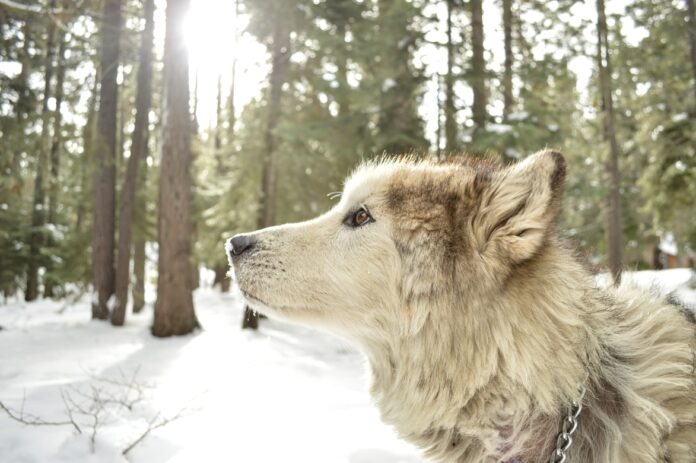
 Dogs digest meat in an acid bath in their stomach. Stomach acid is very very strong, so strong that bacteria cannot survive it, providing your dog and their digestive system is healthy. Dogs can pass bacteria through their feces, this is very true.
Sometimes you may not even notice a change in your dog’s behavior, yet his body has passed a bacteria that would have most of us in an awful state. This proves how hardy their systems are and teaches us a very important lesson. If you are hygienic and wash your hands after being in contact with poop, you shouldn’t contract anything which is passed.
There have also been many cases of Salmonella from kibble-fed dogs, so the problem cannot be pointed directly at raw-fed diets.
Dogs digest meat in an acid bath in their stomach. Stomach acid is very very strong, so strong that bacteria cannot survive it, providing your dog and their digestive system is healthy. Dogs can pass bacteria through their feces, this is very true.
Sometimes you may not even notice a change in your dog’s behavior, yet his body has passed a bacteria that would have most of us in an awful state. This proves how hardy their systems are and teaches us a very important lesson. If you are hygienic and wash your hands after being in contact with poop, you shouldn’t contract anything which is passed.
There have also been many cases of Salmonella from kibble-fed dogs, so the problem cannot be pointed directly at raw-fed diets.
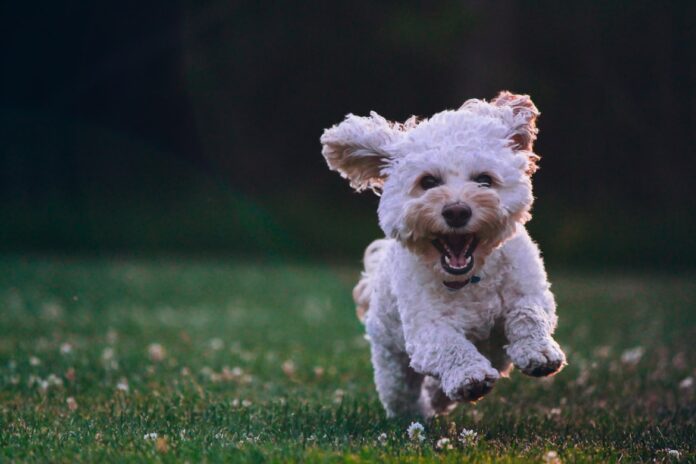



 As a responsible and reliable pet owner, you should know that the key to your pet’s health and increased life expectancy is, among other important things, a proper diet that will provide your dog with all essential nutrients.
If you’d like to know more about what your dog is really getting from a raw food diet, we have a great article detailing the benefits your dog can receive from having a
As a responsible and reliable pet owner, you should know that the key to your pet’s health and increased life expectancy is, among other important things, a proper diet that will provide your dog with all essential nutrients.
If you’d like to know more about what your dog is really getting from a raw food diet, we have a great article detailing the benefits your dog can receive from having a 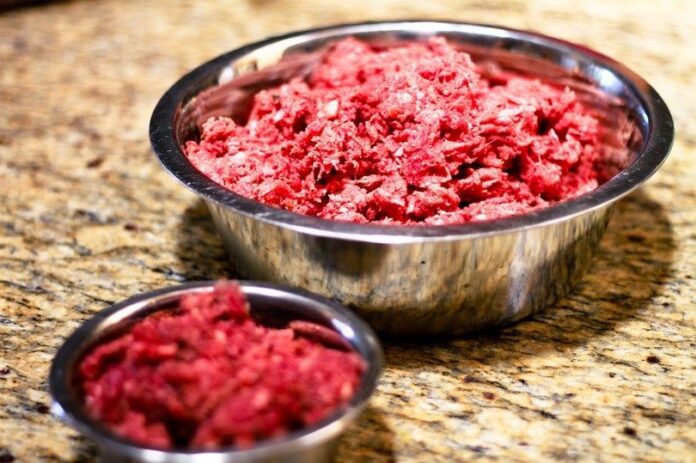 If you are switching your dog to a raw diet, then you should do it gently, by starting off with one kind of raw meat and getting the dog used to it before introducing a new type of meat. You can start off with chicken since it is affordable and easy to obtain. Cut the proper size that includes the meat and bones and feed your dog for a day or two.
It is important to monitor the stool – if it is okay, then feel free to continue with this diet for two to three weeks before introducing a new type of raw meat. If there is anything wrong with the stool, it is better to pause and wait.
If you are switching your dog to a raw diet, then you should do it gently, by starting off with one kind of raw meat and getting the dog used to it before introducing a new type of meat. You can start off with chicken since it is affordable and easy to obtain. Cut the proper size that includes the meat and bones and feed your dog for a day or two.
It is important to monitor the stool – if it is okay, then feel free to continue with this diet for two to three weeks before introducing a new type of raw meat. If there is anything wrong with the stool, it is better to pause and wait.
 You can take a look at this outline or guide for feeding your puppy. Do not forget that smaller breeds can have one to two meals per day, while bigger puppies can have two to three meals per day. It all depends on your dog’s size, and you should measure the meals according to it.
It is also best not to subject your puppy to long walks as they can result in joint problems. You can just play with the puppy, which will keep it both entertained and fit.
A weekly feeding schedule can consist of breakfast, lunch, and dinner, and you can feed your puppy with appropriate portions of chicken breast for example. Before you decide to switch to a new type of meat, feed your puppy a smaller portion of it and check the stools to see whether there are any changes.
You can take a look at this outline or guide for feeding your puppy. Do not forget that smaller breeds can have one to two meals per day, while bigger puppies can have two to three meals per day. It all depends on your dog’s size, and you should measure the meals according to it.
It is also best not to subject your puppy to long walks as they can result in joint problems. You can just play with the puppy, which will keep it both entertained and fit.
A weekly feeding schedule can consist of breakfast, lunch, and dinner, and you can feed your puppy with appropriate portions of chicken breast for example. Before you decide to switch to a new type of meat, feed your puppy a smaller portion of it and check the stools to see whether there are any changes.
 Firstly, prepare a huge bowl that will be used for mixing the ingredients. After that, put in it one kilo of ground beef, four kilos of chicken mice, 200 to 300 g of other organ meat (chicken feet, liver, kidneys, lungs, brains), and mix it all well.
The next step is to put a broccoli piece, a cauliflower, three whole eggs, five spoons of yogurt, and a bit of water into a blender and blend it all up until you get a nice soft mixture. Add that mixture to the bowl and mix everything properly.
You can also add a bit of salmon or coconut oil, as a vitamin boost, and now you are ready for packing.
Take a kitchen scale, storage bags, and a spoon. According to your dog’s weight, activities, and lifestyle in general, as we have already said, you should put the approximate portion in a storage bag and freeze it until it is ready to be served. If you divide the food into portions of 500 g each, in that case you should have 10 to 15 meals for your dog.
Raw dog food recipes should be an outline for a menu plan, which you should introduce after doing enough research and after monitoring your dog’s behavior and stool. If you notice that your dog rejects one type of meat, for example, beef, you can try out another type of meat and then return to beef once your dog accepts raw meat completely.
Firstly, prepare a huge bowl that will be used for mixing the ingredients. After that, put in it one kilo of ground beef, four kilos of chicken mice, 200 to 300 g of other organ meat (chicken feet, liver, kidneys, lungs, brains), and mix it all well.
The next step is to put a broccoli piece, a cauliflower, three whole eggs, five spoons of yogurt, and a bit of water into a blender and blend it all up until you get a nice soft mixture. Add that mixture to the bowl and mix everything properly.
You can also add a bit of salmon or coconut oil, as a vitamin boost, and now you are ready for packing.
Take a kitchen scale, storage bags, and a spoon. According to your dog’s weight, activities, and lifestyle in general, as we have already said, you should put the approximate portion in a storage bag and freeze it until it is ready to be served. If you divide the food into portions of 500 g each, in that case you should have 10 to 15 meals for your dog.
Raw dog food recipes should be an outline for a menu plan, which you should introduce after doing enough research and after monitoring your dog’s behavior and stool. If you notice that your dog rejects one type of meat, for example, beef, you can try out another type of meat and then return to beef once your dog accepts raw meat completely.
 Some of the simplest raw dog food recipes can be extremely delicious, and you can use them for special occasions when you want to treat your beloved pet and reward it for being good and smart. Remember that they are called treats and that means they should not replace the full meals. You can prepare them beforehand and freeze them for the later use.
Prepare a bigger bowl for mixing the ingredients. Put 300 g of ground beef in it and add one egg. Take two spoons of yoghurt, ½ teaspoon of alfalfa powder, ½ teaspoon of apple cider vinegar and 250 mgs of crushed vitamin C for dogs. You can also add a bit of water if you think the mixture is not soft enough. Mix all the ingredients together in a bowl and then take the storage bags of average size.
Take a small portion of the mixture in your hand and roll it between your palms until you form a meatball. You can put one or more meatballs in a storage bag, depending on the size you have chosen. After that you can treat your dog and put the rest in the freezer. You can also change the type of meat as you wish – use chicken, fish or anything else you find good.
Some of the simplest raw dog food recipes can be extremely delicious, and you can use them for special occasions when you want to treat your beloved pet and reward it for being good and smart. Remember that they are called treats and that means they should not replace the full meals. You can prepare them beforehand and freeze them for the later use.
Prepare a bigger bowl for mixing the ingredients. Put 300 g of ground beef in it and add one egg. Take two spoons of yoghurt, ½ teaspoon of alfalfa powder, ½ teaspoon of apple cider vinegar and 250 mgs of crushed vitamin C for dogs. You can also add a bit of water if you think the mixture is not soft enough. Mix all the ingredients together in a bowl and then take the storage bags of average size.
Take a small portion of the mixture in your hand and roll it between your palms until you form a meatball. You can put one or more meatballs in a storage bag, depending on the size you have chosen. After that you can treat your dog and put the rest in the freezer. You can also change the type of meat as you wish – use chicken, fish or anything else you find good.
 Do not forget that it is not safe to keep raw meat in a fridge for a long time, but you can always freeze it and keep it in the freezer for days or weeks.
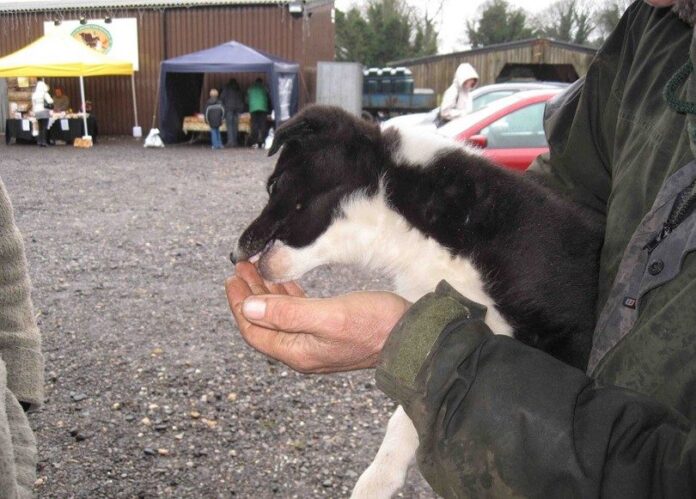 Having in mind that it is in dogs’ nature to search for raw food and that their digestive systems have not adapted to all the commercial dog food which is filled with grains and preservatives, it seems that raw dog food is one of the best possible options out there.
This article offered the recipes for puppies, treats and simple meals for adult dogs on a weekly basis. Choose wisely and do not forget that your dog’s health depends on the choices that you make.
Having in mind that it is in dogs’ nature to search for raw food and that their digestive systems have not adapted to all the commercial dog food which is filled with grains and preservatives, it seems that raw dog food is one of the best possible options out there.
This article offered the recipes for puppies, treats and simple meals for adult dogs on a weekly basis. Choose wisely and do not forget that your dog’s health depends on the choices that you make.

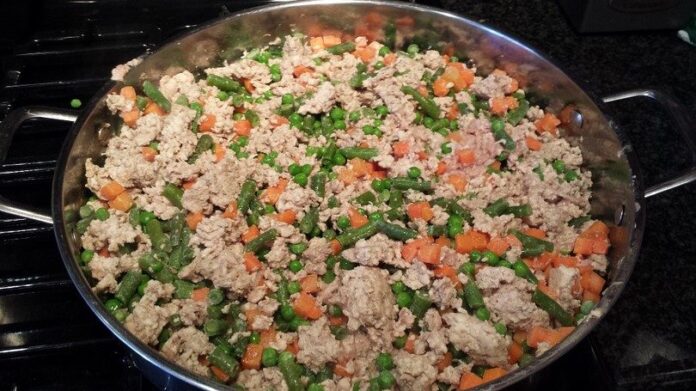 If this is a concern to you, you are not alone. Many dog parents over the recent years have turned back to feeding their dog
 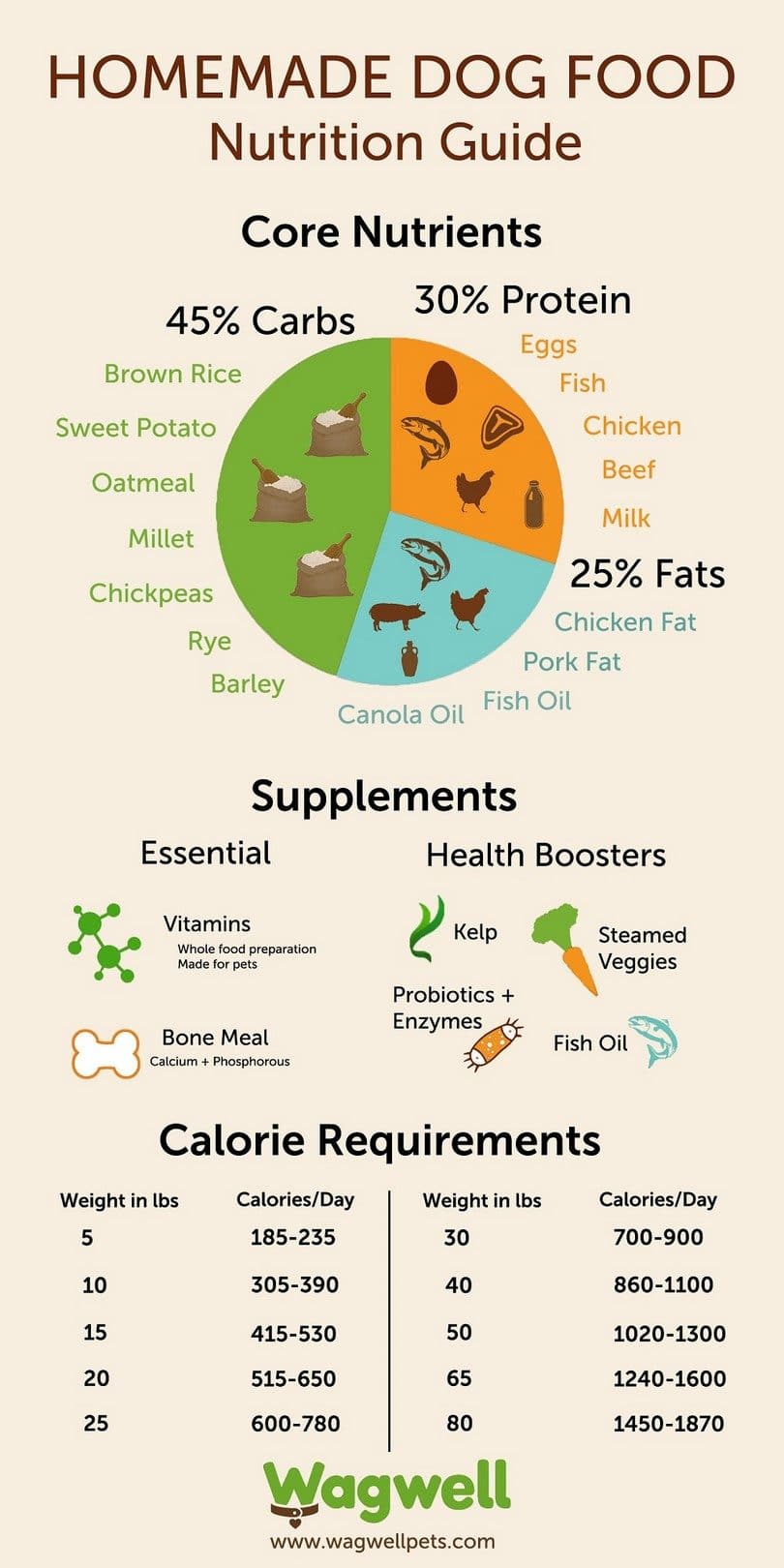 We, humans, turn to vegetables to get all of our proper vitamins and minerals and this works great for your dog too, but always cook the vegetables you serve your dog! A dog’s body cannot properly break down raw vegetables, wild dogs are known to get their vitamins and minerals by eating dung from rabbits or other herbivores.
This is because the vegetables in the dung have already been broken down once. By cooking and even pureeing the vegetables you are simulating the pre-digestive stage, making it easier for your dog’s system to handle these much-needed veggies.
Water is also essential to your dog – just as much as it is for you. I cannot express enough that your dog should have access to clean drinking water at all times. Whether you are out on a long walk, playing in the yard or lounging around the house, there needs to be a bowl of clean water available to your pet. They can suffer dehydration just as easily as we can if water is not available!
We, humans, turn to vegetables to get all of our proper vitamins and minerals and this works great for your dog too, but always cook the vegetables you serve your dog! A dog’s body cannot properly break down raw vegetables, wild dogs are known to get their vitamins and minerals by eating dung from rabbits or other herbivores.
This is because the vegetables in the dung have already been broken down once. By cooking and even pureeing the vegetables you are simulating the pre-digestive stage, making it easier for your dog’s system to handle these much-needed veggies.
Water is also essential to your dog – just as much as it is for you. I cannot express enough that your dog should have access to clean drinking water at all times. Whether you are out on a long walk, playing in the yard or lounging around the house, there needs to be a bowl of clean water available to your pet. They can suffer dehydration just as easily as we can if water is not available!
 Dogs who eat a homemade diet containing all the proper vitamins and minerals are likely to live fuller, healthier and potentially longer lives. A dog suffering from a vitamin deficiency is likely to be sick often, and you never want to be victim of a pet food recall! The only way to 100% avoid getting a tainted batch of food is to know exactly what you are feeding your precious pet.
Another great reason is that your dog is really going to love their food. Think about it, how many of your friends make their dogs food? Your dog will be one loved, possibly a little spoiled, but definitely well taken care of canine! People who make dog food at home tend to report that they feel closer to their dog than they did before. Cooking for your dog and watching their excitement knowing this time it’s their food in the oven is simply a great feeling!
So basically, the best benefits of making your own dog food are:
Dogs who eat a homemade diet containing all the proper vitamins and minerals are likely to live fuller, healthier and potentially longer lives. A dog suffering from a vitamin deficiency is likely to be sick often, and you never want to be victim of a pet food recall! The only way to 100% avoid getting a tainted batch of food is to know exactly what you are feeding your precious pet.
Another great reason is that your dog is really going to love their food. Think about it, how many of your friends make their dogs food? Your dog will be one loved, possibly a little spoiled, but definitely well taken care of canine! People who make dog food at home tend to report that they feel closer to their dog than they did before. Cooking for your dog and watching their excitement knowing this time it’s their food in the oven is simply a great feeling!
So basically, the best benefits of making your own dog food are:
 There are thousands of ways to make your own dog food. These are two recipes that I believe even a beginner could handle as a way to start your dog on a better path. You will want to eventually expand your dog’s menu – after all, how would you feel about chicken and gravy for every meal?
Offering your dog a variety of food not only keeps him happy, but it also gives you opportunities to use less supplements if foods are made in the right combinations.
As for those recipes, let’s start off with the cooked recipe.
There are thousands of ways to make your own dog food. These are two recipes that I believe even a beginner could handle as a way to start your dog on a better path. You will want to eventually expand your dog’s menu – after all, how would you feel about chicken and gravy for every meal?
Offering your dog a variety of food not only keeps him happy, but it also gives you opportunities to use less supplements if foods are made in the right combinations.
As for those recipes, let’s start off with the cooked recipe.
 That recipe is one of the easiest cooked meat recipes I have found. You can add veggies to this meal as well as long as the veggies are cooked to mush. Now for those of you who are interested in feeding your dog an all-natural raw homemade dog food, here’s an easy recipe for dog food.
 I honestly, would try a few different types of recipes and see which one your dog responds to best. You can find plenty of recipes to try in our article on the
 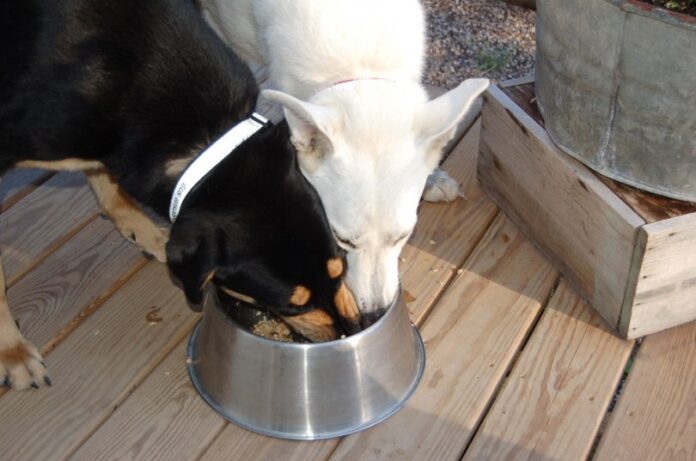 We could sit here and review all the reasons you should make your own dog food for days. The main point is, that you care about your dog and you want the best for him or her. If that sounds familiar then you should consider switching from store-bought food to a home-cooked diet.
Your dog will thank you and all the benefits will show. Dogs with a properly balanced diet have more of a natural shine to their coats, less fur loss due to aging, and generally do not suffer from allergies.
In some cases, you may have picked a home-cooked diet because your dog currently suffers from a food allergy. If this is the case, the best way to keep your dog happy and healthy is to create a dish that is free of offending food. If this food is one of the major sources of vitamins, minerals, fats, or proteins then you will need to be sure you replace it with the proper supplement.
No matter what your situation is, there is a recipe out there that fits your dog’s needs. Whether he is allergic to chicken, doesn’t like raw meat, or simply mows down everything in sight, there is homemade dog food that your furry friend will absolutely love. When you switch to a homemade dog food diet, consider a checkup with your vet after a few months to ensure your dog is getting all the needed nutrients.
Now that you’ve got a better idea of how to make your own dog food and the benefits a home-cooked meal has for both your dog and you, it’s time to stop web surfing and get in the kitchen, cooking! After you make your first few meals and see how much your dog loves it, you won’t ever want to buy him commercial-grade dog food again!
We could sit here and review all the reasons you should make your own dog food for days. The main point is, that you care about your dog and you want the best for him or her. If that sounds familiar then you should consider switching from store-bought food to a home-cooked diet.
Your dog will thank you and all the benefits will show. Dogs with a properly balanced diet have more of a natural shine to their coats, less fur loss due to aging, and generally do not suffer from allergies.
In some cases, you may have picked a home-cooked diet because your dog currently suffers from a food allergy. If this is the case, the best way to keep your dog happy and healthy is to create a dish that is free of offending food. If this food is one of the major sources of vitamins, minerals, fats, or proteins then you will need to be sure you replace it with the proper supplement.
No matter what your situation is, there is a recipe out there that fits your dog’s needs. Whether he is allergic to chicken, doesn’t like raw meat, or simply mows down everything in sight, there is homemade dog food that your furry friend will absolutely love. When you switch to a homemade dog food diet, consider a checkup with your vet after a few months to ensure your dog is getting all the needed nutrients.
Now that you’ve got a better idea of how to make your own dog food and the benefits a home-cooked meal has for both your dog and you, it’s time to stop web surfing and get in the kitchen, cooking! After you make your first few meals and see how much your dog loves it, you won’t ever want to buy him commercial-grade dog food again!

 This breed, also known as the Danish Hound or German Mastiff, was originally bred to be used for hunting and as guard dogs. Although their size is intimidating, Great Dane is known for its friendly and loving nature, thus the famous nickname — gentle giant.
However, this breed is independent and requires a strong leader in order to be obedient. Socialization must start as early as possible and include meeting numbers of all kinds of people and animals.
If not properly trained and socialized, the gentle giant my turn into a ravaging beast that has one of the strongest bites among dogs, which is estimated to be around 600 pounds! In February this year, 2 Great Danes were shot to death by the police after they attacked one smaller dog in their neighbor’s backyard.
This breed, also known as the Danish Hound or German Mastiff, was originally bred to be used for hunting and as guard dogs. Although their size is intimidating, Great Dane is known for its friendly and loving nature, thus the famous nickname — gentle giant.
However, this breed is independent and requires a strong leader in order to be obedient. Socialization must start as early as possible and include meeting numbers of all kinds of people and animals.
If not properly trained and socialized, the gentle giant my turn into a ravaging beast that has one of the strongest bites among dogs, which is estimated to be around 600 pounds! In February this year, 2 Great Danes were shot to death by the police after they attacked one smaller dog in their neighbor’s backyard.
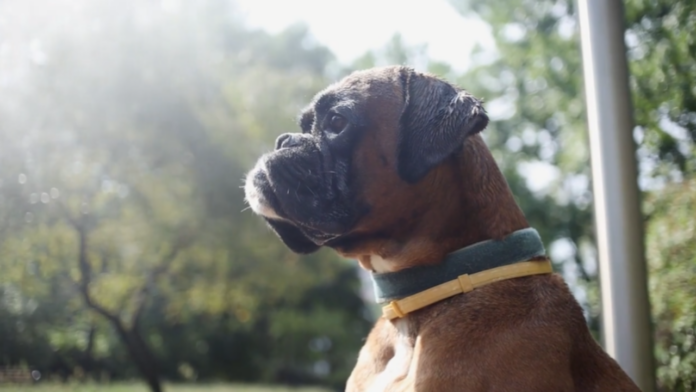 The thing that put them to this list is their protective attitude towards their family and distrustfulness toward strangers. If you are unknown to the dog, you are not welcome to its territory and near the family.
Boxers also got a reputation of being headstrong, but this is only the result of poor obedience training from the owner. Although they are medium-sized, they are known to be fearless and brave and it is definitely not easy to intimidate a boxer.
The last reported fatality caused by a boxer in the U.S. occurred in the late 2013 in Arizona, when the dog killed its owner who was trying to break it up from a fight with another dog.
The thing that put them to this list is their protective attitude towards their family and distrustfulness toward strangers. If you are unknown to the dog, you are not welcome to its territory and near the family.
Boxers also got a reputation of being headstrong, but this is only the result of poor obedience training from the owner. Although they are medium-sized, they are known to be fearless and brave and it is definitely not easy to intimidate a boxer.
The last reported fatality caused by a boxer in the U.S. occurred in the late 2013 in Arizona, when the dog killed its owner who was trying to break it up from a fight with another dog.
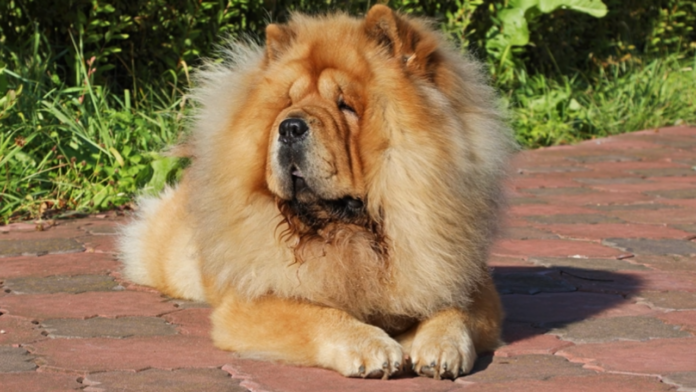 Fierce and brave when it comes to protecting their territory and owners, chow chow’s show very little, if any, trust to strangers. According to a study published in the Journal of the American Veterinary Medical Association, Chow Chows were responsible for eight deaths from 1979 to 1998. The last reported case of a Chow’s attack was in August 2014 when a dog bit a woman and a boy within only 5 days, after which the dog was finally euthanized.
But don’t retreat from this breed just because of this story; there are other wonderful traits that make this breed lovable, and you can read them here in this article about
Fierce and brave when it comes to protecting their territory and owners, chow chow’s show very little, if any, trust to strangers. According to a study published in the Journal of the American Veterinary Medical Association, Chow Chows were responsible for eight deaths from 1979 to 1998. The last reported case of a Chow’s attack was in August 2014 when a dog bit a woman and a boy within only 5 days, after which the dog was finally euthanized.
But don’t retreat from this breed just because of this story; there are other wonderful traits that make this breed lovable, and you can read them here in this article about  National Geographic Channel television measured their bite to be 238 pounds, which is more than pit bull’s jaw strength. According to a research done in 1995, German Shepherds were responsible for more than
 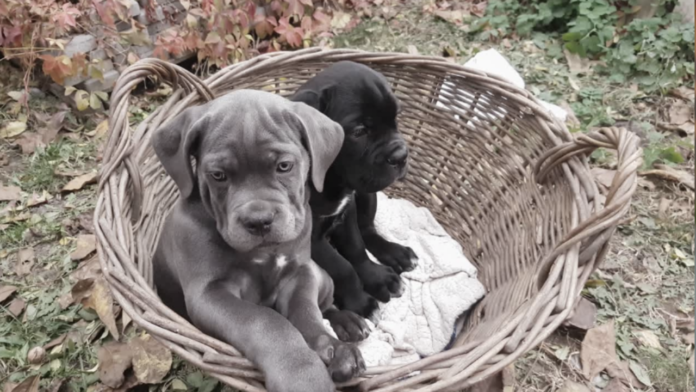 However, they are only recommended for experienced dog owners as they need to be socialized from their earliest days and
  When it comes to temperament, huskies are not aggressive by nature; they make a great family pet and love to feel belonging to a pack. Properly socialized and taught their place in hierarchy, husky should not be a problematic pet. Their strong hunting instinct makes them dangerous to cats and other small animals, and they are also capable of hurting people.
Exercise is essential for this dog as it is very energetic, 15 minute obedience training a day, and a long run will make the dog happy and calm, otherwise, their excess energy may turn into a destructive driving force. Siberian Huskies caused 15 fatalities in the U.S. from 1979 to 1998.
This hasn’t stopped people from shying away from them, however, and that’s because there are plenty of wonderful qualities to this breed that you can read about more in
When it comes to temperament, huskies are not aggressive by nature; they make a great family pet and love to feel belonging to a pack. Properly socialized and taught their place in hierarchy, husky should not be a problematic pet. Their strong hunting instinct makes them dangerous to cats and other small animals, and they are also capable of hurting people.
Exercise is essential for this dog as it is very energetic, 15 minute obedience training a day, and a long run will make the dog happy and calm, otherwise, their excess energy may turn into a destructive driving force. Siberian Huskies caused 15 fatalities in the U.S. from 1979 to 1998.
This hasn’t stopped people from shying away from them, however, and that’s because there are plenty of wonderful qualities to this breed that you can read about more in 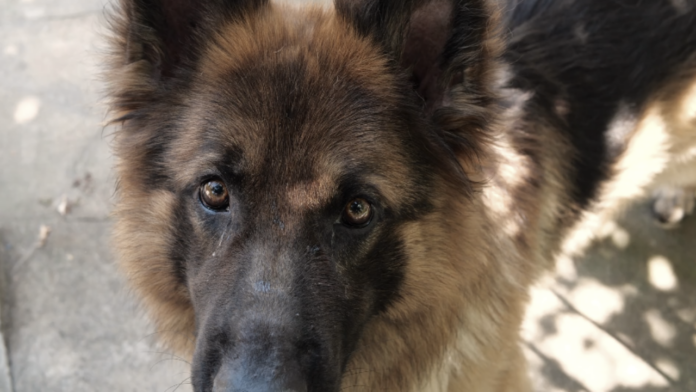 They are large sized, strong boned and muscular, with a thick coat and a huge head, they make an intimidating appearance to anyone. This breed was perfected to guard sheep herds, kill wolves (!) and hunt bears (!!!), which is reason enough to be mentioned in this list.
Their temperament is problematic as they disobey orders and can be insolent. On a task to protect, they will be aggressive towards any unknown visitor, whether it is an animal or human being. These dogs require a true Alpha, an owner with strong leadership abilities and spirit in order to be loyal and obedient.
They are large sized, strong boned and muscular, with a thick coat and a huge head, they make an intimidating appearance to anyone. This breed was perfected to guard sheep herds, kill wolves (!) and hunt bears (!!!), which is reason enough to be mentioned in this list.
Their temperament is problematic as they disobey orders and can be insolent. On a task to protect, they will be aggressive towards any unknown visitor, whether it is an animal or human being. These dogs require a true Alpha, an owner with strong leadership abilities and spirit in order to be loyal and obedient.
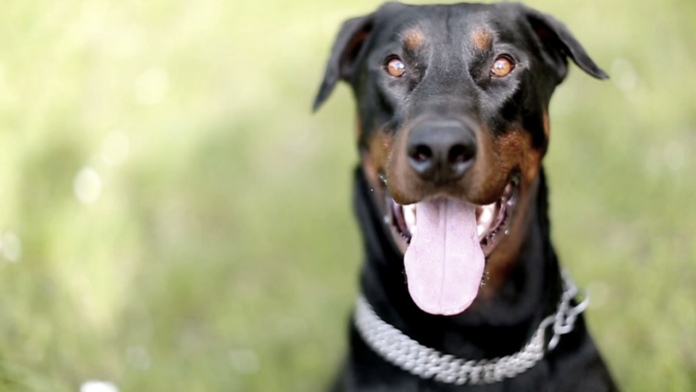 According to the Report of Dog attack deaths and maimings, U.S. & Canada, September 1982 to December 26, 2011, by Merritt Clifton, Animal People from December 2011, Dobermans were responsible for 15 bodily harms (7 of which were to kids) and 7 deaths. Although disputed, their jaw strength is thought to be 600 pounds. Scary.
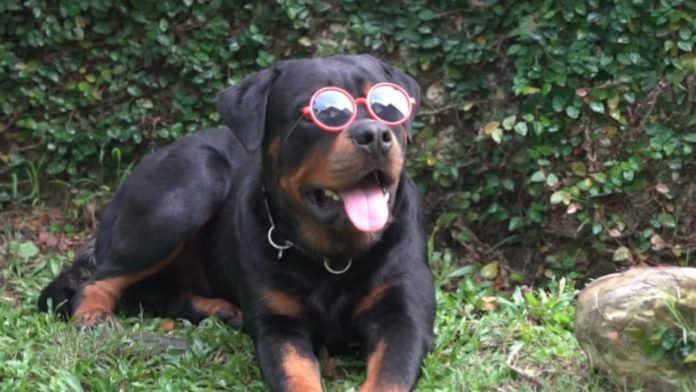 This breed was involved in more than half the death caused by a dog attack in period from 1993 to 1996. If a «Rott» is not properly socialized, it has a tendency to develop
 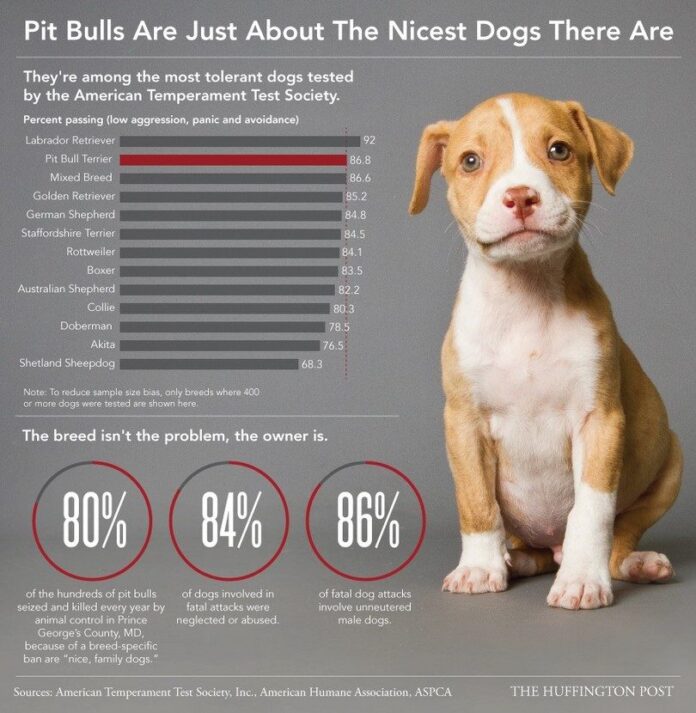 A study from 1991 found that 94% of the attacks on children by pit bulls were unprovoked, and only this year, pit bulls took two lives.
All of the dog breeds mentioned above, are owned by thousands of people and make a great pet. We can never blame a dog for doing something. The person or family that owns the dog should hold full responsibility for everything their pet has ever done.
Dogs are wonderful, majestic animals, but they require a leader who will put them on the right path. Early socialization and
A study from 1991 found that 94% of the attacks on children by pit bulls were unprovoked, and only this year, pit bulls took two lives.
All of the dog breeds mentioned above, are owned by thousands of people and make a great pet. We can never blame a dog for doing something. The person or family that owns the dog should hold full responsibility for everything their pet has ever done.
Dogs are wonderful, majestic animals, but they require a leader who will put them on the right path. Early socialization and 


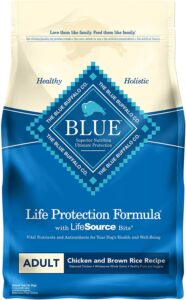 It is budget-friendly
  is a great choice for a dog with a sensitive stomach. This is delicious food with the highest quality ingredients.
This unique recipe is helpful for better digestion for your dog. It will also increase the energy and vitality level of your dog. To find a detailed description of this food, visit here.
is a great choice for a dog with a sensitive stomach. This is delicious food with the highest quality ingredients.
This unique recipe is helpful for better digestion for your dog. It will also increase the energy and vitality level of your dog. To find a detailed description of this food, visit here.
 is an amazing training
  For price-conscious shoppers “The Honest Kitchen Human Grade Dehydrated Organic Whole Grain Dog Food” is a great choice. It t is a hearty recipe for your picky dogs with quality ingredients.
This tasty food contains chicken, organic whole grain barley, and simple garden produce. This recipe is the perfect diet not only for picky puppies and adult dogs but also best for pregnant one. For details, explore this link.
For price-conscious shoppers “The Honest Kitchen Human Grade Dehydrated Organic Whole Grain Dog Food” is a great choice. It t is a hearty recipe for your picky dogs with quality ingredients.
This tasty food contains chicken, organic whole grain barley, and simple garden produce. This recipe is the perfect diet not only for picky puppies and adult dogs but also best for pregnant one. For details, explore this link.
 is an adult dog food for all types of dogs. This 100% organic food recipe for dogs is a little bit costly. This food is best for the pet with food sensitivities.
It includes only simple, limited ingredients with no grain or gluten. Being a raw natural whole food, it provides your pet with optimal digestibility. To know more about this food, have a look here.
is an adult dog food for all types of dogs. This 100% organic food recipe for dogs is a little bit costly. This food is best for the pet with food sensitivities.
It includes only simple, limited ingredients with no grain or gluten. Being a raw natural whole food, it provides your pet with optimal digestibility. To know more about this food, have a look here.
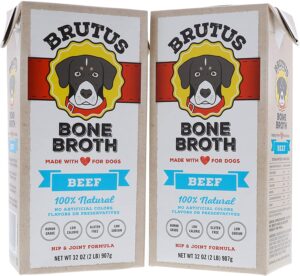 is loaded with natural nutrition having 100% human-grade ingredients. It is a great choice for all types of dog breeds from puppies to older ones. Fortified with powerful joint supplements, this is a natural powerhouse for your pets.
You can provide this recipe to your dog as a nutritious drink or snack or supplement to dry food. To know more effective qualities of this recipe, go through this link.
is loaded with natural nutrition having 100% human-grade ingredients. It is a great choice for all types of dog breeds from puppies to older ones. Fortified with powerful joint supplements, this is a natural powerhouse for your pets.
You can provide this recipe to your dog as a nutritious drink or snack or supplement to dry food. To know more effective qualities of this recipe, go through this link.
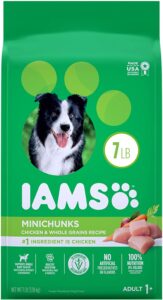 is veterinarian-recommended dog food. This recipe has a real farm-raised chicken with wholesome ingredients. There are no artificial flavors or preservation.
It is suitable for any breed and all ages of dogs. Being easily digestible, this high-protein diet will provide your dog with a strong immune system. Know more use of this recipe from here.
is veterinarian-recommended dog food. This recipe has a real farm-raised chicken with wholesome ingredients. There are no artificial flavors or preservation.
It is suitable for any breed and all ages of dogs. Being easily digestible, this high-protein diet will provide your dog with a strong immune system. Know more use of this recipe from here.
 is a smart choice for all life stages and all breed sizes. This peanut butter-flavored recipe is made with chicken and wholesome natural ingredients. It is a veterinarian-suggested food that is also a good treat for your dog.
This Rawhide free recipe is easy to digest and helps dogs to maintain healthy teeth. Know all the pros and cons of this food here.
is a smart choice for all life stages and all breed sizes. This peanut butter-flavored recipe is made with chicken and wholesome natural ingredients. It is a veterinarian-suggested food that is also a good treat for your dog.
This Rawhide free recipe is easy to digest and helps dogs to maintain healthy teeth. Know all the pros and cons of this food here.
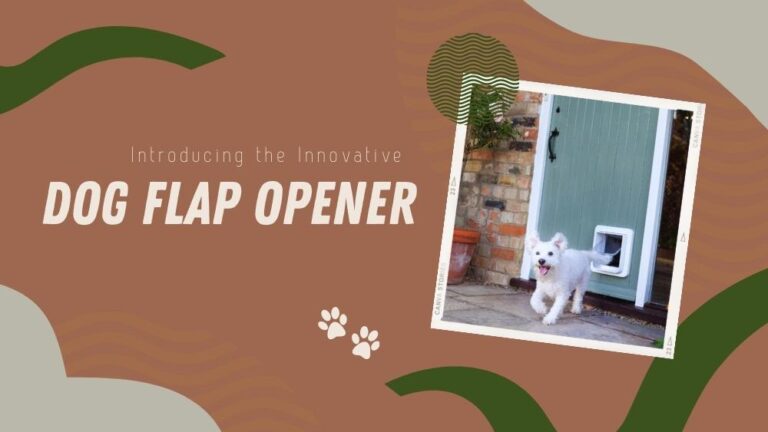
 Now what should you look for when trying to get a dog flap opener? We think the motor drive system, sensor technologies, and control systems are good features to watch out for. These are perhaps the most important to consider when choosing a dog flap opener for installation.
 When it comes to models that work with RFID chips or collars, the use of the dog flap is restricted to the dog alone. This offers more security and guarantees that only your dog uses the dog flap.
When they approach the door, the sensor is registered and the dog flap unlocks automatically.
However, your dog
When it comes to models that work with RFID chips or collars, the use of the dog flap is restricted to the dog alone. This offers more security and guarantees that only your dog uses the dog flap.
When they approach the door, the sensor is registered and the dog flap unlocks automatically.
However, your dog 
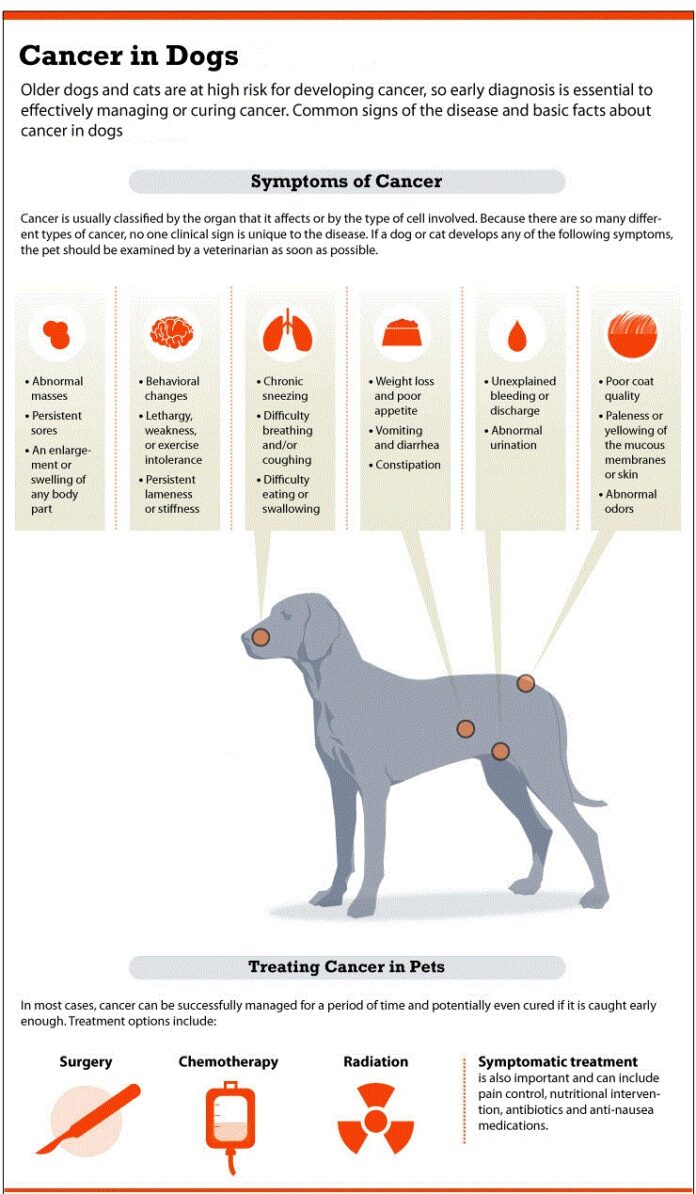 When a tumor occurs, the best solution is surgery. Though this sounds scary, it is mandatory to remove it in order to prevent it from spreading through the body. If it was not spotted on time, there are other additional treatments necessary, like radiation therapy, or even chemotherapy. Besides the fact that they are very powerful, they can also be pretty expensive. This is why it is better to know how to spot such a health problem.
If the dog receives the right treatment from the initial stage, it may even skip surgery. You can find out more about dog tumors and how they can affect the life of your pet in the following paragraphs.
When a tumor occurs, the best solution is surgery. Though this sounds scary, it is mandatory to remove it in order to prevent it from spreading through the body. If it was not spotted on time, there are other additional treatments necessary, like radiation therapy, or even chemotherapy. Besides the fact that they are very powerful, they can also be pretty expensive. This is why it is better to know how to spot such a health problem.
If the dog receives the right treatment from the initial stage, it may even skip surgery. You can find out more about dog tumors and how they can affect the life of your pet in the following paragraphs.
 In this case, the symptoms depend on the grade of the tumor, but also on where it is located. If they are at the skin level, you can notice redness or fluid build-ups that can be itchy. They tend to evolve pretty fast, so if you notice something that does not look like an injury it is highly advisable to go straight to the veterinarian.
It is also good to know that half of these tumors appear at the trunk level, while 40 percent on the legs and tail and only 10 percent at the neck and head level. Though it is yet unknown what causes this illness, it is important to receive treatment fast in order to prevent it to spread throughout the body.
In this case, the symptoms depend on the grade of the tumor, but also on where it is located. If they are at the skin level, you can notice redness or fluid build-ups that can be itchy. They tend to evolve pretty fast, so if you notice something that does not look like an injury it is highly advisable to go straight to the veterinarian.
It is also good to know that half of these tumors appear at the trunk level, while 40 percent on the legs and tail and only 10 percent at the neck and head level. Though it is yet unknown what causes this illness, it is important to receive treatment fast in order to prevent it to spread throughout the body.
 In order to establish a correct diagnosis it is important to analyze the symptoms, thus you need to think about how the dog reacted in the past weeks. The next step is to take some blood and urinal samples. They will indicate whether it is a
  With all this said, one kind of tumor you shouldn’t worry much about is lipoma; to learn more, you should definitely check out this article on
 If you’re really concerned about shedding issues,
  As a responsible owner, you already know that you shouldn’t wash your dog with your own shampoo or soap. You should purchase special shampoos and conditioners that are suitable for your dog’s skin and coat type.
Believe me, it’s not just marketing; it’s effective care that will help you forget about the unpleasant smell of your dog, dandruff, and excessive shedding.
As a responsible owner, you already know that you shouldn’t wash your dog with your own shampoo or soap. You should purchase special shampoos and conditioners that are suitable for your dog’s skin and coat type.
Believe me, it’s not just marketing; it’s effective care that will help you forget about the unpleasant smell of your dog, dandruff, and excessive shedding.
 A
A  If your pet is allowed to use the furniture, consider practical decor or special covers. The idea is that you can easily shake off fur from the decor or toss it in the washing machine at any moment.
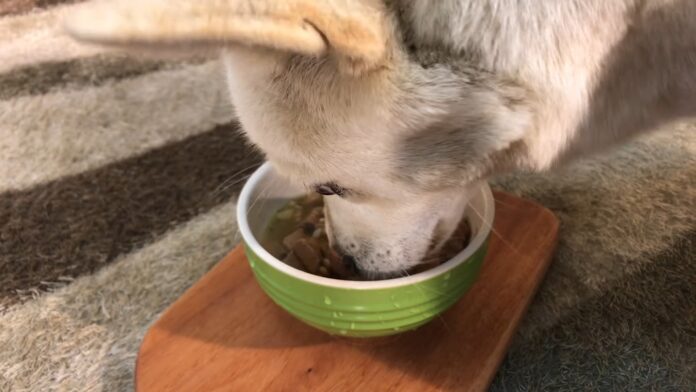 Your dog should have its
  The more toys your dog has, the better. However, to keep your dog interested in them, you should rotate them intelligently. For example, let your dog play with one
  Most importantly, visit the veterinarian not only when necessary but also for preventive check-ups. Ensure your dog has a proper diet and care regimen. Timely administer
 Other than love and care, dogs provide comfort and a lot of fun. If you certainly love dogs but you are still wondering about some of the best breeds for you, keep reading the article. This rundown of 15 best dog breeds will provide you with their basic needs, temperaments, care and other important information.
 These breeds have water-resistant fur easy to maintain and
  Siberian huskies are sturdy athletic breeds, trained to drag heavy stuff on ice and snow. At the same time, they are quite handsome regal-looking dogs with piercing eyes and very luxurious fur. Their good personality and laid-back attitude make them easy to care for. Most often they are shy, but once they meet you, they made a new lifelong friend.
Fabulously beautiful, and very closely resembling the wolf is a bonus when you’re taking them out for a walk and want to catch the eyes of the ladies.
Siberian huskies are sturdy athletic breeds, trained to drag heavy stuff on ice and snow. At the same time, they are quite handsome regal-looking dogs with piercing eyes and very luxurious fur. Their good personality and laid-back attitude make them easy to care for. Most often they are shy, but once they meet you, they made a new lifelong friend.
Fabulously beautiful, and very closely resembling the wolf is a bonus when you’re taking them out for a walk and want to catch the eyes of the ladies.
 It will be a big disaster if you keep them in small apartments in large crowded city.
 Even if you take one for protection, it is very important for the dog to be socialized. It may be a good idea to hire a
  Even though they are excellent guards, they are also very friendly, loyal and loving toward their families. If you are a single man enjoy staying at home, these not aggressive and low-maintenance dogs are impeccable choice for you. Like Vizslas, they need a bit of space to run out their energy.
 They can be good friend and funny entertainment for every single person.
 Even though they give a warm welcome to everyone with their wagging tail and curious nose, you should know that they also have a protective side. They are alert for some kind of dangers like geese, car horns, squirrels or mailman. Their fur requires constant maintenance because they have long hair and a tendency to shed. So if you take one, be prepared to vacuum your carpet every few days.
 You can make them a good guard and even better friend.
 In general, they are very well respected for their excellent performance. They are also very loyal and very good friends.
 Parson Russell Terrier has short hair and requires low maintenance, square torso, and longer legs. With their big personality in a small package, they can very quick become your partners in crime.
 Thanks to the loyal nature and attention to intruders in secluded areas, this breed is popular among those who enjoy camping and hiking. Even though they have territorial type of behavior, they will definitely guard all your personal stuff when you will not be around.
 Although, when it comes to training they can be little stubborn. Other than walking, they don’t require a lot of exercises, so if you are single men you can both sit home and watch the football match together.