Home Blog

Wolf Like Dog Breeds – Pursuing Your Canine’s Ancestral Heritage

Wolf Like Dog Breeds

Why do we love wolves? There are many reasons that could explain our mysterious love for these feral beasts, from their looks to their temperament, from the way in which they walk to the way in which they hunt, from how they stand tall above most other animals to what they stand for. Indeed this is not a short list by any stretch of the imagination, and it just keeps on writing itself, and with each passing day our love for these animals grows.

The vast majority of dog owners and dog lovers have fantasized about owning a wolf, as well as the way in which it would impact their lives, and some of these people actually stepped up and acquired an actual wolf.

Wolf Alike Dog Breeds

Either as a young pup or a domesticated adult, there are wolves that are running around people’s yards playing, howling at the moon and terrorizing the neighbors, but we don’t all have the internal fortitude and the nerves to take this step, so we can easily settle for the next best thing: wolf like dog breeds.

These are the dog breeds that strongly resemble wolves, and can easily be mistaken for one while in the wilderness; however they have the temperament, skills, affection, and loyalty that only a dog can bring to the table.

They share some common characteristics with their wolf ancestors, like very sharp senses (even for dog standards), increased intellect, an aggressive temperament and above all else a strange love for mischief.

Picking the Right Dog
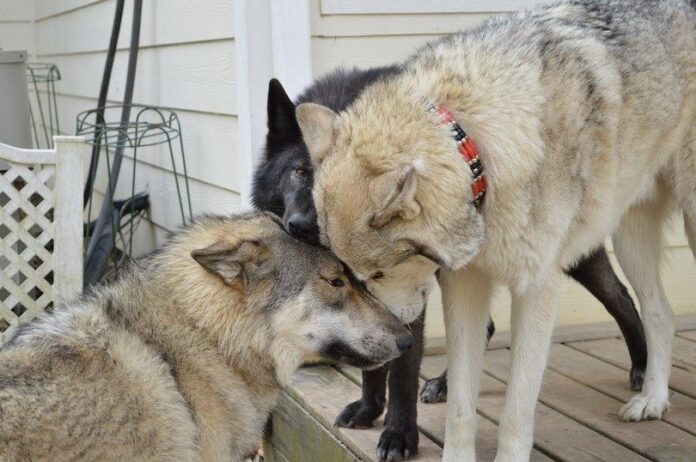
Wolf-like-dogs

This one is slightly trickier than simply selecting a dog off of a list. Wolf looking dog breeds are a lot more special than regular dog breeds, and when it comes down to picking the dog you want to own, at the same time it also comes down to the dog himself picking the master that he or she wants.

It’s easy to select the breed and picture the ultimate individual of that breed and desire it, and even though this works perfectly well for normal dog breeds, the dogs that resemble their feral cousins are a lot more pretentious.

First thing’s first, you will have to pick your favorite wolf. This is actually the simplest step, simply log on to your computer, surf the net looking at wolves and reading a bit about them, and in a couple of hours you will have a general idea of and about the wolf that you are looking for.

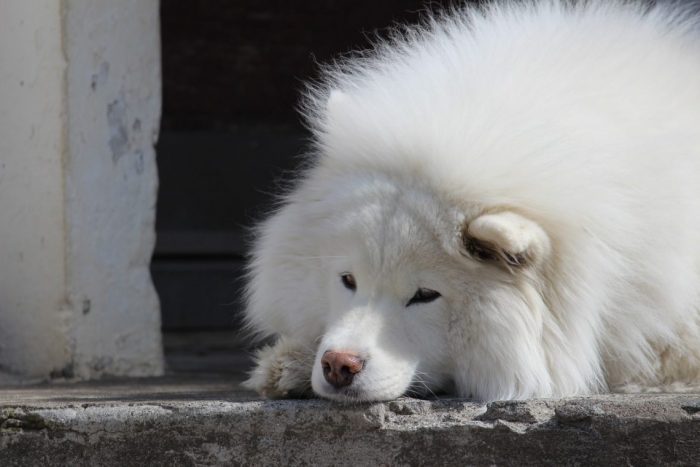
Second thing you will have to do is look for the dog breeds that match the descriptions of that wolf, the ones that comes the closest at least. As an example, for the white arctic wolf you can choose the Samoyed dog, which is a little fluffier and sports a slightly rounder nose.

Or for a more traditional approach, and for the people that fancy the timber or black wolf, the Tamaskan dog is the perfect choice, in either timber or black.

Last thing you have to do is acquire the dog. This is where the fun part begins because chances are you will not find them in pet stores, you will have to go to breeders. Once there, forget the mental image that you have created for yourself, you have already accepted the dog, now it is the dog’s turn to accept you.

Simply walk half way towards the puppy and wait, or call the puppy towards you. If the puppy comes and sits down next to you, or makes himself or herself comfortable around you, then that is the dog for you.

The reason behind this is the fact that these breeds have a lot of loyalty and love to give, these dogs will literally take a bullet for you without hesitation, and they will watch over you constantly while at the same time giving you all the love and affection they can give.

However they are also very smart and stubborn. These are the kind of dogs that you will literally fight with in a battle of wits and will. If they accept you as the master, the leader of the pack, from a young age they will see you as the leader of the pack by default throughout their lives.

Yes they will challenge you every now and again and you will put him or her in his or her place easily, but overall it will be a lot better, smoother and more pleasant if you chose a dog that chooses you as well over choosing a dog regardless of his or her say in this matter.

The Official Wolf Looking Dog Breeds

There are quite a few breeds out there that resemble the dog’s ancestor, the wolf. Due to the popularity of the wolf and its dominant presence in a respectable number of cultures, it’s no wonder that people tried to cross breed dogs in order to make them look like wolves, however roughly 11 of these breeds are recognized as being official dog breeds.

1. Saarloos Wolfhound

This is the result of breeding German shepherd males with brown wolf females, and it does not fall short. Indeed this dog looks remarkably like the wolf that it is supposed to portray, however it carries a little too much of its feral heritage.

This wolf hound is recommended for experienced dog owners that love a challenge because it is strong willed, dominant, and will challenge the owner constantly.

2. The German Shepherd

The German Shepherd is by far the most recognizable dog breed in to world, however it bears a lot of resemblance to wolves. The coat colors don’t help the dog in this regard, however the shape of the head, the body, the bone structure, the muscular layout, the extremely sharp senses and the strong will all point towards one thing, the wolf.

This breed is known throughout Eastern Europe as being “The Wolf Dog” because of its wolf like attitude. Gain more insight by reading our piece on this magnificent German Shepherd and see if it is the right dog for you.

3. The Utonagan

This is a breed that is recognized as being a wolf look-alike, without any actual wolves being involved in the creation of the breed. These dogs were and are still being bred in England, and they are a mix between the Alaskan Malamute, the Siberian Husky and the German Shepherd.

Unlike the rest of the wolf lookalikes, the Utonogan are a more laid back, relaxed, gentle, friendly, sociable, and all around great dogs to have. The only thing that drives us to think of wolves when it comes to the Utonagan is the coloring of the coat and the nose of the dog.

4. The Northern Inuit Dog

These dogs are a wolf lookalike breed however just like the Utonagan, no wolves were involved in the making of the breed. They have been developed in the UK and are still being bred to this day, and they have often been mistaken for real wolves when left to run about.

Despite its feral appearance, this dog is completely pacified. He is friendly, non-aggressive, and loves to play with people, however, it has a massive drawback. These dogs must be trained from an early age and the training never stops with them. This is due to their incredibly stubborn nature and strong personalities. These are determined dogs and they will challenge you every step of the way.

With proper and continuous training, these dogs will obey you, respect you and desire to work with you. To help you, here are some dog training methods to make your pet obey you.

5. The Canadian Eskimo Dog
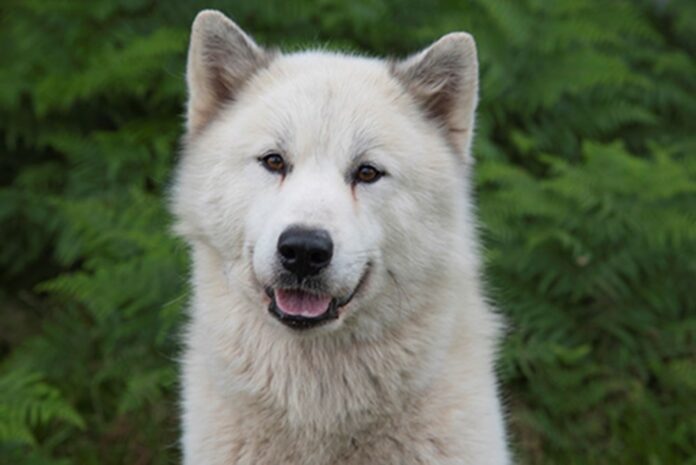
Canadian Eskimo Dog

Also known as the Canadian Huskies, or Canadian Inuit Dogs, the Canadian Eskimo Dog is a bigger, stronger, and fluffier version of the wolf. Indeed it has been recognized as being a wolf lookalike breed, however, at the same time, it has been declared an endangered breed because of infection and canine diseases.

This breed is extremely rare, only 300 were counted in 2008 and the numbers have been struggling to maintain themselves over the last few years. Other than that, they are very energetic, full of life and stamina, very strong, friendly towards humans, and always willing to work with their masters.

This breed is, however very problematic and aggressive when it comes to other dogs, especially the ones that are not in their pack. These dogs will not welcome another pet in the pack or household easily, they will become increasingly aggressive towards other dogs and will not miss a chance to get into a fight with other dogs.

They are also notorious for chewing things, digging, and mischievous behavior, but these things are balanced out by the fact that they are loyal, upbeat, and loving dogs.

6. The Tamaskan

When it comes to wolf lookalike breeds, this breed is a clear cut above the rest.

First off, it looks incredibly like the wolves that it portrays. Yes, wolves, as in more than one. The Tamaskan comes in 2 pelt colors, all black like the wild and vicious black wolf, or white and charcoal gray like the timber wolf.

This breed was created in Finland, and sadly it is not recognized by kennel clubs around the world because of its very low numbers, just a few over 400. These dogs are large, they are taller than a German Shepherd, larger than a husky, and stronger than them as well.

They are friendly, obedient, and loyal to the entire family and all its members. They are great with kids and other pets, however, they must be trained from an early age.

7. The Samoyed
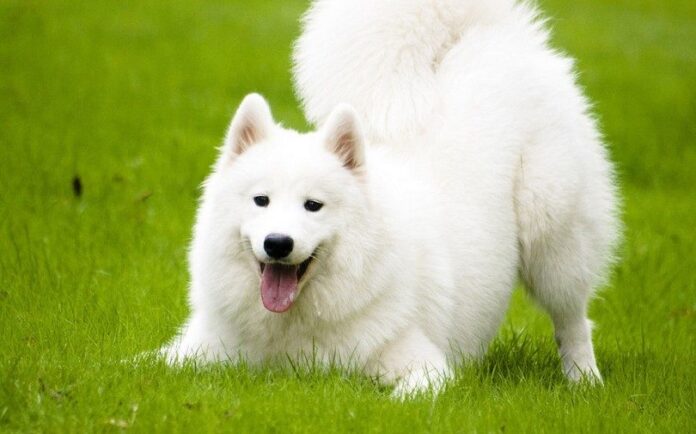
The Samoyed emulates a rarer and at the same time more prestigious wolf breed: the arctic white wolf. They were originally bred in Russia, in the Siberian Tundra to be more precise, and these fluffy dogs are indeed wolf lookalikes.

They are calm, devoted, eager to please and have fun with their masters, very pleasant, friendly, and loving. These dogs were initially bred to hunt, which is where their fixation of pleasing the master comes from.

One other thing that the Samoyed is notorious for, is sleeping on his master in order to keep him or her warm, and always wrapping himself around small kids in order to keep them warm as well. Here’s our comprehensive information on the Samoyed to help you get to know this wonderful animal.

8. Kugsha

The Kugsha is one of the wolf lookalike breeds that encompass all the traits that the wolf possesses and has everything down to a T. This is mostly due to the fact that the Kugsha is not exactly a dog but an actual wolf.

Indeed Kugshas has just recently been domesticated, earning the title of dog instead of a wolf, however, they managed to become loving, always willing to please their masters and intelligent dogs.

Unlike other wolf lookalikes and wolfhounds, the Kugsha tends to work with his master rather than against them. That being said, these are still highly intelligent and strong-willed dogs, and they will challenge their master if they find an opening for it.

These dogs currently exist only in the United States, and the only true drawbacks that they have is the fact that they shed heavily, and the fact that they cannot survive a warm climate.

9. Czechoslovakian Wolf Dog

Ironically, this was not initially designed to be a dog breed, but things have a weird way of turning out great for our 4 legged canine friends. These dogs were initially an experiment involving a German Shepherd and Carpathian wolves, and its aim was to try and obtain a dog breed that had the best of both worlds, the trainability, intelligence, temperament and mentality of the German Shepherd, while at the same time sporting the speed, strength, agility, stamina and relentlessness of the Carpathian wolf.

The experiment was declared successful, even though the results fell a little short of the target. Indeed this wolfhound has all the characteristics of a German Shepherd plus the positive characteristics of the Carpathian wolf, but at the same time, it possesses some of the basic negative instincts that the Carpathian wolf brought to the table.

Even though this dog will never bite without being provoked and without warning, it still has a tendency to growl like a wolf most of the time.

Another drawback is that, just like a wolf, this dog is very shy, especially towards new people. This shyness can lead to problems, especially if the person in question pursues the dog. The dog might feel cornered at one point, and it will start to growl and even bark at the person.

10. The Siberian Husky

We simply cannot have a list of wolf lookalike breeds without including the Husky.

This dog resembles a wolf in many different ways. It’s built like a wolf, it’s molded like a wolf, it’s as strong as a wolf, it’s as enduring as a wolf, but most importantly, it has the pack mentality of the wolf.

The Husky is a pack dog, born and bred to pull sleds along with other dogs across the Siberian tundra, and when the sled stops, the husky guards it from wolves. Huskies are beautiful and majestic dogs, and everything about them screams wolf, from their shape to their muscular build, to their strong backs and incredibly powerful legs.

There are a couple of drawbacks to owning a husky though. First off these dogs are smart but not in a funny pet way. No these dogs are intelligent dogs, and these dogs were bred for intense physical activity. Pulling sleds across the frozen wasteland is not exactly easy, which is why these dogs were bred and developed over the ages into the perfect pulling machines.

That being said, they are not the perfect dogs to keep around an apartment or a small house because they have a lot of energy and they tend to get bored really fast. When these dogs get bored they will do all that is in their power to have fun, at your expense.

Make no mistake about it, they will prank you and their mischievous nature will kick in strong, making them do the most hilarious things only to get their kicks from watching you get pranked time and time again.

11. The Alaskan Malamute

Every family has that one cousin, the one that does not quite fit in with everyone else but is generally a nice guy and laughs on occasions so he still gets invited to family dinners and events.

This is what the Alaskan Malamute is for this family of wolf lookalike breeds. The Alaskan Malamute is a distant cousin of the Husky. They both have the same temperament, they both are incredibly smart and very mischievous, they have the same pelt color and they were both bred to pull sleds across the frozen wastes, but this is where the similarities end because the malamute is a husky on steroids.

Indeed this dog is a lot taller, a lot larger, and a lot stronger than the husky, and wolves in general.

These dogs are loyal, loving, quiet, and eager to please their master, but the malamute is also strong willed, stubborn, has a strong personality, and requires a lot of training.

It is not recommended for people to have a malamute in an apartment because they require a lot of exercises and they are a lot more comfortable and a lot more at home in nature than in an apartment.

The malamute also sports a 2-inch thick coat that causes him or her to shed at an alarming rate when kept inside a warm apartment, so this dog is better suited in a colder environment, Alaska and Siberia being the 2 favorite locations of the Malamute.

Get to know this breed by reading our article on the amazing Alaskan Malamute.

Things to Look Out for When Dealing With These Breeds

There are some things that you should watch out for as the owner of wolf looking dog breeds. First off, there are a few health issues that might arise, especially in males, like sterility, dangerous stomach infections, and hip problems. Another thing to keep an eye on is the food that your dog ingests. Normal dog food usually does not cut it for these specimens, and special meals can be cooked with minimal effort, for a minimal cost, and in a very short time.

Exercise is a must for these dogs, their athletic bodies are there for a reason other than to be admired, and their muscular development is incredibly important. These dogs are extremely close to wolves and they must burn the fat and the energy as often as they can in order to prevent health problems later on and in order to keep them submissive and in a relatively calm state.

Human interaction is also crucial for these dogs because some of the breeds look incredibly similar to actual wolves, and as such people tend to be either frightened or aggressive towards them. With persistent social interaction, you will see not only the people begin to grow more relaxed around your dog, but more importantly, you will see your dog starting to grow more relaxed around other people and even come to expect weird reactions without acting out in self-defense.

Socializing your dog with other dogs is also important. These are pack dogs at their cores, and even though it will take a while for them to grow acceptance of other dogs, especially if they were not socialized while they were puppies, they will start to socialize with other dogs and they will grow less aggressive and less dangerous around other dogs. Check out our piece on how to teach your dog socialization skills to help you.

The wolf looking dog breeds are indeed a sight to behold. They are beautiful, athletic, devoted, loving, and hardworking dogs. Some of them have graced the silver screens, some of them are still being mistaken for wolves, and some are a bit more feral than usual.

We all love these breeds because they remind us of how beautiful they are as well as how smart, how loyal, and how devoted dogs can really be.

It does take a special kind of person to understand these breeds and help them reach their true potential, however, if you think you have what it takes, and you are both willing and able to change a few things around in order to accommodate such a dog, then, by all means, go for it.

Yorkshire Terrier – Small Sized Dog Breed

Yorkshire Terrier

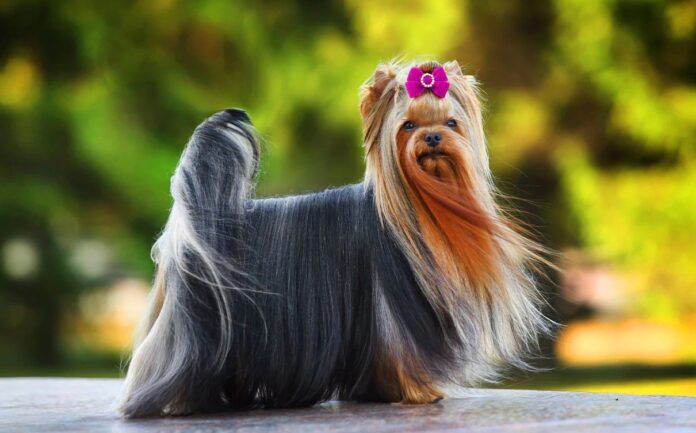
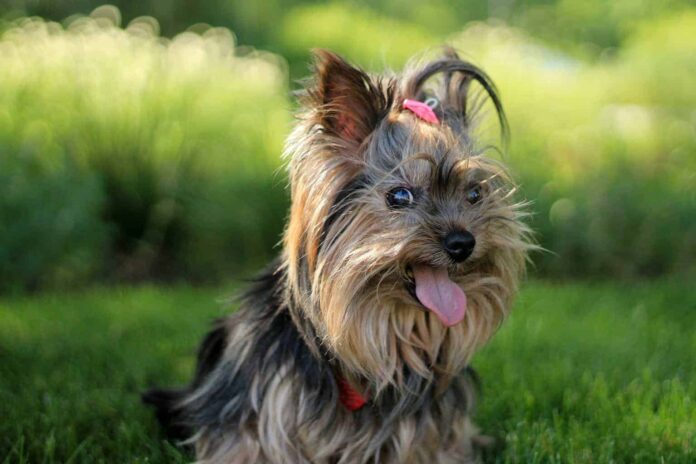
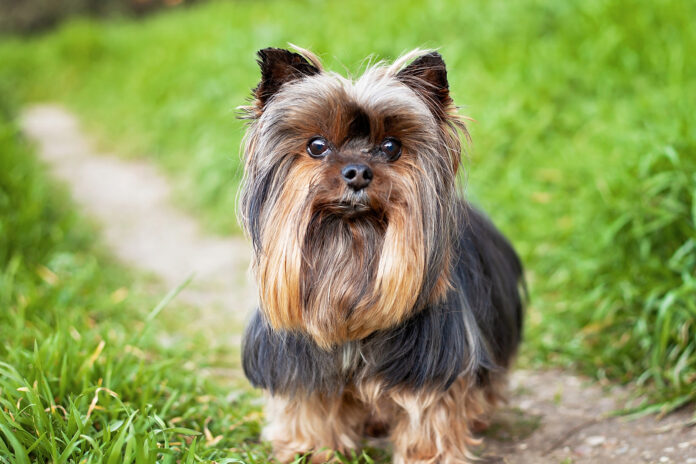
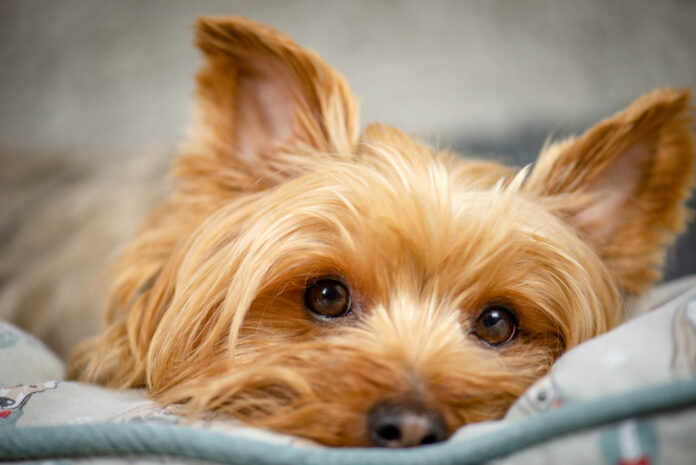
Although the Yorkshire Terrier is quite small in size, they make up for it with a large personality. They can be a feisty and very loving companion, and quickly became one of the most popular toy breeds in the United States.

He displays devotion to his owners and is very suitable for apartment living, so he can be taken just about anywhere.

Breed Characteristics:

Yorkshire Terrier


Dog Breed Group: Companion dogs
Height: Eight to nine inches at the shoulder
Weight: Four to six pounds
Life Span: 12 to 15 years


Also known as the Yorkie, the Yorkshire Terrier can seem quite standoffish and full of himself, and who wouldn’t blame him. He has a long silky coat and a perky hairstyle, and he knows how to carry all of it quite well.

He is considered one of the most glamorous dog breeds in the world, and definitely attracts attention wherever he goes. He does enjoy traveling in style, given his small size, so don’t be surprised when you see one being carried around in a purse.

They’re known for their long steel-blue and tan coats, and it is considered to be his crowning glory. However, it’s his personality that truly endears him to his family. He’s completely ignorant of his small size and is always on the lookout for adventure on the grandest of scales.

His mischievous nature can oftentimes get him into trouble if he isn’t being supervised. To put it more simply: the Yorkshire Terrier is a big dog trapped in a small dog body.

They are extremely affectionate towards anyone who shows them a modicum of attention. Although they are expected to be a companion dogs, they were bred to be a terrier, and that means being suspicious of strangers and barking at large sounds or intruders. Being mindful of their happiness requires that there be lessons on knowing when and when not to speak.

They can also be quite aggressive towards strange dogs and small animals; their terrier instinct will have them chasing squirrels and other small creatures that they find in your yard. Despite this sense of bravado, the Yorkshire Terrier also has a soft side that they display with their owners. They require a lot of attention. Being left alone for long periods of time is not best for their dispositions.

Yorkshire Terrier
Source: be.chewy.com

Being overprotective of your Yorkie is also not a good idea, as they can pick up on your emotions very quickly. If your actions tell them that the world is a dangerous place, then they’re going to pick up on that very quickly and may even become neurotic.

This is why it is best not to display nervousness when you are introducing your Yorkie to the other residents in your home, whether they are human or animals. In this regard, they can become quite possessive of their owners, and may even challenge them. On the off chance that a fight does break out, the Yorkshire Terrier’s tenacity will have him fighting to the death.

Yorkies are better suited for playing with older children, due to their size. Children should be taught to be careful and respectful of the dog, especially when he is eating. Otherwise, he can become snappish if they are startled or teased.

One wouldn’t think that a dog of this size would require much exercise, but they do need some every day. A good session of play indoors or going for a quick walk around the block is enough to satisfy him. Take care in not overworking him too much.

Main Highlights:

  • Yorkshire Terriers have earned the reputation of being a bit difficult to house train. Having a crate can help to make this process easier.
  • Yorkies do not like the cold and are quite prone to having the chills. If they get damp, dry and warm them up immediately.
  • Yorkshire Terriers are not fit for homes that have very young children, as they can become injured quite easily due to their small size and delicate structure.
  • They can be yappy at times, barking at any sound that they hear. Training from a young age can curtail this, and provide you with a more peaceful household.
  • Yorkshire Terriers can have very delicate digestive systems and can be a bit picky with their foods. Eating problems can become worse if they have problems with their teeth and/or gums. If your dog starts showing signs of discomfort, such as rubbing at their mouth or not eating, then you should take him to a vet immediately.
  • They will try to pick a fight with any dog, even those that are much bigger than them. Providing training and maintaining control over your dog can prevent confrontations from happening. Early socialization is key in order to help your dog understand what is expected of him.
  • Yorkies have a tendency to retain their puppy teeth, especially their canines. Checking his teeth on a regular basis can help you to prevent a problem from occurring. If you notice that an adult tooth is trying to grow while a baby tooth is still there, he should be taken to the vet in order to have the tooth removed. Retained baby teeth can cause the adult ones to grow improperly, and that can lead to tooth decay.

Breed History

Yorkshire Terrier
Source: hundeo.com

During the Industrial Revolution in England, Scottish workers were going to Yorkshire to work in the coal mines, fabric mills, and factories. They would take dogs with them which were, at the time, known as Clydesdale Terriers or Paisley Terriers.

They were much larger than the Yorkshire Terriers and were primarily used for catching rats. These dogs were crossed with other kinds of terriers in order to develop the Yorkshire Terrier. Many believe that the Skye Terriers and English Black and Tan Toy Terriers played a role in creating the Yorkie that we know today.

In 1861, the Yorkie was brought to a dog show, and was referred to as a «broken-haired Scotch Terrier.» The breed was first registered in the British Kennel Club in 1874, two years after they were born in the United States. They began competing in shows as early as 1878, and slowly gained popularity. Yorkshire Terriers back then were divided by their weight: under five pounds and five pounds and over. Eventually, this was reduced to one class, where the average weight for the breed was three to seven pounds.

Size

Yorkshire Terrier - Size
Source: dogs.lovetoknow.com

Yorkshire Terriers are quite small and are usually no more than eight to nine inches at the shoulder. They can weigh as much as seven pounds, but somewhere between four to six pounds is preferable.

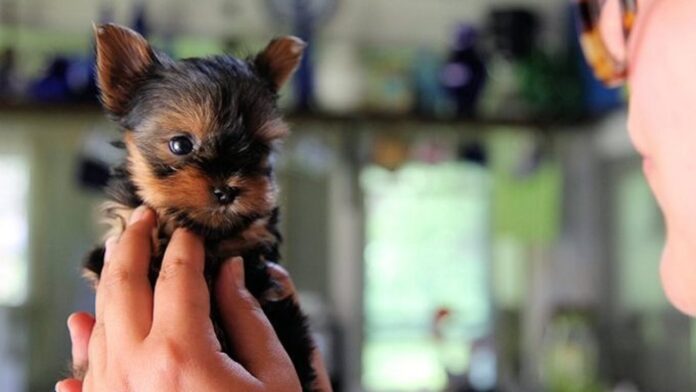
They can sometimes be quite inconsistent with size. It’s not unusual for a litter of puppies to grow up to be several different sizes. What should be looked out for, however, are breeders who advertise «teacup» variations of the Yorkshire Terrier. They’re bred to be even smaller, but they are prone to a wide variety of genetic disorders and have higher health risks than the standard breed.

Personality and Character

Personality and Character
Source: royalcanin.com

The Yorkshire Terrier is known for being quite smart and self-assured. He is a combination of small size and an adventurous spirit.  The breed itself displays quite a range of personalities, from cuddly and perky, to mischievous and outgoing. The Yorkie wants nothing more than to follow his owner around and engage in anything that piques his interest.

However, limits must be set for your Yorkshire Terrier, or he may start to have a run of the household. Spoiling him is never a good idea. Training and socialization should be done early in order to round out his personality and ensures that he does not become fearful of people.

Health and Potential Problems

Yorkshire Terrier - Health and Potential Problems
Source: pixabay.com

Yorkshire Terriers can be generally healthy, but there are certain physical conditions and diseases that they are prone to.

1. Patellar Luxation:

Also known as «slipped stifles,» this is a common problem in small dogs. It is caused when the patella, which consists of three parts: the femur, patella, and tibia. This condition occurs when these three bones are not properly lined up. This causes lameness in the leg or an abnormal gait in the dog. It is a disease that is present at birth although the actual misalignment or luxation does not always occur until much later.

The rubbing caused by patellar luxation can lead to arthritis, which is a degenerative joint disease. There are four grades of Patellar Luxation ranging from grade I, which is an occasional luxation causing temporary lameness in the joint, to grade IV, in which the turning of the tibia is severe and the patella cannot be realigned manually. This gives the dog a bowlegged appearance. Severe grades of patellar luxation may require surgical repair.

2. Progressive Retinal Atrophy:

A degenerative eye disorder. Blindness caused by PRA is a slow process resulting from the loss of photoreceptors at the back of the eye. P

RA is detectable years before the dog shows any signs of blindness. Reputable breeders have their dogs’ eyes certified annually by a veterinary ophthalmologist.

3. Portosystemic Shunt:

portosystemic shunt is an abnormal flow of blood between the liver and the body. That’s a problem because the liver is responsible for detoxifying the body, metabolizing nutrients, and eliminating drugs.

Signs can include but are not limited to neurobehavioral abnormalities, lack of appetite, hypoglycemia (low blood sugar), intermittent gastrointestinal issues, urinary tract problems, drug intolerance, and stunted growth. Signs usually appear before two years of age. Corrective surgery can be helpful in long-term management, as can a special diet.

4. Hypoglycemia:

Like many toy and small breed dogs, Yorkies can suffer from hypoglycemia when stressed, especially when they are puppies.

Hypoglycemia is caused by low blood sugar. Some of the signs may include weakness, confusion, a wobbly gait, and seizure-like episodes. If your dog is susceptible to this, talk to your vet about prevention and treatment options.

5. Collapsed trachea:

The trachea, which carries air to the lungs, tends to collapse easily. The most common sign of a collapsed trachea is a chronic, dry, harsh cough that many describe as being similar to a «goose honk. The collapsed trachea can be treated medically or surgically.

6. Reverse sneezing:

This condition is sometimes confused with a collapsed trachea. This is a far less serious condition and lasts only a few minutes. Reverse sneezing primarily occurs when your dog is excited or tries to eat or drink too fast. It also can occur when there are pollens or other irritants in the air.

Secretions from the dog’s nose drop onto their soft palate, causing it to close over the windpipe in an automatic reaction. This can be very frightening to your Yorkie, but as soon as he calms down, the reverse sneezing stops. Gently stroke his throat to help him relax.

  • Eye infections, teeth, and gum problems also can occur.

Care Features

It does not take a lot of effort to keep a Yorkshire Terrier well exercised. If you have enough space in your apartment, some playtime throughout the day is enough to get any Yorkie tired. They’re extremely receptive to training, especially if it garners attention from other human beings. Teaching them to perform tricks and putting them through obedience trials can provide him with the mental stimulation that he needs.

Be prepared for your Yorkie to have small accidents in the home before he is fully house trained. Showing them where to go from the beginning and rewarding them when they do so is the best start to getting them to understand what they need to do. With patience, you can end up with a very well-trained Yorkie.

This paper training method is especially useful when it is hot outside, as such small dogs don’t do very well in the heat. They are definitely house dogs, and should not be left outside ot be exposed to extreme temperatures for extended periods of time.

Check your Yorkie’s toys on a regular basis to ensure that they have not been chewed open. Yorkies are drawn to squeaky toys in particular and may chew through it to get to the noisemaker inside. What he does love best, however, is playing fetch with any toys that you throw for him.

Feeding Schedule

Due to their small size, they don’t require a lot of calories to get them through the day. It is best to provide no more than 1/2 to 3/4 cup of food in a day. Feeding any more can lead your dog to become obese quite quickly.

This breed does not look good with a big belly, and he will quickly lose his charm. If you are worried that your Yorkshire Terrier is becoming a bit too chubby, cut back on his food and increase his exercise activities.

Coat, Color, and Grooming

Coat, Color, and Grooming
Source: dogtime.com

The Yorkshire Terrier’s coat is quite long and silky, and very straight. As show dogs, their coats are allowed to grow to the floor so that it looks like they’re floating when they walk. They have a single coat that sheds very little, making them the perfect breed for those who are prone to allergies.

The puppies are usually born black, and the blue and tan coat develops gradually. After turning a year old, they start to lighten and turn grey rather than blue. These are due to hormonal changes that affect the color of their hair. Females, who are in heat, become lighter and then turn dark again after their season is over.

Grooming is not something an amateur should attempt. Their soft coat can tangle quite easily and should be brushed on a daily basis, even if his coat has been trimmed. A lack of care can ruin this breed’s reputation for good lucks, as his hair will quickly become matted and tangled, and ruin his appearance. His perky ears should also be checked on a regular basis to ensure that they’re free from any dirt or signs of infection.

Your Yorkie should be bathed on a weekly basis in order to keep his hair smooth and shiny. Simply apply the shampoo and run your fingers through his hair in order to remove any dirt. Rubbing is not necessary. Afterwards, spray your dog’s coat with a light conditioner and then brush. Brushing a dry coat can lead to breaking.

Small dogs are prone to dental and gum problems, so it’s important that you consider checking his mouth on a regular basis.

They tend to form a lot of tartar on their teeth and can lose them at a very young age if they’re not properly maintained. Brushing their teeth regularly and scheduling a trip to the vet for a dental procedure once a year will help to save their teeth.

Children And Other Pets Compatibility

Yorkshire Terrier - Children And Other Pets Compatibility
Source: newsweek.com

Yorkies are not very suitable for families with very young children. This is because they can be injured quite easily.

Teach children how to handle and play with Yorkshire Terriers, and always supervise interactions. Being treated too roughly can lead to a Yorkie biting back, and can make both dog and child fearful of each other.

Conclusion

A Yorkshire Terrier can be quite cute to look at and soft to the touch, but that doesn’t mean that they’re not a lot of work. This breed is a little more active than people expect, but it isn’t too much that demands a lot of time to be set aside.

Keeping him physically and mentally active will bring out the best in your Yorkshire Terrier, and you’ll certainly have a fun time finding new ways to keep him entertained.

Why Is TPLO a Good Option for Dogs?

Source: pexels.com

TPLO, or Tibial Plateau Leveling Osteotomy, is a surgical treatment for dogs to stabilize the stifle joint following cranial cruciate ligament ruptures. This is a common problem in dogs that can occur due to wear and tear over time.

While there are other surgical treatments that can be considered, TPLO is often a favored option because of its effectiveness and recovery times, which are often quicker than with some other treatments. As part of the TPLO recovery timeline, your dog might be fine to return to normal activities by week 12 following surgery.

This procedure is known for providing reliable results, particularly for large breeds and highly active dogs. The combination of faster recovery and long-term benefits makes TPLO an appealing choice for many pet owners.

Why TPLO Is Often Recommended

Source: pxhere.com

There are many reasons why vets recommend TPLO surgery, particularly for bigger and more active dogs. Some of these are:

Speed and Reliability

One of the top reasons this surgery is such a popular option for dogs is because of its speed and reliability.

The recovery process is faster and more reliable than some other methods, and dogs can often put weight on the joint faster than with other surgeries. With the right care and rehabilitation, many dogs are able to return to normal activities within several months.

Strength and Stability

This surgery enhances strength and stability in your dog’s knee by altering the slope of the tibia. When a dog has a torn CCL, the tibia starts sloping toward the femur, which can cause a lot of pain and instability.

This surgery is designed to prevent this motion by changing the tibial slope. Many dogs enjoy excellent knee function once they have recovered from the surgery, and this reduces the risk of another injury.

Long-Term Impact

Another key benefit of this surgery is the positive long-term impact it has. If CCL injuries are not treated properly, there is a higher risk of the dog developing chronic pain and arthritis. If the knee is not stabilized, your dog could suffer cartilage damage, which can then lead to arthritis.

By creating a more stable joint and ensuring effective treatment, this surgery helps to protect your dog’s knee joint and reduces the risk of these problems.

High Success Rate

It is also important to consider the high success rate of TPLO surgery, which is seen as one of the top options for dogs with this type of injury.

Data shows that many dogs regain full function of the leg, and their quality of life is improved through increased mobility and reduced pain. The high success rate of this surgery means greater peace of mind for pet owners, but most importantly, it means better life quality for dogs.

Recovery Process Overview

Source: newenglandanimalhosp.com

During the TPLO recovery period, careful management is essential to ensure your dog heals properly. Below are key recommendations for what should and should not be done during this time:

What Should Be Done:

  1. Leash Walks Only: Keep your dog on a leash at all times when outside to control their movement and avoid sudden running or jumping.
  2. Use of Crates or Small Spaces: Confine your dog to a crate or a small room to prevent excessive movement.
  3. Follow Vet-Recommended Physical Therapy: Engage in controlled physical therapy exercises, as advised by your vet, to gradually rebuild muscle strength.
  4. Provide Pain Management: Administer all prescribed medications (painkillers and anti-inflammatories) on schedule to keep your dog comfortable.
  5. Cold Compress Application: Apply cold compresses on the surgical site during the first 48 hours to reduce swelling and inflammation.
  6. Scheduled Checkups: Regular follow-up visits to the vet are crucial to monitor the healing process and adjust the recovery plan as needed.
  7. Provide a Non-Slip Surface: Ensure your dog has a safe environment to move around, such as carpets or non-slip mats, to prevent falls.

What Should Not Be Done:

  1. Avoid Letting Your Dog Run or Jump: Running, jumping, or any high-impact activities should be avoided, as they can stress the healing joint.
  2. No Stairs or Climbing: Prevent your dog from climbing stairs or jumping onto furniture, as it can disrupt the healing process.
  3. Don’t Skip Rehabilitation Exercises: Skipping vet-recommended exercises could prolong recovery or result in incomplete healing.
  4. Avoid Overfeeding: It’s essential to maintain a healthy diet without overfeeding, as excess weight can put additional strain on the recovering leg.
  5. No Free Roaming: Free-roaming inside or outside the house is not allowed during recovery; unsupervised movement increases the risk of injury.
  6. Don’t Ignore Limping: If your dog starts limping or showing signs of discomfort, contact your vet immediately for advice.

These tips will help ensure a smooth and effective recovery for your dog after TPLO surgery.

Managing Pain Post-Surgery

Source: millerclarkanimalhospital.com

Your vet will likely prescribe pain medication and anti-inflammatory drugs to ensure your dog remains comfortable during the initial recovery phase. What you can do:

  • Administer Prescribed Medications: Ensure that you give your dog the pain medication and anti-inflammatories as prescribed by the vet. Timely administration helps manage discomfort.
  • Apply Cold Compresses: Use cold compresses on the surgical site for the first 48 hours to reduce swelling and inflammation.
  • Limit Movement: Keep your dog in a calm, quiet environment to prevent unnecessary movement, which could increase pain or risk reinjury.
  • Monitor for Signs of Pain: Watch for signs of pain, such as whining, excessive licking of the wound, or limping, and contact your vet if the discomfort seems unmanageable.
  • Provide a Comfortable Space: Create a cozy resting area for your dog with soft bedding to ensure they remain calm and relaxed during the recovery phase.

Proper Rehabilitation is Key

Structured physical therapy exercises can help your dog regain strength in the affected leg and increase mobility. Simple activities under the supervision of a vet or physical therapist can make a significant difference in the recovery process.

As your dog gains strength, more advanced exercises may be introduced to improve range of motion and overall function.

  1. Start with Controlled Leash Walks: Begin with short, controlled leash walks as recommended by your vet. Gradually increase the duration based on your dog’s progress.
  2. Incorporate Gentle Exercises: Engage your dog in gentle, low-impact exercises like range-of-motion activities to improve flexibility, always under the vet or therapist’s supervision.
  3. Follow a Vet-Approved Rehabilitation Plan: Stick to the rehabilitation plan provided by the vet or physical therapist to ensure gradual strengthening of the affected leg.
  4. Avoid Strenuous Activity: Keep your dog from running, jumping, or any strenuous activities until they are cleared by the vet to return to normal physical routines.
  5. Monitor Progress: Regularly assess your dog’s mobility and strength improvements, and adjust rehabilitation exercises accordingly under professional guidance.

These steps ensure that pain is well-managed and rehabilitation is conducted safely for a successful recovery.

A Wide Range of Benefits

As you can see, TPLO is a surgical procedure that offers a host of benefits for dogs. This is why it is often the recommended option for dogs who experience this type of injury. By speeding up recover, ensuring increased stability and strength, and reducing the risk of other problems further down the line, it can have a huge positive impact on the quality of life of affected dogs.

In addition to its high success rate and reliable outcomes, TPLO provides peace of mind for pet owners, knowing that their dog is on the path to a stronger, healthier future.

Kuvasz – All Dog Breed Profiles

Kuvasz

Popular for its cleverness, fearlessness, and sense of humor, the Kuvasz is the perfect addition to any household. This dog breed is not only the best playmate, but it can also provide extra security to your family as it is extremely doubtful to unfamiliar persons. Though it has been traditionally employed to secure livestock, it is now taking the center stage as a popular house pet in countries across the globe.

They aggressively protect properties, family, and other household pets. Aside from being a watchdog, they can also tolerate pain, making them ideal companions for kids who can be overwhelmingly active. If you are looking for a loyal pet companion that is more than willing to defend your loved ones the same way you protect them, the Kuvasz is the perfect breed for your household.

Breed Characteristics

KUVASZ Breed Characteristics


Dog Breed Group: Working Dogs
Height: 2 feet, 2 inches to 2 feet, 6 inches tall at the shoulder (Males: 28-30 inches; Females: 26-28 inches)
Weight: 70 to 115 pounds
Life Span: 10 to 12 years on an average


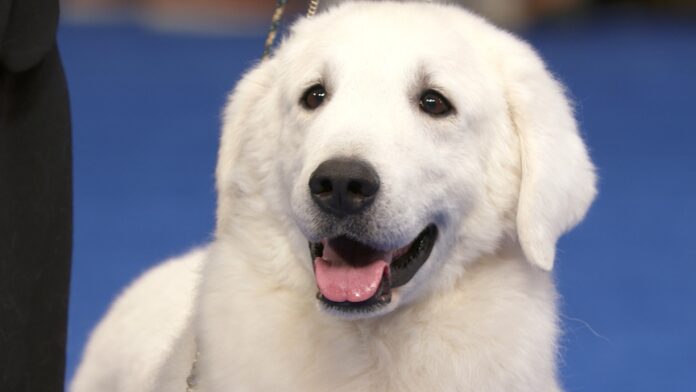
A puppy as cuddly and as huggable as a white furball, the Kuvasz grows into a bold, strong-willed dog who’s determined to protect those who are dear to him.

Characterized by its almond-shaped eyes, black nose, thick white fur, and large size, this dog breed can effortlessly make heads turn. But while they may look elegant and harmless on the outside, they are strong and muscular on the inside.

They possess high endurance, making them a unique breed. The Kuvasz bears great resemblance with wolves because of their undeniable power and strength. The only thing that sets them apart from their veracious counterparts is their graceful and endearing stride.

During the 15th century, the Kuvasz is one of the oldest and most popular Hungarian dog breeds, with most of them serving aristocrats and people from the upper class. The modern Kuvasz plays its role as a watchdog earnestly, silently sizing up strangers before deciding whether they are a friend or an enemy.

If you are considering a Kuvasz, it is best to take this dog breed’s personality into great consideration. Since they are active in nature, they require a spacious home. They are pure country dogs that need a lot of room inside and out.

As a young puppy, the Kuvasz requires exercise that includes daily walks to maintain their overall health and wellness. However, owners must be cautious as they shouldn’t let the dog’s soft growing bones and joints get exhausted and over-stressed. As it grows up, the dog breed necessitates more exercise that can range from long walks to regular runs in an open area so it could be in its best shape.

When exercising, the Kuvasz needs supervision as it can be destructive once it gets bored. Also, bear in mind that this breed is prone to getting stressed due to excessive heat, especially during the summer season so it shouldn’t be over-exercised during hot and humid temperaments.

Training a Kuvasz can be tough. This breed is dominant and independent, which explains why it loves being in charge all the time. To raise an obedient Kuvasz, consistency is the key. Training should be firm, but it should be blended with tenderness so the dog breed won’t develop violent behavior. In addition to that, providing enough opportunity for socialization as they grow old is also important. This way, they would learn how to welcome unfamiliar guests without going over-suspicious.

Furthermore, the Kuvasz loves taking responsibilities for its human companions, so you can provide it simple duties like securing your livestock or watching over your children. They are gentle with kids, and they are extremely patient. Nonetheless, just like in other dogs, adult supervision is still required, especially when the dog breed plays with younger children.

Main Highlights

  • Kuvasz requires a certain, skilled owner, one who earns their respect and understands their independence naturally.
  • Kuvasz shed abundantly, especially during the season of spring and fall.You may want to brush them at least once a week and if possible every two to three days, is highly recommended.
  • Your Kuvasz tends to be violent and disturbed if tethered, or locked up. This kind of breed needs to run and feel free. It requires a huge yard enclosure with fence and a long daily walk or runs once he’s fully grown.
  • Kuvasz is smart and like many guarding dogs, they think for themselves. Training can be challenging because it needs a lot of time, long-temperedness, and consistency.

Breed History

Kuvasz - Breed History
Source: nbcsports.com

The Kuvasz mainly originated from Hungary. It was a popular breed in thriving European kingdoms and empires eight hundred years ago. According to von Stephanits, a renowned German authority on Central European breeds, the Kuvasz is closely related to the Komondor. He hypothesized that the Kuvasz started to appear when the Kavasz was mixed with native Hungarian country dogs in the earlier years.

In the 14th and 15th centuries, only royalty and those favored in noble classes were allowed to own a Kuvasz. In the second half of the 15th century, the Kuvasz became more popular in different places as this dog breed was employed in protecting huge estates during that time. According to people in the earlier centuries, only the Kuvasz was the most trusted and reliable pet companion during the chaotic times in Hungary.

In the 1920s, the Kuvasz came to America and held its fame with western ranchers, where it is still prized as a patrol dog and livestock watchdog. In 1931, the first Kuvasz was entered in the American Kennel Club Stud Book. The Kuvasz Club of America, founded in 1966, was granted status as the breed’s official parent club in 1993.

Size

Kuvasz - Size
Source: dailypaws.com

Just like other dog breeds, a male Kuvasz is typically larger than its female counterpart. A female’s height ranges from 26 to 28 inches, while the height of males is usually 2 inches higher.

Furthermore, females weigh between 70 and 90 pounds, whereas males can be as heavy as 115 pounds.

Personality and Character

Kuvasz - Personality and Character
Source: nbcsports.com

The Kuvasz is a high-spirited dog widely recognized for its enthusiasm, bravery, determination, curiosity and sensitivity to praise and blame. It is dedicated to protecting its human companions, especially kids, which explains why it is highly suspicious in nature.

If a member of the family tends to be at risk, it strategizes a plan and acts upon it to put its human companions out of danger. While the adult Kuvasz is tender and patient with children, puppies can be too playful for young kids.

Most Kuvasz have a strong instinct to drive off animals that do not belong in their flock.

They can act intimidatingly towards unfamiliar dogs, and they do not really go along well with cats. If owners neglect the importance of early training and socialization, the dog breed can easily be involved in accidents due to improper behavior.

Moreover, the Kuvasz is characterized by its loud and deafening bark. As guard dogs, they can alert and warn their owners once they sense danger. They are most vigilant at night time, making them the perfect home companion not only for families but for solo homeowners as well. The only problem is, that they have the tendency to bark frequently. To avoid this, it is best to train the dog early and correct its barking tendencies.

Health and Potential Problems

Kuvasz - Health and Potential Problems
Source: hundeo.com

In general, the Kuvasz is a healthy dog breed. However, it is also pre-exposed to different health disorders. Even though not all Kuvasz will suffer from these conditions, it is still necessary for owners to be more cautious so they can keep health problems at bay.

To familiarize you with their health issues, below are some of the health conditions common to their bloodline:

1. Canine hip dysplasia:

In this condition, the femur doesn’t fit tightly into the pelvic socket of the hip joint. Hip dysplasia can develop with or without clinical manifestations. Some dogs exhibit pain and lameness on one or both rear legs. As the dog grows, it can start to develop arthritis.

The Orthopedic Foundation for Animals or OFA usually conducts screening for hip dysplasia since those that are suffering from this condition shouldn’t be bred. Consult your vet if your dog shows symptoms of hip dysplasia since new treatments are available to battle this medical condition.

2. Osteochondritis Dissecans (OCD):

In this case, there is a bone deterioration that lies under the cartilage layer of joints. This is often observed at breeds that grow too fast. Jumping off the furniture and being overweight can also contribute to a dog’s risk factors.

X-rays are often inefficient in guaranteeing that the dog is suffering from this condition. Commonly, OCD can affect the shoulder, elbow joint or ankle, and often occur during the growth stage of a young dog. As a result of painfulness, the dog often limps, so this is one thing owners should watch out for.

3. Von Willebrand’s Disease:

This is a common blood disorder that is often triggered by lack of clotting factor VIII antigen. The primary indication is bleeding too much after an injury or surgery. Other signs such as nosebleeds, bleeding gums, or bleeding in the stomach and intestines may also exist.

4. Gastric dilatation-volvulus:

Also known as bloat or torsion, this disease can be a fatal condition that can greatly affect big dogs with deep chests such as the Kuvasz. It is a common condition for older dogs that grew up with bad eating habits. For instance, consuming one large meal a day, drinking excessive water or exercising right after eating can add up to a dog’s risk of contracting this disease.

GDV occurs when the stomach is occupied by gas or air, and then twists. In this situation, the dog will not be able to belch or vomit because of the excess air in its stomach, and the normal return of blood to the heart is hindered. As a consequence, the blood pressure tends to drop and the dog undergoes a state of shock.

The dog can die any minute without immediate medical attention. If your dog has a swollen abdomen and if it vomits without throwing up, then it might be suffering from GDV. Other signs and symptoms to watch out for include weakness, sluggishness and a fast heartbeat. If these symptoms occur, consult your veterinarian immediately.

Care Features

The Kuvasz are energetic dogs that require a lot of exercise. Since they are active, they are not suitable for apartments or homes that don’t have a large, fenced yard. Even on open ground, they still need daily exercise such as long walks or runs, especially once they reach maturity.

The Kuvasz can stay outdoors in temperate to cold climates for a long time because of their dense fur. Like any dog, however, they also need to feel loved and nurtured by their human companions, so interacting with them is crucial for their holistic development.

Feeding Schedule

Kuvasz - Feeding Schedule
Source: forloveoflivestock.com

Dogs also need food as much as other dog breeds do. This dog breed’s ideal food intake depends on its age, size, shape, metabolism and level of activity.

Kuvasz’s recommended daily amount of high-quality dog food ranges from 2.75 to 3. 75 cups a day, and owners are advised to divide it into two equal feedings. The higher the quality of dog food, the greater its impact is to your dog.

Coat, Color, and Grooming

Kuvasz - Coat, Color, and Grooming
Source: teahub.io

The Kuvasz’s thick white coat can extend to six inches in length. To prevent mats from forming, brush your Kuvasz by using a grooming rake or a pin brush a couple of times a week. If the coat of your Kuvasz gets tangled, use a large-toothed comb joined with a conditioning spray to loosen up the fur’s tangles. This dog breed needs more regular brushing during spring and fall because they shed heavily during these times.

The Kuvasz does not require bathing unless it is already smelly. However, owners who love taking extra care of their dog companions can bathe their dogs once or twice a week, depending on the weather.

The coat of Kuvasz is unscented and it has dirt and water-repelling properties. Bathing this dog breed too frequently could strip the natural protective oils off its coat, making it more vulnerable to dirt. Most Kuvasz owners use sprinkling talcum or cornstarch powder to clean the coats of their dogs.

Then, they brush the powder afterward. The fur that grows between its toes should be trimmed down. In the like manner, regular nail clipping is integral in keeping the dog away from harm, especially since dogs can unintentionally scratch their face.

You also need to brush its teeth at least two to three times a week to eliminate bacteria and to remove tartar formed inside its mouth. Daily brushing could also help prevent gum disease.

To make the most out of your dog companion’s grooming session, start as early as possible so the dog will be accustomed to grooming habits while growing up. Handle its paws with care and check out its mouth and ears. Also, incorporate a reward system so grooming wouldn’t be a traumatic experience on your dog’s part.

Children And Other Pets Compatibility

Kuvasz with kids
Source: petsworld.in

It takes time to earn the trust of a Kuvasz, especially since they are highly suspicious in nature. However, once they have already built a strong relationship with their human companions, they are extremely loyal companions. In addition to that, the Kuvasz should not be left alone for an extended period of time.

The Kuvaszoks are affectionate to children and can be overly caring and protective. If your kids are playing with their friends, it’s important to supervise them especially if your dog is nearby. Since it is protective of ‘his’ kids, it can interpret sudden noise or movements as a danger or threat. Likewise, puppies can also be too rambunctious for young children.

Just like dealing with other dogs, you should always educate your children how to approach the Kuvasz with additional care. Teach them the difference between dealing with a stuffed toy and a live animal since a dog’s feelings must be recognized. Also, never overlook the importance of supervising pet-children contact to ensure the safety and security of both your child and your dog companion.

If you are looking for a protective family dog, it’s best that you consider the Kuvasz for your next pet. However, always remember that owning a dog is a huge responsibility. If you feel like you can commit yourself to take care of this dog breed, then it’s time that you welcome your new puppy with open arms.

Heroic, clever and warm-hearted in nature, the Kuvasz is definitely the ideal companion for people who are looking for a trustworthy pet. Although the Kuvasz may be distrustful at first, gaining its trust and loyalty is more than worth it. By giving them enough attention, care, and friendship, we’ll be the center of their universe.

Finding the Perfect Vet Practice: A Comprehensive Guide

Finding the Perfect Vet Practice: A Comprehensive Guide

For individuals new to pet ownership and haven’t navigated this process before, it’s essential to recognize that selecting the proper veterinary practice is a crucial yet sometimes challenging task. The sheer variety of available vet practices can make this decision appear daunting.

However, there’s no need for concern. By dedicating some time to research and heeding the guidance, you can discover the ideal veterinary practice without it becoming an overwhelming endeavor.

Registered Vet and Word of Mouth

Registered Vet and Word of Mouth

First of all, you must be registered to practice as a vet. So, you should always go for a registered veterinarian and only those practicing with the proper license. To ensure your potential vet matches this criteria, you can always check their title, often MRCVS or FRCVS, after their name. You can also further your research and look them up on the RCVS website.

As a pet owner, you probably hang out with other pet owners in your area. That’s why, to find the perfect vet practice, you can ask for advice and recommendations from your other friends who are also pet owners. They can recommend a veterinarian or tell you which ones to avoid.

If you are searching for the perfect vet practice and are still determining where to begin, read on for more valuable insights.

Distance and Schedule

Regarding your living area, distance is another fundamental matter to consider when finding the perfect vet practice. Whether you want your vet to be close to your home or to see a mobile vet near you if a long car trip with your sick pet is something that you want to avoid. So, remember that distance is an essential aspect of your research, and try to look for the best match within your area.

The schedule of your vet practice should match your schedule as much as possible. So, this is another factor to consider, as only some vet practices have the same opening hours, and others might not offer emergency support.

You should go to a vet practice that does offer emergency support, as you never know when you will need your vet.

If you are not the only owner, you should sit down with the others and discuss this matter to determine which vet practice offers the best opening hours for all of you before making an executive decision.

Manners and Price

Veterinarians are doctors for animals, and therefore, they must be professional and objective. At the same time, your pet can tell you a lot about whether or not they like them or how they are handled.

Your ideal veterinarian should have empathy, professionalism, availability, knowledge, and practice to make you feel comfortable and, most of all, to keep your pet safe and sound without causing them any unnecessary stress.

The price is another matter that you should factor in when picking the perfect vet for you and your animal friend. The fees a vet practice can charge depend on several factors, such as location, services and many more.

Target those practices within your budget range, or find out if your pet insurance offers specific courses and facilities for an affordable price. Be careful, though, that the price should not be the most crucial aspect, as the quality of the vet practice should always be above all else.

Staff and Reviews

Staff and Reviews

The veterinarian is the central figure of a vet practice, of course, but many other people are working there and you should get a nice feeling from them and your pet. So keep in mind the overall feel of the practice when you go and check it out and make sure that you feel comfortable there before deciding to sign up.

Together with that, you should always research what other people have written and said about a specific vet practice before deciding to go there for the foreseeable future. Many times, an interesting review can speak more than many other factors and could direct you towards the right practice or take you away from a lesser one.

When it comes to reviews, you have to be thorough, as many times people speak their minds without thinking about it twice, but they are only sometimes reliable.

Compare good and bad reviews and try to understand if the content of the reviews matches the actual reality. You will be able to understand whether or not a specific vet practice could be the perfect place for you and your pet.

In Conclusion

How to Find the Perfect Vet Practice

These were some of the best tips and tricks on how to find the perfect vet practice. Ensure to check aspects such as professionalism and word of mouth, as well as distance, services, schedule, manners, price, and the overall vibe of the places you are considering.

Your beloved companion stands to gain immensely from this diligent research effort as veterinary care becomes a necessity for all pets at some point. Remember that the internet offers many informative resources should you seek further guidance. Additionally, don’t hesitate to engage in discussions with friends and family who are pet owners if any concerns arise.

In your quest for the ideal veterinarian, you’ll want to consider the well-being of your furry friend, especially if you’re thinking about bringing home a canine companion from the list of healthiest dog breeds with minimal health concerns.

If you don’t have access to a pet-owner network in your vicinity, you can explore online forums, blogs and communities well-versed in these matters. These virtual spaces often provide valuable insights and advice.

Thank you for your time spent reading this guide. Hopefully, it has been a valuable resource in your quest to find the perfect veterinary practice.

Akita – All Dog Breed Profiles

Akita Dog Breed

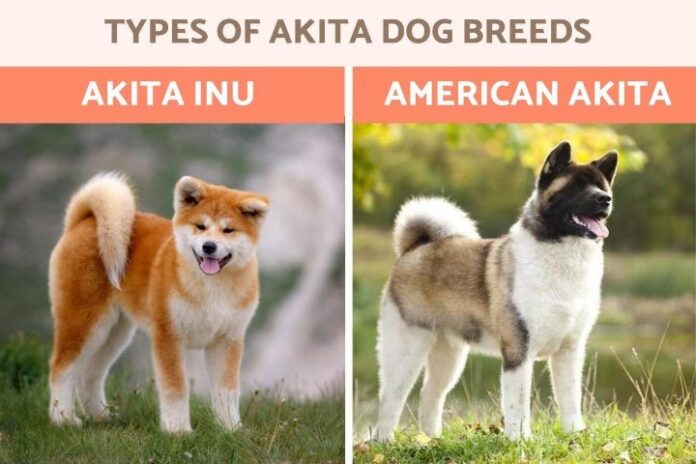
The Akita is a dog breed native to the highlands of northern Japan. In many countries, there are 2 types of Akita dogs, namely the American Akita and the Japanese Akita. However, the differences between them are almost insignificant and not even recognized by all kennel clubs around the world.

The Akita is considered the national dog of Japan and a natural monument as well. In the past, these dogs were prized, even venerated and only the nobility was allowed to own such a majestic dog.

They were used as imperial guards, to hunt bears and wild boars. Their role has changed since, but they are appreciated just as much as they used to be.

akita dogs
Not recommended for people who wish for a lapdog, live in a small apartment or don’t have a strong character, the Akita is so intelligent, courageous and agile that it might make its own rules if it is not properly trained by a firm owner.

This amazing dog breed that almost disappeared after World War II is present throughout the world, standing by the side of various persons who are richer by having a loyal friend besides them.

Fortunately, the owners of these dogs don’t have to worry about sickness in case of the Akita. This dog is predisposed to certain diseases, but it rarely gets sick if it is properly fed and cared for.

Breed Characteristics

Akita Breed Characteristics


Dog Breed Group: Working Dogs
Height: Generally 2 feet to 2 feet, 4 inches tall at the shoulder
Weight: Generally 70 to 130 pounds
Life Span: 10 to 12 years


The Akita is a great, brave, strong and vigilant dog. It is a working dog breed that often participates in competitions and is also used for therapy. In Japan, the Akita is considered a symbol of health, prosperity and wealth.

However, it is not the type of dog that can be easily dominated or left alone. Having such a dog implies many responsibilities and requires experience with other types of dogs. An owner of the Akita should be dominant and earn the dog’s respect.

Dominance is more a state of mind, but in case of the Akita, one must be prepared to dominate it physically too, if necessary. The Akita will take control and be the leader if there isn’t someone who can tame it.

The Akita is a bright, sensitive and responsive dog with which one can spend time training it, playing with it and just enjoying its company. It is a very loyal dog that knows what devotion means and that will stick by its owner and its family for the rest of its life even if it will only recognize one member of the family as authority.

During samurai days, dogs were a symbol of strength, loyalty, power, wealth and courage. This is why they were raised with respect and great love.

Akita Puppies

All dogs, including the Akita had special shoes on, which were embroidered with their owner’s rank. Although they used the Akita for its numerous skills, they also repaid it by treating it accordingly and by loving it like it were a member of the family.

Recent analyzes of this dog breed’s DNA confirmed that it is one of the most primitive breeds. Among the most famous dogs that belong to this dog breed is Hachiko. In Japan, this particular dog is known for its loyalty to its owner.

After he died, Hachiko went to the train station where it had seen him last, every day for the rest of its life. In fact, Hachiko died in front of the train station waiting for its owner. That train station is called Shibuya Station and there’s a life-size statue of Hachiko. There is an entire movie based on these real life events.

Main Highlights

  • Akita is the largest of the Japanese Spitz types of dogs.
  • The ancestors of the current Akita dog were used for guarding purposes or for hunting black bears. They were called Matagi dogs and they were smaller than the Akita dogs known these days.
  • The Akita is a large dog, with a strong constitution, balanced proportions and massive bone structure. The main physical characteristics of this dog breed are relatively wide head, almost shaped like a triangle, solid nose, small eyes and erect ears.
  • The Akita is a dog with a robust allure, vigorous, solid and well-proportioned, but which emanates tenderness and grandeur.
  • The Akita is a dog full of benefits. It inspires strength, nobility, dignity and balance. Some people think it is the perfect combination between a cat and a bear.
  • It was declared a natural monument by the Japanese government. The copies bred in Japan are called Akita Inu. Inu is the Japanese word for dog.
  • This dog breed is separated in 2 other dog breeds, the Japanese Akita and the American Akita, but not recognized everywhere around the globe.

Types of Akita Dog Breeds

  • The Akita Inu (Japanese) and the Great Japanese Dog (American) developed in parallel in different countries, so the occurrence of 2 different breeds was inevitable.
  • In the US, the UK and in all countries that are not members of the FCI, the 2 breeds, namely Akita Inu and the Great Japanese Dog are not separated, but considered one and the same dog breed.
  • The Akita dogs are used for therapy, security and as faithful companions.
  • Japanese women often leave their children in the care of these dogs. They are extremely loyal and good companions.
  • The Akita needs a wise and experienced owner, who is able to understand what such proud and independent dogs need and how they can be handled. If trained properly, the Akita becomes gentle and loving. If not, it behaves like a tiger.
  • This dog breed’s energy level is medium to high. In addition, these dogs have very strong and unique personalities. Therefore, they need daily walks and intense exercising at least 2 times per week.
  • The Akita is a large dog, but not a giant breed. Therefore, it is a good apartment dog, requiring a moderate level of physical exercise. However, it would be best to be kept in a wide yard.
  • This dog breed is not recommended for those people who have never had dogs before. It is more complicated to raise a well-behaved Akita than other types of dogs.
  • The Akita breed loves to grab things with its mouth, including people’s wrists. This gesture is not at all aggressive. The dog is just trying to ask for something.
  • Akita dogs often make funny and strange sounds. They do bark in case of danger, but they sometimes make various sounds to entertain people or because they have their reasons.

Breed History

akita breed history
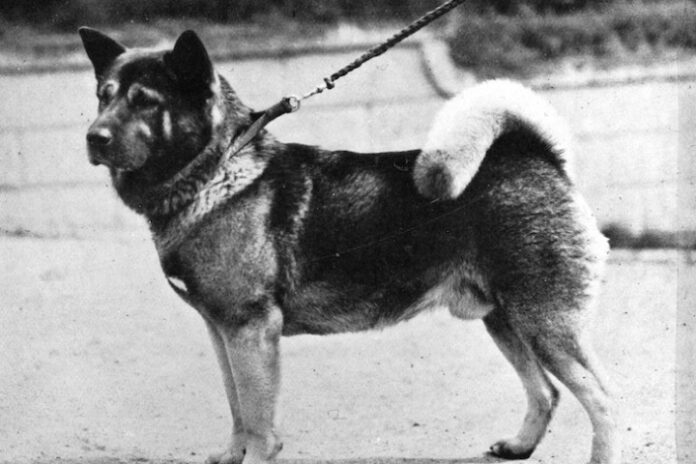
The Akita is an ancient Japanese dog breed named after the Akita prefecture. Its history began more than four centuries ago. At first, it was known as the bravest hunter of bears and then it became the dog of shoguns and samurais.

In other words, the nobility owned such dogs and used to spoil them by making collars out of gold and leashes out of silk for them. Because of all these reasons, it has quickly earned an important status, that of the symbol of strength, courage and wealth.

Although the Akita went through difficult times, being crossed with other breeds to satisfy the requirements of certain people and used as fighting dog, it has also been through an extensive purification process that helped it return to its initial characteristics.

In the beginning, the Japanese Akita and the American Akita were the same dog breeds. In 1603, in the Akita region, the Matagis Inu breed was used for fighting purposes. A few hundred years later, in 1868, these medium sized dogs were mated with copies from the Tosa and the Mastiff dog breeds.

The result of these crossings was a dog with less Spitz type qualities and with an increased waist. In 1908, when the fights between dogs were banned, breeders started to improve this type of dog, relying more on developing other characteristics that aggressiveness. In 1931, Akita Inu is recognized as a new dog breed in Japan and declared a natural monument.

american akita

During the World War II, these dogs’ coats were used to make military garments. Sadly, back then, the only dogs that got away were the German Shepherds. They were useful for the military, so that’s why they were spared.

Dog owners were so desperate that they tried to combine their dogs, regardless of breed with German Shepherds in their attempt to save them from death. Therefore, at the end of World War II, the number of Akita dogs was dramatically reduced.

Even so, there were 3 distinct types, namely the Matagi Akita, the Akita dogs used for fights and those mated with German Shepherds.  However, after the war, during the restoration period of the pure breed, Kongo-go from the Dewa line experienced a brief but extraordinary popularity.

Many copies of Akita dogs from the Dewa line were endowed with the characteristics of the Mastiff and the German Shepherd and were brought to the United States by members of the US military forces.

These dogs were intelligent and capable of adapting to different environments, fact which was fascinating for the dog breeders in the United States. In 1956 was founded the American Akita Club and the American Kennel Club accepted it as a purebred in October 1972. At that time, the AKC and the Japan Kennel Club didn’t have an agreement regarding the mutual recognition of purebred dogs, fact which prevented the introduction of the new bloodlines in Japan.

Therefore, the Akita dogs from America became slightly different from those in Japan. The American Akita’s features remained unchanged since 1955, but still a little dissimilar compared with the features of the Japanese Akita.

Akita Kamikaze-Go

The first Akita, Kamikaze-Go, was brought to the US by the legendary Hellen Keller in 1937, followed by Kenzan-Go, in 1939. Then, immediately after the war, more and more people wanted to have such dogs. Military personnel and American businessmen wanted to leave Japan with at least one Akita dog.

This sudden interest determined a few dog breeders to produce puppies of poor quality just to earn some cash. In 1956, 11 enthusiasts who owned 30 copies of purebred Akita founded the American Akita Kennel Club.

After long disputes between Japan and America, they adopted the reciprocity clause. This means that in 1992 people started importing Akita dogs from Japan once again. However, the differences between the American Akita and the Japanese Akita couldn’t go unnoticed.

The American Akita is taller and heavier; it has a shorter and more powerful snout and often a black mask. The dog breed from Japan is more stylized, with a longer snout and strict color standards. It was only in 1999 when the FCI recognized the American version as a new dog breed called the Great Japanese Dog.

Size

The Akita is a large sized dog. Even if there is a weight difference between the American Akita and the Japanese Akita, the following information represents the average weight for both specimens. Male Akita dogs weigh between 70 and 130 pounds, while females can reach about 110 pounds. The Akita dogs measure between 24 and 28 inches tall regardless of gender.

Personality and Character

The Akita was a hunting dog and military dog during the past, so it is courageous and proud. Even it was raised to be a companion dog during the last decades it is still instinctually well prepared to react in dangerous situations.

One can deeply understand such dog or not understand it at all. Japanese people describe it as “Ichi-Ban”, which is a phrase used to say “natural pride”. They consider that a dog without this moral quality is not a purebred Akita. Dignity is one of the fundamental elements of this dog breed because dignity, in general, is fundamental in the oriental culture.

Like any dog, the Akita needs to be trusted, a peaceful place to live and a loving family. The owner of an Akita should be authoritative, but also balanced, imposing himself or herself calmly and firmly.

This dog loves treats just like other dogs, so it can be easily rewarded in case it deserves one, and why wouldn’t it? Spending time with an Akita is as crucial as feeding it. These dogs don’t like to be left alone. In addition, if they are alone for too long, they become destructive.

akita personality

Thanks to its courage and devotion to its owner, the Akita is always willing to fight in order to defend its owner. This applies in case of animals or men, but aggressiveness is not a purpose for these dogs.

Nevertheless, the Great Japanese Dog and its Japanese version are true fighters that don’t run from danger, but face it with courage. They show their intention to attack seconds before actually doing it. Believe it or not, they have the capacity to distinguish guests from intruders.

The Akita is a great and very intelligent dog. It possesses the ability to judge and has a very independent nature. It learns everything very quickly, but it gets bored easily. This doesn’t necessarily mean that it will start destroying things, but that it is smart enough in order to learn a multitude of commands and tricks. Of course, in order to listen, it needs a firm owner who can dominate its powerful character and tame it.

Health and Potential Problems

The most common cause of death in case of Akita dogs is cancer. In addition, this dog breed is prone to developing hip dysplasia, eye problems, lupus or hypothyroidism. Other problems encountered in Akita dogs are progressive atrophy of the retina, autoimmune diseases or blood problems.

  • The GDV – Also known as gastric dilatation with or without torsion, the GDV is a digestive system problem caused by excess gas found in the stomach. This is a problem that needs to be solved quickly and that requires the intervention of a specialist. Symptoms of this disease include abdominal discomfort or pain, depression, difficulty breathing, drooling or unsuccessful attempts to vomit.
  • Hypothyroidism — This hormonal disease is common for Akita dogs and it can be easily treated. Symptoms include one or more of the following problems: skin and coat problems, outbursts of aggression, irritation, lethargy, musk. A hormonal treatment should fix any dog belonging to this breed.
  • Hip dysplasia — This affection occurs most commonly in case of aging Akita dogs. However, if a dog grows too much in a short period of time, it can also suffer from hip dysplasia. It should be treatable with surgery.
  • Progressive retinal atrophy — PRA is a disease that gradually degrades the retina of Akita dogs and other dogs belonging to different dog breeds. These dogs’ photoreceptors degenerate over a longer period of time.

Care Features

Akita training

The Akita dog breed is not easy to care for. These types of dogs require attention and a lot of affection. Therefore, only people who have enough time to spend with an Akita dog should actually own one.

If not receiving enough attention, the Akita will not only destroy things around the house or the yard, but it will feel sad, unwanted and abandoned. Such a dog needs an authoritative owner because it is not the type of dog that listens to any member of the family.

It does not require too much walking or exercising if it can freely move in a wide yard or inside a house. As for life in an apartment, this large sized dog can adapt to it, but it would be much happier in a large yard. Because of energy and behavioral reasons, an Akita should exercise enough in order to get tired and want to take a break.

An Akita’s training program should start from the moment it steps inside one’s home. It is also a type of dog that needs to socialize. Lack of socialization during growth usually leads to dangerous and antisocial behaviors.

Therefore, in order to train an Akita dog, one needs firmness, patience and consistency. This dog should never believe that it has the chance to dominate its owner.

One very good way for an Akita owner to show its dominance is to eat before feeding the dog. It should understand that its owner is superior and definitely in charge. The same goes for all the members of the family. Everyone should treat the Akita as the main owner treats it, because otherwise it may become naughty and daring. In addition, it should be taught to socialize in order to diminish the danger of attacking strangers.

Feeding Schedule

An Akita dog should eat between 3 to 5 cups of dry dog food per day, divided in 2 equal meals. Ideally, the food should not contain preservatives, but be rich in meat, fish, rice and sea plants. Other food sources for Akita dogs include cabbage, green beans, fresh pork meat and potatoes. Food based on chicken should be introduced gradually. When feeding an Akita avoid corn, beef and horse meat.

Coat, Color and Grooming

The coat of Akita dogs is characterized by straight and coarse hair. The Kennel Club from Japan considers that an Akita with a black mask is an error, while the American Kennel Club accepts it and, moreover, prefers it over dogs without a black mask. The Japanese Association accepts 3 colors when it comes to this breed’s coat, namely red, white and brindle in these colors.

As for washing an Akita dog, it is a process that should be repeated every 3 months. Unless it gets really dirty, its waterproof coat and its self-cleaning skills should be trusted for a longer period of time. In order to keep its plush coat healthy, it has to be brushed weekly and daily when it sheds. Shedding occurs twice or three times per year.

Nail clipping might not be pleasant, but it is absolutely necessary. Once a month, the Akita should be taken to the vet for nail trimming. Owners may also cut their dogs’ nails, but only after learning how and getting the dog used with the entire process.

In addition, Akita dogs have sensitive ears that should be checked weekly and wiped with a cotton ball and a special solution for cleaning ears purchased from pet shops.

Children And Other Pets Compatibility

The Akita is aggressive with other animals, so it wouldn’t be a good idea to let it loose without a leash on around other dogs or strangers. Akita males show aggression toward other males, while females do not tolerate other females’ presence.
Some Akita dogs can live in peace with a dog of the opposite sex, while others prefer to be alone. As for other smaller animals, the Akita will instinctively chase cats, rodents, birds and wild animals.

The Akita is not very tolerant with young children that may not leave it alone or abuse it by trying to play with it. If it is raised by a family with children, it will become very protective and it will not be a danger to them. However, it may be aggressive towards other children. In general, a kid under the age of 12 should not be left alone with an Akita if they don’t know each other.

In addition, the Akita is very possessive of food. This type of dog should have its own feeding place, not a shared space with other animals. Its food bowl should be placed far away from the other pets’ eating areas. They might become this dog’s lunch or dinner if they try to have a taste out of its food bowl.

Conclusion

American or Japanese, the Akita shares the same past and origins. In terms of personality, these types of dogs are not different from each other. The only features that might not be 100% alike are physical.

The American Akita seems to be a little larger than the Japanese Akita. Other than that, these dogs are natural monuments in Japan, so they are characterized by dignity, loyalty and balance. In fact, some people and specialists in this domain don’t even recognize the existence of 2 distinct dog breeds.

Just as many dog breeds that exist for a really long time, the Akita was almost extinct as a dog breed after World War II. Many copies had a lot to suffer when they were killed for their coat, which was needed to make garments for soldiers.

Since they survived that awful period, they are now cared for and appreciated even more than they were during the shoguns and samurais years.

Since the Akita needs attention, affection and a dominant owner, it is definitely not a dog easy to manage.

However, many people are definitely ideal owners for these dogs. It is said that the character of man is similar with the character of the dog he or she chooses, so perfect compatibility is possible!

A Guide to Choosing the Right Furry Pet for Your Lifestyle: From Fluffy to Fabulous

If you’re thinking about getting a furry pet, there are several factors to consider before making your decision. Different animals have different personalities, needs, and requirements, and it’s essential to choose a pet that suits your lifestyle and preferences. In this article, we will provide you with a guide to help you choose the right furry pet for your lifestyle.

Consider Your Lifestyle

The first thing to consider when choosing a furry pet is your lifestyle. Are you active or more of a homebody? Do you have a busy schedule, or are you home most of the time? These are essential questions to ask yourself because they will help you determine what kind of pet will be the best fit for you.

For example, if you have an active lifestyle and enjoy spending time outdoors, a dog may be the perfect companion for you. Dogs require daily exercise, and they love going for walks, runs, and hikes. On the other hand, if you prefer a more relaxed lifestyle, a cat may be a better option. Cats are independent animals that are happy lounging around the house and don’t require as much attention as dogs.

Consider Your Living Situation

Another important factor to consider when choosing a furry pet is your living situation. Do you live in an apartment or a house? Do you have a yard or a balcony? The size of your home and the amount of outdoor space you have will play a significant role in determining what kind of pet you can have.

If you live in an apartment or a small space, a cat may be a better option than a dog. Cats don’t require as much space as dogs and are content living indoors. However, if you do have a yard or balcony, a small dog may be a good fit. Small dogs, like Chihuahuas or French Bulldogs, don’t require as much outdoor space as larger breeds and are happy living in small apartments or houses. View more options for better lifestyle of your pets visit here

Consider Your Budget

Before getting a furry pet, it’s essential to consider your budget. Different pets require different levels of care, and some can be more expensive than others. For example, dogs require regular vet visits, food, toys, and grooming, which can add up over time. On the other hand, cats are generally less expensive to care for, but they still require regular vet visits and food.

It’s also important to consider any unexpected costs that may arise. For example, if your pet becomes sick or injured, you will need to pay for vet bills. It’s a good idea to have a budget set aside for any unexpected expenses that may come up.

Consider Your Personality

Your personality is another important factor to consider when choosing a furry pet. Different pets have different personalities, and it’s essential to choose a pet that matches your personality and preferences.

For example, if you’re an introvert and prefer quiet nights at home, a cat may be a good fit. Cats are independent animals that don’t require as much attention as dogs and are happy lounging around the house. On the other hand, if you’re outgoing and enjoy being active, a dog may be a better option. Dogs are social animals that love spending time with their owners and require daily exercise.

Consider Your Allergies

If you or someone in your household has allergies, it’s essential to consider this when choosing a furry pet. Some pets, like dogs and cats, are known to trigger allergies in some people, while others, like guinea pigs or rabbits, may be a better fit.

If you have allergies, it’s a good idea to spend time with the pet before bringing them home to see if you have any reactions. You can also speak to your doctor about allergy medications or treatments that may help alleviate your symptoms.

Consider Adoption

Finally, when choosing a furry pet, it’s essential to consider adoption. There are many animals in shelters and rescues that are looking for their forever homes, and adopting a pet can be a rewarding experience.

Adopting a pet from a shelter or rescue organization not only gives an animal a second chance at life but also helps reduce the number of animals in shelters. Plus, many pets that are available for adoption are already house-trained, spayed or neutered, and up to date on their vaccinations.

When adopting a pet, it’s important to do your research and find a reputable organization. Ask questions about the animal’s history, behaviour, and medical needs to ensure that the pet will be a good fit for your lifestyle.

Types of Furry Pets

Now that we’ve covered some factors to consider when choosing a furry pet, let’s take a closer look at some of the most popular types of pets.

1. Dogs

Dogs are one of the most popular types of pets and are known for their loyalty, affection, and companionship. They come in all shapes and sizes, from tiny Chihuahuas to large Great

Danes. Dogs require daily exercise, training, and socialization, but they can make excellent companions for active families or individuals.

2. Cats

Cats are another popular pet and are known for their independence, grace, and playful personalities. They come in many breeds, from long-haired Persians to short-haired Siamese. Cats require less attention than dogs and are content living indoors, but they still require daily playtime and socialization.

3. Rabbits

Rabbits are cute and cuddly pets that are known for their soft fur and floppy ears. They come in many breeds, from the tiny Netherland Dwarf to the larger Flemish Giant. Rabbits require daily exercise and socialization, but they can make great indoor pets for families or individuals.

4. Guinea Pigs

Guinea pigs are small, social animals that make great pets for families with children. They are known for their cute squeaks and playful personalities. Guinea pigs require daily exercise, socialization, and a healthy diet, but they can make excellent indoor pets.

5. Hamsters

Hamsters are small, cute pets that are easy to care for and make great pets for children. They come in many breeds, from the long-haired Syrian to the short-haired Dwarf. Hamsters require a clean cage, daily exercise, and a healthy diet, but they can make excellent indoor pets.

Conclusion

Choosing a furry pet can be a fun and rewarding experience, but it’s important to consider your lifestyle, living situation, budget, personality, allergies, and adoption options before making your decision. Whether you choose a dog, cat, rabbit, guinea pig, hamster, or another furry friend, be sure to give them the love and care they deserve. With proper care and attention, your furry pet will be a loyal companion for many years to come.

Fluffy Dog Names: Charming Names for Cute Dogs

Best Names for Fluffy Dogs

Are you getting a Bichon Frise, a Pomeranian, or a Chow Chow? Is it a Samoyed, a Poodle, or a Bearded Collie? Whatever breed it is, you are now the owner of a fluffy dog, so congratulations!

You probably have a dog bed, food, and other supplies ready, but do you have a dog name yet? We know that choosing a dog name can be very confusing.

There are just so many names; how do you know which one of the fluffy dog names is the best choice for your new friend?

When it comes to fluffy dogs, many owners tend to gravitate towards equally fluffy and cute names like the obvious Fluffy, Snookie, Cutie, Baby, and other sweet variations. However, not all fluffy dogs are cuddly and fluffy.
Fluffy Dog
Bearded collies, for example, are working dogs, and it would be a poor choice to call him Fluffy or Sweetie. Names for dogs should not only be unique, but they should also be dignified as befitting the dog’s status, characteristics, and personality.

If you’re not sure what to call your new ball of fluff, never fear because we have some awesome suggestions for you.

These names go beyond the obvious names for fluffy dogs so that the name you choose is becoming of your dog. But before we lay out our name suggestions, we have a few other suggestions regarding the proper ways to choose a name for a dog that you probably will want to keep in mind as you browse. Read on to see.

How to Name Your Dog

Fluffy dog names don’t have to be sweet and “cloying” all the time. Names for your fluffy dogs can be inspired by his personality, color, gender, or job. But before you start naming your dog, here are a few tips you need to consider.

Avoid Command-Sounding Names

small-fluffy-dog-breeds-shih-tzu

Dogs are often gifted during Christmas. During this time, lots of dogs receive the name Noel or Snow. These are good names. However, they also contain “no” and sound like “go.”

When thinking of a name for your dog, avoid words that sound like commands to avoid confusion. For example, avoid Kit (sit), Neil (heel), Clay (stay), and other similar-sounding words.

2-Syllables

Long words are very exhausting to stay. Let’s say you name your dog King Arthur of Poodleville. It’s not only a mouthful, but it can also be tiring to repeat over and over especially during training. You can give him a long, proper name, and then call him by a nickname. Or, you can give him a name that contains no more than two syllables to make things easier for the both of you.

Individual Names

For instance, your parrot is named Jay and your dog is James. These sounds are too alike and can make training harder for you. The same is true for other members of your household. If your child is named Lucy, you probably shouldn’t name your dog Macy.

Always have different-sounding names if you live in a multi-pet household. Remember, dogs do not really understand what you’re saying; instead they are listening to the sound you’re making. The name should be distinct so that your dog can easily distinguish it from all the other words you’re saying.

Offensive or Provocative Names

fluffy dog breeds

You should also avoid offensive names. Many dog breeds are intelligent so it probably won’t take a lot of training to make them learn their names. Monikers like Stupid or Devil might sound cool at first, but you will probably regret it when you take him to the vet or call out at the dog park. They can also be offensive or provocative to other people. Aside from curse words, other names to avoid include:

  • Killer

  • Ammo

  • Crusher

  • Bomber

  • Beast

  • Trigger

  • Gunner

  • Bouncer

  • Diablo (anything devil or Satan-related)

You should also think about your puppy when he becomes an adult. Giving your pup an offensive name might be cute and funny but it will become degrading when he becomes an adult. Over time you might also get embarrassed by calling him an offensive or provocative name in public.

Popular Names

fluffy dog name

There’s nothing wrong with popular names, except that they’re common. Most of these names are classic and will not go out of style anytime soon, but popular names can create confusion when you’re at a public place like the vet, a dog park, or the street.

Examples of popular names include:

  • Buddy

  • Max

  • Charlie

  • Jake

  • Rocky

  • Jack

  • Toby

  • Bailey

  • Buster

  • Bear (although it would have been perfect for a fluffy breed like a Chow Chow)

  • Bella

  • Lucy

  • Daisy

  • Molly

  • Maggie

  • Chloe

  • Sadie

  • Sophie

  • Lola

  • Roxy

Fluffy Dog Names

A Fluffy Dog

Below are some names that pay homage to your dog’s fluffiness.

We’re going to start with the general ones, so these names don’t really leave much to the imagination (if you want unique and funny names for your fluffy dog, you can move on to the next part), but if you’re looking for cute, immediately-recognizable names for your cuddly best friend, you will probably like these options.
  • Bunny – all that fluff makes them look like overgrown bunnies

  • Cotton

  • Cozy — who wouldn’t like to cozy up with a fluffy dog?

  • Curly – good idea for breeds with curly coats like the poodles

  • Feathers

  • Fleecy

  • Fluffy – obvious choice but still cute

  • Furbaby or Furball

  • Fuzz or Fuzzy Fuzzy Wuzzy

  • Hairy / Harry

  • Lush – for fluffy and lush dogs

  • Nana – the Newfoundland in Peter Pan

  • Polar or Grizzly – good and unique alternative to Bear

  • Puffy or Puffin

  • Ringlet

  • Ruffles or Ruff

  • Shaggy

  • Silky

  • Snuggles – let’s face it, fluffy dogs are snuggly

  • Teddy – they look like teddy bears

  • Velvet – that fluffy coat can be as smooth as velvet

  • Whiskers

  • Woolly

Funny Fluffy Dog Names

Funny Fluffy Dog Names

Playing the name game for dogs is probably one of the few times when you can goof off. This is also a good time to show your creative side.

Here are some funny names to name your fluffy friend.

  • Captain Fluff/General Fluff or any other military rank

  • Charmin – like the toilet paper

  • Chewbacca or Chewie

  • Doogie Schnauzer MD – like the TV show but punny

  • Fluffmeister

  • Fuzzbutt

  • Fuzzeria

  • Governor/Mayor Fluffington or any other political designation

  • Kuma — Japanese for bear

  • Mr/Ms Fluffer Nutter

  • Mr/Ms Softy

  • Sir Fluffs A Lot

  • Woofy

Fluffy White Dog Names

Dogs come in all sizes and colors, but when we think about fluffy dogs, the first one that jumps to mind is probably a dog with a white coat—fluffy like the clouds.

beautiful samoyed dog resting on the ground

Choosing a name by color is actually a popular way of naming a dog, so here are some white fluffy dog names for you.

  • Al Bino — funny and punny white dog name

  • Alabaster – a bit fancy but a good choice for a working dog

  • Angel — a heavenly name for a fluffy pup

  • Blizzard – a great option for a big, strong working dog

  • Bones – simply perfect for dogs

  • Boo – cute and playful

  • Casper – the friendly pup

  • Coconut – because the inside of a coconut is white like your dog’s fur

  • Crystal – beautiful bright glass

  • Diamond – a girl’s best friend, like your dog

  • Dove – beautiful white-colored creatures like your dog

  • Everest – where there’s buckets of snow; also perfect for a big, strong dog

  • Faith – a very pure (and white) sounding name

  • Frosty – a good alternative to Snow or Snowball

  • Gardenia — beautiful white flower native to Africa and Asia

  • Ghost – like Jon Snow’s dog in Game of Thrones

  • Heaven – perhaps the ultimate white dog name

  • Ice – perfect for Huskies with blue eyes

  • Ivory – white material made from elephant tusks

  • January — a cold weather month that features a lot of snow

  • Jasmine – a fragrant white flower

  • Lily – white-flowered plant

  • Lux – for “luxurious”—like your dog’s coat

  • Magnolia – a large, white flowering plant

  • Marshmallow – fluffy and sweet

  • Milky – the perfect way to describe your dog’s coat

  • Nimbus – because some dogs just glow

  • Oleander – shrub that’s white in color

  • Opal – a white and milky-looking gemstone

  • Pearl – sweet name that sums up your dog’s fur

  • Powder – cute name for a cute dog

  • Salt – short and to the point; of course, it doesn’t imply that your dog is salty

  • Sugar – a sweet name for a sweet dog

  • Vanilla – another sweet name

  • Whitey – obvious but succinct

You can also translate “white” to other languages, for example:

  • Bianco or Bianca (Italian)

  • Blanc (French) – for your poodle or Bichon Frise

  • Blanco or Blanca (Spanish)

  • Shiro (Japanese) – for a white Shiba Inu perhaps?

  • Weiß (German) – pronounced like “vice”

Fluffy Black Dog Names

Funny Fluffy Dog Names

Dog coats can be black too.

If you have a fluffy dog with a gorgeous black coat, these black fluffy dog names will go great with them:

  • Ash – great name for a Bearded Collie

  • Bean – think black beans

  • Blackberry – when Blackie just won’t do

  • Carbon – sounds strong and sophisticated

  • Cinder – a good alternative to coal

  • Coal — simple and to the point

  • Coco — delicious and to the point

  • Coffee – for the coffee and dog lover

  • Cola – for the soda and dog lover

  • Cosmo – the stars are bright but the rest of space is black

  • Diesel – sometimes it’s a black column of smoke but it can also be a tough name for a tough dog

  • Dusty – some dust can be black too

  • Ebony – a sophisticated name

  • Eclipse – when the Earth goes dark

  • Elvira- very Goth-sounding

  • Ember – good alternative to Amber especially if your dog is black-colored

  • Espresso – dog owners who love their coffee strong and rich

  • Galaxy – galaxies shine in the darkness

  • Goth – scary name for a big black dog

  • Graphite – sounds strong and enduring

  • Hershey – sweet name for a sweet dog

  • Inky – a more sophisticated form of Blackie

  • Jackal – because Jack is too common

  • Jaguar – strong, black-colored animal

  • Knight — a play on “night”

  • Leopard – a variant to Jaguar

  • Licorice – great alternative to Hershey

  • Midnight – if he has very black fur

  • Moon – a sliver of brightness in the dark

  • Ninja – in the olden days, ninja wore black costumes so they would blend better with the darkness

  • Onyx – like the gemstone

  • Oreo – great alternative to Hershey and Coco

  • Panda – cute and lovable

  • Panther – another strong and black animal

  • Penguin – cute name for a dog

  • Pepper – spicy and strong

  • Pepsi – if you prefer this soda brand

  • Phantom – you will fall in love with him

  • Puma – for fast dogs

  • Raisin – small but healthy snack

  • Raven – dogs can’t fly but their names can

  • Shadow – if you’re looking for something mysterious

  • Shady – for the mischievous pup

  • Smoky – good name for a firehouse dog

  • Spider – scary name to call in a dog park or vet

  • Stallion – confusing but sounds strong

  • Stormy – imagine a black dog with blue or grey-colored eyes

  • Suede – for dogs with smooth fur

  • Tarmac – simple but strong-sounding

  • Thunder – strong-sounding name for a big dog

  • Twilight – a gentler alternative to Thunder

  • Vader – as in Darth Vader

  • Velvet – if it’s smoother than suede

  • Vortex – sophisticated name for a strong dog

  • Zorro – heroic character

You can also translate the word “black” to other languages. Example:

  • Kuro (Japanese)

  • Nero (Italian)

  • Noir (French)

  • Preto (Portuguese)

  • Schwarz (German)

  • Zwart (Dutch) – funny-sounding name for a cute dog

Wrap Up

Dog names are important. Think about it. As humans, we develop a personal attachment to our names. When we hear our name, we instantly think “that’s me.”

While dogs don’t really understand the concept of “owning” their names, they can distinguish their names through the sound you make. Over time, he or she will learn to associate the sound with treats or the good stuff and respond appropriately. This makes dog training easier for you as an owner.

It can take some time for your dog to learn their name. It can also take some time for their personality to show.
If you’re not sure what to call them, experiment with a couple of names before making the final decision. Sometimes it takes a few days before you find a name that is befitting of their character.

In the end, you just have to find a name that you’re happy with. These names are great for fluffy dog breeds like the Pomeranian, Samoyed, Chow Chow, Bichon Frise and the Poodle. However, the alternatives above can also be given to any other dog breeds—even the non-fluffy kind.

What is your fluffy dog’s name? What do you think of our selection? Do you think you will be naming your fluffy dog after any of our suggestions? Tell us by leaving your comments below.

How to Cook Chicken Livers for Dogs: Making Fido a New, Delicious Treat

Cooking Chicken Livers for Dogs

Chicken liver is a highly nutritious and delicious meal for your dog that you can cook up easy. Unfortunately, not many dog owners think about feeding their dog chicken liver because they themselves are not used to eating it.

If you’re one of them, you are seriously missing out because learning how to cook chicken livers for dogs will allow you to come up with a new recipe that Fido and your wallet will surely thank you for.

Even if you are no fan of livers, it is no news that dogs love them. We have yet to see a dog that would not jump at the opportunity to have a taste of this treat. Not only is chicken liver delicious, it is also very good for your dog’s health—especially for his eyesight and to improve the silkiness of his coat.
fresh chicken livers
Some people worry that giving their dog chicken liver might have a bad side-effect. But don’t worry because as long as you cook it well, the chicken liver will only improve your dog’s overall health.

In this piece, we will take you by the hand through the steps that will make you the best chicken liver chef your dog has ever had. We’ve got plenty of recipes you can try.

Do you think your dog has shown you all of his love before? Wait till you unlock the floodgates of reserved love when the little ball of fur tastes this delicacy you’re about to make.

Why You Should Serve Chicken Liver to Your Dog

For those who think they already have enough treats for their dogs, it is perhaps necessary that we take a quick detour to let you know the numerous benefits of giving your dog chicken liver:

  • Chicken liver is very rich in amino acids and high-quality proteins.
  • Chicken liver is a good source of Vitamin B Complex.
  • There is a rich collection of fat-soluble vitamins (Vitamin A, D, E, and K) in chicken liver.
  • Chicken liver contains minerals in abundance. Some of these are zinc, copper, and iron.
  • Omega-3 and Omega-6 fatty acids are easily obtainable from chicken liver. These will improve the shininess of your dog’s coat.
  • Serving chicken liver to your dog will help improve his eyesight due to the high Vitamin A content.
  • Chicken liver can increase the oxygen-carrying capacity of the blood. This translates to your dog coming out stronger and with higher levels of endurance.

The question you should be asking yourself right now is why you haven’t started serving liver to your dog yet. Lack the expertise or know-how needed to pull this off? Let’s get started with the tips and tricks then.

How to Serve Liver to Your Dog

There is no hard and fast rule about how chicken liver should be served to a dog. Some dogs prefer it one way, while other dogs would opt for another cooking method instead.

Image showing a woman holding a bowl full of raw-organ-meat-dog-food

Although, one thing is clear. It is best if you don’t serve the chicken liver raw. If you absolutely have to for one reason or another, make sure that the liver you’re serving is from a very trusted source and that your dog is used to eating raw food. Even then, there is a small margin for error.

That is why we advise that you serve chicken liver to your dog cooked instead. Aside from the fact that you will be eliminating the risk of pathogenic infections, you will also be dulling their natural predatory instinct instead of promoting it. Raw meat can cause a conflict of domestic and wild instincts in a dog.

So if you’re ready to get cooking, make sure you’ve got some raw chicken livers at hand. If possible, get livers from free-range chickens. These chickens tend to have livers with higher nutritional benefits.

Likewise, there is a good chance that these chickens had been exposed to a lesser amount of toxins and chemicals. If you’ve got the livers ready, let’s move on to the recipes:

Recipe 1 – Chicken Liver Meat Meal

For this recipe, you will need:

  • Chicken livers
  • A medium-sized pot
  • A plate
  • A small bowl

# Step 1: Washing

It doesn’t matter whether you got the livers from a grocery store or a nearby farm—you should still wash the livers. Put all of them (or those you want to cook all at once) into a small bowl and run cool water over it.

Image showing Healthy Chicken Liver

You will instantly notice some coloration and debris floating in the water. Rinse thoroughly—about once or twice—to get rid of them. When the water runs clear, you can move on to the next step.

# Step 2: Prep

Place the pieces of chicken liver that you have rinsed into a clean pot. Add some cool water. You should pour about 1 inch of water for every 10 pieces of liver that you have in the pot.

# Step 3: Cooking

Turn your gas stove to high heat and let it take the water to boiling temperature. When the water has boiled, you can then turn down the heat a little bit. Put in the liver and allow them to simmer. Leave it for about 15 minutes before you turn off the gas stove.

Your dog will typically eat the chicken liver as it is, but if you are feeling adventurous, you can try adding some seasoning to improve the taste and smell of what you’re cooking. So that you don’t destroy the natural essence, it is best if your seasoning is vegetables-inspired. Carrots, bell peppers, cabbages, and other related vegetables will do.

Note that if they are not tender after said 15 minutes, you can leave them on the stove for a little longer. The same goes for if they get tender faster than stated, at which point you should turn off the gas stove.

# Step 4: Post-Cooking

Take the pot away from the heat and drain the excess water into a sink. Remove the pieces of liver from the pot onto a plate and allow them to cool. Your pooch must have been watching you while you’ve been shuffling to get their treat done.

The scent would have reached his nose, and he would like nothing more than to sink his teeth into your juicy cooking. So, what are you waiting for?

Recipe 2 – Chicken Liver Cookies

For this recipe, you will need:

  • Flour
  • Cornmeal
  • Powdered milk
  • Garlic powder
  • Salt
  • Egg
  • Vegetable oil
  • Water
  • Chicken livers
  • A medium-sized pot
  • A bowl/container

# Step 1: Prep

Here, you’ll have to repeat Step 1 and 2 from the Recipe 1 we have explained above.

# Step 2: Processing

Boil as many pieces of the liver as you want. Once they are done, put them in a food processor. Puree the chicken livers with a little bit of oil.

Chicken and Liver Dog Cookies

After that, freeze the pureed chicken livers, preferably in half-cup portions.

# Step 3: Make the Dough

Measure two cups of the flour, a three-quarter cup of cornmeal, and half a tablespoon of garlic powder. Put them in a bowl. Add another half-cup of powdered milk, six tablespoons of vegetable oil, and a tablespoon of salt to taste. Break an egg into the mixture.

So that the mixture doesn’t get too thick, throw in half a cup of water (or broth to make it even tastier).

Image showing a man doing a dough

To the already-existent mixture, pour in some of the pureed chicken liver. For the exact measurements we have recommended, half a cup of the pureed chicken liver will be enough. Knead these for about 5 minutes till you start to have an even dough. Put it in the fridge to chill for an hour, or preferably, overnight.

# Step 4: Baking

Roll the dough and cut it according to whatever shape you want. Place the cut shapes on a cookie sheet and then, in an oven, set the temperature to 350-degree Celsius or 662-degree Fahrenheit and watch the batch bake.

Depending on your preference as to the crunchiness of the cookies, you should allow it to bake for 30 minutes more or less.

# Step 5: Post-Cooking

Retrieve the batches as soon as they are done and send in some more till you have baked them all.

After cooling, you can immediately serve them to your dog and/or store them in an air-tight container for later.

Recipe 3 – Chicken Liver-Shaped Biscuits

For this recipe, you will need:

  • Chicken Livers (1 pound)
  • Chicken (1 pound)
  • Eggs (3 pieces)

# Step 1: Washing

Once again, follow the set of instructions in the first recipe. However, this time, limit your doings to only the first point (washing). Wash the chicken meat too since we will be adding them to this recipe.

# Step 2: Processing

Put your chicken in a blender or a food processor. Break all three eggs and pour them into the blender too. Blend the entire mixture for a while, but make sure it doesn’t turn into fine liquid. It should still be rather rough.

Pour the livers into the semi-blended mixture and keep blending. Let this go on until you have something that looks like malt.

# Step 3: Baking

Turn on the heat in the oven. Pre-heat it to about 230 degrees Celsius or 446-degree Fahrenheit. Apply a light grease to your oven’s cookie sheets, or just use parchment paper instead if that’s available.

Pour the mixture from your blender into the center of the greased cookie sheet (or parchment paper) then start baking it. After about one hour of baking, retrieve the mixture. Note that at this point, it would still be all gooey and sticky, but it would have started the solidification process.

With a knife or a spatula, cut specific shapes that you fancy into the dough. Turn it into smaller pieces to ensure all sides of the biscuits get baked evenly when you finally bring them out.

Don’t forget to flip the biscuits too so that one side doesn’t get all the brown, or worse, black. Allow to bake for one more hour, or till the treats get evenly browned—whichever happens first.

# Step 4: Post-Cooking

Turn off the heat but allow the treats to stay in the oven for several more hours so they can cool before you start serving or refrigerating them at all. Store the excess chicken liver treat in an air-tight container for your dog. Each batch you make should be able to last about two weeks in the refrigerator.

Serving Chicken Liver to Your Dog

Serving Chicken Liver to Your Dog

Essentially, you can serve all of the treats you have just made to your dog at once. But as we have explained in each recipe above, these treats should last quite a while in the fridge. They can be also used as training treats for your dog if you want to.

Or, instead of serving it as a standalone treat, you can equally consider mixing it up with some of their regular food. Just like the way you’d enjoy your rice with side dishes, so would your dog.

Also, you could just serve these treats as a supplement to your dog’s meals. In a week, you should serve your dog cooked chicken livers no more than 3 to 5 times. Although, bigger dogs can take them at a slightly higher frequency, so 5 to 7 times per week will not be bad for them.

The point is, giving them too much will do more harm than good. Due to the high concentration of vitamin A in livers, your dog is prone to overdosing if they eat it too much. That can lead to conditions such as bone deformity, limping (caused by bone spurs on the spine and legs), and muscle weakness.

Likewise, chicken liver is high in fat and can contribute to issues of weight in your dog. That is not to mention the stomach problems that could arise from the high fatty content we previously talked about. As a precaution, make sure you never fry the liver you are going to give to your dog. They don’t need the excess grease.

Don’t worry, though. The risks we mentioned above are very unlikely scenarios. All of these can be prevented if you are serving your dog the right amount of liver. You can also talk to your vet to know how much your dog can consume before you set out with giving him this treat at all

Wrap Up

We have addressed what makes liver a viable option for your dog. If you’d like to try your hand at cooking some of the recipes we’ve explained above, we believe you now have all you need to get started. It really is a very simple and nutritious dish. Your dog will definitely understand the extra effort you have put in for their sake and will love you all the more.

Did you find our article useful? Do you plan to try any of our recipes? Of course, we would also like to hear from you—especially if you have a secret family recipe on cooking chicken livers for your dog. Even if you don’t, don’t hesitate to share your experiences with the community.

Top 10 Most Affectionate Dog Breeds – Find a Loving Canine

Most Affectionate and Loving Dog Breeds

When it comes to finding a new canine best friend you are probably wondering how to make sure you choose one of the most affectionate dog breeds. Some breeds such as the Labrador are highly known for being a wonderful and loving dog breed, while say a pitbull is unfortunately known for being aggressive. While in the pitbull’s case, a lot of it has to do with poor breeding, raising, and lots of bad media, the Labradors case is simple: they truly are a loving breed.

If you have recently been considering bringing a new puppy or dog into your home you should do a little bit of research first. Stop for a while and take into consideration your lifestyle when choosing a specific breed.

Some need big yards and just can’t handle small apartment living, while others are happy with a couple of daily walks and the occasional trip to the dog park. If you are not an extremely active person, then you won’t want an extremely active dog like a Dalmatian, but rather more of a couch potato like perhaps a bulldog.

No matter what your living situation or activity levels are, chances are you are going to be looking for an extremely lovely dog. So here’s a list of the top 10 most affectionate dog breeds!

Irish Wolfhound #10

If you don’t mind the large size, the Irish Wolfhound is a very affectionate breed to consider bringing home. They really do think they are a lap dog regardless of size. They will often want to lay their head in your lap or lean up against your legs or on your feet when everyone is relaxing. These dogs do not need a lot of early socialization around people – but they do for being around other animals.

They are happy to be around most humans, (though occasionally there is one who is timid and needs socialization) but when it comes to cats, squirrels and other small animals that move quickly they are likely to want to chase and pounce.

Irish-Wolfhound

The Irish Wolfhound is also a dog that can live in many environments. Now while I will not suggest bringing one into a small apartment, most suburban homes will keep this hound just as happy as living out in the countryside. When it comes to exercise, they don’t need a ton of time to run, but they do need sufficient exercise to stay healthy.

An hour walk every day and a couple chances to run off his energy in a large yard or dog park should keep your Irish Wolfhound happy. These dogs are also known for being a little bit clumsy, so if you have a lot of breakables in your home, this may not be the dog for you. But if you are looking to bring home a gentle giant and you are prepared to go for a decent walk every day you might be very well suited for this breed.

You can learn more about this great breed in our article on the Wolfhound.

Dalmatian #9

I bet every time you watched 101 Dalmatians as a little kid you begged and begged your parents for one of the adorable spotted puppies. Dalmatians are a very affectionate breed most of the time. They thrive on being a part of the family and don’t do well when they are left alone for too long.

They are hyperactive dogs and they need lots of exercises. If your family likes to take bike rides together, your dal will happily run alongside you the whole way. This dog was bred as a working dog and is prepared to run for hours on end. If you cannot supply at least close to this level of exercise time for your dog, you should consider a different breed.

Dalmatian

Unfortunately, the affectionate side of the breed was lost in some bloodlines due to the boom in demand for Dalmatians every time the Disney movie is re-released. This has led to a lot of aggressive dogs that should not (and normally would not have) been bred. When you go shopping for a dal your best bet is to find a registered breeder that knows the health history of the dog’s bloodlines.

You should have a full list of questions about temperament and health when you visit a breeder to be sure you are getting the healthiest puppy possible. When it comes to training, these dogs can be very independent and stubborn. That is not to say that the breed is untrainable, simply that it takes a little more effort, time and patience to train with positive methods.

If you are prepared to go on some long runs or bike rides with your Dalmatian and are ready to get lots of love and affection in return, then head off to do some more research about health questions to ask your breeder!

You can find out what else this breed has to offer by reading up on the Dalmatian.

Bloodhound #8

If you are looking for a larger dog, then you might want to consider a Bloodhound. These dogs are extremely loyal and loving towards their people. Though originally bred for hunting game, many of these dogs are now family pets. If your family likes to go on hiking trips, camping or are generally outdoorsy then a Bloodhound could be a great option for your family pet.

He has boundless energy, he will play for hours and hours and he needs plenty of space to run, so living in a home with a yard is a must. When these dogs are not properly exercised, they can become destructive, so making sure they get a chance to run off all their energy is not optional if you want to keep your things nice.

Bloodhound

As a part of the hound breed, there is no way around two of the Bloodhounds (and any hounds) biggest downfall: their nose and the baying. All hounds have an incredible sense of smell and instincts to track that they simply cannot ignore. A hound will follow a scent for miles with no regard to carefully crossing busy roads. This has led to lots of unfortunate accidents involving hounds so if you get one, be sure to have a solid fence they will not be able to dig under!

As for the baying, all hounds howl and there is not much you can do about it. They are adorable when they are little and some still have their moments in adulthood – but your neighbors may not think so. This often makes a bloodhound or any type of hound a bad choice for apartment living unless you can train them to stop right away on command (and you are around often enough for this to help).

Mastiff #7

When it comes to the Mastiff, people might be a little put off by an intimidating size, but really they are lazy cuddle machines. That is not to say they don’t need exercise because they do – but as your mastiff gets older, he may be less and less excited about getting out for a walk. Really, these dogs just want to be home and around their owners.

Mastiff-puppies

They love to please and they would happily be a lap dog if you let them. Watch out for some drool though, these dogs are quite known for it and he’s likely to want to give you a doggy kiss! One of the benefits to these dogs is you have the large, intimidating body of a watchdog in a breed that is far more likely to roll his eyes at the intruder or jump on him in excitement.

These dogs are relatively low maintenance as they have a short and sleek coat. You will be able to get by with weekly brushings and bi-weekly or monthly baths depending on how much time is spent outside during the week! The ease of taking care of your mastiffs coat does come at a price – such a large dog can really pack away the food, so expect to go through quite a bit!

Along with the hefty appetite, these dogs are also not the easiest to train. Still with some time and patience and positive training methods, you will have a well behaved dog! Positive training sessions are actually great bonding time and it will bring you and your dog closer together in a relationship where your dog respects you as the pack leader.

Interested in bringing one home? You should definitely read up on the Mastiff first before you do.

Collie #6

The Collie is a very sensitive and loving breed of dog who craves human attention. These dogs can quickly become unhappy if left alone or away from their family for too long at a time. They enjoy being a part of the family and crave attention.

This makes them one of the best family breeds of dogs as well as one of the most affectionate breeds of dog around. They often do well with other humans and other family pets – the only thing you may need to watch out for is they can be somewhat territorial around other dogs of the same gender.

Collie

These dogs require a positive training technique – loud and angry voices can make them very scared and skittish which can lead to problems in any dog breed. They don’t need the excessive exercise that other dogs in their size group may require, though they do still need a decent walk a couple of times a day. There are not too many downsides of owning a collie considering their kind and gentle nature towards humans and other animals alike.

The biggest downfall to a collie (and this only applies to the rough collie) is the long fur that needs to be groomed often to be kept in nice shape. Their long hair will shed in large amounts no matter what time of the year it is and even daily brushing will not prevent this.

Daily brushing is on the other hand necessary in order to keep the collie’s fur from matting (creating knots that grow into themselves creating a tangled mess of fur). If you have the patience to train and brush this sensitive but loving breed, they will be your best friend for years to come.

Great Dane #5

These dogs really are best described as a gentle giant. They are very family and people oriented and just like the collies they expect socialization with their people regularly and can suffer from separation anxiety if left alone for too long at a time.

Great Danes may be a little intimidating because of their size but most of the time these dogs are just big goof-balls wanting to play. They may excitedly jump at someone or bark to let you know that there is someone at the door, but in all honesty they are more likely to bring in their tennis ball than anything else.

Great-Dane

For such a large breed they really only need moderate exercise like a lengthy walk a couple of times a day – on the other hand they are still very large dogs and don’t do that well in apartment living type situations. If you are looking for a dog that would love to cuddle and lick your face but that really stands out in a crowd, a Great Dane is a great pet to choose. He is loyal, noble and loving regardless of his gigantic size.

On the other hand you can end up dealing with a hard-headed pup so obedience classes are necessary to make sure that you have a happy, respectful and obedient Great Dane. These dogs are also slow to mature so be prepared for you overly large dog to have the same attitude as a young pup for up to three years or so. Really though, a Great Dane is a loving family member that you will be glad you spent the time to train properly!

This breed can be a lot of work, so know what you’re getting into by reading about the Great Dane.

Boxer #4

If you are looking for a happy-go-lucky kind of dog the then Boxer might be just the breed you are looking for. They are always happy to see their human family but they are also prone to jumping around and on people so that is something you need to watch out for if you have young children.

These dogs were bred as a working breed but their activity level can vary greatly, some being more on the couch potato side and some who need more than the average amount of exercise to be kept happy and from being destructive.

Boxer-dog

When you are considering a boxer you should know that they do not do well in warmer climates and can easily suffer from heat stroke. This means in more tropical climates you will want to consider another breed or be prepared to take very early and late walks to avoid your dog overheating.

They are a mid-sized to large breed and they are not really the best of watch dogs. Some boxers will greet guests enthusiastically and others will be more reserved but aggression is rare. (Even though they will bark – a lot – to let you know that someone is at the door!)

This breed does well with other pets and other dogs alike, though they may have a tendency to chase smaller animals. While in adulthood he will be hyperactive and ready for action but towards the end you will notice your dog finally starting to mellow out some. If you are prepared to have a new best friend that will happily greet you at the door whenever you come home and does not suffer from separation anxiety then a boxer is a great decision.

Bulldog #3

Considering a bulldog as one of the most affectionate breeds should be a no-brainer. These dogs are very loving and sweet but beware of food! Bulldogs should be fed separately from other pets and away from children who might try to get near them as they are very possessive over their food.

On the other hand, this is an advantage to those trying to train a bulldog as food motivation will get you farther than any punishment training might! These dogs are a rather stubborn breed so patience will be required while training them.

When it comes to having a watch-dog, you are probably on the wrong track with a bulldog and should go for a more outspoken breed because bulldogs hardly ever bark. They are known to be a bit of a couch potato too, which means they don’t need extensive amounts of exercise in order to keep them from being destructive.

Really a decent walk in the morning and the evening is enough to keep this breed happy all the time – and sometimes they may not even feel like doing that much! (still, it is necessary to keep them at an optimum healthy weight.)

American-Bulldog

If you are prepared to spend some money on a dog from a good breeder and some obedience classes, the bulldog will be a great companion for many families. They are great with small children because they are sturdy and able to handle a small child’s play. This affectionate and relatively lazy breed does well in both large homes and apartment living making him a great option for many families.

If you’ve been interested in bringing one home to the family, you’d best be prepared by checking out our article on the Bulldog.

Golden Retriever #2

A Golden Retriever is one of the most even tempered dogs you can get for your family (along with the Labrador, which we will discuss below). These dogs are very much a family dog – if you ever watched Full House in the 90’s you will recognize their dog Comet as one of these amazing dogs.

They are always welcoming you upon arrival with a happy wagging tail, possible jumping around and barking. Their barking is hardly ever threatening, meaning these dogs do not make the best watchdogs around, but if you are looking for affectionate you might have found a “golden” mine.

These dogs are relatively easy to train, though you will still want to take obedience classes to learn to control walking on leash and jumping habits. These dogs get along with pretty much everyone, your neighbor, your kids, you cat and yes, even the mail man!

A Golden is a prime family pet with a long beautiful coat that needs regular brushing and bathing to keep clean and tangle free. They are really just “big pups” for most of their lives, so be prepared for a puppy mentality for quite a while.

Golden-Retriever

With a few walks throughout the day, a trip to the dog park to run and play once or twice a week these dogs can adjust to almost any lifestyle, even apartments. On the other hand they do have a tendency to chew and play with their mouths, which means you should always have a good supply of chew toys and raw hide bones on hand!

They will leave your shoes alone if you give them something they want more! All in all, this breed is a wonderfully affectionate family breed.

Labrador Retriever #1

The number one affectionate breed of dog has got to be the Labrador. Just like the Goldens these dogs are very loving and affectionate towards just about everyone they meet. They don’t make great watch dogs, but they do make a great companion pet which is why they are often used as guide and therapy dogs.

The Labrador does need a decent amount of exercise and they love to fetch things due to their nature – they were bred as a hunting dog. They do great in any type of living situation as long as they get a couple of long walks every day and chances to run and play during the week. (If you can take them swimming, all the better!)

Labrador-Retriever1

If you are looking for a dog that will gladly stay by your side through thick and thin and give you all the love you expect out of a dog, the Lab is your breed! These dogs can get pretty large but as long as you don’t live in a size-restricted community, this breed is the best dog for families with children of all ages.

The lab will keep his spirited puppy attitude late into life which can be fun and adorable but can also require quite a bit of patience on the owners end. With some obedience classes and patience though you will have the best behaved dog on the block!

When you start looking for a dog to bring home to your family, make sure you do your research. If you want to bring home a puppy then you should highly consider going to a reputable breeder and preparing yourself with any health questions pertaining to the breed. If the breeder doesn’t want you to bring a vet or won’t answer your questions, go somewhere else! (Even if they have the best price!)

When it comes to buying a puppy you should rather pay more for a dog in good health than pay a cheaper, pet store price and get a sick pup from a puppy mill.

Which-dog-breed-is-right-for-me

If you are not sure that your family has time to devote training a young pup, consider going to your local rescue and bringing home an adult dog. In many cases this works out well for the family, the dog is already trained and the people at the rescue will have a good idea of his or her personality already.