Why do we love wolves? There are many reasons that could explain our mysterious love for these feral beasts, from their looks to their temperament, from the way in which they walk to the way in which they hunt, from how they stand tall above most other animals to what they stand for. Indeed this is not a short list by any stretch of the imagination, and it just keeps on writing itself, and with each passing day our love for these animals grows.
The vast majority of dog owners and dog lovers have fantasized about owning a wolf, as well as the way in which it would impact their lives, and some of these people actually stepped up and acquired an actual wolf.
Wolf Alike Dog Breeds
Either as a young pup or a domesticated adult, there are wolves that are running around people’s yards playing, howling at the moon and terrorizing the neighbors, but we don’t all have the internal fortitude and the nerves to take this step, so we can easily settle for the next best thing: wolf like dog breeds.
These are the dog breeds that strongly resemble wolves, and can easily be mistaken for one while in the wilderness; however they have the temperament, skills, affection, and loyalty that only a dog can bring to the table.
They share some common characteristics with their wolf ancestors, like very sharp senses (even for dog standards), increased intellect, an aggressive temperament and above all else a strange love for mischief.
Picking the Right Dog
This one is slightly trickier than simply selecting a dog off of a list. Wolf looking dog breeds are a lot more special than regular dog breeds, and when it comes down to picking the dog you want to own, at the same time it also comes down to the dog himself picking the master that he or she wants.
It’s easy to select the breed and picture the ultimate individual of that breed and desire it, and even though this works perfectly well for normal dog breeds, the dogs that resemble their feral cousins are a lot more pretentious.
First thing’s first, you will have to pick your favorite wolf. This is actually the simplest step, simply log on to your computer, surf the net looking at wolves and reading a bit about them, and in a couple of hours you will have a general idea of and about the wolf that you are looking for.
Second thing you will have to do is look for the dog breeds that match the descriptions of that wolf, the ones that comes the closest at least. As an example, for the white arctic wolf you can choose the Samoyed dog, which is a little fluffier and sports a slightly rounder nose.
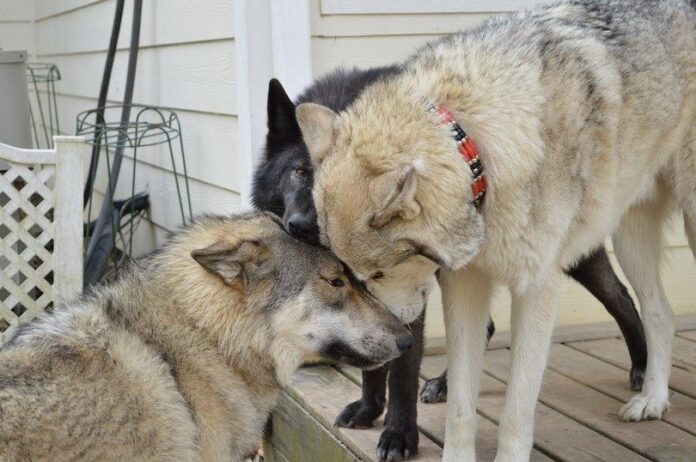
Or for a more traditional approach, and for the people that fancy the timber or black wolf, the Tamaskan dog is the perfect choice, in either timber or black.
Last thing you have to do is acquire the dog. This is where the fun part begins because chances are you will not find them in pet stores, you will have to go to breeders. Once there, forget the mental image that you have created for yourself, you have already accepted the dog, now it is the dog’s turn to accept you.
Simply walk half way towards the puppy and wait, or call the puppy towards you. If the puppy comes and sits down next to you, or makes himself or herself comfortable around you, then that is the dog for you.
The reason behind this is the fact that these breeds have a lot of loyalty and love to give, these dogs will literally take a bullet for you without hesitation, and they will watch over you constantly while at the same time giving you all the love and affection they can give.
However they are also very smart and stubborn. These are the kind of dogs that you will literally fight with in a battle of wits and will. If they accept you as the master, the leader of the pack, from a young age they will see you as the leader of the pack by default throughout their lives.
Yes they will challenge you every now and again and you will put him or her in his or her place easily, but overall it will be a lot better, smoother and more pleasant if you chose a dog that chooses you as well over choosing a dog regardless of his or her say in this matter.
The Official Wolf Looking Dog Breeds
There are quite a few breeds out there that resemble the dog’s ancestor, the wolf. Due to the popularity of the wolf and its dominant presence in a respectable number of cultures, it’s no wonder that people tried to cross breed dogs in order to make them look like wolves, however roughly 11 of these breeds are recognized as being official dog breeds.
1. Saarloos Wolfhound

This is the result of breeding
German shepherd males with brown wolf females, and it does not fall short. Indeed this dog looks remarkably like the wolf that it is supposed to portray, however it carries a little too much of its feral heritage.
This wolf hound is recommended for experienced dog owners that love a challenge because it is strong willed, dominant, and will challenge the owner constantly.
2. The German Shepherd

The German Shepherd is by far the most recognizable dog breed in to world, however it bears a lot of resemblance to wolves. The coat colors don’t help the dog in this regard, however the shape of the head, the body, the bone structure, the muscular layout, the extremely sharp senses and the strong will all point towards one thing, the wolf.
This breed is known throughout Eastern Europe as being “The Wolf Dog” because of its wolf like attitude. Gain more insight by reading our piece on this magnificent German Shepherd and see if it is the right dog for you.
3. The Utonagan

This is a breed that is recognized as being a wolf look-alike, without any actual wolves being involved in the creation of the breed. These dogs were and are still being bred in England, and they are a mix between the Alaskan Malamute, the Siberian Husky and the German Shepherd.
Unlike the rest of the wolf lookalikes, the Utonogan are a more laid back, relaxed, gentle, friendly, sociable, and all around great dogs to have. The only thing that drives us to think of wolves when it comes to the Utonagan is the coloring of the coat and the nose of the dog.
4. The Northern Inuit Dog

These dogs are a wolf lookalike breed however just like the Utonagan, no wolves were involved in the making of the breed. They have been developed in the UK and are still being bred to this day, and they have often been mistaken for real wolves when left to run about.
Despite its feral appearance, this dog is completely pacified. He is friendly, non-aggressive, and loves to
play with people, however, it has a massive drawback. These dogs must be trained from an early age and the training never stops with them. This is due to their incredibly stubborn nature and strong personalities. These are determined dogs and they will challenge you every step of the way.
With proper and continuous training, these dogs will obey you, respect you and desire to work with you. To help you, here are some
dog training methods to make your pet obey you.
5. The Canadian Eskimo Dog
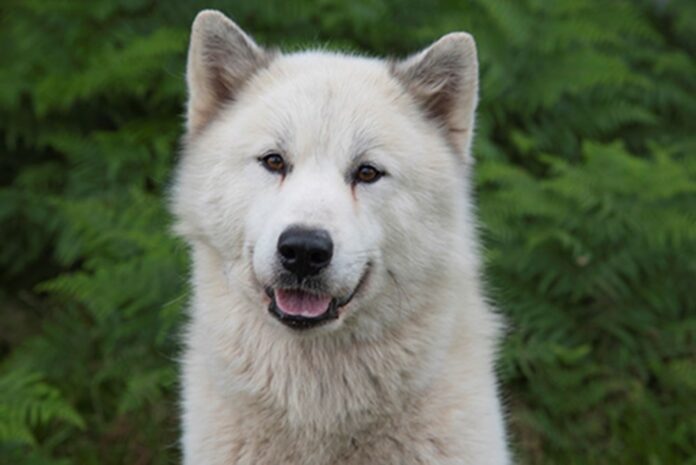
Also known as the Canadian Huskies, or Canadian Inuit Dogs, the Canadian Eskimo Dog is a bigger, stronger, and fluffier version of the wolf. Indeed it has been recognized as being a wolf lookalike breed, however, at the same time, it has been declared an endangered breed because of infection and canine diseases.
This breed is extremely rare, only 300 were counted in 2008 and the numbers have been struggling to maintain themselves over the last few years. Other than that, they are very energetic, full of life and stamina, very strong, friendly towards humans, and always willing to work with their masters.
This breed is, however very problematic and aggressive when it comes to other dogs, especially the ones that are not in their pack. These dogs will not welcome another pet in the pack or household easily, they will become increasingly aggressive towards other dogs and will not miss a chance to get into a fight with other dogs.
They are also notorious for chewing things, digging, and mischievous behavior, but these things are balanced out by the fact that they are loyal, upbeat, and loving dogs.
6. The Tamaskan

When it comes to wolf lookalike breeds, this breed is a clear cut above the rest.
First off, it looks incredibly like the wolves that it portrays. Yes, wolves, as in more than one. The Tamaskan comes in 2 pelt colors, all black like the wild and vicious black wolf, or white and charcoal gray like the timber wolf.
This breed was created in Finland, and sadly it is not recognized by kennel clubs around the world because of its very low numbers, just a few over 400. These dogs are large, they are taller than a German Shepherd, larger than a husky, and stronger than them as well.
They are friendly, obedient, and loyal to the entire family and all its members. They are great with kids and other pets, however, they must be trained from an early age.
7. The Samoyed
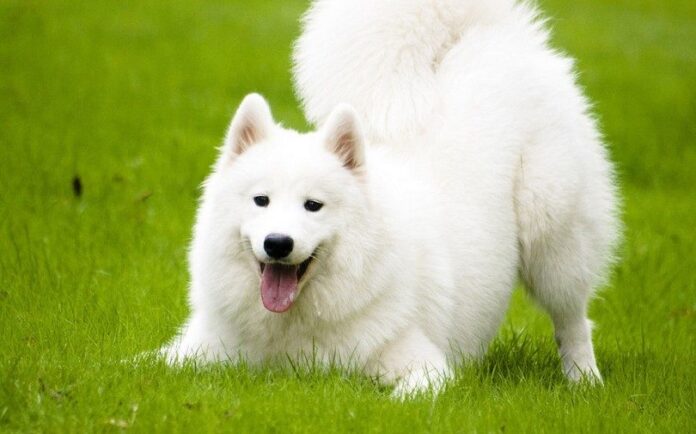
The Samoyed emulates a rarer and at the same time more prestigious wolf breed: the arctic white wolf. They were originally bred in Russia, in the Siberian Tundra to be more precise, and these
fluffy dogs are indeed wolf lookalikes.
They are calm, devoted, eager to please and have fun with their masters, very pleasant, friendly, and loving. These dogs were initially bred to hunt, which is where their fixation of pleasing the master comes from.
One other thing that the Samoyed is notorious for, is sleeping on his master in order to keep him or her warm, and always wrapping himself around small kids in order to keep them warm as well. Here’s our comprehensive information on the Samoyed to help you get to know this wonderful animal.
8. Kugsha

The Kugsha is one of the wolf lookalike breeds that encompass all the traits that the wolf possesses and has everything down to a T. This is mostly due to the fact that the Kugsha is not exactly a dog but an actual wolf.
Indeed Kugshas has just recently been domesticated, earning the title of dog instead of a wolf, however, they managed to become loving, always willing to please their masters and intelligent dogs.
Unlike other wolf lookalikes and wolfhounds, the Kugsha tends to work with his master rather than against them. That being said, these are still highly intelligent and strong-willed dogs, and they will challenge their master if they find an opening for it.
These dogs currently exist only in the United States, and the only true drawbacks that they have is the fact that they shed heavily, and the fact that they cannot survive a warm climate.
9. Czechoslovakian Wolf Dog

Ironically, this was not initially designed to be a dog breed, but things have a weird way of turning out great for our 4 legged canine friends. These dogs were initially an experiment involving a German Shepherd and Carpathian wolves, and its aim was to try and obtain a dog breed that had the best of both worlds, the trainability, intelligence, temperament and mentality of the German Shepherd, while at the same time sporting the speed, strength, agility, stamina and relentlessness of the Carpathian wolf.
The experiment was declared successful, even though the results fell a little short of the target. Indeed this wolfhound has all the characteristics of a German Shepherd plus the positive characteristics of the Carpathian wolf, but at the same time, it possesses some of the basic negative instincts that the Carpathian wolf brought to the table.
Even though this dog will never bite without being provoked and without warning, it still has a tendency to growl like a wolf most of the time.
Another drawback is that, just like a wolf, this dog is very shy, especially towards new people. This shyness can lead to problems, especially if the person in question pursues the dog. The dog might feel cornered at one point, and it will start to growl and even bark at the person.
10. The Siberian Husky

We simply cannot have a list of wolf lookalike breeds without including the Husky.
This dog resembles a wolf in many different ways. It’s built like a wolf, it’s molded like a wolf, it’s as strong as a wolf, it’s as enduring as a wolf, but most importantly, it has the
pack mentality of the wolf.
The Husky is a pack dog, born and bred to pull sleds along with other dogs across the Siberian tundra, and when the sled stops, the husky guards it from wolves. Huskies are beautiful and majestic dogs, and everything about them screams wolf, from their shape to their muscular build, to their strong backs and incredibly powerful legs.
There are a couple of drawbacks to owning a husky though. First off these dogs are smart but not in a funny pet way. No these dogs are intelligent dogs, and these dogs were bred for intense physical activity. Pulling sleds across the frozen wasteland is not exactly easy, which is why these dogs were bred and developed over the ages into the perfect pulling machines.
That being said, they are not the perfect dogs to keep around an apartment or a small house because they have a lot of energy and they tend to get bored really fast. When these dogs get bored they will do all that is in their power to have fun, at your expense.
Make no mistake about it, they will prank you and their mischievous nature will kick in strong, making them do the most hilarious things only to get their kicks from watching you get pranked time and time again.
11. The Alaskan Malamute

Every family has that one cousin, the one that does not quite fit in with everyone else but is generally a nice guy and laughs on occasions so he still gets invited to family dinners and events.
This is what the Alaskan Malamute is for this family of wolf lookalike breeds. The Alaskan Malamute is a distant cousin of the Husky. They both have the same temperament, they both are incredibly smart and very mischievous, they have the same pelt color and they were both bred to pull sleds across the frozen wastes, but this is where the similarities end because the malamute is a husky on steroids.
Indeed this dog is a lot taller, a lot larger, and a lot stronger than the husky, and wolves in general.
These dogs are loyal, loving, quiet, and eager to please their master, but the malamute is also strong willed, stubborn, has a strong personality, and requires a lot of training.
It is not recommended for people to have a malamute in an apartment because they require a lot of exercises and they are a lot more comfortable and a lot more at home in nature than in an apartment.
The malamute also sports a 2-inch thick coat that causes him or her to shed at an alarming rate when kept inside a warm apartment, so this dog is better suited in a colder environment, Alaska and Siberia being the 2 favorite locations of the Malamute.
Get to know this breed by reading our article on the amazing Alaskan Malamute.
Things to Look Out for When Dealing With These Breeds
There are some things that you should watch out for as the owner of wolf looking dog breeds. First off, there are a few health issues that might arise, especially in males, like sterility,
dangerous stomach infections, and hip problems. Another thing to keep an eye on is the food that your dog ingests. Normal
dog food usually does not cut it for these specimens, and special meals can be cooked with minimal effort, for a minimal cost, and in a very short time.
Exercise is a must for these dogs, their athletic bodies are there for a reason other than to be admired, and their muscular development is incredibly important. These dogs are extremely close to wolves and they must burn the fat and the energy as often as they can in order to prevent health problems later on and in order to keep them submissive and in a relatively calm state.
Human interaction is also crucial for these dogs because some of the breeds look incredibly similar to actual wolves, and as such people tend to be either frightened or aggressive towards them. With persistent social interaction, you will see not only the people begin to grow more relaxed around your dog, but more importantly, you will see your dog starting to grow more relaxed around other people and even come to expect weird reactions without acting out in self-defense.
Socializing your dog with other dogs is also important. These are pack dogs at their cores, and even though it will take a while for them to grow acceptance of other dogs, especially if they were not socialized while they were puppies, they will start to socialize with other dogs and they will grow less aggressive and less dangerous around other dogs. Check out our piece on how to teach your dog socialization skills to help you.

The wolf looking dog breeds are indeed a sight to behold. They are beautiful, athletic, devoted, loving, and hardworking dogs. Some of them have graced the silver screens, some of them are still being mistaken for wolves, and some are a bit more feral than usual.
We all love these breeds because they remind us of how beautiful they are as well as how smart, how loyal, and how devoted dogs can really be.
It does take a special kind of person to understand these breeds and help them reach their true potential, however, if you think you have what it takes, and you are both willing and able to change a few things around in order to accommodate such a dog, then, by all means, go for it.
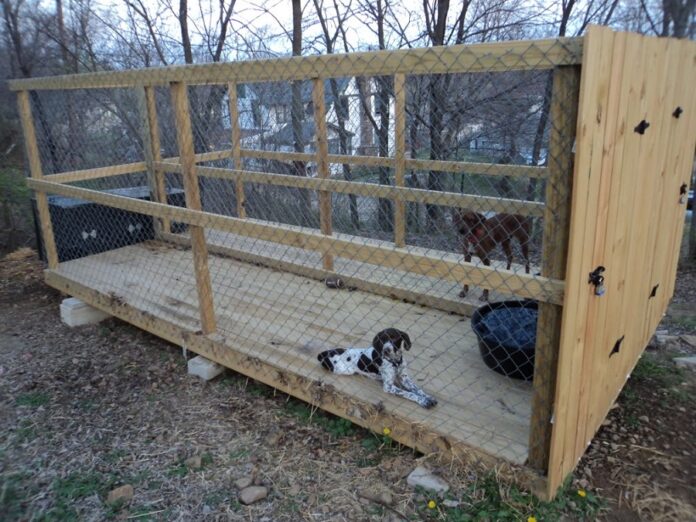 On the flip side, you have to look over the fence at the other side and see what they have to say about this as well. Ok, it might seem a little cruel or maybe a little harsh locking your dog up like in a zoo, however there are no restrictions to the dog run itself. You can make it as big as you please and you can add a lot of amenities to it like a dog house, padding, doggy bowls, etc.
So it’s not exactly that bad of an overall deal. Another thing to consider here as well is the fact that this might just be a temporary solution instead of a permanent one, and there is no guarantee that the dog run will be your dog’s entire life and universe after it has been built.
Reasons for it vary from case to case, however it is a practical solution and it is not to be ignored.
On the flip side, you have to look over the fence at the other side and see what they have to say about this as well. Ok, it might seem a little cruel or maybe a little harsh locking your dog up like in a zoo, however there are no restrictions to the dog run itself. You can make it as big as you please and you can add a lot of amenities to it like a dog house, padding, doggy bowls, etc.
So it’s not exactly that bad of an overall deal. Another thing to consider here as well is the fact that this might just be a temporary solution instead of a permanent one, and there is no guarantee that the dog run will be your dog’s entire life and universe after it has been built.
Reasons for it vary from case to case, however it is a practical solution and it is not to be ignored.
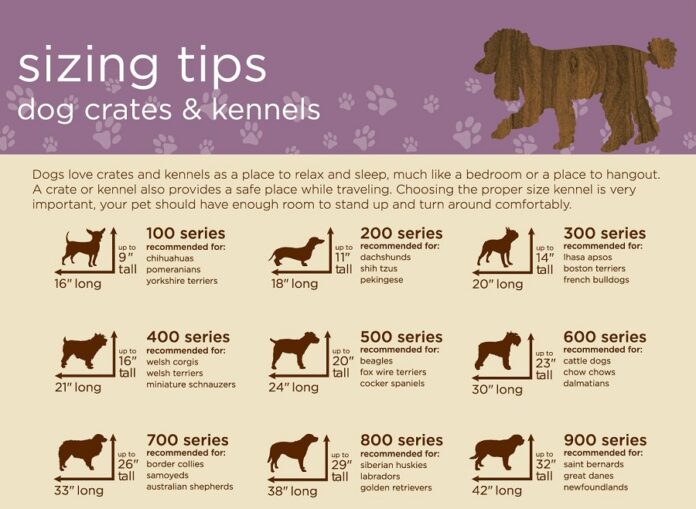
 First and foremost, before you get down to work, you must first decide what the best option is for your dog. Learn everything about your dog, its breed, what its needs are, see how much room the dog needs, how much exercise the breed demands, and so on.
Needless to say that a small dog will require a slightly smaller dog run than a very big dog, and seeing as this is a DIY project that you take on yourself for your dog, you can simply add in as many things as you wish, without having to deal with restrictive guidelines and crazy limitations.
First and foremost, before you get down to work, you must first decide what the best option is for your dog. Learn everything about your dog, its breed, what its needs are, see how much room the dog needs, how much exercise the breed demands, and so on.
Needless to say that a small dog will require a slightly smaller dog run than a very big dog, and seeing as this is a DIY project that you take on yourself for your dog, you can simply add in as many things as you wish, without having to deal with restrictive guidelines and crazy limitations.
 Another thing to pay close attention to is the climate in which you live. Is the sun a problem? Does your dog require more shade? Or maybe the dog needs more sun and more heat? The list can go on for quite a while, however you get the gist of it, see how the climate affects your dog and figure out how you can make it better for him or her with the dog run.
 Bellow are a few purposes that should not be the main goal of a dog run.
The doggy bathroom – you might find it funny, but there are quite a few people that have done this, and to my knowledge, are still doing it to this very day. When nature calls you have to answer and so does the dog, and when it happens, the dog owner tends to direct the dog towards the dog run. An interesting thing you should know about dogs is that besides marking their territory with urine, they tend not to defecate within their personal territory, in this case the yard itself.
This is why when you take your dog out of the yard and onto the street or the area behind the yard the first thing he or she does is empty the bowls. If you direct your dog towards the dog run every time he or she has to answer to mother nature, seeing as the area is fenced off and more or less separated from the rest of the yard, the dog will interpret this as his or her private bathroom, and will use it accordingly.
Ok, granted, it might seem like a better solution than randomly stepping in it, but there are hygiene risks, the smell will be awful, and the dog run will become more and more unsightly with every use.
Making it a permanent solution – As mentioned above, it is usually a temporary solution, and it works wonders this way, but there are the inexperienced dog owners that think that it’s a good idea to keep the dog locked up in the dig run for the entire day, 7 days per week, 12/12 months.
Bellow are a few purposes that should not be the main goal of a dog run.
The doggy bathroom – you might find it funny, but there are quite a few people that have done this, and to my knowledge, are still doing it to this very day. When nature calls you have to answer and so does the dog, and when it happens, the dog owner tends to direct the dog towards the dog run. An interesting thing you should know about dogs is that besides marking their territory with urine, they tend not to defecate within their personal territory, in this case the yard itself.
This is why when you take your dog out of the yard and onto the street or the area behind the yard the first thing he or she does is empty the bowls. If you direct your dog towards the dog run every time he or she has to answer to mother nature, seeing as the area is fenced off and more or less separated from the rest of the yard, the dog will interpret this as his or her private bathroom, and will use it accordingly.
Ok, granted, it might seem like a better solution than randomly stepping in it, but there are hygiene risks, the smell will be awful, and the dog run will become more and more unsightly with every use.
Making it a permanent solution – As mentioned above, it is usually a temporary solution, and it works wonders this way, but there are the inexperienced dog owners that think that it’s a good idea to keep the dog locked up in the dig run for the entire day, 7 days per week, 12/12 months.
 A dog needs exercise, he needs to run around, socialization, having fun, annoying the rest of the family from time to time with his or her clownish antics, these are all things that the dog needs to do in order to be a dog. If you choose to make the dog run permanent doggy accommodations for your dog, you will find that the dog will become more and more aggressive, more and more unstable, and worst of all, more and more weary of strangers.
There might also be health issues involved because of the fact that your dog is not getting the exercise that he or she needs, so you might want to keep an eye on that as well.
A dog needs exercise, he needs to run around, socialization, having fun, annoying the rest of the family from time to time with his or her clownish antics, these are all things that the dog needs to do in order to be a dog. If you choose to make the dog run permanent doggy accommodations for your dog, you will find that the dog will become more and more aggressive, more and more unstable, and worst of all, more and more weary of strangers.
There might also be health issues involved because of the fact that your dog is not getting the exercise that he or she needs, so you might want to keep an eye on that as well.
 Let’s start with the absolute basics, the quintessential elements of a dog run:
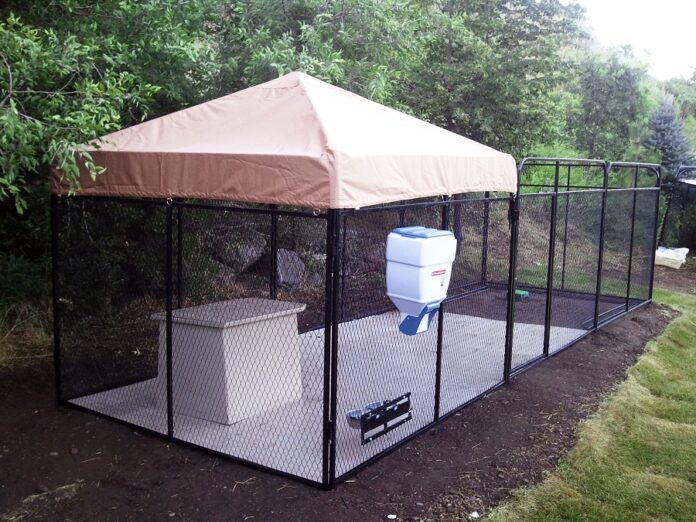 You might want to make it large and roomy though, this will allow the dog to run around freely and get some exercise as well as have fun with people that choose to enter it with him or her.
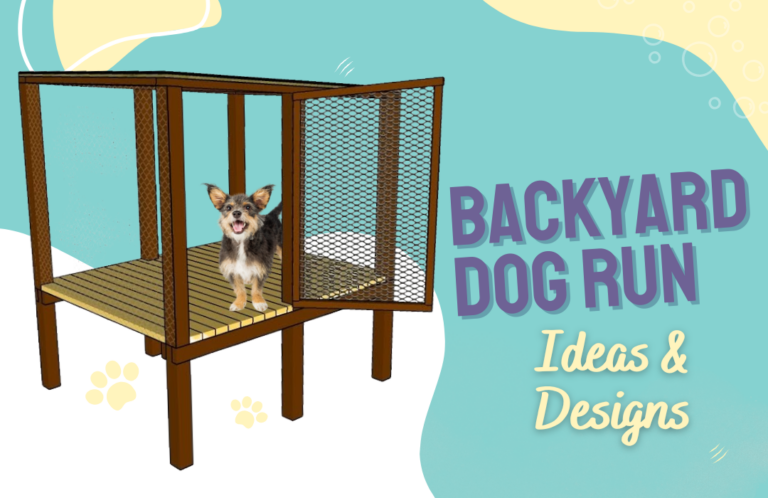
For the fencing, you can use diamond wire fencing, which you can cut to size with a pair of pliers and attach it to the metal pipe frame using C rings and C clips.
The rather tedious part about using this kind of fencing is the fact that you will have to connect it with C rings and C clips to the frame, with every single diamond shape that comes in contact with the frame, which means that you will be using C rings and C clips in the hundreds. Luckily, they are relatively cheap, and stocking up on them is not an issue.
Make sure you set aside one fence section in order for it to act as the gate. Grab a pair of metal hinges, weld one side of them to the gate and the other side to the part of the fence that you want it to swing from. What you have so far is the basic dog run design, a 4 sided fence and a gate. Now it’s time to put in some real effort for your dog.
Now it is time to put a roof on it. Grab some metal pipes, which are the same size and type as the ones that you have constructed the frame out of, and welt them across the top. Make sure you don’t add too many, making it too heavy.
After you have finished welding, grab the material that you have decided to use as roofing. You can use sheet metal, wood panels, plastic sheets of panels, and so on. If you chose sheet metal then weld it on to the pipes, if you chose wood you might want to drill a hole through the wood panels and the pipes and lock them into place with screws, as for plastic you might want to consider bigger C rings or even adjustable metal clamps that can lock them into place.
You might want to make it large and roomy though, this will allow the dog to run around freely and get some exercise as well as have fun with people that choose to enter it with him or her.
For the fencing, you can use diamond wire fencing, which you can cut to size with a pair of pliers and attach it to the metal pipe frame using C rings and C clips.
The rather tedious part about using this kind of fencing is the fact that you will have to connect it with C rings and C clips to the frame, with every single diamond shape that comes in contact with the frame, which means that you will be using C rings and C clips in the hundreds. Luckily, they are relatively cheap, and stocking up on them is not an issue.
Make sure you set aside one fence section in order for it to act as the gate. Grab a pair of metal hinges, weld one side of them to the gate and the other side to the part of the fence that you want it to swing from. What you have so far is the basic dog run design, a 4 sided fence and a gate. Now it’s time to put in some real effort for your dog.
Now it is time to put a roof on it. Grab some metal pipes, which are the same size and type as the ones that you have constructed the frame out of, and welt them across the top. Make sure you don’t add too many, making it too heavy.
After you have finished welding, grab the material that you have decided to use as roofing. You can use sheet metal, wood panels, plastic sheets of panels, and so on. If you chose sheet metal then weld it on to the pipes, if you chose wood you might want to drill a hole through the wood panels and the pipes and lock them into place with screws, as for plastic you might want to consider bigger C rings or even adjustable metal clamps that can lock them into place.
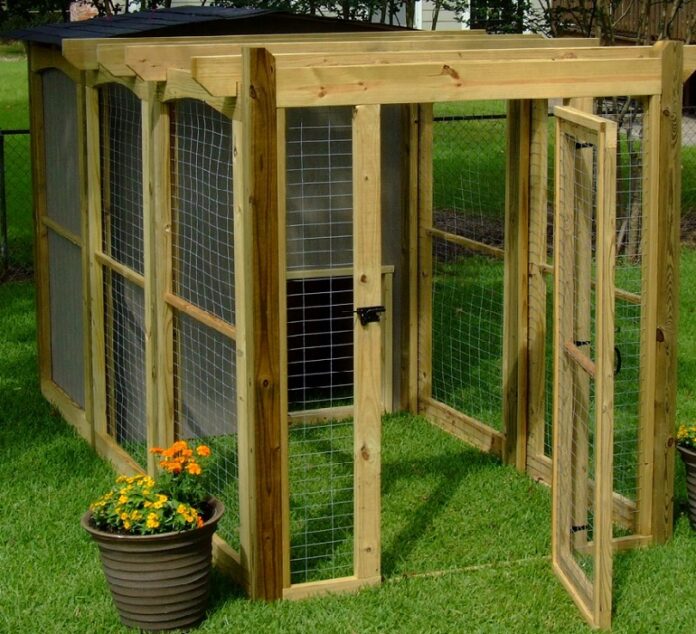 Ok, so the roof is done. Now it’s the time to add some extras to the dog run. You can add a dog house to it, add ledges and ramps, add like a small obstacle course, and even put a used curtain or something along those lines on the side in case the sun is causing issues with your dog and you want to give him or her that extra bit of shade.
Don’t go overboard with these extras though, simply add in a few if the dog will have to use the dog run for an extended period of time or maybe if you decided to have this be a permanent solution.
Before you leave, there is one more thing that you must do before your dog can start using it. Give it a quick inspection, making sure that the structure is sturdy, the area is clean, the grass is properly trimmed and that there are no nasty surprises that can affect the dog negatively in the long run.
Ok, so the roof is done. Now it’s the time to add some extras to the dog run. You can add a dog house to it, add ledges and ramps, add like a small obstacle course, and even put a used curtain or something along those lines on the side in case the sun is causing issues with your dog and you want to give him or her that extra bit of shade.
Don’t go overboard with these extras though, simply add in a few if the dog will have to use the dog run for an extended period of time or maybe if you decided to have this be a permanent solution.
Before you leave, there is one more thing that you must do before your dog can start using it. Give it a quick inspection, making sure that the structure is sturdy, the area is clean, the grass is properly trimmed and that there are no nasty surprises that can affect the dog negatively in the long run.
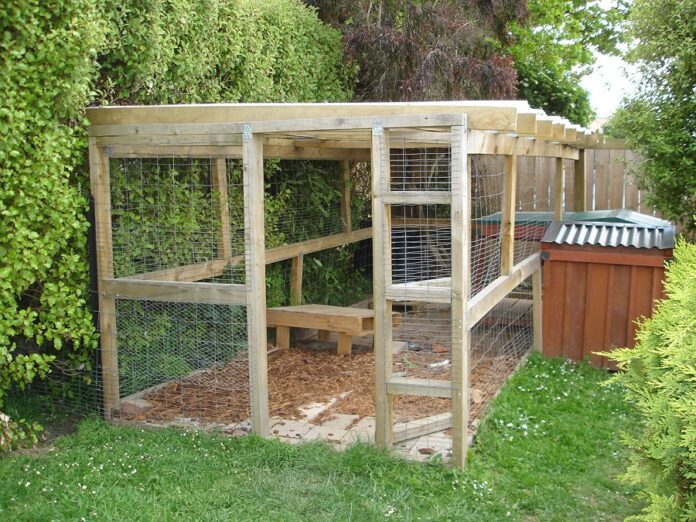 The best thing about making a dog run yourself is the fact that you can effectively tailor it to match the specific needs of your dog, and you can even add extra things in there to make your dog feel a lot more comfortable and a lot happier at the same time.
If you think you have what it takes, if you think you have the tools, the resources, the skill and the time to take on this DIY dog run project, then I suggest you go for it.
Building a dog run and seeing your dog enjoy his or her time in it is a very rewarding sight, and it will make it worth it in the long run.
The best thing about making a dog run yourself is the fact that you can effectively tailor it to match the specific needs of your dog, and you can even add extra things in there to make your dog feel a lot more comfortable and a lot happier at the same time.
If you think you have what it takes, if you think you have the tools, the resources, the skill and the time to take on this DIY dog run project, then I suggest you go for it.
Building a dog run and seeing your dog enjoy his or her time in it is a very rewarding sight, and it will make it worth it in the long run. 
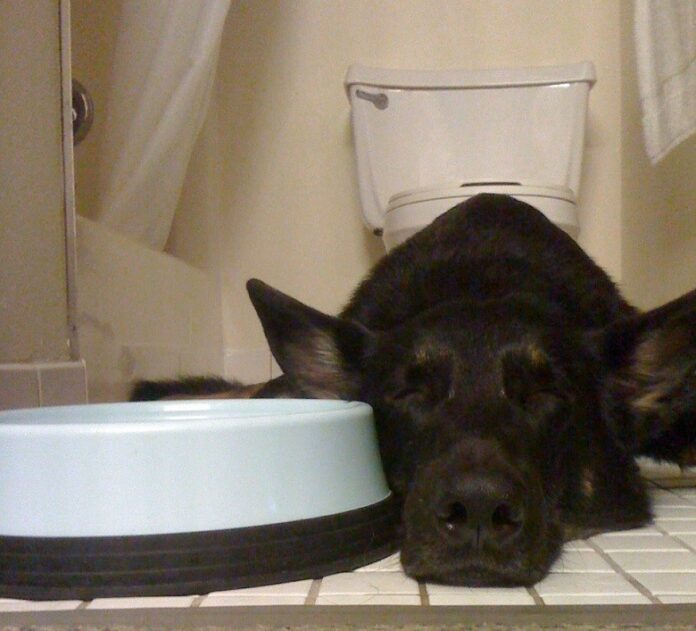 A hairball can pose several levels of risk depending on how many and how long the hair materials had been in their gastrointestinal tract. A dog can usually eliminate a small amount of hair that they ingest if these are really few and the speed of his elimination is normal. But a dog that has a slower rate of elimination can have hairball problems even if he ingests them in small amounts.
As the hair accumulates, they tend to tangle themselves around each other forming an almost solid structure and if he happens to have a weak body, he may have problems vomiting or coughing it out.
Here are some of the symptoms to look out for if you want to know if your dog has gotten some hairballs:
A hairball can pose several levels of risk depending on how many and how long the hair materials had been in their gastrointestinal tract. A dog can usually eliminate a small amount of hair that they ingest if these are really few and the speed of his elimination is normal. But a dog that has a slower rate of elimination can have hairball problems even if he ingests them in small amounts.
As the hair accumulates, they tend to tangle themselves around each other forming an almost solid structure and if he happens to have a weak body, he may have problems vomiting or coughing it out.
Here are some of the symptoms to look out for if you want to know if your dog has gotten some hairballs:
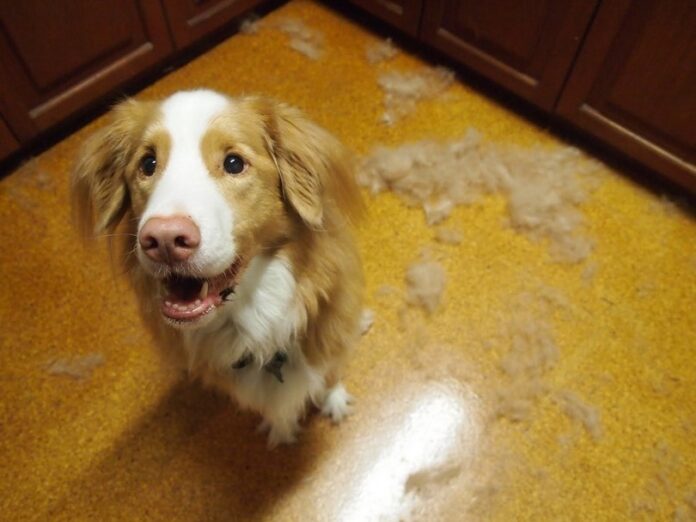 Here are some causes or reasons on how a dog can get a hairball:
 Aside from that, dog hairballs can also be stuck in different areas in your pet’s gastrointestinal tract – in the esophagus, the stomach, or the small intestines.
 Here are some steps that you can take in order to keep your dog from getting a hairball:

 Unfortunately there is no real cure for allergies but there are things you can do to lessen the chances of them taking effect. Using air filters and keeping windows closed is a start against air allergens and using a vacuum frequently helps reduce dust miters. When you wash dog’s beds use only hot water and no detergents.
Cotton is better than wool for throws or bedding and the animal should be kept out of damp or dusty places. Strangely enough wooden chips in the garden can cause trouble with cedar being a culprit and the dog should be kept off freshly mown lawns. A stainless steel food bowl is best as plastic can cause reactions and any dry dog food should not be used if it has gone crumbly or dusty.
Unfortunately there is no real cure for allergies but there are things you can do to lessen the chances of them taking effect. Using air filters and keeping windows closed is a start against air allergens and using a vacuum frequently helps reduce dust miters. When you wash dog’s beds use only hot water and no detergents.
Cotton is better than wool for throws or bedding and the animal should be kept out of damp or dusty places. Strangely enough wooden chips in the garden can cause trouble with cedar being a culprit and the dog should be kept off freshly mown lawns. A stainless steel food bowl is best as plastic can cause reactions and any dry dog food should not be used if it has gone crumbly or dusty.
 There are some natural treatments on offer that may well help in some cases.
 There is another firm called Bionic Biotic and they have the Omega 3 along with other ingredients like zinc. This powder is added to food and claims to stop scratching in three weeks or your money back- quite a claim. Tibetan Herbs advertise a supplement with Angelica and other natural herbs to support the immune system.
 If the allergy is flea or parasite related then the vet will prescribe the right application to rid the dog of the culprit. The house should also be treated to make sure that reinfection cannot occur.
The dog’s eyes may need to gently washed with lukewarm water and the vet may decide to administer corticosteroids to thieve the itching and these would normally be given as eye drops.
If the allergy is flea or parasite related then the vet will prescribe the right application to rid the dog of the culprit. The house should also be treated to make sure that reinfection cannot occur.
The dog’s eyes may need to gently washed with lukewarm water and the vet may decide to administer corticosteroids to thieve the itching and these would normally be given as eye drops.
 There is another immune treatment that injects what your dog is allergic to under the skin. The dog is first tested extensively to find out what the culprit allergens are and then suitable injections provided. The skin test is done by injecting small amounts of possible allergens under the skin and waiting to see if there is a reaction. Blood tests are more accurate for airborne allergies. It is a very lengthy and expensive process that has a limited amount of success.
Your vet may well prescribe antibiotic as along with other treatment if he thinks there is a skin infection as well.
There is another immune treatment that injects what your dog is allergic to under the skin. The dog is first tested extensively to find out what the culprit allergens are and then suitable injections provided. The skin test is done by injecting small amounts of possible allergens under the skin and waiting to see if there is a reaction. Blood tests are more accurate for airborne allergies. It is a very lengthy and expensive process that has a limited amount of success.
Your vet may well prescribe antibiotic as along with other treatment if he thinks there is a skin infection as well.
 Some flat faced breeds of dogs have trouble with entropies or interned eyelid which again is painful and needs to be treated but might present the same symptom as an allergy. Entropies can occur in any breed.
Breeds with loose skin around the eyes like Bloodhounds or Cocker Spaniels may have ectropian which is an outward turning eyelid and may also present discharging eyes as a symptom. Some of these conditions may be treated with steroids or antibiotics but in some cases surgery might be the answer.
In fact if the watery, itchy or discharging eyes occurs for more than a few days you would be well advised to see the veterinary surgeon and discover the cause. An infection may well just require antibiotics and all will be well.
It may be that a combination of methods will deal with the problem and working along with the vet’s advice will be effective.
Some flat faced breeds of dogs have trouble with entropies or interned eyelid which again is painful and needs to be treated but might present the same symptom as an allergy. Entropies can occur in any breed.
Breeds with loose skin around the eyes like Bloodhounds or Cocker Spaniels may have ectropian which is an outward turning eyelid and may also present discharging eyes as a symptom. Some of these conditions may be treated with steroids or antibiotics but in some cases surgery might be the answer.
In fact if the watery, itchy or discharging eyes occurs for more than a few days you would be well advised to see the veterinary surgeon and discover the cause. An infection may well just require antibiotics and all will be well.
It may be that a combination of methods will deal with the problem and working along with the vet’s advice will be effective. 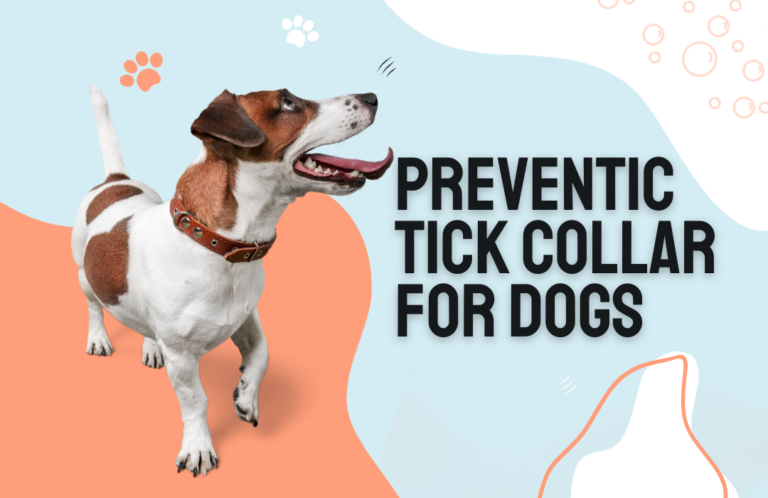
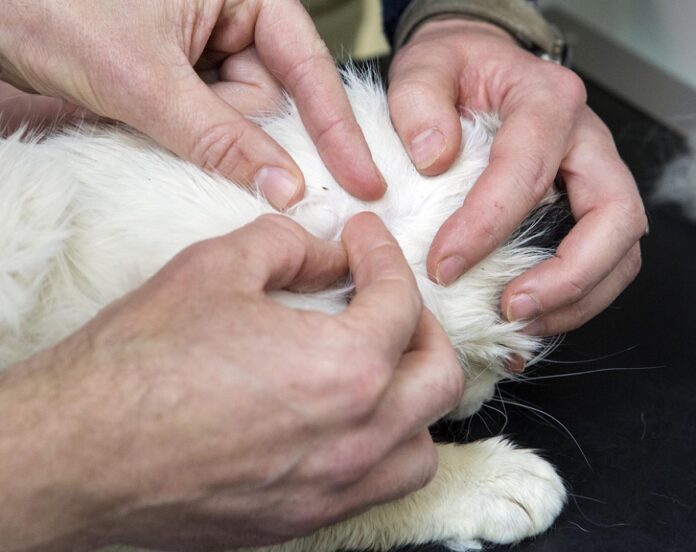 In general, fleas and ticks are found outdoors, although indoor areas that are not properly cleaned and maintained can also be a location in which these parasites are found. When a dog walks around the park or some grassy suburban area where other dogs roam around, there is a good chance that this dog can get a flea or tick.
Ticks are known to perform questing, which literally means questing for a new host for them to feed on. They stay on grass blades or sturdy shrubs and wait until a dog walks towards them so they can latch themselves onto it and thrive.
Fleas and ticks can survive for more than a year without food. This means that if you live in a community that was previously populated by dogs, chances are that this place is still infested with fleas and ticks after several months to more than a year.
In the United States, ticks and fleas can be more prevalent in some areas depending on the season. The infestation of these parasites may also vary from year to year. The most commonly found tick in North America is the
In general, fleas and ticks are found outdoors, although indoor areas that are not properly cleaned and maintained can also be a location in which these parasites are found. When a dog walks around the park or some grassy suburban area where other dogs roam around, there is a good chance that this dog can get a flea or tick.
Ticks are known to perform questing, which literally means questing for a new host for them to feed on. They stay on grass blades or sturdy shrubs and wait until a dog walks towards them so they can latch themselves onto it and thrive.
Fleas and ticks can survive for more than a year without food. This means that if you live in a community that was previously populated by dogs, chances are that this place is still infested with fleas and ticks after several months to more than a year.
In the United States, ticks and fleas can be more prevalent in some areas depending on the season. The infestation of these parasites may also vary from year to year. The most commonly found tick in North America is the  On the other hand, ticks exhibit certain behavior and have biological requirements. There are also particular places where tick problems occur more frequently compared to others. The extreme Northeast and the upper Midwest are experiencing serious existing problems when it comes to tick infestations – Lyme disease tick in particular.
However, being away from these places doesn’t save you from the trouble because the south-central United States also has a bad tick infestation issue. You can only find very few places in North America with little to no tick problems as of now, for the main reason that there are a lot of different types of ticks.
Fleas and ticks inject saliva into the host’s skin whenever they feed. Their saliva contains proteins and compounds and is heavily filled with allergens or irritants that trigger irritation like itching or rash formation.
One of the most
On the other hand, ticks exhibit certain behavior and have biological requirements. There are also particular places where tick problems occur more frequently compared to others. The extreme Northeast and the upper Midwest are experiencing serious existing problems when it comes to tick infestations – Lyme disease tick in particular.
However, being away from these places doesn’t save you from the trouble because the south-central United States also has a bad tick infestation issue. You can only find very few places in North America with little to no tick problems as of now, for the main reason that there are a lot of different types of ticks.
Fleas and ticks inject saliva into the host’s skin whenever they feed. Their saliva contains proteins and compounds and is heavily filled with allergens or irritants that trigger irritation like itching or rash formation.
One of the most  Because of its practical placement as a collar, there is very minimal discomfort and no possibility of intoxication due to ingested ingredients.
 This collar is highly recommended for pet parents that love long walks or outdoor activities because this flea and tick collar is water-resistant which means it can be used in wet weather or rainy seasons. The Adams Plus Tick and Flea can eliminate flea eggs, flea larva, adult fleas, and ticks. It also prevents possible re-infestation and has guaranteed protection duration of approximately 5 months.
If you think that this product could be useful for you, then you can purchase it on Amazon.
This collar is highly recommended for pet parents that love long walks or outdoor activities because this flea and tick collar is water-resistant which means it can be used in wet weather or rainy seasons. The Adams Plus Tick and Flea can eliminate flea eggs, flea larva, adult fleas, and ticks. It also prevents possible re-infestation and has guaranteed protection duration of approximately 5 months.
If you think that this product could be useful for you, then you can purchase it on Amazon.
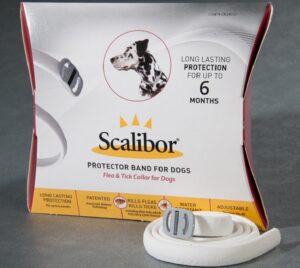 The Protector Band from Scalibor is a reasonably-priced collar that can be worn by dogs older than three months. It is an adjustable collar that can be used by dogs of varying breeds and sizes. Scalibor Protector Band comes with Deltamethrin which is a compound that is highly proven to quickly eliminate existing fleas and ticks in the dog’s body. Another water-resistant collar, this can be used for swimming and other activities that heavily involves the dog to get wet.
 For dogs that are older than seven weeks, we have the Flea and Tick Treatment designed for small breeds made by Seresto. This odorless solution to ticks and fleas can provide up to eight months of continuous protection.
Incorporated with two active ingredients that further prevents re-infestation and promotes eradication of existing parasites, the Seresto Flea and Tick Treatment for dogs is an economical solution for your flea and tick problems that is easy on the pocket.
For dogs that are older than seven weeks, we have the Flea and Tick Treatment designed for small breeds made by Seresto. This odorless solution to ticks and fleas can provide up to eight months of continuous protection.
Incorporated with two active ingredients that further prevents re-infestation and promotes eradication of existing parasites, the Seresto Flea and Tick Treatment for dogs is an economical solution for your flea and tick problems that is easy on the pocket.
 The Vet Kem Power Band is perhaps the most adjustable collar in our list. It promises to protect your fur babies for up to five months across all life cycle stages of fleas and ticks. Vet Kem Power Band is another odorless variant and has a unique buckle that makes the collar fit to almost every dog size.
 The BioSpot Collar can be used by puppies and dogs more than six weeks old. Featuring an adjustable size collar in a stylish blue color, the Tick and Flea Active Care Collar by BioSpot effectively kills eggs, larvae, fleas, and ticks.
 The Scalibor Collar Protector Band offers the same features of the previous Scalibor Collar, but this is strongly recommended for families with multiple dogs. Odorless and water-resistant, this bundle saves you from all the trouble and a lot of money because you protect all your fur babies simultaneously.
 Another alternative for pet parents with several dogs in the house is the Ultra Guard Flea and Tick by Hartz. This dog collar comes in a two-piece pack, which is very economical considering the benefits it can provide. The Ultra Guard has a fresh and clean scent, which is something to be considered if you prefer your collars to be odorless.
The Hartz Ultra Guard Flea and Tick Dog Collar have a guaranteed protection period of up to five months.
Another alternative for pet parents with several dogs in the house is the Ultra Guard Flea and Tick by Hartz. This dog collar comes in a two-piece pack, which is very economical considering the benefits it can provide. The Ultra Guard has a fresh and clean scent, which is something to be considered if you prefer your collars to be odorless.
The Hartz Ultra Guard Flea and Tick Dog Collar have a guaranteed protection period of up to five months.
 If your dog beats the weighing scale, the Preventic Tick Collar effectively kills fleas and ticks fast. With Amitraz, the active ingredient that potently kills ticks within ninety days, and has a guaranteed effective kill rate of 97%, which is something that is truly remarkable. Safe for both indoor and outdoor use, this durable dog collar is tried and tested to endure even the most playful gentle giants of a breed.
 The Seresto collar that is intended for large breed eliminates pests for dogs as young as seven weeks and has an effective potency of up to eight months.

 The twisted stomach is a disease called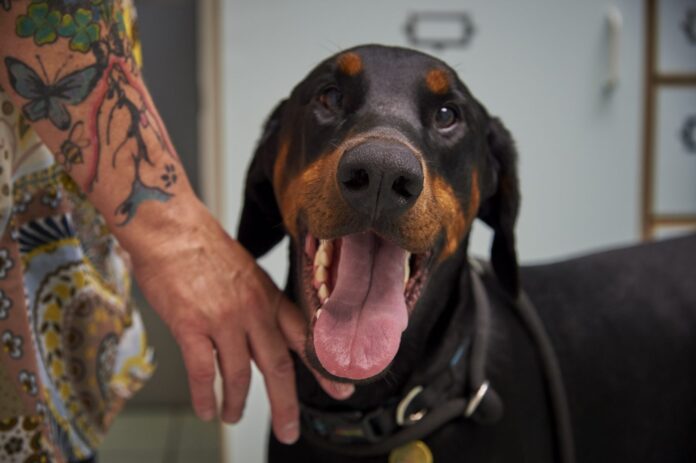
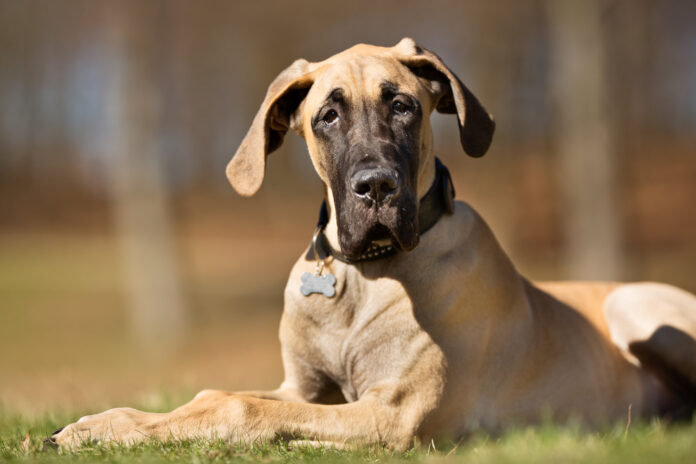
 If you feel that your dog displays symptoms that are similar to bloat you need to take it to the first veterinary hospital as soon as possible. You can confirm them by calling the veterinarian, but this should not stop you from getting your pet ready for a car ride. The only way this condition can be improved is by passing a plastic tube into the stomach through the mouth.
As it can be seen, this is not something that you can do at home. This procedure clears the air from the stomach, and it is followed by a wash. You also need o know that the pet must remain in the hospital for the next 36 hours as it is not allowed to drink or eat, thus it will be supported with intravenous liquids.
If the diagnostic is not confirmed by the symptoms, the veterinarian will make an abdominal X-ray. The volume of gas will be clearly exposed, and also the twisted tissues. If the situation is life-threatening, emergency surgery is needed.
However, if the symptoms are really bad, it is necessary to stabilize the dog first, and only after to use anesthesia. At this stage, the stomach is repositioned and parts of it or other adjacent organs like the spleen can be removed. Though it sounds scary, it is important to be aware of all the risks in order to treat this aspect in a responsible manner. You can prevent surgery if you manage to spot the first signs of bloat.
If you feel that your dog displays symptoms that are similar to bloat you need to take it to the first veterinary hospital as soon as possible. You can confirm them by calling the veterinarian, but this should not stop you from getting your pet ready for a car ride. The only way this condition can be improved is by passing a plastic tube into the stomach through the mouth.
As it can be seen, this is not something that you can do at home. This procedure clears the air from the stomach, and it is followed by a wash. You also need o know that the pet must remain in the hospital for the next 36 hours as it is not allowed to drink or eat, thus it will be supported with intravenous liquids.
If the diagnostic is not confirmed by the symptoms, the veterinarian will make an abdominal X-ray. The volume of gas will be clearly exposed, and also the twisted tissues. If the situation is life-threatening, emergency surgery is needed.
However, if the symptoms are really bad, it is necessary to stabilize the dog first, and only after to use anesthesia. At this stage, the stomach is repositioned and parts of it or other adjacent organs like the spleen can be removed. Though it sounds scary, it is important to be aware of all the risks in order to treat this aspect in a responsible manner. You can prevent surgery if you manage to spot the first signs of bloat.
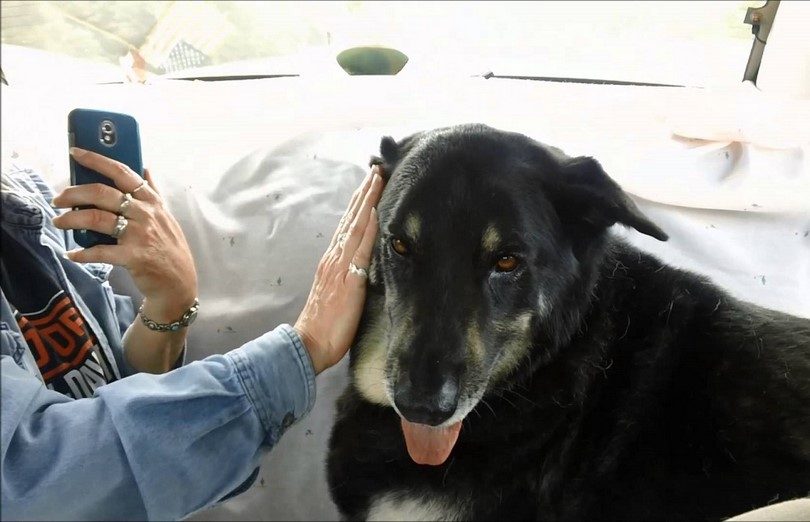 Exercises and eating should never be combined. Before and after the dog eats it needs to rest, for at least an hour. This is why it is a good idea to follow a strict training and feeding schedule. Furthermore, if you want to make a change in the everyday diet, make sure you do it gradually. Remove or add an ingredient through a period of five to seven days.
If you have more than a dog in the house and one of them is susceptible to stress, make sure you feed it in a quiet location, away from the others. If it feels a constant fear that someone will steal its food it will eat too fast, and this can cause bloating. A dog that has relatives that suffered from this illness needs to follow a strict diet.
To be more exact, it is important to avoid food with rich fat content or citric acid. You can also opt for bigger particle sizes rather than for the small ones to prevent excessive swallowing without chewing. Bloating is an illness that can happen again and again, thus you need to handle it with extra care.
Though twisted stomach is a very serious disease, it is good to know that it can be treated as long as you are aware of the symptoms and act promptly. All that you need to do in order to be able to save your dog is to be well informed. If you know the causes, you can avoid dangerous situations. At the same time, you can rely on the prevention methods listed in the article.
No matter how serious the situation may be, you need to remain calm and to call the veterinarian as soon as possible. With the appropriate care, your dog will be safe and happy.
Exercises and eating should never be combined. Before and after the dog eats it needs to rest, for at least an hour. This is why it is a good idea to follow a strict training and feeding schedule. Furthermore, if you want to make a change in the everyday diet, make sure you do it gradually. Remove or add an ingredient through a period of five to seven days.
If you have more than a dog in the house and one of them is susceptible to stress, make sure you feed it in a quiet location, away from the others. If it feels a constant fear that someone will steal its food it will eat too fast, and this can cause bloating. A dog that has relatives that suffered from this illness needs to follow a strict diet.
To be more exact, it is important to avoid food with rich fat content or citric acid. You can also opt for bigger particle sizes rather than for the small ones to prevent excessive swallowing without chewing. Bloating is an illness that can happen again and again, thus you need to handle it with extra care.
Though twisted stomach is a very serious disease, it is good to know that it can be treated as long as you are aware of the symptoms and act promptly. All that you need to do in order to be able to save your dog is to be well informed. If you know the causes, you can avoid dangerous situations. At the same time, you can rely on the prevention methods listed in the article.
No matter how serious the situation may be, you need to remain calm and to call the veterinarian as soon as possible. With the appropriate care, your dog will be safe and happy. 
 The most dangerous and aggressive dogs in the world are undoubtedly the fighting dogs. They were conceived through a crossbreeding process. Man wanted to obtain dogs that were characterized by cold-bloodedness and strength in order to use them in dog fights or for killing people. Since dog fights became illegal, the scariest dog breeds didn’t just disappear. They were not involved in a purposeless slaughter, but trained to become gentler and serve as
 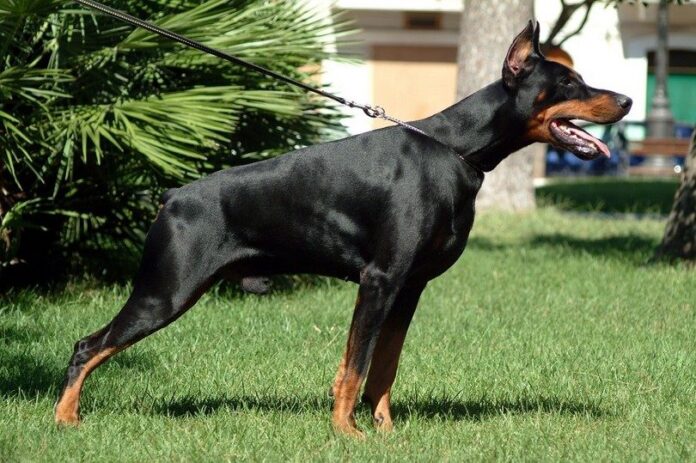 As a pet, a Doberman needs a strong and firm owner. Preferably, it should be afraid of this person in order to respect him or her enough and obey. In case it doesn’t have such an owner, it tends to act bossy and it doesn’t hesitate to attack its owner if it doesn’t get what it wants.
 If a Rottweiler puppy is not properly trained, it can easily return to the old habits characteristic for this breed. Just as a Doberman, a Rottweiler enforces its own rules in a household if its owner is not a challenging figure or an imposing figure. Only an experienced dog owner can handle a Rottweiler and teach it what obedience means.
 Such canine specimen tries to behave itself because it knows that would please its owner. In case of aggression towards it, a Pit Bull will always react violently. Those people who are not experienced enough to know what a dog is about to do just by looking at it, should not get a Pit Bull. Although it is intelligent and loving, it is born with a high level of aggressiveness that can only be controlled up to one point.
Interested to know about what it takes to keep this breed fed? Check out our wonderful article on
Such canine specimen tries to behave itself because it knows that would please its owner. In case of aggression towards it, a Pit Bull will always react violently. Those people who are not experienced enough to know what a dog is about to do just by looking at it, should not get a Pit Bull. Although it is intelligent and loving, it is born with a high level of aggressiveness that can only be controlled up to one point.
Interested to know about what it takes to keep this breed fed? Check out our wonderful article on 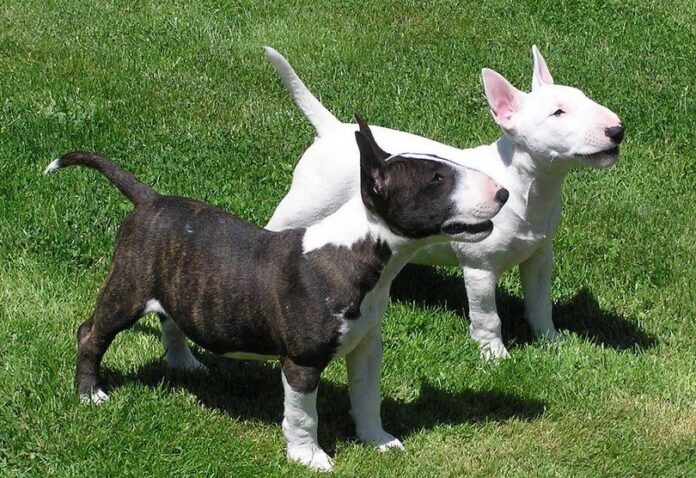 It is up to their owners to train them properly, to have patience until they get comfortable around other people and animals or to keep them away from humans and other living beings for the rest of their lives. Even if they seem to behave nicely around visitors, they can react in an unforeseen way in case they misinterpret a certain action that is, in fact, harmless.
You can find more info about this breed in our article dedicated to
It is up to their owners to train them properly, to have patience until they get comfortable around other people and animals or to keep them away from humans and other living beings for the rest of their lives. Even if they seem to behave nicely around visitors, they can react in an unforeseen way in case they misinterpret a certain action that is, in fact, harmless.
You can find more info about this breed in our article dedicated to  In addition, they are excellent guard dogs that attack on command. If they are taught to be aggressive, they will be aggressive. If not, they have the ability to keep their temper under control.
 Tethered dogs tend to develop a higher potential to become aggressive compared with the ones kept in apartments, gardens or pens. Even the dogs that are held in extremely small spaces are less aggressive than the tethered ones. This happens because a dog gets frustrated when its freedom of movement is limited.
In a small space, a dog can move as much as it wants, because it is not bound to a part of that space, fact which is not possible in case of tethered dogs. Studies have shown that a perfectly well behaved and trained dog has become aggressive after it was tied up.
Tethered dogs tend to develop a higher potential to become aggressive compared with the ones kept in apartments, gardens or pens. Even the dogs that are held in extremely small spaces are less aggressive than the tethered ones. This happens because a dog gets frustrated when its freedom of movement is limited.
In a small space, a dog can move as much as it wants, because it is not bound to a part of that space, fact which is not possible in case of tethered dogs. Studies have shown that a perfectly well behaved and trained dog has become aggressive after it was tied up.
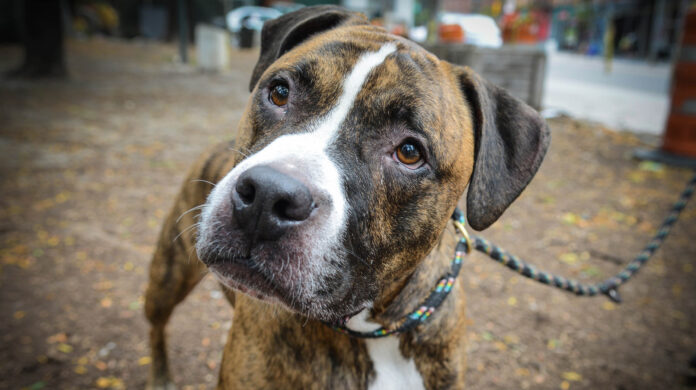

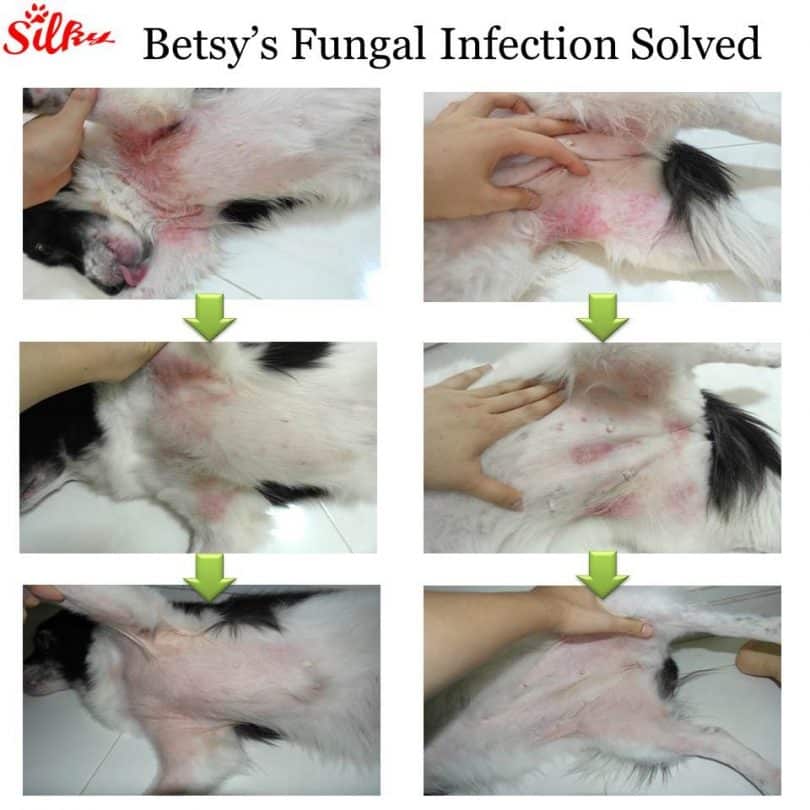 Another possible cause of a skin yeast infection is Candida Albicans which is a type of fungus normally found in the dog’s gut. When the internal balance of good and bad bacteria in the gut is thrown into disorder, it can reproduce and spread throughout the body by entering the bloodstream.
One of the ways in which this is manifested is through skin infections and it can be a very serious condition since this can only mean that the fungus may also have spread to the various organs in the body. Since an average person cannot easily tell which of the two is the cause of the infection it is always a good idea to bring your pet to a veterinarian.
Another possible cause of a skin yeast infection is Candida Albicans which is a type of fungus normally found in the dog’s gut. When the internal balance of good and bad bacteria in the gut is thrown into disorder, it can reproduce and spread throughout the body by entering the bloodstream.
One of the ways in which this is manifested is through skin infections and it can be a very serious condition since this can only mean that the fungus may also have spread to the various organs in the body. Since an average person cannot easily tell which of the two is the cause of the infection it is always a good idea to bring your pet to a veterinarian.
 Remember though that you always have to get professional advice before trying to treat your dog for this type of infection. Here are some of its common symptoms:
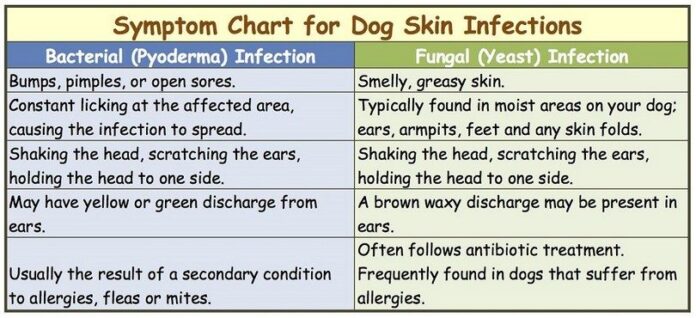 Here are some reasons why Malassezia and Candida can easily spread and infect your pet’s skin:
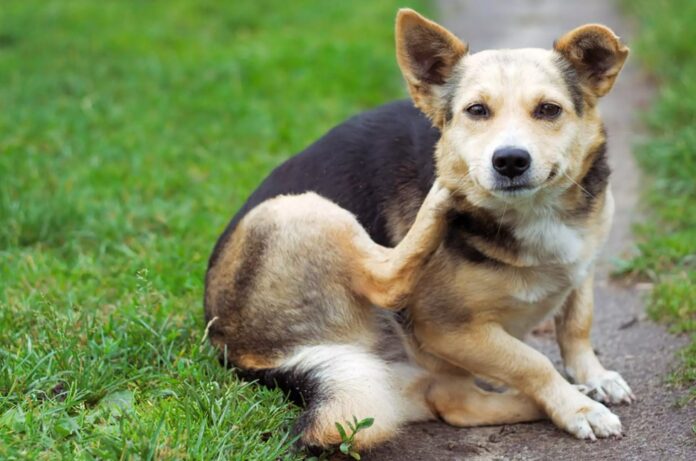 External or topical treatments for skin yeast infection include the removal of the oily layer in the skin. This is done either by wipes containing acetic acids; by shampoos containing sulfur, salicylate, or benzoyl peroxide; or by giving your dog an astringent rinse made by combining a gallon of water, a cup of hydrogen peroxide, and a cup of apple cider vinegar.
After the oil has been removed, topical application of ointments containing anti-fungal medications such as Ketoconazole, miconazole, and Nizoral will be done.
If you prefer a more natural approach, you can try herbs that are known to have anti-fungal properties such as aloe vera, taheebo, tea, tea tree oil, garlic, coconut oil, olive leaf extract, calendula, chamomile, and oregano. Another good alternative is colloidal silver which starves the yeast of a specific enzyme and eventually kills the fungus.
A proper diet is also important when it comes to treating yeast infection. One of the best approaches to treating this condition is by starving the yeast of its source of nourishment which is sugar. As much as possible, avoid giving your pet any food which contains simple carbohydrates. These include processed foods, fruits, breads, dog biscuits, kibbles and sweet treats. Since the sugar is readily available, the yeast can easily feed on them and provide them with what they need to propagate.
The next step is to give your dog probiotics to promote the growth of good bacteria. These can come in yogurts or through food supplements. Studies have shown that Lactobacillus acidophilus is the best probiotic that can inhibit yeast growth. Biotin had also been shown to control the development of spores in yeast. Adding digestive enzymes and essential fatty acids to their diet will also aid to control yeast.
External or topical treatments for skin yeast infection include the removal of the oily layer in the skin. This is done either by wipes containing acetic acids; by shampoos containing sulfur, salicylate, or benzoyl peroxide; or by giving your dog an astringent rinse made by combining a gallon of water, a cup of hydrogen peroxide, and a cup of apple cider vinegar.
After the oil has been removed, topical application of ointments containing anti-fungal medications such as Ketoconazole, miconazole, and Nizoral will be done.
If you prefer a more natural approach, you can try herbs that are known to have anti-fungal properties such as aloe vera, taheebo, tea, tea tree oil, garlic, coconut oil, olive leaf extract, calendula, chamomile, and oregano. Another good alternative is colloidal silver which starves the yeast of a specific enzyme and eventually kills the fungus.
A proper diet is also important when it comes to treating yeast infection. One of the best approaches to treating this condition is by starving the yeast of its source of nourishment which is sugar. As much as possible, avoid giving your pet any food which contains simple carbohydrates. These include processed foods, fruits, breads, dog biscuits, kibbles and sweet treats. Since the sugar is readily available, the yeast can easily feed on them and provide them with what they need to propagate.
The next step is to give your dog probiotics to promote the growth of good bacteria. These can come in yogurts or through food supplements. Studies have shown that Lactobacillus acidophilus is the best probiotic that can inhibit yeast growth. Biotin had also been shown to control the development of spores in yeast. Adding digestive enzymes and essential fatty acids to their diet will also aid to control yeast.
 When all else fails, giving your dog an anti-fungal oral medication would be the best. The dosage and the type of medication to be used, however, can only be determined by your vet. Do not try to medicate your dog by yourself as an underlying condition can be aggravated by an improper dosage or type of drug used.
Some of the more commonly prescribed medications for yeast infections are Fluconazole, Itraconazole, and oral Ketoconazole. Giving oral medication should also be supplemented by a proper diet and hygiene in order to gain the best results.
When all else fails, giving your dog an anti-fungal oral medication would be the best. The dosage and the type of medication to be used, however, can only be determined by your vet. Do not try to medicate your dog by yourself as an underlying condition can be aggravated by an improper dosage or type of drug used.
Some of the more commonly prescribed medications for yeast infections are Fluconazole, Itraconazole, and oral Ketoconazole. Giving oral medication should also be supplemented by a proper diet and hygiene in order to gain the best results.
 A yeast infection on your dog’s skin can occur in two ways: an overgrowth of either the skin yeast Malassezia or the spread of the Candida Albicans fungus from their gut to the skin. Either way, it means that your pet’s natural resistance which keeps these yeasts in check has already been compromised and is not functioning effectively.
What is needed then is to address the overgrowth of yeast by applying anti-fungal natural and synthetic medications and by building-up their immune system. This means involves a lot of steps which will include maintaining your dog’s cleanliness as well as providing him with the right type of diet and living environment.
One of the key ideas that you need to remember regarding yeast skin infections is a healthy immune system. Yeast is a normal part of your dog’s body and they do have some specific role in maintaining it as well. The problem begins when the immune system malfunctions and fails to regulate yeast growth inside and on the surface of your dog’s body.
To treat it therefore, you must get back to the root cause of the problem and help build up what was broken. Any other method which only tries to address the superficial symptoms will only be temporary and the infection can come back again and again.
A yeast infection on your dog’s skin can occur in two ways: an overgrowth of either the skin yeast Malassezia or the spread of the Candida Albicans fungus from their gut to the skin. Either way, it means that your pet’s natural resistance which keeps these yeasts in check has already been compromised and is not functioning effectively.
What is needed then is to address the overgrowth of yeast by applying anti-fungal natural and synthetic medications and by building-up their immune system. This means involves a lot of steps which will include maintaining your dog’s cleanliness as well as providing him with the right type of diet and living environment.
One of the key ideas that you need to remember regarding yeast skin infections is a healthy immune system. Yeast is a normal part of your dog’s body and they do have some specific role in maintaining it as well. The problem begins when the immune system malfunctions and fails to regulate yeast growth inside and on the surface of your dog’s body.
To treat it therefore, you must get back to the root cause of the problem and help build up what was broken. Any other method which only tries to address the superficial symptoms will only be temporary and the infection can come back again and again.

 This article will provide you with some basic guidance to some of the most common causes and treatments for a dog’s limping and lameness.
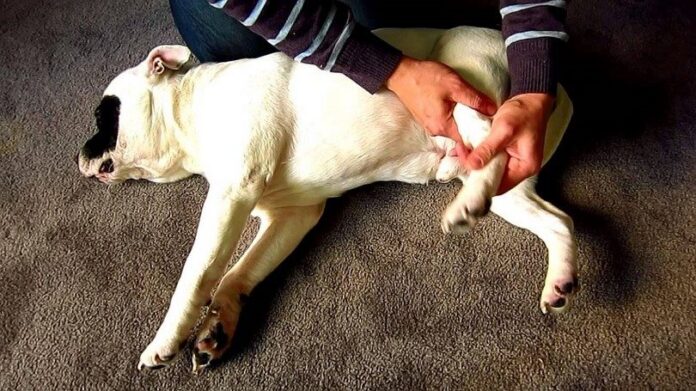
 There are many joints in a dog’s body, however, there are three major joints in the front limb (the wrist, the elbow and the shoulder). The ankle, knee and hip are in the hind legs.
You can check each of these joints by applying a light pressure on them and watching for your dog’s reaction. Increase the pressure to make sure that the joint is okay. You can also examine the joint by lifting the limb and moving it slowly.
There are many joints in a dog’s body, however, there are three major joints in the front limb (the wrist, the elbow and the shoulder). The ankle, knee and hip are in the hind legs.
You can check each of these joints by applying a light pressure on them and watching for your dog’s reaction. Increase the pressure to make sure that the joint is okay. You can also examine the joint by lifting the limb and moving it slowly.
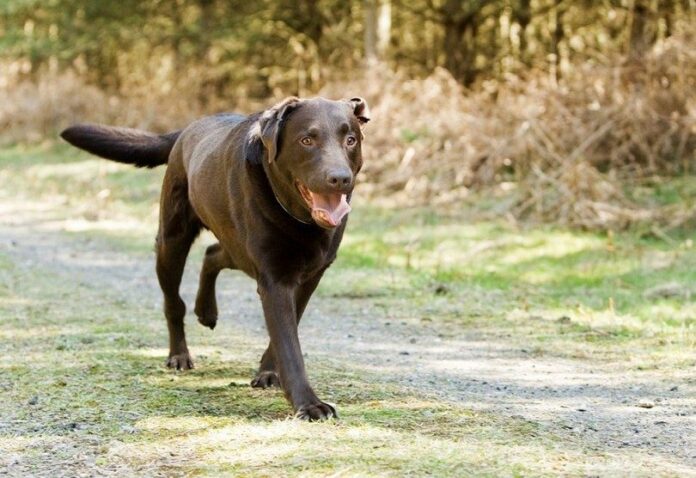
 After you take the dog to the vet, he or she will then proceed with a diagnosis which can be determined by a simple physical examination, or in more complicated cases, by the use of X-rays, MRI or CT scans or surgery.
Other tests include: taking a history (asking questions about the history of the limping), doing a dermatologic (check for the presence of lesions on the dog’s skin), musculoskeletal (test the muscle mass), neurologic (to test whether the nervous system is functioning properly) and laboratory tests (blood and urine tests).
When you finally leave the pet hospital, your vet will prescribe the medication for you to give to your dog so he can get better.
That means that you need to pay more attention than before and
After you take the dog to the vet, he or she will then proceed with a diagnosis which can be determined by a simple physical examination, or in more complicated cases, by the use of X-rays, MRI or CT scans or surgery.
Other tests include: taking a history (asking questions about the history of the limping), doing a dermatologic (check for the presence of lesions on the dog’s skin), musculoskeletal (test the muscle mass), neurologic (to test whether the nervous system is functioning properly) and laboratory tests (blood and urine tests).
When you finally leave the pet hospital, your vet will prescribe the medication for you to give to your dog so he can get better.
That means that you need to pay more attention than before and  To sum up, it is never a good sign if your beloved furry friend is limping. However, you do not have to panic because the cause can be as simple as a cut or irritation, but you must always be careful and check your dog’s body carefully.
This article provided you with a simple guide to the most common causes and diseases that can result in dog lameness. Some of them are not serious, but some of them are very severe and can result in your dog losing his life. Keeping your pooch healthy is possible and you can do so by reading our past article on the subject.
That is why it is up to you, as your dog’s master and his closest friend, to always watch him and take care of him.
To sum up, it is never a good sign if your beloved furry friend is limping. However, you do not have to panic because the cause can be as simple as a cut or irritation, but you must always be careful and check your dog’s body carefully.
This article provided you with a simple guide to the most common causes and diseases that can result in dog lameness. Some of them are not serious, but some of them are very severe and can result in your dog losing his life. Keeping your pooch healthy is possible and you can do so by reading our past article on the subject.
That is why it is up to you, as your dog’s master and his closest friend, to always watch him and take care of him. 
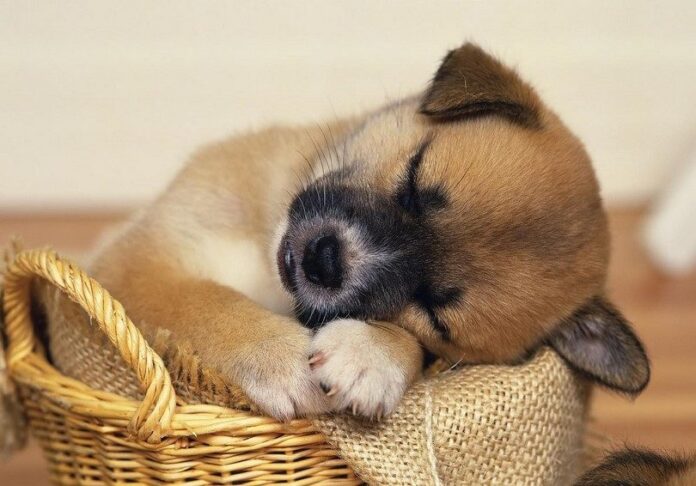 The first thing that you need to understand is that sleeping, or taking a nap is completely normal for dogs, regardless of their age. If you are wondering if puppies sleep a lot, the answer is yes.
While an adult requires about 14 hours of rest daily, puppies need 18 to 20 hours. This is part of the growing system and healthy evolution. They develop physically incredibly fast, and this requires an impressive amount of energy.
At the same time, there are many places they must get familiar with and countless things to learn, including commands. This means that they discover new rooms, people, or even other pets when they are awake. You must take advantage of this time to
The first thing that you need to understand is that sleeping, or taking a nap is completely normal for dogs, regardless of their age. If you are wondering if puppies sleep a lot, the answer is yes.
While an adult requires about 14 hours of rest daily, puppies need 18 to 20 hours. This is part of the growing system and healthy evolution. They develop physically incredibly fast, and this requires an impressive amount of energy.
At the same time, there are many places they must get familiar with and countless things to learn, including commands. This means that they discover new rooms, people, or even other pets when they are awake. You must take advantage of this time to 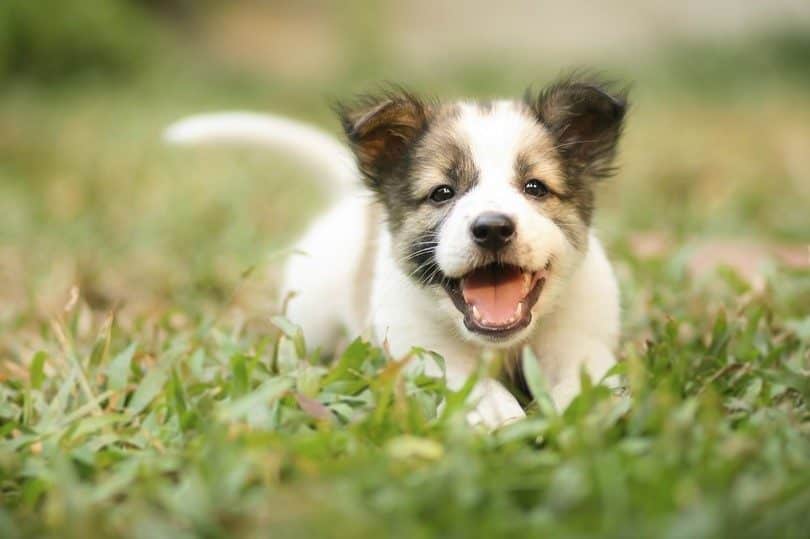 It is advisable to schedule as much as you can its bedtime routine, so it will not keep you awake during night time when it becomes an adult. The best way to do it is to keep the puppy active during the evening.
It’s also important to know when to feed your puppy throughout the day so that he’s getting all the nutrients he needs. You can do that by utilizing this great article to learn how to set up a puppy eating schedule.
Play games and even
It is advisable to schedule as much as you can its bedtime routine, so it will not keep you awake during night time when it becomes an adult. The best way to do it is to keep the puppy active during the evening.
It’s also important to know when to feed your puppy throughout the day so that he’s getting all the nutrients he needs. You can do that by utilizing this great article to learn how to set up a puppy eating schedule.
Play games and even  The sleeping routine of dogs develops as they get older. Puppies are known to be extremely energetic until they shut down almost instantaneously. The breed plays a major role in the sleeping habit of your puppy.
It can be more or less active during the day, compared to others, but this is not something that needs to concern you. What you need to be aware of, is that the sleep is incredibly deep. This means that you can pick them up, cuddle them or move their paws, and they will not feel a thing.
However, it is not a good idea to wake them up on purpose, simply to play with them. Resting is extremely important for proper development, even if it falls asleep while eating.
If you are wondering how much a puppy should sleep, you need to know that they require a minimum of 17 hours per day. The rest of 7 hours can be used to set up a schedule. You can use it for walks and easy-to-learn commands, like their name, sit, and come here. It is also a good idea to
The sleeping routine of dogs develops as they get older. Puppies are known to be extremely energetic until they shut down almost instantaneously. The breed plays a major role in the sleeping habit of your puppy.
It can be more or less active during the day, compared to others, but this is not something that needs to concern you. What you need to be aware of, is that the sleep is incredibly deep. This means that you can pick them up, cuddle them or move their paws, and they will not feel a thing.
However, it is not a good idea to wake them up on purpose, simply to play with them. Resting is extremely important for proper development, even if it falls asleep while eating.
If you are wondering how much a puppy should sleep, you need to know that they require a minimum of 17 hours per day. The rest of 7 hours can be used to set up a schedule. You can use it for walks and easy-to-learn commands, like their name, sit, and come here. It is also a good idea to 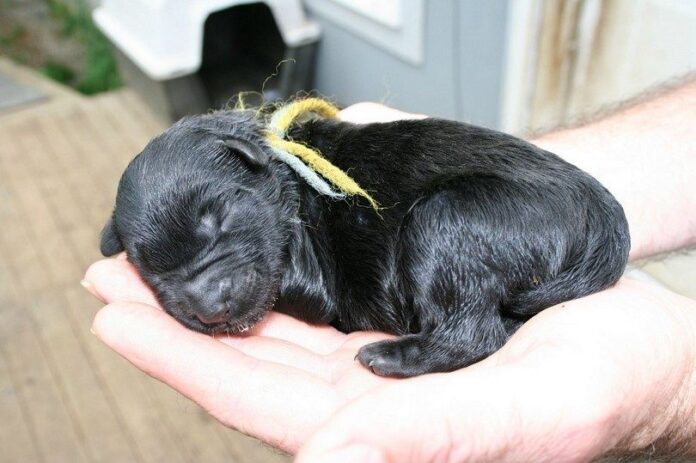 Dogs, just like humans, feel the need to be as close as possible to the family members. They feel comfortable and safe when they are around, and feel disoriented when they are left alone. The feeling is more intense for puppies, as they are taken away from their siblings and mother. It is completely normal to feel it anxious and to hear it cry.
Once it gets used to your arms, it will feel abandoned when you put it in its bed to sleep. This vulnerability makes the puppy feel uncertain about its new house. It may take a while until it feels confident enough to sleep by itself with no worries. This means that it is up to you to ensure an environment that inspires confidence rather than fear.
The first night is crucial because this is when the puppy realizes that it is away from its canine family. Some people decide to take it as far as possible from the bedroom in order to avoid hearing it cry. Others put it in a cage to prevent it from
Dogs, just like humans, feel the need to be as close as possible to the family members. They feel comfortable and safe when they are around, and feel disoriented when they are left alone. The feeling is more intense for puppies, as they are taken away from their siblings and mother. It is completely normal to feel it anxious and to hear it cry.
Once it gets used to your arms, it will feel abandoned when you put it in its bed to sleep. This vulnerability makes the puppy feel uncertain about its new house. It may take a while until it feels confident enough to sleep by itself with no worries. This means that it is up to you to ensure an environment that inspires confidence rather than fear.
The first night is crucial because this is when the puppy realizes that it is away from its canine family. Some people decide to take it as far as possible from the bedroom in order to avoid hearing it cry. Others put it in a cage to prevent it from  A great alternative for both of you would be to purchase a crate and to place it close to the bedroom door. It is advisable to leave the door open, so the little one can hear you move in bed. If you hear it cry, you can talk to it and comfort it.
Another thing that you need to teach your puppy is to go for a walk before going to sleep. This will get it so tired that it will sleep well during the night. It is not unusual for the
A great alternative for both of you would be to purchase a crate and to place it close to the bedroom door. It is advisable to leave the door open, so the little one can hear you move in bed. If you hear it cry, you can talk to it and comfort it.
Another thing that you need to teach your puppy is to go for a walk before going to sleep. This will get it so tired that it will sleep well during the night. It is not unusual for the  Though not all pet lovers are eager to share the bedroom with the puppy, having it as close as possible can prevent anxiety and the dog will feel confident and trust you.
If you’re still new to having a puppy, be sure to check out our wonderful article on how to take care of a puppy.
It is also advisable to follow a daily routine and to focus on a good night sleep rather than on naps. All puppies are active and curious, no matter the breed, so remember that the space designated for them must be clear of objects or substances that could harm the little ones.
Though not all pet lovers are eager to share the bedroom with the puppy, having it as close as possible can prevent anxiety and the dog will feel confident and trust you.
If you’re still new to having a puppy, be sure to check out our wonderful article on how to take care of a puppy.
It is also advisable to follow a daily routine and to focus on a good night sleep rather than on naps. All puppies are active and curious, no matter the breed, so remember that the space designated for them must be clear of objects or substances that could harm the little ones. 