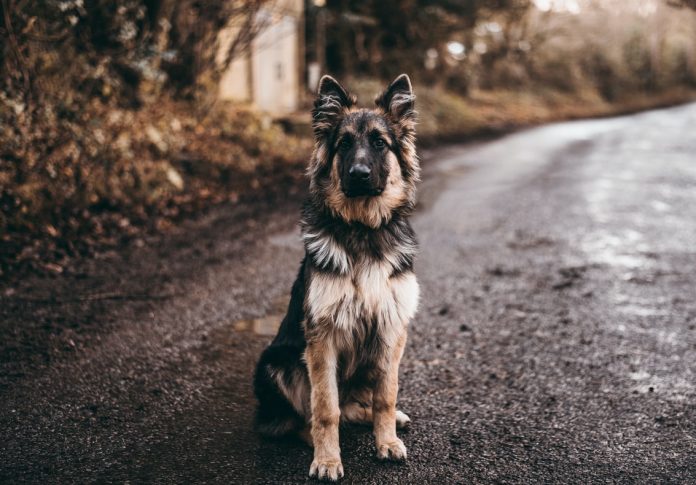
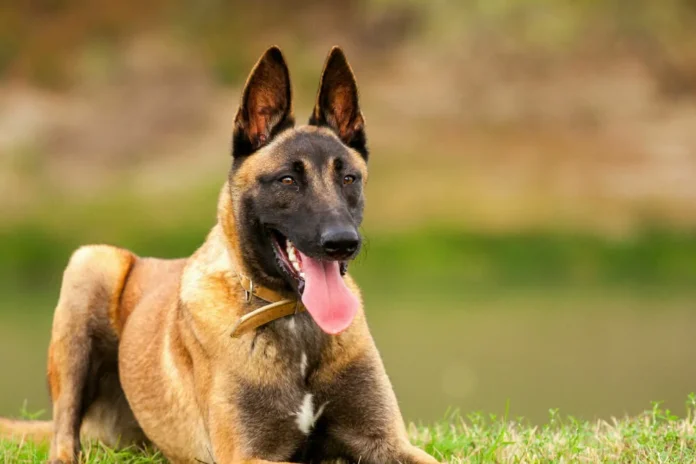
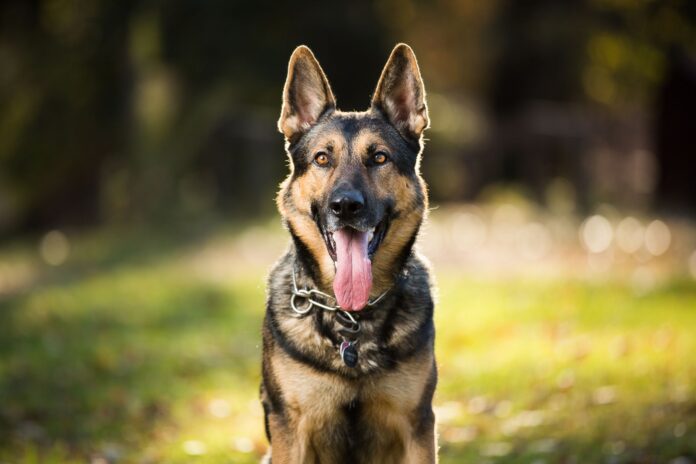
Police Dog Names – Interesting Names to Call Your K9 Buddy

0

Strong and courageous—these are just some adjectives that come to mind when you see a police dog. We all know that they serve our nation not only to help catch the bad guys but also to detect threats before they even happen. Perhaps you want to name your new pup after a famous police dog so they will grow up to be just as courageous. Or perhaps you really have a police dog. Either way, it can be difficult to find names that do them justice. Luckily, we have a list of police dog names you can check out.

Your partner should have a name that is worthy of their proud heritage as courageous dogs. While it is alright to call them names like Fluffy or Cookie, it would be best to go for ones that are worthy of their strength, intelligence, and bravery. You need a name that does not only honor their position but also gives them dignity. If your dog will enter the law enforcement field, when they are introduced to the public, you want people to remember the name and think: “that’s one brave police dog.”

In this article, we will talk about names that you can give your K9 friend. We have names that fit their personality, characteristics, and names that we think are befitting their position. In some cases, K9s already have names given to them when they were in training, but the names we are about to suggest to you will suit a household pup just as well.

The Best Police Dog Names
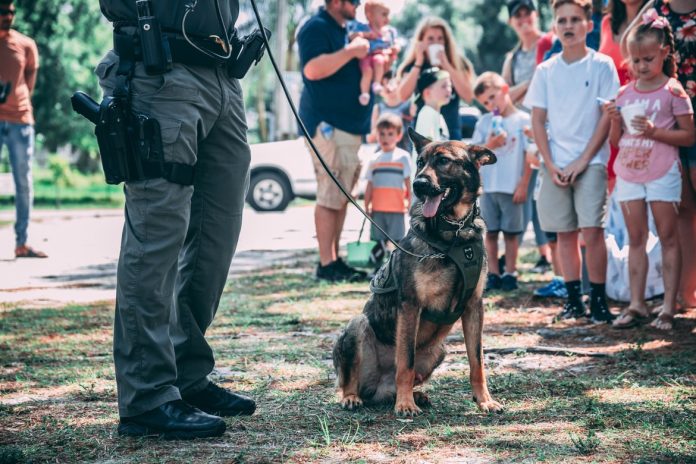
Best Police Dog Names
Source: unsplash.com

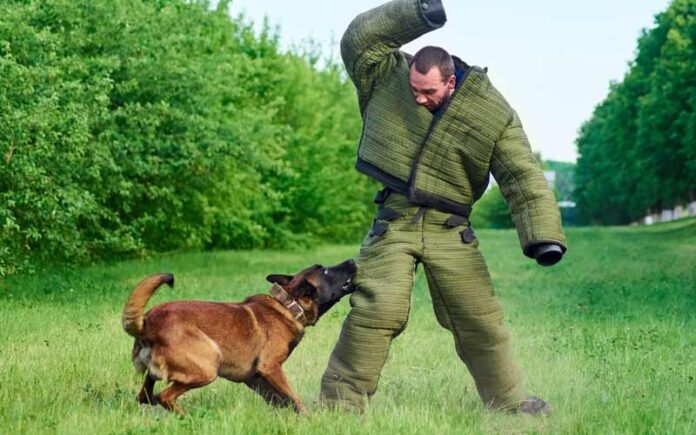
They have many duties such as sniffing out bombs and contraband. They also aid in rescuing and finding survivors during disaster situations. Police dogs are chosen because they exhibit great intelligence, stamina, strength, and loyalty. They work alongside their human partners to complete dangerous missions quickly and safely. They are even deployed in war zones to help soldiers during combat.

If you’re on the hunt for cool and tough-sounding police dog names, your chase ends here. Check out our list below. We divided our name recommendations into several categories to better suit your needs

Police Dog Names by Gender

Do you have a male dog or a female dog? Don’t worry because we have a list of names for both boy and girl police dogs, as well as some gender-neutral ones.

Dog Names by Gender 1: Male

Dog Names by Gender 1: Male
Source: unsplash.com

Male police dogs are gallant, fearless, and handsome.

Strike fear into the hearts of criminals with intimidating police dog names male such as:

  • Bane

  • Bolt

  • Bomber

  • Boss

  • Bruiser

  • Caesar

  • Duke

  • Hulk

  • Hercules

  • Hunter

  • Mack

  • Rambo

  • Ranger

  • Rex or King

  • Tank

  • Thor

  • Zeus

Dog Names by Gender 2: Female

Dog Names by Gender 2: Female
Source: unsplash.com

Not all police dogs are male. There are also many police dogs that are female. There are plenty of great names for female dogs that have training in tracking, narcotic detection, rescue and even personal protection. When people hear these police dog names female, they will know that your dog is intelligent, confident, and strong.

Here are some female police dog names suggestions that you can consider using for your buddy. They evoke respect and integrity.

  • Honor

  • Liberty

  • Justice

  • Freedom

  • Fidelity

  • Faith

  • Glory

  • Laurel

  • Star

  • Joy

  • Verity

  • Truth

  • Alaska

  • Diva

  • Echo

  • Jinx

  • Olga

  • Rebel

  • Rogue

  • Sable

  • Sheba

  • Vixen

  • Zelda

Dog Names by Gender 3: Gender-Neutral
Dog Names by Gender 3: Gender-Neutral
Source: unsplash.com

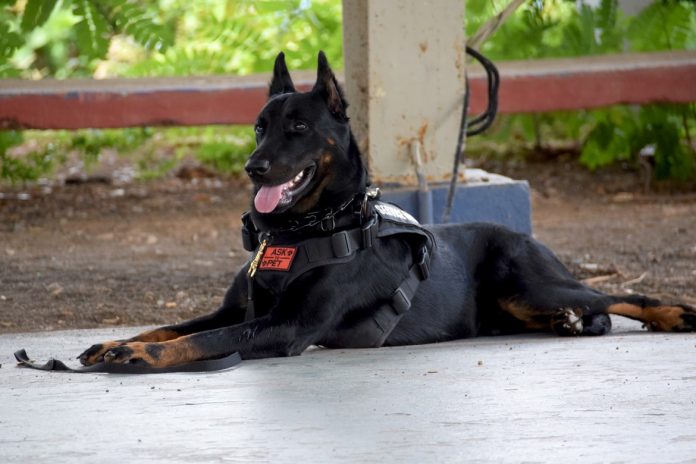
If your focus is on tough-sounding police dog names and you’re not all that concerned about gender, some of the names below may be of use because they are not gender specific.

These are honorable names for good boys and good girls who are working hard to help keep the peace.

  • Chief

  • Lieutenant

  • Captain

  • Commander

  • Sarge

  • Agent

  • Major

  • Deputy

  • Rookie

  • Enforcer

  • Officer

  • General

  • Admiral

  • Partner

  • Vice

  • K9

Police Dog Names by Coloring

Police Dog Names by Coloring
Source: unsplash.com

Picking names by the dog’s coat color is an easy way to name your police dogs. However, always remember that you want to honor your dog’s work and want to preserve their dignity.

Consider avoiding names like “Cutie” or “Pixie.” These are good dog names but not really appropriate for animals that work to preserve your safety.

  • Buff

  • Tan

  • Alaska

  • Cotton

  • Flax

  • Pearl

  • Coco

  • Dusty

  • Ginger

  • Java

  • Mudd

  • Rocky

  • Rusty

  • Angus

  • Bear

  • Coal

These are great names for solid-colored dogs, but not all dogs are solid-colored. Some police dogs are spotty or have mix colored coats. Consider names such as:

  • Camo

  • Dots/Dottie

  • Pocky

  • Sox

  • Spot

  • Tux (for black and white dogs)

  • Badger

  • Bandit

Police Dog Names by Personality
Police Dog Names by Personality
Source: unsplash.com

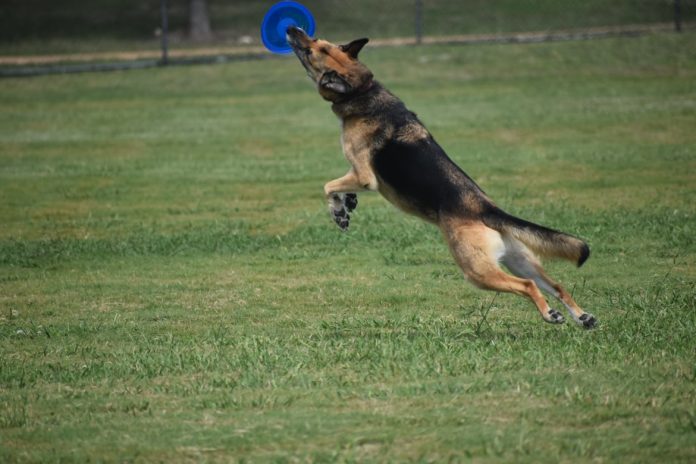
Dogs have different personalities just like their owners. Naming them after their personalities is a great way to show their traits to other people.

Most police dogs are trained to be strong and tough. Many of them are also very smart. Here are some name suggestions that have these characteristics in mind:

  • Roar, for intimidating dogs

  • Fang, for attack dogs

  • Maverick, for merciless dogs

  • King, for regal dogs

  • Alexander, as in Alexander the Great

  • Caesar, as in Julius Caesar

  • Beast, for instinctive dogs

  • Colt, for speedy dogs

  • Albert, for smart dogs

Police work is very serious. In some cases, dogs and their handlers are put in dangerous situations that put their lives and those of others at risk. The names mentioned above convey the grave peril dogs have to go through to serve and protect not only their masters but the community too.

Police Dog Names Inspired by Movies or Books
Police Dog Names Inspired by Movies or Books
Source: unsplash.com

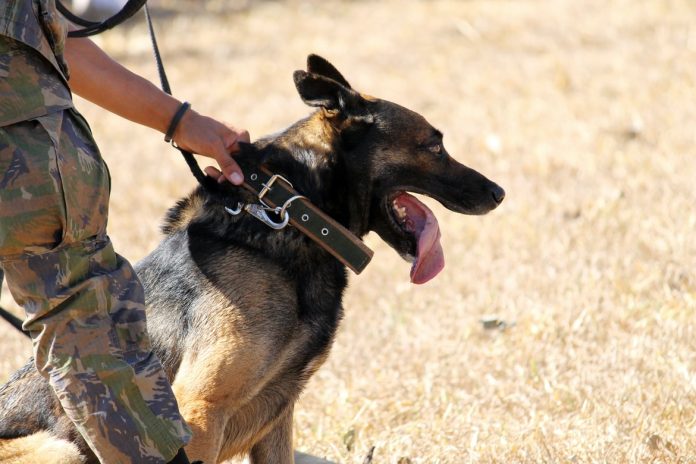
Dogs in movies can provide inspiration. Even though they may not be real K9 dogs, they are still smart and obedient.

Their stories inspire bravery, kindness, and knowing the differences between right and wrong—perfect for police dogs. You may also name your partner after your favorite dog character to convey your fondness.

  • Bull’s Eye – Bill Sikes’s dog in Oliver Twist.

  • Cujo – the 200 pound St. Bernard in Stephen King’s novel of the same name.

  • Huan – The Hound of Valinor in JRR Tolkien’s The Silmarillion.

  • Starsky – we can’t talk about names for police dogs without suggesting the name Starsky from Starsky and Hutch.

  • Hutch – Starsky’s partner.

  • Hank – can be in reference to Hank Schrader, the DEA agent in Breaking Bad.

  • Horatio or Cane – for Horatio Cane in CSI: Miami.

  • Briscoe – For Lenny Briscoe in Law and Order.

  • Argos – Odysseus’ loyal dog.

  • Dragnet – was the name of a TV show about 2 LA police detectives. In one episode, the main characters Joe and Bill were assigned to pursue a case of a purse snatcher. The duo was later surprised to find that the “mastermind” was a dog snatching purses.

  • Cagney — is for Christine Cagney of the Cagney & Lacey show during the 1980’s which focused on two female police detectives.

  • Lacey – the other half of Cagney and Lacey.

  • Pilot — Mr. Rochester’s dog in Jane Eyre.

Comic fans need not fret because we have a list of dogs names inspired by comics and cartoons too.

While we all love Odie in Garfield and Snoopy, we won’t limit ourselves to these names. Instead, we’ll go far and wide with:

  • Böwser – is a bulldog in The Ongoing Adventures of Rocket Llama.

  • Brainy Barker – a dog with telekinetic powers in Krypto the Superdog.

  • Cosmo – from Guardians of the Galaxy.

  • Electra — Cathy’s dog in Cathy.

  • Krypto – Superman’s dog.

  • Lucky – Barton’s Dog in Hawkeye. (Barton also makes a good name for a police dog).

  • Otto- Sgt. Snorkel’s pet in Beetle Bailey.

  • Rex – a dog that gets superpowers in Rex the Wonder Dog.

  • Sam – the detective dog from Sam & Max. Also could be in reference to Sam Winchester from Supernatural. We all know the Winchester brothers pretend to be cops often enough to warrant this.

  • Streak (the Wonder Dog) – canine companion to the Green Lantern.

  • Titus – Batman’s dog, introduced later in the series.

Names from comic books can be nostalgic for many dog owners and handlers. These names are usually associated with our childhood and can evoke many happy memories. These types of names are great to give to police dogs because it is important to remember happy childhood memories when you’re fighting crime.

Other Police Dog Names

Didn’t find anything that catches your fancy from the lists above? No worries! We’ve got some other suggestions for you.

Other Dog Names 1: Funny Names

How do you pick a good name for a police dog? Humans usually go for cute names or names of a favorite or sometimes their loved ones.

But dogs are another matter. Dogs want their names to be distinct, short, and if possible, sharp. Now you may be wondering what we mentioned sharp-sounding names for when this list was supposed to be for funny names, but funny names can inspire authority as well!

  • Donut – police officers are always depicted as donut-loving individuals, and this name pokes fun at their favorite snack.

  • Fritter – a type of donut.

  • Coffee or Java – a favorite companion of the donut.

  • Po-po – slang for police.

  • Fuzz – also another slang.

  • Gum Shoe – slang for detectives.

  • Deputy Dawg – deputy sheriff in Mississippi who happens to be a dog.

  • Chief Wiggum – bumbling police in The Simpsons.

  • Five-O – for the show Hawaii Five-O.

K9 and their handlers often face dangerous situations when they’re on duty, and some funny names can help ease the tension. We know that police work is serious but as they say, “laughter is the best medicine” and some of us can use a good laugh to diffuse the situation.

These names are quirky and entertaining, but it’s always prudent to ask permission from the higher-ups first, especially if you’re renaming a highly trained K9 buddy. If you want to name a police dog a funny name, just remember that you need to preserve their dignity so that your K9 partner does not lose face especially if you call them in front of other people.

Other Dog Names
Source: unsplash.com

Other Dog Names 2: German Names

Why German, you ask? Why, because the most iconic police dog breed is the German Shepherds, of course. The list of names below is carefully selected for this intelligent and loyal dog breed. Let’s hope that you can find a name that befits your GSD.

  • Eda – Old German, meaning happy.

  • Elma – meaning helmet, protection.

  • Ida – work, labor

  • Silke – short for Cecilia

  • Trudi — spear of strength

  • Erwin – derived from army and friend in German

  • Bert – bright

  • Bruno – from the German word brun, meaning brown.

  • Gero – spear

  • Egon – edge of a sword (you can also use G.R.R. Martin’s spelling Aegon, but these words don’t have the same meaning)

  • Kuno – clan or family

  • Otto — wealth or fortune

  • Sven – boy

  • Wulf – meaning wolf

Just remember that there is no wrong or right way to name your German Shepherd. You can also choose names that are not German in origin. You can be as creative as you want for your police dog’s name.

It is also good to note that police dogs come in different breeds. While GSDs, Rottweilers, Labs are common, smaller dogs like beagles, cocker spaniels, and schnauzers are also used by law enforcement agencies around the world.

For example, good tracking dog breeds (used to hunt down fugitives) include Bloodhounds, Collies, and Australian Shepherds. These dog breeds are also used as cadaver-sniffing dogs.

Schnauzers (all sizes), basset hounds, and beagles sit with their handlers in airports around the world sniffing passengers from afar to find traces of any illicit substances. These breeds can detect illegal drugs, and explosives, and ban foreign food items.

Other Dog Names German
Source: unsplash.com

Wrap Up

Dogs have been used in law enforcement since the middle ages. In some villages, the community was poor and did not have enough money to pay men to guard their properties. In some instances, the parish constable’s bloodhounds were used to hunt down outlaws. During the rapid urbanization of London, crime skyrocketed, and the city was forced to employ night watchmen. These employees were given weapons and guard dogs to protect themselves from criminals.

We have come a long way from the middle ages. Technology has advanced law enforcement, but the loyal guard dogs remain. We want to call our best friends a name that inspires respect and honor because they have very difficult jobs to do. Finding the right name is easy, especially if you know how.

Some owners and handlers have their names picked out years ago, but you can find inspiration anywhere or just use your imagination. Just remember that police dogs are trained animals that assist police and other law-enforcement personnel when they are working.

These dogs are usually selected because of their intelligence, loyalty, and stamina. You want to pick out a name that represents their ability to protect you or the community. Choose names that evoke respect and show that your K9 buddy is strong and brave.

What do you think of our list of names for police dogs? We’re sure we missed plenty of cool police dog names because the possibilities are endless. If you have any good ones you’d like to suggest, please do so by leaving a comment below.

Why A Personal Protection Dog Is More Than Just A Guard Dog

0
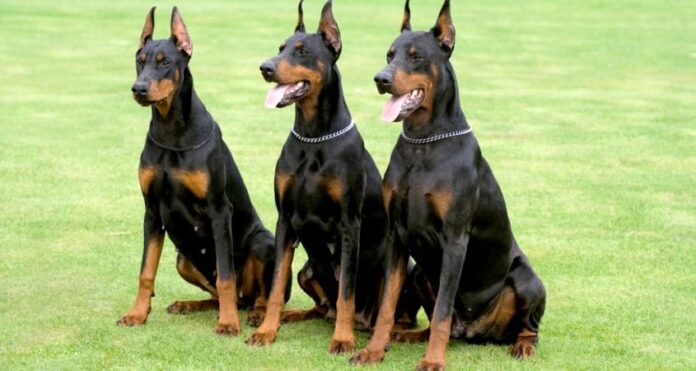
Owning a personal protection dog can provide a sense of safety and security for you and your family. But the benefits of owning one of these canine companions go beyond just protection. In this post, we will explore both the obvious and less obvious advantages of buying and owning a personal protection dog.

The Difference between Protection Dogs And Guard Dogs

There is a clear distinction between a well-trained protection dog and a guard dog.This can lead to an inappropriate purchase of dogs. It is crucial to understand that protection dogs are educated, reared, and eventually behave differently than guard dogs.

How are they different?

Source: cesarsway.com

Breeds

First, we would like to note that virtually any breed of dog may be taught as a guard dog, but some varieties may be more successful than others and small kinds are often recommended. However, only a select few kinds of guard dogs are intelligent enough to undergo such effective training. A protection dog demands the proper temperament, discipline, and a certain degree of loyalty, all of which culminate in an exceptional dog.

Training

Source: leerburg.com
It is astonishing how frequently guard dogs and protection dogs are confused, given that their training is so dissimilar. Typically, guard dogs are trained to remain at a certain location or property and guard it. The primary purpose of a guard dog is to warn its masters of any intruders and to fight anybody who makes the mistake of invading their area. Protection dogs, on the other hand, are taught to an extraordinary level of devotion and loyalty and will literally obey your every command. A well-trained protection dog will seldom need to bite someone, but when it does, you may be confident that the bite will be painful. If the dog is not properly taught and cared for, this degree of obedience is just not possible. Protection dogs are typically calm, powerful, and clever, yet they require adequate care.

Personality

Source: 3dk9detection.com
A significant benefit of owning a protection dog is that they not only increase your personal safety, but they are also fantastic with youngsters and totally integrate themselves into the family. Protection dogs are excellent at distinguishing between family members and potential threats, so there is no need to worry about anybody being bitten. Due to their thorough training, protection dogs are far less likely than other dogs to bite a loved one. In contrast, security dogs are often anxious creatures owing to their upbringing, and it is thus not advised to keep them around youngsters.

Verdict

With more effective breeds, superior training, and a propensity for adjusting to family life, personal protection dogs are by far the superior sort of dog, and they are more capable of enhancing your safety. We provide an extensive selection of highly trained protection dogs that may considerably enhance your personal safety. Please do not hesitate to contact us for any further information on the available dogs!

Advantages of a personal protection dog

  • A personal protection dog has an added layer of security

Source: scottsk9.com
One of the most obvious advantages of owning a personal protection dog is the added layer of security they provide. According to Rob from Total K9 – https://www.totalk9.co.uk/news/protection-dogs/ The protection dogs are specifically trained to protect their owners and their property, and their mere presence can be a deterrent to potential intruders. Personal protection dogs are also typically trained to alert their owners to potential dangers, whether it be a burglar attempting to break into your home or a suspicious person in your neighborhood. Whether you live in a high-crime area or just want an extra layer of protection for your family, a personal protection dog can be a valuable asset. These dogs are trained to be alert and responsive to potential threats, and can be a powerful deterrent to would-be burglars or attackers. But personal protection dogs offer benefits beyond just security. They can also provide companionship and emotional support. Many people find that the bond they form with their personal protection dog is incredibly strong, and these dogs can provide much-needed comfort and support during difficult times. These dogs will provide a sense of companionship and emotional support for their owners. Many personal protection dog breeds are known for their loyalty and affection and can be a great source of comfort and companionship for their owners.
  • A personal protection dog helps you spend more time outdoor

Source: womansday.com
Another less obvious advantage of owning a personal protection dog is the added exercise and outdoor time they can provide. These dogs are typically very active and require regular exercise, which can be a great motivation for their owners to get outside and stay active as well. In addition, the training and socialization that personal protection dogs require can provide mental stimulation and prevent boredom, leading to a happier and healthier dog. Unlike a guard dog that may be kept in a kennel or backyard, a personal protection dog is typically kept indoors and treated as a member of the family. This means they are often taken on walks and outings, providing both physical and mental stimulation for the dog and their owner. Another benefit of owning a personal protection dog is the potential for increased social interactions. These dogs are often very friendly and outgoing, and their training can help them to be well-behaved in social settings. This can lead to increased opportunities for socialization for both the dog and their owner.
  • Last but not least

Source: akc.org
The training that personal protection dogs receive can have positive effects on their overall health and well-being. Training helps to keep their minds sharp and engaged and can also help to prevent problem behaviors from developing. While the added security a personal protection dog provides is certainly a valuable benefit, there are many other less obvious advantages to owning one of these animals. From providing companionship and emotional support, to promoting socialization and exercise, a personal protection dog can be a valuable asset for any owner. In conclusion, owning a personal protection dog can provide a sense of safety and security, companionship and emotional support, increased exercise and outdoor time, and potential for increased social interactions. While the added security may be the most obvious advantage, these dogs offer a wide range of benefits for their owners.

Dogs With Webbed Feet – Gift or Curse?

0
When two or more toes fuse together, this condition is called syndactyly or what is more commonly known as webbed feet. This join that occurs between the toes presents an increased risk in our canine friends. The truth is that dogs with webbed feet are prone to developing instability of their joints, which in turn can trigger arthritis. In fact, if you notice that your dog limps after you’ve exercised him, it wouldn’t hurt to take a look at his paws. Limping can be caused by his webbed feet since during exercise his toes will tend to spread, which will cause the webbing between his toes to stretch. That being said, in this article, we’ll deal with some basic information about syndactyly, as well as talk about the most common dog breeds with webbed feet.

What Do We Know About Webbed Feet?

What Do We Know About Webbed Feet
Source: pethelpful.com
Syndactyly, or webbed feet, means that the toes fuse together, either by way of bone or soft tissues which are involved in different ways. As such, this condition can be regarded as simple if the toes are united only by skin and fibrous tissue, and complex if the union entails the bones being linked together as well. Webbed feet can also be classified as complete when the toes are fully connected, or incomplete when we’re talking about a partial joining together. In addition to this, if syndactyly is associated with other anomalies, we’re dealing with a complicated form of this affection, while if it’s not, we’re dealing with uncomplicated webbed feet. If we’re talking about dogs, many owners might notice their four-legged friends have webbed feet, but the scientific research regarding this medical issue entails that this is a pretty uncommon condition, which is not yet fully understood. The genetic predisposition has been proved without doubt only in one canine breed, the Australian Shepherd, along with other bone defects: cleft palate, polydactyly, shortened tibia-fibula, brachygnathism, and lethal scoliosis. In fact, more recent studies suggest that numerical and structural chromosome aberrations may not be involved in all cases of webbed feet, particularly in complete syndactyly. In other words, if your dog has webbed feet it might not be caused by his genetic inheritance at all. However, these findings are counterintuitive, especially since some dog breeds have webbed feet and many practitioners believe these are a result of a genetic mutation a dog gets from the parents.

Are Webbed Feet Dangerous?

There is no simple answer to this question, but yes, webbed feet is a condition that has been known to at least associate with – if not trigger – other health problems. Since dogs use their toes for walking, the webbing between them can cause limping and other affections. We’ll discuss some of them below.

1. Cleft Palate

Cleft Palate dogs feet
Source: dogtime.com
Apparently, there is a chromosomal mutation that can determine both the emergence of webbed feet in dogs, as well as a cleft palate. That means that the same genetic abnormality that produces unions where there shouldn’t be any, like between the toes, fails to unite the things that should stick together – like your dog’s mouth roof. Ironically, the two sides of his mouth roof couldn’t fuse together when your dog was just an embryo, but instead, his toes did. The problem with cleft palate is that it leaves an unnatural opening between the nasal passages and the mouth, which can prove quite dangerous since your puppy is prone to pneumonia and other respiratory deficiencies.

2. Shortened Tibia-fibula

The tibia and the fibula are the two bones of the lower rear leg of a dog. The shortened tibia-fibula condition is associated with premature closure of the associated growth plate. It is possible that the same gene that makes the webbed toes appear is responsible for the faster joining of the two bones. This affection is also quite dangerous because it can lead to bone fractures and limping. As such, it has to be corrected early through surgery.

3. Scoliosis

Scoliosis dogs
Source: tploinfo.com
Scoliosis means the dog’s spine isn’t in a straight line, but it bends to a side. You can ascertain this by touching it and also by looking at how the dog carries his weight, since scoliosis may be accompanied by some visible limping of his back legs. If this condition is left untreated, it can end up partially paralyzing your dog, who will have a very hard time walking. Additionally, if your dog has scoliosis, he may have a stronger side which is opposed to spinal bending. If he has some weird reflexes in his back legs and increased sensitivity in his back area, which is a valid sign of pain, as well as incontinence, you should know that these are further signs of scoliosis. Since both webbed feet and scoliosis entail spinal and bone malformations, their linking doesn’t appear serendipitous. What’s more, if your dog can’t walk right because of his syndactyly, there’s no wonder that can lead to scoliosis.

What’s the Treatment?

Webbed feet doesn’t necessarily have to be a dangerous condition. If your dog can’t walk because of his syndactyly, then surgery is a good option for you to consider. Otherwise, it’s a game of chance: his webbed feet may or may not trigger spinal injuries or bone fractures. If it doesn’t, then great! No need for you to consider preventive surgery, because dogs don’t fare very well after this type of operation, and the recovery time is pretty long. On the other hand, if his webbed feet make him develop bone problems, it’s better to focus on the affected bones, because removing his webbing can’t cure what he has. The best advice would be for you to talk to your vet about all the options you have and keep an watchful eye over your dog, to prevent further complications.

What Are the Dog Breeds Which Present Syndactyly?

Dog Breeds Which Present Syndactyly
Source: thelabradorsite.com
Some dog breeds have webbed feet, a few of them due to genetics, and others because they were specially bred like this. In fact, syndactyly isn’t only noticed in purebloods but also in mixed breeds or even in mutts. However, this condition can normally be seen with dogs who work in water, because they need to swim better and thus they develop an evolutionary paddle-looking join between their toes. So, without much further ado, below are the top 5 dog breeds with syndactyly.

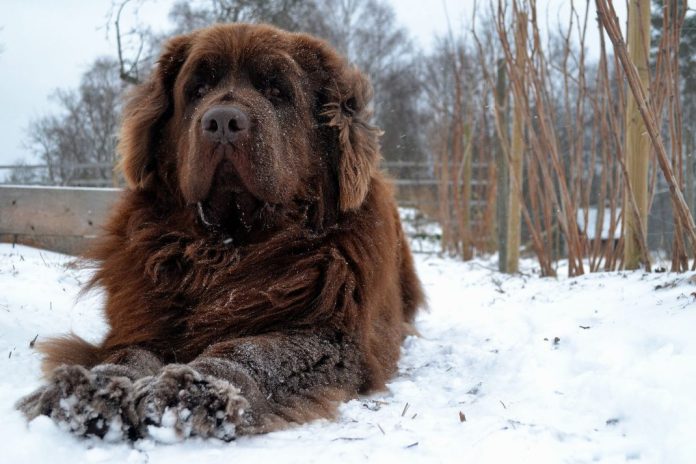
1. The Newfoundland

Newfoundland dog
Source: sarabackmo.com
This dog was specially bred for Newfoundland fishermen, hence the name. As you know, that particular area in Canada has very cold waters and that’s why this dog had to be bred like he is now. In fact, he’s so good at swimming and helping people that the 1804 Corps of Discovery Expedition made by Lewis and Clark to cross the Pacific Coast, also had a Newfoundland named Scannon aboard. He was brought along for many of the same reasons why today’s Newfoundland dogs work with people as assistant lifeguards. Their very thick fur is at the same time water resistant so they don’t feel nor wetness, nor cold. Their body is pretty muscular, which allows them to do considerable amounts of effort, including pulling the fishermen’s nets. Their enormous size can be likewise useful when saving a drowning victim since Newfoundland can easily support the weight of a grown man. Their unconditional loyalty is yet another one of the traits which make these dogs risk their lives in the search of casualties. But above all, Newfoundland is also blessed with webbed feet, thick paws, and very long toes. All these features help him swim nimbly and uniquely, since he doesn’t swim like every other dog by paddling the water, but by using the breaststroke motion that even allows him to surf the water, not just plummet through it.

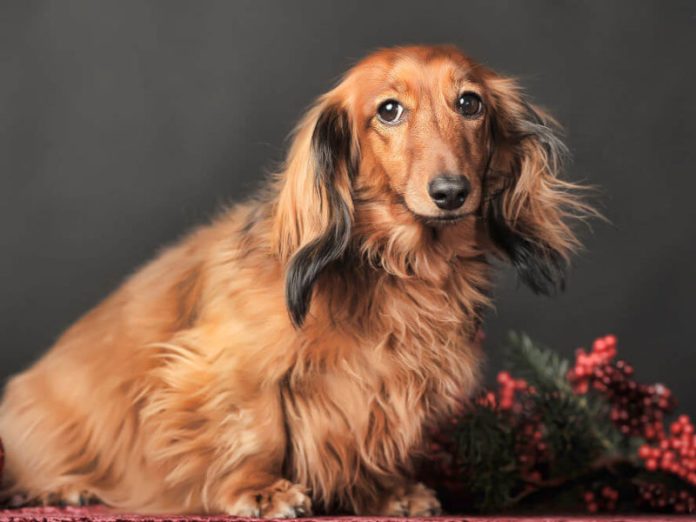
2. The Dachshund

Dachshund
Source: formydachshund.com
The Dachshund is a small breed of hound which can hunt by smell, which makes him a scenthound. He has really short legs, but an elongated body which renders him perfect for his original purpose. As such, Dachshunds were employed in the 17th century in Germany for their hunting and retrieving abilities. They were supposed to enter the burrows dug by small animals, like badgers. Even now, apart from being one of the most beloved family dogs, they can still assist with hunting and working as military or service animals. As a piece of trivia, the name Dachshund is of Germanic origin itself, meaning “badger hound”. That was the prey they hunted the most, but they also had to deal with other critters that dig holes and had long tunnels in the ground, such as foxes and rabbits. In fact, there are three sizes of Dachshund: the bigger one, reaching about 30 to 35 pounds, was used for hunting badgers and boars, and the medium one, ranging between 16-22 pounds, had to hunt rabbits, foxes, and badgers, while the small ones of less than 11 pounds are just an indoor human companion. Their characteristics are what make them good at this type of job. Except for their incredible sense of smell, the shape of their body is long and thin allows them to enter the narrow burrows of small animals. At the same time, their lower body remains quite near the entrance, which means they can pull both themselves and the prey back out. Apart from this, they have webbed feet which are perfect for turning their paws into a small paddle used for digging fast and throwing the dirt away. Moreover, the Dachshund is also an agile dog that moves easily and has a lot of strength. He’s pretty courageous, so much so that he’s ready to tackle even animals that are much larger than he is, like boars, which often puts him in dangerous situations. As a plus, he’s very curious and always ready for a new adventure – and that’s why his favorite pastime implies some forms of digging and chasing.

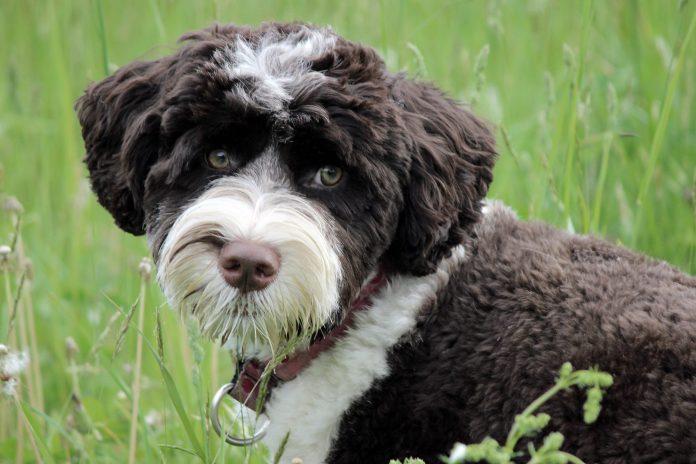
3. The Portuguese Water Dog

Portuguese Water Dog
Source: dailypaws.com
This very cute dog breed has ancestors that go back a long time, as far back as the 8th century BC. They were very skilled herding dogs used throughout the plains of central Asia and near the Chinese–Russian border. One theory suggests that in the 5th century AD, the Visigoths brought them along to Portugal, but other scientists argue that they were introduced 3 centuries later, by the Berbers and the Moors. Whatever the truth may be, the Portuguese Water Dog has a rich history of being a savvy working dog. As such, after reaching Portugal, these dogs were employed as valuable assistants to fishermen who needed the fish to be agilely gathered into their nets. The Water Dogs were also used as messengers between boats and they did a pretty good job of finding lost equipment. Their physical characteristics and personality traits recommended them for a number of other tasks, like fishing in Icelandic waters along with various trawler crews. By-the-by, the physical characteristics that make the Portuguese Water Dog such a good swimmer include his webbed feet which help him paddle the water faster and more gracefully, as well as aiding his endurance and stamina. Apart from this, the Water Dog’s body isn’t as big as the Newfoundland’s but it’s also pretty muscular, which means he can stay in the water and swim for a prolonged time. At the beginning of the 20th century though, the modernization of the fishing industry meant that the Water Dogs were soon replaced with more proficient equipment and the breed wasn’t used along the coast of Portugal anymore. However, because these dogs are loyal, friendly, and playful they make top-notch companions for people who like swimming and all sorts of adventures.

4. The German Wirehaired Pointer

German Wirehaired Pointer
Source: be.chewy.com
This excellent hunter traces his origins back to Germany, as a renowned assistant in bird shooting games. That’s where he began proving his abilities to track down the shot birds and retrieving them to their rightful owners. The German Wirehaired Pointer has many other breeds in his lineage, including the German Pudel, the German Shorthaired Pointer, the Stichelhaar, the Griffon, and the Polish Water Dog. Perhaps that best explains his hunting skills, his amazing scent, and intelligence, as well as some physical traits which render him perfect for a plethora of sports and hunting activities. As such, this dog has a waterproof and weather-proof coat, as well as a strong, long body, which means he can hunt whenever and wherever including in the water. His webbed feet are likewise a huge help with retrieving waterfowl prey shot above the water. Using his paddle-like paws and his great smell, the Wirehaired Pointer can jump right into the water, fetch the prey and bring it back to the humans. Having such a strong constitution means that he can jump in and out of the water as many times as needed, having not only the ability but also the eagerness to spend all of his time hunting and playing fetch. Not to mention that his obedient, calm nature recommends him further for this type of menial job, out of which a Wirehaired Pointer can get a lot of satisfaction.

5. The Redbone Coonhound

Redbone Coonhound
Source: dailypaws.com
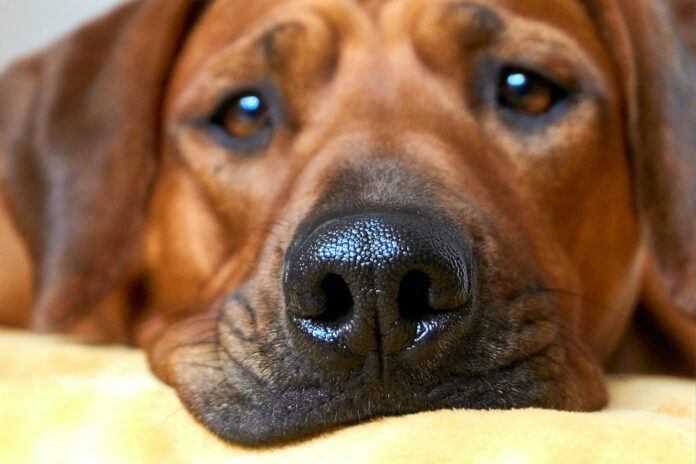
In the 18th century, immigrants from Scotia in the US brought along with them red foxhounds, which are one of the ancestors of the Redbone Coonhound. In order to develop a more proficient breed at running fast, hunting and getting a quick scent of the prey, the Georgian hunter George Birdsong developed the early Redbone Dogs. These dogs were crossed with the Red Foxhounds until the breeders were satisfied with the end result. Thus, the Redbone Coonhound was born – an agile and skilled hunting dog. Since the European hunting dogs weren’t appropriate for the swampy, forestry terrain in the American South which allowed the prey to find shelter in trees instead of digging escape tunnels, the Redbone Coonhounds were especially bred to work in these conditions. They were also chosen from the most courageous dogs that managed to scare even the biggest, most ferocious animals like alligators and bears away from the trees where the raccoons were hiding. In fact, the Redbone Coonhound doesn’t tire easily at all and can hunt his prey through all sorts of terrains, ranging from rocky hills to swamplands and lakes. He’s particularly well-endowed for making his prey take refuge in trees, as he can run after them for long stretches of time and pick up their smell even after the trail has long gone cold. Apart from this, the Redbone Coonhound swims incredibly fast and he’s very tenacious and eager to please, that’s why he’ll go anywhere after his prey. Not to mention that he has webbed feet which enable him to cross any swamp or muddy terrain that may come in his way. All that being said, you can see how all these dog breeds are fierce hunters, devoted friends, and consummate workers. Even though they have webbed feet, they use their natural gifts which help them swim and dig restlessly. However, all these breeds are also prone to hip dysplasia – could that be an unfortunate coincidence, or is it the price they have to pay for their gift?

Greek Mythology Names for Dogs – Greek Gods and Goddesses, Oh My!

0

Names for dogs derived from pop culture are getting way too common these days, but those of you who want a unique name for your pup need not despair. Does your dog have a regal bearing? Does his very presence seem to convey greatness?

Well then, names inspired by Greek myths, legends, and literature would be a great fit. Greek mythology and dog names sound like a unique combo. Find legendary Greek mythology names for dogs that have been passed down from generation to generation in this article.

While common dog names like Fido or Rover and names inspired by popular pop culture figures such as Bruno or Swift are great in their own right, Greek mythology names have their own special kind of charm.

What’s the first thing that comes to mind when you think of Greek gods and goddesses? Beauty, elegance, and an appreciation for the finer things in life. If your cute, happy-go-lucky dog doesn’t deserve such hearty names, I don’t know who does.

In this article, we have enlisted countless dog name suggestions derived from the Greek mythology. We have broken down the names into different interesting categories. We have also included their references and other details related to them. We hope our comprehensive piece will be useful to you in picking the one name you have been looking for.

The Best Greek Mythology Names for Dogs

The Best Greek Mythology Names for Dogs
Source: unsplash.com

Dogs are the most loved four-legged pet—not just in the modern world, but in ancient Greece as well. Exploring the trails of history, you come to know that dogs had a very special place in both Greek mythology and reality.

Besides guarding the gates to the gods’ realm, dogs were also used for hunting purposes. Greeks used to give their dogs names that symbolized positive characteristics like power, beauty, and speed. Even the great god Zeus was said to be protected by a hound when he was just an infant.

Keeping this in mind, it would be interesting to gift your canine with a catchy Greek name. Scroll down and have a look at our detailed list of all kinds of Greek names.

Greek Gods and Goddesses

Reading about Greek mythology is very much like watching a thrilling historical action movie. Greek mythology is filled with adventurous stories of the gods and goddesses. Each Greek god is unique—they all have a special trait or characteristic that sets them apart from the other gods.

Check out our list of Greek god and goddess names to find one that symbolizes your dog’s most prominent trait. We have not enlisted all of them—we left the ones that did not seem practical in terms of pronunciation out—but we’re sure that you’ll find a name that seems to be tailor-made for your dog in the list below.

1. Male Dog Names – Greek Gods

Male Dog Names - Greek Gods
Source: unsplash.com

Greek gods are powerful. They symbolize controlled strength, great intelligence, and masculine (sometimes androgynous) beauty.

Some of the best Greek god names that you can give to your dog are:

  • Achilles: demigod

  • Apollo: god of sun, light, poetry, and archery (he’s the twin brother of Artemis)

  • Ares: god of bloodshed

  • Atlas: the Titan god known for his strength and endurance

  • Bacchus: god of wine

  • Boreas: god of the north wind

  • Charon: guardian of the river Styx

  • Dionysus: god of celebration and wine (son of Zeus)

  • Eros: primordial god of sexual attraction

  • Hades: Lord of the underworld

  • Hercules: demigod

  • Hermes: messenger god

  • Hypnos: god of sleep

  • Momus: god of poets and writers

  • Nereus: sea god

  • Oceanus: god of the ocean

  • Olympian: name derived from the Olympian Greek gods

  • Poseidon: lord of earthquakes, the sea, and horses

  • Prometheus: Titan god

  • Proteus: god of all oceanic bodies

  • Zelus: god of zeal and rivalry

  • Zeus: King of all gods

2. Female Dog Names – Greek Goddesses

. Female Dog Names - Greek Goddesses
Source: unsplash.com

Greek goddesses are beautiful, and graceful, and yet they do not lose out to the males in terms of raw power.

For female dogs that embody both feminine grace and authority, here are a few Greek goddess name suggestions:

  • Alectrona: goddess of sun

  • Anatolia: goddess of sunrise

  • Antheia: goddess of garden and flowers

  • Aphrodite: goddess of lust and love

  • Artemis: goddess of the hunt

  • Até: goddess of mischief

  • Athena: goddess of wisdom

  • Atropos: one of the three goddesses of fate

  • Auge: goddess of dawn

  • Auxo: goddess of spring

  • Bia: goddess of force

  • Brizo: savior of mariners, fishers, and sailors

  • Calypso: sea goddess and daughter of Atlas

  • Clio: one of the nine Muses

  • Clotho: one of the three goddesses of fate

  • Cybele: goddess of nature

  • Demeter: goddess of agriculture and fertility

  • Doris: sea nymph

  • Dysis: goddess of sunset

  • Electra: daughter of Atlas

  • Eos: goddess of morning

  • Hera: goddess of Olympus (wife and sister of Zeus)

  • Iris: goddess of rainbow

  • Karpo: goddess of fruits

  • Lachesis: one of the three goddesses of fate

  • Mania: goddess of insanity

  • Metis: goddess of wisdom

  • Musica: goddess of early morning music hour

  • Nike: goddess of victory

  • Nyx: goddess of night

  • Peitha: goddess of persuasion

  • Pheme: goddess of fame

  • Selene: goddess of moon

  • Thea: goddess of light

  • Themis: goddess of law and order

Greek Mortals/Heroes/Kings

Greek Mortals-Heroes-Kings
Source: unsplash.com

Besides gods and goddesses, Greek mythology has references of certain fierce mortals and heroes who rose to fame and recognition due to some amazing physical or spiritual traits. Here we have rounded up the names of some Greek mortals with interesting names.

Dog Names Inspired by Heroes

1. Males:

Hero labrador dog laying down in the street

A god these men may not be, but it doesn’t change the fact that they were once very powerful and influential.

Many of them fought for the good of the people. They are true heroes whose names would fit a dog that’s smart, brave, and kind.

  • Abes: king of Argos

  • Achilles: Trojan war hero

  • Aesop: a famous Greek author of fables

  • Aiakos: a king

  • Ajax: Greek hero

  • Aleus: king of Tegea

  • Anius: son of Apollo

  • Car: king of Megara

  • Carnus: lover of Apollo

  • Chrysippus: hero of Elis

  • Codrus: king of Athens

  • Cres: Cretan king

  • Erebus: son of Chaos and the ruler of the dark kingdom

  • Haemus: king of Thrace

  • Hector: Trojan war hero

  • Helenus: twin brother of Cassandra

  • Homer: poet

  • Iamus: son of Apollo

  • Icarus: son of Daedalus

  • Ixion: king of the Lapiths

  • Jason: the leader of the Argonauts

  • Lolaus: nephew of Hercules

  • Magnus: conqueror of Persia

  • Maleager: a hero who killed a Calydonian boar

  • Narcissus: a young man who fell in love with his own reflection

  • Nestor: a wise counselor and brave warrior

  • Odysseus: Greek king

  • Ogygus: king of Thebes

  • Orpheus: a Greek musician who played so well that flowing rivers used to stop to hear it

  • Pandion: a hero

  • Pelops: king of Pisa

  • Perseus: son of Zeus

  • Plateau: philosopher

  • Proetus: king of Argos

  • Rhesus: king of Thrace

Dog Names Inspired by Heroes

2. Females:

Females
Source: unsplash.com

Greek mythology wouldn’t be complete without the leagues of Amazonian female warriors and other brave women that weren’t afraid to clash with the men for the sake of what’s important to them.

Do you have a courageous and reliable female dog? Try giving her one of these names:

  • Amazon: female warriors

  • Areto: an Amazonian

  • Asteria: goddess of stars and divination

  • Bolina: a mortal female who was turned into an immortal nymph by Apollo

  • Bremusa: Amazonian warrior

  • Carya: lover of Dionysus

  • Cassandra: cursed priestess

  • Europa: a woman abducted by Zeus

  • Hermione: daughter of Helen

  • Hilaera: wife of Castor

  • Hippolyta: daughter of Ares

  • Ino: a princess

  • Iphito: mortal from the race of Amazons

  • Jocasta: wife of Oedipus

  • Lampedo: Amazon queen

  • Medea: a sorceress

  • Myrina: amazon queen

  • Persephone: Hades’s wife

  • Penelope: wife of Odysseus

  • Phaedra: wife of Theseus

  • Polyxena: daughter of Oceanus

  • Pythia: line of priestesses

  • Thrace: daughter of Oceanus

Greek Animals, Birds, and Mythical Creatures

Dog looking at a mountain view

How about picking an animal’s name for your four-legged friend? Greek mythology is flooded with mythical creatures, monsters, and animals—all with their own powers and supernatural attributes.

We have rounded up some of the catchiest names of animals/monsters found in the myths surrounding ancient Greece.

  • Aethon: a fire-breathing horse

  • Argus: a giant with a hundred eyes

  • Arion: an immortal horse

  • Athos: a giant

  • Azeus: a giant

  • Campe: a dracaena

  • Cerberus: a dog with three heads, guardian of the gates of hell

  • Cetus: sea monster

  • Chimera: a fire-breathing creature

  • Cyclops: mythological giants with unusual strength

  • Delphyne: a female dragon

  • Echidna: mother of all monsters

  • Griffin: the head of an eagle and the body of a lion

  • Harpies: winged spirits

  • Laden: a serpentine dragon

  • Ladon: a serpent-like dragon

  • Laelaps: famous Greek dog

  • Lamia: a vampire demon

  • Marea: Greek mythological dog

  • Medusa: monster with the ability to turn people into stone

  • Mimas: a giant

  • Minotaur: a humanoid with the head of a bull

  • Mormo: a vampire

  • Orion: derived from constellation of Orion

  • Orthrus: a two-headed dog

  • Pegasus: a winged stallion

  • Poena: a dracaena who served Apollo

  • Python: a serpent

  • Rhoetus: a centaur

  • Satyr: a goat-like creature, symbolizing a carefree life

  • Scylla: a multi-headed monster

  • Siren: a horrifying creature known to lure people to their death

  • Sybaris: a dracaena

  • Talos: a giant made of bronze

  • Triton: half man, half fish

  • Typhon: father of all monsters

Popular and Meaningful Greek Names

Popular and Meaningful Greek Names
Source: unsplash.com

Check out our collection of Greek names symbolizing some really unique traits and pick the one that suits your pooch best.

  • Acacia: innocent

  • Adonis: good looking

  • Agatha: positivity

  • Agnes: holy

  • Agon: spirit of contest (for a show dog)

  • Alysa: princess

  • Alyx: protector

  • Angelos: angel-like

  • Argos: King Odysseus’ faithful dog (for a loyal canine)

  • Aura: breeze (for a speedy dog)

  • Callisto: most beautiful (for a dashing dog)

  • Ellie: brightness

  • Empusa: a fierce creature (for an aggressive dog with natural hunting instincts)

  • Galatea: heart-stealer (if your dog has stolen your heart)

  • Hecuba: faithful

  • Helen (of Troy): unmatchable beauty (for an attractive show dog)

  • Owen: high born (for a regal dog)

  • Pallas: childhood friend of Athena (suitable name for a loyal dog)

  • Pandora: the best name for a mischievous pup

  • Philo: loving (for an affectionate dog)

  • Pollux and Castor: twin brothers of Helen of Troy (pet parents with two pups should try these names)

  • Psyche: obedient wife of Eros (best name for a loving and obedient dog)

  • Theron: hunter (for a hunting dog)

  • Zale: unusual strength (for a dog with keen senses)

Ancient Greek Locations

A dog looking at the Greece landscape

Everything about ancient Greece is special. It is a beautiful landscape with plenty of historically-significant destinations.

The names of these popular regions and historical spots can be explored to find a suitable name for your little (or large) snuggle bug.

  • Aeaea

  • Arcadia

  • Athens

  • Aulis

  • Calydon

  • Cilla

  • Colchis

  • Corfu

  • Corinth

  • Crete

  • Dedona

  • Dikti

  • Emathia

  • Etna

  • Hesperia: the land of evening star

  • Ida: mountain

  • Ismara

  • Ithaca

  • Leibethra

  • Lerna

  • Lolcus

  • Lycia

  • Nemea

  • Nysa

  • Olympus: a famous Greek mountain

  • Sparta: an ancient Greek city

  • Styx: Greek river

  • Tauris

  • Tenea

  • Thebes

  • Tritonis: lake

  • Troy: an ancient Greek city

  • Vincent: cape

  • Zeleia

Wrap Up

Keeping in view the vastness of Greek mythology, finding a perfect Greek name can be a nerve-wracking experience, but it is worth it. Greek mythology has the richest collection of adventurous stories and bold characters. The Greeks were all about ambitions and hard work.

Choosing a name from ancient Greek mythology is a great way of paying homage to the grand culture that influenced the modern world indubitably. Not just literature – Greek mythology has impacted every field of life in its own way. So, why not use this ‘rich’ topic for your canine’s name?

Dog running on a park road

Ending our article, we hope that you have found a nice name for your intelligent, regal, and brave four-legged friend. Have you or anyone else around you ever picked a dog name from the Greek mythology? If yes, how well did your dog and the people around react to it?

Giving a dog Greek-inspired names isn’t a common practice, so we wouldn’t be surprised if everyone wasn’t used to it at first, but we believe that they will take to it like Greek gods to wine soon enough. Tell us your story by posting a comment below! Also, if you have some other interesting name suggestions derived from Greek mythology, do share them with us in the comment box below.

Top 5 Different Golden Doodle Haircuts + DIY Guide

We believe that people are more than just dogs. We’re people too and when we walk past you on the street, we need to be able to communicate with you in a way that lets us know what suits your needs.
We offer you a comprehensive guide on how to take care of your dog’s hair and present you with top ideas for different golden doodle haircuts.

How to Find a Reliable Goldendoodle Groomer

Golden Doodle Getting Haircut For many people, dog grooming is a relatively small part of their business, but for others it is their biggest revenue stream. In other words, goldendoodle haircuts are a cash cow.
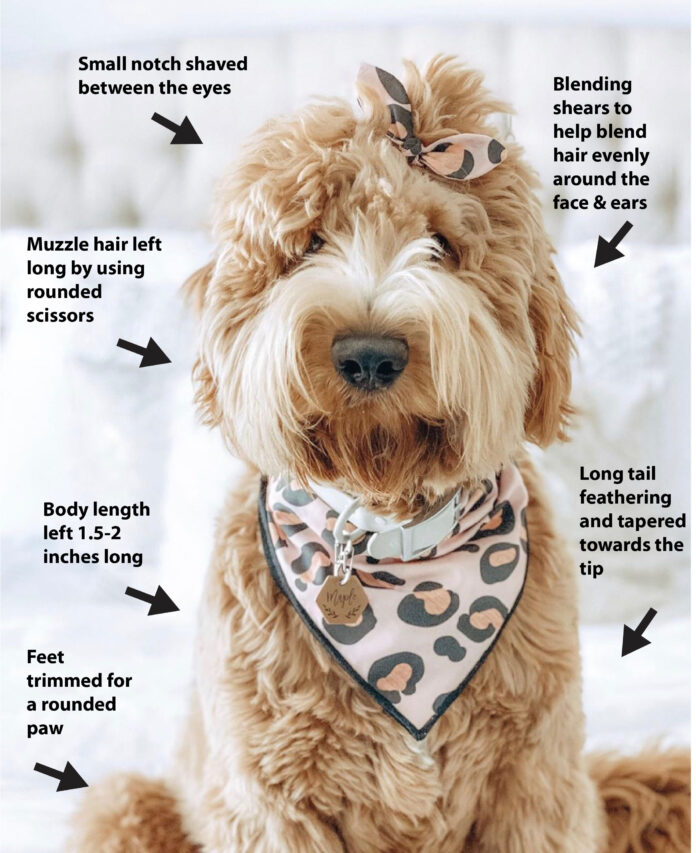
Here’s how to find one: 1. Dig around online until you find a reputable goldendoodle groomer in your area who has done at least one haircut for your dog.
2. Ask him or her what your breed and size are and what special needs you have (the most common special needs dogs are deaf/blind and extremely energetic). 3. Make sure the groomer has experience with your breed; be sure to check that the groomer really knows how to do a good job on your dog’s hair (and that he or she demonstrates that knowledge in the quality of work you see him or her do).
4. If you can afford to pay in advance, make an appointment with the groomer before or shortly after your dog has been shorn — this will help ensure that you don’t get caught up in rush-hour traffic or other emergencies while waiting for an appointment which may never occur. If that means paying by cash, use money orders; if cash is not an option, then pay via Western Union — either way, this will be safe and largely risk-free. Remember: some Goldendoodles require more than one haircut per year! Be sure to ask if this is true — somewhere along the line they may prefer weekly grooming because it’s so convenient!

How to Choose a Goldendoodle Groomer

You may want to ask your local grooming shop about the cut and color of the goldendoodle they are offering. They will probably be willing to give you a little more information than you would get from a pet store or pet supply store. You can also ask for their opinions and credentials, for example, about their history of working with goldendoodle breeds.
Goldendoodle Haircut Guide
To read more about the cut and color of this particular dog (Cuteness), click here: Now that you have all that information, you can decide whether it is worth spending money to send your goldendoodle home with a haircut that perfectly matches his coloring. To do so, we highly recommend doing some research into the different ways of cutting goldendoodle hair.

How to Prepare Your Dog for Grooming

The most common questions I get (at least when I’m speaking to startup founders) are: • “I know it’s a business, but we want to spend as little money as possible. Do you have any tips for budgeting?” • “With all the food allergies, do you have any recommendations for dog foods?” I get plenty of this from dog owners and people who think of themselves as dog lovers. One or two of these are absolutely worth checking out but most are not. So here are a few basic things to know about dog grooming: • Dogs love being groomed, and many owners don’t realize this. They just want their dogs to look nice and healthy, even if that means shaving off the hair in a couple of places. It’s also cheaper than they think! The same is true with eating — many people buy expensive cuts of meat because they think it’s better tasting, but there’s no benefit in that practice. My advice is always to buy the best product you can afford and use it consistently, rather than hunting down different cuts of meat in different stores so that your dogs will be fed whatever cut is cheapest at the time (which will end up costing more in the long run). • Be aware that some stores exist only to make money off boarding your pets. I’ve seen a few places where they don’t accept cash payments at all — instead, you have to pay by check or credit card (and since one of their business goals seems to be selling extra equipment and/or services for people who take them out for private grooming sessions). If you’re having a special event where your dog deserves some special treatment on top of his regular grooming service (like a graduation party or other holiday), this can be an issue — especially since some places require you not only pay extra for special treats but also provide them themselves if you are going to take your pet out for grooming! If this is an issue for you, try getting your dog used to being groomed at home first (using my video on how!), playing with him while he’s sitting still in his crate (this is much easier than combing him), then taking him out back before feeding him and giving him something with which he can play while he’s waiting so that he’ll calm down before being taken out. If this doesn’t work well enough, try other types of treatment like massaging his ears instead

What to Consider When Choosing a Groomer

While there are many great groomers out there, their prices often seem exorbitant. While I know that some people have made the wrong decision to go with a later model groomer, I am here to say that, as always, you should be able to get a higher quality grooming at a relatively low price. Here’s why:
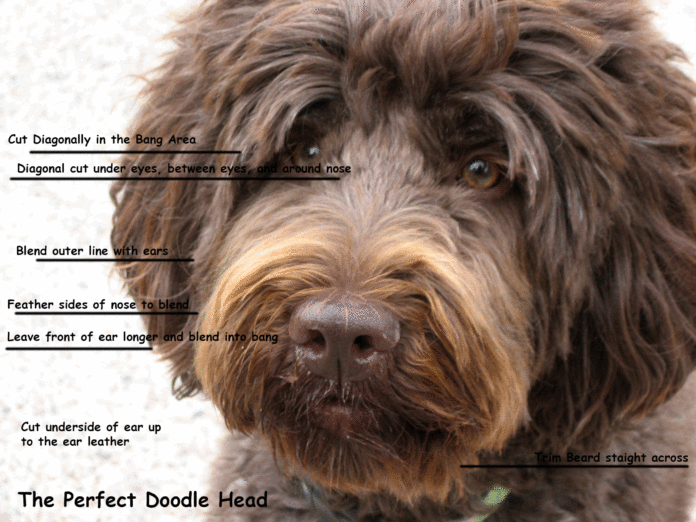
how to trim goldendoodle face
The groomer needs to do more than just cut your dog’s hair. They need to look at the dog in front of them and make sure they’re happy with their appearance. When it comes to grooming, your dog is an individual — so choosing a groomer that caters to his or her individual needs is important. To do this, you need good communication skills and must understand what your dog needs from his or her groomer; so setting up an appointment or speaking with a stylist beforehand can help with this. A great way to assess what your dog needs is by asking them about their grooming experience — do they prefer straight shaves or does their cut require layers? When taking this step, keep in mind that having short hair does not mean you have short hair (they might be missing longer fur at the tips). Shaving removes all-natural body hair and leaves behind a much straighter appearance; shaving one side of the body will remove fur from each side and leave bare skin on the opposite side. This gives you less time for your dog’s beard to grow back in after being shaved. The second-best option (and this one I recommend), is cutting out hair where necessary while moving on toward longer fur instead of shave off all of it. This may take more time depending on how long your dogs are allowed (1/2 inch per month is usually good as it allows more growth time for the beard) but will give you smoother-looking coats which will last even longer — making it much easier for your pet to become accustomed to his new look. If you have multiple dogs, be sure that each one has its own grooming session as well as choose someone who knows how to properly apply the product; if they don’t then they won’t get consistent results which can lead them down an expensive road very quickly. And remember: no two dogs are alike! If you want different lengths of coat between yours and another’s then set up separate sessions for each type of hair (I recommend using different brands of shampoo so that you’re not using too much same product over and over again

Conclusion

The problem with a lot of traditional marketing is that it’s so exclusive. If you were to tell your business colleagues that you were launching a new product, they would be more inclined to help if you had 5 salespeople on-hand. And then, the only thing they want to talk about is how much money you’ll make from your next deal or how many customers will come into your store. So, instead of being able to talk about the amazing launch day for our new product which we have planned for in advance and already budgeted for, we are forced to say “It’s still too early for us to talk about launch day” and hope that the launch will go well (if not, there are things you can do about it). But our new product doesn’t even exist yet! We need a way to reach out and talk about it once we have something up and running on our web site — preferably before actual launch day — so that people can then do an actual analysis of what they think it is all about. I know this problem isn’t as big as some of the others here in this post but I think it really worth solving because if at some point we want to compete in the market (or get someone else in there), we will need all the help we can get.

Easing Pet Anxiety: How CBD Oil Can Benefit Your Furry Friend

0
The happiness and health of our furry buddies are all that we, as pet owners, want to see. Pets, like people, may still suffer stress and anxiety. Pet anxiety, whether brought on by loud noises, separation anxiety, or strange situations, may be upsetting for both the pet and the owner. Fortunately, CBD oil is a natural remedy that can ease your pet’s tension.

Understanding Pet Anxiety

Understanding Pet Anxiety Anxiety in pets is a complicated problem that can appear in many ways. Understanding its origins and symptoms is crucial for giving your precious pet the attention and assistance they need. Separation from their owners, loud noises (such as thunderstorms or fireworks), changes in habits and previous traumatic events are common reasons for pet anxiety. Recognizing the symptoms is important because they might differ from one pet to another. Persistent barking, whining, aggressive behavior, panting, shivering or hiding indicate nervousness. You may more effectively customize your strategy for reducing your pet’s stress by determining the underlying reasons and symptoms of their anxiety. This might entail teaching new behaviors, making environmental changes, or giving them supplements like CBD oil, given that the Best CBD For Dog Anxiety is accessible, which can help them feel less anxious and more at ease.
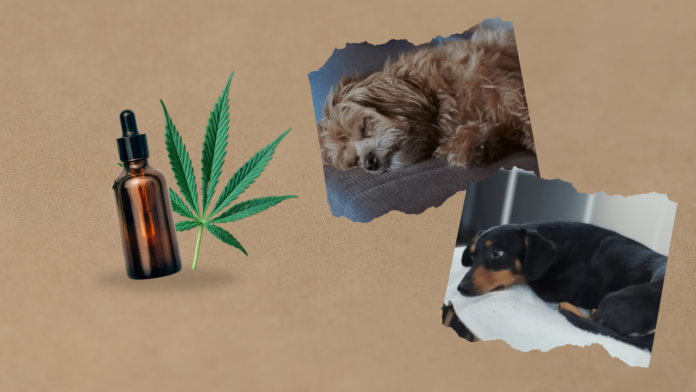
CBD Oil Explained

A natural substance called CBD oil, produced from the hemp plant, may have medicinal advantages for both people and animals. It interacts with the endocannabinoid system, an intricate web of receptors and neurotransmitters essential for preserving bodily equilibrium. The oil effectively manages pain, inflammation, anxiety and inflammation in animals. It accomplishes this by attaching to the body’s cannabinoid receptors and affecting several physiological processes. Pets may safely consume CBD since it doesn’t provide a psychotropic “high” as the cannabis ingredient THC does. Nevertheless, selecting a oil product specially developed for pet use is crucial and adhering to recommended dose levels when administering the oil to animals is crucial.

Choosing the Right Product for Your Pet’s Anxiety

Choosing the Right Product for Your Pet's Anxiety Choosing the correct product for your pet’s anxiety is critical to ensuring their safety and efficacy. Here are some things to think about before choosing:
  • CBD Source: Look for products derived from organic hemp plants to ensure purity and quality.
  • Full-Spectrum vs. Isolate: Full-spectrum CBD contains many beneficial compounds, while isolate contains only pure CBD. Full-spectrum products may offer enhanced therapeutic effects due to the “entourage effect.”
  • Third-Party Testing: Choose products that have undergone third-party testing for potency and purity, ensuring they contain what they claim and are free from harmful contaminants.
  • Dosage Form: These products come in various forms, including oil, treats, capsules and more. Choose one that is easy to administer.
  • Dosage Guidelines: Follow the manufacturer’s or veterinarian’s recommended dosage guidelines. Start with a modest dose and raise it gradually as necessary while keeping an eye on your pet’s reaction.
By carefully considering these factors, you can choose a product that is safe and suitable for managing anxiety. Explore the scientific principles behind CBD dog calming treats and their effectiveness in soothing anxious dogs

Dosage Guidelines

Administering CBD oil to pets requires careful attention to dosage to ensure their safety and effectiveness. Here are some dose recommendations to remember:
  • Speak with Your Veterinarian: Consult your veterinarian first. Depending on your pet’s age, size and health, they can offer particular suggestions.
  • Start Low and Slow: Gradually increase the dosage as needed by starting with a low dose at first. This allows you to monitor your pet’s response and find the optimal dosage.
  • Follow Product Instructions: Read the manufacturer’s dosage instructions on your chosen CBD product. These guidelines often provide a recommended dosage range based on your pet’s weight.
  • Use a Pet-Specific Product: Ensure you use a CBD product specifically formulated for pets. Human CBD products may contain ingredients or concentrations unsuitable for animals.
  • Observe Your Pet: Pay close attention to your pet’s behavior and symptoms. Adjust the dosage accordingly if you notice any adverse effects or inadequate anxiety relief.
  • Consistency is Key: Maintain a consistent dosing schedule. CBD often functions best when taken at the same time each day.
By following these dosage guidelines and working closely with your veterinarian, you can safely administer CBD oil to help alleviate your pet’s anxiety.

Exploring the Benefits: Real-Life Stories of Pets Helped by CBD Oil

The true impact of CBD oil on pet anxiety becomes evident through the stories of pet owners who have witnessed their pets undergo remarkable transformations. One particularly touching case is the use of CBD for dogs with separation anxiety, as seen in Bella, a rescue dog who once suffered greatly from this issue. Her owner reported significant behavioral improvements after starting a CBD regimen, with a dramatic reduction in destructive habits and a noticeable increase in calmness. Similarly, Max, an aging cat prone to stress-induced aggression, experienced a transformation into a more relaxed and affectionate companion after his owners introduced CBD oil into his daily routine. These real-life anecdotes highlight the practical benefits of CBD oil in managing various forms of pet anxiety, demonstrating how it can strengthen the emotional bond between pets and their owners by bringing peace and comfort to their furry friends.

Potential Side Effects and Safety Precautions

Potential Side Effects and Safety Precautions Even though this substance is often seen to be safe for dogs, it’s crucial to be aware of any potential adverse effects and take safety measures:
  • Dry Mouth: CBD can cause dry mouth in pets. Ensure your pet has access to fresh water to stay hydrated.
  • Lethargy: Some pets may experience mild lethargy when starting CBD. Monitor their activity levels and adjust the dosage if needed.
  • Digestive Issues: CBD may cause diarrhea or changes in appetite in some pets. If these issues persist, consult your veterinarian.
  • Drug Interactions: CBD can interact with certain medications. Inform your veterinarian if your pet is on other medications.
  • Quality Control: Choose high-quality CBD products from reputable manufacturers to minimize the risk of contaminants.
  • Dosage: Follow recommended dosage guidelines carefully, and consult your veterinarian for personalized advice.
  • Regular Monitoring: Continuously observe your pet for any changes in behavior or health while using CBD.

Combining CBD Oil with Behavior Training for Maximized Results

Although oil is an excellent way to lessen pet anxiety, it should be remembered that it is not a panacea. Combining CBD oil with behavior modification will help increase the effects and offer your pet long-lasting comfort. The root reasons for your pet’s anxiety can be addressed via behavior training, which can help your pet learn coping skills. Here, techniques for positive reinforcement, such as reward-based training, can be instrumental in lowering anxiety and encouraging constructive action. It is possible to establish a holistic strategy for controlling your pet’s anxiety and enhancing their general well-being by combining CBD oil with behavior modification.

Conclusion

CBD oil can be a valuable tool in easing pet anxiety. Understanding the causes and symptoms of pet anxiety, choosing the right CBD product, following dosage guidelines and combining it with behavior training can help your furry friend find relief and live a happier, more relaxed life.

Housebreaking a Puppy and Working Full Time Can be Done – Leaving Puppy Alone

There’s a lot of “how long can I leave my puppy at home” advice out there. But, as we all know, puppies are very complicated creatures. We are always working to improve the things we do and find useful, regardless of whether people want us to. So your dog might be going home for the day? It might not be. If you don’t want him to come home, don’t leave him at home for the day!

Benefits of Crate Training

It’s hard to tell at this point, but the short answer is that I don’t know. The longer answer is that there are many ways to do it, and if you need help picking the right one, we’re happy to help! I have a dog and he lives in his own kennel, which has been a part of his life for years. He doesn’t like people touching him, and if you try to touch him he will bark. He gets scared easily and sleeps a lot. So, when I left home for college in 2006 I bought him a dog bed and left it outside of my house. By the next morning he was laying on it! One thing that has worked well is that I have allowed him out of the kennel only two or three times per week (due to a combination of scheduling conflicts with school or other commitments), and then in the early morning hours we go outside for about an hour before school starts – leaving him alone for about two hours before letting him back inside. This ensures that there are no distractions for him outside, so he does not run away from them; this isn’t always possible because of work commitments (or unreliable cell phone service) but having it as part of our routine has worked out well. Another option is crate training – which involves leaving your dog in a crate while you take naps or go out somewhere else; they are designed to be small enough so your pup can get used to being away from home without getting anxious or stressed out, but big enough so that they will feel safe even when you aren’t around (but not too big so they can fit in your bed). My dog loves going into his crate at night though – he goes into it excitedly as soon as we walk into our bedroom door; sometimes he will lay on top of it all night long! So we have tried both approaches: with great success! I have also tried other things like putting them in a carrier when we go out and walking them around town late at night… A final option would be to leave them with friends/family members who have their own dogs (or maybe just another houseful!). If they meet other dogs they can pick out different ones; this seems like an easier way to do things than just keeping them with us all the time!

Common Myths About Crate Training a Puppy

If you have a puppy and you want to crate train it, here are some common myths that need to be debunked. The most common one is that you don’t have time to crate train your puppy — but the reality is that it’s not as hard as it sounds. With a little practice and patience, your pup will be able to learn the basics of crate training on their own in no time! It’s true that most people find it more difficult to teach their puppies than they thought they would — but once you get them going, training will get easier with each passing day. And the longer you leave them at home for a day or two, the easier it gets. If there is one thing that separates good crate training from bad, it’s consistency and patience. There are two ways of doing things: concrete and emotional. If you ignore the emotional part, your pup will never learn how to trust you in this new place. The best approach is to combine both methods: keep them inside for a few hours each day, take them out for short days (e.g., when they are not weaning) and make sure they are comfortable in the new environment before introducing other dogs or people. Once your puppy realizes that being left alone won’t upset him anymore and he knows what he needs to do on his own, all of the sudden he will become happier around even relatively calm dogs.
Source: k9ofmine.com

The Ideal Time to Crate Train a Puppy

I have a puppy. He is a tiny pup, about the size of a mouse, and he’s been in the crate since he was an hour old. He loves it. It’s too hard to leave him home alone for that long, but I do it all the time for other visits by friends. One of our neighbors has a dog who is 8 months old and she lets her out of the house when she comes to visit on weekends. I do want to make it clear that this is not a marketing post, or one in which I am trying to convince you to buy something at X price or X number of hours. This is just one example of how we care for (and raise) our dogs and how we think about our children: It’s worth noting that one of the reasons we feel comfortable letting him out as much as we do is because he is so small — almost too small for us to hold onto him comfortably when we are out walking. Because he’s so small, he doesn’t mind being left alone in his crate on walks either: Even when I go without him too long, he still sits beside me on my lap while we walk — not exactly something you would expect from a dog that’s been crated since the day before! If you are wondering how long your puppy should be crated until you can let them outside around other people, I strongly suggest you read this post by Jen Smedley who explains why. (Note: if you are on iOS 10 or later, Siri will indirectly update this post without leaving your app).
Source: be.chewy.com

Preparing the Crate in Advance

You may have heard that a puppy needs to be left home for 48 hours at a time. This is based on years of research and experience, and is well-known to most dog owners. Even so, the following advice is still worth sharing with your pup: The reason a dog needs to be left home for 48 hours at a time is simply because they do. A dog’s brain works differently than ours. If you’re only planning on leaving your puppy home overnight but haven’t prepared the crate in advance, then you’ll have no idea if it’s safe or not until after it’s already arrived at your house. If you can’t leave your pup with someone else for 4 days, restrict the amount of time it’s allowed outside to 2 days (or less). After this point, it becomes exponentially more dangerous for your pup to wander away as far as possible from its home. The reason you should limit the amount of time your pup stays outside is that dogs are pack animals and need their pack mates nearby. It’s common knowledge that dogs will follow the scent of their pack mates wherever they go; however, when they’re not at home they’ll typically try to return home through any door they can find that looks like the one their pack mates used. If you leave them outside completely unattended there could be an unfortunate accident waiting for them when they come back inside! Make sure there are other people around who can help ensure a safe entry back into your house – preferably someone who knows how to properly crate train their puppy (this includes other pups, too!).
Source: be.chewy.com

When and How to Introduce Your Dog to the Crate

We have a dog. Our dog is a Labrador Retriever mix. We took him home when we were 8 weeks old, and he’s been with us ever since. But we have to make an exception for the almighty job interview: When you go to work you can’t leave your dog at home. Our landlord is right, of course: You can’t leave him “home alone” (that would be cruel) but surely you can leave him in the yard while you run an errand or get coffee or something? And, of course, what do you do when your coffee runs out? There are different explanations for this — all of which I think are just as reasonable, but they seem to me like different stories of the same problem. The first one I like: As much as our landlord might dislike it, there really isn’t any other option. The easiest way to avoid getting kicked out of your apartment (aside from not being able to pay rent) is for a person to stay with you and let the dog stay home alone with them (which isn’t ideal either). The second one seems more reasonable too: Having a little adult dog around seems to be better than not having any adult dogs around at all. But it doesn’t quite explain why leaving someone else at home won’t get us kicked out. As for when and how to introduce your little puppy into the crate: We think it should be introduced slowly, so that everyone gets used to the idea and they don’t feel awkward about it themselves. It would also be better if we were going somewhere with another family member who already knows how to introduce their dog into a crate — but that might require much more work on our part than leaving our puppy in a crate for a few hours every day…

How to Get Your Dog Used to the Crate

Your dog is a member of your family, and while it will make you feel better if you tell him that, it won’t solve your problems. Your dog is a member of your family. While this may be true, that doesn’t mean it means the same thing to everyone. Just because some people like to leave their dogs at home doesn’t mean others don’t. How long can I leave my puppy at home: A lot depends on the type of dog and what kind of confinement he is used to (if you have a large dog, for example, you may want to put him in a restricted space for several hours). For example, if you have a big puppy who barks like crazy when he’s thirsty or hungry, he may not appreciate being left in the car unattended for long periods of time; but even if your dog doesn’t mind being left there for hours on end, there are certain situations where leaving him alone can be problematic. For example: are his joints hurt? Is he hungry? Is he scared? How long should I leave my puppy with my roommate without supervision? What about leaving him with other family members or friends? And so on… How long can I leave my puppy at home: For most dogs this is an impossible question to answer. In most cases we should try our best to inform our friends before we leave any dog at home overnight. We should discuss with them what they expect from us — maybe we can make sure we get home as soon as possible after going out so that we don’t have to worry about him being gone too long (for example). If they don’t mind us leaving him there then we should keep an eye on him and make sure he isn’t too tired or stressed out or hungry and that he isn’t too scared or lonely — but even then dogs can overheat in hot cars or in spaces where they aren’t supervised (like their crates) so it pays to be cautious when leaving them alone overnight. How long can I leave my puppy at home: If people are worried about leaving their dogs alone in the house they often feel safer giving them some piece of furniture — like a sofa — so that they don’t need to sit right next to the door all night while waiting for us to come back (it’s really hard for small dogs who are afraid of thunderstorms and earthquakes not

Young Puppy Training: Taming a Pup and also Functioning Full-time Can be Done

leaving puppy alone Leaving a young puppy alone while at the workplace … well … not advised yet if you function full-time after that you have nothing else choice …
Today you will certainly figure out what are the various other choices specifically if you are taming your young puppy.
You can additionally inspect the guide Housebreaking a Puppy as well as Working Full Time CAN be Done.

You Need to be Realistic

It is definitely feasible to educate a young puppy and also job full-time, yet it is additionally extremely effort. It will certainly take devotion as well as uniformity. You will certainly require to be happy to endanger on some points you might not always choose; such as utilizing pup pads or papers rather than having the ability to take him/her out for removal each hr.
The moment you go to the house will certainly require a huge quantity of time spent to offset the moment you missed out on connecting, bonding as well as training while you went to the job.
You can invest cash on pet dog caretakers or doggy daycare, or potentially trade out preferences with friends and family. You truly require to be specific that you are genuinely all set for the dedication, and afterward do not recall! Each challenge can be conquered.

Discover the Routine that Works for You as well as Stay with It

Puppy Training To have a happy as well as a healthy and balanced pup, it is very important to obtain them right into a great regimen. A collection of regular types of security and also joy. This merely indicates doing the exact same points, at the very same time as high as is feasible daily. Attempt as well as have as little variant as is feasible. It assists if you ensure that they are fed at the exact same time, that acquainted individuals engage with them, which their training time remains in the exact same time frame daily. Obviously, it is very important that they are provided the opportunity for potty breaks on a regular basis and also as near the very same time as you have the ability to do so. Pups are typically clever pets and also they will certainly adjust to a brand-new regimen that is foreseeable far better than an occasional routine. Potty training is frequently the greatest obstacle, as well as it do without stating that this will certainly be done far more successfully if there is a regular in position.

Work With Someone to Help You

Among the initial points, you are most likely required to understand if you intend to obtain a young puppy and also a job full time is that you can refrain from doing this job alone. Your young puppy simply requires way too much interest throughout those very early months. If you definitely can not obtain assistance, as well as you actually desire an animal; take into consideration obtaining a canine that has actually currently been potty educated, yet still is young. However, you need to understand that for those very first couple of months of their lives it is difficult for them to be laid off for hrs at a time. If you are privileged adequate to have a helpful household around, maybe you can employ their aid. Maybe you have a partner whose routine can be set up to ensure that in between both of your young puppy’s responsibilities can be covered? Some individuals are honored with excellent next-door neighbors. If your own takes place to be a pet enthusiast, you may compromise prefer for some young puppy treatment time. Train your puppy to be alone Naturally, a much more pricey choice would certainly be to make use of a doggy preschool. Pet daycare origins started in California in 1987. It took a while, however, numerous towns currently use doggy daycare. Preschools are occasionally incorporated with overnight boarding, training, as well as pet grooming. Plans can consist of bonuses from aromatherapy to massage therapy. Many facilities will certainly provide a range of rate plans that will certainly fit the requirements of any kind of proprietor (supplying their dog passes their display examination). The testing usually needs that all shots depend on the day. Many areas will certainly evaluate for aggressiveness also. If you have a young pup, more than likely you will certainly simply require the shots approximately a day to register. Utilizing this choice will certainly make sure that your family pet has an interest as well as treatment throughout the job day. Dog daycare is a fantastic choice for the brand-new young puppy, yet likewise useful if your pet dog is experiencing splitting up stress and anxiety despite their age. Cities and also bigger communities might have the alternative of expert pet dog pedestrians that will certainly take your pet (normally in addition to others) for a lengthy stroll. This provides your pet dog the possibility for removal, socializing and also a break from a long lonesome day awaiting a person ahead residence. A pet dog pedestrian’s main duty is taking the pet dog out for a workout. A regular regimen would certainly be choosing the pet dog up at the proprietor’s residence, offering the pet dog an excellent stroll and afterward returning the pet residence. They normally will inspect food and also water also. Some canine pedestrians will certainly consist of various other points in their solutions such as pet grooming.

Obtaining Someone to Check on My Puppy – How Often suffices?

Alone at home puppy As pointed out in the past, the very first week requires to be dedicated to absorbing your young puppy right into the house. If you can handle a longer duration off job, that is also much better. The very first couple of weeks must have as much time invested as is feasible with your brand-new infant. By the time your young puppy is 10 to twelve weeks old, he/she will certainly be experiencing a bit much more bladder control. This is a great age to schedule a relative, pal, next-door neighbor, or canine pedestrian to drop in. You will certainly require to hang around having fun and also exercise your young puppy prior to the job. You will certainly require a person to come by mid-morning. If you can leave at lunch that would certainly be optimal, otherwise, you will certainly require to have plans for the lunch time frame. You will certainly require somebody to look at your young puppy once again in the mid-afternoon. After that, obviously, when you return house you will certainly intend to make bathroom time a top priority. As soon as your dog is in between 3 and also 6 months old, they need to have developed a great, strong regimen. Their bladders are establishing, and also they are expanding so it will certainly not be required to take them bent on removing virtually as typically. Relying on the dimension of your pet dog, having somebody to look after them at lunchtime must suffice, if you are providing time in the early morning and also as you return from your job. Simply keep in mind that smaller-sized pets do have smaller-sized bladders, and also generally of thumb can not wait in between potty breaks as long as bigger type pet dogs can. A young puppy that has actually been cage educated– ought to have the ability to keep up to 4 hrs in his/her dog crate by this phase. There are those that think that you can make a decision on how much time a pet can wait to remove by utilizing a straightforward formula of increasing the number of months old they are by one hr. This formula appears relatively precise approximately regarding 4 to 5 months old. Yet, there are various other variables included, so this is simply a valuable device to provide you a ball-park concept.

Speak to your business regarding telecommuting

Home Office Puppy Functioning from residence has actually ended up being a possible choice recently. Telecommuting for any kind of quantity of days every week will certainly aid you to invest even more time with your young puppy. When you are reviewing functioning from the house, it would certainly be valuable to highlight the advantages for the firm. Functioning from the house minimizes commute time, it can take full advantage of effectiveness, as well as be more economical by decreasing workplace and also workplace sources. One more choice would certainly be to examine and also see if you would certainly be enabled to bring your brand-new young puppy to function. If your job location is a dog-friendly atmosphere you might have the ability to originally bring your pup there till he/she can be laid off for much longer time periods.

My Dog Ate a Sock – Helping Your Dog Get Over This Little Mistake

Life is never the same again once you get a dog. Each and every day holds the potential for another surprise and another thing to think about. Even though most surprises are pleasant, making you feel unconditionally loved, there are a few mishaps that can turn up from nowhere. It might come as a surprise to you but you should know what to do and what to expect if you run with your dog into a vet’s office yelling “my dog ate a sock!”.

Mitigating the Situation Before It Escalades

So your dog ate a sock; it’s not the end of the world, it’s not that big of a deal… yet. There are quite a few ways in which you can go about it however before we get to that, you should first of all try and diffuse the situation. Dogs can have some weird tastes and most of the things that are so common that we don’t even think about in our day-to-day life, are new and exciting for them. As a result of that, some dogs can and indeed will take a more gourmand approach to these things, and every now and again will ingest something that they should not. If a dog swallowed a sock, depending on the sock type and the size of your dog as well as the overall health of his or her digestive system, the outcomes can vary drastically. With that in mind, the last thing you want to do is alarm your dog and make him or her agitated. Mitigating the situation before it escalades So first and foremost, calm down, compose yourself and take a small breather to figure out what to do. Scold the dog, let him or her know that what he or she did was wrong and that it should not be done again in the future. However don’t freak out, otherwise you will freak the dog out as well and the last thing that you want to have on your hands in this situation is a panicked dog. With that in mind, there are 3 main ways in which you can go about dealing with this situation and cause the dog to no longer have a sock in his or her system.
  1. The natural way
  2. The surgical way
  3. The forced regurgitation way
These can and might work, however it is mostly dependent on the time that has passed since the sock has been ingested. Seeing that a sock is not digestible, there is no actual way to hope for it to actually have a benefit for your dog.

1. The Natural Way

The natural way is pretty much what it sounds like, simply wait for the sock to pass through the dog’s system and be eliminated naturally. The process can be sped up with laxatives. This is for when the sock has been ingested quite some time before you found out. However it was a small sock, probably made out of hemp so it is not exactly toxic, and there are next to no chances of clumping up. It goes without saying that out of the 3 methods that you can adopt for this situation this one is by far the less invasive and the least stressful. The natural way Do remember though that the sock will put a bit of strain on your dog’s body as it passes through him or her, so you can expect some moodiness, lack of cooperation and generally bad temper until the sock has passed. Another thing that we should touch upon here is the usage of laxatives in this situation. It is more than likely that your pooch is at least a medium sized dog, and so the amount of food that he or she eats is rather significant. With that in mind, you can imagine how much food goes into the dogs stomach, and if you were to force it to pass through rapidly, like with a laxative, there are chances that the sock itself would be caught up in all the tumbling and all the matter flowing through and around it in such a way that it might clump up and actually clog the intestines of the dog. This is a very dangerous situation to be in, and the last thing that you want to do is have to put your pet through surgery, so it is advised to consult a vet before resorting to laxatives in this situation.

2. The Surgical Way

This one is more or less self-explanatory. The dog is operated on and the sock removed directly from the stomach or intestines. The thing is with dogs, they don’t really handle surgery as well as we do, simply because of the way in which they walk, on all 4 legs. That being said, their entire body is more or less used for movement, not just the lower parts like in our case. That, coupled with the fact that dogs tend to get fidgety quite often more or less constitutes a plausible recipe for disaster. This is why dogs need a lot of care and attention, as well as a lot of restraints after surgery so that they don’t pop their stitches. The surgical way Another reason for which this is not the preferred option for these kinds of situations is the fact that it is very invasive, not only making the dog face possible infections, side effects or complications, but also the experience in or itself will probably scar the dog for life, making him or her detest going to the vet in the future. One last note that can be made here is the fact that this method is also costly. This is not about the actual financial cost but rather the fact that it is costly on the body of the dog in question. The aftermath of such an intervention will weaken the dog quite a bit, not to mention the fact that most of his or her organs, particularly the liver, will go into overdrive in order to try and keep the body itself safe, which is why there will be a period of tie after the intervention in which your dog will have to get some treatment and medication to help with the healing, which in turn stresses the body a bit as well.

3. The Forced Regurgitation Way

This one is by far the most commonly used, however it is quite risky, and if you are not careful you might end up hurting the poor dog. First, you must understand that it is a good idea to use this way if and only if the sock has been ingested right before you realized what was going on. This is because this way it has the least chance of causing long term damage or actually starts being digested through the digestive tract. In essence, you will be making your dog throw up, and the means of doing this are quite varied, mostly depending on the dog. Strong word of warning though, if you have any hesitations, simply don’t do it and opt for one of the other 2 ways of dealing with the problem, because there is quite a big choking hazard involved, especially on the return trip up the esophagus and out the mouth. A dog’s throat is not exactly something you can reach into with your hand to pull it out. But before we get to that point we must first figure out a way to make your dog blow chunks.

1. Two fingers down the throat

Two fingers down the throat This is the most common way of inducing vomiting in humans and it works quite well with dogs as well. However, there is one small problem to solve while doing this: you still have to put your hand in a mouth full of teeth, and naturally the dog will try and resist you every single step of the way. At certain points, the dog might even try and bite you in order to make you stop prodding down his or her throat. You can simply keep the mouth open by force and get someone to help you by forcing the mouth to stay open while you induce the sensation of vomiting.

2. A very disgusting thing

Just like us, dogs are disgusted by a few certain things, almost to the point of vomiting, and in fact if you become persistent with it, besides annoying the dog, you will actually make him or her vomit. You will have to know what disgusts your dog beforehand though, because the same things that disgust us sometimes excite the dogs themselves or make them interested in that particular thing.

3. Vomiting solutions

Dog vomiting There are quite a few products out there that can usually be found in vet and pet pharmacies that will make your dog throw up. They are quite unpleasant to use and to be honest they will make you feel kind of bad for the dog, especially after he or she is done vomiting and then looks at you with a pair of big brown doggie eyes.
Making the Call

My Dog Ate A Sock Ultimately, the decision will still remain yours, and the course of action will be set by you. However, do keep in mind that there might be unexpected and unforeseen consequences along the way. The best thing that you can do in these situations is to go see a vet, talk to him or her and figure out something together. Also, something that should be common sense by now: get your dog’s stomach x-rayed to see what is going on in there as well as the orientation of the sock in order to see if the dog has a chance to eliminate it naturally, barf it out or if they should start prepping for doggy surgery. Regardless, this is not the first nor will it be the last case of a dog eating a sock, and generally dogs don’t die as a result of this. They might suffer from some indigestion, get very gassy, maybe even have a bit of constipation for a few days, however chances are your dog is not in any immediate danger. There is also the off chance that the sock itself gets tangled up either in the stomach or the intestines, in which case the dog needs to be operated upon immediately. Still, this is generally the case with dog breeds like the Great Dane, which have a more twisty and disproportionate digestive system. Great Dane eat all this socks In the end, it is better to be safe than sorry, and even though it will take time, even though it will cost money, even though both you and your dog will have to sacrifice a bit of comfort in order to do so, go to the veterinarian. Nothing will take them by surprise and chances are that no matter what problem you bring to them, they will be able to help both you and your dog in some manner as to solve it. In conclusion, if your dog ate a sock, you will have to remain calm, plan out a course of action and then consult a vet in order to see if hat course of action is the right one before going about it. Read Also: Twisted Stomach in Dogs Don’t worry though, if your dog managed to swallow that sock, chances are that after you have solved this problem, he or she will find many other things to swallow and eat. So there is no use getting worked up over this use at the moment. Remember that even though you will have to go to some lengths in order to fix this issue, your dog will appreciate and love you for it in the long run.
Puppy Runny Nose – Common Causes and Treatments

Puppy runny nose is one of the illnesses that pet parents find it to be bothersome. When a puppy has a runny nose, it can present itself as a symptom from a treatable common illness. However, it can also be a sign of something more serious like an infection or a chronic condition that requires the veterinarian’s attention. In general, runny nose in puppies are quite harmless, especially when the discharge is clear. It is often considered as a normal body process to sweep away the particulates found in the respiratory tract that cannot be eliminated by the expelling mechanisms in the respiratory system. However, the discharge may pose as a problem or a warning indicator if it is somewhat cloudy, greenish, yellow, or has a distinct smell. These qualities may require the attention of your veterinarian.

Common Causes of Runny Nose in Puppies

Some of the most common causes of runny nose in puppies include the following:

1. Allergies

puppy allergies
Source: bay-porte.com
Allergies bother dogs as much as humans do. When a puppy experiences runny nose that is accompanied by a clear discharge, it is highly likely that the cause is a particular allergen. Allergies can present themselves in particular season, food, particulate, pollen, or pollution. Like us, dogs both young and old experience reactions to chemicals, spores, mites, drugs, food, and even pollen. In fact, they can actually become allergic to the human counterpart of dander, which is the skin that we shed. However, an allergic reaction symptom does not end in runny nose. There are several accompanying symptoms, which can include coughing, itchiness, sneezing, and even breathing problems. To learn more about information and treatments of dog allergies, go to our article on the topic. These can be prevented from triggering a reaction if the allergen has been identified and the puppy the exposure to such is inhibited. This can be something complicated to achieve, especially if you are not completely sure what the allergy is. It would be best to discuss this with your veterinarian to have better knowledge on what can be done, such as allergy tests, and even medical management by prescription of antihistamine medications.

2. Blockage

Blockage Puppy Runny Nose
Source: topdogtips.com
A blockage is different from a polyp or a tumor, although they share the same manifestation. Blockages are foreign object that is stuck in the puppy’s nostril. This can be a blade of grass or a seed. Because the start of the respiratory system of younger dogs are still underdeveloped and is very prone to instances of blockage. This is considered one of the more common causes of runny nose in puppies and is one of the easiest to detect. Puppies and young adult dogs often show pawing of the nose, and due to agitation, it can trigger frequent sneezing and nosebleeds. If the blockage is visible to the naked eye, like the blade of grass peeking outside the nostrils, it can be removed carefully by using a clean pair of tweezers. However, if you are not comfortable performing the extraction, you may secure an appointment with the puppy’s veterinarian to take out the blockage for you. Please bear in mind that strained extraction can actually inflict trauma and may trigger nosebleeds and irritation of the nasal lining that may often lead to irritation and further reaction such as increased nasal discharge.

3. Infection

Puppy Runny Nose Infection
Source: rover.com
When the discharge is not clear, and has a distinct tinge of pus or mucus, it is an indication of an ongoing infection. When the puppy is having a discharge, it can be something that is viral, fungal, or bacterial in nature. This can also be accompanied with choking or excessive coughing due to postnasal drip. There are several treatment choices that directly depend on the cause of the infection. If the infection is caused by bacteria, the veterinarian may prescribe antibiotics that should be taken consistently for several days. For cases of fungal infection, topical anti-fungal drugs will be prescribed to clear the sick puppy from the illness. There are also infections, particularly the cases that last for an extended period of time that may require surgical intervention.

4. Tumors and polyps

Puppy Runny Nose Tumors and polyps
Source: firstvet.com
Nasal polyps are usually the overgrown mucus glands inside the nasal cavity of dogs. It can be filled with mucus, pus, and blood. There are also tumors that are vascular, that are why some are very sensitive even to the slightest pawing and they tend to bleed profusely. Tumors in the nasal cavity can be benign or malignant, that is why it should be examined and properly identified by the veterinarian. Tumors and polyps can lead to some systemic effects, such as appetite loss that is why it is important to have these checked at the soonest possible time. Usually, tumors and polyps require surgery depending on the discretion of the veterinarian. It can also become accompanied with several tests just to make sure that the specimen is benign or malignant. Benign tumors and polyps can be removed or just allow to stay intact if it does not interfere with breathing and normal body process. However, if the tumor or polyp is cancerous or malignant, it will be treated with chemotherapy or radiation therapy. Unfortunately, the prognosis of malignant nasal tumors is poor in general.

5. Anatomical considerations

Puppy Runny Nose Anatomical considerations
Source: worlddogfinder.com
Brachycephalic breeds are more prone to nasal problems compared to breeds that have anatomically longer facial structure. Flat-faced breeds and puppies with floppy nasal cartilage are more exposed into potential hazards. In addition, because of the shorter length between the external elements and the internal respiratory system, brachycephalic dogs are in an increased risk of infection and other respiratory ailments. Brachycephalic Airway Syndrome is one of the most prominent problems for dogs that share this anatomical feature. It is the medical term related to numerous upper airway problems that are considered quite common in dog breeds that are short-nosed and flat-faced such as the Pug and the Pekingese. A brachycephalic breed may experience partial blockage of the upper airway due to physical features such as an overly long soft palate, narrowed nostrils, or instances such as the collapse of the voice box. Breathing difficulties may also happen because of the small windpipe, which is another distinct characteristic common to the brachycephalic breeds. Some dogs are just more prone to nasal discharge compared to others. Brachycephalic breeds are again in the disadvantage side because they have a floppy, soft cartilage. Normal breathing that is quite noisy or wheezy is also indicative of nostril issues. Sometimes, surgery is necessary for dogs born with small nostrils, and is applicable for those with problems in the cartilage portion of the nasal cavity. However, surgery is sometimes delayed until the dog reaches maturity because the structure can still grow and increase in size and improve or worsen in state.

6. Distemper

Puppy Runny Nose Distemper
Source: rover.com
Canine distemper is a systemic situation that is one of the more serious indications of a runny nose. The most affected systems are respiratory and gastrointestinal systems, and the most common symptoms include nasal and oral discharge. There is also wheezing, coughing, and vomiting as well as diarrhea. Due to the massive extent that canine distemper can do, it is important to identify this condition soon. Secondary bacterial infections can be from a viral infection. However, distemper can progress and can present extremely serious neurological symptoms. Canine distemper will be treated based on the manifesting symptoms, which may include antibiotics, sedatives, painkillers, and even anticonvulsants. Prevention is the best kind of treatment, which means that puppies should be vaccinated three times during the ages of eight up to sixteen weeks. Vaccinating breeding females several weeks before mating can also prevent the chances of contracting canine distemper. Our helpful guide on dog canine distemper is a must-read for you, so check it out.

7. Rocky Mountain spotted fever

The Rocky Mountain spotted fever can manifest nasal discharge, and even nosebleeds that can be indicative of a bacterial infection. Coughing, high fever, eye inflammation, and generalized pain. Medical management will include several weeks of antibiotic treatment as prescribed and monitored by the veterinarian. Most dog experts believe that the best way to prevent such illness is to use anti-tick products, as well as reduction of exposure to ticks by refraining from going to places that have been known to have tick infestations.

8. Cleft palate and/or fistula

Cleft palate and - or fistula
Source: thesprucepets.com
This is different from the condition that brachycephalic dogs have. The most identifying factor that determines whether or not the dog has a cleft palate is when he has nasal discharge after it eats. This means that there is a cleft palate. Such condition occurs when the dog’s palate do not fuse together, leaving a hole between the mouth and the nose. There can also be an instance of nasal-oral fistula, which is a hole between the mouth and the nose that is often caused by infection, tooth decay, injury, or even surgery. The most common treatment for oral-nasal fistulas and left palates is surgery.

How to Stop a Dog’s Nose Bleed

While nose bleeding is different from having a runny nose, it can be the progression of a simple runny nose that got worse. The increase in nasal discharge may agitate the puppy and may increase the tendency to damage the blood vessels around the nasal cavity that may rupture and trigger a nosebleed. Sneezing from an infection, a foreign object, polyps, bleeding disorders, it tells a lot of clues that can be deciphered by veterinarians to identify what the root cause of the problem is. In cases of nose bleeding, especially for younger dogs, it is important as a pet parent to somehow know the basic first aid that can be done before it receives the more advanced medical attention it needs:
  • Allow the dog to relax and keep calm.
  • Remove any things or sources that may agitate the dog, such as loud music, busy roads, and noisy machines at home.
  • Cover the bleeding nostril with something absorbent.
  • Use a cold compress and apply it to the top of the dog’s nose, specifically placed between the nostrils and the eyes.
  • Never tilt the dog’s head back. This is the most common practice for humans, but it is important not to tilt or place anything inside the dog’s nostrils because it may actually worsen the situation.
  • Contact your veterinarian right away if the initial intervention did not help at all, and when the bleeding does not stop after a couple of minutes.
Remember: If there are any behavioral changes in your dog, chances are there is something wrong beyond the agitation and anxiety.

Taking Care of Your Fur Baby’s Nose

Puppy Runny Nose Taking Care
Source: dailynews.lk
The most common myth that is still believed nowadays is that a wet nose is one of the best signs of a healthy dog. That complete mistake should have been erased in the minds of beginning pet parents. Even a sick dog can have a wet, dry, hot, or cold nose. This is why the wetness factor is never an accurate indicator of your dog’s health. By examining your dog’s nose, it is important to determine any signs of unusual discharge, which can be anything from smelly nasal drip to bloody discharge. Runny nose does not end in having an excessive discharge. Crusting, over drying, and even cracking due to excessive scratching or pawing are also indicative of a relevant respiratory problem. It is extremely important to understand that the symptoms should not be neglected because they might be the manifestation of an iceberg-like condition that may lead to life-threatening situation. Dogs cannot express their pain and discomfort, that is why it is important for pet owners to be a good observant especially when the dog starts to display noticeable behavioral changes. The sooner the symptoms and changes have been identified, the sooner the treatment and medical management can be given. This is one of the factors that hurt the pet parents because either the pet parent noticed the change and symptoms very late that the dog’s life now hangs in a balance.

Running Away From Runny Nose

Running Away From Runny Nose
Source: pethonesty.com
Prevention is always better than cure. For the intermediate and advanced level dog enthusiasts, they are more aware of the limitations and disadvantages of the breeds they are taking care of. It is important to know the limits and health considerations of the dog breed you are handling, because it gives you a clear picture on what to expect in terms of symptoms that manifest whenever the dog feels sick. When the pet parent is well informed, there are a lot of illnesses that can be prevented or treated promptly compared to others that have no idea what is going on. Keeping yourself updated with the current trends and up-to-date situations regarding your pet can be very helpful in the long run. It may consume most of your time, but keep in mind of the time you might waste if the present condition of your dog is quite unprepared for any kind of illness or condition.

The Power of Vaccination

Vaccination Runny Nose puppy
Source: thevets.com
There are a lot of illnesses in dogs that include runny nose as one of the primary symptom. By keeping your fur babies vaccinated, you remove them from the dangerous instance of exposing them to illnesses that pose a threat to their health. There are even some illnesses that can affect humans that is why it is really important to keep the vaccination scheduled and administered on a timely basis. Canine distemper, parainfluenza, and even bordetella can be easily prevented from happening. Vaccination disables the possibility of cross-infection and a compromise in health status not only by the affected dog, but to the other pets in the house as well. If there is more than one dog in the house, make sure that all fur babies in the house are vaccinated and did not miss any vaccination schedule. See our guide on your puppy’s vaccination schedules in order to protect your fur baby. The amount of trouble, worry, and stress that can be prevented by just completing the recommended vaccination is something that is quite rewarding. This is because of the stress that will be less likely to occur for vaccinated dogs and the trauma that serious illnesses that are associated with runny nose can actually inflict to the pet parent and his family members.

In Conclusion

A runny nose in puppies and mature dogs can say a lot about the dog’s health level. It may offer mixed signals, but if you have been informed on what needs to be observed and applied, it can save you from the trouble of worrying too much or even help you with the initial intervention that you can apply. When a dog is injured, it may require your usual attention plus more. It can take a couple of weeks before the dog can go back to its normal routine, especially if the runny nose presents as one of the symptoms of a more serious condition. It is important for the pet parent that a collaborative effort should be performed between the pet parent and the attending veterinarian because it has to be ensured that the assessment, management, and care that the dog needs will be addressed and provided to keep the recovery process from the primary illness be a less stressful and trouble-free experience.

A Dog’s Broken Leg – From Injury to Recovery

Dogs are considered as one of the most active pets that any pet parent can have. They are generally athletic and full of energy to roam around the house and lawn. This amount of stamina can provide hours of enjoyment and interaction between the dog and its pet parent. However, accidents may happen along the way that may injure a dog. One of the most common types of dog injury is a broken leg due to accidents like vehicular accidents or falls. Dogs can experience fractures as part of their lives. The most common site for broken bones is the legs, because the legs are the most exposed part of the dog’s body. A dog’s broken leg can be classified as an open or closed type of fracture. Open fractures are fractures that have an open skin and the bone is exposed, while a closed fracture is a fracture where the skin above the broken bones is still intact. There are also some instances where the involved bone has an incomplete fracture and only exhibits a crack or a sliver. These are called hairline fractures, which are fractures that are less noticeable but is equally painful as the first two general fracture types.

Things to Watch for When Looking for Dogs’ Broken Bones

An obvious indicator for broken bones is a shard or bone sticking through the skin. However, signs of discomfort and pain after an activity or an accident can also indicate either a dislocation or fracture. Two other signs that there is something wrong are whining and limping, which are clear indicators that the dog is hurt. In addition, the pet parent should be able to check the muscles, ligaments, and tendon injuries because they share symptoms that are similar to breaks. The severity of the symptoms, as well as the risks involved completely, depend on of the dog’s leg area and the extent of the fractured bone is. It has been known that the most serious type of fracture involves the joint area. However, all fractures should be considered serious case and prompt medical attention should be provided as soon as possible. Usually, the dog will hold the entire leg off the ground when a bone within a leg is broken. There is no weight placed on the paw when an injury or fracture is present. On cases of less serious injury or a sprain, dogs may somewhat use the affected leg, but they will walk with a limp. Read on our piece on the reasons why dogs limp to gain more insight.

Types of Canine Fractures

There are four commonly seen fractures in dogs:
  • Closed
  • Compound
  • Epiphyseal (growth plate)
  • Greenstick
The first three out of the four kinds of canine fracture can be expanded and classified further based on veterinary standards and examination. Whether the fractures are considered as simple, which involves several breakages that is about two to three pieces, or comminuted when the bone is shattered into many fragments, it should be taken care of in a prompt and careful manner.

1. Closed fractures:

Dog with injured leg Closed fractures are the type of fracture in which the skin is not broken and the bone protrudes. The bone involved in a closed fracture is confirmed to be broken; however, the overlying skin is intact.


2. Greenstick fractures:

Greenstick fractures are fractures where the involved bone is still intact but has a crack. This is also called as an incomplete fracture because there is a crack involved that may or may not progress into a complete broken bone.

3. Compound fractures:

Compound fractures
Source: westmarketvets.com
Compound fractures are defined as broken bones that involve the skin, where the bone punctures and is exposed. It is important to provide immediate medical attention to dogs that have compound fracture because prolonged exposure without proper treatment can actually lead into serious infection and other complications.

4. Epiphyseal fractures:

Epiphyseal fractures are considered as the fracture more frequently observed in younger, growing dogs. Dogs, especially those that are less than a year old has a soft spot near the ends of long bones where skeletal growth takes place. The diagnosis that determines epiphyseal plate fracture is sometimes considered as difficult, because the displacement is sometimes minimal and even absent. Injuries that made lead to pain, deformity, or swelling near the base of a long bone of a young dog or a puppy may indicate a probable fracture or epiphyseal plate injury. The diagnosis is quite a challenge even with the help of an X-ray. A careful review should include growth plate thickness, the deviation of epiphysis from the metaphysis, as well as any possible variation from the contralateral epiphysis. Veterinarians can also observe swelling that involves the soft tissues that signifies trauma if it has occurred to near the location of the epiphysis or growth plate. Injuries that are triggered by impact and crushing force are more difficult to identify because the epiphysis is typically aligned perfectly, while its bony substance has been crushed already. Lack of a diagnosis from a radiographic perspective of epiphyseal injury does not exclude the possibility of a diagnosis with all the potential consequences that surround it. For puppies that are less than twelve months old, soft areas can be located near the ends of each long bone where growth takes place. These s are referred to as epiphyseal or growth plates. Because these are considered as areas of skeletal growth, epiphyseal plates are rich in immature and underdeveloped non-calcified cells that form a spongy and soft area of the bone. Growth plates are more prone to fractures these are considered as the weakest parts of the bone, and by adding excess pressure or trauma can easily lead to fracture of varying extent. The humerus, which is the upper front legs, and the distal ends of the femur or the thigh bone are more prone to this type of fracture. The projection for physeal injuries can pose as an actual problem. Considerable growth disturbance can lead to injury of the epiphyseal plate. Accurate prediction for potential significant problems among dogs is almost impossible. However, there are available guidelines currently available to assist both the veterinarian and the surgeon.

Primary Causes of Fracture in Dogs

A great force or a sudden impact to the dog’s body causes fractures. This can be coming from a particular object, or a fall. While fractures occur more often in more mature dogs, younger dogs are also not exempted from having a broken bone.

Immediate Care

Broken bones should be addressed with immediate care to address the pain and decrease the risk of additional complications like infection from the wound. These are the main rules whenever a suspected fracture is observed:
  • Do not try to re-set a fracture.
  • Do not use antiseptics or ointments on open fractures.
  • Get the dog to a vet immediately.
The most common fracture in dogs is a broken limb, and we will focus on how to address such condition. How to fix a dog’s broken leg will directly depend on the extent of the injury. If necessary, the dog can be muzzled, followed by a clean towel that should be slid gently under the affected limb. You can even make an easy but effective DIY muzzle to help you out. If the fracture involves the skin, like in cases of open fracture, the exposed part should be covered by using a clean gauze like a sanitary towel or a bandage. Remember: Do not apply any antiseptic or ointment to the affected part. While it is considered as a preventive method to inhibit bacteria or the possibility to have an infection, it might actually work otherwise and form a more favorable environment for microorganisms that may lodge into the affected site. In cases where the fracture is a closed fracture, there is no need to apply gauze. The pet owner can use an improvised splint such as a rolled-up magazine, cardboard, or a newspaper. However, it should be observed if splinting aggravates the injured dog. If it does, do not force the splinting. In both cases, the broken limb can be supported by using a folded towel. Keep in mind that you should not try to re-set the bone at any circumstances. Splinting allows the prevention of damage to the blood vessels, surrounding tissues, and nerves until the dog receives medical attention from a veterinarian that can provide the needed treatment for the injury with the help of anesthesia. Once the dog has been splinted, gently lift the injured dog and transport it as soon as possible to the veterinary clinic. During the time that the dog is in the vehicle, make sure that it is kept warm to prevent additional stress, agitation, and shock.

Immediate Veterinary Care

The fracture will be examined and promptly treated by the veterinarian. The medical management may include administration of pain relievers or may require general anesthesia in cases of bone re-setting and stabilization. This is the main reason why you should not give an attempt to re-set the broken bone at home because the extent of the damage may not be completely be observed through simple ocular inspection.

Management and Living With a Recovering Dog

Similar to the management and treatment of fractures in humans, dogs can also be applied with casts, pins, plates, and even screws depending on the severity of the fracture. These attachments can be installed to promote bone healing and proper bone alignment. Such attachments can be used depending on the dog’s age, the kind of fracture, and the involved bone. The risk for infection is significantly higher for compound fractures, and is usually accompanied with a different management in both clinic visits and home instructions. Puppies and young adult dogs can heal broken bones in as little as four to six weeks, depending on how severe the fracture is. Age and physical development plays an important role here because when dogs are younger, the tension and weight that the bones receive are considerably lighter and this allows better healing. Younger dogs also have more active bone cells that speed up the healing process. Thus, a fracture in a young dog or puppy can be treated with a simple cast. However, the same fracture that an older dog receives may need the help of installed pins, and the healing may take more than eleven to twelve weeks. Simple hairline fractures can be confirmed with fewer tests and physical assessment, while surgical procedures might be needed in cases of more severe fractures. Proper treatment can be determined through the careful evaluation by a veterinarian. Check our comprehensive article on hip pain to learn how this can also make your dog unable to walk.
Management and Living With a Recovering Dog
Source: therehabvet.com
The dog’s size, fitness level, and age are some of the primary factors that will determine the prognosis of an injury. After the dog receives immediate medical attention and treatment, the veterinarian will discuss rehabilitation options and the outlook of the injury. Larger dogs are easier to maintain during their recovery periods, while toy dogs are extremely fragile because a small bump or fall can actually lead to trauma, injury, and even broken bones. There are cases of broken bones that can heal back to its original form. However, there are also cases, especially the more serious cases of broken bones that will form back into a solid and hardened state, but may manifest deformity. This occurs when a fracture was not properly addressed on time, or there is an overwhelming extent of the injury. Recovering dogs should not be forced to do test walks and such. Any physical activity that the owner would like the recovering dog to try must be consulted with the veterinarian to avoid the possibility of worsening the injury instead of a more definite recovery time. It is important not to engage the injured dog into any kind of physical activity until the veterinarian approves the resumption of the normal routine. Our list of the best orthopedic dog beds can give you options on what to buy your recovering pet.

In Conclusion

Broken bones in dogs is one of the more common injuries that a pet parent might deal with during the dog’s lifetime. This may become a traumatic experience for both the dog and its owner, but if you are aware of what should be done to properly address fractures in dogs, you should not worry too much. Basic emergency first aid for pets When a dog is injured, it may require your usual attention plus more. While it will take a couple of weeks before the dog can go back to its normal routine, a collaborative effort should be prepared between the owner and the attending veterinarian to make sure that the care and management that the dog needs will be provided to keep the recovery process less stressful and trouble-free.