Whatever you do never think you can roll up to an airport and buy a ticket for yourself and the dog. Before anything else allow plenty of time to arrange the flights and everything else involved- and then double it. There are dog-friendly airlines out there that help people but all airlines have their own rules and, of course, governments and countries have rules as well.
With your pet in mind and especially if the animal has never flown before it is best to take some time to accustom them to a crate and to noise. Of course, lots of dogs are used to being in crates and often travel in the car in one but airlines need particular crates with specifications that usually include solid sides, and maybe the dog is not used to being locked in a solid cage. Secure the crate with proper screws- steel ones if possible and some airlines are now insisting on this. Do not tie the crate with string or plastic ties.
There is always a danger of the dog becoming loose in a strange and dangerous place. A portable fan that can be secured to the cage is a good idea.
Label the crate well with ‘live animal’ notices and notices that say the crate should only be opened by the owner, their agent, or a vet. Make sure your name and contact numbers are available easily as well. Labels should say where the animal is traveling to and from. Whenever possible you should use a direct flight but if a change is necessary then try and ensure you have time to locate your pet and take it for a short walk to relieve itself. There are usually safe exercise areas available.
So take some time to buy the crate in advance and let him get used to going in, having a treat, lying on his favorite blanket and so on. Close the door for fifteen minutes and go away. Bring a treat when you come back and let him go out and in as he pleases. Then when the time comes to travel it is one less thing to be nervous about. For the noise at airports, it might be wise to take a couple of trips to the nearest one and give him a short walk. He will soon realize the noise is not a threat.
Arrive at the airport early. It is not something that can be rushed.
Source: unsplash.com
Another point that may not be obvious is to always take the dog out to relieve himself before you crate him and if at all possible make sure he has a good walk and has used up some energy before being required to stay in one small place for any length of time.
In the cage do not leave loose leads and things that could become entangled and a danger. In the cage, a dog could be strangled or at least made very uncomfortable and unhappy. In most cases of airline travel your dog and his cage will be in the cargo area and you will be a passenger. A favorite comfy blanket and access to some water is the best solution and the safest. Most of the purpose-made crates have a fitting for a water container and there are spill-proof bowls in the shops.
Whichever way you look at pet travel by airline, there are risks, and if it is possible another system may be better. Between 2005 and 2009 US airlines lost, killed, or injured 224 dogs. There are sites on the internet to tell you which companies have the worst record. It is worth some research.
Lots of people think that it will make things easier for the dog if he can sleep the time away and not be stressed but vets would usually recommend that sedation might put even more stress on the animal and unless there are exceptional circumstances it is better to make the dog comfortable without resorting to drugs. Obviously, be guided by your vet with this aspect.
What else should you to do adequately prepare for flying with your dog? Take a look at our article discussing all the preparations and precautions you should take when traveling with your dog on a plane.
Airline Pet Policies – Differ Widely
Source: unsplash.com
There are three ways that your pet can travel by airline. Some companies allow small dogs in containers to be in the cabin with you and usually require that the container will fit underneath the seat in front of you. Some airlines offer a checked baggage system but with most airlines nowadays and for larger animals, the pet has to travel in cargo. You can, of course, opt for private charter but this is expensive.
There are restrictions and rules for both traveling with your dog in-cabin and as checked baggage. You can read our in-depth article about flying with your dog so that you can be more adequately prepared for your journey.
Cargo travel means obtaining a crate of the right size and sort required by the company. The animal has to be able to sit, to stand up and turn around in the container and there are many companies online and in your local pet store that sell these crates. Before you book anything check out the airlines that you are thinking about using and look up their pet policy.
Most companies are helpful about this if you phone to check that all is in order but there are some firms that will not take animals on board at all. All animal bookings have to be done by telephone. There are no online bookings for pet travel.
Before travel the paperwork from the vet requires that the dog actually visit the surgery and be examined in order for the certificate and appropriate per travel treatments given- worming and flea treatments are normal and rabies safeguards for international travel.
Heat and Cold – Something That You May Not Have Heard About
Source: theguardian.com
Some airlines have temperature restrictions and will not take animals when the holding area of the airport is either very hot or very cold. With the heat restrictions it is possible to fly during night time hours when the heat is not great. With the cold restrictions it is difficult to get a flight when the temperature is below 45 degrees Fahrenheit at any airport in the journey. This can be overturned with a veterinary certificate of temperature acclimatization.
International flights are not quite so strict in this way but, for instance, leaving the United States from a very cold airport might be difficult, even when flying to a warmer clime. For certain snub nosed dogs or cats the restriction is more stringent. Make sure you find out exactly what is required and be prepared.
Although cabins and cargo holds are pressurized and heated when in flight, this is not the case when on the ground and if the aircraft is held on the runway for some time before takeoff temperature can be a problem. You can check www.pettravel.com — they have a A to Z list of airlines and countries with the information.
Airlines That Allow Dogs – Most Are Very Obliging
Source: independent.co.uk
The number of airlines worldwide is phenomenal and if you are traveling within Europe, within the United States any other area then finds a list of airlines flying those routes. In Europe, for instance, there are several dog-friendly companies but in the United Kingdom, there is only British Airways. Only certain airports have facilities to receive dogs. The rules have changed regards which airports will receive or have departures for animals. In fact it is often so difficult to work your way through all the regulations that it may be easier to work with an agent or pet travel firm.
The airports seem much more willing to deal with official companies than individuals. It is often the airport and not the airline that causes the trouble. Animals have to go through a special designated area at the airport when they arrive at their destination and not all of them are able to accept dogs. It is usually the major airports that have the facilities and your journey might be extended by having to go to a destination for the dog and then travel by other transport after that.
At www.bringfido.com there is a list of airlines that take pets worldwide. The fees for a cabin transport range from nothing to 500 dollars and most companies only take two animals per flight so it pays to book well in advance.
There is a website called www.dogfriendly.com and it lists both international and American airlines which show whether or not dogs are allowed in cabins, as checked in luggage or as cargo. Air France, Swissair, Lufthansa, KLM, British Air and Japan Air are all listed as offering most services and the cost per crate per animal.
It also shows if the animal is allowed on the airlines coach either free or charged. The page for American Airlines lists Alaskan, Horizon, US Airways, United, American/American Eagle, Delta and Air Canada as obliging carriers and again gives charges and sizes.
Be aware that the charges that the airlines quote are for themselves only and when the animal is passed through animal reception at airports like Edinburgh there is a quite considerable charge before the dog is released. The UK has stringent rules and flying into Great Britain is quite difficult. Many people find it easier to fly to France or Germany and drive through the Channel Tunnel.
The Best Airlines for Pets – the Choice Is Yours
Source: anythingpawsable.com
There is no easy answer to which airlines are the best and it really is determined by where you are flying to and from. If the trip is a one off move and you are not a regular traveler then it is probably wiser to go through an agent animal courier who can navigate through the red tape and tell you what is required. If you go often on more or less the same journey then you will soon find out what is needed and how to make it the safest and easiest time for your dog.
1. Health Certificates
Again depending on the countries you are flying to and from different health regimes apply. Hawaii, for instance, because it is rabies free has a very strict policy over animals coming in and differs from the rest of The USA. It has quarantine laws. Other countries that are rabies free are The UK, New Zealand, Australia and Guam. www.dogfriendly.com have lists of what is needed to enter each country and they do differ widely.
For instance only people with resident passports are allowed to take dogs into China. Great Britain began a new scheme at the beginning of 2012 and the requirements are different depending from which country you are travelling. Almost all air travel requires the dog to be vet checked and treated for worms before travelling. If changing country then rabies vaccinations are involved. These are complicated and can take several months to put into place.
2. Checklist
Source: unsplash.com
Things you should always take are:
Health certificates, paperwork and if in Europe, a pet passport;
Any medication the dog needs;
Pet wipes, towel, plastic bags for rubbish and poop;
Spare collar, lead and tag;
Dog food and treats;
Bottled water to stop tummy upsets;
Dishesfor food and water;
Favorite toyand blanket.
3. Your Own Hotel or Accommodation
One of the things you may want to check out is hotels that take both you and your pet. www.bringfido.com has a list of pet friendly lodgings all over the world. Twenty five thousand of them.
There are camp sites, bed and breakfasts and apartments in over fifty countries worldwide. Again it all takes time to organize and is not something easily done on the spur of the moment.
4. Animal Couriers
Source: unsplash.com
There are many firms offering services worldwide and they can make sure your paperwork, bookings and veterinary checks are all in order. They can usually provide crates if needed and often offer pick up and deliver at either end of a journey. Of course these services do not come cheap but they do give you peace of mind and they know exactly what arrangements should be made.
However there are scammers about and you should be very aware of those possibilities:
www.animalcouriers.com is based in the UK but arrange services worldwide. Their website offers a lot of advice on how to spot a scam.
First of all the company should be a member of IATA which has arrangements with all the airlines that provide animal transport worldwide.
Then you should be vigilant. If you are asked to pay by money order from companies like Western Union, Paysafecard, or MoneyGram. A legitimate company would take debit/credit card payments. If you offered an animal very cheap or even free but asked to pay transport costs. If domains and email do not match and if there is no contact telephone number. The scammers apparently use legitimate company names to fool people into thinking they are genuine and if in doubt you should ring the firm in question to check if the dog is actually booked with them.
Source: edition.cnn.com
World Care Pet Transport is based in New York, China, Japan, Brazil and London and they offer a comprehensive service that includes paperwork, veterinary certificates, boarding if needed, checking in and destination details, quarantine if necessary and even grooming if it is required anywhere in the world. This firm too warns against scams and tricksters with the same details as Animal Couriers and they also warn that if you are offered a puppy for sale beware. If it seems too good to be true- it is too good to be true. Genuine courier firms do not sell pets.
Both of the companies above can direct you to insurance cover for your pet on the journey and this might be a wise precaution. In fact the World Care Company include free insurance with their service. They are members of all the relevant bodies that look after these services. Both companies, and there are many other reputable firms like them, keep the customer in touch with progress as the journey progresses and reassure you that all is well.
What You Should Do?
It is impossible to give a direct answer to the question about the best airline because it does depend on the dog, its size and requirements, and the destination. People who travel regularly with their animals know exactly what is needed and very rarely have problems but initially, there is a lot of research to be done. When you have decided which airline you think is suitable, ring them and talk through the details. If they are not helpful go somewhere else.
Finding the best dog muzzle for your dog should be a priority not only if you are training a dog to be a guard dog but also even if he or she would be an average pet at home. You can never predict the day or time when your dog will suddenly snap or become aggressive due to circumstances that they may not have encountered before.
Training your dog to willingly wear a muzzle is important even for regular household dogs but to do this, you must find one that suits their needs and will also protect not only other people from getting bitten by them, but your dog as well.
The type of muzzle that you should get for your dog must be well-fitted and should address what your dog needs. Not all dogs possess the same strength or the same level of aggression so what would be suitable for a large and very aggressive dog may not do well with a smaller one that has a more calm temperament.
Remember that a muzzle is not only for aggressive dogs; they are also needed for training, socialization, visits to the vet, and for obeying state laws as well. This is why a dog muzzle should never carry a stigma with it whenever a dog is seen wearing one.
Why introduce a muzzle to your dog?
There are different reasons why one should get a muzzle for their dog and not all of them are due to being aggressive. Here is a list of circumstances when a dog muzzle is especially useful:
When treating injured dogs or those experiencing pain. A dog that is being attended to by emergency responders or even by their owners has the tendency to be defensive when they are in pain. Since accidents do not often occur and bruises and injuries are not a day to day occurrence, we cannot train a dog about how to behave when they are in such circumstances.
Thus, there are a lot of instances when a well-meaning pet parent or medical personnel had been bitten while giving first-aid or other medical help towards a dog. Due to these cases, most pet owners and other medical responders are encouraged to use a dog muzzle before providing first aid. An accidental pinching or grazing of a painful body part can definitely trigger a bite from a dog.
When introducing dogs to a public area. In order to keep our dog well-socialized, one of the most basic steps would be bring them to areas where they could meet a lot of other people and pets. At the first of course, one would need some protection just in case the dog becomes nervous and snappy when faced with strange people and dogs.
Take note that even a calm and well-behaved dog at home can first become apprehensive of such meetings especially if they have not experienced a lot of visitors at home. To prevent these dogs from attacking other people or pets because of nervousness, it would be best to try to fit a muzzle before going to a park or other public area.
When you are bringing home a new dog or a new baby. This is especially important if you will be bringing home a more grown puppy or a dog of the same gender since it can trigger fights easily. Bringing home a new baby also poses a lot of risks since they are more vulnerable and even a soft bite can puncture their skin. To avoid any chances that they may be put in danger, it would be best to fit a muzzle during the first few days or weeks after bringing them home.
When bringing your dog to the groomer or the vet’s office. Since these people are not that frequently seen by your dog, chances are they would regard them as strangers and may act hostile towards them if they try to touch your dog. The best way to avoid this is to put the dog in a muzzle while they perform their work.
Some vet’s offices and groomers have their own muzzles but it would be better if you could bring your pet already wearing something that they are already familiar with. Fabric and nylon mesh muzzles are often used due to their ability to close the dog’s mouth perfectly but these should never be used for more than 15 minutes at a time in order to prevent overheating: dogs cool their bodies off by panting.
When the law requires it. Another great reason why you should train your dog to get used to a dog muzzle is that sometimes the law may require it from you. This can be due to a past incident when your dog showed some aggression or it could be that you have a breed which your state requires to be put in a muzzle whenever they are in public. These are often breeds which are considered to be very dangerous such as pit bulls and Rottweilers.
When bringing home a new dog from a shelter. Most of the time, a dog coming from a shelter will have a background of abuse and neglect which can turn them into angry and aggressive dogs. The process of changing their behavior will take some time and the first day that you bring them home would definitely pose some challenges.
Since you are not sure about the dog’s behavior, it would be important to put them on a muzzle not only to protect your family but your dog’s future as well. Remember that there are states that require a dog to be put to sleep if they bite another pet or human being. Avoiding such events will help you train and keep your dog much longer.
What are the different types of dog muzzles?
It is important to understand that not all dog muzzles are the same. Some are made of sturdier materials for more aggressive dog training while others are made of weaker fabrics that are merely aimed at keeping a calm dog’s mouth shut.
Knowing which type of muzzle to use for a specific activity or occasion will help keep not only other people safe but your dog as well. Here is a list of some types of dog muzzles that you can find in the market.
1. Police-type dog muzzle
As its name indicates, it is usually used for training dogs that will be in the police force. What is remarkable about this type of muzzle is its durability and safety. These are made of leather with a basket design at the snout in order to protect the dog’s mouth whenever they try to attack or bring down an enemy. Since the leather is soft and pliable, impacts are not that painful and the basket design also allows them to breathe heavily despite the muzzle.
It also has a piece of metal that runs vertically at the front to help maintain the shape of the muzzle. They are very reliable in that they have metal buckles so they cannot be easily removed by aggressive behavior or by dogs clawing them off. The only downside to this type is that it is the most expensive of the lot and can be a bit difficult to afford.
2. Basket-design muzzles
Source: k9ofmine.com
Even though these look a bit similar to police types of muzzles, they lack the other features that they possess. These types of muzzles are mainly created to stop or restrain a dog from biting and so they are not as reliable as the police type. The “weaved” design of this muzzle encloses the whole mouth of the dog but also allows for more airflow, panting, drinking and giving of treats. Hence, these are considered to be the most humane type of muzzle for a dog.
You will find a variety of materials for this type of muzzle:
These are suitable for those who have dogs that are not very aggressive. Since they are made of weaker materials, the dog may be able to break them. It is also not recommended if your dog has a known allergy to plastics. The cheaper costs of these types of muzzles make them attractive to dog owners who only want a more basic type of muzzle for their pets. They also come in various colors and look more attractive than metal ones.
This is made of a more reliable material and is the best protection if you have a more aggressive dog. The metal basket will not easily break and they are sturdier in case your dog tries to smash it against a wall or on the floor. The downside to this type of muzzle though is that they tend to freeze or heat up with temperature extremes thus posing some health threat to your dog. Aside from that, the hardness of the material will make it possible for your dog to hurt another person or dog just by banging their mouths over their “enemy.”
This is somehow the midway between plastic and metal and this provides a comfortable experience for the dog. The rubber material provides a soft impact if your dog ever hits it to something and it will not heat up or freeze in extreme weather. It is more durable than plastic as well.
3. Jafco dog muzzles
These types of muzzles are made of durable plastic and feature a more solid look than the basket design. The snout area is made of solid plastic with holes which are big enough to provide ease of breathing and drinking. One of its best features is that they are lightweight that they will not likely chafe your dog’s skin.
They also come with a transparent design so you can easily see how your dog is feeling through their facial expressions. Since they cover the mouth area pretty well and are made of durable material, you can definitely rely on the Jafco to prevent any bites.
4. Fabric or nylon mesh muzzles
Source: blog.healthypawspetinsurance.com
These are also called occlusion types of muzzles since they tend to shut the mouth of the dog close. What is good about these muzzles is that they are made of fabric and so are very comfortable on the skin of your dog. They are not easy to “claw” off as well since they lay close to the skin. They are also very portable and easy to carry anywhere with you since you can just fold them up into a tiny piece of cloth.
The bad side of using this, however, is that they tend to restrict a dog’s ability to pant or breathe heavily which is how they cool off their bodies. Hence, your dog will eventually overheat if it is left on for an extended period of time. These are recommended only for short needs such as when visiting the groomer or the vet. Remove the muzzle immediately after the procedure.
5. Silicone muzzles
I think this deserves to be a separate type since their design is different from traditional dog muzzles and they also have an added fun feature to them. Since they are made from silicone, the muzzles can be molded into any shape and one of the most notable is the duck bill-shaped ones.
The design is somewhat similar to an occlusion muzzle but they allow for more freedom of opening the mouth so dogs can still pant while wearing them. Their colorful and fun designs can take a walk in the park more child-friendly as kids will be able to enjoy their funny shapes.
What are the things to remember when using dog muzzles?
Dog muzzles can pose harm to your dog. And it is very important to remember some tips for muzzle training. And it can harm other people if not handled and used properly so it is important also to remember these points:
Never use a muzzle for an extended period of time. Even though there are some brands that state that you can use them for a whole day, the fact is that your dog is a living and breathing organism and so they have to make the most of their snouts. Putting on a muzzle for hours can expose your dog to bacterial accumulation since they will be poking that muzzle in places where these are present and they can also lead your dog to feel frustrated and annoyed either due to the weight or unnatural presence of the muzzle in their mouth.
Never leave a dog unattended if they have a muzzle on. There are several reasons why you should never leave a dog with a muzzle on. First, it can get tangled with anything and put your dog at risk. Second, it can accidentally restrict your dog’s breathing by tightening up on the snout. Third, they may try to get the muzzle off and scratch their faces seriously or break their nails. Fourth, which applies to occlusion muzzles, is that your dog will overheat because they cannot pant.
Train your dog to get used to a muzzle before actually using them. One of the common mistakes that dog owners do is to try to fit a muzzle forcefully into a dog the first time. This is not a very good idea since it can traumatize the dog and it can have serious consequences such as aggression towards other people who try to touch their mouth. Emotionally, this is not healthy for a dog and it can scar them for life.
Find a muzzle that fits well on your dog. It is not that easy to tell whether a muzzle will fit a dog perfectly until they have personally tried it on. There should be at least 1 to 1.5 cm of distance between the edge of a basket muzzle and your dog’s muzzle. The mouth should also be slightly open when measuring the height or circumference of the dog’s snout. The strap that attaches to the neck of your dog should also allow one finger to be inserted in between.
Never use muzzles as a “treatment” for dog anxiety or dog aggression. Dogs that have behavioral problems such as aggressiveness and anxiety should always be trained and treated properly. A dog muzzle is not a type of treatment for these problems as your dog will remain and act the same especially when the muzzle accidentally breaks or loosens. Find a professional dog trainer or behaviorist in order to address problems like these.
The choice to put a dog muzzle on your pet should be done with a thorough understanding and careful consideration of what your dog really needs. Dogs that have a higher tendency to become aggressive should be fitted with more durable muzzles in order to maintain the safety of you and other people around you. Together with this need for safety, however, comes the need to consider your dog’s needs as well.
They should be able to breathe and cool off efficiently, be protected from strong impacts, secured from extremely hot or cold muzzles, and provided with the best preparation for muzzles in order to avoid any traumatic experience.
Technology has become the king of everything today. Due to technology, our interactions with others and our daily lives have changed completely. This has made daily tasks a lot easier for us. Your smartphone can do many things, from online shopping to ordering food, to booking tickets and appointments, the list is limitless. Things have become more user-friendly with the rise of mobile apps. It is true that everything these days can be done with an app.
Furthermore, if you are a dog owner or plan to adopt one, here are some amazing apps you should try. Since not every app is worth your time and attention, we have searched the internet and found the top ones, which we have mentioned below in this guide. There is no doubt that these apps are a must-have for a dog owner.
However, it is important to note that some of these apps track the location of your dog in real time, which means you need a stable internet connection to stay connected. We recommend Mediacom Internet if you need reliable and economical internet service. Despite its high speed, its prices are pocket-friendly.
Our top picks are here for you to choose from, so check them out and find one that works for you and your puppy.
1. PetCoach
This app is a must-have for dog owners. With PetCoach, you can ask a veterinarian anything at any time. It is so convenient to have this app.
Your pet’s health, nutrition, and behavior can be discussed live with certified US veterinarians, pet nutritionists, and other experts. In addition, you can read hundreds of articles on topics relevant to dog owners. Overall, this is a pet app you won’t want to miss this year.
2. Rover
It is no wonder Rover is the top on-demand dog app. For those who are looking for a dog sitter, this app is ideal. There are times when you have to leave for a last-minute planned trip and don’t have time to care for your dog. However, you need someone to keep an eye on your pup. Here comes the Rover. This app will assist you in finding a local who can care for your dog at that time.
In addition, the Rover app allows you to book and pay. An important feature of the app is a secure payment. This app also lets you see the route your dog sitter took your pup on a map while you are away. Finding the right care for your pet has never been easier.
3. Fitbark
There are several dog monitoring apps out there, but Fitbark is the best. Keeping your dog fit and healthy is just as important as keeping yourself healthy. An active and energetic dog is what we expect from them. Fitness and health can be tracked with Fitbark. Your dog’s collar can be attached to Fitbark, a bone-shaped device.
This tracker keeps an eye on everything you need to know about your dog’s health. Besides tracking a dog’s steps, it also tracks the amount of playtime, sleep time, rest time, distance traveled, and overall health data. Furthermore, the app will notify you every time your dog leaves the house. It is one of the most important dog tracking apps that every dog owner should have so that their dog can stay healthy.
4. Chewy
For those who own a dog or plan to have one, Chewy is another great app. This online store is similar to the online grocery stores we have. It works in a similar way. Whether you need food, toys for your puppy, or supplies, Chewy has it all. Owners of this app can choose the brand of food they want for their dogs.
With Chewy, you can choose from a list of more than a thousand brands. Don’t you think it’s great? Using this app, you and your dog will have all the solutions you need in one place. As an added bonus, you can also order from Chewy’s pharmacy through the app!
5. BarkHappy
With this app, you can find all the dog-friendly locations near you. There is a feature that allows you to find dog friends and locate dog-friendly parks, stores, bars, restaurants, and hotels. No matter where you are, barkHappy helps you find pet-friendly places where you and your four-legged friends can spend quality time together.
By creating a profile, you can also connect with other dogs near you, making it a social network for dog lovers!
How to choose the right app?
Choosing the right dog app can make a significant difference in how you care for your furry friend. There are several features that you should consider when looking for the right dog app.
One of the most important features to look for is tracking capabilities. Tracking features allow you to monitor your dog’s daily activity levels, location, and even sleep patterns. This information can help you identify any changes in your dog’s behavior and health, allowing you to take action quickly if necessary.
Health records are another essential feature to consider. Look for apps that allow you to keep track of your dog’s vaccination history, medications, and other important health information. This way, you can easily reference this information when visiting the vet or boarding facilities.
Social features are also becoming increasingly popular in dog apps. Many apps now offer social networking capabilities that allow you to connect with other dog owners in your area. You can share photos and updates about your furry friend while also learning from others’ experiences.
Training resources are also valuable features found in some dog apps. These resources include videos and articles on how to train your pooch properly, making it easier for first-time pet owners or those who need additional guidance.
Compatibility is another critical factor when choosing a dog app. Make sure the app works with your phone’s operating system and has regular updates to fix bugs and add new features.
Lastly, check reviews from other users before downloading an app. Reading reviews gives insight into other users’ experiences with the app’s reliability and ease of use.
Bottom line
The above-mentioned applications are among the best ones that dog owners can use. Having these apps makes pet care easier than ever before, which is like a blessing to a lot of people.
This list of time-saving and essential must-have apps will help you take care of your pets from the comfort of your couch, from training your dog to getting professional veterinarian assistance. Get them today!
Going on vacation is an exciting prospect, but if you’re a dog owner, there’s an added layer of planning to ensure your furry friend is well taken care of in your absence. While your dog may not be able to accompany you on your holiday adventures, you have several options for their care while you’re away.
Each option has pros and cons, which you should carefully consider to make the best choice for you and your beloved canine companion.
Initial Considerations
Vaccinations and Health
Prior to entrusting your dog to a caregiver or facility, it’s essential to ensure that your dog’s vaccinations are up to date, particularly if they will be in a social environment with other dogs.
Keeping your dog’s immunizations current protects your pet and prevents the spread of diseases in group settings. Be prepared to provide proof of vaccination, and make sure your records are easily accessible for reference.
Medication
Clear and concise communication with their caregiver is paramount if your dog has specific medical needs or requires regular medication. Provide comprehensive instructions on the administration of medication, dosage, and any special considerations.
Ensure the caregiver is well-versed in your dog’s medical requirements to guarantee their health and well-being during your absence.
Emergency Plan
No one likes to think about emergencies, but being prepared is essential. Develop a well-defined emergency plan that includes contact information for your veterinarian, such as the reputable Orting Animal Hospital.
In case of illness or injury, ensure the caregiver is aware of the steps to take and how to access prompt medical attention for your dog. Having a plan in place gives you peace of mind and safeguards your pet’s health.
Trial Run
If you are selecting a new caregiver or facility for your dog, a trial run can be highly beneficial. This allows you to gauge how your dog responds to the new environment or person.
It can help identify any potential issues or adjustments needed before your actual time away. A trial run also aids in familiarizing your dog with the new surroundings, making the transition smoother when you leave them in the care of others.
By considering these initial factors, you’ll be better prepared to ensure the well-being of your furry friend during your absence. Planning, communication, and preparedness are key to a stress-free experience for both you and your dog when they are under the care of someone else.
1. Professional Pet Boarding
Pros
Expert Care: Professional pet boarding facilities have experienced staff who know how to care for dogs of all breeds and temperaments.
Safe Environment: These facilities are designed with your pet’s safety in mind, with secure enclosures and 24/7 monitoring.
Structured Routine: Most facilities have a structured daily routine with feeding, exercise, and rest times.
Cons
Cost: Professional boarding can be relatively expensive, especially if you have multiple pets.
Stress for Some Dogs: Not all dogs adapt well to the environment or the presence of other dogs.
Limited One-on-One Attention: Your dog may not receive as much individual attention as they do at home.
2. In-Home Pet Sitters
Pros
Familiar Environment: Your dog remains in their familiar home environment, reducing stress.
Personalized Care: A pet sitter can follow your dog’s routine and give them individual attention.
No Travel Stress: Your dog avoids the stress of traveling to a boarding facility.
Cons
Cost: In-home pet sitting services can also be costly, depending on the frequency and duration of visits.
Availability: Finding a reliable and available pet sitter during busy holiday seasons can be challenging.
Quality Varies: The quality of care can vary depending on the experience and professionalism of the pet sitter.
3. Trusted Friends or Family
Pros
Free or Low Cost: Enlisting the help of friends or family may not cost as much as professional services.
Trust: Knowing your dog is with someone you trust, you can have peace of mind.
Familiar Environment: If your dog stays in your home, they’ll be in a familiar environment.
Cons
Inconvenience: Relying on friends or family can be inconvenient for them, affecting their holiday plans.
Inconsistent Care: The level of care may not be as consistent as with professionals.
Limited Experience: Friends or family may not have the same level of experience in dog care as professionals.
4. Doggy Daycare
Pros
Socialization and Play: Doggy daycares offer a social environment with other dogs and structured playtime.
Daily Exercise: Your dog will receive daily exercise and mental stimulation.
Trained Staff: Daycares have trained staff who can handle various dog behaviors.
Cons
Limited Overnight Care: Most doggy daycares don’t offer overnight stays.
Cost: While less expensive than boarding, daycare fees can add up over an extended holiday.
Stress for Some Dogs: Like boarding, not all dogs adapt well to the daycare environment.
5. Combination of Services
Pros
Personalized Care: You can tailor your dog’s care to your specific needs and your dog’s preferences.
Reduced Stress: Combining in-home pet sitting with a trusted friend or family member can minimize the stress on your dog.
Cons
Complex Logistics: Coordinating multiple caregivers and services can be challenging and requires good communication.
Cost: Costs may add up when combining multiple services.
Conclusion
There’s no one-size-fits-all solution when planning your holiday and considering care options for your dog. Each option has its own set of pros and cons, and the best choice for your dog depends on their personality, preferences, and your specific circumstances.
Professional pet boarding offers a secure environment with trained staff but may not be suitable for all dogs. In-home pet sitters provide personalized care in a familiar setting but can be expensive and challenging to find.
Relying on friends or family can be cost-effective and based on trust, but it may not offer consistent care. Doggy daycares offer socialization and exercise but may not provide overnight care.
Consider your dog’s individual needs and your own priorities, whether it’s reducing stress for your dog, staying within your budget, or having peace of mind while you’re away. In some cases, a combination of services may be the ideal solution.
Remember that planning and preparation are key to ensuring your dog’s well-being and happiness while you enjoy your holiday.
Maybe at one point, you were totally cool with your dog sleeping on your couch. You used to let your cat snuggle in bed with you. Things may have changed, or you may notice that when friends and family come over, they’re not too fond of sharing space with your four-legged friends. Whether you’re trying to get some peace and quiet on the living room sofa or trying to get your dog to stay in his own doggy bed at night, learn about these helpful tips to help train your pet to stay off the furniture – not to mention, less clean up of all that fur for you!
Signs It’s ‘Okay’ for Your Pet to Be on the Couch
Not all pets need to stay off the furniture. Some general signs that it’s okay for your pet to be on the couch include a positive and receptive response to your requests. For example, when you tell Fido to get off the couch, they get off immediately. If you sit next to them or slowly approach them when they’re sitting on furniture, they don’t show any signs of aggression.
They don’t guard specific objects, don’t growl, and especially don’t bite. If you and everyone else in the house are okay with your pet being on the furniture, that’s fine. Just keep in mind that your pet’s hair is going to get everywhere, so be sure that you’re using a handy tool like a cat hair remover to get rid of all that pet hair.
Benefits of Keeping Your Pet Off the Furniture
There are many reasons you and your home can benefit from keeping your pet off the furniture. For one, there’s less pet hair to clean up. Do keep in mind that even if you do keep your pet off the furniture, your pet will still shed throughout your home, and you’ll still need to clean up their hair.
Use an easy and practical tool like a pet hair remover brush to remove pet hair from furniture, clothing, and any other non-knit surface at home. Once your pet is no longer taking their cat naps on the couch, you’ll find that your furniture will last longer, smell better, and be cleaner!
You, your family, and your guests will love having a bit more space without having to share that corner of the sofa with the dog. Does your dog jump on the couch the minute you leave the house? The best way to deal with the stealth sitter is to make furniture inaccessible and less enticing.
Keep your dog off the couch by placing a baby gate or two flat on top of furniture, pulling the cushions up so that they’re vertical, placing empty laundry baskets on the cushions or stacking books near the edge of the couch.
You can also consider a commercially available pet-safe “scat mat” that makes a shrill noise when your dog touches it. (Mats that deliver a shock to keep your dog off the couch aren’t recommended, however. There’s no need to train with pain.)
An inexpensive alternative is to purchase a car floor mat and place it upside down on your furniture. The gripping “teeth” on the bottom of it will make the couch feel prickly and uncomfortable.
Considering Different Training Methods
Just like every person, every dog is unique, which means that what works for one dog may not work for another. If you’ve been trying the same method over and over again with your pet but can’t get them to stay off the furniture, consider trying different methods.
You may need to combine any of these methods with positive reinforcement to help them stick, such as rewarding your pet with a nice snuggle and groom session with a dog hair remover brush afterward.
The Spot Method
The spot method is helpful if you’re okay with your pet being on the furniture but just don’t want them getting their claws or hair all over the bed or couch. Place your pet’s bed or a small blanket down where you’d be fine with your pet sitting.
Place a treat or toy down on this designated spot. If your pet tries to get off the spot and go to the rest of the furniture instead, keep using the toy or treat to lure them back to their spot.
The Off Method
The off method requires you to catch your pet in the act of getting on your furniture. The moment they hop onto your bed or couch, go over to them with a treat or toy in your hand but don’t give them the reward just yet.
Say “off” to your pet and point to where you want them to go. You can use the toy or treat to lure them off the furniture. Reward them each time they follow your request to get off the furniture and practice this on multiple pieces of furniture in your home that your pet likes to jump on.
The Block Method
The block method is easy to try to train your pet whenever you have family or guests around. Have them take up as much space as possible on the furniture your pet keeps trying to climb on. You can take other measures to effectively block your pet from gaining access to the furniture – hence, the block method.
If you have an older pet that has trouble climbing, remove any aids that have steps, a stoop, or an ottoman that allows them to hop onto the furniture. Use other barriers like a baby gate or even just your legs.
Final Words
The most important thing when training any pet is to have patience. It may take time for your pet to understand your ongoing requests to stay off the furniture. At times, even after you successfully train them, they may show regressive behavior.
According to Awesome Dog Academy, regressive behavior is extremely common. It can occur for a number of reasons, such as a lack of consistency or a sudden change at home. Don’t lose hope, and continue to reward your pet for good behavior.
Plakat Betta, originally from Thailand, is a breed of the popular Betta fish. It is characterized by its short, round-tailed fin, unlike the long flowy fins of other bettas.
The Plakat Betta showcases vibrant colors and a feisty, energetic nature. With a lifespan of 2-5 years, this pet fish thrives in freshwater aquariums.
Importance and Popularity among Fish Hobbyists
Fishkeeping has gained significant popularity among hobbyists due to its therapeutic benefits and aesthetic appeal. The importance lies in the knowledge and responsibility it fosters in maintaining a healthy aquatic environment.
Furthermore, it provides a unique opportunity to learn about diverse fish species and their habitat, attracting numerous enthusiasts worldwide, especially those interested in Plakat betta.
Appearance and Color Variations
Appearance and color variations greatly impact the visual appeal of objects, organisms, and places. Different colors and patterns not only exemplify diversity in nature but also influence aesthetic preferences in art and design.
These variations stimulate visual interest, contribute to unique identities, and appeal to individual tastes and cultural norms.
Behavior and Personality
Behavior and personality are intertwined aspects that define an individual. Behavior is the observable actions or responses of a person in various situations.
Personality, on the other hand, is a unique set of character traits, attitudes, and patterns of thought that define a person’s identity and influence their behavior. Both aspects greatly shape social interaction and personal growth.
Habitat Requirements of Plakat Betta
Aquarium Size and Setup
Aquarium size and setup greatly influence the well-being of aquatic life. Small aquariums may stress fish due to limited space, whereas large aquariums may offer a healthier environment but demand extensive care.
Proper setup, including placement, substrate, filtration, and heating, ensures the fish’s comfort, survival, and growth. Therefore, it is crucial to consider both factors for successful aquarium maintenance.
Water Parameters and Temperature
Water parameters include elements like pH, hardness, alkalinity, and temperature. Regular monitoring of these factors is crucial for maintaining good water quality in natural environments and aquariums.
Temperature, specifically, affects the metabolic rates of aquatic life and facilitates the carrying capacity of oxygen in the water.
Ideal Tank Mates
Ideal tank mates are species that can cohabitate harmoniously in a confined aquatic environment. They should be compatible in size, temperament, and habitat needs to promote a healthy ecosystem.
Avoiding overcrowding and introducing a proper mix of species ensures less stress and aggression, leading to a well-balanced and thriving aquarium.
Dietary Needs of Plakat Betta
Plakat Betta fish require a specific diet for optimal health. They primarily thrive on high-quality, protein-based food such as frozen, dried, or live bloodworms, brine shrimp, and daphnia.
For a holistic approach to pet nutrition, consider incorporating an organic diet for your dog, ensuring a varied, balanced diet that is essential for their vibrant colors and long-term well-being. Overfeeding or improper nutrition can lead to several health issues.
Ideal Food Choices
Ideal food choices should balance taste and nutrition. Fresh organic fruits, vegetables, whole grains, lean proteins, and omega-3-loaded fish should be preferred.
Sugary beverages, processed foods, and saturated fats should be avoided as much as possible. Drinking plenty of water, natural juices, and green tea can enrich your diet further.
Feeding Frequency and Amount
Feeding frequency and amount are key considerations in maintaining an individual’s health, be it human or animal. It involves the number of meals consumed daily and the proportion of nutrition within these meals.
These factors significantly influence metabolic rate, energy balance, and overall health status, making personalized dietary planning fundamental.
Common Health Issues in Plakat Betta
Plakat Bettas, like all fish, are susceptible to common health issues. These can include fin rot, dropsy, swim bladder disease, parasitic infestations, and infections from poor water quality.
Regular water changes and preventive care can mitigate these issues, but if left untreated, they can become fatal to the fish.
Prevention and Treatment Methods
Prevention and treatment methods are integral to healthcare. Prevention methods help avoid diseases through precautions like vaccination, sanitation, and healthy lifestyle practices.
Treatment methods, on the other hand, aim to cure or manage diseases and disorders, utilizing pharmacotherapy, surgery, physiotherapy, and more, improving patients’ quality of life.
Understanding the Breeding Process
Understanding the breeding process is crucial for animal conservation, livestock maintenance, and pet breeding. It involves comprehending genetic diversity, selection of healthy parent specimens, timing for mating, and care during gestation.
It also necessitates knowledge of potential complications, ensuring healthy offspring and continuing species survival. Understanding this process scientifically contributes to biodiversity.
Set-up of Breeding Tank
Setting up a breeding tank involves careful preparation. The tank must be spacious with clean water, suitable temperature, and pH balance. It should include hiding spots with rocks or plants for spawning.
Moreover, it must be equipped with a gentle filtration system to avoid harm to fish eggs or fry. The breeding tank setup significantly determines the success of fish breeding.
Stages in the Breeding Process
The breeding process starts with selection, where suitable parent organisms are chosen based on desired traits. This is followed by mating or pollination.
Then, gestation or incubation occurs, resulting in offspring. These offspring are raised until maturity, completing the cycle. Continuous assessment and management are integral at all stages.
Care for Betta Fry
Betta fry requires utmost care for optimal survival and growth. Provide them with a temperature-controlled environment, high-quality food, and space for growth.
Maintain cleanliness of their tank to prevent harmful bacteria. Careful monitoring of their behavior and health changes will ensure their well-being. Patience and dedication are key traits in successful Betta fry care.
Plakat Betta Care Tips and Recommendations
Taking care of a Plakat Betta requires specific practices for optimal health. Ensure consistent clean water by changing it by 25% weekly.
Feed them a high-quality diet, avoiding overfeeding. They prefer warm temperatures between 76-80 degrees Fahrenheit. Provide hiding spots with aquatic plants, and a slow flow filter to mimic their natural habitat.
Conclusion
In conclusion, the Plakat Betta stands out as a captivating addition to aquariums, prized for its vibrant colors, unique short fins, and manageable care requirements. The popularity of fishkeeping as a therapeutic hobby underscores the significance of responsible aquatic environment maintenance.
With meticulous attention to habitat, dietary needs, and breeding considerations, Plakat Betta enthusiasts can enjoy the visual appeal and companionship these fish bring to their aquatic spaces.
Traveling is something that most of us tend to enjoy because let’s be honest, who doesn’t like to get away from work and other commitments every once in a while? We travel to discover new and exotic destinations, visit family, travel for business, and to meet people. Regardless of our reasons, many choose to fly when going somewhere, and for dog owners, flying can be a bit of a hassle.
It often requires research, preparation, and money to bring our four-legged friend with us on the plane, and to complicate things further – each airline has a different pet traveling policy. Airplane travel with dogs isn’t always easy, but sometimes it is unavoidable. The best way to deal with it is to start preparing yourself and your dog well ahead of time.
There are multiple motives to why you would want to bring a dog on a plane. Perhaps you feel your favorite pup deserves a vacation too, or perhaps you are moving somewhere where land cannot take you.
Dogs are parts of millions of families out there, so naturally, they will have to come along. Some airlines allow small dogs to travel in-cabin as part of our carry-on, while others require all dogs to travel in cargo. Bigger dogs are always required to travel in the cargo area unless they are certified service dogs and travel with their handler.
This guide will provide you with some facts regarding the rules and regulations you need to be aware of before planning a trip with your dog. You want to make sure that you have thought of everything, or else you could be in for a troublesome surprise upon arrival at the airport.
1. Preparations – Do Your Homework
Source: dailybarker.com
If you are planning on flying with your dog, rest assured that you have some homework ahead of you. In most cases, a less than 10-day-old health certificate from a licensed veterinarian is required, but if traveling internationally your pouch could need a lot more.
You could be looking at rabies shots, vaccinations, and paperwork, just to mention a few potential things. Because of this, you should always start investigating well ahead of time (as some preparations could take several months) before your thought-out travel date.
For an extensive list of what you’ll need for your flight, please take a look at our in-depth article about flights for dogs.
It is your responsibility to make sure your dog has everything he or she needs before arriving at the airport, as you could otherwise be denied boarding the plane with your fur baby.
2. Small Dogs Traveling in-cabin
Source: usatoday.com
If your dog is small enough to go in-cabin with you – great. It is by far the easiest way to take a dog on a plane and it also allows you to keep an eye on your furry friend for the whole duration of your trip. You will be transporting your dog in a travel crate or carrier small enough to fit under the seat in front of you.
It is important that your dog has enough space in the crate so that he or she can stand up and turn around without problems, as you are not allowed to remove the dog from the crate during the trip.
Most airlines seem to allow small dogs and animals to travel in-cabin, yet it is not a given fact and should be properly investigated before booking your tickets. There are usually restrictions regarding how big the carrier is allowed to be, what type of carrier you should have for your dog etc. etc.
Also, many airlines allow only a limited number of dogs to travel in-cabin on each flight, so make sure you contact them well in advance to let them know you wish to bring your pup.
When approaching the security checkpoint with your dog, it is always good to be prepared for what is to come. The procedures can vary depending on the airport and departure city/country, but in most cases, you will check-in as usual and then proceed to the security checkpoint.
Once it becomes your turn, you walk up to the security officer and present your dog to them. They usually ask you to pass through the metal detector together with little Fido, but you will never be asked to put him (or her) through the x-ray machine.
If for any reason you would be unable to take the dog through the metal detector, the security officers are likely to want to perform a quick inspection. Either way, you might have to remove the dog from the carrier so that it can be x-rayed on its own.
Allow yourself enough time to get through security and to your gate. Also, try to keep personal items to a minimum as keeping track of a dog could often require two hands. During the flight, it is of out-most importance that you do your best to keep your dog calm and content. Think of the other passengers, do not remove the dog from its carrier, and respect any instructions from the crew on board the airplane.
3. Dogs Traveling as Checked Baggage or Cargo
Source: prestigeonline.com
Air travel is a bit more complicated for those dogs that are too big to go in-cabin. When flying a dog as checked baggage or cargo you will have to drop off your dog at check-in, leaving you unaware of its condition and wellbeing for the entire flight.
This is often stressful for both owners and dogs and warnings go out every year for flying your dog like this. It is advised to avoid flying your dog as checked baggage or cargo unless you absolutely have to.
Although most of the hundreds of dogs that fly every year arrive safely at their destination, there are also those that don’t. Accidents happen regularly, both due to weather conditions, poor handling at the airport and it being such a stressful situation for the animal.
There are existing reports of dogs having hurt themselves and gotten out of their cages before being loaded onto the plane. There are even reports on dogs having been left a bit too long on the Tarmac in extreme weather conditions. This is very unfortunate, but nonetheless a reality. As a dog owner, you need to be aware of the risks before choosing to put your precious dog in the belly of a plane.
This is, however, only the nightmare stories, and as mentioned it works out well in most cases. There are times when we have no choice but to fly our dogs, such as when we move abroad and when driving or going by land is not an option (if moving within the country, driving or hiring a by-land pet moving service might be a better idea).
You do not leave a family member behind, so in such scenarios, the best thing you can do is to make sure your dog is properly prepared for the trip. Does he or she have all the necessary vaccinations and paperwork to enter the country to where you are going? If possible, book a direct flight with no stop-overs, as that greatly reduces the risk of anything going wrong.
The next thing to do is to get an airline-approved (IATA compliant) crate for your dog. The requirements for a crate when traveling by plane are often strict. The dog must be able to stand, sit and turn around in the crate – that is the number one requirement you are likely to come across.
The crate must also be made of a solid material such as rigid plastic, metal, or plywood, and no collapsible crates or wheels are permitted due to the risk of accidents.
Many airlines also require the crates to have only one door (no door on top) that closes and that can be secured with cable ties. When you purchase a crate they tend to come with plastic fasteners to hold the bottom and the top part together, but these almost always have to be replaced with metal hardware.
You can find specific instructions regarding crate requirements on the website of the airline you intend to travel with.
Once you have purchased your crate it is time to get your dog accustomed to it. This helps prepare the dog for the flight, so if you can make them feel safe in their crate, chances are higher they will feel safe while onboard the plane as well.
An idea is to place the crate at home and leave it there for a couple of months before traveling. Leave it open, fill it up with snuggly blankets and try to see if you can encourage your dog to go in.
Throw in some treats and let the dog get used to it at its own speed. Don’t force it in there and don’t close the door in the beginning, as the last thing you want is for your dog to associate the crate with something negative. The idea is for you to help your dog understand that the crate is a safe haven and a great hideaway.
No matter the size of your dog, however, some airlines or state laws may require you to have a muzzle on your dog for safety reasons. If you’re not sure about the kind of muzzle you should be getting for your dog, here is a list of reviews of the best dog muzzles to help make your choice a lot easier.
4. At the Airport When Flying Cargo
Source: fodors.com
When the day arrives and you have done all the necessary preparations, it is time to head to the airport. Take some time to let your dog relieve itself before entering as it might be a while before he or she gets a chance to pee again.
There is no toilet option in the cargo hold. Once you get inside the airport you walk over to check-in, where they are likely to first attend to you before turning to your dog. In many cases, you will be asked to remove the dog from the crate so that an airport employee can have the crate x-rayed and searched.
Make sure your dog cannot get away from you during this time, as even the calmest dog can get stressed and scared in an unfamiliar situation. When the crate is returned to you it is time to put your furry love back inside and secure the door with the cable ties. It is time to fly.
As difficult as it might be for you to see airport personnel load your dog onto a truck and take it away – act normal. Dogs are great at picking up on their owners’ state of mind so try not to upset them any more than necessary.
When boarding the plane you could always inform one of the flight attendants that there is a dog on board and ask her to let the pilot know. He should know already, but in case he doesn’t that could remind him to keep an extra eye on the temperature and the air pressure down in the cargo hold.
It is always better to be safe rather than sorry, so letting a flight attendant know is just another way to give your dog a chance at a pleasant flight experience.
5. Arriving at Your Destination
Source: unsplash.com
If you traveled with your dog as checked baggage or cargo, the first thing you want to do when arriving at your destination is to pick him or her up. If you are also picking up bags of luggage, it is advisable to go for the dog first. It is better to let your bag wait than to let your dog wait.
Look for signs or ask someone where special luggage is supposed to come in, then go there and wait for someone to bring your dog to you. Live animals are often loaded off the plane first.
Once you have your dog with you, quickly check that everything is okay and proceed to customs if flying internationally. This also applies to dogs flying with their owners in cabin a, as all dogs arriving in a new country require paperwork checks and physical examinations.
In some cases customs require you to notify them 24 hours in advance of your planned arrival, so make sure you double-check that before leaving your home country.
The customs officer will most likely want to see your dogs’ vaccination papers, health certificates, and proof of rabies vaccination, so make sure you have all that at hand when it becomes your turn. If you have done the proper research and preparations before departure then neither you nor your dog should have any problems being let into the country.
Please Keep in Mind
The majority of today’s airlines do not allow flat-faced dogs (such as bulldogs, Pekingese dogs, and pugs) to fly as checked baggage or cargo. The reason for this is that their short nasal passages make them a lot more prone to heat stroke and oxygen deprivation than other types of dogs with longer snouts. Even if an airline would allow these types of dogs to fly then you might want to reconsider, as the health risks remain the same.
Yes, there are risks coming with airplane travel with dogs, but there are times when we don’t have much of a choice. Nobody knows your dog as well as you do, so in the end, you are the only one who can answer the question as to whether or not flying is the right option for you.
If you do decide to fly, take into consideration everything mentioned in this article. Use the internet to gather as much information as possible and try to book a direct flight at the right time of the year.
Don’t fly in the middle of the summer if your departure city or arrival city tends to experience very hot temperatures, as the airlines might have heat restrictions and it might also be hazardous for your doggy friend. If needing to do so, choose a late-night flight.
The same applies to extremely cold temperatures, but there it might be a better idea to try and fly during the warmest hours of the day rather than at night. There is plenty of precaution that you can take to make sure your dog arrives safe and sound at your journey’s end.
If you are one of the lucky few that has a dog that fits under the seat in front of you, then you will not have to worry about any of this. All you need to do is to get a good carrier, the right paperwork, and enjoy your trip as well as your destination.
Still not sure flying with your pet is worth it? Here is a more in-depth article on the costs you can save, how to fully prepare for your flight, and what to do when you get to your destination.
Traveling with a dog can be a wonderful experience, but it lies in your hands to make sure that everything runs as smoothly as it possibly can. Preparation is key to a successful flying experience for you and for your dog.
All in all, like humans, dogs also need to stay active. Over the last decade, more and more pets have been gaining weight at a tremendous rate due to a lack of fitness which often results in an increase in weight and body fats which eventually leads to major health problems. One of the most reliable ways that you can ensure your dog does not face such health problems and complications, is by taking him outdoors and allowing him to exercise.
Camping trips and hiking trips present both the dog and the owner a perfect opportunity to enjoy the outdoors and also exercise in a much more pleasant and non-stressful environment. While on the trip, there are several recreational activities that you and your pet can partake in. You can decide to take the dog hiking, or you can alternatively opt to take him for strolls within the camping site.
Furthermore, if you can find grasslands within the campsite, you can opt to play fetch or toss Frisbees with your pet. In case there is a creek or stream near the site, you can always take him or her for swimming and splashing sessions.
Things to Consider Before Taking Your Dog Camping
Before you make the decision as to whether you will be taking your pet camping, it is very important to figure out as to whether they are going to enjoy the whole experience. Unlike popular beliefs, not all dogs enjoy camping and also not all dogs are suitable candidates. There are certain factors that can be used to gauge as to whether a particular dog is a suitable candidate. Most of this factors range from emotional overload to the general health and well-being of the dog. Hence, here is a list of questions that you can ask yourself before tagging him along:
Is he very vocal?
Is your pet easily distracted by other animals?
Does the dog get excited easily?
Does he or she have any medical problems or issues?
Does he or she dislike being confined to a leash?
Does the dog like to wander?
Does he or she have escape tendencies?
If your answer happens to be yes to all of the questions or any of the questions outlined above, then it is high time for you to put the entire trip under scrutiny once again. The outdoors are usually exceedingly stimulating on the part of the dog.
The stimulation aspect is indeed one of the main reasons why dogs can be frightened easily or can experience some sensory overload. If he or she is usually easily distracted, then he or she can end up chasing after other campers, animals and wildlife.
While on the journey, it is highly advisable to respect not only other campers but also the wildlife present in a specific camp. Hence, regardless as to whether your dog is easily distracted, it very essential to always have him or her on a leash. If he or she is usually afraid of strangers, loves to bark or has escape tendencies then it is time for you, the dog owner to consider another outdoor activity for him or her.
Depending on the magnitude of his tendencies and behaviors, there are some instances where a dog may require a little bit of training before he is ready for camping.
Tips on How to Effectively Prepare a Dog for the Trip
Once you have made the decision to tag the dog along, it is very prudent that he or she is not only mentally prepared but also physically capable. Preparing a dog for the voyage is crucial as it is going to ensure a safe and enjoyable trip for everyone who will tag along. Hence here are some very important tips that will assist you to prepare your dog for the outing effectively.
Pre-camping physicals are necessary for both the dog and the dog owner. Before you embark on the journey, you can begin by paying your vet a visit. He is supposed to conduct an evaluation of your dog’s physical and behavioral condition. After the evaluation is complete you’ll get insight as to whether the dog is a right fit for the trip. Factors such as ailments, age, medications and the overall health condition will always determine whether your pet is fit for the trip. If the dog is ill or is of a certain age, you can always opt for other outdoor activities.
For first timers, you can assist your pet be in tip top shape by taking him or her on hiking trips. Hiking trips are important because they are going to allow him or her to get used to being outside and also being around new people and the wildlife in general. Support the dog as he works his or her way up, by taking him or her first, to a few short nature walks around your area of residence. After successful walks, you can then take the dog to very brief hikes then to half day hikes. It is highly advisable that this procedure should be a gradual process.
Not all dogs are used to being on a leash. With close similarities to the half day hikes, you can always begin by confining him or her for small durations of time. Since the dog is new to the confining, he or she is going to require a little bit of practice so that he can learn that everything is fine even when he or she is restrained. For individuals who will be using tents, it is also very important for your dog to get used to staying in a tent. Like all the other aspects discussed above, practice is the key.
Once the dog is both physically and mentally ready for the trip, it is essential for you, as a dog owner to have a packing list. A packing list is significant because, it not only reminds us of all the items that can be useful but also the chances of us forgetting anything are very minimal.
Furthermore, packing lists are also going to instill some form of organization because we can always cross-check with the list from the top to bottom, to ensure that everything important has been packed. By using a packing list, we are also going to save more time because they tend to make the packing process, way simpler and shorter.
Hence, when packing the various items that are necessary during the trip, you can always use this checklist outlined below:
Special treats to be used when you will require your dog’s attention
Poop bags
Water dishes and food
A stake just in case there is nothing around to tie your pet.
All the necessary bedding’s for the pet.
A safety for his or her dog collar
A first aid kit. If you do not have one, you can always purchase one online.
A sweater or a jacket especially for older dogs, short-coated dogs, and puppies
Tick key and brush for eliminating ticks, debris, and leaves.
Contact information for the nearest vet.
Factors to Be Observed While on the Road
Source: unsplash.com
While on the road, you must be aware that Fido is going to require regular breaks from time to time. When deprived of these breaks, dogs tend to get car sick so the fresh air is vital. So as to ensure an unremitting supply of fresh air, all the windows in the vehicle must be rolled at all times or if not at least have a pet vent installed. A pet-vent is a modifiable grill that is placed in between the glass and the window frames and are ideal for dogs.
If you do not have a pet-vent already installed in your vehicle, you can alternatively decide to leave all the windows six inches down. All in all the station wagons and four-wheel drives are the most suitable vehicles for transporting pets. As a precautionary measure, always ensure that all pets are transported on the rear seats and not the front ones. For maximum safety, you can always purchase a safety harness from the nearest pet shop though they are not a legal prerequisite.
Furthermore, the periodic stops can also be used as toilet breaks. As an ideal pet owner, it is your sworn duty to collect any droppings that your dog might leave behind. Pets love having various items, like toys, with them, and it is one of the main reason toys must always be on your checklist. Needless to say, you should always ensure that while you are on the road, your pet feeds from time to time and also takes lots of water. The water is essential because it will ensure that he or she does not become dehydrated while traveling.
Finally, you should never leave your pet in the car, alone at any one point due to safety reasons and health issues. Always ensure that the vehicle’s air conditioning system is in good condition and is always running at all times.
Reasons Why You Should Take Your Dog Camping
Source: unsplash.com
Needless to say, any dog breed is always going to enjoy being outdoors for prolonged number of hours. The unconditional love for the outsides is mainly because the campsite is a new environment for him or her to explore without lots of restrictions. Furthermore, tagging your dog along for the trip is always going to do him well instead of leaving him or her, confined to a kennel or under the care of a babysitter.
All in all, it is indispensable that all dog owners must be able to establish as to whether the desired destination allows dogs. If the preferred destination is not dog-friendly, then you can always go back to the drawing board before experiencing any complication or frustrations later on.
Another reason you should take your pets camping is: they can be an extra source of protection during the excursion. Due to their fantastic hearing and smell senses, dogs always provide you and your family a real sense of protection, especially during the night hours. They are not only going to alert you if there are strange people within the vicinity but they are also going to scare any intruders who may be in the campsite.
Camping trips are also perfect for training. If the dog is still undergoing some form of training or if you have a puppy, you can tag him or her along. These sites are ideal training grounds for social skills, and also they present a perfect opportunity for you to challenge his or her newly acquired skill. Also, such sites will always the perfect opportunity for you to monitor their progress because you are going to spend more time with them than you previously did.
If the dog has a tendency of chasing birds and squirrels, you can choose to use this opportunity to train him. Good canine manners and behavior will always go a long way in creating good will and increased tolerance to canine presence. As an accountable pet owner, it is your responsibility to know your dog’s behavior and personality.
Nonetheless, you should be aware of the various situations that may either provoke or cause him or her to act strangely. You should at all times be fully aware of what is going around you so that you can prevent and control the various situations that may cause the dog to be frightened or anxious. If there is even a slightest opportunity of someone getting injured by the dog, then you should sit down and consider your options.
All in all, camping sites are the most suitable locations for every dog owner to not only spend time with his or her dog, but to also study their behavior and train them meritoriously.
Guiding Principles for Maximum Safety on the Trip
Source: unsplash.com
1. Managing the Noise Level During the Trip
Just like the way loud music can be a nuisance to your neighbors, wildlife and other campers, the incessant barking of a dog is not only frustrating but also annoying. If your dog enjoys being vocal, you can always distract him by playing tricks-for-treats.
Hence, this is why carrying treats when camping is very important. If it is the people in the vicinity or the wildlife that may be upsetting him or her there are various alternatives that you can employ. First and foremost, you can try to put him in a tent with a treat. Alternatively, you can also block his or her view of whatever the trigger is temporary until the dog can calm down.
2. Supervision
Source: unsplash.com
Despite the fact that most campsites will require that all dogs should be restrained in some ways, it is very important to ensure that the pet is always under supervision. If the dog has a tendency of chasing after things or bolting, it is very prudent to ensure that he or she is attached to a harness and not a collar. Dogs that may charge towards a wild animal may end up being harmed if their collar will stay intact after they reach the end of the rope at maximum speed.
Furthermore, ensuring that he is restrained or under supervision will prevent him from mixing with dangerous wildlife such as venomous snakes, skunks or porcupines. If you cannot restrain your pet, you should always make a point that he or she is always under supervision at all times.
3. Hydration
While on your trip, it is highly advisable to ensure that your dog is fully hydrated at all times, especially during the day. Water and shade are essential to any dog because they play a key role in preventing pets from overheating and dehydration. Before you leave your house, it is very imperative to carry lots of water for you and your dog. During the trip, you should always be on the watch out for various signs such as excessive panting.
Excessive panting indicates that your dog is a distress call, and it indicates that your dog is overheating or is on the verge of getting dehydrated. Also, you should ensure that your dog does not drink from stagnant water bodies such as puddles or ponds. Standing water bodies are sources of viruses, bacteria, and parasites, which can make your pet very ill. If your dog gets ill, you should make a point of contacting a vet immediately. Hence, when packing your dog’s water always ensure that it is similar to the one you will be drinking and if not, it should be purified.
4. Warmth
A dog’s natural fur coat does not make him or her cold proof, especially during the cold evening temperatures. Before you go to sleep, always ensure that his or her pillow or pad has been placed on top of a tarp, to prevent the pillow from getting moist. Also, you can always provide an extra blanket or sweater if there is a need to. For individuals who are extremely close to their animals, you can always sleep on the inside the tent.
When you decide to leave your pet out in the open, there are numerous nocturnal critters that you will not want him or her to bump into them. Placing your dog inside the tent is also highly advisable, because irrespective of the dog’s location, it still retains its excellent hearing and smell senses. If you decide that he should sleep on the outside, and then make a point of ensuring that a barrier has been installed.
The barrier should be placed in a manner that it will prevent the interaction between your pet and any other animal or animals that may come to explore the campsite. Nonetheless, it is essential to ensure that there is a good balance between the dog being your alarm system and keeping him far from danger.
5. Keeping an Eye on Your Dog’s Level of Activity
While on your trip, you should always keep an on your dog’s activity level! Make a point of ensuring that he or she is not overly exerting himself or herself. Despite the fact that plenty of exercises is healthy and fun, most dogs may keep on going without showing any signs of fatigue. The non-working dog breeds are notorious for not showing signs of fatigue.
Excessive accumulation of fatigue can always lead to either stroke, overtiredness or in some instances other health issues. Always pay attention to the dog’s level of energy. Also, you must always slow down the fun when he starts to appear as if he or she is slowly drifting away.
6. Vaccination and ID Tags
Source: unsplash.com
Before going on a journey always ensure that your pet is not only vaccinated but also his or her vaccines are up to date. Vaccination is a requirement because any dog is always going to be in constant contact with people and other pets. Also, you should always request your vet contact to ensure that he or she has been given a Lyme injection just in case he or she comes into contact with ticks.
Apart from the vaccinations, it is essential to attach an ID tag and a rabies tag on the dog’s collar. Furthermore, it is also an excellent idea to include a temporary tag that will have your campsite information and cell phone number. The campsite information should include the number of days and dates, from the beginning and end of your stay so that your dog is always to get back if he breaks away.
Finally, as a dog owner, you must always be on the lookout for ticks, scratches, and cuts on the foxtails of the noses and ears, seeds, and paw-pads
The background of canine nourishment begins with raw food– from their pre-domestication days as wild pets with the advancement of the initial readily made foods.
The pattern far from raw foods and also in the direction of produced pet dog foods ended up being primary as people ended up being much more based on readily ready foods as a component of their day-to-day consumption.
Nevertheless, in 1993 an Australian vet by the name of Ian Billinghurst made an innovative pointer: feed dogs a raw diet regimen containing the exact same things that they consumed before domestication.
He called this diet plan “BARF”, which means “Bones and also Raw Food” or “Biologically Appropriate Raw Food”, as well as contains “raw pet healthy protein (meat, bones as well as offal), raw veggies and also fruit, raw entire eggs, yogurt, kelp and also healthy and balanced fresh natural herbs” (barfaustralia.com).
It was his concept that by feeding canines what their bodies were naturally suggested to absorb, health and wellness problems such as food poisonings, skin issues, oral condition as well as excessive weight might be gotten rid of.
Preferably, a correct raw food diet plan will certainly consist of all the suggested groups and also percentages of the standard nutrients that dogs require for healthy and balanced lives.
For a BARF diet plan, appropriate pre-domestication percents consist of 70% muscle mass meat, 10% raw weighty bones, 10% body organs (liver being fifty percent) as well as 10% fruits, veggies and/or dairy products (considering that the idea is that pooches are omnivores, not stringent predators).
Various other raw cooking utilizes “target design” percents that include “80– 85% muscular tissue meat, 10– 15% raw weighty bones as well as 5- 10% body organs & & offal (with fifty percent of this quantity being liver), omitting all plant issue, fruit as well as grains with the idea that pooches are stringent predators.
Prey version diet regimens likewise concentrate on feeding items of the entire victims rather than ground meat from tamed animals (primalpooch.com).
There is likewise a split of point of view when it involves the term “well balanced”- whether that indicates every dish must be well balanced or whether there is “equilibrium gradually” with supplying a selection of foods throughout the training course of the week. (therawfeedingcommunity.com).
Taking into consideration the number of unneeded ingredients and also possibly dangerous resource active ingredients consisting of in ready-made foods, Billinghurst’s suggestions for raw food diet plans spread out, triggering a surge of brand-new items on the all-natural pet dog grocery stores.
Nonetheless, in 2015 a collection of recalls of raw food brand names happened because of problems with microorganisms contamination, such as e-coli and also salmonellas.
These recalls triggered customers to re-evaluate whether raw food diet plans are secure as well as ideal for their pet dogs as well as created comparable arguments within the vet areas.
Today, brand-new standards for contamination as well as security problems have actually restored the raw grocery store and also there are several brand names and also selections of readily generated raw foods in all types, consisting of freeze-dried out as well as dried out items.
Many are based upon the BARF design because it is the simplest to resource and also minimizes business product packaging.
Those pet dog proprietors that decide to make their very own homemade pet foods, raw or otherwise, can locate a variety of dishes online for making well-balanced dietary choices for their hairy pals.
Specialists worry that comprehending the standard nutrient demands of dogs and also supplementing their diet plans with ideal minerals and vitamins will certainly aid proprietors stay clear of the challenges as well as issues that look like an outcome of dietary shortages.
A 2014 research study carried out by the vet medical facility at Sao Paulo University on the dietary outcomes of homemade diet regimens revealed that just 46 of the initial 59 proprietors in the research maintained their animals on the suggested homemade diet plan, and also out of those 46 proprietors: “30.4% confessed they had actually altered the dish, 40% did not appropriately regulate the quantity of supplied active ingredients, 73.9% did not make use of the advised quantities of soybean oil and also salt as well as 28.3% did not make use of the vitamin, mineral, or amino acid supplements” (petmd.com).
Plainly those proprietors that feed raw diet plans, no matter the version picked, will certainly require to make a dedication to guaranteeing that their prep work are satisfying their pet’s dietary requirements and also contributing to their dog’s health and wellness with fringe benefits such as tidy teeth from raw bones and also control of excessive weight with much less carbs.
Proprietors ought to keep in mind that stomach problems can emerge if the shift to a raw food diet regimen is refrained from doing gradually.
Professionals recommend beginning with even more boring healthy proteins like fish or hen as well as blending in a few of your canine’s previous readily created food till they are completely discouraged onto the brand-new diet regimen without GI problems (therawfeedingcommunity.com).
1. Goldendoodles is not the only name for these beautiful pet dogs. They are additionally called Golden Poos, Goldie Poos or Groodles.
2. The beginning of Goldendoodles is North America as well as Australia in the 1990s and also which is an excellent remedy for family members with allergic reactions. The very first Goldendoodle was reproduced by Monica Dickens in 1969 nonetheless Goldendoodle gain appeal in 90s as abovementioned.
3. The life expectancy of a Goldendoodle is 10-15 years and also clutter dimension is 3-8 pups.
4. Goldendoodle is fantastic for individuals with allergic reactions given that it is a hypoallergenic pet dog. Hypoallergenic pet dogs are types that are much less most likely to activate allergies in individuals that are usually adverse pet dogs).
5. The tiniest Goldendoodle weights under 25 extra pounds and also an elevation under 14 inches and also is called miniatured Goldendoodle.
Source: goldendoodleadvice.com
6. The item of reproducing a gold retriever and also a Toy poodle is the Miniature Goldendoodles. Their elevation is in between 14 as well as 17 inches and also their consider is in between 26 and also 35 extra pounds.
7. The most significant of all sort of Goldendoodles is 26 inches elevation and also a consider of 45 pounds extra pounds.
8. You can pick a Goldendoodle amongst a range of shades. Such as white, light lotion, red, apricot, gold, black, beige, delicious chocolate, silver as well as finally parti-colored.
9. Goldendoodle’s hair can be curly or straight yet a lot of the moments thick. Nonetheless, several of them have a combination from both kinds. Fifty percent curly as well as half straight.
10. Goldendoodles’ power degree is ordinary. They require around fifty percent to an hr of exercise daily to be fit and also fit. Or else they are ending up being uninteresting as well as obese.
Source: unsplash.com
11. Goldendoodles are devoted to mild as well as caring. They incorporate the gold retriever’s obedience capacity as well as the Poodle’s knowledge. They like kids as well as like to be around firm of individuals They fit flawlessly with households.
12. Goldendoodles are outstanding overview and also treatment pets. They can be educated to give love as well as peace to youngsters with autism, individuals in health centers, senior individuals, colleges as well as hot spot.
13. Goldendoodles do not drop much that is why they fit finest with residences with allergic reactions. There is no something as a 100% non-shedding pet dog. Nevertheless, Goldendoodles will certainly lose a lot less than a typical canine. (F2) Goldendoodle lost also much less. Goldendoodles require very little pet grooming, which indicates brushing and also cleaning every 3 weeks.
14. Goldendoodles is the item of reproducing 2 various pure pet dog types. This type is healthy and balanced as well as is not susceptible to significant wellness concerns. Typically, their health issue relate to the health issue which prevail in their moms and dads such as hip dysplasia (gold retrievers and also poodles).
15. Individuals with serious allergic reactions best fit with a second-generation Goldendoodle, likewise referred to as a backcross reproduced Goldendoodle. This kind loses much less and also this is an arise from the cross in between a first-generation Goldendoodle as well as a pure-blooded pet– Poodle.
Source: desertdawndoodles.com
16. Goldendoodles mind demand as well as love to be emotionally triggered, by finding out brand-new techniques and also brand-new commands. They are great with various other pets as well as they can be educated conveniently.
17. Goldendoodles are very friendly pets with durable bonds with individuals.
18. No 2 Goldendoodles are alike. Due to the truth that Goldendoodles are not purebreds, the qualities of any kind of one Goldendoodle can not be forecasted.
19. Mini Goldendoodles are bad guard dogs. These pleasant, as well as mild animals, might be as well pleasant as well as also mild to unfamiliar people. This crossbreed is recognized to be fairly and also open up to individuals and also overall unfamiliar people. They will certainly not also bark if somebody involves the door. That is why is not advised as a watchdog.
20. Organizations such as the American Kennel club, the United Kennel Club, as well as Canadian Kennel club, do not acknowledge this crossbreed. Nevertheless, a few other well-known kennel clubs approve enrollment of Goldendoodle type and also mixed-breed pets for dexterity and also obedience occasions.
21. The Goldendoodle– hold large appeal amongst several pet enthusiasts as a result of its knowledge.
22. The name ‘Goldendoodle’ showed up after the intro of the Labradoodle by Wally Conron. Blue Sterling was the very first that included words ‘Goldendoodle’ in a web site as well as additionally produced the very first on-line Goldendoodle and also Labradoodle area.
We use cookies to ensure that we give you the best experience on our website. If you continue to use this site we will assume that you are happy with it.

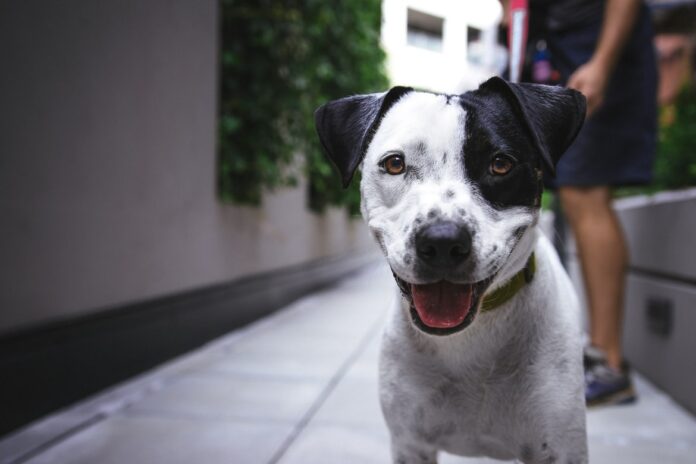
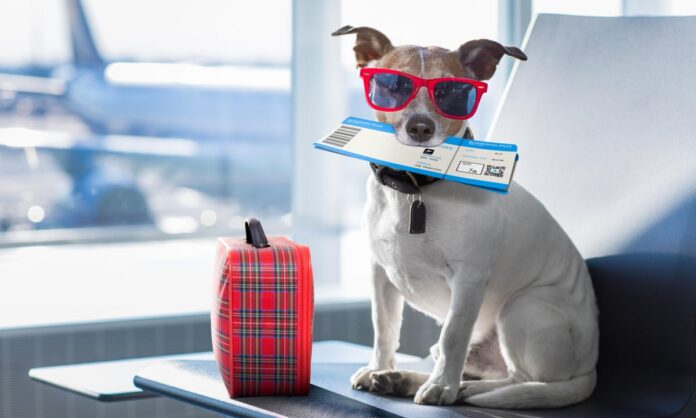
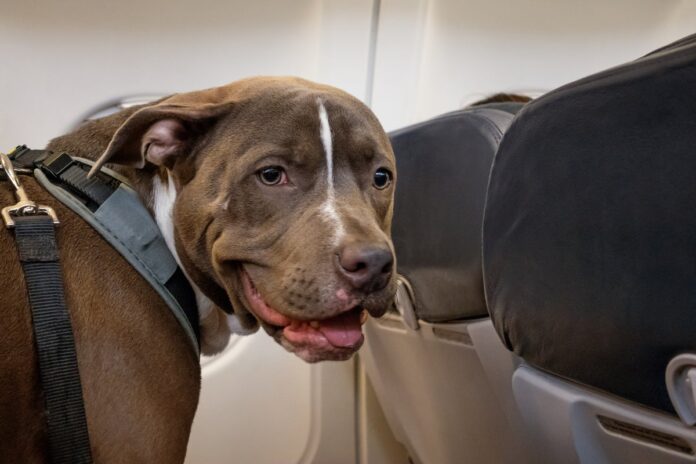
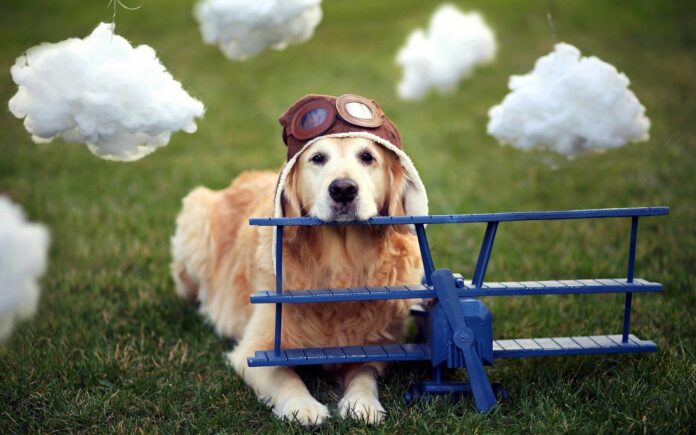

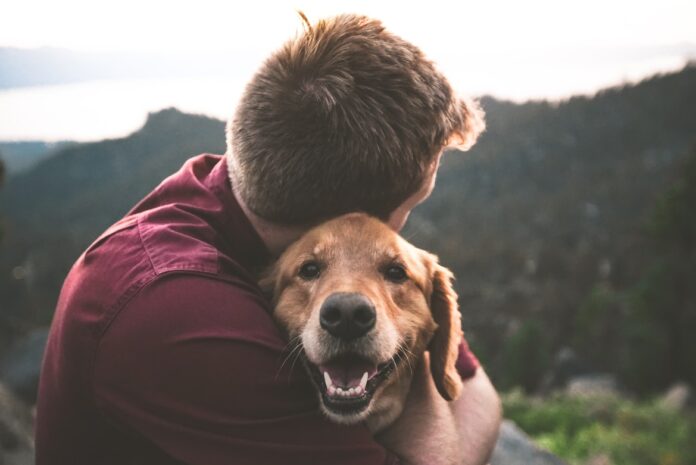
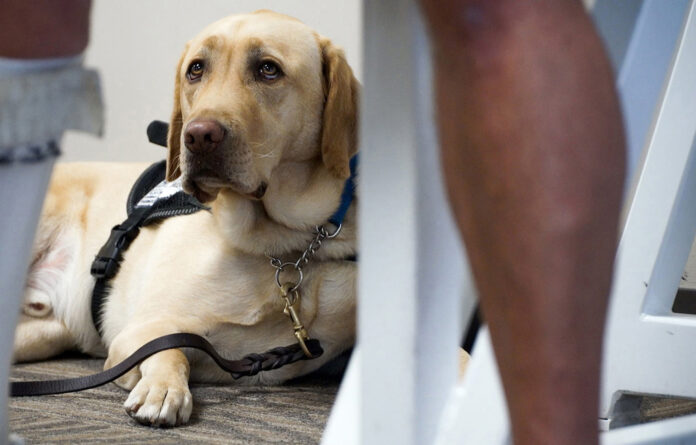

 Remember that a muzzle is not only for aggressive dogs; they are also needed for training, socialization, visits to the vet, and for obeying state laws as well. This is why a dog muzzle should never carry a stigma with it whenever a dog is seen wearing one.
 Knowing which type of muzzle to use for a specific activity or occasion will help keep not only other people safe but your dog as well. Here is a list of some types of dog muzzles that you can find in the market.


 Dog muzzles can pose harm to your dog. And it is very important to remember some tips for muzzle training. And it can harm other people if not handled and used properly so it is important also to remember these points:

 There are several dog monitoring apps out there, but Fitbark is the best. Keeping your dog fit and healthy is just as important as keeping yourself healthy. An active and energetic dog is what we expect from them. Fitness and health can be tracked with Fitbark. Your
  For those who own a dog or plan to have one, Chewy is another great app. This online store is similar to the online grocery stores we have. It works in a similar way. Whether you need food,
  Social features are also becoming increasingly popular in dog apps. Many apps now offer social networking capabilities that allow you to connect with other dog owners in your area. You can share photos and updates about your furry friend while also learning from others’ experiences.
Training resources are also valuable features found in some dog apps. These resources include videos and articles on how to train your pooch properly, making it easier for
Social features are also becoming increasingly popular in dog apps. Many apps now offer social networking capabilities that allow you to connect with other dog owners in your area. You can share photos and updates about your furry friend while also learning from others’ experiences.
Training resources are also valuable features found in some dog apps. These resources include videos and articles on how to train your pooch properly, making it easier for 
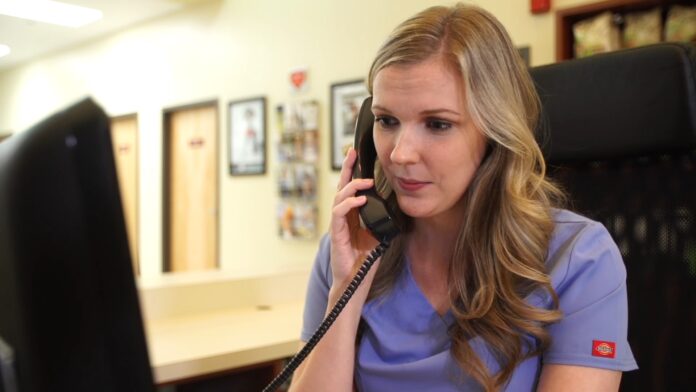 No one likes to think about emergencies, but being prepared is essential. Develop a well-defined emergency plan that includes contact information for your veterinarian, such as the reputable




 Not all pets need to stay off the furniture. Some general signs that it’s okay for your pet to be on the couch include a positive and receptive response to your requests. For example, when you tell Fido to get off the couch, they get off immediately. If you sit next to them or slowly approach them when they’re sitting on furniture, they don’t show any signs of aggression.
They don’t guard specific objects, don’t growl, and especially don’t bite. If you and everyone else in the house are okay with your pet being on the furniture, that’s fine. Just keep in mind that your pet’s hair is going to get everywhere, so be sure that you’re using a
Not all pets need to stay off the furniture. Some general signs that it’s okay for your pet to be on the couch include a positive and receptive response to your requests. For example, when you tell Fido to get off the couch, they get off immediately. If you sit next to them or slowly approach them when they’re sitting on furniture, they don’t show any signs of aggression.
They don’t guard specific objects, don’t growl, and especially don’t bite. If you and everyone else in the house are okay with your pet being on the furniture, that’s fine. Just keep in mind that your pet’s hair is going to get everywhere, so be sure that you’re using a 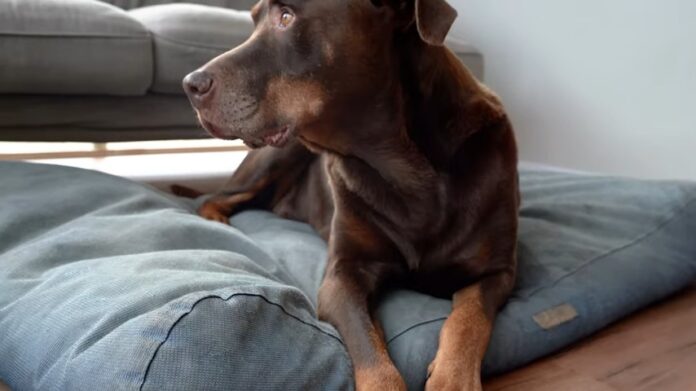 There are many reasons you and your home can benefit from keeping your pet off the furniture. For one, there’s less pet hair to clean up. Do keep in mind that even if you do keep your pet off the furniture, your pet will still shed throughout your home, and you’ll still need to clean up their hair.
Use an easy and practical tool like a
There are many reasons you and your home can benefit from keeping your pet off the furniture. For one, there’s less pet hair to clean up. Do keep in mind that even if you do keep your pet off the furniture, your pet will still shed throughout your home, and you’ll still need to clean up their hair.
Use an easy and practical tool like a  Just like every person, every dog is unique, which means that what works for one dog may not work for another. If you’ve been trying the same method over and over again with your pet but can’t get them to stay off the furniture, consider trying different methods.
You may need to combine any of these methods with positive reinforcement to help them stick, such as rewarding your pet with a nice snuggle and groom session with a dog hair remover brush afterward.
Just like every person, every dog is unique, which means that what works for one dog may not work for another. If you’ve been trying the same method over and over again with your pet but can’t get them to stay off the furniture, consider trying different methods.
You may need to combine any of these methods with positive reinforcement to help them stick, such as rewarding your pet with a nice snuggle and groom session with a dog hair remover brush afterward.

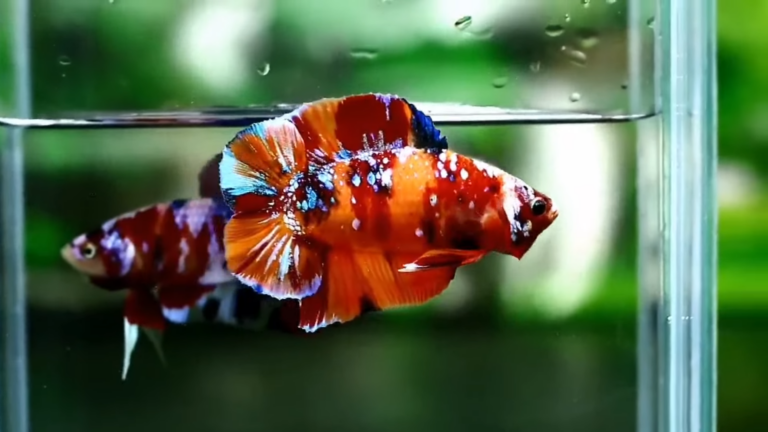
 Fishkeeping has gained significant popularity among hobbyists due to its therapeutic benefits and aesthetic appeal. The importance lies in the knowledge and responsibility it fosters in maintaining a healthy aquatic environment.
Furthermore, it provides a unique opportunity to learn about diverse fish species and their habitat, attracting numerous enthusiasts worldwide, especially those interested in
Fishkeeping has gained significant popularity among hobbyists due to its therapeutic benefits and aesthetic appeal. The importance lies in the knowledge and responsibility it fosters in maintaining a healthy aquatic environment.
Furthermore, it provides a unique opportunity to learn about diverse fish species and their habitat, attracting numerous enthusiasts worldwide, especially those interested in  Behavior and personality are intertwined aspects that define an individual. Behavior is the observable actions or responses of a person in various situations.
Personality, on the other hand, is a unique set of character traits, attitudes, and patterns of thought that define a person’s identity and influence their behavior. Both aspects greatly shape social interaction and personal growth.
Behavior and personality are intertwined aspects that define an individual. Behavior is the observable actions or responses of a person in various situations.
Personality, on the other hand, is a unique set of character traits, attitudes, and patterns of thought that define a person’s identity and influence their behavior. Both aspects greatly shape social interaction and personal growth.
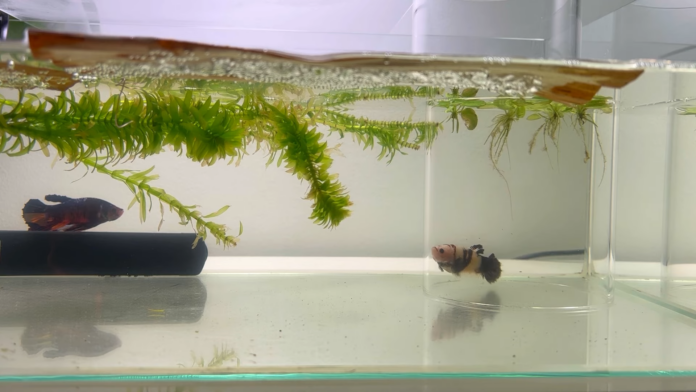 Ideal tank mates are species that can cohabitate harmoniously in a confined aquatic environment. They should be compatible in size, temperament, and habitat needs to promote a healthy ecosystem.
Avoiding overcrowding and introducing a proper mix of species ensures less stress and aggression, leading to a well-balanced and thriving aquarium.
Ideal tank mates are species that can cohabitate harmoniously in a confined aquatic environment. They should be compatible in size, temperament, and habitat needs to promote a healthy ecosystem.
Avoiding overcrowding and introducing a proper mix of species ensures less stress and aggression, leading to a well-balanced and thriving aquarium.
 Ideal food choices should balance taste and nutrition. Fresh organic fruits, vegetables, whole grains,
 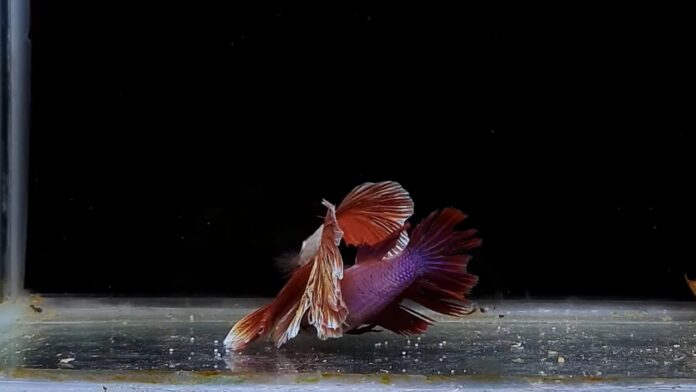 Understanding the breeding process is crucial for animal conservation, livestock maintenance, and pet breeding. It involves comprehending genetic diversity, selection of healthy parent specimens, timing for mating, and care during gestation.
It also necessitates knowledge of potential complications, ensuring healthy offspring and continuing species survival. Understanding this process scientifically contributes to biodiversity.
Understanding the breeding process is crucial for animal conservation, livestock maintenance, and pet breeding. It involves comprehending genetic diversity, selection of healthy parent specimens, timing for mating, and care during gestation.
It also necessitates knowledge of potential complications, ensuring healthy offspring and continuing species survival. Understanding this process scientifically contributes to biodiversity.
 Setting up a breeding tank involves careful preparation. The tank must be spacious with clean water, suitable temperature, and pH balance. It should include hiding spots with rocks or plants for spawning.
Moreover, it must be equipped with a gentle filtration system to avoid harm to fish eggs or fry. The breeding tank setup significantly determines the success of fish breeding.
Setting up a breeding tank involves careful preparation. The tank must be spacious with clean water, suitable temperature, and pH balance. It should include hiding spots with rocks or plants for spawning.
Moreover, it must be equipped with a gentle filtration system to avoid harm to fish eggs or fry. The breeding tank setup significantly determines the success of fish breeding.
 Betta fry requires utmost care for optimal survival and growth. Provide them with a temperature-controlled environment, high-quality food, and space for growth.
Maintain cleanliness of their tank to prevent harmful bacteria. Careful monitoring of their behavior and health changes will ensure their well-being. Patience and dedication are key traits in successful Betta fry care.
Betta fry requires utmost care for optimal survival and growth. Provide them with a temperature-controlled environment, high-quality food, and space for growth.
Maintain cleanliness of their tank to prevent harmful bacteria. Careful monitoring of their behavior and health changes will ensure their well-being. Patience and dedication are key traits in successful Betta fry care.
 In conclusion, the Plakat Betta stands out as a captivating addition to aquariums, prized for its vibrant colors, unique short fins, and manageable care requirements. The popularity of fishkeeping as a therapeutic hobby underscores the significance of responsible aquatic environment maintenance.
With meticulous attention to habitat, dietary needs, and breeding considerations, Plakat Betta enthusiasts can enjoy the visual appeal and companionship these fish bring to their aquatic spaces.
In conclusion, the Plakat Betta stands out as a captivating addition to aquariums, prized for its vibrant colors, unique short fins, and manageable care requirements. The popularity of fishkeeping as a therapeutic hobby underscores the significance of responsible aquatic environment maintenance.
With meticulous attention to habitat, dietary needs, and breeding considerations, Plakat Betta enthusiasts can enjoy the visual appeal and companionship these fish bring to their aquatic spaces. 


 Furthermore, if you can find grasslands within the campsite, you can opt to play fetch or toss Frisbees with your pet. In case there is a creek or stream near the site, you can always take him or her for swimming and splashing sessions.
 While on the journey, it is highly advisable to respect not only other campers but also the wildlife present in a specific camp. Hence, regardless as to whether your dog is easily distracted, it very essential to always have him or her on a leash. If he or she is usually afraid of strangers, loves to bark or has escape tendencies then it is time for you, the dog owner to consider another outdoor activity for him or her.
Depending on the magnitude of his tendencies and behaviors, there are some instances where a dog may
While on the journey, it is highly advisable to respect not only other campers but also the wildlife present in a specific camp. Hence, regardless as to whether your dog is easily distracted, it very essential to always have him or her on a leash. If he or she is usually afraid of strangers, loves to bark or has escape tendencies then it is time for you, the dog owner to consider another outdoor activity for him or her.
Depending on the magnitude of his tendencies and behaviors, there are some instances where a dog may  Once the dog is both physically and mentally ready for the trip, it is essential for you, as a dog owner to have a packing list. A packing list is significant because, it not only reminds us of all the items that can be useful but also the chances of us forgetting anything are very minimal.
Furthermore, packing lists are also going to instill some form of organization because we can always cross-check with the list from the top to bottom, to ensure that everything important has been packed. By using a packing list, we are also going to save more time because they tend to make the packing process, way simpler and shorter.
Hence, when packing the various items that are necessary during the trip, you can always use this checklist outlined below:
Once the dog is both physically and mentally ready for the trip, it is essential for you, as a dog owner to have a packing list. A packing list is significant because, it not only reminds us of all the items that can be useful but also the chances of us forgetting anything are very minimal.
Furthermore, packing lists are also going to instill some form of organization because we can always cross-check with the list from the top to bottom, to ensure that everything important has been packed. By using a packing list, we are also going to save more time because they tend to make the packing process, way simpler and shorter.
Hence, when packing the various items that are necessary during the trip, you can always use this checklist outlined below:


 Nonetheless, you should be aware of the various situations that may either provoke or cause him or her to act strangely. You should at all times be fully aware of what is going around you so that you can prevent and control the various situations that may cause the dog to be frightened or anxious. If there is even a slightest opportunity of someone getting injured by the dog, then you should sit down and consider your options.
All in all, camping sites are the most suitable locations for every dog owner to not only spend time with his or her dog, but to also study their behavior and train them meritoriously.
Nonetheless, you should be aware of the various situations that may either provoke or cause him or her to act strangely. You should at all times be fully aware of what is going around you so that you can prevent and control the various situations that may cause the dog to be frightened or anxious. If there is even a slightest opportunity of someone getting injured by the dog, then you should sit down and consider your options.
All in all, camping sites are the most suitable locations for every dog owner to not only spend time with his or her dog, but to also study their behavior and train them meritoriously.

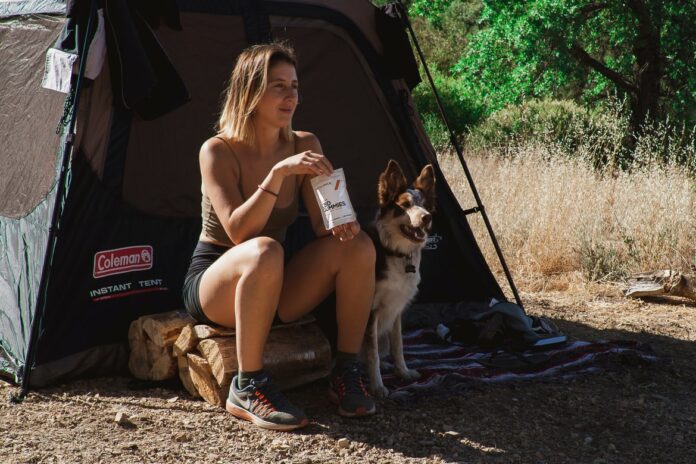
 A dog’s natural fur coat does not make him or her cold proof, especially during the cold evening temperatures. Before you go to sleep, always ensure that his or her pillow or pad has been placed on top of a tarp, to prevent the pillow from getting moist. Also, you can always provide an extra blanket or sweater if there is a need to. For individuals who are extremely close to their animals, you can always sleep on the inside the tent.
When you decide to leave your pet out in the open, there are numerous nocturnal critters that you will not want him or her to bump into them. Placing your dog inside the tent is also highly advisable, because irrespective of the dog’s location, it still retains its excellent hearing and smell senses. If you decide that he should sleep on the outside, and then make a point of ensuring that a barrier has been installed.
The barrier should be placed in a manner that it will prevent the interaction between your pet and any other animal or animals that may come to explore the campsite. Nonetheless, it is essential to ensure that there is a good balance between the dog being your alarm system and keeping him far from danger.
A dog’s natural fur coat does not make him or her cold proof, especially during the cold evening temperatures. Before you go to sleep, always ensure that his or her pillow or pad has been placed on top of a tarp, to prevent the pillow from getting moist. Also, you can always provide an extra blanket or sweater if there is a need to. For individuals who are extremely close to their animals, you can always sleep on the inside the tent.
When you decide to leave your pet out in the open, there are numerous nocturnal critters that you will not want him or her to bump into them. Placing your dog inside the tent is also highly advisable, because irrespective of the dog’s location, it still retains its excellent hearing and smell senses. If you decide that he should sleep on the outside, and then make a point of ensuring that a barrier has been installed.
The barrier should be placed in a manner that it will prevent the interaction between your pet and any other animal or animals that may come to explore the campsite. Nonetheless, it is essential to ensure that there is a good balance between the dog being your alarm system and keeping him far from danger.


 It was his concept that by feeding canines what their bodies were naturally suggested to absorb, health and wellness problems such as food poisonings, skin issues, oral condition as well as excessive weight might be gotten rid of.
Preferably, a
It was his concept that by feeding canines what their bodies were naturally suggested to absorb, health and wellness problems such as food poisonings, skin issues, oral condition as well as excessive weight might be gotten rid of.
Preferably, a 
 Specialists worry that comprehending the standard nutrient demands of dogs and also supplementing their diet plans with ideal minerals and vitamins will certainly aid proprietors stay clear of the challenges as well as issues that look like an outcome of dietary shortages.
A 2014 research study carried out by the vet medical facility at Sao Paulo University on the dietary outcomes of homemade diet regimens revealed that just 46 of the initial 59 proprietors in the research maintained their animals on the suggested homemade diet plan, and also out of those 46 proprietors: “30.4% confessed they had actually altered the dish, 40% did not appropriately regulate the quantity of supplied active ingredients, 73.9% did not make use of the advised quantities of soybean oil and also salt as well as 28.3% did not make use of the vitamin, mineral, or amino acid supplements” (petmd.com).
Plainly those proprietors that feed raw diet plans, no matter the version picked, will certainly require to make a dedication to guaranteeing that their prep work are satisfying their pet’s dietary requirements and also contributing to their dog’s health and wellness with fringe benefits such as tidy teeth from raw bones and also control of excessive weight with much less carbs.
Proprietors ought to keep in mind that stomach problems can emerge if the shift to a raw food diet regimen is refrained from doing gradually.
Professionals recommend beginning with even more boring healthy proteins like fish or hen as well as blending in a few of your canine’s previous readily created food till they are completely discouraged onto the brand-new diet regimen without GI problems (therawfeedingcommunity.com).
Specialists worry that comprehending the standard nutrient demands of dogs and also supplementing their diet plans with ideal minerals and vitamins will certainly aid proprietors stay clear of the challenges as well as issues that look like an outcome of dietary shortages.
A 2014 research study carried out by the vet medical facility at Sao Paulo University on the dietary outcomes of homemade diet regimens revealed that just 46 of the initial 59 proprietors in the research maintained their animals on the suggested homemade diet plan, and also out of those 46 proprietors: “30.4% confessed they had actually altered the dish, 40% did not appropriately regulate the quantity of supplied active ingredients, 73.9% did not make use of the advised quantities of soybean oil and also salt as well as 28.3% did not make use of the vitamin, mineral, or amino acid supplements” (petmd.com).
Plainly those proprietors that feed raw diet plans, no matter the version picked, will certainly require to make a dedication to guaranteeing that their prep work are satisfying their pet’s dietary requirements and also contributing to their dog’s health and wellness with fringe benefits such as tidy teeth from raw bones and also control of excessive weight with much less carbs.
Proprietors ought to keep in mind that stomach problems can emerge if the shift to a raw food diet regimen is refrained from doing gradually.
Professionals recommend beginning with even more boring healthy proteins like fish or hen as well as blending in a few of your canine’s previous readily created food till they are completely discouraged onto the brand-new diet regimen without GI problems (therawfeedingcommunity.com).


 21. The Goldendoodle– hold large appeal amongst several pet enthusiasts as a result of its knowledge.
22. The name ‘Goldendoodle’ showed up after the intro of the Labradoodle by Wally Conron. Blue Sterling was the very first that included words ‘Goldendoodle’ in a web site as well as additionally produced the very first on-line Goldendoodle and also
21. The Goldendoodle– hold large appeal amongst several pet enthusiasts as a result of its knowledge.
22. The name ‘Goldendoodle’ showed up after the intro of the Labradoodle by Wally Conron. Blue Sterling was the very first that included words ‘Goldendoodle’ in a web site as well as additionally produced the very first on-line Goldendoodle and also