Dogs offer a lot of enjoyment and activity to their pet parents. There are many available dog breeds that will definitely fit one’s lifestyle. Running is one of the most popular routine exercise activities that appeal even to those who are not very athletic, because it only requires some good running shoes and a good place to run around.
Because of the wide variety of dog breeds that are suitable for running, a pet parent is in for a treat in selecting his own running mate to make such activity more fun and worthwhile.
It is very important to understand the mechanics of running as an activity and a pastime. There are some pet parents that tend to mismatch such activity with the dog that they prefer to own.
It is of common knowledge that active dogs encompass almost all categories, from toy dogs to working dogs, but the definition of «active» varies. It can vary in how much activity can be tolerated by the dog, or how much is needed to keep the dog fit.

We will learn more about such variations as we move on with our topic in finding the best dog running buddy.
Describing the Best Dog to Run With
It is one of the most common problems in dog selection that the pet parent prioritizes the appearance of the dog as the first priority, loosely followed by exercise requirements, vigor, and other surrounding factors. It is very important as a pet parent to identify your needs first, because your exercise level requirement will directly affect the most suitable breed for you.
You should also sway from how the dog looks like, but focus on what the dog can do. In selecting a particular breed, you should do the selection as if you are in a grocery store. You should check the label and the fine print.
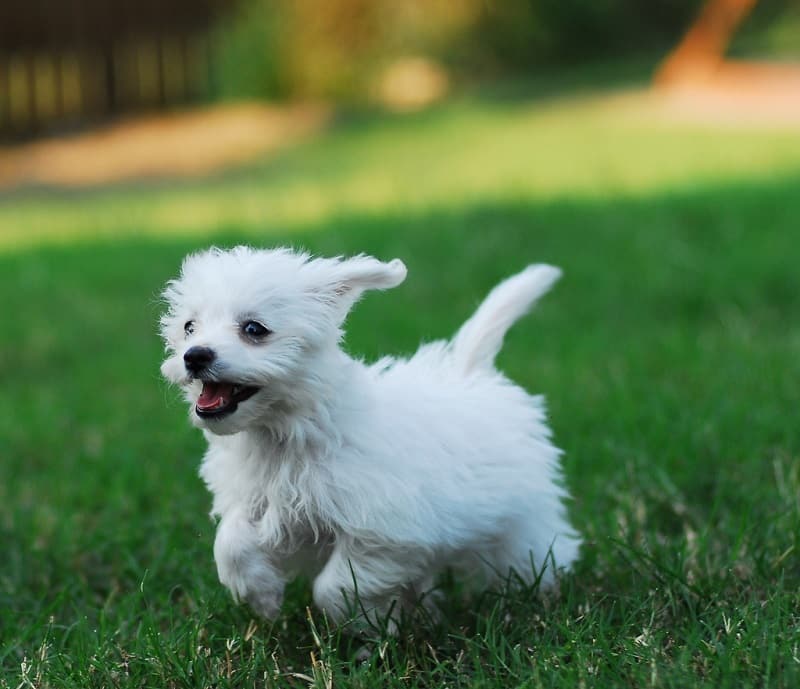
It pays to check the label indeed. For example, in terms of activeness, a Maltese is one of the more active dogs in the toy dog category. It can do casual walking and running sessions around the neighborhood.
However, due to its size, remember that every step you take require the Maltese to do six to eight steps. Despite its ability and capacity as a very active dog, its size makes it a very questionable running buddy because as much as it wants to run with you, it will end up being very exhausted.
On the other end of the contrast, some pet parents are blinded by the fact that large bones, and great physique makes a very good running buddy. This is not the case for one of the largest dog breeds out there, the Great Dane. This dog breed prefers to have its proportionally long legs stretched in the sofa for a long day watching movies. It is a large dog with a lap dog personality.
Being such an active and intelligent dog is not a safe choice after all, there are a lot of instances that some pet parents select the
Border Collie and the West Highland Terriers. These are exceptionally high-spirited, very active dogs, but they have a very high tendency to become very stubborn, and you might end up tending for their tantrums and not your running session.
There is a high possibility that active dogs have a stubbornness streak, and it is very evident with these breeds. They are not very bad as walk and exercise dogs, but they may need early training and conditioning to save you from all the possible trouble.
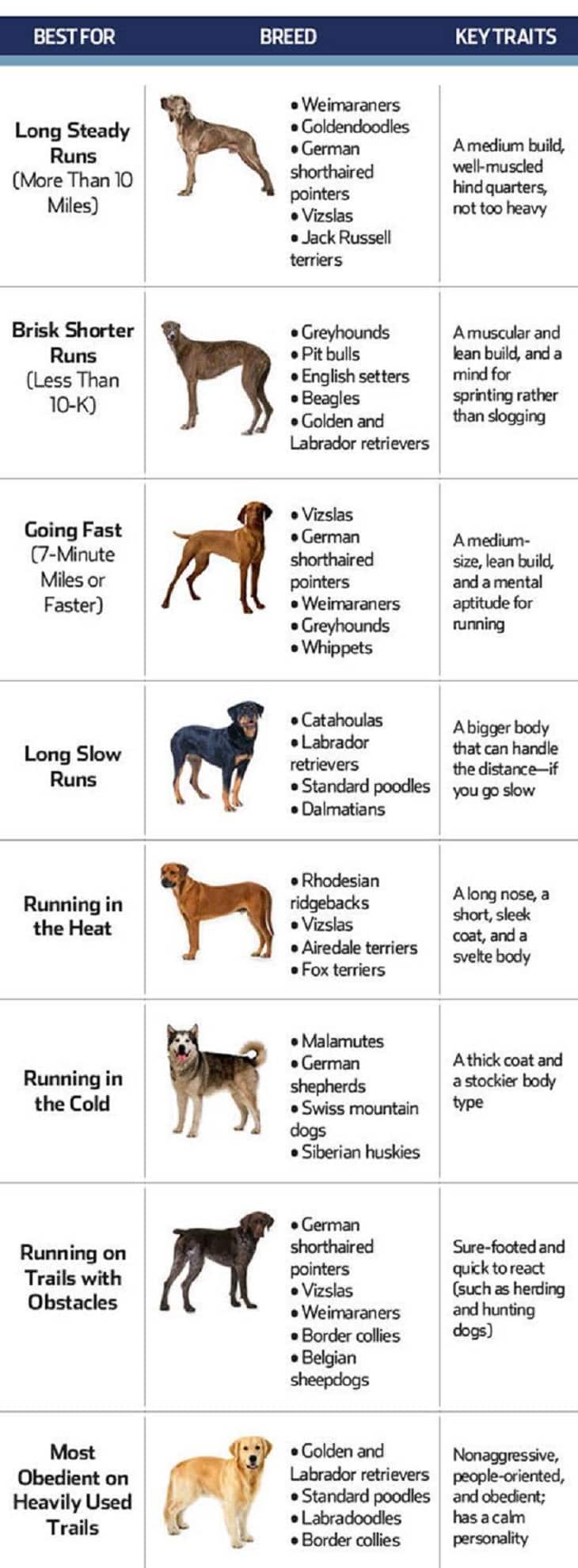
So what best describes the ideal dog for running? Dogs that are medium to large size, with proportional legs and great physique, they should also have the attitude to catch up with the routine, which means they should have a very good demeanor and excellent temperament. As we proceed in our pursuit in selecting the best dog breeds for running, we identify the most highly recommended breeds based on the opinions of dog experts, veterinarians, and professional runners who have their own running fur babies with them.
Recommended Dog Breeds for Running
We were able to collect several highly-recommended dog breeds by casual and professional runners, as well as other pet parents and veterinarians. These are the breeds they think will work well with your running sessions. These breeds require low to moderate levels of training to keep them at bay during your sessions.
As explained by dog experts and running professionals, any medium to large-sized breed can be a suitable running canine partner. Where it narrows down is how much time and patience you have to train them for obedience and the amount of activity you wish to engage.
1. Alaskan Malamute and Siberian Husky
These are the popular sled dogs that can run tirelessly for hours, as both breeds have been developed to move the sled across the most unforgiving terrain. Veterinarians and running experts always add these dogs on the list.

It is highly recommended for pet parents that live in the cooler states, because these are quite intolerant with high temperatures and may cause heat distress and accelerated exhaustion.
2. Dalmatian
Our spotted fur baby is known as the firefighter’s favorite dog because of its stamina, size, and personality.
 The Dalmatian
 is a healthy breed that has moderate exercise requirements, which complements your desire to run on a regular basis.
3. Labrador and Golden Retriever
Retrievers will always be on the list of running and walking dogs. A breed developed to retrieve game, packaged with a very endearing temperament makes it one of the best dog breed options for runners.

Labradors and
Golden Retrievers are people pleasers, and it is not surprising that their pet parents love them dearly.
4. Standard Poodle
Known for its intelligence and demeanor, the Standard Poodle is ideal for runners that are just starting to appreciate the hobby. Also, bear in mind that we have included the standard variety and not the other two which are miniature and toy due to length disadvantage.

Standard Poodles have great, proportionally long legs that will work well with those long strolls and practice marathons. It is also the only hypoallergenic breed on our list, which you may want to reconsider if you have allergy issues with pet hair and shedding.
Poodles may require added grooming requirements compared to the rest of the dog breeds on this list, but that is the only disadvantage you will encounter. If you are fine with occasional brushing and trips to the grooming salon, then you are all set.
5. Labradoodle
The only fashion, or mixed breed in our list is the Labradoodle. Labradoodles are bred to attain the perfect mix of endearing personality from the Labradors, and the hypoallergenic feature of the Poodle’s coat.

Because of this combination that has been revered as one of the best in the mixed breed categories, runners and dog experts have widely accepted the Labradoodle as one of the best dog breeds for running.
6. Whippet and Greyhound
Whippets and Greyhounds are the speed devils of the canine world, but such sprints can only be done in quick, short, bursts.
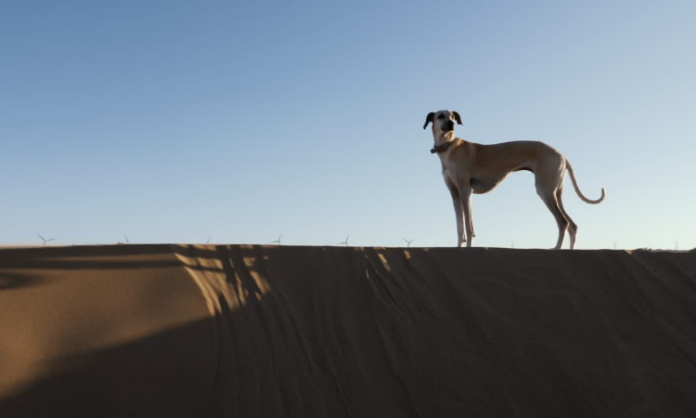
However, both breeds can sustain moderate running sessions with their pet parents, and can catch up with a routine that requires moderate to high exercise schedule.
7. German Shepherd and Belgian Malinois

The rivals in K-9 segment, both the
German Shepherd and the Belgian Malinois have enough musculature and stamina to run around and accompany you with your running sessions.
Their protective behavior is a plus and makes them two of the best dog breeds to run with.
Running Considerations for the Dog
We have already described the best dog breed to run with, and have a list of most recommended dog breeds for running activities. Now, we will discuss the considerations for the running dog to make sure that each session will be enjoyable and worthwhile.
Health
Because running dogs are more exposed to the elements and potential parasites, it is very important to keep their health in top condition and priority. Ask your veterinarian if the dog can be cleared for running, especially if you have acquired the dog at a very young age and its skeletal system and muscles are still developing.
Consult with the veterinarian about the ideal schedule, length of time, and frequency of the session. The dog’s age should also be part of the considerations when talking about health.
As the age progresses, the capacity of the dog to engage into long distance running decreases gradually. This should be reviewed by having regular visits to the veterinarian to assess how much activity can be tolerated by your dog based on its physical ability and current age.

It is very important for dogs, especially if the breed you have selected is a non-conventional choice for running, like the ones included in the non-sporting category. Do not engage in a full-length distance on the first day.
Try to start with short distances and gradually increase the length as you progress with your running routine. This conditions the dog’s skeletal system and acclimates it with the routine you are trying to blend it in.
This approach inhibits the chances of over exhaustion and fatigue, which is very common to dogs that have been engaged into such activity without proper acclimation.
Warming up
Whatever dog breed you have selected to become your running partner, all dogs need gradual exercise engagement. Like humans, dogs also need to warm up before completely engaging into long-term activities such as running.
Their muscles must be prepared for the activity, and this can be done by vigorous brushing and massaging of the legs, shoulders, and paws.
Stay Hydrated – for Both of You
Because running is an activity that will involve sweating and fluid loss, it is very important to stay hydrated during the entire process. Always bring enough water supply placed in commercially-available water bottles for dogs.
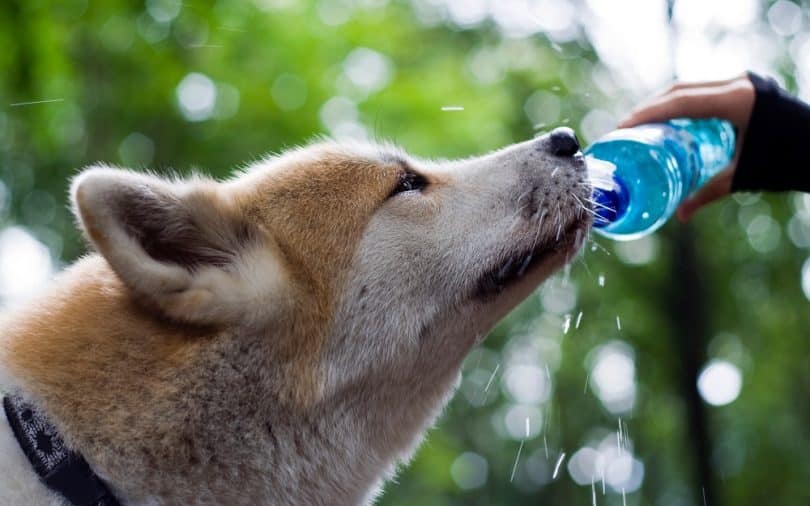
Also, treats can be brought during a session, but do not overfeed the dog because running with ingested food increases the chances for bloat, especially for large breeds such as Standard Poodles and Greyhounds. As a pet parent, you should also have enough supply for hydration to replenish lost fluids due to sweating.
Double Check the Weather
While most dogs are resilient with rainy running sessions, it would be best to conduct the running schedule when the weather is more favorable.
Early morning sessions are perfect under clear and bright skies, while afternoon sessions are better with cloudy to overcast skies. If you prefer running at nighttime, it would be perfect to start at the soonest possible time and do not run very late at night.
Safety First
Pet parents who will be running for the first time should know that it is not a “wear your shoes and let’s run” type of activity. Safety should always be a priority whenever you will be going outside to run with your dog.
When running during the day, you must have the most comfortable
leash for your dog. The ideal leash should be not too tight and not too loose. It should have safety features such as reflective bands and identifications.

Safety precautions are more important when running during the night. The leash should have a reflective band that is compatible for night-time running. There are also other illuminated merchandise, such as the LED (light-emitting diode) equipped leashes and collars that properly provide safety precaution for passing vehicles and the runners themselves. For the pet parent, you should also have shoes or other paraphernalia that can notify the passing vehicles of your presence to avoid accidents.
When navigating a road where vehicles pass by, it is recommended not to wear any portable music devices because it will serve as an ample distraction that often leads to accidents that could have been avoided.
Enjoy the Moment
Running can be a serious hobby or a casual activity depending on how you perceive this enjoyable moment. As a pet parent, never forget to enjoy and appreciate the moment that you are running with your dog. Have some short breaks and pet your dog and even speak with him, because this immerses your perspective as a pet parent, and provides you with a deeper bonding moment with your dog.
You might become too engaged with the running, you forgot about the things that surround the activity. Don’t allow yourself to be too focused on the activity itself, but have a holistic activity where you and your fur baby are having an enjoyable moment together. This is one of the reminders that came from professional runners that have dogs with them. Do not concentrate too much on the running, rather focus on the entirety of the moment.
Check for Allergens
Allergens that have been brought by your dog from the vicinity inside your home can range from parasites, to dirt, to seeds that can trigger human and canine allergies. It is very important to check the coat for any of these potential allergens that got stuck.
There are several seeds that lodge into the
dog’s skin and can cause irritation, which can also become a similar case when exposed to human skin. Such allergens can be prevented from developing into more serious complications when promptly addressed.
Cool Down
After each completion of a running session, allow you and your fur baby to cool down and rest for several minutes to relax the tensed muscles that have been very active during the activity.
Let your dog rest for several minutes prior to brushing, bathing, massaging, or scheduled feeding, to make sure that it has recovered from the tension already.
Join the Club
There are a lot of running clubs online where you can share your experiences, and exchange opinions on how to make the best out the activity. These clubs can be your safety net, especially if you are new to the hobby.
Such running clubs can provide you detailed information on what to do, and become included in a group that totally understands your success stories, as well as struggles and frustrations if there is any.
Also, there are clubs that conduct scheduled get-togethers where they do running sessions by groups, which allows you to socialize, participate, and learn more about the hobby. It will also keep you motivated, especially during the days that you don’t feel like doing it.
When you stay motivated, you tend to accomplish more and hit your objectives right on target. Who knows, joining a club can help you gain a friend that share similar interests.
In Conclusion
Running with dogs is one of the activities that are in a steady increase in popularity. It is an activity that enables the owner and the dog to connect with each other.
It promotes health and wellness, as well as deeper relationship as we allow our fur babies to be with us in activities such as running. As a pet parent, we should understand the importance of how we should prepare our dogs to engage in such activity.
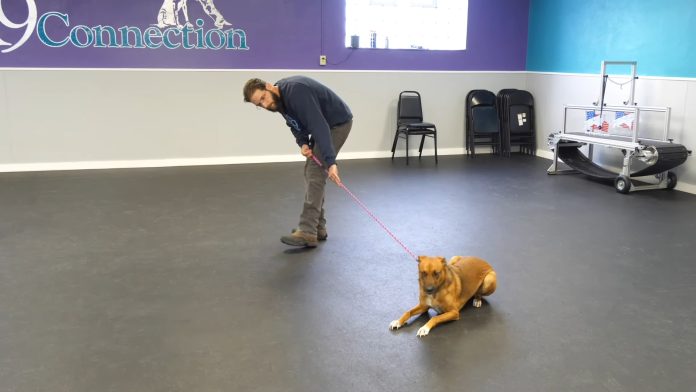 Fear aggression is defined as aggression that is produced because of fear. For some people, this can be quite confusing since fear often will push a dog to flee and not to fight. So what causes a dog to become aggressive when in fact, what they want is to run away? In order to understand this, one should also take the animal’s physiological make-up.
When a dog experiences fear, their body’s hypothalamus is also triggered which is connected to their fight-or-flight mechanism: the sympathetic nervous system. Hence, a dog can react either by running away or by fighting the perceived threat when they are overcome with fear.
It is also important to note that when a dog is experiencing fear, its cerebral cortex is also shut down. Their sympathetic nervous system activates instinctual behavior and so your pet only acts based on how they immediately feel towards a particular situation without thinking about it.
This means that when they are afraid, they don’t think so attempts to get them to follow voice commands and orders may not be effective. The best way to modify their behavioral response to fear then would be to modify how they feel towards the object or person that they are fearful of.
Fear aggression is defined as aggression that is produced because of fear. For some people, this can be quite confusing since fear often will push a dog to flee and not to fight. So what causes a dog to become aggressive when in fact, what they want is to run away? In order to understand this, one should also take the animal’s physiological make-up.
When a dog experiences fear, their body’s hypothalamus is also triggered which is connected to their fight-or-flight mechanism: the sympathetic nervous system. Hence, a dog can react either by running away or by fighting the perceived threat when they are overcome with fear.
It is also important to note that when a dog is experiencing fear, its cerebral cortex is also shut down. Their sympathetic nervous system activates instinctual behavior and so your pet only acts based on how they immediately feel towards a particular situation without thinking about it.
This means that when they are afraid, they don’t think so attempts to get them to follow voice commands and orders may not be effective. The best way to modify their behavioral response to fear then would be to modify how they feel towards the object or person that they are fearful of.
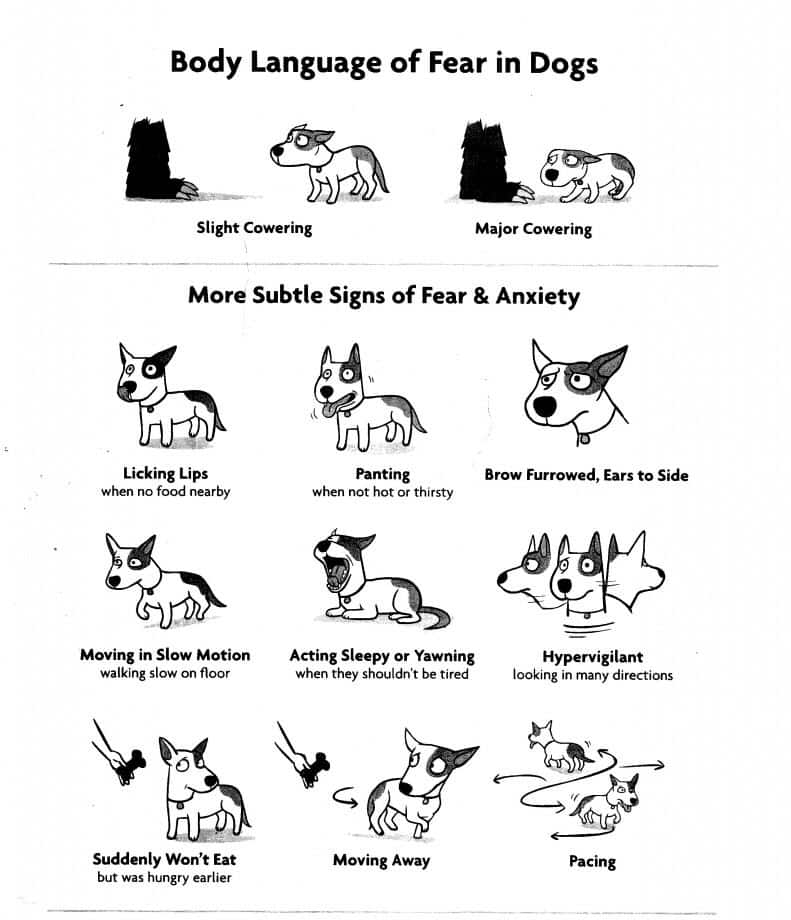 Hence, a dog will act more aggressively and forcefully even when what they are actually feeling inside is fear for their safety and well-being. When this happens, people will equate that fearfulness with uncontrollable aggression and try to suppress that behavior by physical punishments which in turn add to the stress that the dog is already experiencing.
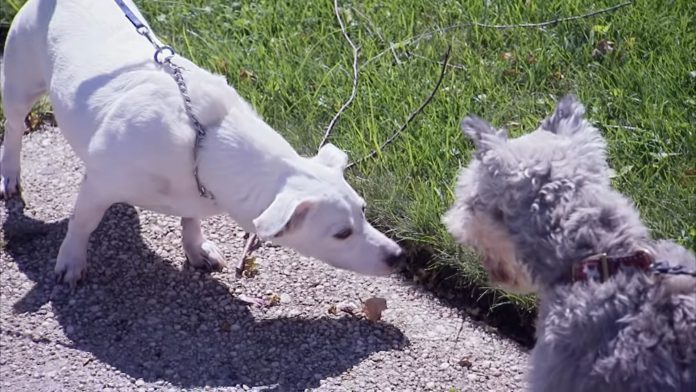 Here are some tips and information on ways to stop aggression in your dogs that we’ve written in an article, check it out.
Although it cannot be assured that your dog will never fear anything in the future, teaching and preparing your dog on how to handle such instances will be of great value.
Another important thing to remember when dealing with fear aggression is that punishment is never a suitable solution for Fido’s behavior. Punishment indicates that he has done something wrong and fear can never be considered to be a wrong behavior.
When your dog acts aggressively out of fear, the best that you can do is to allay that fear and to personally take the responsibility of keeping the dog and other people safe. This can be done either by comforting your pooch or by protecting him from the perceived threat.
Touching or embracing the dog will help ease their anxiety and will also help them feel safe. If the other dog is being aggressive, then the best solution would be to leave the area.
Punishing the dog either by inflicting physical pain such as through prong or electric collars is a wrong and inhumane way to treat a pet. Putting them in isolation or tying them up will only worsen the situation since it does not allow them to really get to know the threat for what they are.
Inflicting physical pain, especially excessively painful ones, can suppress the aggressive behavior for now but it will never change your dog’s perception of the stimuli as a threat. On the contrary, it will reinforce the negative emotion associated with it through the pain that they experience whenever they come into contact with the threat.
Not all types of dog aggression are brought about by a bad character or personality; there are instances when it can also be caused by fear. A dog’s natural tendency to protect and preserve their own safety is a must for their survival and when they fear that this is being taken away from them, they can resort to aggression.
Take the time to train and desensitize your dog properly to objects and situations that they fear and make sure that you provide their basic needs for safety. Be careful in the methods that you choose to solve this aggression as the wrong approach can not only lead your dog to become more aggressive but it can damage them for life as well.
Here are some tips and information on ways to stop aggression in your dogs that we’ve written in an article, check it out.
Although it cannot be assured that your dog will never fear anything in the future, teaching and preparing your dog on how to handle such instances will be of great value.
Another important thing to remember when dealing with fear aggression is that punishment is never a suitable solution for Fido’s behavior. Punishment indicates that he has done something wrong and fear can never be considered to be a wrong behavior.
When your dog acts aggressively out of fear, the best that you can do is to allay that fear and to personally take the responsibility of keeping the dog and other people safe. This can be done either by comforting your pooch or by protecting him from the perceived threat.
Touching or embracing the dog will help ease their anxiety and will also help them feel safe. If the other dog is being aggressive, then the best solution would be to leave the area.
Punishing the dog either by inflicting physical pain such as through prong or electric collars is a wrong and inhumane way to treat a pet. Putting them in isolation or tying them up will only worsen the situation since it does not allow them to really get to know the threat for what they are.
Inflicting physical pain, especially excessively painful ones, can suppress the aggressive behavior for now but it will never change your dog’s perception of the stimuli as a threat. On the contrary, it will reinforce the negative emotion associated with it through the pain that they experience whenever they come into contact with the threat.
Not all types of dog aggression are brought about by a bad character or personality; there are instances when it can also be caused by fear. A dog’s natural tendency to protect and preserve their own safety is a must for their survival and when they fear that this is being taken away from them, they can resort to aggression.
Take the time to train and desensitize your dog properly to objects and situations that they fear and make sure that you provide their basic needs for safety. Be careful in the methods that you choose to solve this aggression as the wrong approach can not only lead your dog to become more aggressive but it can damage them for life as well. 
 Other dogs may
 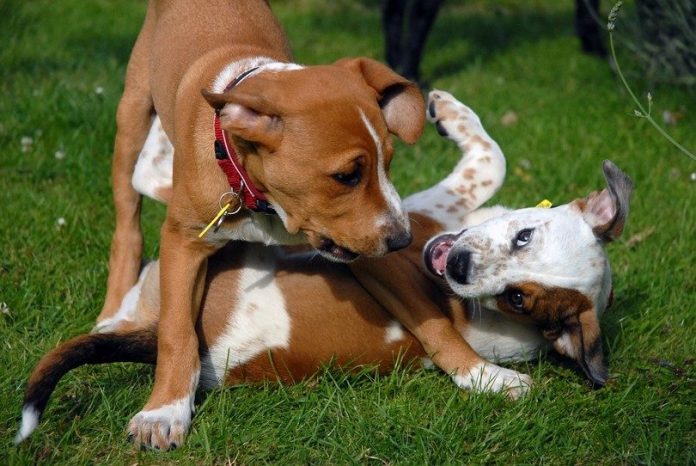 The next steps are up to the puppy’s new owner. They have a maximum of eight weeks to complete the majority of puppy socialization. As has been said before, the ability to complete this vital task will end when a puppy reaches sixteen weeks old.
 Wherever you go with your puppy there are bound to be new experiences. Brand new sounds, sights, species, and surfaces await them. Some of these they will encounter frequently, some occasionally and some rarely. It is occasional and rare and really needs to be concentrated on.
Sounds — fire engines, ambulances, reversing trucks, birdsong, loud bangs, music, fireworks, etc. Your puppy more than likely will hear all of the preceding noises at some time in its life. Familiarising your puppy with these sounds can be difficult due to lack of frequency but it isn’t impossible. You can download all these sounds and more from the internet and then play them on a regular basis for your puppy.
People — your puppy will meet many, many different people in its lifetime and every person will be different in some way to them. Wheelchair users, cyclists, skateboarders, walkers, runners, men with beards, women wearing hats, different races, children, the elderly, etc. All these will likely be unfamiliar to your puppy and you will need to introduce your puppy to them. Try to find as big a chunk of society as possible by walking them in public places.
An extra facet to unfamiliar people and your puppy is that due to the ability of a person to change their appearance and to be participating in different activities when they encounter your dog, your dog may react in different ways even to the people it knows. Do not take for granted that your dog will greet and treat your best friend who has grown a beard in the same way as they did when they were clean shaven.
Animals — most puppies will come across other dogs, puppies, and the local cats. However unless you live in the country your puppy is unlikely to see rabbits, sheep, horses, cows, fish etc. It is worth remembering at this point that socialization with the local cats will more than likely mean your puppy will not see them as prey when they get older. It is also worth noting that just like humans, dogs will not necessarily get along with every dog they meet. Moving back to unfamiliar animals, take your puppy to as many places as possible where they will encounter them.
Surfaces — whilst carpet, hard flooring, concrete and grass will be your dog’s domain, cattle grids, wood chip, gravel, sand, leaf covered paths and rocky areas probably will not be. Many a dog owner has to do a detour to avoid areas their dogs just will not walk on or through. Again, this is easily solved by taking your puppy to places with these kinds of surfaces as regularly as possible.
Wherever you go with your puppy there are bound to be new experiences. Brand new sounds, sights, species, and surfaces await them. Some of these they will encounter frequently, some occasionally and some rarely. It is occasional and rare and really needs to be concentrated on.
Sounds — fire engines, ambulances, reversing trucks, birdsong, loud bangs, music, fireworks, etc. Your puppy more than likely will hear all of the preceding noises at some time in its life. Familiarising your puppy with these sounds can be difficult due to lack of frequency but it isn’t impossible. You can download all these sounds and more from the internet and then play them on a regular basis for your puppy.
People — your puppy will meet many, many different people in its lifetime and every person will be different in some way to them. Wheelchair users, cyclists, skateboarders, walkers, runners, men with beards, women wearing hats, different races, children, the elderly, etc. All these will likely be unfamiliar to your puppy and you will need to introduce your puppy to them. Try to find as big a chunk of society as possible by walking them in public places.
An extra facet to unfamiliar people and your puppy is that due to the ability of a person to change their appearance and to be participating in different activities when they encounter your dog, your dog may react in different ways even to the people it knows. Do not take for granted that your dog will greet and treat your best friend who has grown a beard in the same way as they did when they were clean shaven.
Animals — most puppies will come across other dogs, puppies, and the local cats. However unless you live in the country your puppy is unlikely to see rabbits, sheep, horses, cows, fish etc. It is worth remembering at this point that socialization with the local cats will more than likely mean your puppy will not see them as prey when they get older. It is also worth noting that just like humans, dogs will not necessarily get along with every dog they meet. Moving back to unfamiliar animals, take your puppy to as many places as possible where they will encounter them.
Surfaces — whilst carpet, hard flooring, concrete and grass will be your dog’s domain, cattle grids, wood chip, gravel, sand, leaf covered paths and rocky areas probably will not be. Many a dog owner has to do a detour to avoid areas their dogs just will not walk on or through. Again, this is easily solved by taking your puppy to places with these kinds of surfaces as regularly as possible.
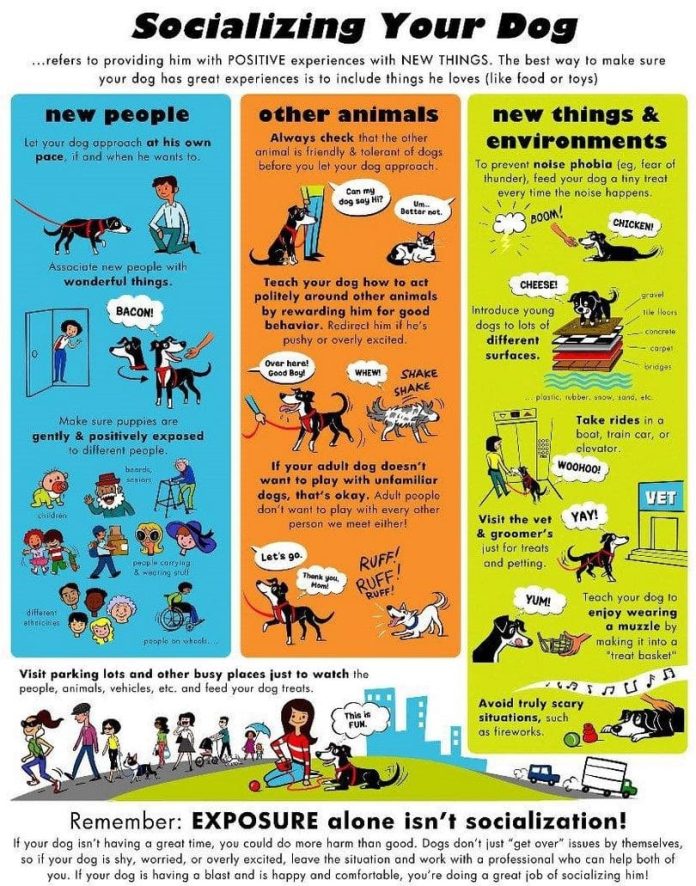 Firstly and most importantly you must only introduce a puppy to new places, situations, objects, sounds and people when YOU can control the experience COMPLETELY. It is an owner’s job to protect a dog from and in any situations which unnerve or frighten them. An owner must be the pack leader at all times.
Never force a puppy to interact with someone or in a situation that makes them nervous or afraid. Allow them to retreat from the situation or gently remove them yourself and reintroduce at a later stage.
Understand why and when your puppy shows fear or nervousness. Do not cuddle your puppy or make a fuss of them when they show fear it will only reinforce it. Instead show your dog that you have control of the situation and that it has no reason to be afraid.
Do take a puppy everywhere you can even if it means carrying them. Prior to vaccinations it is best to not allow a puppy to have contact with unknown dogs or places with high infection risk. Places you may not think of taking a puppy but should include: pet stores, shopping malls (as long as allowed), cafe, pub gardens, gas stations, car wash, farms, police stations, building sites etc.
Always reward a puppy’s good social behavior. Carrying their favorite treats and offering one on successful interaction or non-reaction is usually the best kind of reward.
Know what signals you are sending to your puppy. Make it clear that you are enjoying meeting new people and encountering new things and your puppy will more than likely enjoy it too.
Firstly and most importantly you must only introduce a puppy to new places, situations, objects, sounds and people when YOU can control the experience COMPLETELY. It is an owner’s job to protect a dog from and in any situations which unnerve or frighten them. An owner must be the pack leader at all times.
Never force a puppy to interact with someone or in a situation that makes them nervous or afraid. Allow them to retreat from the situation or gently remove them yourself and reintroduce at a later stage.
Understand why and when your puppy shows fear or nervousness. Do not cuddle your puppy or make a fuss of them when they show fear it will only reinforce it. Instead show your dog that you have control of the situation and that it has no reason to be afraid.
Do take a puppy everywhere you can even if it means carrying them. Prior to vaccinations it is best to not allow a puppy to have contact with unknown dogs or places with high infection risk. Places you may not think of taking a puppy but should include: pet stores, shopping malls (as long as allowed), cafe, pub gardens, gas stations, car wash, farms, police stations, building sites etc.
Always reward a puppy’s good social behavior. Carrying their favorite treats and offering one on successful interaction or non-reaction is usually the best kind of reward.
Know what signals you are sending to your puppy. Make it clear that you are enjoying meeting new people and encountering new things and your puppy will more than likely enjoy it too.
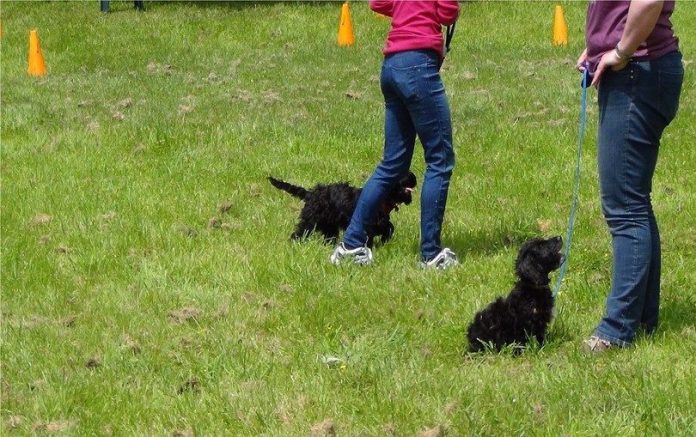
 Introduce your puppy into small groups of dogs before plunging into dog parks or other places you will find large groups. Always try to introduce dogs on neutral ground. Dogs can be territorial and introductions in yards and houses can lead to aggression.
Always ensure first meetings are on lead and ask other owners if you and your dog can approach before doing so. When approaching, keep the lead loose so your dog feels calm and able to maneuver. If you see another dog off-leash watch for its body language.
The last thing you want is an
Introduce your puppy into small groups of dogs before plunging into dog parks or other places you will find large groups. Always try to introduce dogs on neutral ground. Dogs can be territorial and introductions in yards and houses can lead to aggression.
Always ensure first meetings are on lead and ask other owners if you and your dog can approach before doing so. When approaching, keep the lead loose so your dog feels calm and able to maneuver. If you see another dog off-leash watch for its body language.
The last thing you want is an 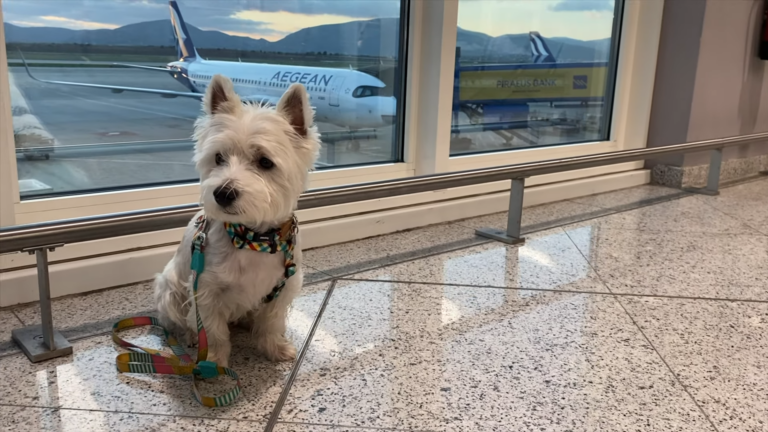
 Before you book a flight, it’s crucial to understand the airline’s policies regarding pet travel. Specifically, if you’re flying with a service dog, being familiar with
  A visit to the vet is a must before embarking on any trip with your pet. This visit will ensure your pet is healthy enough to travel and up to date on all vaccinations, which is especially important for international travel.
Discuss any travel-related health concerns with your vet, such as anxiety or
A visit to the vet is a must before embarking on any trip with your pet. This visit will ensure your pet is healthy enough to travel and up to date on all vaccinations, which is especially important for international travel.
Discuss any travel-related health concerns with your vet, such as anxiety or  If your pet isn’t used to traveling, gradually introducing them to the concept can make a big difference. Start with short car rides around your neighborhood, gradually increasing the duration.
If you’re planning to travel by public transport or fly, spending time in their carrier can help them get used to being in a small space for extended periods. These practice runs can help identify any issues with motion sickness or anxiety early on, allowing you to address them before your actual trip.
If your pet isn’t used to traveling, gradually introducing them to the concept can make a big difference. Start with short car rides around your neighborhood, gradually increasing the duration.
If you’re planning to travel by public transport or fly, spending time in their carrier can help them get used to being in a small space for extended periods. These practice runs can help identify any issues with motion sickness or anxiety early on, allowing you to address them before your actual trip.
 Long journeys can be challenging for pets used to regular exercise and bathroom breaks. When planning your travel itinerary, include stops every 2-3 hours for your pet to stretch their legs and relieve themselves.
This is especially important for dogs. If you’re flying, look for pet relief areas at airports.
Long journeys can be challenging for pets used to regular exercise and bathroom breaks. When planning your travel itinerary, include stops every 2-3 hours for your pet to stretch their legs and relieve themselves.
This is especially important for dogs. If you’re flying, look for pet relief areas at airports.  If traveling by car, pet safety should be a top priority. Secure your pet in a crash-tested carrier or
  Traveling with pets doesn’t have to be daunting. You can create memorable experiences with your furry friends with the right preparation and mindset.
Start by understanding the requirements and preparing accordingly, from
Traveling with pets doesn’t have to be daunting. You can create memorable experiences with your furry friends with the right preparation and mindset.
Start by understanding the requirements and preparing accordingly, from 


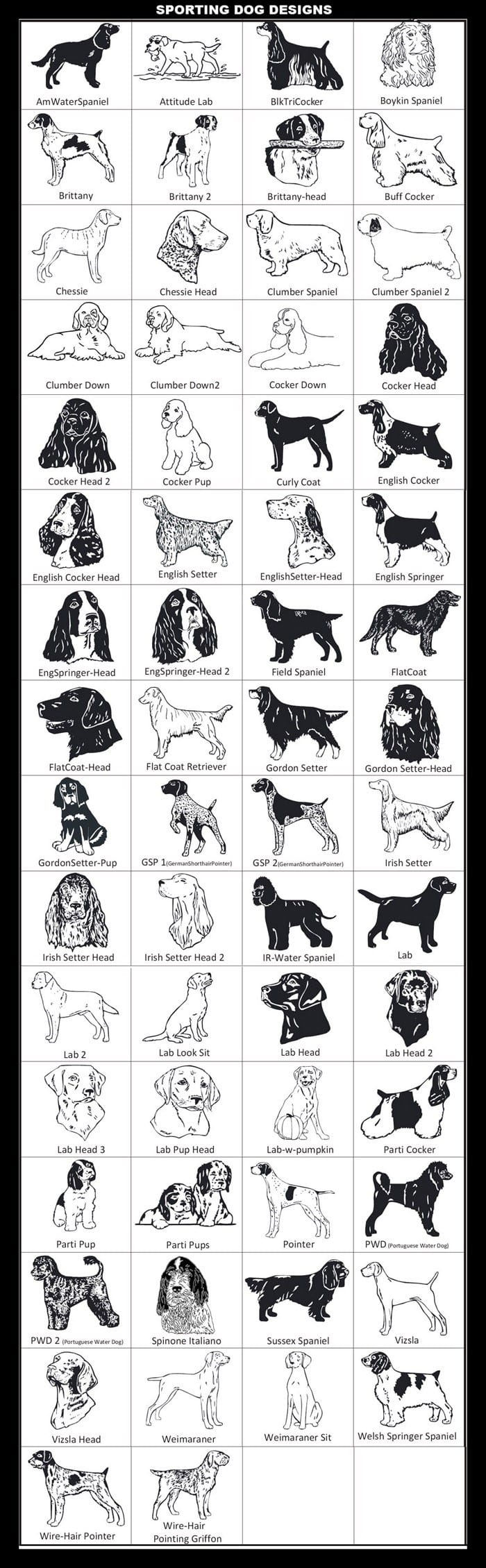 The fact of the matter is that pure breeds have been bred to be athletic, they have been engineered and they have evolved geared up towards this kind of activity. A sled pulled by 10 German Chows will not travel as far as, or as fast as, a sled that is being pulled by 10 pure-bred Huskies.
A simple argument can be made to support crossbreeding by crossbreeding 2 sporting breeds. However, the resulting breed has a higher chance of being outperformed by pure-bred members of the breeds that they have been bred from.
The fact of the matter is that pure breeds have been bred to be athletic, they have been engineered and they have evolved geared up towards this kind of activity. A sled pulled by 10 German Chows will not travel as far as, or as fast as, a sled that is being pulled by 10 pure-bred Huskies.
A simple argument can be made to support crossbreeding by crossbreeding 2 sporting breeds. However, the resulting breed has a higher chance of being outperformed by pure-bred members of the breeds that they have been bred from.
 There have been a lot of cases where professional dog trainers were brought in to
 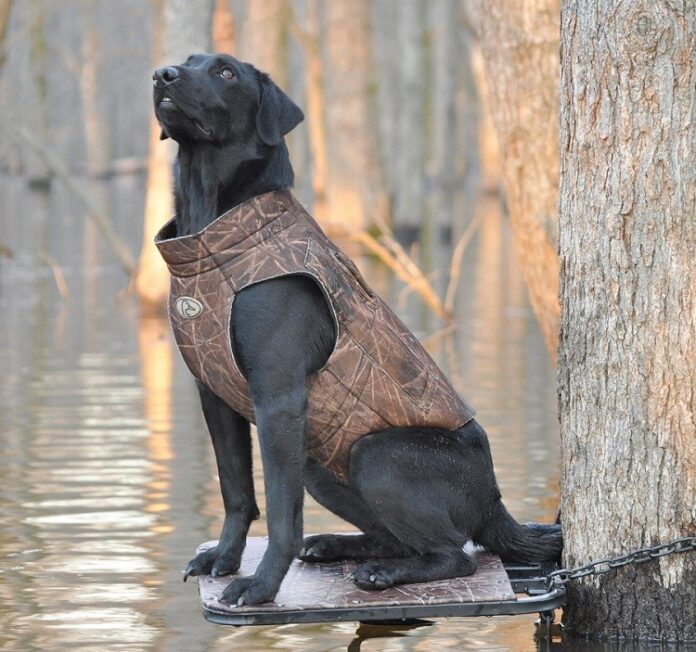 It is not an easy job but the look in your best friend’s eyes and the subtle “thank you” that you can read in them is the best impulse that you can get. Another reason is the loyalty that they bring to the table. All dogs are loyal to their masters, but athletic dogs go a step above the norm.
These dogs are intelligent, most of them know what they are capable of, and they will not hesitate to put their own life on the line to protect their master from any threat.
The last reason simply cannot be placed under a specific tag or be properly explained, however it fits the bill perfectly with these dog breeds. We tend to pick dog breeds that have huge similarities to us.
It might be because we like to see ourselves in the dogs that we adopt and raise, or maybe because we like to have the world in common with them, however sporting and athletic dog breeds are preferred by generally active and athletic people, and in most cases, the dogs themselves actually inspire and encourage their masters to become more active and athletic.
It is not an easy job but the look in your best friend’s eyes and the subtle “thank you” that you can read in them is the best impulse that you can get. Another reason is the loyalty that they bring to the table. All dogs are loyal to their masters, but athletic dogs go a step above the norm.
These dogs are intelligent, most of them know what they are capable of, and they will not hesitate to put their own life on the line to protect their master from any threat.
The last reason simply cannot be placed under a specific tag or be properly explained, however it fits the bill perfectly with these dog breeds. We tend to pick dog breeds that have huge similarities to us.
It might be because we like to see ourselves in the dogs that we adopt and raise, or maybe because we like to have the world in common with them, however sporting and athletic dog breeds are preferred by generally active and athletic people, and in most cases, the dogs themselves actually inspire and encourage their masters to become more active and athletic.


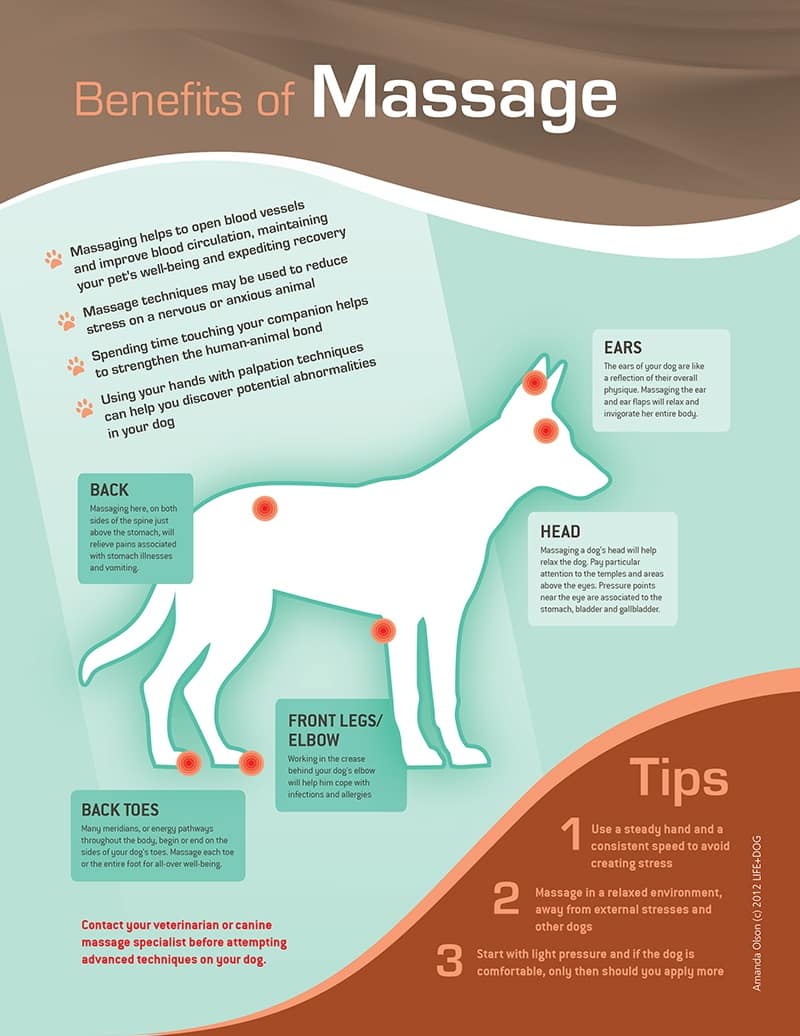 Enhances connection between owners and newly adopted dogs — in the situation that an owner and the dog have just been with each other for a couple of days, a massage can establish the important connection between the pet parent and the fur baby. It establishes a relationship that involves trust and compassion.
Enhances blood circulation in the skin and underlying structure — by applying pressure and movement to the skin, muscles, and bones, circulation is improved because the pressure and movement of a massage affect the blood vessels and allow better passing of blood and its components.
Better circulation is very helpful in promoting animal well-being, especially in larger breeds in which there can be a compromise in circulation due to the distance between the heart and the upper and lower extremities. Massage inhibits fluid accumulation and the possibility of forming an infection while promoting better cellular integrity.
Increases flexibility — massages promote flexibility and improve the state of the muscles and skeletal structure both before and after the activity. Flexibility is important in dogs because it reduces the possibility of contracting injury. Again, medium and large-sized breeds will benefit from this more than the smaller breeds.
Develops and maintains muscle tone — in conjunction with the improvement of overall circulation, massages aid in the development and maintenance of muscle tone. The development part is essential for growing puppies, and maintenance is more for adult dogs.
Improves skeletal frame — while massages in dogs are different in terms of chiropractics, canine massages can aid in the improvement of skeletal frame and posture in particular. This allows them to maintain proper posture, stance, and shape.
Massages help in dog rehabilitation post-surgery — dogs that underwent surgery will benefit from pressure and kneading movement to relieve pain and anxiety. This is more evident in dogs that had surgery that involves bones and muscles. Dogs that had a previous fracture will also appreciate the release of tension from injury.
Massages aid in palliative care — canine massage is starting to become an integral part of palliative care in dogs that are in the end-stage cycle. Massages can provide temporary relief from pain while serving as a natural anxiolytic for agitated and
Enhances connection between owners and newly adopted dogs — in the situation that an owner and the dog have just been with each other for a couple of days, a massage can establish the important connection between the pet parent and the fur baby. It establishes a relationship that involves trust and compassion.
Enhances blood circulation in the skin and underlying structure — by applying pressure and movement to the skin, muscles, and bones, circulation is improved because the pressure and movement of a massage affect the blood vessels and allow better passing of blood and its components.
Better circulation is very helpful in promoting animal well-being, especially in larger breeds in which there can be a compromise in circulation due to the distance between the heart and the upper and lower extremities. Massage inhibits fluid accumulation and the possibility of forming an infection while promoting better cellular integrity.
Increases flexibility — massages promote flexibility and improve the state of the muscles and skeletal structure both before and after the activity. Flexibility is important in dogs because it reduces the possibility of contracting injury. Again, medium and large-sized breeds will benefit from this more than the smaller breeds.
Develops and maintains muscle tone — in conjunction with the improvement of overall circulation, massages aid in the development and maintenance of muscle tone. The development part is essential for growing puppies, and maintenance is more for adult dogs.
Improves skeletal frame — while massages in dogs are different in terms of chiropractics, canine massages can aid in the improvement of skeletal frame and posture in particular. This allows them to maintain proper posture, stance, and shape.
Massages help in dog rehabilitation post-surgery — dogs that underwent surgery will benefit from pressure and kneading movement to relieve pain and anxiety. This is more evident in dogs that had surgery that involves bones and muscles. Dogs that had a previous fracture will also appreciate the release of tension from injury.
Massages aid in palliative care — canine massage is starting to become an integral part of palliative care in dogs that are in the end-stage cycle. Massages can provide temporary relief from pain while serving as a natural anxiolytic for agitated and  According to experts and licensed canine massage therapists, pet parents can give daily dog massages for about ten minutes each day. This is called the daily routine or maintenance massage.
These mild dog massage therapies help improve circulation of the blood into the skin and muscles, and they allow ventilation of the hair strands by applying pressure and segmenting of the body parts that will be massaged. By using a flat palm to touch the parts of your dog’s body at a slow pace, focus on the layers of the body, from the hair, skin, the layer of fat, and deep into the bone.
Daily massages actually provide a relaxing moment for the pet parent as well, and they promote intimacy and a deeper connection between the dog and its owner. It promotes trust and affection as well. Another benefit of providing daily massages to your dog is that you are more aware of the dog’s body. This means that you will notice any changes in appearance or any emergence of lumps and bumps that didn’t use to be there.
Early detection of malignant tumors leads to prompt treatment and a better prognosis. After a week of giving your dog a massage, you will experience a better connection with your dog.
According to experts and licensed canine massage therapists, pet parents can give daily dog massages for about ten minutes each day. This is called the daily routine or maintenance massage.
These mild dog massage therapies help improve circulation of the blood into the skin and muscles, and they allow ventilation of the hair strands by applying pressure and segmenting of the body parts that will be massaged. By using a flat palm to touch the parts of your dog’s body at a slow pace, focus on the layers of the body, from the hair, skin, the layer of fat, and deep into the bone.
Daily massages actually provide a relaxing moment for the pet parent as well, and they promote intimacy and a deeper connection between the dog and its owner. It promotes trust and affection as well. Another benefit of providing daily massages to your dog is that you are more aware of the dog’s body. This means that you will notice any changes in appearance or any emergence of lumps and bumps that didn’t use to be there.
Early detection of malignant tumors leads to prompt treatment and a better prognosis. After a week of giving your dog a massage, you will experience a better connection with your dog.
 A warm-up massage for dogs is ideal for active pets that will be engaged in a walking or playing activity. This mobilizes and activates their muscles and bones, as well as improves their vigor to get the most out of the activity. Just like humans who prepare for a specific exercise routine, stretching, striding, and stroking of the legs and paws will go a long way for dogs. These actions prevent injury, as the body is more prepared and mobile to perform a particular routine.
In performing a warm-up massage, start with petting strokes all over your dog’s body. Then, rub the large muscle groups, particularly those in the neck, legs, shoulders, thighs, and buttocks, as these muscle groups are the most involved at any exercise level. The muscles should be lifted and squeezed gently. The kneading technique is very effective for warm-up massages. Each lower leg should be gently squeezed to allow better circulation. The massage can be completed by the petting strokes similar to what have been done at the beginning.
A warm-up massage for dogs is ideal for active pets that will be engaged in a walking or playing activity. This mobilizes and activates their muscles and bones, as well as improves their vigor to get the most out of the activity. Just like humans who prepare for a specific exercise routine, stretching, striding, and stroking of the legs and paws will go a long way for dogs. These actions prevent injury, as the body is more prepared and mobile to perform a particular routine.
In performing a warm-up massage, start with petting strokes all over your dog’s body. Then, rub the large muscle groups, particularly those in the neck, legs, shoulders, thighs, and buttocks, as these muscle groups are the most involved at any exercise level. The muscles should be lifted and squeezed gently. The kneading technique is very effective for warm-up massages. Each lower leg should be gently squeezed to allow better circulation. The massage can be completed by the petting strokes similar to what have been done at the beginning.
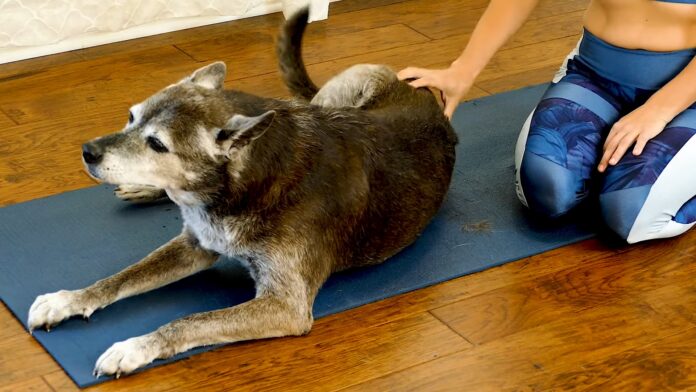 This massage technique helps agitated dogs to calm down. It is believed that this method is more inclined toward dogs that have experienced trauma and are very sensitive to sudden movements or actions in their surroundings. These traumatic experiences can range from physical abuse or a sudden rumble of thunder before the rain. The dog pants and whines because it feels scared and unsafe.
Calming dog massages are those that are frequently provided by licensed canine massage therapists, especially for cases in which the trauma is quite severe and requires a more systemic massage method. Such technique can also be done at home, especially for the milder cases that will only require the intervention of the pet parent. In providing a calming dog massage, you should place your palm over your dog’s head.
Then, sweeping and gentle passes should be performed along the spinal column to the end of the tailbone. This should be down at a slow pace, because rushing it can create further agitation.
This massage technique helps agitated dogs to calm down. It is believed that this method is more inclined toward dogs that have experienced trauma and are very sensitive to sudden movements or actions in their surroundings. These traumatic experiences can range from physical abuse or a sudden rumble of thunder before the rain. The dog pants and whines because it feels scared and unsafe.
Calming dog massages are those that are frequently provided by licensed canine massage therapists, especially for cases in which the trauma is quite severe and requires a more systemic massage method. Such technique can also be done at home, especially for the milder cases that will only require the intervention of the pet parent. In providing a calming dog massage, you should place your palm over your dog’s head.
Then, sweeping and gentle passes should be performed along the spinal column to the end of the tailbone. This should be down at a slow pace, because rushing it can create further agitation.
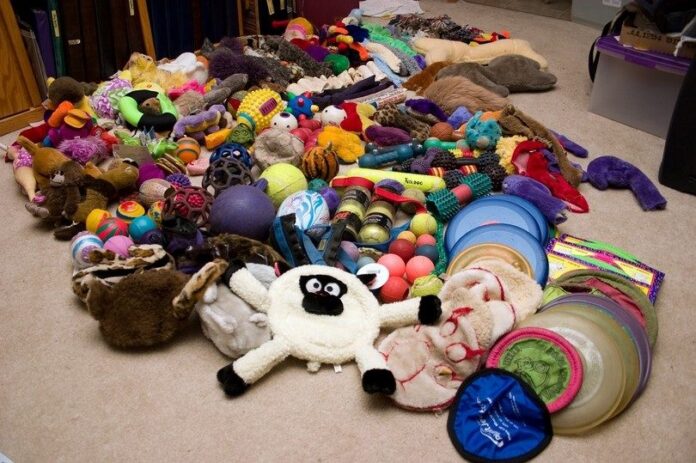 Interactive dog toys are different from common dog toys as they may have one or all of these characteristic:
 And also you can buy them on Amazon or make some of them at your home.
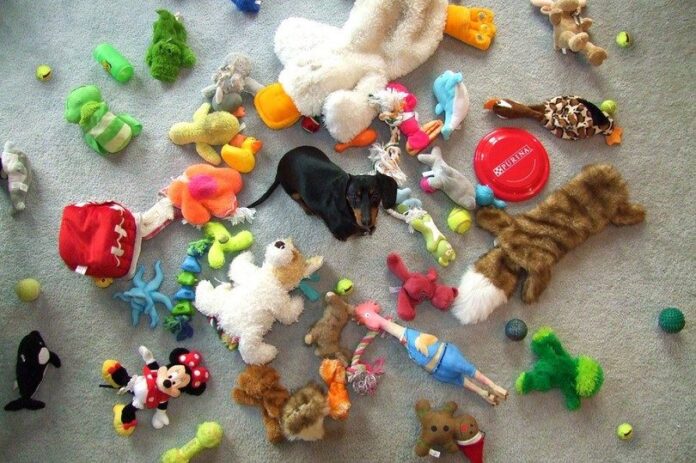 These activities and toys are essential especially if you always leave your pets alone at home for the entire day for several days a week. Being left at home, with no one to interact with, can make your dog depressed and sad. It can also be a cause for a negative change in behavior and they could become more aggressive or more destructive as a result. Some pet owners are discovering the
 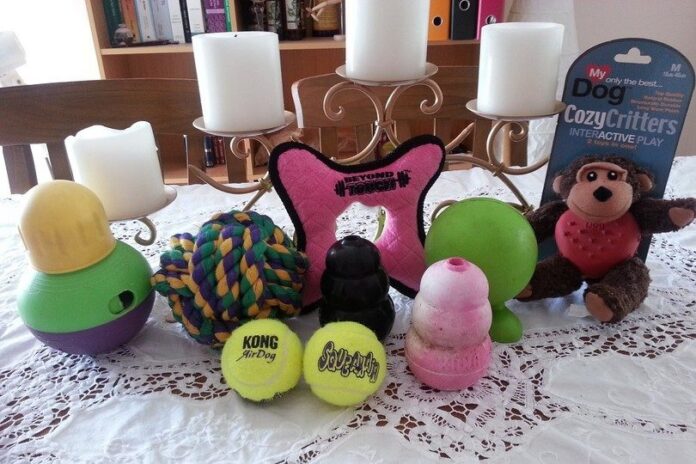 But bear in mind that you must exercise caution with providing your dog with toys to play with while he is all alone. Like all treats and toys, you should monitor your dog’s usage before deciding to
 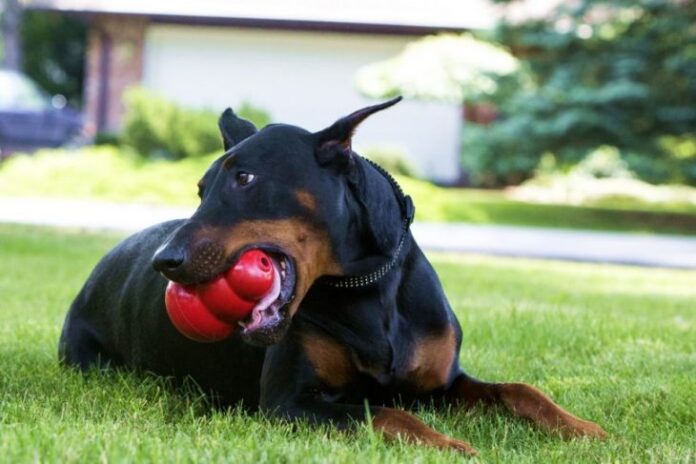 So if you are planning to purchase any of those toys mentioned above or any other similar toy to keep your dog busy during the day, you must reflect on the words of caution mentioned. This will not only keep your dog from harm’s way but will also keep your mind off worrying if your dog is safe with the toy or treats that you left him to play with. If you feel that your best option is a DIY toy, then our guidelines on
 Puppies also chew from boredom and this increases as they get older. Keep your dog company and watch him or maybe buy a crate so that the pup, your house and it’s contents are safe if you have to be away for awhile.
Spend time with your puppy to encourage him to play with the right things and give him plenty to think about.
A tired
Puppies also chew from boredom and this increases as they get older. Keep your dog company and watch him or maybe buy a crate so that the pup, your house and it’s contents are safe if you have to be away for awhile.
Spend time with your puppy to encourage him to play with the right things and give him plenty to think about.
A tired 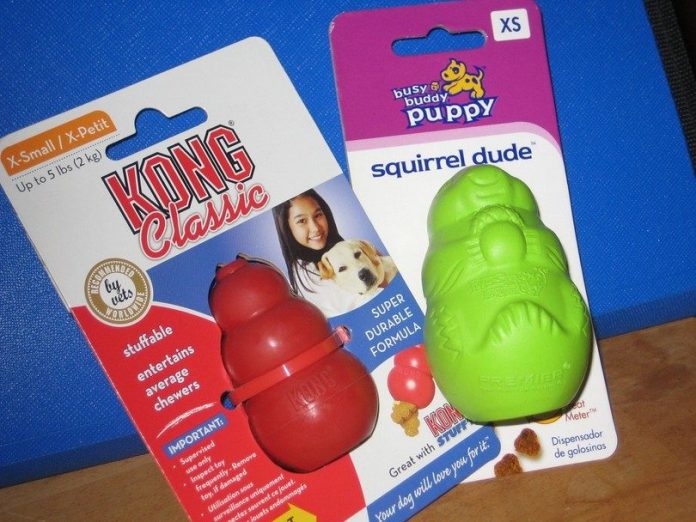 Kong make a puppy chewing stick which is solely intended for teething youngsters. This is a stick with grooves that can be rubbed with a paste for tooth cleaning. The grooves close over the paste and the pup works hard at getting through to the tasty covering. These are good for teething and for helping make healthy teeth.
If you interested you can buy it here.
Kong make a puppy chewing stick which is solely intended for teething youngsters. This is a stick with grooves that can be rubbed with a paste for tooth cleaning. The grooves close over the paste and the pup works hard at getting through to the tasty covering. These are good for teething and for helping make healthy teeth.
If you interested you can buy it here.
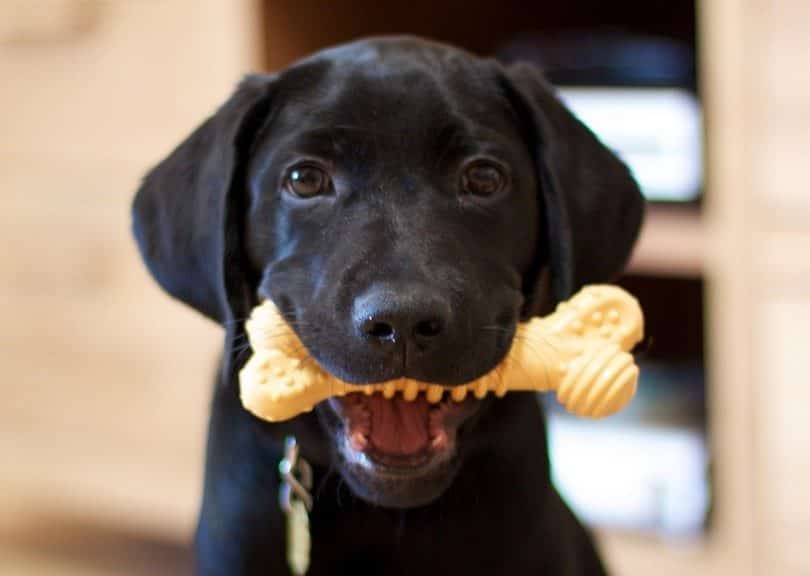 The Dura Chew is for more determined cruncher and the edible one is meant to be eaten and is for older puppies. If the bone becomes too small and might be caught in the throat take it away and start the puppy on a new one.
Nylabone also make teething toys with several movable items on a teething ring- much like a human baby might enjoy. There are keys on a key ring and shapes linked together.
The star shaped puppy chew is chicken flavored and has lots of ridges and little bumps that make it easy for the pup to pick up and play with as well as helping to keep tartar away from the new teeth.
The rhino chew is designed with power chewers in mind and it is amazing how strong the jaws of a gun dog or collie pup can be and how determined they are to tear something apart. The rhino chews are made to withstand these attacks as far a s possible but are still soft enough for the tender gums of a youngster. They are vanilla scented.
These products are made from top quality materials with safety in mind.
The Dura Chew is for more determined cruncher and the edible one is meant to be eaten and is for older puppies. If the bone becomes too small and might be caught in the throat take it away and start the puppy on a new one.
Nylabone also make teething toys with several movable items on a teething ring- much like a human baby might enjoy. There are keys on a key ring and shapes linked together.
The star shaped puppy chew is chicken flavored and has lots of ridges and little bumps that make it easy for the pup to pick up and play with as well as helping to keep tartar away from the new teeth.
The rhino chew is designed with power chewers in mind and it is amazing how strong the jaws of a gun dog or collie pup can be and how determined they are to tear something apart. The rhino chews are made to withstand these attacks as far a s possible but are still soft enough for the tender gums of a youngster. They are vanilla scented.
These products are made from top quality materials with safety in mind.
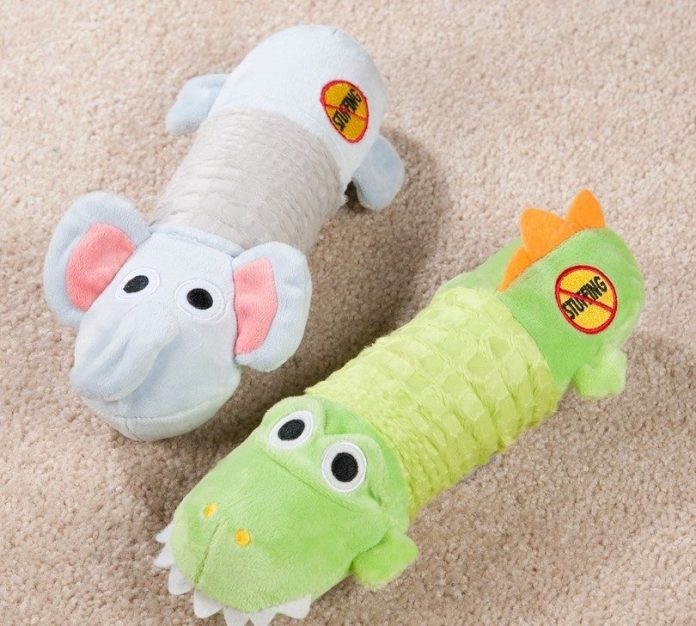 Petstages make lots of other attractive toys which are meant for throwing, shaking and as a soft cuddle toy. These are lovely but are not a great help when teething.
If you like this product you can find and purchase it on Amazon.
Petstages make lots of other attractive toys which are meant for throwing, shaking and as a soft cuddle toy. These are lovely but are not a great help when teething.
If you like this product you can find and purchase it on Amazon.
 I would avoid the ropes that have extra things added such as tennis balls as these are never as strong as the rope and invariably get torn apart. The pieces are then available to be swallowed. Just a rope toy with nothing else is useful and long lasting. Many are available at local pet stores and online.
Like this amazing product? Then you can check its price here.
I would avoid the ropes that have extra things added such as tennis balls as these are never as strong as the rope and invariably get torn apart. The pieces are then available to be swallowed. Just a rope toy with nothing else is useful and long lasting. Many are available at local pet stores and online.
Like this amazing product? Then you can check its price here.
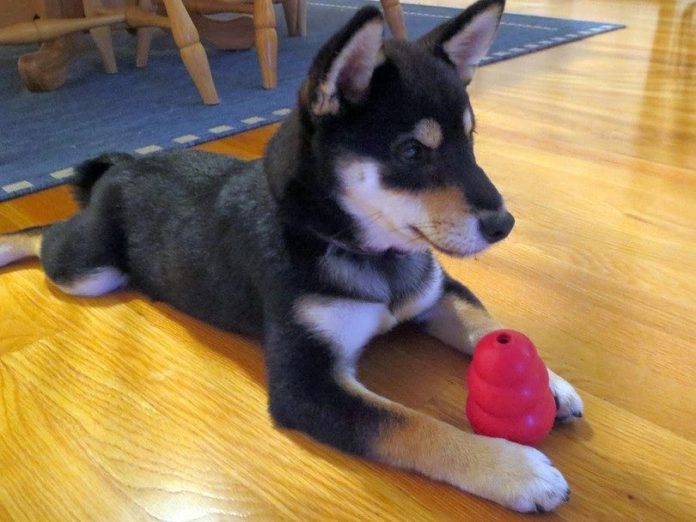 Kong also makes a ‘stuff a ball’ which has cracks and crevices to fill with treats and they also make ‘Wubba’ Dog Chews that are encased in a strong canvas that covers a tennis ball and a squeaker. The tails attached make it easy to throw and the canvas preserves the chewing ability.
When you buy from a reputable supplier like Kong, most toys will be safe but I would not buy squeaky toys at cut-price sellers because it is so easy for the dog to take out the squeaker and swallow it.
The same advice would apply to toys like teddy bears with eyes. There are safety eyes and there are eyes with nasty pins that can be fatal if swallowed. Care must always be taken and again, play should be supervised, the toys checked and if damaged, thrown away.
Kong also makes a ‘stuff a ball’ which has cracks and crevices to fill with treats and they also make ‘Wubba’ Dog Chews that are encased in a strong canvas that covers a tennis ball and a squeaker. The tails attached make it easy to throw and the canvas preserves the chewing ability.
When you buy from a reputable supplier like Kong, most toys will be safe but I would not buy squeaky toys at cut-price sellers because it is so easy for the dog to take out the squeaker and swallow it.
The same advice would apply to toys like teddy bears with eyes. There are safety eyes and there are eyes with nasty pins that can be fatal if swallowed. Care must always be taken and again, play should be supervised, the toys checked and if damaged, thrown away.
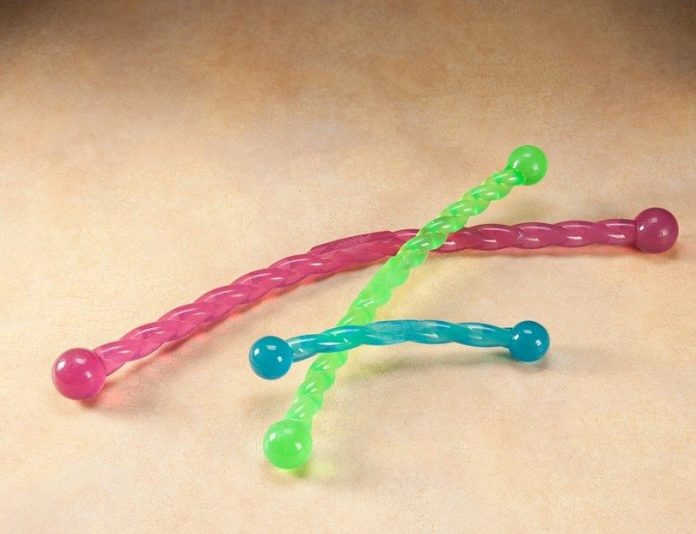 This company also produce synthetic, blue toys called Orca that dogs seem to enjoy. They come as tires, Frisbees, a ball or a many sided jack that bounces in various directions. These again are very durable and very safe.
 Like this amazing product? Then you can buy it here.
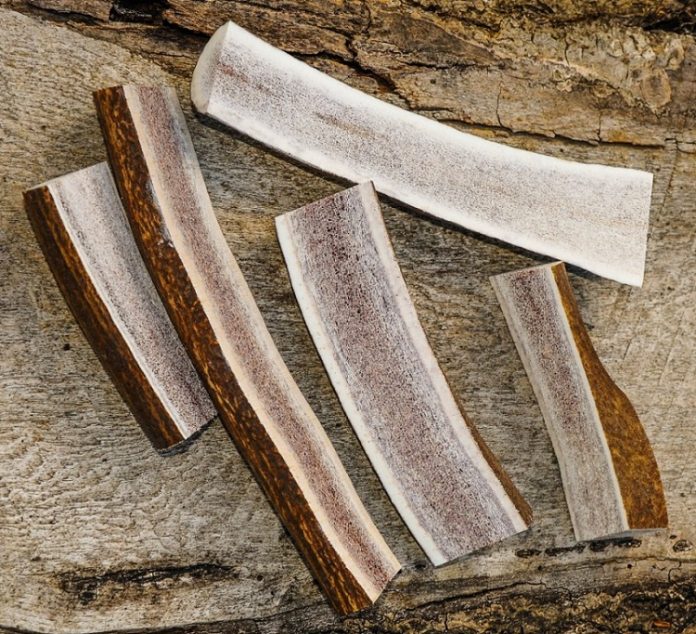
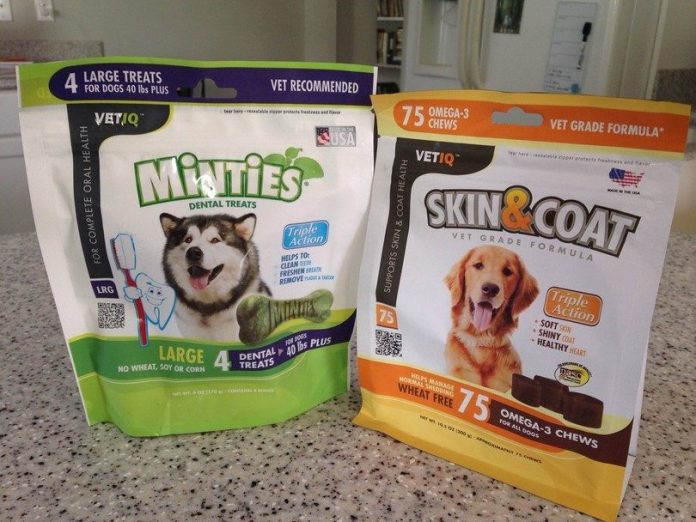 Dogs always seem to enjoy these sticks but too many, of course, can cause upset tummies. It is sensible to read all of the manufacturer’s instructions.
Overall there is a multitude of products from which to choose and your local pet supermarket or your general superstore will have most of them. Online Amazon are able to supply most makes worldwide and there are countless other internet suppliers.
It pays to be very selective and never buy when you are not sure of the maker. Safety is paramount with your precious pet. No loose parts, bells, none safety eyes or sharp edges and always renew the toy of chew when it is damaged or becomes very small. Supervise play at all times and when your pet is in a crate and you have to be away for a while do not leave anything that could be a potential hazard.
Do not buy thin plastic or rubber toys. Plastic breaks easily and the sharp pieces, if swallowed, can pierce internal organs. Thin pieces of rubber can also cause internal damage. Tennis balls are not a good idea as the pup usually rips up the furry part and then tears the rubbery inside. All of which can be eaten and cause problems.
If you want to save a bit of money, we have a great article on the kinds of
Dogs always seem to enjoy these sticks but too many, of course, can cause upset tummies. It is sensible to read all of the manufacturer’s instructions.
Overall there is a multitude of products from which to choose and your local pet supermarket or your general superstore will have most of them. Online Amazon are able to supply most makes worldwide and there are countless other internet suppliers.
It pays to be very selective and never buy when you are not sure of the maker. Safety is paramount with your precious pet. No loose parts, bells, none safety eyes or sharp edges and always renew the toy of chew when it is damaged or becomes very small. Supervise play at all times and when your pet is in a crate and you have to be away for a while do not leave anything that could be a potential hazard.
Do not buy thin plastic or rubber toys. Plastic breaks easily and the sharp pieces, if swallowed, can pierce internal organs. Thin pieces of rubber can also cause internal damage. Tennis balls are not a good idea as the pup usually rips up the furry part and then tears the rubbery inside. All of which can be eaten and cause problems.
If you want to save a bit of money, we have a great article on the kinds of 
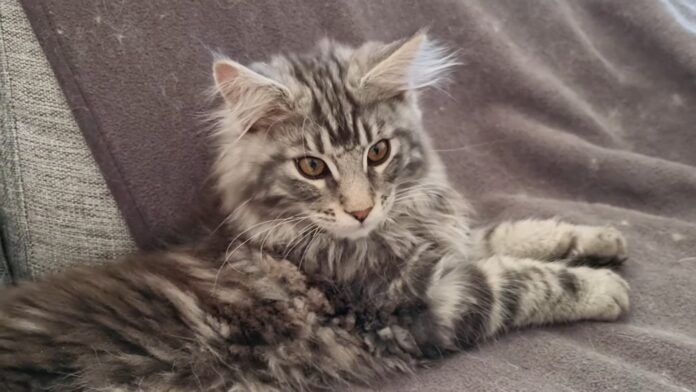 Maine Coon kittens are known for their large size and distinctive appearance. They have long, shaggy coats that come in a variety of colors, including brown, black, and white. Their eyes are large and expressive, and their ears are tufted and pointed.
In addition to their appearance, they are also known for their friendly and affectionate personalities. They are often described as “gentle giants” due to their size and gentle nature.
Maine Coon kittens are known for their large size and distinctive appearance. They have long, shaggy coats that come in a variety of colors, including brown, black, and white. Their eyes are large and expressive, and their ears are tufted and pointed.
In addition to their appearance, they are also known for their friendly and affectionate personalities. They are often described as “gentle giants” due to their size and gentle nature.
 Maine Coon kittens have unique physical features that make them stand out from other cat breeds. One of their most distinctive features is their tufted ears, which are characterized by long, fluffy hair that grows from the tips of their ears. These tufts are believed to have evolved to protect the cats’ ears from the cold and wind in their native Maine environment.
Another notable feature is their expressive eyes. Their eyes are large and round, with a gentle and affectionate expression. Their eye colors can vary from green to gold or copper.
Maine Coon kittens have unique physical features that make them stand out from other cat breeds. One of their most distinctive features is their tufted ears, which are characterized by long, fluffy hair that grows from the tips of their ears. These tufts are believed to have evolved to protect the cats’ ears from the cold and wind in their native Maine environment.
Another notable feature is their expressive eyes. Their eyes are large and round, with a gentle and affectionate expression. Their eye colors can vary from green to gold or copper.
 Today, the Maine Coon breed is one of the most popular cat breeds in the world. They are recognized by most major cat organizations, including the Cat Fanciers’ Association (CFA) and
 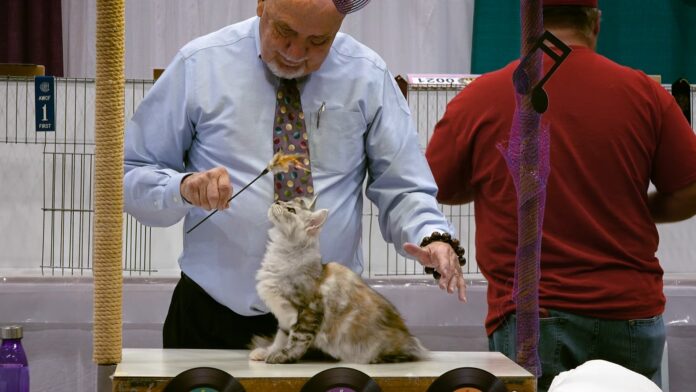 Maine Coon kittens are a popular breed in cat shows and competitions around the world. They are known for their distinctive appearance, large size, and friendly personalities, making them a favorite among judges and audiences alike.
They are often entered in cat shows and competitions where they are judged on their beauty, size, and temperament. They compete in various categories, such as Best in Show, Best Longhair, and Best Maine Coon.
These shows provide a platform and owners to showcase their cats’ unique qualities and characteristics, as well as promote the breed to a wider audience. They also provide an opportunity for cat lovers to learn more about the breed and its history.
Maine Coon kittens are a popular breed in cat shows and competitions around the world. They are known for their distinctive appearance, large size, and friendly personalities, making them a favorite among judges and audiences alike.
They are often entered in cat shows and competitions where they are judged on their beauty, size, and temperament. They compete in various categories, such as Best in Show, Best Longhair, and Best Maine Coon.
These shows provide a platform and owners to showcase their cats’ unique qualities and characteristics, as well as promote the breed to a wider audience. They also provide an opportunity for cat lovers to learn more about the breed and its history.

 The sensory type of interactive toy for dogs is perhaps the most common on the market. These are the kind that get Rover into the mood of play with squeaks and crunches, and have a variety of tactile surfaces such as fur or rubber tips.
Some may allow him to sink his teeth into them, while others might crinkle every time he swipes at it with his paw. Regardless of the sense that the toy stimulates, the point of these toys is to cure boredom by keeping him interested in the product itself.
As many experienced owners will tell you, it doesn’t take much to capture the attention of a dog, and sometimes the simplest things work the best. Though it is a good rule to invest in several of them, for two reasons.
The first is because having two to four of them will allow Rover to choose which one he wants to play with at any given time, while the second is simply to have some backups. They can get lost, left outside, or they just might need to be replaced.
The sensory type of interactive toy for dogs is perhaps the most common on the market. These are the kind that get Rover into the mood of play with squeaks and crunches, and have a variety of tactile surfaces such as fur or rubber tips.
Some may allow him to sink his teeth into them, while others might crinkle every time he swipes at it with his paw. Regardless of the sense that the toy stimulates, the point of these toys is to cure boredom by keeping him interested in the product itself.
As many experienced owners will tell you, it doesn’t take much to capture the attention of a dog, and sometimes the simplest things work the best. Though it is a good rule to invest in several of them, for two reasons.
The first is because having two to four of them will allow Rover to choose which one he wants to play with at any given time, while the second is simply to have some backups. They can get lost, left outside, or they just might need to be replaced.
 Many owners find that the indestructible toys become their personal favorites because, unless the dog is extremely rough with its playthings, these are one-time buys. They never have to worry about replacing it because no matter how much Rover worries at the toy’s edges, his teeth will not shred or even fray the edges. These products are made of hard, rubberized materials or dense plastics that hold up to their classification name.
They work better than bones and dental treats to help keep teeth clean, mostly because they don’t deteriorate, get soggy, or need to be replaced.
Also, depending on the shape and size of the toy, they can be used in owner/companion play just like the sensory type mentioned above. They are a little more expensive, but as smart shoppers will tell you, they are well worth the price.
One thing to keep in mind with any indestructible toy is that they can suffer cuts and gouges from the worst chewers. You should replace any toy that is falling apart. Supervise your pooch to see how he handles this toy. If he is small, yet tears his up, you should try the larger size, if available.
Many owners find that the indestructible toys become their personal favorites because, unless the dog is extremely rough with its playthings, these are one-time buys. They never have to worry about replacing it because no matter how much Rover worries at the toy’s edges, his teeth will not shred or even fray the edges. These products are made of hard, rubberized materials or dense plastics that hold up to their classification name.
They work better than bones and dental treats to help keep teeth clean, mostly because they don’t deteriorate, get soggy, or need to be replaced.
Also, depending on the shape and size of the toy, they can be used in owner/companion play just like the sensory type mentioned above. They are a little more expensive, but as smart shoppers will tell you, they are well worth the price.
One thing to keep in mind with any indestructible toy is that they can suffer cuts and gouges from the worst chewers. You should replace any toy that is falling apart. Supervise your pooch to see how he handles this toy. If he is small, yet tears his up, you should try the larger size, if available.
 Durability is always something to keep in mind as you shop for the right one. If your pup is a chewer, odds are that the inexpensive ones will not last as long as the company suggests it will. It’s also a factor to consider when it comes to cleaning up after him. Little chunks of plastic or rubber from a destroyed toy can do the same to your vacuum cleaner!
 There are two drawbacks to these types. If your pooch has a tendency to be destructive, he could pull it to pieces in no time, so before buying one, make sure to investigate the various moving or loose parts that he may tear apart.
The other thing to consider is the fact that he may not be interested in puzzles. If possible, let him experiment with a display model or borrow one from a friend. It shouldn’t take more than a few minutes to learn if this the toy for him.
There are two drawbacks to these types. If your pooch has a tendency to be destructive, he could pull it to pieces in no time, so before buying one, make sure to investigate the various moving or loose parts that he may tear apart.
The other thing to consider is the fact that he may not be interested in puzzles. If possible, let him experiment with a display model or borrow one from a friend. It shouldn’t take more than a few minutes to learn if this the toy for him.
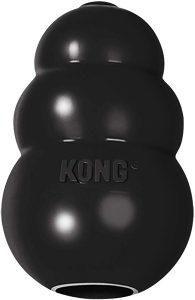 This indestructible toy was designed with the most intense chewers in mind. It is made of a special black rubber compound that gives it extra durability, and its pear-like shape enables it to bounce in unpredictable ways.
Your dog will spin in circles trying to figure out just which way it will go when you toss it and bring it back begging for another go. He will never grow bored because, to him, each round is a whole new game. It has a hollow core that you can stuff with treats.
Owners who fill it with kibble or other loose food and then either freeze it or pack it with peanut butter claim that their companions will spend hours gnawing at the KONG. It comes in three sizes, so it is suitable for any breed.
The indestructible material and the hollow, pear-shaped design help with behavioral issues. You can alleviate separation anxiety by filling it with treats and then giving it to Rover in his crate just before you leave. He will be so focused on getting at the food that by the time he’s eaten it all he’s gotten used to the fact that he is home alone.
Having the KONG in the crate or other place in the home when he is bored gives him something to expend his energy on other than damaging the furniture and barking up a storm at every passing car. Each time he loses his grip on it, it will bounce away, and it becomes a whole new game yet again.
This indestructible toy was designed with the most intense chewers in mind. It is made of a special black rubber compound that gives it extra durability, and its pear-like shape enables it to bounce in unpredictable ways.
Your dog will spin in circles trying to figure out just which way it will go when you toss it and bring it back begging for another go. He will never grow bored because, to him, each round is a whole new game. It has a hollow core that you can stuff with treats.
Owners who fill it with kibble or other loose food and then either freeze it or pack it with peanut butter claim that their companions will spend hours gnawing at the KONG. It comes in three sizes, so it is suitable for any breed.
The indestructible material and the hollow, pear-shaped design help with behavioral issues. You can alleviate separation anxiety by filling it with treats and then giving it to Rover in his crate just before you leave. He will be so focused on getting at the food that by the time he’s eaten it all he’s gotten used to the fact that he is home alone.
Having the KONG in the crate or other place in the home when he is bored gives him something to expend his energy on other than damaging the furniture and barking up a storm at every passing car. Each time he loses his grip on it, it will bounce away, and it becomes a whole new game yet again.
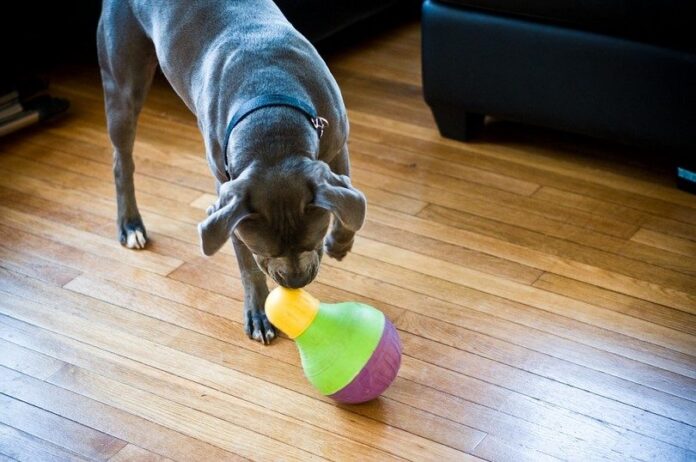
 This treat-dispensing toy resembles a pear or gourd. Its bulbous-belly sports tiny doors that dispense food as Rover plays with it. You are able to adjust the width of the opening for the size of your dog and the treats, and this also allows you to set a difficultly level for Rover to access the goods.
The weighted bottom allows the product to wobble and spin whenever he touches it with his paw. This helps to keep him entertained and prolong his snacking enjoyment. The screw-on cap enables you to easily fit up to three cups of treats, or alternatively, you could fill it with food and give it to him at mealtime.
This is an especially good idea for dogs who speed eat. It will take most dogs approximately 15 to 20 minutes to empty the contents, which is helpful to those dogs who are prone to bloat.
Another good point about the Bob-A-Lot is that, as long as there is something inside that Rover wants to get to, he will be entertained and exercised. He might even continue to play with it long after it is empty.
The one drawback with this toy is that it is not for chewers. The narrow neck and top are made of hard plastic, though they are vulnerable to those dogs who love to gnaw at anything they can fit into their mouths. Before purchasing this toy, observe how Rover treats his others. If he is typically easy on soft objects, then give the Bob-A-Lot a try, but if he can worry a bone away to slivers in a couple of hours, this is most likely not the one for him.
This treat-dispensing toy resembles a pear or gourd. Its bulbous-belly sports tiny doors that dispense food as Rover plays with it. You are able to adjust the width of the opening for the size of your dog and the treats, and this also allows you to set a difficultly level for Rover to access the goods.
The weighted bottom allows the product to wobble and spin whenever he touches it with his paw. This helps to keep him entertained and prolong his snacking enjoyment. The screw-on cap enables you to easily fit up to three cups of treats, or alternatively, you could fill it with food and give it to him at mealtime.
This is an especially good idea for dogs who speed eat. It will take most dogs approximately 15 to 20 minutes to empty the contents, which is helpful to those dogs who are prone to bloat.
Another good point about the Bob-A-Lot is that, as long as there is something inside that Rover wants to get to, he will be entertained and exercised. He might even continue to play with it long after it is empty.
The one drawback with this toy is that it is not for chewers. The narrow neck and top are made of hard plastic, though they are vulnerable to those dogs who love to gnaw at anything they can fit into their mouths. Before purchasing this toy, observe how Rover treats his others. If he is typically easy on soft objects, then give the Bob-A-Lot a try, but if he can worry a bone away to slivers in a couple of hours, this is most likely not the one for him.
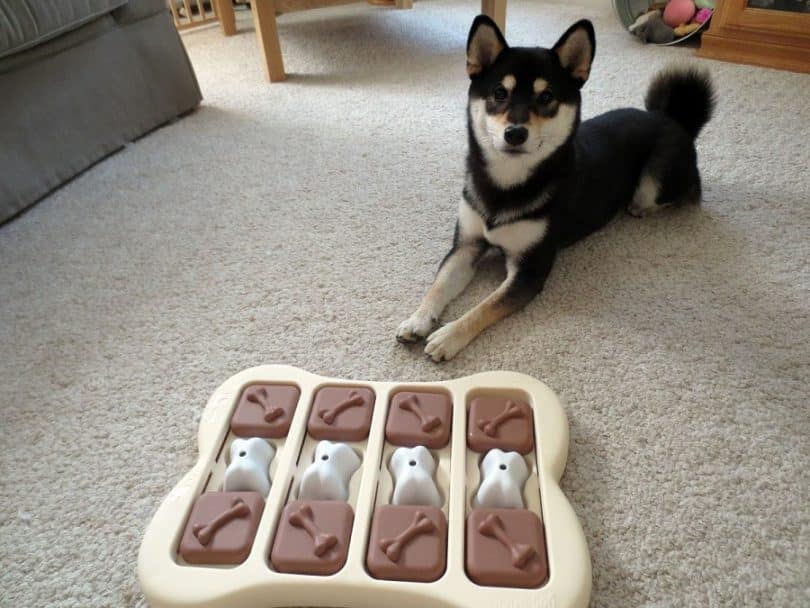
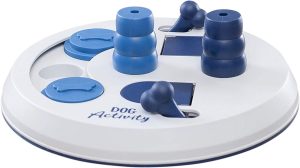 This puzzle is for dogs of varying skill and intelligence levels. It consists of lids that flip open, covers that slide over, and cones that lift straight up to reveal recesses in which you place treats for Rover to find.
By alternating the amount and placement of the treats, you can give him a new game each time you set the toy in front of him. The non-slip base keeps him from pushing it all over the floor, and the cones are designed in such a way that they cannot be knocked over to access the goods.
Instead, he must lift them straight up from the surface of the toy with his teeth. With three ways to get to the food, Rover will spend plenty of time trying to figure out how each one should be opened. This can help particularly fast eaters to slow down, and it will engage even the laziest of mutts in stimulating activity.
The Flip Board comes with an instructional booklet that will give you tips on how to increase the difficulty level and otherwise get the most out of the toy. It is dishwasher safe, so you should feel confident about keeping it clean even if you use wet or semi-moist food or treats in the compartments.
The only concern you might have about this toy is the cones. Since they designed to be removed by a dog’s mouth, they can become lost or chewed-up beyond use. Damage shouldn’t be too much of a concern because it does come with a one-year warranty on the moving parts.
This puzzle is for dogs of varying skill and intelligence levels. It consists of lids that flip open, covers that slide over, and cones that lift straight up to reveal recesses in which you place treats for Rover to find.
By alternating the amount and placement of the treats, you can give him a new game each time you set the toy in front of him. The non-slip base keeps him from pushing it all over the floor, and the cones are designed in such a way that they cannot be knocked over to access the goods.
Instead, he must lift them straight up from the surface of the toy with his teeth. With three ways to get to the food, Rover will spend plenty of time trying to figure out how each one should be opened. This can help particularly fast eaters to slow down, and it will engage even the laziest of mutts in stimulating activity.
The Flip Board comes with an instructional booklet that will give you tips on how to increase the difficulty level and otherwise get the most out of the toy. It is dishwasher safe, so you should feel confident about keeping it clean even if you use wet or semi-moist food or treats in the compartments.
The only concern you might have about this toy is the cones. Since they designed to be removed by a dog’s mouth, they can become lost or chewed-up beyond use. Damage shouldn’t be too much of a concern because it does come with a one-year warranty on the moving parts.
 This four-piece bee-and-hive set is a cross between a dog puzzle and a sensory chew toy. It consists of a plush hive and three bees that squeak when squeezed or bitten. The object of the toy is for you to stuff the hive with the bees and then give it to your pup to figure out how to pull the bees from the holes in the side of the hive.
The high contrast of yellow and black will seize Rover’s attention, and the squeaks that come when he pulls one out of the hive will reinforce his sense of accomplishment just as his ancestors felt when hunting game.
Dogs of all intelligence levels should be able to master this type of puzzle in no time, but the interaction component is sure to keep them interested for as long as you are willing to keep stuffing the bees back into the hive. It may turn into a competition to see who tires first.
The most important thing to keep in mind when considering this sort of toy is the chew factor. The plush texture is a favorite among many dogs, but some can get a little carried away with their enthusiasm and end up yanking out all the stuffing in order to discover what is making the squeaking sounds from within.
If Fido is a heavy chewer, you should avoid this and most other plush toys. The good thing is that the Hide-A-Bee is relatively inexpensive as compared to other products in its class, so if he does manage to tear it apart, it shouldn’t make a huge impact on your wallet.
This four-piece bee-and-hive set is a cross between a dog puzzle and a sensory chew toy. It consists of a plush hive and three bees that squeak when squeezed or bitten. The object of the toy is for you to stuff the hive with the bees and then give it to your pup to figure out how to pull the bees from the holes in the side of the hive.
The high contrast of yellow and black will seize Rover’s attention, and the squeaks that come when he pulls one out of the hive will reinforce his sense of accomplishment just as his ancestors felt when hunting game.
Dogs of all intelligence levels should be able to master this type of puzzle in no time, but the interaction component is sure to keep them interested for as long as you are willing to keep stuffing the bees back into the hive. It may turn into a competition to see who tires first.
The most important thing to keep in mind when considering this sort of toy is the chew factor. The plush texture is a favorite among many dogs, but some can get a little carried away with their enthusiasm and end up yanking out all the stuffing in order to discover what is making the squeaking sounds from within.
If Fido is a heavy chewer, you should avoid this and most other plush toys. The good thing is that the Hide-A-Bee is relatively inexpensive as compared to other products in its class, so if he does manage to tear it apart, it shouldn’t make a huge impact on your wallet.