Did you know that veterinary surveys consistently show more than half of pet dogs are overweight in many countries? Even more surprising, many owners do not realize it until health problems appear.
Extra weight does not arrive overnight, and it rarely comes from one single mistake. It builds slowly through habits that feel normal and even loving.
That is why dog weight gain deserves calm attention rather than guilt or panic.
If you have ever wondered whether your dog is getting a little heavier, or questioned if an extra treat really matters, you are not alone.
This article looks closely at how weight gain happens, why it matters, and what practical steps actually work.
The goal is not perfection, but awareness and steady improvement that supports a long, active life for your dog.
What dog weight gain really means

Dog weight gain is not just about a number on the scale. It reflects a shift in body composition where fat increases faster than muscle and bone support can handle.
This matters because dogs are built for movement, and extra weight changes how their joints, heart, and metabolism function.
Veterinarians usually assess weight using a body condition score rather than scale weight alone.
You should be able to feel ribs without pressing hard, see a visible waist from above, and notice a slight abdominal tuck from the side.
When these signs disappear, weight gain is already underway.
Important definition: Canine obesity is typically defined as body weight that is 20 percent or more above a dog’s ideal weight, not just a visual impression.
Understanding this early helps prevent slow, unnoticed progression that becomes harder to reverse later.
Dietary choices and hidden calorie sources
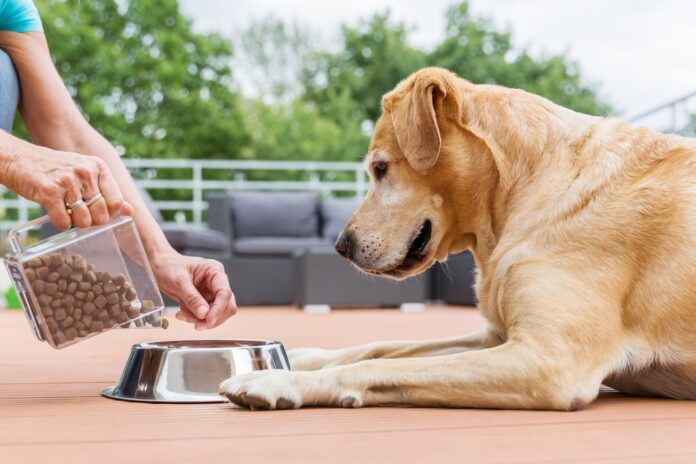
Food is the most common contributor to dog weight gain, but the issue is rarely just portion size. Calorie density, ingredient quality, and feeding consistency all matter.
Many dogs eat more energy than they can burn, even when portions look reasonable.
One overlooked factor is food sensitivity and digestion. Dogs that struggle with certain ingredients may experience inflammation or poor nutrient use, leading owners to feed more than necessary.
Choosing a hypoallergenic diet can support better digestion and nutrient absorption for sensitive dogs, helping meals work more efficiently rather than simply increasing volume.
Some owners explore carefully formulated options like this hypoallergenic adult dog food as part of a balanced feeding plan.
Common hidden calorie sources include:
- Frequent training treats without meal adjustment
- Table scraps offered “just this once”
- Multiple family members feeding separately
- High-fat chews used daily
Calories add up quietly when these habits overlap.
Lifestyle and activity changes that add weight
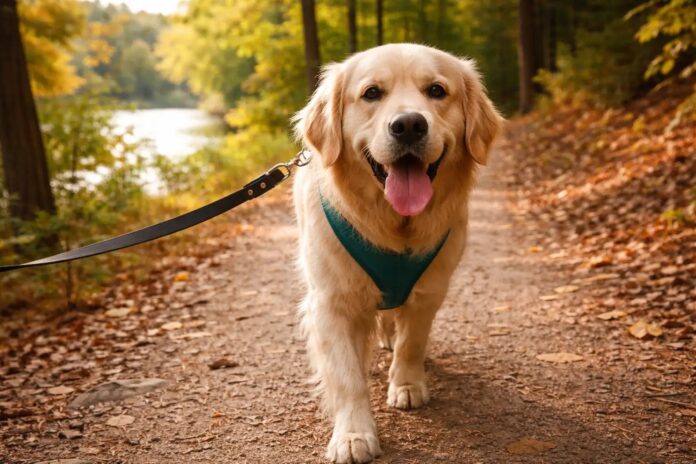
Dogs do not become overweight only because of food. Lifestyle plays a major role. Reduced activity is one of the fastest ways to trigger weight gain, especially when feeding habits stay the same.
Modern routines often limit natural movement. Short walks replace long outdoor play, and mental stimulation substitutes for physical exercise. Age also matters.
As dogs mature, metabolism slows and muscle mass decreases unless activity is maintained.
A helpful way to evaluate lifestyle impact is to compare energy input versus output.
| Daily factor | High risk pattern | Healthier adjustment |
| Walk duration | Under 20 minutes | 40 to 60 minutes total |
| Play intensity | Low or none | Structured active play |
| Mental work | Food rewards only | Puzzle toys plus movement |
Small activity increases can significantly offset calorie intake when done consistently.
Breed, age, and hormonal influences
Some dogs are biologically more prone to weight gain than others. Breed genetics influence appetite regulation, fat storage, and energy use.
Labradors, Beagles, and certain toy breeds often gain weight more easily, even with moderate feeding.
Age introduces another layer. Puppies burn energy rapidly, but adult dogs require careful calorie adjustments.
Senior dogs need fewer calories but still require high-quality protein to preserve muscle. Hormonal changes also matter.
Neutered and spayed dogs often experience reduced metabolic rate, which means previous feeding amounts may become excessive.
Did you know? Studies show that neutered dogs may need up to 25 percent fewer calories than intact dogs of the same size and activity level.
This does not mean weight gain is inevitable, but it does require proactive feeding adjustments.
Health risks associated with excess weight
Dog weight gain is not a cosmetic issue. It is a medical concern with clear links to reduced lifespan and quality of life.
Extra fat tissue acts like an endocrine organ, producing inflammatory compounds that affect the entire body.
Common health risks include joint strain, reduced mobility, and early arthritis.
Overweight dogs are also more likely to develop insulin resistance, breathing difficulty, and heart strain.
Even routine activities such as climbing stairs or jumping into a car can become painful.
A lesser-known consequence is immune system stress. Chronic inflammation associated with excess fat can weaken immune responses, making recovery from illness slower.
These risks compound over time, which is why early prevention is far easier than treatment after complications appear.
How to recognize early warning signs at home

Many owners miss the early signs of weight gain because changes are gradual. Regular observation makes a difference. Feeling your dog’s body monthly is more reliable than visual checks alone, especially for long-coated breeds.
Watch for subtle changes such as slower movement, reluctance to jump, or heavier breathing after mild exercise.
Collars that tighten without size changes can also signal gradual gain.
A simple home check includes:
- Run hands along the ribcage to assess fat coverage
- Observe waist shape from above after grooming
- Monitor stamina during normal walks
If any changes appear, adjusting habits early can prevent the need for strict weight loss programs later.
Practical prevention strategies that actually work
Preventing dog weight gain does not require extreme restrictions. Consistency matters more than perfection. Feeding measured portions, not estimated scoops, is one of the most effective steps.
Treats should be planned, not spontaneous. If treats are used for training, reduce meal portions slightly to compensate.
Choosing lower-calorie rewards or using part of the regular meal for training can also help.
A balanced prevention approach often includes:
- Scheduled feeding times rather than free feeding
- Regular weigh-ins every one to two months
- Daily activity goals matched to age and breed
These habits protect against gradual gain without reducing enjoyment or bonding.
When weight gain signals an underlying problem
Sometimes dog weight gain is not caused by lifestyle alone. Certain medical conditions can contribute, including hypothyroidism and Cushing’s disease. These conditions alter metabolism and hormone balance, making weight management difficult even with controlled feeding.
Warning signs that suggest a veterinary check is needed include sudden weight gain without diet change, lethargy, hair thinning, or increased thirst. Blood tests can rule out or confirm underlying issues.
Key reminder: Weight gain combined with behavioral or coat changes should always be evaluated medically, not managed through diet alone.
Addressing the root cause ensures that weight management efforts are safe and effective.
Long-term weight management and quality of life
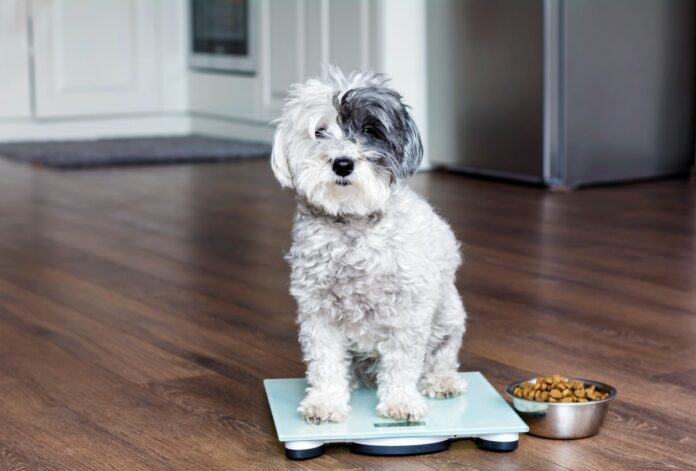
Healthy weight maintenance is not a short-term project. It is a long-term commitment that evolves as your dog ages. Feeding plans and activity levels should be reviewed at least once a year, ideally during routine veterinary visits.
Dogs at a healthy weight tend to stay active longer, recover faster from injury, and show more enthusiasm for play. Owners often notice improved mood and engagement once excess weight is reduced or prevented.
The goal is not thinness, but balance. A dog that moves comfortably, breathes easily, and enjoys daily activity is a dog whose needs are being met.
Taking a thoughtful, informed approach to dog weight gain protects not just physical health, but the everyday joy dogs bring into our lives.