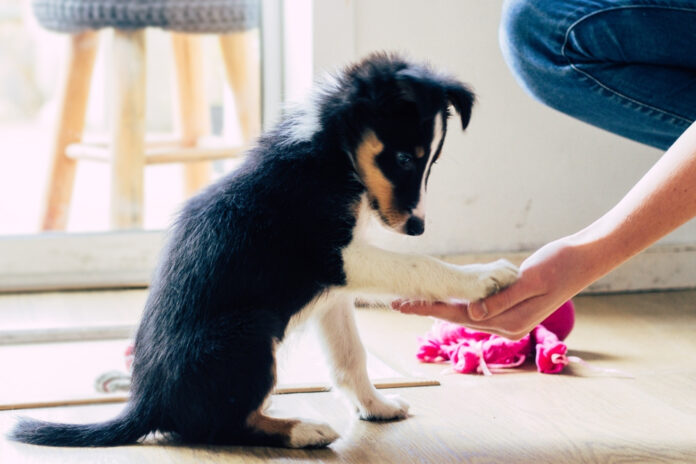
Getting a new puppy is fun! Puppies love to play, give affection, and run around with lots of energy.
But training them can feel overwhelming, especially for first time dog owners. Many people make small mistakes without realizing how much they affect a puppy’s behavior.
Dogs learn through repetition, trust, and clear communication. A puppy that feels safe and understands expectations usually learns faster and behaves better over time.
The good part is that most training mistakes can be corrected early with patience and consistency. Puppies do not expect perfection from owners. They simply need guidance, structure, and encouragement every day.
Expecting Results Too Quickly

A huge mistake many puppy owners make is expecting fast results. Puppies are still learning how the world works. They do not automatically understand house rules, commands, or routines.
Some owners become discouraged after accidents indoors or repeated chewing. Frustration often leads to stress during training sessions, which makes learning harder for the puppy.
Progress usually happens in small steps. One successful sit command, one calm walk, or one accident free afternoon already counts as improvement.
A helpful approach is focusing on realistic goals during the first months:
- Practice one or two commands at a time
- Reward small improvements immediately
- Keep routines predictable every day
- Stay calm after mistakes
Puppies respond much better to steady guidance than emotional reactions. Building trust during training matters more than speeding through commands.
Important note: Puppies generally have short attention spans and learn best through repetition and reward based training rather than punishment or pressure.
Using Punishment Instead of Positive Reinforcement
Many first time owners think punishment stops bad behavior faster. Yelling or harsh corrections may interrupt behavior for a moment, but fear and confusion often follow.
Positive reinforcement works differently. Puppies learn that calm and correct behavior brings pleasant outcomes like treats, praise, toys, or affection.
For example, rewarding a puppy for sitting quietly before meals teaches patience in a simple way. Repeating that reward builds the habit naturally.
Research from the American Veterinary Society of Animal Behavior supports reward based methods and warns against punishment based training because fear can increase anxiety and aggression later.
Why Timing Matters During Rewards
Reward timing affects how quickly puppies understand commands. Some owners accidentally reward behavior too late, which confuses the dog.
If a puppy sits but receives a treat several seconds later after standing up again, the puppy may not connect the reward with sitting at all.
Training becomes clearer when rewards happen immediately after the correct action. Small treats, verbal praise, or petting should come within seconds.
| Training Action | Better Timing | Common Mistake |
| Sitting calmly | Reward instantly | Waiting too long |
| Going outside to potty | Praise outdoors | Praising after returning inside |
| Walking beside owner | Reward during walk | Rewarding after pulling |
Quick feedback helps puppies understand exactly what behavior earned the reward. That clarity reduces frustration for both owner and dog.
Being Inconsistent With Rules
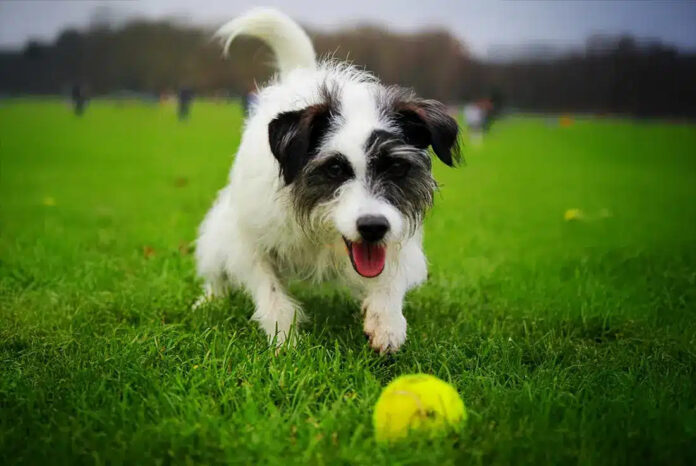
Consistency plays a major role in puppy training. Mixed signals confuse dogs and slow progress.
Allowing couch jumping one day but correcting it the next creates uncertainty. Puppies do not understand exceptions the way humans do.
Family members also need to follow the same rules and commands. One person saying “down” while another says “off” can delay learning.
Creating a simple household training routine often helps:
- Use the same command words every day
- Follow similar feeding and potty schedules
- Decide house boundaries early
- Reward behavior consistently
Dogs usually feel safer when daily expectations stay predictable. Clear structure reduces anxiety and helps puppies settle into their new environment more comfortably.
Ignoring Mental Stimulation
Physical exercise alone is not enough for many puppies. Owners often focus only on walks and forget mental stimulation, even though puppies need both.
Bored puppies usually create their own entertainment. Chewing furniture, barking constantly, digging, or stealing objects often comes from boredom rather than disobedience.
Simple mental activities can improve behavior dramatically. Food puzzles, scent games, and short obedience sessions help puppies use their brains productively.
Did you know?
Mental stimulation can reduce stress related behaviors and improve learning performance in dogs. Environmental enrichment is widely recommended in animal behavior science for healthy development.
Mental exercise does not need to be complicated. Even hiding treats around the room or practicing short recall games can make a puppy calmer and more focused afterward.
Owners sometimes notice that ten minutes of mental work tires a puppy more effectively than a long walk.
Skipping Socialization
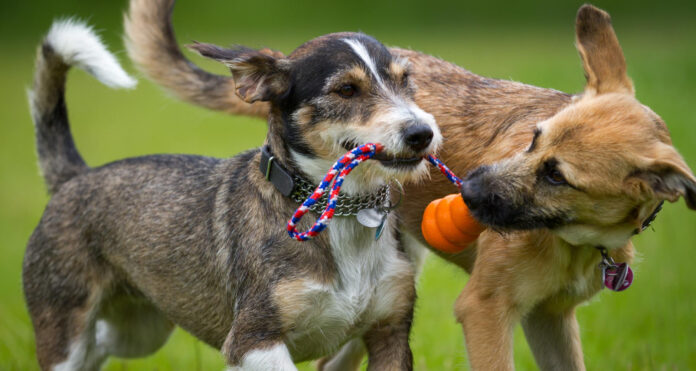
Some owners try protecting puppies from every unfamiliar experience. While safety matters, avoiding new situations completely can create fear later.
Puppies benefit from positive exposure to people, sounds, surfaces, and environments during early development. Safe socialization helps them become calm adult dogs.
According to the American Veterinary Society of Animal Behavior, the most important socialization period happens during the first three months of life.
Helpful socialization experiences may include:
- Meeting calm and friendly people
- Hearing vacuum cleaners or traffic sounds
- Visiting quiet outdoor locations
- Walking on grass, tile, and pavement
- Seeing bicycles, umbrellas, or strollers
- Playing with vaccinated and friendly dogs
Puppies should observe new things without feeling overwhelmed. Fearful experiences during socialization can create long term anxiety instead of confidence.
Short positive experiences usually work better than crowded or chaotic environments.
Training for Too Long
Puppies have limited focus. Long sessions often lead to frustration, distraction, and exhaustion.
Short lessons between five and ten minutes are usually more effective. Repeating training several times throughout the day builds stronger habits than one long session.
Owners sometimes continue training even after the puppy becomes tired or restless. That often causes puppies to ignore commands completely.
A better routine includes short sessions mixed with play, naps, and quiet time.
Recognizing Signs of Training Fatigue
Puppies often show clear signs when they need a break. Ignoring those signs makes learning harder.
Common signs include:
- Sniffing the floor constantly
- Walking away during commands
- Barking or biting more than usual
- Losing interest in treats
- Suddenly becoming hyperactive
Stopping training before frustration builds helps puppies stay positive about learning. Ending sessions on a successful command also creates better confidence.
Training should feel rewarding for both the puppy and the owner, not exhausting.
Forgetting That Every Puppy Is Different
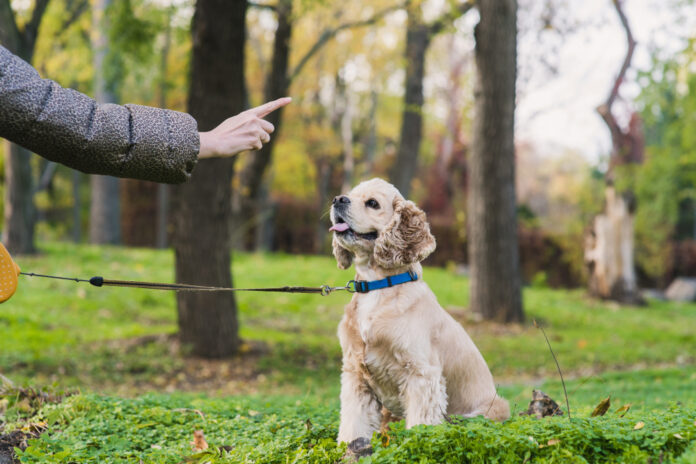
Every puppy learns differently. Some understand commands quickly while others need more repetition and encouragement.
Breed traits, personality, energy level, and early experiences all affect learning speed. Comparing one puppy to another often creates unnecessary stress.
This holds for all breeds, including families hunting maltipoo puppies for sale. Even same-breed pups vary in personality and style. Some naturally stay calm while others need more structured guidance and activity.
Professional trainers often remind owners that progress matters more than perfection. Small improvements over time create reliable adult behavior later.
Patience becomes especially important during difficult phases like teething, leash training, or adolescence. Puppies change rapidly during their first year, and setbacks are completely normal.
Conclusion
Training a puppy takes patience, consistency, and realistic expectations. Mistakes happen to nearly every first time owner, especially during the early months.
The important thing is continuing to learn while building trust with the dog. Puppies respond strongly to calm guidance, positive reinforcement, and stable routines.
Strong habits form slowly through repetition and daily practice. Over time, those small lessons shape a confident and well behaved adult dog.
The bond created during training often becomes one of the most rewarding parts of owning a dog.
FAQs
1. Can puppies become too attached to one person during training?
Yes. Puppies sometimes bond very strongly with the person who feeds and trains them most often. Letting other family members participate in walks, feeding, and playtime helps puppies feel comfortable with everyone in the household.
2. What should owners do if a puppy suddenly regresses in training?
Regression is common during growth phases, teething, or adolescence. Returning to simpler commands, increasing rewards, and staying consistent usually helps puppies regain progress without pressure.
3. Are certain toys better for training focused puppies?
Interactive toys and food dispensing puzzles often work better than passive toys because they encourage problem solving and concentration. Rotating toys every few days can also keep puppies interested longer.
4. Can background noise affect puppy training?
Yes. Loud televisions, crowded spaces, or constant distractions can reduce focus during early training sessions. Many puppies learn faster in calm environments before gradually practicing around distractions.
5. What happens if training starts too late?
Older dogs can still learn successfully, but early training usually prevents unwanted habits from becoming deeply established. Starting young often makes socialization and routine building easier.