You have noticed that your dog is scratching more and more often… Itching is obviously annoying him… It is clear that something is going wrong and you are worried because your four legged companion is feeling uncomfortable.
You are determined to help your dog and solve the problem at all costs. The veterinarian has just finished the clinical examination of your dog, and you are expecting to hear the diagnosis… You get his answer — it is allergy!
Before you hurry to ask him what the best dog allergy medicine is, please don’t imagine that your veterinarian is a wizard who will cure the animal in a minute by using some omnipotent magic pill, because things will not go that easy.
Allergies in dogs are actually a complex health issue and therefore the strategies for their management are very complex too.
To help make the problem easier, read ahead in our article about the most common dog allergies.
What Does It Mean?
It means that you must get prepared for a long and serious mission! It is a mission in which your role will be of utmost importance, as well as the role of your trusted veterinarian.
Make sure you have entrusted your dog’s health to the best possible vet, the one you can trust and the one who will access the entire issue responsibly, patiently and carefully.
Your dog, you and your veterinarian will create a circle of trust, and you will actually become teammates in a dream team that will have to face this health issue and solve it successfully.
The Story Behind
But, let’ s start from the beginning… As in any other battle, the better you know your opponent the better are your chances for successful outcome, especially if you are able to find his weaknesses and know how to use them in your favor.
For this purpose you must first completely understand the processes that are taking place in allergic reactions.
Some of them can be managed by using allergy medicine for dogs in order to control the course of the allergic reaction and eliminate the typical symptoms or at least decrease their intensity.
Allergic reaction represents an extremely aggressive, abnormal response of the dog’s immune system to substances from the environment, called allergens that are actually not dangerous for the dog’s health.
The main goal is to detect the allergen and try to avoid the dog’s exposure to that substance that is causing the problem, so therefore the right diagnosis is crucial thing at this stage of the allergy management.
In addition to the medical history and the clinical examination of the dog, your veterinary doctor will, if necessary, recommend additional tests and diagnostic methods to detect the allergen that is responsible for the occurrence of the immune response of the dog’s body.
These methods may include elimination diet or use of hypoallergenic dog food if it is suspected that some food ingredient is responsible for the allergic reaction. There are blood tests and intradermal allergy tests also available for detecting allergens coming from the dog’s environment.
Once you have detected the cause of the problem, it is time to prepare a good tactics that will lead you to a successful outcome. A good veterinarian will elaborate a wise strategy that will bring under control the aggressive response of the dog’s immune system, which in fact lies behind the whole problem with the allergic reactions.
This strategy will be composed of several parts, including the maximum possible reduction of the dog’s exposure to the allergen, implementing effective allergy treatment including symptomatic therapy and immunotherapy, as well as proper care advice for the owner in order to provide long term control of this abnormal health condition.
Right Questions and Right Answers
The creating of effective allergy management plan can be similar to the contemplation of a fire management. Have you ever asked yourself what would you do first if there is a fire in the house?
Would you concentrate on putting the fire out, would try to eliminate the main reason of the fire, or would you try to stop the spread of the flame by removing things in the environment that could encourage the fire even more?
What is the smartest to be taken in this regard? Well, similar questions are going through the mind of every veterinarian who is facing a case of dog allergies. How to avoid the dog’s exposure to the allergen? Which dog allergy medication to be used? How to prevent the occurrence of similar problems in the future and how to keep this problem under control in the long term?
Taking into consideration all thesee questions, your vet will put in order all the pieces of the puzzle and create an effective allergy management plan. Allergy medications will be his necessary tools to put this plan in action and expect a successful outcome.
Avoid the Dog’s Exposure to the Allergen
Actually the best possible way to regulate allergies in your dog is to find an effective way to avoid the dog’s exposure to the allergen completely. If you have detected the exact substance that is causing the problem, you have great advantage and things will go much easier…
But how do you know what to look for? Stay informed with our article on the symptoms of dog allergies and how you can effectively treat them.
When dealing with FAD (flea allergy dermatitis), a type of allergy that is caused by flea bites, or actually caused by the proteins contained in the flea saliva, you must do everything in your power to get rid of fleas completely by using proven flea control products for your dog and the environment.
You should also bathe the dog frequently to eliminate all the traces of the flea saliva and feces left on the dog’s coat. Clean animals are less attractive to parasites. Special ant parasitic dog shampoos should be used to make sure that all the ectoparasites from the dog’s skin are destroyed.
If the dog is suspected to be allergic to some food or nutrient ingredient, your vet will recommend implementation of elimination diet that should help you detect the type of food that causes the problem.
Commercial hypoalergenic dog food is also available and are used for this purpose too. If your dog is suffering from this type of allergy you must take strict care of your dog’s diet by avoiding the use of the particular nutrient for the rest of his life.
Do your best to prevent your dog’s exposure to cigarette smoke and warn smokers to avoid smoking in the presence of your pet because it is irritating for most of the animals, and it is also one of the main causes of allergies in dogs.
Make sure you maintain good hygiene of your dog. Regular bathing will remove substances from the dog’s fur that may be causing problems with skin allergies. Wash the dog’s toys, the food dishes and the water bowels regularly and vacuum the dog’s bedding often.
Try to eliminate indoor moisture as much as possible to prevent the occurrence of allergies caused by fungi and mold. Provide effective dust mite control and remove the objects that are potential dust collectors.
In a season when the amount of pollen is larger decrease the walks with your dog, and after returning home from walk in nature always wash the dog’s feet because this way some allergens from the outside can be brought inside the house.
Allergy Treatment Options
Talking about dog allergy medicine in general, the most of the drugs used in the veterinary practice work immediately and effectively but they provide only temporary relief of the symptoms. Some of these drugs, such as corticosteroids and antihistamine drugs have several side effects on the other organs to, so their long-term use carries risks for the dog’s health.
Therefore every responsible veterinarian will avoid the long term use of these allergy medicine unless not necessary. These drugs are in most of the cases designed for use in humans and therefore their use in dogs must be provided under special guidelines of a doctor of veterinary medicine.
Experienced veterinarian will use combination of different medications in the allergy treatment and he will determine the right dosage and the duration of the therapy according his experience. In addition to symptomatic therapy, antibiotic and antifungal therapy is used to suppress concurrent infections caused by bacteria and yeast.
Pros and Cons of the Steroid Therapy
Corticosteroid therapy (medications such as dexamethasone, prednisone, cortisone etc.) works by “turning off” the immune response of the dog and thus leads to disappearance of the symptoms typical for allergic reaction. This therapy effectively reduces inflammation and itching. However, steroids have also effects on other organs and there are potential risks for the dog’s health if long-term corticosteroid treatment is provided.
Symptoms such as polydipsia, polyphagia, polyuria, and even more serious diseases such as pancreatitis, diabetes mellitus, and Cushing’s disease may occur as a result of a long-term steroid therapy. There are two ways to administer this medications, injectable steroids and steroids for oral use. It is recommended to use oral medications because of the possibility of discontinuation of the therapy if any unwanted effects occur.
Dosing must be carefully determined by a veterinary doctor in order to avoid unwanted consequences. It is proven that steroid therapy shows better results when combined with antihistamine therapy and essential fatty acids.
Antihistamine medications (the most used are Benadryl, Atarax, Chlortrimetron etc.) provide inhibitory effect on histamine, the main substance that is responsible for the symptoms of inflammation during allergic reactions. Their effectiveness is successful in the treatment of about one third of the cases of allergies in dogs.
Best results are obtained in combination with steroid therapy. This treatment can cause several side effects and the most common are sedation, lethargy, dry mouth and diarrhea. These drugs are designed for use by humans so therefore the use in the veterinary medicine and the drug dosage is strictly determined by your veterinarian’s guidelines.
Therapy with Cyclosporines (Atopica, for oral use) is relatively expensive anti-allergy treatment. The immunosuppressive effect of these medications is successfully used in the treatment of certain allergies in dogs such as atopic dermatitis, which is the most common form of allergic reactions in dogs. The therapy is effective after a several week’s treatment. This type of therapy in dogs can cause vomiting and diarrhea but it has significantly fewer side effects than steroids and antihistamine treatment.
Veterinary dermatologists use diagnostic methods such as intradermal allergy test similar to the one used in humans. This method can examine the dog’s sensitivity to 60 different substances from the environment and allows detection of the exact substance that is responsible for the allergic reaction. Immunotherapy is one of the most effective ways to manage the course of the allergies.
It is implemented by increasing the amounts of the allergens in the dog’s body through series of so-called “allergy vaccines”. The immune system of the dog gradually becomes accustomed to this substance and its reactive responses become less and less pronounced. Your role as an owner will be very important during this therapy. Your vet will give you instructions how to administer the allergy shots to your dog by yourself at home properly.
Apoquel (Oclacitinib) is a new type of anti-allergy treatment available for veterinary use. The effects of Oclacitinib are to prevent itching and stop the inflammatory processes that occur during allergic reactions by selectively inhibiting Janus kinase-1 (JAK-1) and Janus kinase-3 (JAK-3). This drug should not be used in dogs younger than 12 months of age, in breeding and nursing females, as well as in dogs with severe skin infections problems.
Symptomatic topical therapy is consisted of medicated shampoos, rinses and anti-itch solutions. It has immediate but temporary itching relief effect. Cool baths with medicated (hypoallergenic or colloidal oatmeal) shampoos are often used for dogs suffering from atopic dermatitis. Hydrocortisone shampoos can temporarily reduce the itching and help the dog feel less uncomfortable.
Topical sprays and lotions containing cortisone are commonly used for localized itching (Cortispray is a non-systematic cortisone spray with local effect which is not absorbed in the bloodstream).
Frequent bathing is recommended because it removes the allergens from the dog’s coat and prevents them to be absorbed in the body through the skin. Make sure you do your best to prevent the dog to lick the topical medications administered on the skin.
Topical Therapy
Topical antimicrobial therapy for local use is required against concurrent secondary bacterial or yeast infections that develop on the skin wounds which are made by scratching or chewing of the skin caused by the itching. Foul odor of the skin can sometimes be present as one of the symptoms of the bacterial infections. In some cases systemic broad-spectrum antibiotic therapy is required.
During FAD (flea allergic dermatitis) there is possibility of occurrence of so-called ‘hot spots’, hairless areas on the skin which in some cases can bleed. Topical ointment therapy must be administered in order to prevent infections and facilitate wound healing in these areas.
If you’d like to read more about other treatment options, we have a great article on how to treat various kinds of dog allergies.
Some Useful Nutrition Tips
There are some nutrition guidelines that may help you to prevent the occurrence of allergies or help you regulate their course. Probiotics (Lactobaccilus cultures) in the puppy diet can substantially reduce the chances of occurrence of food allergies in the future as adults.
It is recommended to use proteins from different sources in your dog’s diet and rotate them periodically. Food supplements rich with essential Omega 3 fatty acids from fish oil are often recommended in cases of allergic reactions such as atopic dermatitis.
These natural anti-inflammatory substances can support the anti-allergy treatment of atopic dermatitis by reducing the effects of histamine and some similar substances produced in the body that are responsible for the symptoms of inflammation during allergic reactions. Vitamin supplements (especially vitamin C) in the dog’s diet are also highly recommended in the allergy management.
The Most Important Thing
Every dog can respond differently to each of the medications used in the allergy treatment. Experienced veterinarian will make a prudent assessment regarding the choice of medications that will be used in the treatment, taking into account the necessity of application of a particular drug and the side effects that may be caused by its use.
Beside the therapy you should try to avoid the dog’s exposure to the allergen as much as possible. You should always inform your trusted veterinarian about all the unusual changes you will eventually notice in your dog or the dog’s behavior.
Remember that you can do a lot to help your dog to successfully overcome this health issue, with a lot of patience, with a lot of perseverance, and above all with lots of love…
There are many dog skin problems that can affect your furry friend’s life if you are not careful enough when it comes to its health. Pets can be affected by the same diseases as humans, such as bacterial infections, fungi, parasites and allergies to environmental stimuli. Diseases affecting dogs’ skin can be divided into 2 categories, namely pathogenic skin diseases and pathological skin diseases.
The first group directly affects a dog’s skin, for example, scabies. The second group initially affects other organs and then a quadruped’s skin.
An example in this regard could be hypothyroidism. Diagnosing and treating these skin diseases require a fairly lengthy process which is not always easy.
Factors That Trigger Skin Diseases in Dogs
Every known skin problems in dogs are caused by 4 types of factors, namely bacterial infections, fungal infections, parasites and allergic reactions.
Bacterial Infections
If a dog has not left the house it can still be susceptible to bacterial infections. Staphylococci can occur at any time and cause problems to any pooch. The staph bacteria can appear from nowhere and make your dog’s life very uncomfortable, as well as your life.
If you notice your dog scratching, especially all over its head and then its itchy areas slowly extend all over its body, this might be a sign that a staph is causing all these problems. The treatment of bacterial infections usually consists of washing the affected dog with antibacterial shampoo or applying antibacterial ointment.
Fungal Infections
Fungal skin diseases usually occur in puppies. Hair loss and skin lesions are common symptoms of such infection. If it is left untreated for too long, it extends and the symptoms get worse. This type of infection may occur anywhere on your dog’s body and it requires medical treatment with antibiotics or antibiotic shampoos.
Since puppies are more vulnerable than adult dogs, you should pay extra attention to any change that occurs in their behavior or on their bodies. Fungal infections are as serious as any other types of infections and they should be treated according to their severity and symptomatology.
Parasites
Parasites such as fleas, ticks and mites can attach to your dog’s fur anytime. Fleas and ticks need fresh blood in order to lay their eggs and to feed. They find a dog’s fur really comfortable because it keeps them warm and provides shelter. As for dust mites, they feed on dead skin cells that are all over you dog’s skin.
All these parasites can infect your pet with various diseases that they carry. If your dog starts scratching more than usual and it has different rashes or bumps on its body, then you should take it to the vet as soon as possible. Most treatments against parasites consist in ointments that are applied externally.
Allergic Reactions
Most allergic reactions that lead to the appearance of skin problems are caused by what your dog inhales or eats. Pollen, dandruff, mold, dust and a variety of chemicals can cause skin problems to a dog. Moreover, mosquito bites or other insect bites can also cause allergic reactions to pooches.
Changing their diet and eliminating allergens from their environment is usually a necessary part of their treatment. However, determining the stimuli that causes allergies can be quite a lengthy process. The vet can only recommend a set of tests and try to identify the cause of the allergy based on the results.
Types of Dermatitis in Dogs
The simplest definition of dermatitis categorizes this disease as an inflammation of the skin. In case of dermatitis, irritation produces itch, is red and may, or may not, be well defined on the skin. Acute dermatitis causes blisters while a less rapid type of dermatitis causes excess dead skin and a form of mange. Chronic dermatitis causes the hardening of the skin or the formation of a crust produced by excessive rubbing.
Among the many causes of dermatitis in dogs are bacteria, parasitic infections, allergies to different foods, flea bite, contact with toxic substances, predispositions of different breeds and adverse reactions to medications.
There are several different types of dermatitis defined by the factor that produces them and by the cellular mechanism responsible for irritation. The most common types of dermatitis met in dogs are allergic contact dermatitis, irritant contact dermatitis, atopic dermatitis, pyotraumatic dermatitis and flea allergy dermatitis.
Allergic Contact Dermatitis
Allergic contact dermatitis occurs in dogs that have a hypersensitive reaction to some allergens from the environment. This type of dermatitis is rare and is caused by the contact of a dog’s skin with certain substances. These substances can be metals such as nickel, materials such as rubber, wool and plastic.
Also, among the possible factors that could trigger this disease are paint and carpet deodorant. Allergic contact dermatitis affects only those animals with a hypersensitivity to a certain molecule.
Symptoms of this type of dermatitis are lesions on a dog’s skin that have little hair such as abdomen, nose, lips or back paws. The affected areas have small bumps or blisters on them that are very itchy and red.
The best thing you can do to help a dog with allergic contact dermatitis is to find what exactly makes it allergic. If you fail to identify the source of dermatitis, then you can try to avoid any source of illness. Sometimes vets recommended steroid therapy, but this method is not always effective.
Irritant Contact Dermatitis
Irritant contact dermatitis occurs when a dog’s skin is exposed to environmental toxins, such as the sap of poison ivy or the salt from the roads. Compared with allergic contact dermatitis, irritant contact dermatitis often occurs in young dogs because they approach toxic substances out of curiosity. Irritant contact dermatitis has the same symptoms as the allergic one, but ulcerations may also appear. There are a few measures to reduce the exposure to allergens in both cases as it follows:
Use glass or stainless steel bowls for food and water because otherwise the exposure to plastic or paint can cause contact dermatitis
Use hypoallergenic detergents and hypoallergenic shampoos to wash your dog’s sheets and toys and to wash it too
Limit access to your dog on grass and choose sidewalks and paved surfaces when you take it out for a walk
Atopic Dermatitis
Atopic dermatitis in dogs occurs between the age of 6 months and 3 years. It is caused by an allergic reaction to one or more substances found in the dog’s environment, which are usually in grass. The genetic construction of a dog may also be a factor that triggers this disease. Some dog breeds are prone to developing eczema, such as Fox terrier, Shar Pei, Dalmatian or Schnauzer.
Among the symptoms of this disorder are itching, scratching and redness, as well as the appearance of scale and local hyperpigmentation of the skin due to scratching. This can cause a type of eczema that is easily confused with mange or ringworm.
The only correct diagnosis can be established after taking intradermal allergy tests. A dog’s face and legs are most often affected by atopic dermatitis, but ear infections are fairly common too. In order to treat this disease you must try to isolate and remove the allergen.
One way to get rid of the allergic reaction that causes atopic dermatitis in dogs can be the subcutaneous administration of certain doses of the allergen. The vet is the only person knowledgeable enough to do this procedure. This method can yield results only after 6 months or a year of treatment.
Pyotraumatic Dermatitis
Pyotraumatic dermatitis is also known as “hot spot” and it manifests through the appearance of a red lesion that is moist on a hairless portion of a dog’s skin, which occurs suddenly. Pyotraumatic dermatitis is caused by bacteria that normally live on the skin.
Dogs scratch a lot overnight, fact which might end up in waking up with a visible wound. Once they have it, they continue to scratch it, bite it or lick the affected area, making it all get worse. This type of dermatitis may occur near a flea bite, but it can also be triggered by an allergic reaction or a contact with an irritant. This disease is most common in warm and humid climates.
Dog breeds with long and thick hair, such as Golden Retriever, Newfoundland, Bernese Mountain Dog and German Shepherds are especially prone to the development of one or more hot spots. Besides taking proper care of a dog’s fur, regular visits to the veterinarian are also recommended in order to identify early signs of disease and receive treatment.
Flea Allergy Dermatitis
Flea allergy dermatitis is the most common allergy in dogs that is caused by a flea bite. Diseased animals develop an allergic reaction to the chemicals found in flea saliva. A single flea bite can cause a lot of suffering to a dog. Dogs with this type of dermatitis may lose their hair from the affected areas, back and tail. Because it is a disease that causes itching, dogs resort to excessive scratching that can expose them to other skin conditions.
Oddly, most animals suffering from this type of dermatitis have few fleas. Dogs scratch a lot and lick themselves a lot on a regular basis, but one flea bite every 2 weeks can determine them to do so permanently.
Diagnosing this type of dermatitis is based on clinical signs. The vet should check the dog thoroughly to find flea bites, fleas and affected areas. Flea allergy dermatitis is treated in 3 phases, namely preventing new flea bites, treating secondary infections of the skin with antibiotics and anti-fungal solutions and the administration of steroids for a short period of time in order to stop the itching.
Other Skin Problems Present in Dogs
Dry Skin
Dry skin is a sign of dog allergies, parasitic infestation and other diseases. However, in most cases, dry skin does not announce anything serious. As in humans, dogs get dry skin during winter.
Candidiasis
If your dog is continually scratching its ears and toenails it is likely to have candidiasis. Symptoms of this infection include irritated skin, discoloration and itching. This infection is present in the ears of a dog because that environment is conducive to development.
Discovered in time, it can be easily treated with the help of special creams.
Folliculitis
Folliculitis is an infectious bacterial disease that causes bumps, wounds and itching. These signs are easier to detect in dogs that have short hair. In those dogs with long hair, folliculitis can be discovered thanks to the fact that their fur loses its brilliance and in some cases they suffer from massive hair loss.
In general, folliculitis occurs together with other skin problems, such as allergies. This infection is usually treated with antibiotics and antibacterial shampoos or creams.
Impetigo
Impetigo, another form of bacterial infection, is more common among puppies. It is characterized by the occurrence of skin blisters filled with fluid, which burst and form a crust. These bubbles are usually formed on the hairless areas of a dog’s abdomen. This is a serious infection that should be treated quickly with various antibacterial creams.
Herpes
Herpes is caused by a fungus and is characterized by circular spots that form anywhere on the body of the dog. Usually occurring on a dog’s head, ears and paws, this inflammation causes hair loss too. Most dogs are prone to this infection, which spreads rapidly if not treated using antifungal agents.
Alopecia
Poor nutrition, stress, disease or allergens cause hair loss in dogs. These quadrupeds suffer from major hair loss in a short period of time. That hair might not grow back depending from case to case.
Seborrhea
Seborrhea is characterized by weight gain and the occurrence of dandruff. In some cases, this condition is genetic and is triggered when dogs are very young.
However, this disease is often caused by other medical problems, such as allergies or hormonal abnormalities. Moreover, it is a functional disorder of the sebaceous glands characterized by excessive secretion of sebum.
Rosacea
Rosacea is a condition that is manifested by redness around the nose, but it can also occur in other parts of the body like head, legs, ears or hips. This fungus is very problematic because it can be transmitted from dog to man. The veterinarian’s intervention is needed in the shortest amount of time possible.
Discoloration or Blemishes
If you notice discoloration or dark spots on your dog, this could be alarming. They might represent serious hormonal or metabolic dysfunctions, among which is cancer.
Skin Neoplasms
Although this sounds like a really bad affection, it is actually not. The only necessary treatment in order to remove skin tumors in dogs is cauterization.
This means that the affected skin will be burned with the help of special tools and in conditions of maximum comfort for the dog.
Eczema
Eczema can occur on dogs’ tails, chests and hips. In general, eczema is caused by a wrong diet, allergies or insect bites. The only person able to determine the main factor that caused eczema is a veterinarian.
Mange or Scabies in Dogs
Mange or scabies is a parasitic disease, highly contagious, determined by the mite parasitism on a dog’s skin. It can be on its skin’s surface or in depth and it can produce skin lesions, scabs, pruritus (itching) and partial or total hair loss.
The mites can be transferred from a sick animal to a healthy one. The dog that carries the mites could also show no signs of affection. Other than that, a dog could get mites from grass, kennel, shelter and so on.
These mites can live up to 15 days in favorable conditions, at temperatures below 10 degrees Celsius and high humidity. Often, puppies take mange from their mother. Nursing females are prone to scabies because their bodies are weakened and their immune systems are not as strong as they were before pregnancy.
Dogs that have high risks of becoming infected are those that receive insufficient food or bad quality food.
In addition, they might be kept in crowded shelters where the humidity is high. Also, dogs receiving prolonged treatment with corticosteroids are prone to getting infected.
Symptoms of mange appear after an incubation period of 14-21 days and are:
Pruritus, which means excessive itching. Dogs scratch so much until they hurt themselves
Crusts, which initially appear on a dog’s head, nose, around its eyes, on its chest and abdomen, followed by its entire body
Areas without hair appear more and more often
Dogs stop eating, lose weight very quickly and the may eventually die
Sarcoptic mange is a form of mange that can be transmitted to humans too. It would be enough for a person to touch an infected dog, cow or goat in order to get it. In addition, it is transmissible between dogs and other animals. Contact is not necessary if the animals sit or share the same shelter, bed or mattress and go there in different moments of the day without meeting.
The treatment for mange consists of bathing, and applying different special substances locally, by injection, or orally. It can also be completed with antibiotics in order to prevent lesions from getting infected. As an adjuvant treatment, there are stimulants for a dog’s immune system, Omega acids, 3, 6, and 9, vitamins A, D3 and E.
When it comes to the duration of the treatment, this varies from dog to dog, depending on the degree of the infestation, the immune status of the dog, and the accuracy of treatment administered by the owner. The duration of this treatment may last from several weeks to several months.
The Importance of Dog Skin Affections
Whether it is scabies or other dog skin affection, dog owners often make mistakes because they do not understand how serious these diseases are and how much they can affect a dog’s general health condition.
Dog owners tend to wait for too long before taking their dogs to the vet. Dogs are often already weakened by injuries. Not to mention that dog owners apply different treatments without knowing what they are doing, listening to neighbors, and so on.
A vet can simply explain all about the disease that affects one’s dog, about how to treat it and what to expect in terms of treatment, which can last for a long period of time. The treatment should not be stopped immediately after a dog shows signs of improvement regardless of which skin affection it suffers from.
Its treatment should be continued until the veterinarian decides it is totally healed. Relapses have a good chance to reoccur if the hygiene and nutrition conditions are not met, so there is a lot of responsibility on a dog owner’s shoulders.
Conclusions for Affected Skin in Dogs
Dog’s skin is prone to injury more than any other part of its body. Whether a dog faces dry skin or oily skin problems, or its skin is stripped of irritations and eczema caused by allergy or dermatitis, there is a natural remedy that can be safely used.
Vitamin E is known to do wonders for tissue repair. It can be added in the water used for bathing the dog and then gently massaged into its skin in order to penetrate deeper layers of its epidermis. Also, if the dog’s skin is severely affected, vitamin E tablets can be administered orally or other supplements with vitamin E.
Remember not to wait too long before taking your dog to the vet as soon as you see that something is wrong with its skin. A lesion will probably not heal if you do nothing about it, especially when it comes to hot spots.
Therefore, shorten the waiting time and immediately care for your dog’s skin diseases. Keep it away from allergens if those are the ones causing it trouble or make sure to feed it correctly in order to build up a stronger immune system that can protect it from any disease, not just a skin disease.
Dog shampoo for allergies may not be that easy to identify especially since there are differences in the type of allergies that they may be experiencing as well as in the dog’s health condition. It is important to determine your dog’s health condition and the source of his or her allergy before applying any shampoo to him.
There had been instances when the dog’s condition actually got worse after a veterinarian-recommended shampoo was used. A thorough examination and analysis of the allergy are extremely important so as to prevent any worsening of skin itches which is the most common manifestation of dog allergy.
Most dog allergies occur when the dog is about 2 or 3 years old. There had also been instances when it occurred much later on in life and has been usually brought about by dog aging. Allergies occur as the body’s immune system fails to correctly identify foreign objects as harmless and reacts as if the material poses a dangerous threat to the body.
Veterinarians attribute the appearance of allergies to a weak digestive system, problems in the immune system, as well as to heredity. The good news is there are steps that you can take to help alleviate or even treat your dog’s allergies.
The whole treatment includes a healthy diet, proper bathing, and grooming, application of topical ointments, as well as the use of medications. But first, we need to understand…
What Are the Root Causes and Types of Allergies?
In order to treat dog allergies effectively, we need to understand its root causes. This way, we can effectively address what is actually wrong in our dog’s system and cut the root source of this problem.
You cannot just simply apply shampoo to dogs with allergies and expect the allergy to go away permanently. Most of the time, the symptoms will return after a few hours and you cannot bathe your dog every 8 hours.
So to better handle the situation, and to give you patience in dealing with the problem, you need to understand why your dog is suffering such a condition:
Genetic causes
Although allergies occur due to some significant exposure to the allergen over a long period of time, there are certain breeds of dogs that are genetically predisposed to allergies. Some of them include the Wire Haired Fox, Retrievers, English Setters, Dalmatians, Pug, Miniature Schnauzer, English bulldog, and Lhasa Apsos.
It is important to take extreme care of these breeds as they can easily catch allergies and the first thing that you will notice is the itch on their skin. This will then progress to the development of hotspots, loss of hair, and persistent scratching which will bother you a lot, especially at night.
Digestive problems
One of the major causes of allergies aside from heredity is the presence of problems in your dog’s gut. Most of the time, it is referred to as a “leaky gut” which is simply the leaking of food particles in your dog’s intestines which then enter the bloodstream and is treated by the body’s immune system as foreign invaders.
The immune system response triggers the creation of immunoglobulins that cause irritation of the skin. Another digestive problem occurs when your dog is put on medication and most of the good bacterial flora is killed. This leads to the increase of yeast and other bad bacteria which can lead to allergy-like symptoms. Take note, however, that most allergies can be accompanied and made worse by skin infections.
Immune system problems
Another possible cause of dog allergy is problems in the immune system. Dogs that have a problematic immune system can become allergic to a lot of objects ranging from pollens to even plastic or rubber materials. This often occurs with the degeneration of the dog’s health as he grows older.
Causes of a poor immune system can also be a poor diet, lack of exposure to the sun, and physical exercise. Due to the lack of necessary nutrients and physical exertion, the body’s immune system can be thrown into chaos and normal objects can be regarded as an allergen triggering various symptoms.
One of the great ways to determine if your dog has an allergy is to get him tested. If you’d like to know more, please read our article on the process of getting your dog tested for allergies.
Dog allergies are categorized according to the method by which the dog acquires the allergen. They are classified as Atopic or those that are acquired through inhalation of allergens, food allergies, contact allergies, and flea allergies. It is important to determine which type of allergy your dog has so you can provide the right type of preventative methods to alleviate the symptoms.
Knowing the source or cause of the allergy will help provide guidelines on what to do with your dog’s condition. Through this, you will know what activities to avoid and measures to implement in order to lessen the amount of allergen which may be present in their immediate surroundings.
Atopic allergies
These are the types of allergies that are acquired by your dog through the air that they inhale. These can vary from simple dust to pollen from grass and trees. Most of these types of allergies are seasonal, i.e. in spring, when pollen is considered to be high.
Some of the more common sources of pollen allergy are cedar, oak, ragweed, ash, and goldenrods. Grass pollens can be high when you are cutting or mowing your lawn as well. Other airborne sources of allergies are molds, dust mites, and mildew. Dogs who have atopic allergies exhibit itchiness on their feet, faces, and armpits.
Food allergies
Just like humans, dogs can also develop allergic reactions to certain types of food. There are no set types of food that are considered to be allergic to canines as they can come in all forms but the most common are just like those in humans: soy, corn, eggs, wheat, some types of proteins, etc.
It can be pretty hard to determine which type of food your dog is allergic to and the process involves what is called an elimination method.
Your dog will be fed a particular type of dog food for weeks or even months and then one by one, foods will be reintroduced and assessed whether your dog will develop an allergic reaction.
Contact allergies
These are allergies that develop when your dog’s skin comes into contact with a specific material or object. Some of the more common types of allergens in this category include beddings, grass, cleaners, plastic materials, detergents, and other types of chemicals. The areas that are most commonly affected by this type of allergy are the dog’s belly, feet, elbows, and muzzle.
You will commonly see a reddish patch of the skin due to excessive scratching and chewing off of the affected area. These can then develop into bumps and papules which is often the result of secondary infections as the skin becomes more sensitive and exposed due to wounds and bruises.
Flea allergies
These are the types of allergies brought about by the presence of ticks, fleas, or when other types of insects bite your dog’s skin. Your dog may not be allergic to pollen but when he gets bitten by these insects, they develop a serious rash and may persistently scratch their skin due to the irritation.
Symptoms include skin rashes and redness and can occur mainly on the dog’s tail, legs, and back. It is essential to carefully remove dog ticks and fleas as they can cause some injury when pulled forcefully. Ointments and shampoos can help you remove them aside from anti-allergy dog shampoos.
What Types of Dog Allergy Shampoos Can You Use?
There are different types of dog allergy shampoos that you can use just as there are varying causes of them.
You can choose from natural or medicated shampoos to help address the symptoms of the allergy. Treating the root cause of the allergy itself will involve other methods such as getting on a specific type of diet and taking nutritional supplements and medications.
It is important however to make use of both methods, treating the symptom as well as the root cause, in order to get the best results for your dog. Not only will it benefit your pet, you will also enjoy less stress, especially at night when they whine and scratch persistently.
Oatmeal shampoos – One of the most recommended and commonly used dog shampoos for allergies are those which contain oatmeal. Oatmeal is known for its moisturizing properties but it also has anti-inflammatory and cleansing properties. You have to be careful though since oats also contain sugars which are what bacteria and other microorganisms thrive on.
Some pets have experienced worsening allergies to using oatmeal. But, if your dog does not exhibit any negative reaction to oat shampoos, you can even create your own by boiling 1 cup of oatmeal in about 4 cups of water and combining it with shampoo for sensitive skin such as Selsun Blue.
Aloe Vera shampoos – Aloe Vera Shampoos are notable for their antibacterial, antifungal, and anti-inflammatory properties. They offer immediate relief from itching and provide moisturizing effects on the skin as well.
Aloe Vera however can be irritating on the soft tissues of the skin so it may need to be applied in a very diluted form or combined with menthol in order to prevent any itching that it can cause with exposed wounds. The eyes also need to be protected from the shampoo as well. But all in all, this shampoo is recommendable for all types of skin allergies and will also help to promote the healing of wounds.
Hydrocortisone shampoos – These types of shampoos are especially recommended for the soothing of allergies caused by insect bites. They help reduce inflammation as well as itchiness which often causes your dog to bite and scratch away at the area which had been bitten by the tick. This is a type of medicated shampoo and may not be available over-the-counter just like other dog shampoos due to the risks that are involved in case an overdose happens.
It may be recommended by your vet where you can also obtain it. The use of this shampoo is somehow limited as well compared to those containing natural ingredients.
Herbal shampoos – These are other types of shampoos that contain tinctures or essences of various herbs and even mineral clay. Some of the more commonly used herbs include tea tree oil which is known for its antiseptic properties, green tea, chamomile, rosewood, lavender, and bentonite clay which has detox and antibacterial properties, as well as geranium oil.
The benefits of herbal shampoos are often combined with aloe vera or oatmeal in order to enhance the results. They are recommended if your dog has very sensitive skin and could not endure medicated types of shampoos. Aside from their soothing properties, they also help the skin to heal and control the growth of yeast and bacteria which is commonly associated with dog allergies.
How Often Should You Shampoo Your Dog?
The answer to this question varies among veterinarians. For some, the recommended routine is about once or twice a week while others recommend more frequent bathing especially when your dog has a severe skin problem due to the allergy.
One of the reasons why some vets recommend everyday bathing is due to the fact that yeast and bacteria tend to accumulate at a much faster speed in dogs with allergies and the only way to control their growth is by frequently removing them by bathing.
Other vets, however, recommend about twice a week since regular bathing will strip the dog’s skin and coat of its natural oils which can lead to the worsening of skin problems.
But insofar as a dog’s convenience is concerned, they will benefit more from frequent bathing as it helps to soothe itchiness. The presence of dirt and bacteria on the surface of the skin will definitely affect how comfortable they will be for the rest of the day.
Aside from that, it will also help calm down your dog through the warm water and pampering that they receive from you. You will also be able to get to know which areas are problematic and will help you to address them early on. It will also help comfort your dog knowing that their owners care about them.
Do You Really Need to Use a Special Shampoo?
Dogs can also develop allergies just like humans and this can cause a lot of skin problems to them. Dry, itchy, red, and swollen skin are just some of the indicators that your dog may already be experiencing allergies which is why it is important to use a shampoo made specifically for addressing these problems without causing further harm.
Dog shampoo for allergies is formulated with properties that help control the growth of bacteria, yeast, fungi, and inflammation which can worsen your dog’s skin as well as provide healing properties to help them take back the natural oils that will nourish your dog’s coat and skin.
What is good about these shampoos is that they aid in the treatment of the symptoms of allergies and some of their components can be absorbed through the skin to help promote better well-being for your dog.
These include the vitamins, minerals, and polyphenols that help regulate the body’s inflammatory reactions as well as provide detoxifying properties to help rid your dog of toxins that may be hampering the immune system’s response as well.
So not only do they help soothe your dog from the itching, redness, and swelling that often accompanies allergies they also help strengthen their bodies as well.
It should be noted however, dog shampoos are not the end of the treatment process for allergic dogs. One has to tackle their overall health as well and this includes the provision of a balanced and healthy diet that will help restore the normal functioning of your dog’s immune system.
This includes adding vitamins that have antioxidant properties such as vitamin A, C, and E to help promote the health of the immune system; fatty acids to help decrease inflammation and to regulate the health of your dog’s coat and fur; as well as the elimination of foods that your dog may be allergic to.
Keep in mind that shampoos can only do so much. If you’re interested in learning about other treatment methods, we have a great article on the most effective dog allergy medicines.
Just like us, dogs can develop allergies which can greatly affect their quality of life. They can suffer from swollen and teary eyes as well as persistent itching skin which can lead to infections and other skin problems.
Not all dog shampoos are suitable for a dog with allergies as they may contain ingredients that can actually harm and worsen their skin condition.
Look for dog shampoos for allergies such as those that contain oatmeal, aloe vera, hydrocortisone, and herbal ingredients which provide a natural anti-inflammatory, antibacterial, moisturizing, and healing effect for their skin.
Aside from this, complement them with other treatments such as allergy injections, steroids, and drug medications which are made to inhibit allergic reactions to provide overall comfort for your dog.
It’s possible that your dog may have another underlying skin condition that is causing his itching. If you’d like to know, we have a great article on skin problems in dogs.
A sparkling coat, wagging tail, and bright eyes often take center stage when we think about a healthy and happy dog. However, an essential yet sometimes overlooked aspect of canine well-being is dental health.
Just like humans, dogs require regular dental care to maintain strong teeth and gums, ensuring a lifetime of comfort and vitality. In this guide, we’ll delve into practical tips to keep your dog’s teeth clean and healthy.
1. Regular Brushing
The cornerstone of good oral hygiene for dogs is regular brushing. Using a dog-friendly toothbrush and toothpaste, gently massage your pet’s teeth and gums. Begin slowly, allowing your dog to get accustomed to the process.
Making it a positive experience by offering praise or a small treat afterward can create a positive association with brushing. Aim for consistency, brushing your dog’s teeth at least two to three times a week to prevent the buildup of plaque and tartar.
This routine not only maintains dental health but also strengthens the bond between you and your furry friend. Remember to use toothpaste formulated specifically for dogs, as human toothpaste can be harmful to them.
2. Balanced Diet
A well-balanced diet plays a vital role in your dog’s overall health, including their dental hygiene. Choose high-quality dog food with a focus on dental health, opting for formulations that support strong teeth and gums.
Additionally, consider incorporating dental treats into your dog’s routine. These specially formulated treats not only provide a tasty reward but also contribute to reducing plaque and tartar buildup.
The combination of a nutritious diet and dental treats ensures that your dog receives the essential nutritional needs for overall well-being. Always consult with your veterinarian to determine the most suitable diet for your dog’s specific health requirements.
3. Professional Dental Check-Ups
Regular veterinary check-ups are essential for monitoring your dog’s dental health. During these visits, your veterinarian can identify any emerging dental issues and provide professional cleanings when necessary.
These cleanings involve scaling and polishing your dog’s teeth, ensuring a thorough removal of plaque and tartar. Professional dental care is crucial for maintaining your dog’s oral health over the long term, addressing potential problems before they escalate and cause discomfort for your pet.
Schedule regular dental check-ups in consultation with your vet to stay proactive about your dog’s dental well-being.
4. Dog Chews
Dog chews are a delightful way to keep your pet entertained while actively supporting dental health. Opt for natural and safe chews specifically designed for oral hygiene. An excellent option to consider is the use of beef trachea for dogs.
Besides being a natural source of chondroitin and glucosamine, which contribute to joint health, beef trachea’s chewing action effectively helps clean teeth by reducing plaque and tartar buildup.
Ensure that the beef trachea is of high quality, sourced from reputable suppliers, and introduce it gradually to monitor your dog’s reaction. This chew not only enhances oral health but also fulfills your dog’s instinct to chew, promoting a healthy and happy canine companion.
5. Water Additives for Oral Health
In addition to brushing and providing dental treats, consider incorporating water additives into your dog’s routine. There are specially formulated water additives available that can help control plaque and fight bacteria in your dog’s mouth.
These additives are easy to use; simply add them to your dog’s water bowl according to the instructions. While they’re not a substitute for brushing, they can be a valuable addition to your dog’s oral care regimen, promoting fresher breath and overall dental health.
Introduce water additives gradually and monitor your dog’s water intake to ensure they adapt well to the change.
6. Supervise Chewing Activities
While chewing is beneficial for your dog’s teeth, it’s crucial to supervise their chewing activities, especially with new treats or toys. Always introduce new items cautiously, observing your dog’s response to ensure they chew safely without any signs of discomfort or difficulty.
Monitor your dog to ensure they are not attempting to swallow large pieces or at risk of choking. Regularly inspect toys and treats for signs of wear, such as small or sharp edges, and replace them promptly as needed.
Providing a safe chewing environment helps prevent accidents and ensures that your dog reaps the full dental benefits of their chew toys without any associated risks. Additionally, consider choosing toys of appropriate size and durability based on your dog’s breed, size, and chewing habits.
If you notice any changes in your dog’s chewing behavior or suspect any dental issues, consult with your veterinarian for guidance on the best chew options and overall dental care.
7. Provide Dental Toys
Chewing is a natural behavior for dogs and an effective way to promote dental health. Offer a variety of dental toys designed to encourage chewing, as this helps remove plaque and tartar.
Look for toys with textured surfaces that can reach different areas of the teeth, providing a comprehensive cleaning effect. Durable rubber toys also serve the dual purpose of promoting mental stimulation for your dog, keeping them engaged and content.
Rotate different dental toys to keep your dog’s interest and ensure they receive a well-rounded dental care experience. Always choose toys made from safe materials and free from small parts that could pose a choking hazard.
8. Dental Wipes or Pads
In addition to brushing, consider using dental wipes or pads specifically designed for dogs. These products offer an alternative method to maintain your dog’s oral hygiene, especially if they are resistant to traditional brushing.
Gently rub the dental wipe or pad along your dog’s teeth and gums, focusing on areas where plaque tends to accumulate.
Choose wipes with canine-friendly ingredients that help control bacteria and freshen your breath. While dental wipes can complement your overall dental care routine, they are not a substitute for regular brushing. Incorporate them as part of a comprehensive strategy to keep your dog’s teeth clean and healthy.
Final Thoughts
As devoted companions, our dogs rely on us to ensure their well-being in every aspect, and dental health is no exception.
By incorporating these simple yet effective tips into your routine, you’re not just enhancing your canine companion’s smile; you’re investing in their long-term health and happiness.
Regular attention to your dog’s oral care not only prevents potential dental issues but also fosters a stronger bond between you and your furry friend.
Have you ever had to deal with an allergy? Be it caused by pollen, dander, or food allergens, humans have been plagued by numerous allergies that could have annoying and uncomfortable symptoms.
These symptoms may include red eyes, a runny nose, mild to moderate itching, redness, or even rashes. Scientifically, allergies are described as a reaction in which the immune system exhibits hypersensitivity to a certain substance in the environment that normally incites no negative reaction. Such substance is known as an allergen.
Over time, numerous medications have been developed to combat different types of allergies, and this has worked to the advantage of many people.
But did you know that dogs have allergies too? The symptoms that appear in dogs are highly similar to those in humans. These symptoms appear when your pet’s immune system starts to identify some everyday allergens as dangerous.
Despite the fact that allergens and symptoms are comparable between humans and our pets, dogs actually have it worse because they are unable to let us know immediately whenever they’re not feeling well. As a result, symptoms may go on undetected for days or even weeks.
Imagine how uncomfortable it must be for a dog to experience a prolonged manifestation of symptoms from an allergic reaction. You wouldn’t want that for your pet, would you? To prevent this from happening, this article informs all pet parents about common dog allergies and how to treat these ailments to ensure optimum pet health.
Allergens and Pre-disposing Factors
Dogs and humans have an uncannily similar list of common allergens. These allergens can be found in our environment every day and almost everywhere—from parks, to grocery stores, to our very own homes.
One thing to note about allergens is that they do not necessarily appear to be dangerous and are therefore not something that you would normally avoid. This may work to our disadvantage because when a substance appears to be dangerous, we automatically avoid it and keep our pets away from it.
In contrast, when something is apparently harmless, we make no effort to avoid it and we allow our pets to be continually exposed to it. Thus, our pets have a higher likelihood of being exposed to the allergen and of suffering from an allergic reaction.
Once an allergic reaction is activated, the symptoms that are associated with it may range from being mild to severe and, in some cases, may be difficult to address.
Below is a list of the most common allergens. This list could go a long way in terms of giving you a heads up on what you should prevent your pet from being exposed to.
Cigarette smoke. This allergen is very common in the environment and may often exist in your own household or in the places you and your dog often visit, such as the park. Smoke from a cigarette may trigger an allergic reaction when inhaled and may cause your pet to have a runny nose with frequent sneezing.
Cleaning agents. Isn’t it ironic that the chemicals we use to maintain the cleanliness of our surroundings could actually be the culprits behind allergic reactions in our pets? Many cleaning agents may have a strong odor that may trigger a nasal allergy. Aside from this, harsh chemical ingredients may result in irritation or redness when they come in contact with the skin.
Dander. You read that right. Do you have several pets of different breeds or species in your household? In some rare instances, this may pose a problem because some dogs may be allergic to the dander of other pets of breeds.
Dust. This is the most common substance that takes the blame for causing nasal allergies, even in humans. Exposure to this allergen almost always causes a negative reaction.
Dust Mites. These are the invisible creatures that inhabit our dwellings by the hundreds of thousands and even up to millions. The waste product of these creatures is a potent allergen that may cause mild to moderate reactions when inhaled.
Feathers. Is your home located near a wooded area frequented by birds? Or do you have a bird as a pet? If your answer is affirmative, please note that this may not bode well for your dog that may be allergic to bird feathers.
Food ingredients (like meat, corn, and soy). Food is a broad category, which makes it difficult to pinpoint exactly what it is that may trigger an allergic reaction in your dog. When your pet exhibits symptoms after food consumption, your best bet is to break down what your pet has eaten and try to isolate the allergen.
Perfumes. Similar to cleaning agents, some perfumes may have a strong odor that may activate an allergic reaction in your pet.
Shampoo (medicated or fancy scented). Although it may seem pleasant, the fancy scent of dog shampoo may result in nose itching or sneezing in your pet. Meanwhile, medicated shampoos may be harsh on the sensitive skin of your dog.
One interesting fact to note here is that dogs can exhibit symptoms at any age, which means that even if your dog had a generally healthy and allergen-free life as a puppy, there is still a chance for it to show signs of dog allergies in later years as an adult. When this happens, extensive history-taking may be required to isolate the allergen and identify its source.
This is why it is essential for you to be very honest with your veterinarian regarding your dog’s environment at home, the places that you bring it to, the pet products that you use, and what it usually eats.
Doing so, would ensure that proper medical management could be achieved. Being transparent regarding all relevant health information will expedite the process of determining the substance or substances responsible for triggering the allergic reaction and correspondingly identifying the most effective medical intervention.
If you’d like to know more about specific kinds of dog allergies, please read our article on dog allergy treatment and the different options that are available to you.
Breeds Requiring Special Care
All dogs serve as a source of love, affection, and companionship for their owners. Without exception, these pets bring much joy to their loving parents. However, when it comes to having allergies, not all dogs are created equal.
While it is true that as responsible pet owners, we must be vigilant about protecting our dogs’ health regardless of breed, it is important to note that there are a number of dog breeds that are more highly predisposed to having allergies than others.
If you are an owner of any of the breeds given in the list below, please note that your pet may require careful monitoring and special care, especially in terms of the food that they consume, the products you use on them and on your home, as well as the places that you bring them to. These breeds run a high risk of having a negative reaction to one or more allergens.
Setters: English Setter; Gordon Setter; Irish Setter; White Setter.
Flat-faced Breeds: Pugs and Bulldogs.
General Allergy Symptoms in Dogs
Allergens could be ingested, inhaled, or applied. Moreover, they may have simply come into contact with your dog’s skin. When your pet’s immune system triggers an alarm to remove the allergen, numerous symptoms can be observed.
Depending on the type of allergen and the means of exposure, dogs may exhibit different symptoms and signs of dog allergies. Moreover, given that humans and dogs share some of the most common allergy symptoms, identifying them as they appear can often be done with ease.
Generalized itching. In humans and dogs alike, itchiness of the skin is a common symptom that manifests immediately after an allergen is applied to, or comes in contact with, the skin. This is an uncomfortable sensation and may bring on a bout of scratching, which may result in the breaking of the skin and further inflammation.
Scratching that is more frequent than usual. Dogs are bound to engage in a fit of scratching every so often. However, prolonged and very frequent scratching may be an indicator that something is amiss. Scratching is highly related to itching and, as mentioned above, may cause further damage to the skin, especially when the allergen is not identified and treatment is not initiated.
Sneezing. This is a trademark of a nasal allergy. A number of allergens, including pollen, dander, dust, and smoke are very likely to cause a sneezing fir upon inhalation.
Vomiting. This symptom is alarming when it occurs, as it may be an indicator of an allergy or a more severe illness. When an allergen is ingested, vomiting often occurs. A high frequency of vomiting may result in a grave worsening of your dog’s condition, especially if not immediately addressed.
Swollen paws. Swelling may be an end-effect of the ingestion of an allergen. This may or may not be painful, depending on the severity. However, your best bet is to consult your veterinarian if you observe this symptom in your pet.
Continuous licking. Among all the allergy symptoms, this is something that may not be detected immediately, simply because it seems so normal. However, when you notice your pet doing this more than usual, you should examine the target area to determine whether any skin irritation is present.
These allergy symptoms can be observed moments after ingestion of, or contact with, an allergen. Due to discomfort, irritation and itching often result in certain behavioral changes in your pet.
Dog breeds that are short-tempered will seem to be very bothered and will become irritable and exasperated, whereas the more sweet-tempered ones may appear anxious or unresponsive. Because dogs cannot tell us what they are actually feeling, they only rely on their “body language” — such as scratching, licking, and whimpering — to inform us that something is amiss.
Your Vet is Your Friend
Upon observation of any common signs of dog allergies, you should pay a visit to your veterinarian. The earlier the management has been initiated, the sooner the treatment will be administered. There have been reported cases of deaths because the pet parent had the misconception that the allergy symptoms in dogs will just “go away.” This is usually not the case.
If symptoms are left unaddressed, more serious complications are likely to emerge. A quick visit to your veterinarian can reveal the important details related to the allergic reaction. Moreover, timely blood tests, administration of medication, and diet modification can go a long way toward getting your pet back in shape.
Diagnosing Dog Allergies
If the symptoms persist after the initial treatment, allergy testing can be performed by a veterinary dermatologist. This type of testing is similar to ones performed on humans. Skin tests may cause mild discomfort to your dog when the skin is pricked. Reactions may manifest if your dog is allergic to the tested substance. These reactions include itching, a stuffy or runny nose, red watery eyes, or a skin rash.
In contrast, diagnosing a food allergy may be more difficult because you would have to place your dog on a modified diet, the most common of which is the hydrolyzed protein diet. This diet should be given for twelve weeks or until the symptoms go away. A hydrolyzed protein diet is allergen-free.
Once your veterinarian clears your dog of allergic reaction, you can start reintroducing the usual foods that your pet consumes to determine which ones are triggering the allergic reaction. It should be emphasized that your dog should not consume anything outside the prescribed diet, which should include treats, human food, or any flavored medication. Pet parents should be stern with their dogs when it comes to discipline in relation to diet to ensure proper compliance, especially because dogs often cannot resist eating every morsel of food that is accessible or available.
You can learn more about the specifics of dog allergy testing so you know what to expect during your next vet visit.
Treatments and Medications
The best treatment for any allergy is the elimination of any existing or potential allergen that may activate symptoms in your dog. The removal of any or all allergens will significantly reduce the chance of triggering allergies, thereby improving the quality of life for both the pet parent and the fur baby.
Remember that prevention is always better than cure. If fleas are the culprits responsible for an allergy, you may initiate a flea control program for all your pets before the start of the season.
Always remember that regardless of how clear you maintain your home to achieve a flea-free environment, outdoor pets can always reintroduce fleas indoors. You may consult your veterinarian for advice regarding the best flea control products that are compatible for use with your dog.
Now if the problem is dust, you may schedule the cleaning of your pet’s bedding at least once a week. Vacuuming curtains, rugs, and other indoor materials that collect dust at least twice a week may significantly reduce the occurrence of dust-related allergies.
Hygiene is also important for dogs. Scheduled bathing not only relieves itching and removes potential allergens from your dog’s skin, but also improves comfort and health. You may consult your vet regarding the ideal bathing frequency and the ideal shampoo that is suitable for your dog’s needs.
Keep in mind that frequent bathing may actually be more harmful than helpful, as it may dry out skin, especially when using the wrong product. If the problem is food allergy, your veterinarian can prescribe a hydrolyzed protein diet until the specific allergen has been determined. Thereafter, your vet will recommend a specific food list or possibly a home-cooked diet.
There are certain substances that cannot be removed from the environment. However, your veterinarian may suggest medications that may alleviate any allergic reaction. Allergy injections can be administered to dogs that are sensitive to airborne allergens. The mechanism of these injections is that they enhance the resistance of your pet to the allergen. Immune-modulating drugs can also help.
Meanwhile, when fleas are to blame, there are numerous flea-preventing products that can be applied on your dog’s skin on a monthly basis. Supplements, medicated shampoos, and sprays can also soothe existing skin infections caused by allergies. A holistic treatment approach can be suggested by your veterinarian depending on the existing allergy symptoms.
If you’re interested in what shampoos work best on dog allergies, take a look at our article on how to find the right allergy shampoo for your dog.
With the amount of love and joy that they bring into our lives, our dogs deserve the best possible care from us. For many pet parents, any sign of illness or discomfort in our dogs would cause us to feel anxious and worried.
It is important that we understand the unique needs of our pets and that we take all the necessary steps to ensure that our dogs remain in optimum health. Like humans, dogs deserve the best quality of life, which can be achieved in a great home environment that is free from any health hazards.
Pet parents should work for hand in hand with a veterinarian to provide the best possible treatment for afflicted pets and to help ensure that the necessary precautions are taken to prevent any negative reaction from reoccurring in the future.
When dogs’ health needs are met, pet parents are sure to be rewarded with countless more years of loyalty and affection.
My dog won’t eat and there is no obvious reason why. Many dog owners get worried as soon as their dogs start refusing food. However, the reasons are so varied that you have to carefully observe your dog before panicking.
Although this might sound strange since dogs love to eat, there are some dogs that get bored of eating the same food every day and they simply stop. In these cases, their owners just have to find tastier food for them in order to solve the problem.
Conversely, a dog might suffer from an emotional disorder that can take away its appetite, such as moving to another house, being left alone for too long, and so on. All these factors may affect a dog’s mealtime and it might try to attract attention by not eating.
Moreover, loss of appetite can also be a symptom of the disease. If the situation persists, the best option is to take it to the vet for a clinical exam and some tests. If this phase lasts for too long, it can lead to serious health problems. Apart from not eating, dogs affected by this will also have the tendency to sleep a lot due to loss of energy.
Possible Reasons for Dogs That Refuse Food
Physical discomfort with symptoms of depression or stress is enough to determine a dog not to eat. If the rejection of food is temporary and its lack of appetite reverses in a few hours, you don’t have to worry, but you should keep in mind that this episode might generate subsequent problems.
However, if your dog presents other symptoms besides refusing food and water, then it is necessary to take urgent measures in order to determine what is wrong with it. While not all cases of disinterest in food are a result of illness, it is advisable to consult a vet.
When you see your dog acting lifeless and when its food bowl stays intact for more than half a day, you should check its body for any signs of injury and also take its temperature.
When a dog is inactive and it seems sad, it might have behavioral reasons to act this way. Of course, it might also suffer from a physical disability that prevents it from moving normally. That is why you should make sure it is not injured or in pain.
Obviously, there are many other reasons why a dog would refuse food. You might say, “My dog won’t eat or drink”, but have you tried to be firm about it? In order to encourage your dog to eat and make it feel safe, you can stay with it while eating or you can offer it a tasty reward every time it takes a bite.
Changing its food is probably the first recommended step that you could take. Keep in mind to choose a balanced diet and add extra vitamins if necessary. This is a matter that might not be good to try to solve alone.
Behavioral Reasons
The behavioral reasons for this issue are not too serious, but they still have to be solved. In general, anorexia in dogs lasts for one day during which they seem healthy.
If instead the dogs appear to be healthy, but their lack of appetite persists for more than one day, there may be an additional medical reason too. Among the behavioral reasons are:
Stress linked to new owners or a new living environment. A dog that changes homes or is adopted might refuse to eat until it accommodates
Stress that occurs when going in new places or on vacation
A new addition to the family, such as a baby or a new pet
Stress when a dog is housed in a kennel
Stress when a dog is left in the house of another caregiver when its owners go on vacation
Boredom because of eating the same thing every day
Medical Reasons
The medical reasons are usually serious, so dogs should receive immediate attention from a veterinarian. Some dogs get anorexia, but not eating for more than 24 hours is not acceptable.
A dog can live 3 days without eating, but you should take it to the vet after one day. A doctor can intervene with intravenous aid. However, waiting for too long will make it impossible for a vet to save an ill dog. Among the medical reasons are:
Digestive problems: Examples are diarrhea and vomiting
Liver diseases: Among these diseases, we can count cirrhosis and chronic hepatitis. The latter is not similar to the one in humans and it is not contagious either
Blood diseases: Anemia and blood loss are the most common reasons for this category, but there are also situations when the dog suffers from a stomach ulcers.
Infections: Different bacterial or viral infections.
Respiratory diseases: Asthma and the Kennel cough are 2 of the respiratory diseases that could affect a dog’s appetite. It loses its ability to smell what it is about to eat, so it loses interest.
Other medical reasons: The list may continue with dental or periodontal diseases, pancreatitis, kidney failure, inflammatory bowel syndrome, urinary tract infection, constipation, severe worm infestation, Addison’s disease, and pain due to injury.
Specific Reasons for Dogs That Don’t Eat
1. Anorexia in Dogs
Anorexia in dogs occurs when a pooch’s part of the brain that is responsible for its appetite cannot be activated. A physical disorder might influence a dog’s appetite radically to the point of not eating or not feeling like eating at all. Aging and head injuries are factors that can trigger anorexia in dogs.
However, bowel obstruction and severe symptoms of stress may also result in anorexia. Unlike in humans, cases of anorexic dogs are rare, even if they might go through situations that cause them anxiety and fear as often as humans do.
This is not a negligible issue even if it is not life threatening and it is usually curable.
2. Sick or Injured Dogs
If your dog is sick or injured, then it might be in so much pain that it cannot eat. In addition, you might have lost a tooth that you don’t know about, so check this aspect as well. A tooth loss can cause a loss of appetite.
Also, as a result of changing your dog’s food, it might have an adverse reaction and start vomiting all it eats, ending up stopping eventually. In such a case, the classic solution is not to feed it for 24 hours and then to put it back on its normal diet. Fresh water must always be at your dog’s disposal. You should change it every 4 hours and make sure it isn’t too cold.
3. Dogs That Are in Heat
Dogs that are in heat tend to forget to eat or they simply lose interest for food temporarily. Because of all the physical changes that take place inside a dog’s body when it is in heat, it is simply too preoccupied about finding a partner in order to reproduce instead of attending its regular meals. Of course, this should not happen to dogs that were sterilized or castrated.
The hormonal changes are no longer a possible reason. If your dog is in heat, do not worry about its appetite. It will be naturally restored in a matter of days. However, make sure to at least keep it hydrated.
4. Dogs That Are Older
Adult dogs that are older have less appetite than younger dogs. This is a normal thing to happen because as they grow old, their level of activity decreases and their physical necessities are no longer the same. A dog that gets older might start eating once per day instead of 3 times per day as it used to.
Also, it might not be as active as before and it might seem sad sometimes. In order to be sure age is the reason, you should take it to the vet. The similarity between the medical symptoms and these symptoms is worrying.
5. Digestive Tract Obstruction in Dogs
This may be the worst case of all, though it is less common. If your dog has swallowed a ball, a sock or a large piece of wood, it might be stuck somewhere in its digestive tract. Its stomach or its intestines might be obstructed by such an object.
Therefore, its transit is blocked because it cannot function properly, so a dog cannot eat and it is also constipated. If this is the case, only a specialist can take care of the problem. Surgery is sometimes the only option to solve this type of obstruction, but it really depends on its severity.
6. Boredom in Dogs
The most common reason why a dog stops eating is boredom. If we ate the same meal every day, we would most definitely end up disgusted and stopped eating in no time. The same applies to dogs that might get bored after weeks, months or even years of eating the same food.
This is a completely normal reaction and it can be handled by finding another type of food that has a different smell and a different taste compared with the initial one. In addition, there are a few tricks that you can use to determine a stubborn dog to eat.
Trick Your Dog to Eat
1. Find the Right Flavor
Sometimes, the easiest way to determine your dog to eat again is to buy another type of food that it likes better. For example, you could buy more types of food in small quantities and let your dog pick. Some people don’t care if the dog likes its food as long as they consider it good enough for the dog.
Moreover, if your dog has never been very enthusiastic about its food, try giving it different foods. You could even try to combine its regular food with a new kind in order to make its transition easier. If that doesn’t work, then you can alternate between the 2 kinds of food and avoid boredom in this way.
2. Human Food is Not for Dogs
Once a dog tastes human food, it might not want to go back to their regular food. A pork chop smells better and it tastes better than any dog dry food, but it is not good for the dog’s health.
Giving leftovers to a dog is not a good option for its health. Human food does not provide the nutrients a dog needs and despite that it contains salt and other spices that are strictly prohibited. A dog’s digestion might have to suffer if it ingests something its stomach is not used with.
In case your dog is too used with eating your food, then the solution is to combine it with dog food. At the beginning, the proportion has to be 80% human food and 20% dog food and increase proportionally in time.
3. Establish an Eating Schedule
A dog that has its food bowl full all the time might stop eating because it knows that food will always be there and it could eat later. However, it might have little interest in that food and eventually not eat it at all.
In order to determine your dog to eat, you should only leave the food bowl for a half an hour at its disposal. Then, you should take it away, thus teaching it that it does not have unlimited time to eat and if it is hungry, it should proceed when you offer it food, not when it pleases.
4. Prepare Interesting Meals
In order to make your dog curious about the food it has in its bowl, you could mix canned food with dry food. Moreover, you could alternate between these 2 types of food by serving one type in the morning and another type for dinner.
The food’s smell has much to do with its charm, especially for dogs that have a developed sense of smell. Dry food smells less, while canned food has a strong smell. Canned foods containing meat, fish and cereals are more aromatic than others. Make experiments and observe which combination is the most successful for your dog!
5. Administer Appetite Stimulants
A veterinarian can prescribe a few appetite stimulants for your dog if he or she concludes that there is nothing else wrong with your dog medically speaking. Supplements such as Omega 3 are known to be beneficial in case of appetite loss.
Also, salmon oil is known to make food more appealing for dogs. A teaspoon of salmon oil added to dog food could make wonders. There is no recipe that works for every dog, so you will have to try multiple solutions until you find the one that best suits your dog’s needs during critical moments like appetite loss.
Critical Situations That Need Immediate Care
As seen, for most dogs there is a critical period of 3 days when you can try different tricks to feed them, but there are some cases when you have to act immediately. These cases are:
Your dog loses more than 10% of its weight
Your dog has recently undergone surgery
Your dog suffers from nausea or diarrhea
Your dog has an infection, fever or has suffered a trauma
Your dog needs antibiotics or has a chronic disease
Your dog has a form of cancer
Dogs that eat very little could also die of starvation in approximately 10 days. A dog’s body is not that strong as it looks. If it doesn’t receive the needed nutrients for an extended period of time, its immune system might get weaker and its organs might not function properly.
Do not wait until your dog is visibly weaker and it barely moves. Take action before the situation aggravates. There are times when you can’t do anything but take your dog to the vet.
Appetite Loss Conclusions for Dogs
As with almost any other affection, appetite loss is not something that should worry you from the start. However, it is something that you should observe closely and that you should try to fix by doing what you can from the tricks presented above and anything else you can think of. It is very important to know when the situation gets out of control and when it becomes mandatory to go see the vet.
Fortunately, there are ways a dog can be fed intravenously, so the vet can definitely save a dog that is dehydrated and hasn’t eaten in days. Moreover, the vet can also identify what exactly is wrong with your dog.
In case it has emotional issues, then you should be honest with the vet regarding your home situation and what exactly might have determined your dog to react in this way. In this case honesty might be an indicator of the factor that determined appetite loss, so do not hold back any information.
If your dog is already sick, then you should do whatever you can in order to comfort it and ensure all the conditions it needs to get better.
Just like humans, pets require regular dental care to maintain their health and well-being. In fact, dental disease is one of the most common issues facing pets today. It can lead to serious health problems if left untreated, including infections and even damage to vital organs. Understanding the importance of dental health and the steps you can take to keep your pet’s mouth healthy is crucial for any pet owner.
The Importance of Dental Care for Pets
Source:freepik.com
Pet dental care goes beyond just keeping your furry friend’s smile looking good; it’s a critical component of their overall health. Regular dental check-ups and cleanings help prevent periodontal disease, which affects the tissues around the teeth. Signs of dental disease can include bad breath, difficulty eating, and excessive drooling. Left untreated, bacteria from periodontal disease can enter the bloodstream, potentially impacting the heart, liver, and kidneys.
As part of comprehensive pet healthcare, dental care is an essential aspect of maintaining your pet’s quality of life. Regular check-ups can help your veterinarian spot any issues early on, ensuring that your pet receives timely treatment.
Daily Dental Care at Home
Source: petpartners.com
Establishing a dental care routine at home is one of the best ways to keep your pet’s teeth and gums healthy. Here are some tips for maintaining your pet’s dental hygiene between professional visits:
Brushing: Regular brushing is the most effective way to remove plaque and prevent tartar buildup. Use a toothbrush and toothpaste specifically designed for pets. Aim for brushing your pet’s teeth several times a week, if not daily.
Dental Chews and Treats: There are numerous dental chews and treats available that can help reduce plaque and tartar while keeping your pet entertained. Look for products approved by the Veterinary Oral Health Council (VOHC) to ensure their effectiveness.
Water Additives: Some pet-friendly water additives can help reduce plaque and freshen your pet’s breath. These can be a great supplement to brushing, particularly for pets who are resistant to having their teeth brushed.
Regular Inspections: Get into the habit of checking your pet’s mouth regularly. Look for any signs of gum disease, such as redness or swelling, as well as any loose teeth or abnormal growths.
Professional Veterinary Care
Source:freepik.com
While home care is essential, regular visits to a veterinary clinic for professional dental cleanings are equally important. Your veterinarian can provide comprehensive services that include:
Pet Check-Ups: Routine examinations can help identify dental issues early. Your veterinarian will check your pet’s teeth, gums, and overall oral health as part of their regular wellness exams.
Cat Wellness Exams and Dog Vaccinations: Annual wellness exams are a great time to discuss your pet’s dental health with your veterinarian. They can provide tailored advice based on your pet’s needs.
Pet Dental Cleanings: Professional cleanings are crucial for removing tartar buildup that regular brushing cannot eliminate. During these cleanings, your veterinarian will also check for signs of dental disease and may take X-rays to assess the health of your pet’s teeth below the gum line.
Advanced Specialty Treatments: If your pet is diagnosed with dental disease, advanced treatments may be necessary. These can include procedures to treat infections, extractions of problematic teeth, or even surgical interventions in severe cases.
Common Dental Problems in Pets
Source:facebook.com
Several common dental issues can affect pets, and being aware of them can help you spot problems early:
Periodontal Disease: This is the most prevalent dental condition in pets, caused by plaque and tartar buildup. It can lead to gum inflammation, infections, and tooth loss.
Tooth Fractures: Pets can fracture their teeth through chewing on hard objects or during accidents. Fractured teeth can cause pain and require treatment.
Oral Tumors: Pets can develop tumors in their mouths, which can be benign or malignant. Regular dental check-ups can help identify these growths early.
Bad Breath: While some degree of bad breath is normal in pets, persistent foul odor can be a sign of dental disease or other health issues.
Specialty Care and Advanced Treatments
At clinics like URvet Care, advanced diagnostic technology plays a crucial role in ensuring your pet receives the best possible care. State-of-the-art equipment, such as digital X-rays and dental ultrasounds, allows for accurate diagnosis and treatment planning.
In cases where pets require more extensive dental work, veterinary surgeons can perform a variety of advanced specialty treatments. These treatments range from root canals to extractions, tailored specifically to your pet’s needs.
Maintaining Overall Wellness
In addition to focusing on dental health, pet nutrition also plays a significant role in oral health. Providing high-quality pet food that supports dental health can make a difference. Consult with your veterinarian for pet nutrition counseling to ensure your pet is receiving a balanced diet that benefits their teeth and overall health.
It’s also important to consider your pet’s age and specific health needs. Senior pets may require specialized dental care to manage the effects of aging, including more frequent check-ups and adjustments in their dental care routine.
The Role of Emergency Vet Care
In some cases, dental issues can escalate into emergencies. If your pet is showing signs of pain, such as reluctance to eat or excessive drooling, seeking emergency vet care is crucial. Facilities that offer 24/7 emergency care for pets can provide immediate attention and treatment to address dental emergencies and relieve pain.
Veterinary acupuncture, pet rehabilitation services, and other advanced treatments can also help manage your pet’s pain and promote healing after dental procedures.
By prioritizing your pet’s dental health, you can help them enjoy a longer, healthier life. Regular dental care not only contributes to your pet’s oral hygiene but also enhances their overall well-being.
Pet parents often find themselves wondering if Rover is getting too much (or too little) to eat. After all, the feeding instructions on your dog’s food label are just a ballpark figure; a dog’s breed, size, and activity level all must be taken into consideration when determining how much to feed your furry friend.
Portion sizes can vary drastically for a pup that is a couch potato compared to a hunting dog, and if you have a Pomeranian instead of a Saint Bernard, then that must certainly be taken into account.
So if you find yourself asking the common question, “how much should I feed my dog,” read on to discover the importance of determining an accurate portion size instead of simply guessing.
First Step: Visit Your Vet
Whether you are adopting an 8-week-old puppy or a senior dog, a trip to the veterinarian should be the first stop on your list. Your vet will weigh your dog and be able to tell you if he is underweight, overweight, or if he is at an ideal weight.
Most veterinarians will not only consider the dog’s breed when making this determination but also complete a physical exam. Dogs are at an ideal weight when they have a distinct waistline that is narrower than the rib cage.
Your vet will also feel your dog’s ribs—underweight dogs typically have highly visible rib cages that poke out, while overweight and obese dogs’ ribs can’t be felt at all. Your dog should fall somewhere in the middle.
Most importantly, your veterinarian will rule out any medical problems that may be contributing to your dog’s weight problem. Chronic illnesses like hypothyroidism can lead to obesity, while parasites can cause a dog to lose weight.
Your vet can help you come up with a plan of action, including recommending how much your dog should eat. Regular checkups will also help Fido to stay on track, although many pet parents weigh their dogs at home in between visits to monitor their dog’s weight.
If you have trouble getting your pup to balance on the scale, try this trick: weigh yourself, then stop off the scale, pick up your pup, and step back on the scale. Then simply subtract the two numbers to find your dog’s weight. If your dog is too heavy to comfortably pick up, most vets will happily weigh your dogs free of charge.
How Much to Feed Your Dog
There is a scientific method dog nutritionists use to specify a dog’s caloric needs based on the dog’s weight, activity level, and stage of life. The formula was invented because the caloric needs of a pregnant Chihuahua, an unneutered male sled dog, and a spayed Labrador Retriever with a normal activity level will look drastically different from one another. To use the method, you first need to figure out your dog’s weight in kilograms, so divide his weight (in pounds) by 2.2 to get the number.
However, it is important to note that you want to use his ideal weight if his current weight is unacceptable, otherwise, you will simply be maintaining his current weight.
Next, you want to determine his resting energy requirement (RER for short):
RER= (weight in kg x 30) + 70
Now, plug in your dog’s RER into the table below based on your dog’s activity level and stage of life:
The resulting number, or your dog’s Daily Energy Requirement, is given in kilocalories, which is the typical measurement on most dog food labels.
In short, if your dog is consuming more kilocalories per day than his Daily Energy Requirement, he is probably overeating. If he is consuming less than you probably need to increase his daily food intake. If the above numbers seem overwhelming to you, there is a different option:
Trial and Error
Probably the most popular method of determining how much to feed your dog is by trial and error. First, it is important to determine if your dog needs to gain weight, lose weight, or stay where he is. Be sure you have a recent weight in, and perhaps an opinion of a third party (after all, most pet parents are in denial about their fur kids being heavy).
Next, make an educated guess based on the food label instructions on serving size (but if in doubt, try feeding a little less than the recommended amount if your dog falls in between two ranges).
Remember to always use a measuring cup and not a food scooper or other unmarked container.
If you like the idea of trial and error but also want some solid statistics on your side, check out “dog food calculators” online that will allow you to input your dog’s weight, activity level, and age, and you will be given a recommended daily caloric intake that your dog requires.
Over the next couple of weeks, monitor your dog’s weight and see if adjustments need to be made. If your dog is overweight and needs to shed some pounds, make sure he is not losing more than 2% of his body weight per week. Conversely, if your dog is gaining weight, he should gain weight at a healthy track.
The Overweight Dog
Nearly one out of three dogs in the U.S. is overweight, and it is probably not surprising that overweight dogs belong to overweight owners. Dogs that are obese live significantly shorter lives than their healthy counterparts, and of course (just like people), dogs are happier when they are slim and active instead of heavy and lazy.
In addition to making sure your dog’s feeding amounts are correct, the other way to ensure your dog’s weight stays in check is to control the number of treats you give and limit table scraps. It is also essential to exercise your dog daily.
The good news is that exercise for your pup doesn’t necessarily mean exercise for the owner; if your dog loves swimming, take him to a dog-friendly lake, and if he gets along well with other dogs, take a visit to your local dog park where he can run to his heart’s content.
If you’d like to learn more about ho to help your pudgy pooch, take a look at this article on signs and solutions for overweight dogs.
The Underweight Dog
While certainly, not an epidemic like obesity is for our canines, be sure that a licensed veterinarian examines your underweight dog. Dogs may refuse food when they are ill, have dental problems, or are suffering from chronic diseases like parasites.
Dogs that are rescued from neglectful circumstances, or puppies taken from puppy mills are often underweight, so be sure (with the approval of your vet) that you offer high-quality food to him at all times (also known as free feeding) until the desired weight is reached.
If you’re experiencing issues with your dog losing weight, consider this article discussing why your dog won’t eat.
Free Feeding VS Set Meal Times
Whenever you bring your dog home, you need to decide on a feeding schedule. While some dog owners choose to leave a large bowl of food out all day for their dog to simply eat whenever they choose, most veterinarians and professional dog trainers agree that having a set time for morning and evening meals is a healthier option—both from a behavioral standpoint and also a physical one.
Behaviorally, dogs are prone to recognize their owner as the leader of the pack when you are the own who provides (and subsequently removes) their food bowl on a daily basis. Physically, dogs that have set meal times are easier to potty train because they typically need to eliminate shortly after eating.
Conversely, dogs that have the option to free feed tend to overeat. Some dogs want to satisfy their natural urge to “forage” during the day and will continually eat out of their food bowl even though they are not truly hungry. A great alternative for your dog can be to leave a puzzle-style toy with him during the day that will keep his mind (and paws) occupied.
While some owners find their dogs are satisfied only eating one meal a day, most pet parents find their dogs are happier and healthier with two set meals: morning and evening. Keep in mind that if you do follow the portion size listed on your dog’s food label, the amount listed is for the day (not per feeding), so be sure to divide the number in half.
Other Considerations
There are many factors to take into consideration when it comes to figuring out how much to feed your dog:
Quality of food
Many pet nutritionists agree that the quality of your dog’s food matters much more than the amount of food you are giving him. Like humans, dogs that eat junk food are probably not very healthy, even if the scale says he is at an ideal weight. Make a goal to purchase the highest quality food you can afford; and be aware of popular brands: often, the most popular brands are the ones loaded with corn, animal byproducts, and artificial preservatives and flavors.
Nutritionally dense foods will lead to your dog not producing as much solid waste, so if you notice your dog seems to eliminate most everything he is eating, you can probably assume that he is eating a low quality diet that is being passed through his system since his body is not absorbing the nutritionally-worthless ingredients. In order to ensure Fido is only getting the best, check out this article that compares the top dog food brands in the market.
Snacks
Dog owners all love to their pup a snack, but owners who give handfuls of treats at a time are probably causing more harm that good. Giving too many treats is a leading cause of obesity in dogs, because owners typically do not adjust their pup’s feeding accordingly. Make it a point to limit the number of treats you give your dog in a day (five is an acceptable amount), and if bones are other large treats are given, offer your dog a little less food than usual for dinner that night to balance out his calories for the day.
Special exceptions: puppies, pregnant dogs, & lactating mothers.
Young dogs (under six months of age), pregnant females, and nursing mothers all require extra calories, and it is essential that they all be given quality food to make up for the extra calories they are burning. Consult with your veterinarian to be sure that your dog is receiving adequate nutrition. Naturally, dogs that fall into these categories should never be losing weight.
Dog food companies
It should go without saying that the faster dog owners empty the bag of food, the sooner another bag will need to be purchased. For this reason, keep in mind that dog food companies often do not have your dog’s best interest at heart, and therefore the recommended amounts listed on the label often skew in favor of the company’s bottom line, and not your dog’s waistline.
Research brands that list meat as the first ingredient, and remember that dogs must eat more low-quality food since their bodies are not absorbing adequate nutrition. While high-quality food may be more expensive, you will likely feed your dog less, not to mention the money you will save on vet visits from having a healthier dog overall.
The Bottom Line
As pet parents, it is our responsibility to ensure that our dogs maintain a healthy weight, and the biggest factor of obesity in dogs is overfeeding. We owe it to our dogs to give them long and healthy lives, and other than the love and attention we give them, the quality and quantity of food we give them ranks high on list in terms of quality of life for your dog.
So while it may easier to guess how much you should be feeding Fido, and certainly cheaper to buy him the bargain brand at a large chain store, we owe it to our companions to make the right decisions for them.
Many pet owners give their dogs too much food or too many treats because they are under the impression that giving food is the best way to show their dog love. On the contrary, scientific studies have proven that the majority of dogs prefer praise and physical affection from their owner over food any day of the week.
When it comes to allergies, humans aren’t the only ones who suffer. Our canine companions are also prone to be affected by allergies, which can be airborne, environmental, seasonal, or food related.
In fact, if you have ever noticed your dog licking its paws, sneezing excessively, or scratching its ears, you have probably seen the symptoms that allergies can cause first hand.
Although the majority of dogs experience environmental allergies (from irritants found both indoors and outdoors), dogs can also have food allergies that manifest themselves in much the same way.
If you are worried that your dog may be suffering from allergies, be aware that it is a very common problem, and read on to help you determine the best course of action to take. There are many tests that can be done to determine the problem and even more options for treatment.
This article will discuss the signs and symptoms of allergies in your dog, the root cause of allergies, the different types of allergies most common in canines, and options for dog allergy testing and treatment for your dog.
Does My Dog Have Allergies?
Many pet parents find themselves asking this question once their pet begins exhibiting any of the following behaviors or physical conditions:
Scratching, biting, and licking paws;
Restlessness and anxiety;
Runny or watery eyes;
Constant licking;
Ear infections;
Hair loss (especially in areas where itching may be the most severe such as the side, under the arms, elbows and the groin area);
Shaking head excessively or rubbing face against the furniture or floor;
Scratching of face and body;
Hot spots—which are moist sores that are red and can become easily infected;
Gastrointestinal issues or diarrhea.
If your dog has been displaying any of the above behaviors, it is very likely that he is suffering from allergies. However, don’t be too quick to write off your dog’s symptoms as “just allergies” and let a more serious problem go undiagnosed.
Serious health concerns such as mange, skin tumors, bacterial infections, immune disorders, and yeast infections all have very similar symptoms to allergies. Of course, only a veterinarian can officially diagnose your dog, but you can first try to determine what type of allergies your dog may have.
Types of Most Common Allergies in Dogs
1. Atopy Allergies
Atopy, or airborne, allergies are the most common type of allergies in dogs. The good news is that many types of airborne allergens are seasonal. The bad news is that every season brings a new allergen. In the winter, when pets spend more time indoors, allergens can include dust mites, mold, and feathers.
Outdoors, each month brings new allergens: springtime brings tree pollens (such as oak, pine, and birch), summer brings a variety of grass pollens, and autumn brings ragweed and other weeds. To further the problem, many dogs track pollens back indoors where they continue to be inhaled.
Humans, of course, have airborne allergies as well, but symptoms typically manifest themselves in the form of sneezing and itchy, watery, and red eyes. While dogs can also exhibit these symptoms, scratching and licking (particular of the paws) is the most common symptom.
2. Contact Allergy
The least common allergy present in canines is contact allergy—the cause of which is usually attributed to household cleaners, detergents, perfumes, chemicals, plastics, and carpet cleaners. Whereas airborne allergies are caused by the microscopic particles that are inhaled by canines (and humans), contact allergies occur when the skin itself has a reaction to the chemicals found in these manufactured items (although dogs have been known to have an allergic reaction to grass and other naturals products).
Scratching and licking can be a sign that your dog may have a contact allergy, but the hallmark symptom is a red rash.
3. Food Allergy
Food allergies, while not as common as airborne allergies, can still present problems for your dog. Many pet owners can overlook the possibility of a food allergy because dogs can develop an allergy to food over time. So while Fido might have been doing perfectly fine on a particular brand, that doesn’t necessarily mean that particular food will not cause problems in the future.
Additionally, many pet owners confuse the more common issue of food intolerance with the not-so-common food allergy. The former is a digestive problem when a dog’s digestive system simply cannot tolerate (or digest) a certain ingredient in the food.
The symptoms of food intolerance are more likely to include gas, bloating, vomiting, and upset stomach. The latter—food allergy—is an immune response that occurs when the immune system identifies a certain ingredient as harmful, which in turn causes the body to create antibodies to defend the body from the offending ingredient. Dogs with food allergies exhibit much of the same symptoms that are typically associated with airborne allergies, such as scratching and licking, so diagnosis can be a long process.
Food allergies only account for 10% of allergies in dogs, but pet owners should still strive to feed their dogs quality food. However, feeding your dog a high-end, expensive food does not necessarily mean that your dog will not have an allergic reaction.
In fact, the most common ingredients that dogs are allergic to include chicken, beef, and dairy, and fish (although many dogs can also develop an allergy to corn, wheat, and other grains). Many high-end dog foods offer limited-ingredient varieties, which would certainly make is easier to pinpoint the offending ingredient (discussed more below).
Containments found in food are another cause for food allergies, particularly if the food contains cheap grains such as corn and wheat, because grain insects (such as beetles, mites, and weevils) can feed on the grains in the food, and their carcasses (and droppings) are frequently found in low-end dog foods.
Other containments that have been the reason for major dog-food recalls have included melamine, salmonella, listeria, and even rat poison. Cross-contamination can occur in any brand of dog-food, but there certainly seems to be a link between low quality (and therefore low price) dog food and recalls.
4. Flea Allergy
A common misbelief about flea allergies in dogs is the cause. Believe it or not, it is not the flea itself that is causing the allergy, it is the flea’s saliva; just as humans are allergic to mosquito saliva and not the mosquito itself. Many dog owners falsely believe that their dog couldn’t possibly have a flea allergy if the dog is not infested with the biting animals, but the truth is that the bite from just one or two fleas can be enough to induce an allergic response.
Since fleas are difficult to see with the naked eye (especially if your dog has a long or thick coat), it can be difficult to diagnose this specific type of allergy.
Veterinarian’s Diagnosis
If you are concerned that your dog may have allergies, a trip to a qualified veterinarian is in order. It can be difficult to pinpoint the root cause of the allergy, and the series of questions your vet will ask will help to narrow the field. You can expect to be asked:
How long have the symptoms been occurring?
What behavior(s) does your dog exhibit that make you think he has allergies?
What time the year do the symptoms generally occur?
What events (if any) took place before you noticed a change in your dog’s behavior (such as a new environment, change in diet, or time spent indoors/outdoors)?
Based on your answers, your veterinarian will advise you on your options. If your vet believes that your dog is suffering from (the most common) issue of airborne allergies, he may want to do an allergy test to identify the allergen(s). Similar to tests performed on humans for the same reason, allergy tests can include serum testing or intradermal testing. Serum testing includes a blood draw that is sent off to a laboratory for evaluation, while intradermal tests are performed by a veterinarian dermatologist and will test for allergens that are most common to your geographic location.
Allergy testing can test for more than 60 allergens, including dust, ants, flies, cotton, feathers, wool, pollens, and over a dozen types of mold. Your vet may also perform a skin-scraping test in the office that can rule out a flea allergy.
For food allergies, however, the most popular method of diagnosing dogs is an elimination diet. While intradermal and serum testing are very efficient at identifying environmental allergens, the same cannot be said of food allergies.
Your vet will provide you instructions on how to perform an elimination diet, but your can expect to remove all familiar food from your dog’s current diet (including all treats, rawhide bones, and flavored medications) for around 12 weeks and instead start from scratch with a meal of a simple protein and a carbohydrate.
Vets usually prefer for dogs to be given a protein that they have not been previously offered, such as rabbit or fish, in case a common protein, such as chicken, is the offending ingredient. Slowly, you will begin adding certain ingredients back into your dog’s diet, which will help you to determine what your dog is allergic to.
Treatments and Medications
Once your dog has received a diagnosis, your veterinarian can direct you on your options. When it comes to allergies in dogs, the key is prevention. If your dog is allergic to grasses and pollens outdoors, you will want to limit your dog’s time spent outside, especially in peak pollen season.
If your dog is allergic to indoor pollutants such as dust, mold, and cigarette smoke, invest in a HEPA filter for your home and make a commitment to vacuum often and only smoke outdoors.
Washing pet’s bedding often is also key in preventing allergies. For a flea allergy, the key again is prevention. Be sure to stay up to date on your dog’s monthly heartworm medication as well as using a topical medication to prevent fleas and ticks from biting your dogs. Flea collars are another, less expensive option that is effective in preventing fleas from laying eggs in your dog’s coat.
While not solving the actual problem, many pet owners find that simply treating the symptoms can provide their dog with much needed relief. Try a weekly bath to remove allergens from your dog’s coat.
You can find special shampoos in your local pet store or online that are specially made for this purpose. Additionally, try rinsing your dog’s paws off when he comes indoors to remove excess pollen from being tracked back inside. Brushing your dog and even applying cold water to the affected areas can provide him with relief.
If your dog is allergic to airborne allergens, your vet may recommend allergy shots—especially if you live in a climate where it is warm and humid the majority of the year. While a successful option for some pet owners, a large percentage of pet parents feel that allergy shots are an expensive option without guarantees. As many as 1/3 of dogs may not respond to allergy shots (also called hyposensization).
In fact, most dogs take several months to begin responding to the treatment, and the shots must be continued indefinitely in order to be effective. Allergy shots, which can usually be administered by the owner, can run several hundred dollars a year, which is in addition to the cost of the allergy testing that must be completed beforehand.
For food allergies, the answer is clear: once the allergen is identified, select a dog food that does not contain the specific ingredient(s) that your dog is allergic to. Many pet owners find that making their own dog food is a smart and less and expensive option and many “recipes” can be found online.
Additionally, there are many hypoallergenic dog foods on the market or foods that include novel ingredients that do not typically cause allergic reaction. For dogs that have food allergies, owners must always monitor the type of treats that their dog is being offered, especially in a public places like dog parks.
Steroids are another treatment option for severe cases, though most veterinarians don’t recommend extended use of steroid shots. Steroids work by controlling inflammation, (similar to cortisone shots), but they “turn off” a dog’s immune system. So while this could provide temporary relief from allergy symptoms, it can come with a disturbing laundry list of side effects that can range from increased hunger and thirst to diabetes.
Most veterinarians agree that while steroids may help your dog in the short term, real relief will only come from treating the root cause and not attempting to cover up the symptoms.
There are plenty of other treatment options available, which you can find here in our article about treating dog allergies quickly and efficiently.
For a more holistic treatment plan, you can try supplementing your dog’s diet with fatty acids. Omega-3 fatty acids help control inflammation, and these essential fatty acids are found in fish oils.
After consulting with your veterinarian first, try adding krill oil or fish oil to your dog’s food. Fatty acids can also be purchased in a variety of pill forms and capsules, and many owners give their dogs canned or fresh cooked fish as a weekly treat. Keep in mind that it can take several weeks for your dog to respond and make improvements.
There are plenty of other holistic approaches to dealing with your dog’s allergies. If you’d like to learn more about what those are, we have a great article you should check out about natural home remedies for dog allergies.
A Note on Certain Breeds
Some experts believe that airborne allergies are an inherited trait, so if you are in the market for a pet to add to your family, be aware that certain breeds are more prone to suffer from allergies than others. The breeds that are most sensitive to allergies include terriers, retrievers and flat faced breeds such as pugs and bulldogs.
If you’d like to know what other environmental and genetic factors affect your dog’s allergies, please read our wonderful article on common dog allergies.
However, even mixed breed dogs can suffer from allergies, so whether you have a purebred pup or a mutt, there is no guarantee of their predisposition to allergies. To add to the problem, most dogs don’t even begin to show symptoms of allergies until after they are one year old, so don’t be lulled into a false sense of security if your puppy has no problems before one year of age.
Many pet owners may have been previously unaware that dogs can have allergies, but it is actually a very common problem, affecting up to 15% of dogs. There are many treatment options that range from prevention to holistic therapy, and from passive observation to aggressive treatment. The first step is to visit your veterinarian to determine what type of allergies your dog may be suffering from so you can come up with a treatment plan together.
Perhaps one of the most frustrating aspects of trying to figure out if your dog has allergies is the fact that we can’t ask our canine friends what it ailing them, but while our dogs may not be able to speak to us and tell us they are in uncomfortable or are in pain, it is our responsibility as pet owners to properly care for our canine companions so they can have a long and healthy life.
Bloating is a way of the body reacting to signal the mistake that has occurred during the long process of digestion of the food consumed immediately past! This is a well-known medical reaction observed in humans too and generally referred to as ‘gas’ or gastro-intestinal trouble as well. The wrongful digestion of food can occur in many ways in a dog.
One must understand the primary reason why dogs bloat up in order to resolve it steadfast. This is mainly the effect of collecting too much gas due to improper digestion of certain foods or food elements. This can cut off the contact and circulation with the heart, back and forth due to the uneven stretching.
The primary result of lack of blood can be terribly painful when the stomach actually begins to convulse in the event of bloating in dogs. During the stomach (or volvulus) bloating, the pain can be terrible and spasms can appear as the main effect of trapped gas.
The same, when happening in your dog is, called bloating up, which requires care as the dog can end up in one position without movement or in confusion, which can make things worse as well.
This is also, known to induce the dog into cardiac arrest at the end of a heavy shock when the stomach starts to actually feel filled and growing. The golden rule of bloating up observation is ‘RUN TO THE VET NOW’!!!
Why Do Dogs Bloat Up?
The primary cause of bloat is quite unknown to the medical experts and researchers but is debated to be indigestion problems like:
Overeating
One of the most significant problems of bloating up, overeating is caused by either because of a sickness or normal hunger pangs. One must take care to never, feed the dog according to its demands, but in the right measure. Dogs are generally, known to be one of the hungriest pets to have around.
Getting fed by their master or by strangers is almost like an acknowledgment or reward to the dog’s cognitive head and one must take care not to lose the sense in feeding or rewarding the dog too much with tasty treats! If you notice your dog eating too much, check out this article on figuring out how much to feed your dog to avoid giving him too much.
Intake of Allergic Food Items
A clear problem of dietary or individual problems of sensitive stomach and allergy towards specific food items can induce reactions of skin or hair loss as well as bloating up of the stomach. Allergies can cause a reaction of extreme discomfort for dogs with sensitive stomachs such that it bloats up steadfast.
One must beware of the dog’s allergies and sensitivity problems at all times of feeding or caring for the dog so that you know how to prevent bloating in your dog. To figure out if your dog is indeed allergic to any ingredients, be sure to check out this article on getting your dog tested for allergies.
Uneven Feeding Schedule or Quantity
A significant problem of improper diet and nourishment, the dog can suffer from starvation and uneven production of acids as well as digestion rates. All of this together can induce a sense of chaos in the guts of the digestive system.
If you feed your dog unevenly or if your dog is having an unhealthy feeding habit or quantity of nutrients in the food, he will end up having stomach ailments, which can lead up to bloating to the serious conditions.
Lack of Exercise or Overdoing Exercise
Another easily noticeable problem, which results in your dog’s stomach bloating, is an uneven schedule of exercises. A regular dose of exercise that is not too less or too much is necessary and indispensable for the hygiene of your dog.
Lack of this exercise shuts up his portals to vent out the hyperactivity accumulated in him while overdoing the exercise tires him to a point of complete collapse, overeating, or cramped muscles.
Consistent Diet
A common problem for all digestive disorders in dogs is the consistency in diet with none a change. This tends to create opposing and rebelling physical attitudes toward the food.
One must always take care to give the dog food that is never too predictable, alongside sufficient treats and tasty surprise snacks as well as bones. A consistent diet tires out your dog’s enthusiasm and curiosity for food as well as triggers other awful appetites or tastes.
Sickness
If you notice bloating in your stomach, this can also be a significant signal of your dog’s ill health in the deeper domains. You must immediately, take the dog to a veterinarian to conclude the problem in order to treat it immediately and as soon as you notice signs of bloat in your dog.
Genetic Reasons
Another prominent cause of bloating up is genetic or hereditary reasons, history, or being a breed vulnerable to certain events. Aggressive dogs or the ones with other psychological disorders can also bloat up and be caged or trapped in a cramp. Older dogs are also hence, noticed to be the major victims of getting bloated up.
How to Help Your Dog From Bloating Up
Although bloating is clear and steadfast or sudden in a healthy and fit dog, one must know the signs to cite immediately that the discomfort in the dog is due to bloating in order to consult a veterinarian.
Now, coming to helping your dog from bloating up or the first aid of bloating up is, elaborated through the following steps:
Slow down your dog’s rate of consumption
One of the main reasons for bloating up in dogs is overeating and subsequent indigestion. Commonly, this is not severe, and to get rid of it, you should cut down the rate of how many gulps your dog takes from the food bowl.
Dogs have a tendency of eating a lot of air while eating, which is also a reason for bloating up. Start with giving him smaller food portions, several times a day.
Spread the food around or divide it into many portions
This is the next step to tactfully minimizing the air intake along with the food while dividing the food in smaller portions in the bowl.
This makes your dog lose its enthusiasm to have a lot of food and is done with feeding fast. There are many bowls specifically made for adult dogs with 8-12 different slots for food to be spread-out. Utilize these!
Train your dog to healthy eating manners
This is a different mode of making your dog learn on its own how much to eat and be aware of his own dietary and energy needs.
Once you teach your dog to recognize his own rate of hunger and thirst pangs such that he does not overeat, you also need to teach him to clean himself after eating.
Wash your dog’s mouth after eating
This point is the exemplification of the aforementioned about healthy feeding manners in your dog. You must try to clean your dog’s mouth after feeding him to keep a fresh taste and airflow that is clean, in your dog.
This makes him have a healthy appetite as to recognize the real hunger pangs rather than binge eating so that you know how to prevent bloat in dogs.
Observe flatulence and burping
This is the phase of starting to observe the long-term digestive health of your dog through observing his rate of burping as well as flatulence and its discomforts.
The more your dog burps, the more he has a healthy intake and balance of air in his body. Be helpful to position and help your dog to burp, if at all, in comfort and convenience.
Be alert for suffocation or choking signals
Always look out if the problem is getting sever in your dog, when he burps and heaves for signals of choking or suffocation of something in the airflow. One must be always observant of the dog’s behavior during its feeding time as well as the potty hours.
This gives you an idea of your dog’s sense of comfort and relaxed reaction during the most vulnerable situations. Be on the lookout for loss of breath or any obstruction to the airflow, these can be severe and need immediate medical help.
Traditional Ways of Relieving Bloating
This brings us to the traditional methods of aiding dogs with bloating up. Provide pulps and juices of the following fruits or products to relieve your dog of the pain of bloating up.
Pineapple
Papaya
Asparagus
Celery
Pepper
Yogurt
Modern Ways of Relieving Bloating
Here are a few modern ways of treating a bloated before it turns fatal:
Decompression of the tummy
This is by applying pressure n the blood vessels that transport the blood back to the heart. This induces a halt in the normalcy of blood circulation in the body in order to send the dog into shock. The tight tissues around the area are incapable of letting the blood flow due to tightening and twisting until the gas is released. A tube can be, inserted into the stomach to aid it, in technical terms.
Reversing the shock through rapid IV consumption
The blood that is, blocked from reaching the heart is immediate, helped by supplying fluids of life-giving-medicinal value using catheters intravenously. Heart failure is often a common citing during this phase as the intense or high heart rate reaches collapse soon.
Medications are necessary to induce the rate to go down at this time. The stability depends on the antibiotics and initial-shock medicines provided.
Stabilizing the rhythm of heart after assessment
PVC or premature ventricular contraction is one of the most serious disorders that can cause serious damage until ruled out completely. Intravenous medications are necessary to stabilize the specific rhythm that your dog’s heart shows.
Apparently, this is noticeable not before 24 hours and EKG should be consistently monitored until and after. This chaotic distribution of heart rate in the dog is, known to have a 38% mortality rate as well.
Surgery
In such extreme conditions, the necessary option is surgery or medical intervention. All dogs with bloating eventually need to have mandatory surgery, which repairs and helps heal the damages done by bloating up.
The surgery must be done in the immediate few hours of bloating up to make sure your dog stays alive and healthy. Tissues that are dying or already dead are removed during this surgery as well as the removal of the spleen after.
Care
Without proper care, your dog can deliberately kick-start a bloating event even after the surgery. You must make sure that there is enough care and concern in keeping your dog and his tummy healthy at all times.
Consider your dog as a family member and be particularly careful about a new little doggy baby who never grows up!
Technical help
Whenever you are in doubt, always make sure that you don’t delay too much time on your confusion.
Call your veterinarian as soon as you notice any of the signs (described earlier). Also, carry your dog’s medical history whenever you go to the veterinarian in an emergency or in general!
Guidelines to Prevent Your Dog From Bloating Up
There are many ways to help a bloated-up dog if the situation is not serious, otherwise, follow the same. One must always make sure that proper awareness and necessary medical help is accessible for the pet at all times so that you know how to prevent bloat in dogs.
Apart from that, the pet needs care, attention, concern, and hygiene to be part of his growth. Remember that it is your own baby growing up with you, so treat neither too big nor too small, but never forget to respect him!
Here are a few guidelines to go over these troubles:
The medical name for bloating up is Volvulus or gastric dilatation
The stomach gets complete cuts off under stretching of the muscles around and blocking through gas any flow
Do not take your dog roll over while he is experiencing this discomfort
Do not start keeping the bowl of food at a raised height to induce stretching of your dog’s muscles
Divide the meal into many portions rather than a big meal once a day
Do not allow your dog to consume excess water before the meal
If you observe your dog retching convulsively, it’s time to go to the VET!
The x-ray of your dog’s abdomen is taken and then decompressed to relieve the gas and perform surgery to heal the innards
Some breeds of dogs are more prone to bloating like German Shepherds, St. Bernard,
Akitas, Boxers, Irish Setters, Great Danes, and Basset Hounds.
Always be alert and observant about the limit of the vaccines you provide your dog with
Always be aware of the number f supplements you administer to your dog
Always beware of the kind of processed food that you feed your dog
Make sure your dog is always on a healthy diet
Eliminate adulterants, emulsifiers, and acids from your dog’s diet
When your consistent and strong actions stop working, run to the VET whenever you think you cannot manage anymore!
Apart from all the mumbo jumbo of the technical doings of what bloating up really does to a dog, one must understand that the clarity lies in distinguishing the benign or malignant ailment in your dog during a bloating up.
Only through awareness and knowledge can one battle new obstacles to battle a good life for your pet so that you know how to prevent bloat in dogs. If your dog needs excess care and attention, you should do it effectively.
Be consistent, religious, and strict on your dog’s diet, exercise ad rest. This keeps a proper check on the health of your dog. A healthy dog is a fit and active dog. With stomach sensitivities, dogs tend to become introverted and retched. Create effective and durable communication with your dog to know when he is feeling well, happy, sad, or cranky!
We use cookies to ensure that we give you the best experience on our website. If you continue to use this site we will assume that you are happy with it.
 Before you hurry to ask him what the best dog allergy medicine is, please don’t imagine that your veterinarian is a wizard who will cure the animal in a minute by using some omnipotent magic pill, because things will not go that easy.
Allergies in dogs are actually a complex health issue and therefore the strategies for their management are very complex too.
To help make the problem easier, read ahead in our article about the most common dog allergies.
Before you hurry to ask him what the best dog allergy medicine is, please don’t imagine that your veterinarian is a wizard who will cure the animal in a minute by using some omnipotent magic pill, because things will not go that easy.
Allergies in dogs are actually a complex health issue and therefore the strategies for their management are very complex too.
To help make the problem easier, read ahead in our article about the most common dog allergies.
 Some of them can be managed by using allergy medicine for dogs in order to control the course of the allergic reaction and eliminate the typical symptoms or at least decrease their intensity.
Allergic reaction represents an extremely aggressive, abnormal response of the dog’s immune system to substances from the environment, called allergens that are actually not dangerous for the dog’s health.
The main goal is to detect the allergen and try to avoid the dog’s exposure to that substance that is causing the problem, so therefore the right diagnosis is crucial thing at this stage of the allergy management.
In addition to the medical history and the clinical examination of the dog, your veterinary doctor will, if necessary, recommend additional tests and diagnostic methods to detect the allergen that is responsible for the occurrence of the immune response of the dog’s body.
These methods may include elimination diet or use of hypoallergenic dog food if it is suspected that some food ingredient is responsible for the allergic reaction. There are blood tests and intradermal allergy tests also available for detecting allergens coming from the dog’s environment.
Once you have detected the cause of the problem, it is time to prepare a good tactics that will lead you to a successful outcome. A good veterinarian will elaborate a wise strategy that will bring under control the aggressive response of the dog’s immune system, which in fact lies behind the whole problem with the allergic reactions.
This strategy will be composed of several parts, including the maximum possible reduction of the dog’s exposure to the allergen, implementing effective allergy treatment including symptomatic therapy and immunotherapy, as well as proper care advice for the owner in order to provide long term control of this abnormal health condition.
Some of them can be managed by using allergy medicine for dogs in order to control the course of the allergic reaction and eliminate the typical symptoms or at least decrease their intensity.
Allergic reaction represents an extremely aggressive, abnormal response of the dog’s immune system to substances from the environment, called allergens that are actually not dangerous for the dog’s health.
The main goal is to detect the allergen and try to avoid the dog’s exposure to that substance that is causing the problem, so therefore the right diagnosis is crucial thing at this stage of the allergy management.
In addition to the medical history and the clinical examination of the dog, your veterinary doctor will, if necessary, recommend additional tests and diagnostic methods to detect the allergen that is responsible for the occurrence of the immune response of the dog’s body.
These methods may include elimination diet or use of hypoallergenic dog food if it is suspected that some food ingredient is responsible for the allergic reaction. There are blood tests and intradermal allergy tests also available for detecting allergens coming from the dog’s environment.
Once you have detected the cause of the problem, it is time to prepare a good tactics that will lead you to a successful outcome. A good veterinarian will elaborate a wise strategy that will bring under control the aggressive response of the dog’s immune system, which in fact lies behind the whole problem with the allergic reactions.
This strategy will be composed of several parts, including the maximum possible reduction of the dog’s exposure to the allergen, implementing effective allergy treatment including symptomatic therapy and immunotherapy, as well as proper care advice for the owner in order to provide long term control of this abnormal health condition.
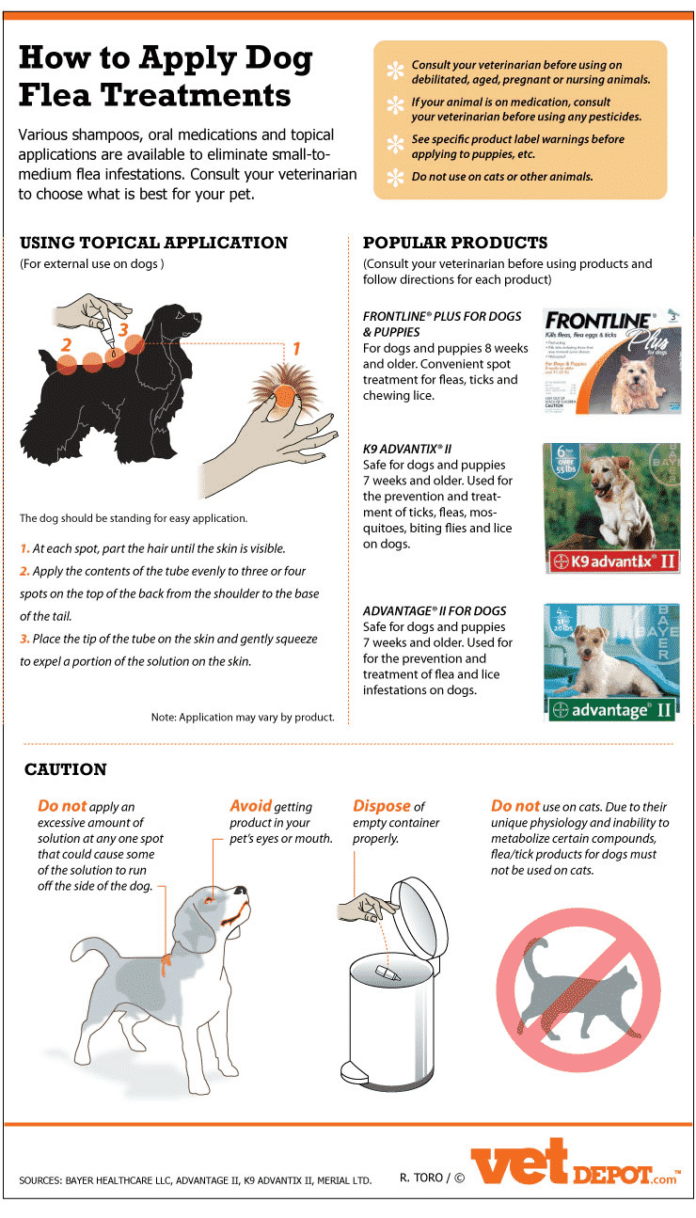 If the dog is suspected to be allergic to some food or nutrient ingredient, your vet will recommend implementation of elimination diet that should help you detect the type of food that causes the problem.
Commercial hypoalergenic dog food is also available and are used for this purpose too. If your dog is suffering from this type of allergy you must take strict care of your dog’s diet by avoiding the use of the particular nutrient for the rest of his life.
Do your best to prevent your dog’s exposure to cigarette smoke and warn smokers to avoid smoking in the presence of your pet because it is irritating for most of the animals, and it is also one of the main causes of allergies in dogs.
Make sure you maintain good hygiene of your dog. Regular bathing will remove substances from the dog’s fur that may be causing problems with skin allergies. Wash the dog’s toys, the food dishes and the water bowels regularly and vacuum the dog’s bedding often.
Try to eliminate indoor moisture as much as possible to prevent the occurrence of allergies caused by fungi and mold. Provide effective dust mite control and remove the objects that are potential dust collectors.
In a season when the amount of pollen is larger decrease the walks with your dog, and after returning home from walk in nature always wash the dog’s feet because this way some allergens from the outside can be brought inside the house.
If the dog is suspected to be allergic to some food or nutrient ingredient, your vet will recommend implementation of elimination diet that should help you detect the type of food that causes the problem.
Commercial hypoalergenic dog food is also available and are used for this purpose too. If your dog is suffering from this type of allergy you must take strict care of your dog’s diet by avoiding the use of the particular nutrient for the rest of his life.
Do your best to prevent your dog’s exposure to cigarette smoke and warn smokers to avoid smoking in the presence of your pet because it is irritating for most of the animals, and it is also one of the main causes of allergies in dogs.
Make sure you maintain good hygiene of your dog. Regular bathing will remove substances from the dog’s fur that may be causing problems with skin allergies. Wash the dog’s toys, the food dishes and the water bowels regularly and vacuum the dog’s bedding often.
Try to eliminate indoor moisture as much as possible to prevent the occurrence of allergies caused by fungi and mold. Provide effective dust mite control and remove the objects that are potential dust collectors.
In a season when the amount of pollen is larger decrease the walks with your dog, and after returning home from walk in nature always wash the dog’s feet because this way some allergens from the outside can be brought inside the house.
 Apoquel (Oclacitinib) is a new type of anti-allergy treatment available for veterinary use. The effects of Oclacitinib are to prevent itching and stop the inflammatory processes that occur during allergic reactions by selectively inhibiting Janus kinase-1 (JAK-1) and Janus kinase-3 (JAK-3). This drug should not be used in dogs younger than 12 months of age, in breeding and nursing females, as well as in dogs with severe skin infections problems.
Symptomatic topical therapy is consisted of medicated shampoos, rinses and anti-itch solutions. It has immediate but temporary itching relief effect. Cool baths with medicated (hypoallergenic or colloidal oatmeal) shampoos are often used for dogs suffering from atopic dermatitis. Hydrocortisone shampoos can temporarily reduce the itching and help the dog feel less uncomfortable.
Topical sprays and lotions containing cortisone are commonly used for localized itching (Cortispray is a non-systematic cortisone spray with local effect which is not absorbed in the bloodstream).
Frequent bathing is recommended because it removes the allergens from the dog’s coat and prevents them to be absorbed in the body through the skin. Make sure you do your best to prevent the dog to lick the topical medications administered on the skin.
Apoquel (Oclacitinib) is a new type of anti-allergy treatment available for veterinary use. The effects of Oclacitinib are to prevent itching and stop the inflammatory processes that occur during allergic reactions by selectively inhibiting Janus kinase-1 (JAK-1) and Janus kinase-3 (JAK-3). This drug should not be used in dogs younger than 12 months of age, in breeding and nursing females, as well as in dogs with severe skin infections problems.
Symptomatic topical therapy is consisted of medicated shampoos, rinses and anti-itch solutions. It has immediate but temporary itching relief effect. Cool baths with medicated (hypoallergenic or colloidal oatmeal) shampoos are often used for dogs suffering from atopic dermatitis. Hydrocortisone shampoos can temporarily reduce the itching and help the dog feel less uncomfortable.
Topical sprays and lotions containing cortisone are commonly used for localized itching (Cortispray is a non-systematic cortisone spray with local effect which is not absorbed in the bloodstream).
Frequent bathing is recommended because it removes the allergens from the dog’s coat and prevents them to be absorbed in the body through the skin. Make sure you do your best to prevent the dog to lick the topical medications administered on the skin.
 Beside the therapy you should try to avoid the dog’s exposure to the allergen as much as possible. You should always inform your trusted veterinarian about all the unusual changes you will eventually notice in your dog or the dog’s behavior.
Remember that you can do a lot to help your dog to successfully overcome this health issue, with a lot of patience, with a lot of perseverance, and above all with lots of love…
Beside the therapy you should try to avoid the dog’s exposure to the allergen as much as possible. You should always inform your trusted veterinarian about all the unusual changes you will eventually notice in your dog or the dog’s behavior.
Remember that you can do a lot to help your dog to successfully overcome this health issue, with a lot of patience, with a lot of perseverance, and above all with lots of love… 
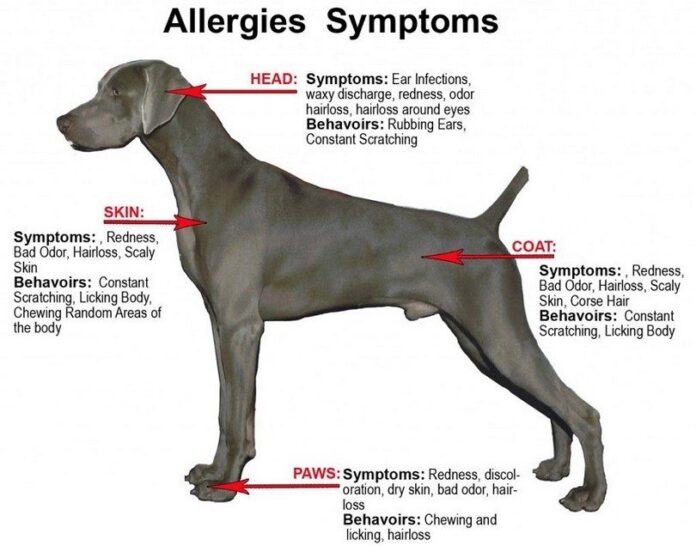 Symptoms of this type of dermatitis are lesions on a dog’s skin that have little hair such as abdomen, nose, lips or back paws. The affected areas have small bumps or blisters on them that are very itchy and red.
The best thing you can do to help a dog with allergic contact dermatitis is to find what exactly makes it allergic. If you fail to identify the source of dermatitis, then you can try to avoid any source of illness. Sometimes vets recommended steroid therapy, but this method is not always effective.
Symptoms of this type of dermatitis are lesions on a dog’s skin that have little hair such as abdomen, nose, lips or back paws. The affected areas have small bumps or blisters on them that are very itchy and red.
The best thing you can do to help a dog with allergic contact dermatitis is to find what exactly makes it allergic. If you fail to identify the source of dermatitis, then you can try to avoid any source of illness. Sometimes vets recommended steroid therapy, but this method is not always effective.
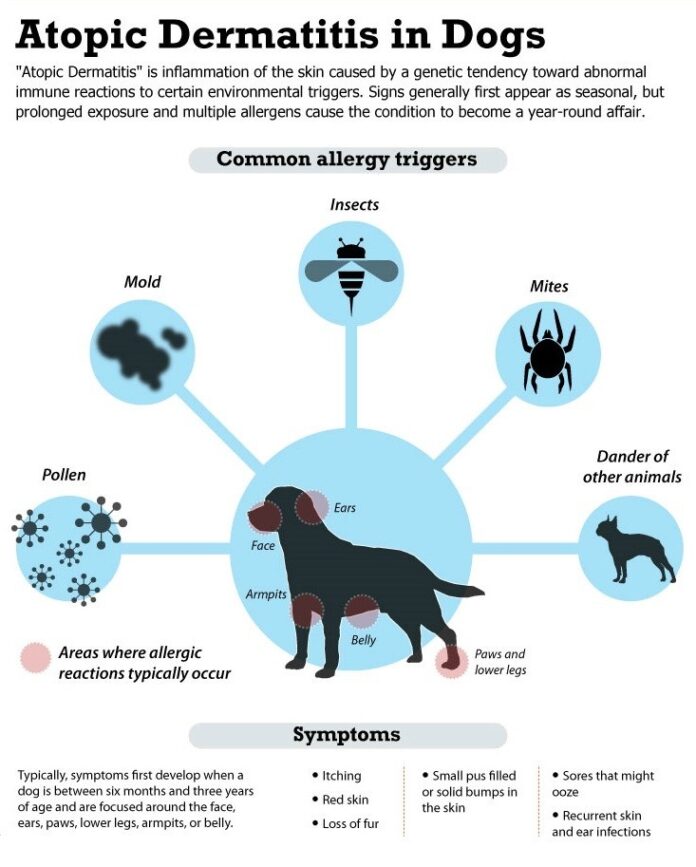 The only correct diagnosis can be established after taking intradermal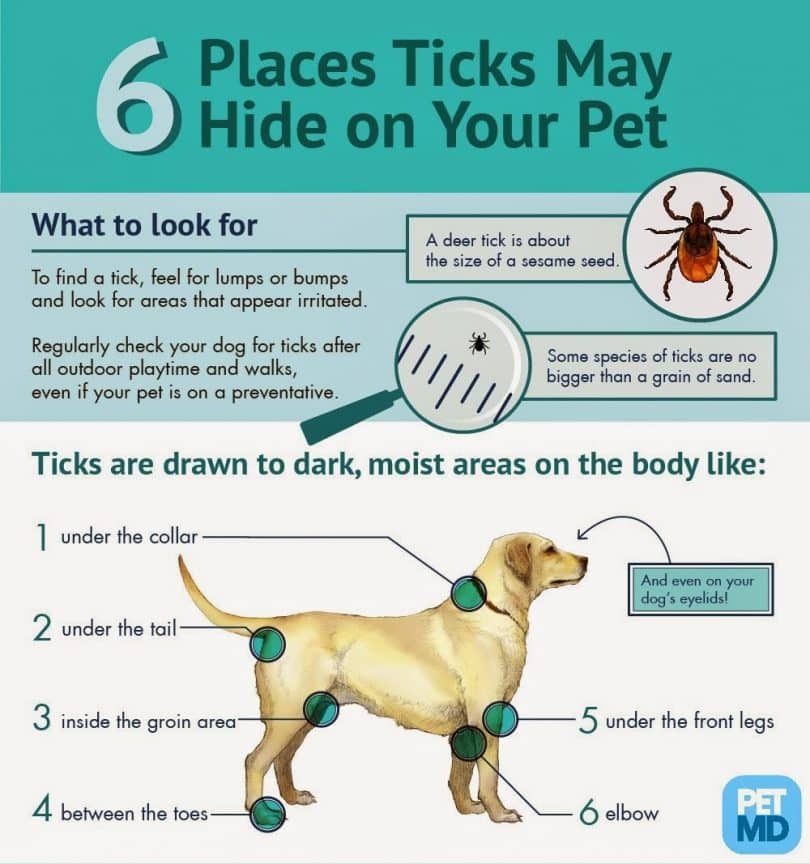
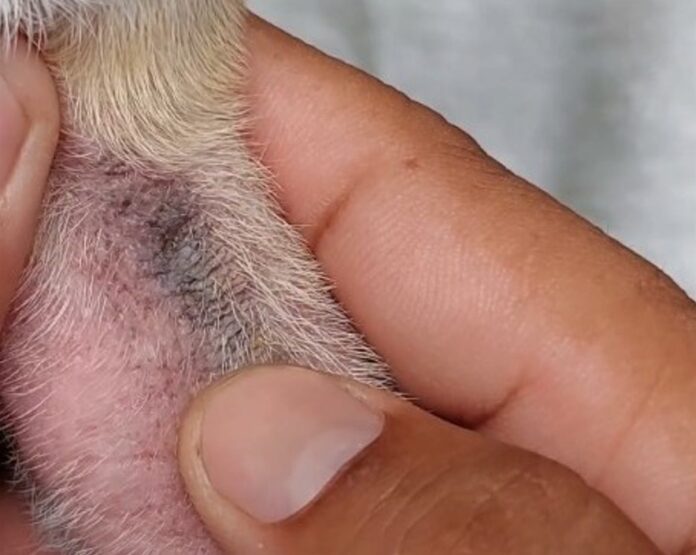 Whether it is scabies or other dog skin affection, dog owners often make mistakes because they do not understand how serious these diseases are and how much they can affect a dog’s general health condition.
Dog owners tend to wait for too long before taking their dogs to the vet. Dogs are often already weakened by injuries. Not to mention that dog owners apply different treatments without knowing what they are doing, listening to neighbors, and so on.
A vet can simply explain all about the disease that affects one’s dog, about how to treat it and what to expect in terms of treatment, which can last for a long period of time. The treatment should not be stopped immediately after a dog shows signs of improvement regardless of which skin affection it suffers from.
Its treatment should be continued until the veterinarian decides it is totally healed. Relapses have a good chance to reoccur if the hygiene and nutrition conditions are not met, so there is a lot of responsibility on a dog owner’s shoulders.
Whether it is scabies or other dog skin affection, dog owners often make mistakes because they do not understand how serious these diseases are and how much they can affect a dog’s general health condition.
Dog owners tend to wait for too long before taking their dogs to the vet. Dogs are often already weakened by injuries. Not to mention that dog owners apply different treatments without knowing what they are doing, listening to neighbors, and so on.
A vet can simply explain all about the disease that affects one’s dog, about how to treat it and what to expect in terms of treatment, which can last for a long period of time. The treatment should not be stopped immediately after a dog shows signs of improvement regardless of which skin affection it suffers from.
Its treatment should be continued until the veterinarian decides it is totally healed. Relapses have a good chance to reoccur if the hygiene and nutrition conditions are not met, so there is a lot of responsibility on a dog owner’s shoulders.

 Veterinarians attribute the appearance of allergies to a weak digestive system, problems in the immune system, as well as to heredity. The good news is there are steps that you can take to help alleviate or even treat your dog’s allergies.
The whole treatment includes a healthy diet, proper bathing, and grooming, application of topical ointments, as well as the use of medications. But first, we need to understand…
Veterinarians attribute the appearance of allergies to a weak digestive system, problems in the immune system, as well as to heredity. The good news is there are steps that you can take to help alleviate or even treat your dog’s allergies.
The whole treatment includes a healthy diet, proper bathing, and grooming, application of topical ointments, as well as the use of medications. But first, we need to understand…
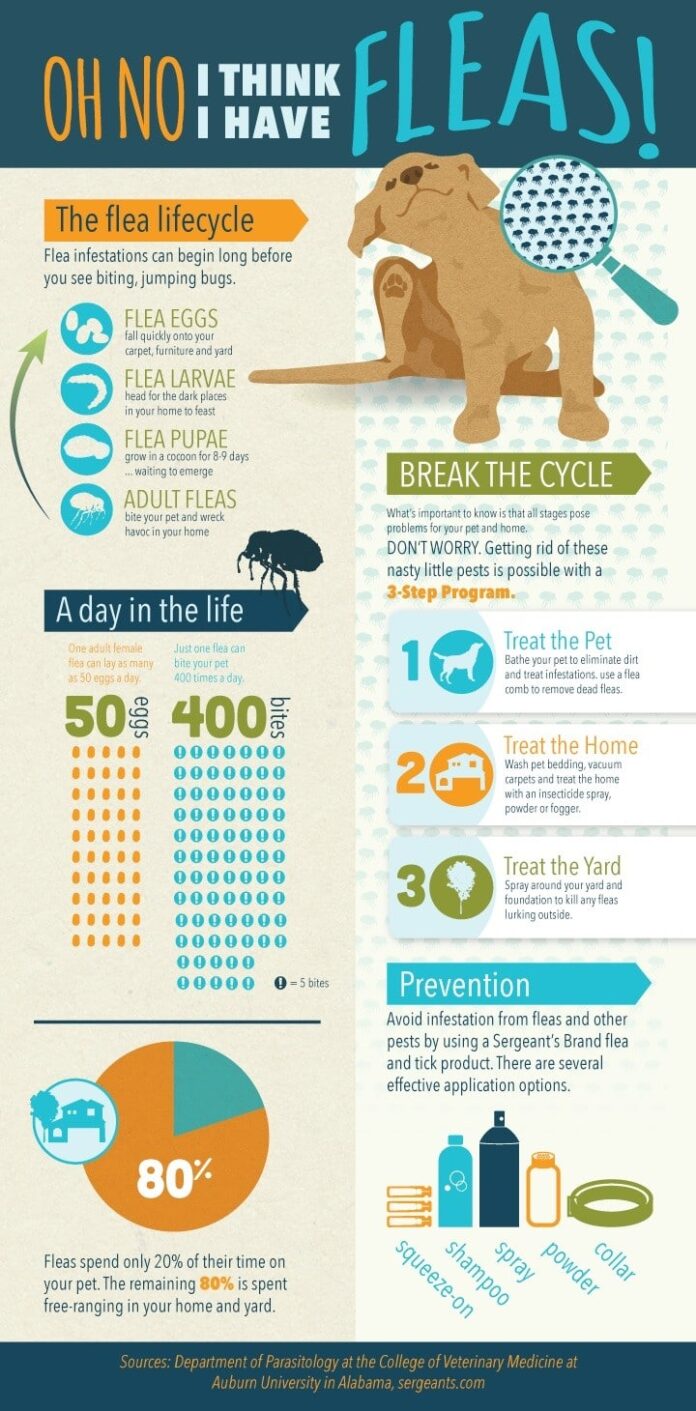 Knowing the source or cause of the allergy will help provide guidelines on what to do with your dog’s condition. Through this, you will know what activities to avoid and measures to implement in order to lessen the amount of allergen which may be present in their immediate surroundings.
 It is important however to make use of both methods, treating the symptom as well as the root cause, in order to get the best results for your dog. Not only will it benefit your pet, you will also enjoy less stress, especially at night when they whine and scratch persistently.
 Dogs can also develop allergies just like humans and this can cause a lot of skin problems to them. Dry, itchy, red, and swollen skin are just some of the indicators that your dog may already be experiencing allergies which is why it is important to use a shampoo made specifically for addressing these problems without causing further harm.
Dog shampoo for allergies is formulated with properties that help control the growth of bacteria, yeast, fungi, and inflammation which can worsen your dog’s skin as well as provide healing properties to help them take back the natural oils that will nourish your dog’s coat and skin.
What is good about these shampoos is that they aid in the treatment of the symptoms of allergies and some of their components can be absorbed through the skin to help promote better well-being for your dog.
These include the vitamins, minerals, and polyphenols that help regulate the body’s inflammatory reactions as well as provide detoxifying properties to help rid your dog of toxins that may be hampering the immune system’s response as well.
So not only do they help soothe your dog from the itching, redness, and swelling that often accompanies allergies they also help strengthen their bodies as well.
It should be noted however, dog shampoos are not the end of the treatment process for allergic dogs. One has to tackle their overall health as well and this includes the provision of a balanced and healthy diet that will help restore the normal functioning of your dog’s immune system.
This includes adding vitamins that have antioxidant properties such as vitamin A, C, and E to help promote the health of the immune system; fatty acids to help decrease inflammation and to regulate the health of your dog’s coat and fur; as well as the elimination of foods that your dog may be allergic to.
Keep in mind that shampoos can only do so much. If you’re interested in learning about other treatment methods, we have a great article on the
Dogs can also develop allergies just like humans and this can cause a lot of skin problems to them. Dry, itchy, red, and swollen skin are just some of the indicators that your dog may already be experiencing allergies which is why it is important to use a shampoo made specifically for addressing these problems without causing further harm.
Dog shampoo for allergies is formulated with properties that help control the growth of bacteria, yeast, fungi, and inflammation which can worsen your dog’s skin as well as provide healing properties to help them take back the natural oils that will nourish your dog’s coat and skin.
What is good about these shampoos is that they aid in the treatment of the symptoms of allergies and some of their components can be absorbed through the skin to help promote better well-being for your dog.
These include the vitamins, minerals, and polyphenols that help regulate the body’s inflammatory reactions as well as provide detoxifying properties to help rid your dog of toxins that may be hampering the immune system’s response as well.
So not only do they help soothe your dog from the itching, redness, and swelling that often accompanies allergies they also help strengthen their bodies as well.
It should be noted however, dog shampoos are not the end of the treatment process for allergic dogs. One has to tackle their overall health as well and this includes the provision of a balanced and healthy diet that will help restore the normal functioning of your dog’s immune system.
This includes adding vitamins that have antioxidant properties such as vitamin A, C, and E to help promote the health of the immune system; fatty acids to help decrease inflammation and to regulate the health of your dog’s coat and fur; as well as the elimination of foods that your dog may be allergic to.
Keep in mind that shampoos can only do so much. If you’re interested in learning about other treatment methods, we have a great article on the 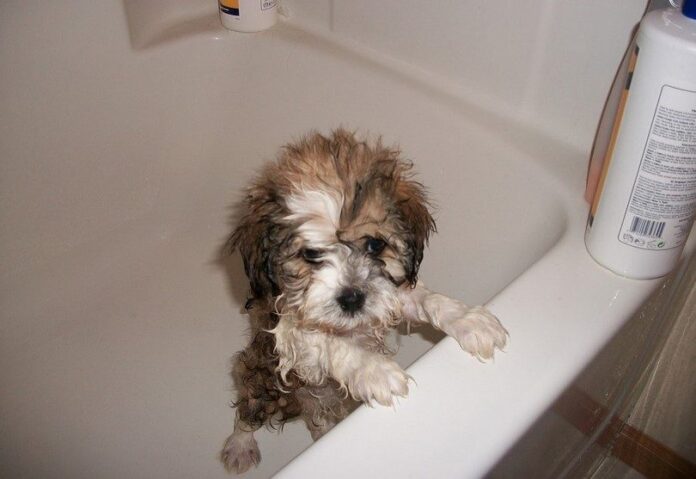 Just like us, dogs can develop allergies which can greatly affect their quality of life. They can suffer from swollen and teary eyes as well as persistent itching skin which can lead to infections and other skin problems.
Not all dog shampoos are suitable for a dog with allergies as they may contain ingredients that can actually harm and worsen their skin condition.
Look for dog shampoos for allergies such as those that contain oatmeal, aloe vera, hydrocortisone, and herbal ingredients which provide a natural anti-inflammatory, antibacterial, moisturizing, and healing effect for their skin.
Aside from this, complement them with other treatments such as allergy injections, steroids, and drug medications which are made to inhibit allergic reactions to provide overall comfort for your dog.
It’s possible that your dog may have another underlying skin condition that is causing his itching. If you’d like to know, we have a great article on
Just like us, dogs can develop allergies which can greatly affect their quality of life. They can suffer from swollen and teary eyes as well as persistent itching skin which can lead to infections and other skin problems.
Not all dog shampoos are suitable for a dog with allergies as they may contain ingredients that can actually harm and worsen their skin condition.
Look for dog shampoos for allergies such as those that contain oatmeal, aloe vera, hydrocortisone, and herbal ingredients which provide a natural anti-inflammatory, antibacterial, moisturizing, and healing effect for their skin.
Aside from this, complement them with other treatments such as allergy injections, steroids, and drug medications which are made to inhibit allergic reactions to provide overall comfort for your dog.
It’s possible that your dog may have another underlying skin condition that is causing his itching. If you’d like to know, we have a great article on 
 The cornerstone of good oral hygiene for dogs is regular brushing. Using a dog-friendly toothbrush and toothpaste, gently massage your pet’s teeth and gums. Begin slowly, allowing your dog to get accustomed to the process.
Making it a positive experience by offering praise or a small treat afterward can create a positive association with brushing. Aim for consistency, brushing your dog’s teeth at least two to three times a week to prevent the buildup of plaque and tartar.
This routine not only maintains dental health but also strengthens the bond between you and your furry friend. Remember to
The cornerstone of good oral hygiene for dogs is regular brushing. Using a dog-friendly toothbrush and toothpaste, gently massage your pet’s teeth and gums. Begin slowly, allowing your dog to get accustomed to the process.
Making it a positive experience by offering praise or a small treat afterward can create a positive association with brushing. Aim for consistency, brushing your dog’s teeth at least two to three times a week to prevent the buildup of plaque and tartar.
This routine not only maintains dental health but also strengthens the bond between you and your furry friend. Remember to 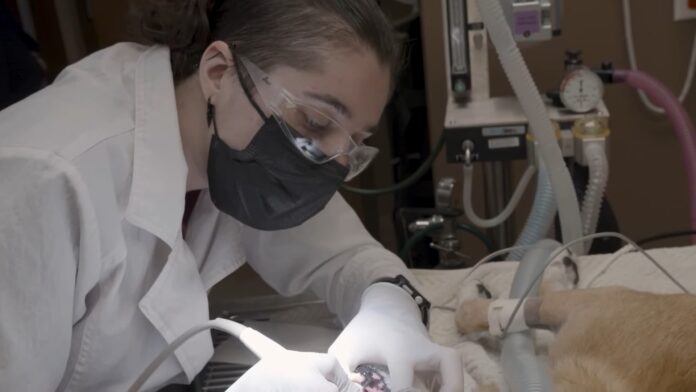 Regular veterinary check-ups are essential for monitoring your dog’s dental health. During these visits, your veterinarian can identify any emerging dental issues and provide professional cleanings when necessary.
These cleanings involve scaling and polishing your dog’s teeth, ensuring a thorough removal of plaque and tartar. Professional dental care is crucial for maintaining your dog’s oral health over the long term, addressing potential problems before they escalate and cause discomfort for your pet.
Schedule regular dental check-ups in consultation with your vet to stay proactive about your dog’s dental well-being.
Regular veterinary check-ups are essential for monitoring your dog’s dental health. During these visits, your veterinarian can identify any emerging dental issues and provide professional cleanings when necessary.
These cleanings involve scaling and polishing your dog’s teeth, ensuring a thorough removal of plaque and tartar. Professional dental care is crucial for maintaining your dog’s oral health over the long term, addressing potential problems before they escalate and cause discomfort for your pet.
Schedule regular dental check-ups in consultation with your vet to stay proactive about your dog’s dental well-being.
 In addition to brushing and providing dental treats, consider incorporating water additives into your dog’s routine. There are specially formulated water additives available that can help control plaque and fight bacteria in your dog’s mouth.
These additives are easy to use; simply add them to your dog’s water bowl according to the instructions. While they’re not a substitute for brushing, they can be a valuable addition to your dog’s oral care regimen, promoting fresher breath and overall dental health.
Introduce water additives gradually and monitor your dog’s water intake to ensure they adapt well to the change.
In addition to brushing and providing dental treats, consider incorporating water additives into your dog’s routine. There are specially formulated water additives available that can help control plaque and fight bacteria in your dog’s mouth.
These additives are easy to use; simply add them to your dog’s water bowl according to the instructions. While they’re not a substitute for brushing, they can be a valuable addition to your dog’s oral care regimen, promoting fresher breath and overall dental health.
Introduce water additives gradually and monitor your dog’s water intake to ensure they adapt well to the change.
 Chewing is a natural behavior for dogs and an effective way to promote dental health. Offer a variety of dental toys designed to encourage chewing, as this helps remove plaque and tartar.
Look for toys with textured surfaces that can reach different areas of the teeth, providing a comprehensive cleaning effect. Durable rubber toys also serve the dual purpose of promoting
Chewing is a natural behavior for dogs and an effective way to promote dental health. Offer a variety of dental toys designed to encourage chewing, as this helps remove plaque and tartar.
Look for toys with textured surfaces that can reach different areas of the teeth, providing a comprehensive cleaning effect. Durable rubber toys also serve the dual purpose of promoting 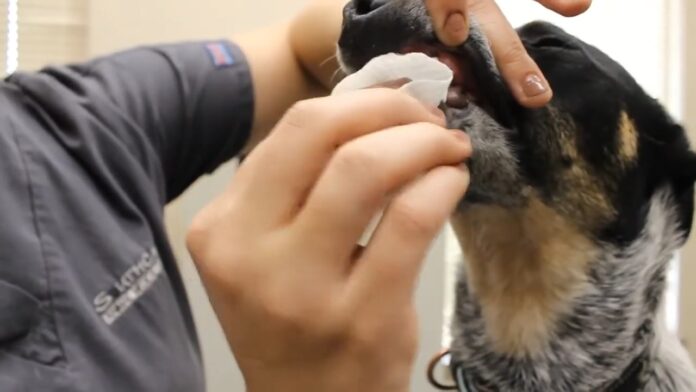 In addition to brushing, consider using dental wipes or pads specifically designed for dogs. These products offer an alternative method to maintain your dog’s oral hygiene, especially if they are resistant to traditional brushing.
Gently rub the dental wipe or pad along your dog’s teeth and gums, focusing on areas where plaque tends to accumulate.
Choose wipes with canine-friendly ingredients that help control bacteria and freshen your breath. While dental wipes can complement your overall dental care routine, they are not a substitute for regular brushing. Incorporate them as part of a comprehensive strategy to keep your dog’s teeth clean and healthy.
In addition to brushing, consider using dental wipes or pads specifically designed for dogs. These products offer an alternative method to maintain your dog’s oral hygiene, especially if they are resistant to traditional brushing.
Gently rub the dental wipe or pad along your dog’s teeth and gums, focusing on areas where plaque tends to accumulate.
Choose wipes with canine-friendly ingredients that help control bacteria and freshen your breath. While dental wipes can complement your overall dental care routine, they are not a substitute for regular brushing. Incorporate them as part of a comprehensive strategy to keep your dog’s teeth clean and healthy.
 Below is a list of the most common allergens. This list could go a long way in terms of giving you a heads up on what you should prevent your pet from being exposed to.
 All dogs serve as a source of love, affection, and companionship for their owners. Without exception, these pets bring much joy to their loving parents. However, when it comes to having allergies, not all dogs are created equal.
While it is true that as responsible pet owners, we must be vigilant about protecting our dogs’ health regardless of breed, it is important to note that there are a number of dog breeds that are more highly predisposed to having allergies than others.
If you are an owner of any of the breeds given in the list below, please note that your pet may require careful monitoring and special care, especially in terms of the food that they consume, the products you use on them and on your home, as well as the places that you bring them to. These breeds run a high risk of having a negative reaction to one or more allergens.
All dogs serve as a source of love, affection, and companionship for their owners. Without exception, these pets bring much joy to their loving parents. However, when it comes to having allergies, not all dogs are created equal.
While it is true that as responsible pet owners, we must be vigilant about protecting our dogs’ health regardless of breed, it is important to note that there are a number of dog breeds that are more highly predisposed to having allergies than others.
If you are an owner of any of the breeds given in the list below, please note that your pet may require careful monitoring and special care, especially in terms of the food that they consume, the products you use on them and on your home, as well as the places that you bring them to. These breeds run a high risk of having a negative reaction to one or more allergens.
 Depending on the type of allergen and the means of exposure, dogs may exhibit different symptoms and signs of dog allergies. Moreover, given that humans and dogs share some of the most common allergy symptoms, identifying them as they appear can often be done with ease.
 Upon observation of any common signs of dog allergies, you should pay a visit to your veterinarian. The earlier the management has been initiated, the sooner the treatment will be administered. There have been reported cases of deaths because the pet parent had the misconception that the allergy symptoms in dogs will just “go away.” This is usually not the case.
If symptoms are left unaddressed, more serious complications are likely to emerge. A quick visit to your veterinarian can reveal the important details related to the allergic reaction. Moreover, timely blood tests, administration of medication, and diet modification can go a long way toward getting your pet back in shape.
Upon observation of any common signs of dog allergies, you should pay a visit to your veterinarian. The earlier the management has been initiated, the sooner the treatment will be administered. There have been reported cases of deaths because the pet parent had the misconception that the allergy symptoms in dogs will just “go away.” This is usually not the case.
If symptoms are left unaddressed, more serious complications are likely to emerge. A quick visit to your veterinarian can reveal the important details related to the allergic reaction. Moreover, timely blood tests, administration of medication, and diet modification can go a long way toward getting your pet back in shape.
 Once your veterinarian clears your dog of allergic reaction, you can start reintroducing the usual foods that your pet consumes to determine which ones are triggering the allergic reaction. It should be emphasized that your dog should not consume anything outside the prescribed diet, which should include treats,
  Hygiene is also important for dogs. Scheduled bathing not only relieves itching and removes potential allergens from your dog’s skin, but also improves comfort and health. You may consult your vet regarding the ideal bathing frequency and the ideal shampoo that is suitable for your dog’s needs.
Keep in mind that frequent bathing may actually be more harmful than helpful, as it may dry out skin, especially when using the wrong product. If the problem is food allergy, your veterinarian can prescribe a hydrolyzed protein diet until the specific allergen has been determined. Thereafter, your vet will recommend a specific food list or possibly a home-cooked diet.
There are certain substances that cannot be removed from the environment. However, your veterinarian may suggest medications that may alleviate any allergic reaction. Allergy injections can be administered to dogs that are sensitive to airborne allergens. The mechanism of these injections is that they enhance the resistance of your pet to the allergen. Immune-modulating drugs can also help.
Meanwhile, when fleas are to blame, there are numerous flea-preventing products that can be applied on your dog’s skin on a monthly basis. Supplements, medicated shampoos, and sprays can also soothe existing skin infections caused by allergies. A holistic treatment approach can be suggested by your veterinarian depending on the existing allergy symptoms.
If you’re interested in what shampoos work best on dog allergies, take a look at our article on how to
Hygiene is also important for dogs. Scheduled bathing not only relieves itching and removes potential allergens from your dog’s skin, but also improves comfort and health. You may consult your vet regarding the ideal bathing frequency and the ideal shampoo that is suitable for your dog’s needs.
Keep in mind that frequent bathing may actually be more harmful than helpful, as it may dry out skin, especially when using the wrong product. If the problem is food allergy, your veterinarian can prescribe a hydrolyzed protein diet until the specific allergen has been determined. Thereafter, your vet will recommend a specific food list or possibly a home-cooked diet.
There are certain substances that cannot be removed from the environment. However, your veterinarian may suggest medications that may alleviate any allergic reaction. Allergy injections can be administered to dogs that are sensitive to airborne allergens. The mechanism of these injections is that they enhance the resistance of your pet to the allergen. Immune-modulating drugs can also help.
Meanwhile, when fleas are to blame, there are numerous flea-preventing products that can be applied on your dog’s skin on a monthly basis. Supplements, medicated shampoos, and sprays can also soothe existing skin infections caused by allergies. A holistic treatment approach can be suggested by your veterinarian depending on the existing allergy symptoms.
If you’re interested in what shampoos work best on dog allergies, take a look at our article on how to  With the amount of love and joy that they bring into our lives, our dogs deserve the best possible care from us. For many pet parents, any sign of illness or discomfort in our dogs would cause us to feel anxious and worried.
It is important that we understand the unique needs of our pets and that we take all the necessary steps to ensure that our dogs remain in optimum health. Like humans, dogs deserve the best quality of life, which can be achieved in a great home environment that is free from any health hazards.
Pet parents should work for hand in hand with a veterinarian to provide the best possible treatment for afflicted pets and to help ensure that the necessary precautions are taken to prevent any negative reaction from reoccurring in the future.
When dogs’ health needs are met, pet parents are sure to be rewarded with countless more years of loyalty and affection.
With the amount of love and joy that they bring into our lives, our dogs deserve the best possible care from us. For many pet parents, any sign of illness or discomfort in our dogs would cause us to feel anxious and worried.
It is important that we understand the unique needs of our pets and that we take all the necessary steps to ensure that our dogs remain in optimum health. Like humans, dogs deserve the best quality of life, which can be achieved in a great home environment that is free from any health hazards.
Pet parents should work for hand in hand with a veterinarian to provide the best possible treatment for afflicted pets and to help ensure that the necessary precautions are taken to prevent any negative reaction from reoccurring in the future.
When dogs’ health needs are met, pet parents are sure to be rewarded with countless more years of loyalty and affection. 

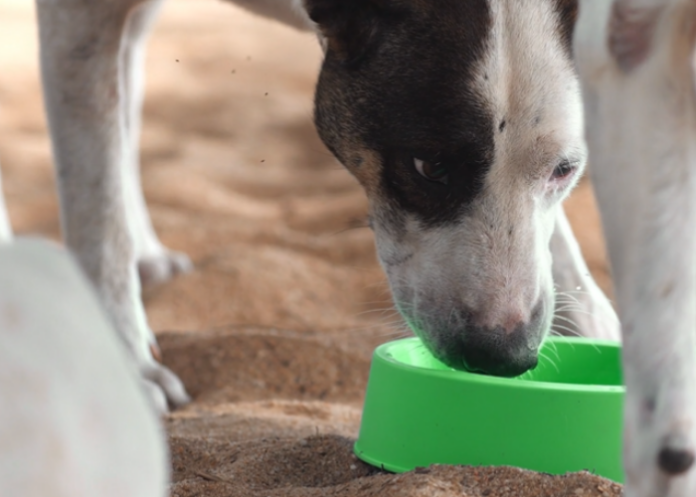
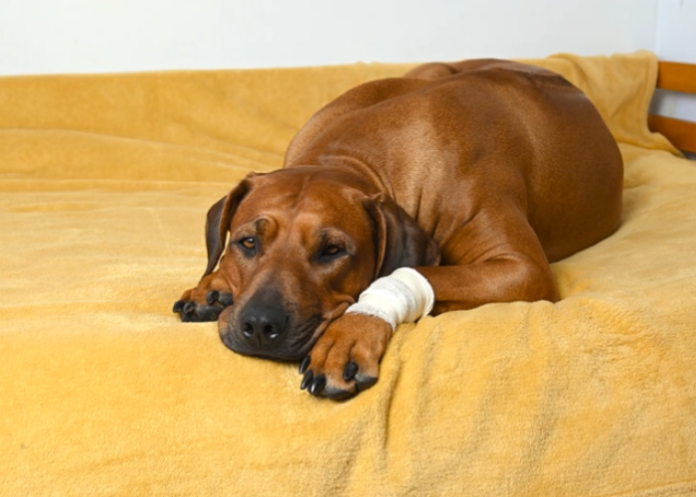
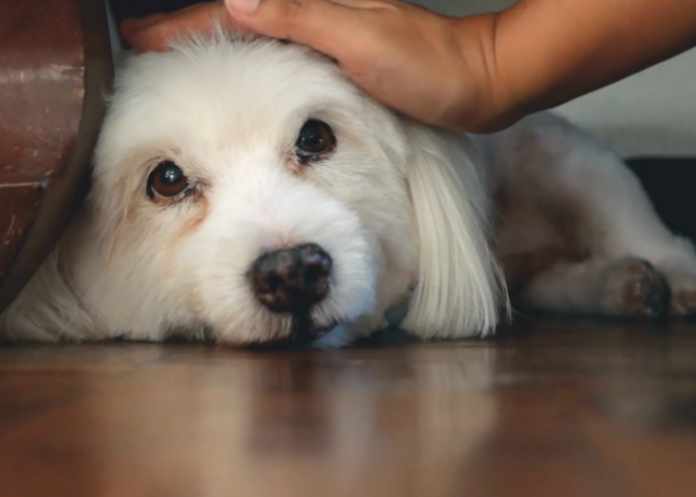

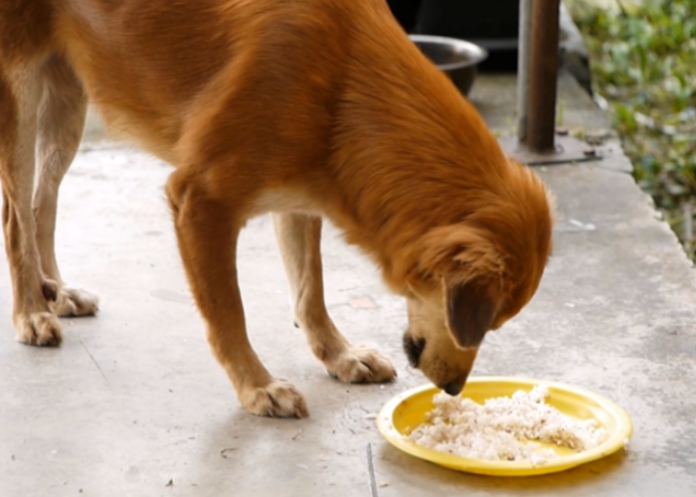
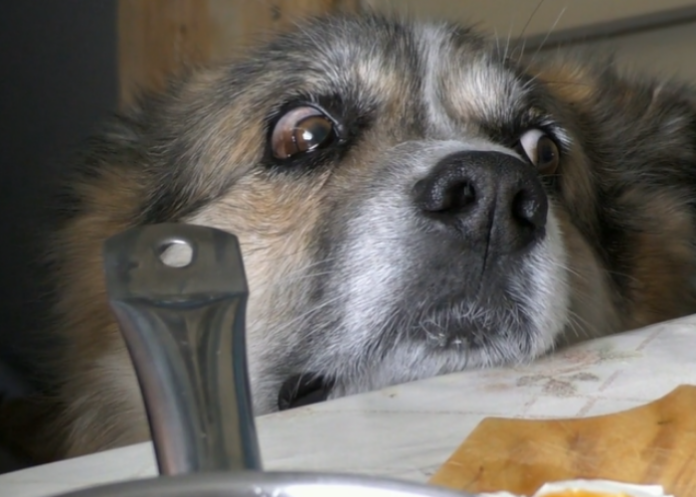 As seen, for most dogs there is a critical period of 3 days when you can try different tricks to feed them, but there are some cases when you have to act immediately. These cases are:
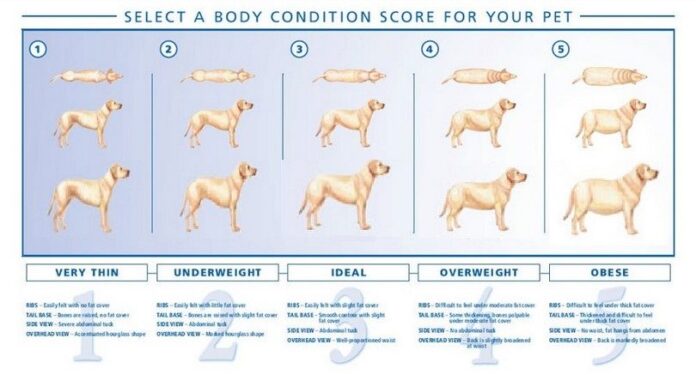 Do not wait until your dog is visibly weaker and it barely moves. Take action before the situation aggravates. There are times when you can’t do anything but take your dog to the vet.


 Your vet can help you come up with a plan of action, including recommending how much your dog should eat. Regular checkups will also help Fido to stay on track, although many pet parents weigh their dogs at home in between visits to monitor their dog’s weight.
If you have trouble getting your pup to balance on the scale, try this trick: weigh yourself, then stop off the scale, pick up your pup, and step back on the scale. Then simply subtract the two numbers to find your dog’s weight. If your dog is too heavy to comfortably pick up, most vets will happily weigh your dogs free of charge.
Your vet can help you come up with a plan of action, including recommending how much your dog should eat. Regular checkups will also help Fido to stay on track, although many pet parents weigh their dogs at home in between visits to monitor their dog’s weight.
If you have trouble getting your pup to balance on the scale, try this trick: weigh yourself, then stop off the scale, pick up your pup, and step back on the scale. Then simply subtract the two numbers to find your dog’s weight. If your dog is too heavy to comfortably pick up, most vets will happily weigh your dogs free of charge.
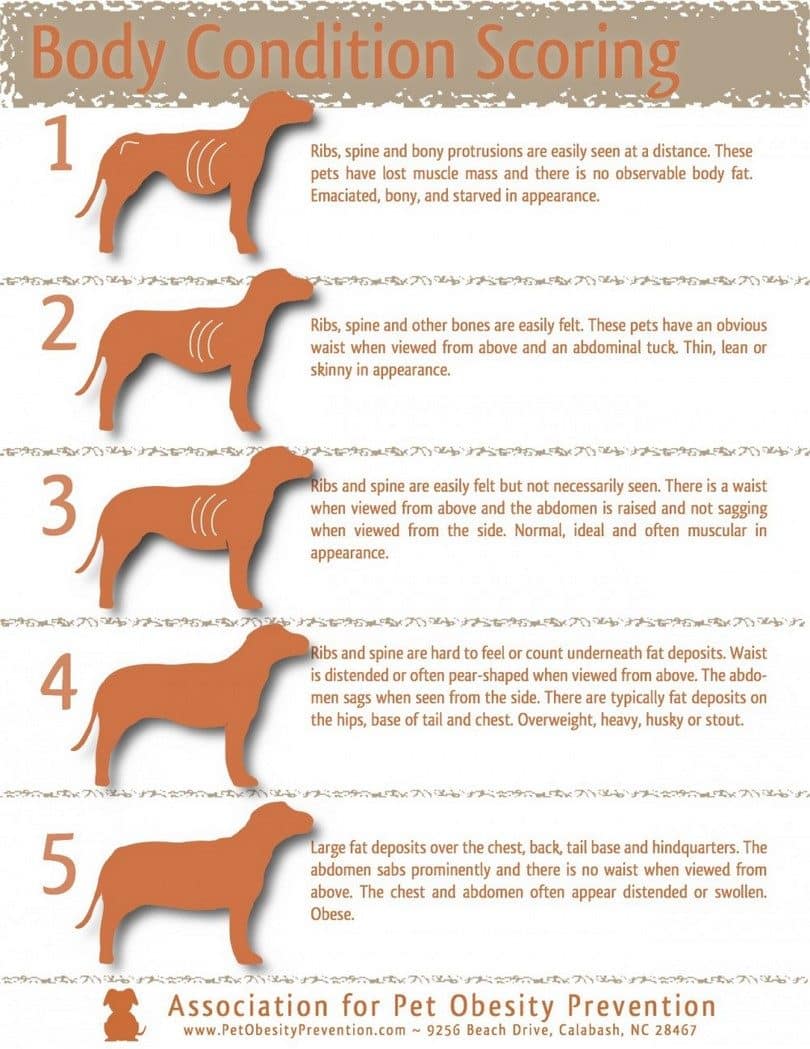 Next, you want to determine his resting energy requirement (RER for short):

 In addition to making sure your dog’s feeding amounts are correct, the other way to ensure your dog’s weight stays in check is to control the number of treats you give and limit table scraps. It is also essential to exercise your dog daily.
The good news is that exercise for your pup doesn’t necessarily mean exercise for the owner; if your dog loves swimming, take him to a dog-friendly lake, and if he gets along well with other dogs, take a visit to your local dog park where he can run to his heart’s content.
If you’d like to learn more about ho to help your pudgy pooch, take a look at this article on
In addition to making sure your dog’s feeding amounts are correct, the other way to ensure your dog’s weight stays in check is to control the number of treats you give and limit table scraps. It is also essential to exercise your dog daily.
The good news is that exercise for your pup doesn’t necessarily mean exercise for the owner; if your dog loves swimming, take him to a dog-friendly lake, and if he gets along well with other dogs, take a visit to your local dog park where he can run to his heart’s content.
If you’d like to learn more about ho to help your pudgy pooch, take a look at this article on  There are many factors to take into consideration when it comes to figuring out how much to feed your dog:

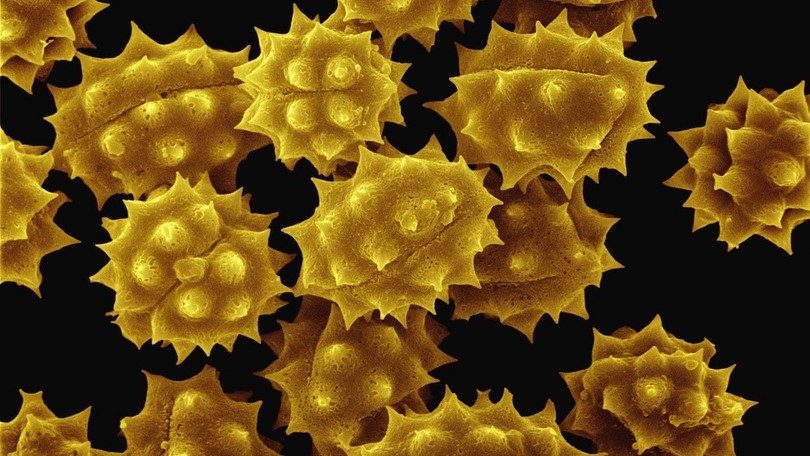 Humans, of course, have airborne allergies as well, but symptoms typically manifest themselves in the form of sneezing and itchy, watery, and red eyes. While dogs can also exhibit these symptoms, scratching and licking (particular of the paws) is the most common symptom.
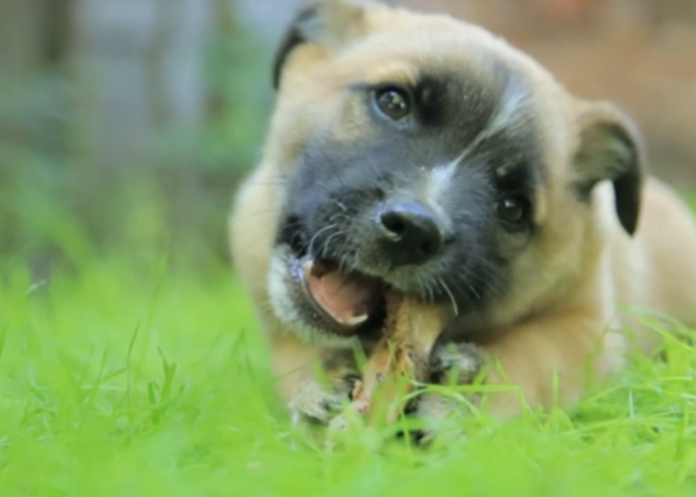 Food allergies, while not as common as airborne allergies, can still present problems for your dog. Many pet owners can overlook the possibility of a food allergy because dogs can develop an allergy to food over time. So while Fido might have been doing perfectly fine on a particular brand, that doesn’t necessarily mean that particular food will not cause problems in the future.
Additionally, many pet owners confuse the more common issue of food intolerance with the not-so-common food allergy. The former is a digestive problem when a dog’s digestive system simply cannot tolerate (or digest) a certain ingredient in the food.
The symptoms of food intolerance are more likely to include gas, bloating, vomiting, and upset stomach. The latter—food allergy—is an immune response that occurs when the immune system identifies a certain ingredient as harmful, which in turn causes the body to create antibodies to defend the body from the offending ingredient. Dogs with food allergies exhibit much of the same symptoms that are typically associated with airborne allergies, such as scratching and licking, so diagnosis can be a long process.
Food allergies only account for 10% of allergies in dogs, but pet owners should still strive to feed their
Food allergies, while not as common as airborne allergies, can still present problems for your dog. Many pet owners can overlook the possibility of a food allergy because dogs can develop an allergy to food over time. So while Fido might have been doing perfectly fine on a particular brand, that doesn’t necessarily mean that particular food will not cause problems in the future.
Additionally, many pet owners confuse the more common issue of food intolerance with the not-so-common food allergy. The former is a digestive problem when a dog’s digestive system simply cannot tolerate (or digest) a certain ingredient in the food.
The symptoms of food intolerance are more likely to include gas, bloating, vomiting, and upset stomach. The latter—food allergy—is an immune response that occurs when the immune system identifies a certain ingredient as harmful, which in turn causes the body to create antibodies to defend the body from the offending ingredient. Dogs with food allergies exhibit much of the same symptoms that are typically associated with airborne allergies, such as scratching and licking, so diagnosis can be a long process.
Food allergies only account for 10% of allergies in dogs, but pet owners should still strive to feed their 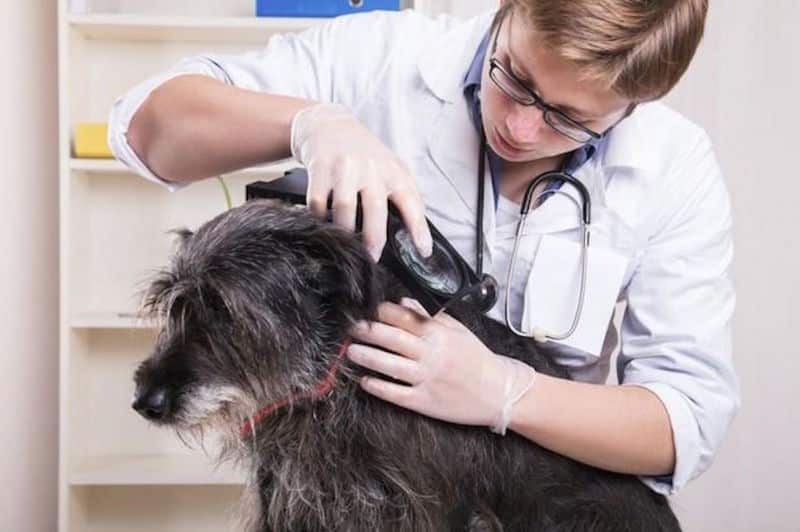 Since fleas are difficult to see with the naked eye (especially if your dog has a long or thick coat), it can be difficult to diagnose this specific type of allergy.
 For food allergies, however, the most popular method of diagnosing dogs is an elimination diet. While intradermal and serum testing are very efficient at identifying environmental allergens, the same cannot be said of food allergies.
Your vet will provide you instructions on how to perform an elimination diet, but your can expect to remove all familiar food from your dog’s current diet (including all treats, rawhide bones, and flavored medications) for around 12 weeks and instead start from scratch with a meal of a simple protein and a carbohydrate.
Vets usually prefer for dogs to be given a protein that they have not been previously offered, such as rabbit or fish, in case a common protein, such as chicken, is the offending ingredient. Slowly, you will begin adding certain ingredients back into your dog’s diet, which will help you to determine what your dog is allergic to.
For food allergies, however, the most popular method of diagnosing dogs is an elimination diet. While intradermal and serum testing are very efficient at identifying environmental allergens, the same cannot be said of food allergies.
Your vet will provide you instructions on how to perform an elimination diet, but your can expect to remove all familiar food from your dog’s current diet (including all treats, rawhide bones, and flavored medications) for around 12 weeks and instead start from scratch with a meal of a simple protein and a carbohydrate.
Vets usually prefer for dogs to be given a protein that they have not been previously offered, such as rabbit or fish, in case a common protein, such as chicken, is the offending ingredient. Slowly, you will begin adding certain ingredients back into your dog’s diet, which will help you to determine what your dog is allergic to.
 You can find special shampoos in your local pet store or online that are specially made for this purpose. Additionally, try rinsing your
 This is also, known to induce the dog into cardiac arrest at the end of a heavy shock when the stomach starts to actually feel filled and growing. The golden rule of bloating up observation is ‘RUN TO THE VET NOW’!!!
 This brings us to the traditional methods of aiding dogs with bloating up. Provide pulps and juices of the following fruits or products to relieve your dog of the pain of bloating up.
 Here are a few modern ways of treating a bloated before it turns fatal:
 Apart from that, the pet needs care, attention, concern, and hygiene to be part of his growth. Remember that it is your own baby growing up with you, so treat neither too big nor too small, but never forget to respect him!
Here are a few guidelines to go over these troubles:
Apart from that, the pet needs care, attention, concern, and hygiene to be part of his growth. Remember that it is your own baby growing up with you, so treat neither too big nor too small, but never forget to respect him!
Here are a few guidelines to go over these troubles:
 Apart from all the mumbo jumbo of the technical doings of what bloating up really does to a dog, one must understand that the clarity lies in distinguishing the benign or malignant ailment in your dog during a bloating up.
Only through awareness and knowledge can one battle new obstacles to battle a good life for your pet so that you know how to prevent bloat in dogs. If your dog needs excess care and attention, you should do it effectively.
Be consistent, religious, and strict on your dog’s diet, exercise ad rest. This keeps a proper check on the health of your dog. A healthy dog is a fit and active dog. With stomach sensitivities, dogs tend to become introverted and retched. Create effective and durable communication with your dog to know when he is feeling well, happy, sad, or cranky!
Apart from all the mumbo jumbo of the technical doings of what bloating up really does to a dog, one must understand that the clarity lies in distinguishing the benign or malignant ailment in your dog during a bloating up.
Only through awareness and knowledge can one battle new obstacles to battle a good life for your pet so that you know how to prevent bloat in dogs. If your dog needs excess care and attention, you should do it effectively.
Be consistent, religious, and strict on your dog’s diet, exercise ad rest. This keeps a proper check on the health of your dog. A healthy dog is a fit and active dog. With stomach sensitivities, dogs tend to become introverted and retched. Create effective and durable communication with your dog to know when he is feeling well, happy, sad, or cranky!