Few skills are as essential to man’s best friend than knowing how to properly walk on a leash. However, dogs are not born with this ability; walking on a leash is most definitely a learned experience.
For one, dogs naturally walk faster than their humans (an understandable dilemma considering they have twice the amount of legs), so they must learn to slow their gait.
Additionally, our canines are prone to distractions, which is also understandable because of their incredible sense of smell.
So whether you are training an adult dog or puppy how to walk on a leash for the first time, don’t be surprised if they have a reaction similar to a fish caught on a line—thrashing about and trying to bite this bizarre addition.
The most important skill is actually on the owner’s end: patience. In addition to remaining calm, to ensure success you first need to determine which method of training you are going to use.
If you live in the United States, than having your dog trained to walk on a leash shouldn’t just be perk, it is most likely a law. In the majority of towns, national parks, and many counties, having a dog on a 6-foot leash is most likely a regulation, the breaking of which can carry fines.
Unleashed dogs that get away from their owners are at risk for being hit by a car, getting lost, or worst—stolen. Always be sure to have your dog’s identification and evidence of rabies vaccination attached to his collar.
Positive VS Negative Reinforcement
The majority of dog behavior experts and certified trainers agree: positive reinforcement is the best for training Fido. But just like with disciplining children, there are different schools of thought on which method produces the best results. For this reason, this article will discuss both methods of training.
Keep in mind that positive reinforcement has several advantages over the latter: first, it requires no special training, whereas negative reinforcement is best completed (or taught by) a professional trainer.
Secondly, everyone in the family can participate in Fido’s training if the method being used is positive reinforcement (as it would inappropriate for a child to use physical correction on a dog).
Finally, many pet behavior experts agree that a dog’s bond with his human is strengthened when he does not fear punishment. When dog owners reward the behaviors that are desirable and simply ignore the behaviors that are undesirable, the dog has a clear understanding of what his owner wants. However, positive reinforcement methods tend to work best for dogs that are very food-motivated.
Some dogs, however, could care less about a tasty treat, especially when there are distractions around. But not all positive reinforcement needs to include food: some dogs respond better to praise or physical affection like a quick ear scratch.
Negative reinforcement tends to get a bad rap because the name itself implies that is harmful or damaging, but the name simply means that your dog experiences something unpleasant when doing an undesired behavior: negative reinforcement is not synonymous with punishment; in fact, you should find another trainer if the one you are working with suggests any method that involves than more 1 second (literally) of physical correction like a quick collar jerk.
Another case that is made for the negative reinforcement camp is that positive reinforcement may not work for dogs that are very headstrong or overly excited: if the behavior (for example: trying to catch the cat that just ran out in the middle of the road) is more exciting than the reward (the bag of treats you have), positive training will have little effect.
In certain situations, making physical corrections to your dog will solve a behavioral problem in a short amount of time when nothing else works. Most importantly of all, negative reinforcement should never, ever, be used to cause physical harm to your dog; it is simply applying a negative stimulus to interrupt undesirable behavior.
It should go without saying that any negative reinforcement should never be done in anger or frustration. Training of any sort is much more effective if both human and dog are having a good time.
The Basics
If you have a puppy, or an adult dog that is a rescue, then your dog may have never worn a collar before. Before starting any training regimen, let your dog get used to a collar and the feel of the leash first.
The types of products you should buy are discussed more below, but if you have a simple flat, buckle style collar, start out with that. Once your dog has become accustomed to the new accessory, clip on the leash, but don’t head outside just yet. Let him trot around with it on and smell it.
If you’d like to learn a bit more about clicker training, check out this great article on clicker training your dog.
Be sure to start out your training in an area free from distractions (no new smells, loud noises, or other people or dogs). Inside your home in a hallway is ideal since your dog will not have the option to wander too far off to the side.
Once training sessions are progressing, you can move outside. Also be sure to have a high quality treat on hand. Small pieces of hot dogs or cooked, cubed chicken are great options.
Positive Reinforcement: Method #1
By far the most popular method for both adult dogs and puppies alike, method one is sometimes referred to as “red light/green light” or “stop and go.” The goal is to make your dog understand that if he pulls on the leash, forward progression stops.
Walking will only begin again once the leash has slacked. To begin, make sure you have a long area to walk that will not require any turns.
Starting at the end of the room, hallway, or the edge of your yard, attach the leash to your dog’s collar. If your canine is overexcited and jumping up, wait until he is completely calm before you try putting the leash on again. Now, begin walking. Your dog will most likely pull to the end of the leash so there is no slack. At this moment, come to an abrupt stop.
The second your dog looks around to you or starts heading back your direction, say “yes!” enthusiastically and immediately give a treat. You are teaching your dog two things here. First, that pulling gets him nowhere. Second, that he is rewarded for paying attention to you.
Instead of saying “yes!” you can also use a clicker specially designed for dog training. In the same manner, the moment your dog looks back to you, press the clicker and give a treat. Professional dog trainers often prefer clickers because it gives the handler the opportunity to tell the dog that he has done the right thing at the exact moment it happens.
To humans, the second or two delay before the reward comes makes no difference, and we can easily make the connection between the behavior and the following result, but for our dogs, that moment of hesitation from reaching in your pocket for a treat can make all the difference in the world.
After the treat is given, start walking again and repeat these steps. Prepare yourself for inevitable pulling and know that the first couple of weeks are not really walks, but more training sessions.
Again, if you become frustrated, take a break and try again later. It will take many sessions for your dog to realize that if he pulls, the result is coming to a dead halt. The goal here is for your dog to walk beside you or just slightly ahead so he can always be watching you—and waiting for a treat!
However, it is vital that owners remain consistent with this method of training: owners often get tired of stopping every couple of steps and sometimes just give in to the pulling. But this inconsistency is the equivalent of starting over from scratch with the training because your dog has just learned that pulling sometimes work.
Rest assured that he will try to pull again until he learns that pulling never gets him where he wants to go. This downside to this method is that is very time consuming so remember to start with short, frequent sessions, multiple times a day if possible.
Positive Reinforcement: Method #2
This method is similar to the first in that your dog is rewarded with a treat by staying near to you. To begin, start by holding the leash in your right hand and try to position your dog on your left side. Hold the treats in your left hand and begin walking using a command like “heel” or “let’s go!” with your treat hand very close in front of your dog’s nose. If you can hold multiple treats in your hand, it would be better.
Every few paces or so, reward your dog with a treat if he has not walked ahead and started pulling. This method works better when your dog is hungry so on your first few attempts, do this routine before mealtime—in fact, you could probably skip dinner with the amount of treats it will take to get your dog’s attention depending on how long your walk is!
The goal here is to gradually increase the number of steps you take before a treat is given. In the beginning, you will need to give a treat (while you remain walking forward) every couple of paces, but as your dog makes progress, stretch out your steps to where you eventually are only giving a treat every minute or so.
The downside to this method is that it must be continued indefinitely. If you stop giving treats all together, then your dog will stop looking to you for them and start looking for a fire hydrant instead.
Negative Reinforcement: Method #1
This method is often referred to as “about-face” and means just what it implies: you begin walking with your dog, and if he starts pulling ahead, quickly turn around and start walking in the opposite direction. However, it is vital that you give a verbal warning to your dog before making the turn.
The goal here is to keep your dog close to your side so that he is not surprised when you make a turn. If he is not paying attention to you (which he certainly isn’t if he is pulling ahead), then he will be surprised when the leash checks him.
Of course, caution must be exercised here if your dog is running quickly and you go to make a turn. Small dogs could especially be harmed if the leash jerks them too hard around the neck.
This method can be combined with positive reinforcement like a treat once your dog turns of his own accord and begins following you. Your dog should eventually respond to your verbal warning—which should always be the same word—and slow down because he is anticipating your turn.
A variation of this method could be to make a quick left turn with your dog at your left side. The turn must be very quick, starting with your left foot and almost done at 180 degrees to ensure the message is delivered: if the dog isn’t paying attention, your left leg will actually push him out of the way.
Negative Reinforcement: Method #2
Professional dog trainers only should teach this method of collar corrections, because they are most often used with special collars that tighten or pinch when the dog pulls on the leash.
A professional trainer with experience will know how to make an appropriate collar correction based on your dog’s size and temperament, and will teach you step by step instructions of what to do when you dog pulls on the leash. Typically, after you put on a special training collar, you begin the walk with your dog on your left side.
If he pulls ahead, a quick jerk in delivered on the leash. This correction (which should not be a pull but a swift yank) should happen in a fraction of a second: just enough time to get your dog’s attention.
The goal here is to cause surprise, not pain. It is worth saying again that anything over a second-long correction can quickly escalate to something more serious which will likely cause trauma and fear in your dog.
Leashes, Collars, and Harnesses
The market is saturated with every type, size, and color of dog accessories imaginable (even leashes and collars that light up for night walks!).
You can purchase these products online or in your local pet store, but first do some research to determine which type of lead is best for you dog. The most popular options for leashes and collars in terms of how to train a dog to walk on a leash are below:
Simple buckle collar
If your dog has no problems walking on a leash, then this is probably the best option. Inspect it regularly to make sure the plastic buckle has no signs of wear and replace it immediately if the fabric begins to fray. Remember that a collar should be snug, but not tight, around your dog’s neck.
Harness
While this may be a good option for small and toy breed dogs, harnesses are not appropriate for larger dogs unless you are purposefully wanting to be pulled (dogsledding, anyone?).
Harnesses encourage your dog to pull, but may be a good option for smaller canines or any dog that has a neck or throat injury. There are many special harnesses available that actually discourage pulling by tightening around the dog’s chest if the dog pulls on the leash. Consider this option for toy breeds or for dogs rescued from abusive or traumatic situations.
Head Halter
Although it looks similar to a muzzle because it fits over the dog’s mouth, this special leash teaches dogs not to pull because it exerts pressure on the dog’s face, which is unpleasant.
However, it is not listed as a training method since the dog will simply revert back to his behavior once the halter is removed.
Slip chain collar
Made of interlocking metal pieces, these collars are considered training collars as well and are typically used for leash corrections. Many owners use slip collars to discourage pulling since they tighten (usually without pinching) when pulling occurs.
6-foot leash
Six feet is the ideal length of a lead for most professional dog trainers. Four feet is acceptable (especially for smaller dogs) but may not allow enough freedom for your dog to roam when not actively heeling. If you’re feeling a bit crafty, you can learn to make your own in this article on making a paracord dog leash.
Retractable leash
While this can be a great option for walks in open outdoor areas, it is not beneficial for teaching your dog to not pull—since the leash “magically” extends wherever the dog runs.
The thin cord can easily cause injury to other people or dogs if it gets wrapped around legs.
Instead of having to guess at what you need, we’ve made the process a bit simpler for you in our article on finding the best leashes, collars, and harnesses.
Learning to Lead
Dogs are pack animals, and ultimately need to look to their owner as the “pack leader.”
Teaching your dog to walk on leash is a great first step in the process, the mastery of which can open up many other doors to your dog such going to parks, visiting stores where leashed pets are allowed, and simply taking a leisurely stroll around your neighborhood.
Dogs that can walk calmly and confidently on a leash are much easier to train in other commands, and it really is the first step to having a long and happy relationship with your dog.
How to Train a Puppy to Walk on a Leash
Puppies love to run and they love to dart about the house. They love to splash in their water bowls and topple over the plants, and they love to run even more when you let them outside. At times, puppies seem to have boundless energy.
And it is at those times when you may find yourself believing that you will never be able to take it out on the street because you fear you won’t be able to control it in public. But you can, and with some time and patience, you will soon be enjoying a trot down the street and down to the park with your puppy at your side.
All you need to learn is how to train a puppy to walk on a leash. Puppies learn at their own pace. Your puppy may only take a few weeks, or it may take two months, but as long as you have patience and follow these guidelines, you can do it. Before long, your puppy will wear a collar, accept a leash, and prance alongside you wherever you go.
1. Start With a Collar
The process of teaching a puppy to walk on a leash begins with letting it grow comfortable with wearing a collar. Puppies as young as six weeks can wear collars, so you can introduce your puppy to a collar as soon as you bring it home.
Your local pet store will offer a variety of collar choices, but puppies of all breeds will typically accept flat collars with simple buckles. Unless your breeder or veterinarian recommends otherwise, there is no reason for you to choose anything else. Be sure to choose the right collar for your pup, and our article which has a comparison of the best dog collars will come in handy for you.
The first time you put the collar on your puppy, he should be preoccupied with eating or playing. The distraction will allow you to buckle the collar around his neck. Don’t make it too tight, you should be able to slip two fingers between the collar and your pooch’s neck. He may try to scratch or shake off the collar which is a natural reaction to a foreign object. Almost like the sensation you’d feel from first wearing a new watch. But as long as the collar fits properly, you can allow your puppy to resist.
The collar won’t come off. Alternatively, you can distract him with a toy. But whatever method you choose, allow your pooch to gradually adjust to its new collar by wearing it for about an hour or two each day for a week.
The whole point is to allow your puppy to get used to wearing the collar to the point where it forgets that it is around its neck. Do not remove the collar while he is actively resisting it as removing the collar while your pet is squirming across the floor will teach him that fighting the collar is the way to get it to come off. If he learns that then both of you will have difficulties transitioning into the next phase.
Before the week is out, your pooch should be used to wearing the collar. The next step in leash training is to let Fido become used to having a leash attached to the collar. You can do this simply by attaching a short leash to the collar and then allow your puppy to wander around the house. He may be intimidated by the leash, at first, but it will soon learn that the leash is nothing to be afraid of.
Also, when he steps on the leash, you should pull it up short. This will help the dog to accept tugging on the collar. If your puppy bites or chews on the leash, you can consider soaking it in Grannick’s Bitter Apple, hot sauce, lemon juice, or other taste deterrent. Puppies learn quickly not to bite things that don’t taste good.
Choosing a Collar
Generally, a simple, flat band and buckle collar will work best for young dogs but snap collars are good too. Head halters (which pull the head down much like a horse) are effective for aggressive dogs, but you should check with your breeder or veterinarian first. Avoid fabrics, because these crack and fray easily. Also, don’t use a harness, metal choke collars, or the type with prongs unless under the supervision of professional trainers. You could harm your pet if not handled properly.
Choosing a Leash
To encourage Fido to walk beside you, choose a leash between four and six feet. Width should be relative to the size of your dog’s breed. The leash can be made of any strong, durable material you wish, as long as it has a handle that feels comfortable in your grip. Longer leashes, especially the retractable style, are more suited for letting your puppy exercise in the park while you sit and watch.
Crate Training
If your puppy uses a crate, you should remove the collar before you let it in. Collars can sometimes catch on the frame of the crate or on the links of fences, dog pens, and kennel runs. The severity of this situation depends on your dog’s size, so ask your veterinarian if it you should keep an eye on such dangers. For more information regarding crate training, see our tips and tricks on how to train your new pup using the crate training method.
2. Taking the First Walk
Once your puppy gets used to wearing a leash, you can begin the walk training. He or she will most likely need plenty of encouragement, so before you start, ensure that you have treats handy. Also, your puppy will require plenty of patience, so be prepared to have yours tested with stops and starts and tangles around the furniture (your legs, too). Our puppy training schedule is a worthy read if you need to know how to easily train your pup to follow basic commands.
The first step is to make sure that your puppy is in the mood for learning. If he is hungry or bored, it will more likely be interested in learning to walk on a leash than it will be if it just ate or came in from running around the back yard. Next, clear the practice area (preferably your living room or other area Fido is familiar with) of potential distraction.
Don’t forget that potential distractions also include other people so if other people are in the room, your puppy may attempt to engage them in play. Also, make sure that there will be plenty of space for your pooch to stay beside you. After all, having your puppy trot alongside you is your goal.
Once you are prepared, take the end of the leash, and show it to the puppy. Connect the leash and then, holding it loosely, start walking around the house. Train Fido to walk on your left side; the American Kennel Club requires show dogs to walk at the handler’s left, and most professional trainers teach the same. If you heard of using the clicker method to train your dog, an article which we have written about, you may also employ that by all means.
Many also employ the following tips to encourage puppies to walk beside their owners.
If Fido follows, give it a treat and offer praise.
If he resists, stop walking. Call him by his name and offer praise when he manages to come.
If it sits and won’t move, get down on one knee and offer a treat; praise Fido when it finally gets the idea and comes to you.
If your puppy pulls on the leash, don’t pull back. Instead, stop and wait for the leash to loosen, and then walk forward again.
The object is to encourage your puppy to walk beside you with a loose leash. Holding treats out beside you can help with this, but you should alternate between treats and praise so that you don’t overfeed your puppy. Keep at this for about 15 to 20 minutes, twice a day. Once your puppy is able to walk beside you with a loose leash for the majority of that time, it is time to go outdoors.
3. Out to the Street
Before you take your puppy out for its first walk, make sure to plan your route beforehand. Take into account any stops you will have to make, such as traffic lights, parking lots, and crosswalks.
Remember: the more interruptions in your walk the greater the chance for distractions. Your puppy will want to smell everything, pee on everything, or even cower from everything. There is no simple solution to dealing with these problems, but you can forestall many of them by walking at a fast pace. This will give your puppy fewer opportunities to sniff, pee, or cower. And besides, if you are moving fast, your puppy will be more interested in keeping up.
Begin by holding your leash at your hip. You should hold firmly at your hip the entire time you are walking. Hook a thumb in a belt loop or tuck your hand in a pocket if you must because your puppy may sense if you lower your hand and attempt to take advantage by darting out and pulling the leash tight.
You should handle the outdoor walks the same way you handled them indoors. If your puppy follows with a loose leash, give constant praise. If it resists, stop walking and call for it to come. If it refuses to move, offer encouragement.
If it pulls on the leash, stop and wait. Waiting tells your puppy that no matter how much it pulls, you aren’t going to move. He will eventually remember this process from the indoor sessions, and will comply. Just make sure that you are ready with the treats.
Don’t give your puppy a treat until it has walked beside your for at least thirty seconds. As he continues walking alongside you, alternate between praise and treats every thirty seconds or so. The treats and praise will encourage your puppy to remain beside you, and before long, your puppy will grow accustomed to this position and your pace. As your puppy begins to show discipline, you should reduce the number of treats you hand out during each walk.
One of the things you will find that your puppy will do on its journey to master the art of walking on a leash is that it will often look back at you. Your puppy is looking for praise (or more likely, a treat), but it is also looking for signals of direction. He wants to know if it is going fast enough, or if you are going to make a turn. Take these opportunities to praise your puppy and relax. You’ve taught your puppy well.
Handling Distracting Situations
No matter where you walk with your young friend, it will eventually be confronted with a distracting situation. Cars rolling past, puddles in your path, darting squirrels, walkers, bikers, skaters, eager children, other dogs…
It doesn’t matter if you’re walking along the subdivision streets, in the neighborhood park, or down a nature trail—a distraction will confront your puppy. Whatever the distraction may be, dogs of all ages will react to sudden and unexpected situations, and you must be prepared to handle them.
Your puppy may pull the leash taut to get at the distraction. Or it may bark, growl, or even cower away until the distraction goes way. None of these things are acceptable while training your puppy to walk. The easiest way to deal with these distractions is to command your puppy to sit at your feet as soon as you see a potential distraction approaching. If he doesn’t obey, gather in the leash and hold it firmly by the collar until the distraction passes.
Meanwhile, talk to your puppy in a calm voice. If your puppy obeyed you, offer praise; if you had to pull your puppy away from the distraction, the tone of your voice will help it to calm down.
Handling the Urge to “potty”
It is inevitable that your puppy will need to relieve itself on walks. If he attempts to pull away in order to relieve itself, control it in the same manner as you would any other attempt to pull away. Stop, call for him to come back, but instead of a treat, reward your puppy by allowing it to relieve itself where it wanted. Soon, you’ll find that your puppy is stopping less often to relieve itself.
Maintaining Self Control
Many puppies get excited when they sense it is time for their walk. They may bark, jump, scratch at your legs, or even start to whine while you attempt to connect the leash. This excitement, if not curbed immediately, will continue outside. Teach your puppy that this is not acceptable behavior by standing still and waiting until it calms down.
Reach down to connect the leash, and if your puppy starts to misbehave again, repeat the process. It may take some time, but eventually, he’ll learn.
Collar Correction
Some puppies can be aggressive when learning to walk and they will pull on the leash every time you take a step, sometimes to the point where they jerk their owner’s arm out in front of them when stopped. A common solution to this problem is to give the leash a slight jerk when your puppy gets near to the end of the leash, a method that some trainers refer to as “leash pop” or “collar correction.”
Collar correction requires a delicate balance between timing and pressure. Walk with your arm slightly bent. As your puppy approaches the maximum length of the leash, give it a verbal warning. If it slows down, give it praise. If it continues forward and pulls the leash taut, reach out for slack and then give the leash a slight jerk. This should always be a slight jerk and never a yank or a pull, which could cause permanent damage.
The resistance from a jerk or two is an adequate signal to your puppy that it is doing something it shouldn’t. Larger breeds may require a little more effort behind the jerk, simply because they are stronger and weigh more, yet the principle remains the same. Over time, your puppy will learn that it gets a jerk every time it tries to get out too far ahead of you, but receives treats and praise when it remains at your side.
Professional trainers can teach you how to walk your young friend, but, if you’re confident in your relationship, you can do it on your own. You can read on more puppy training topic in our in-depth basic dog training guide. Start with allowing your puppy to get used to its collar, and then its leash.
Next, with an abundance of patience (and perhaps a pocketful of treats), lead Fido through the steps that will take you both to the streets. The journey may be a little rough at times, and you may have to backtrack, but eventually, your puppy will walk beside you with a proud gait. And look back at you often with love.
Allow ´ s take a look at what type of pet dog fitness instructor you need to select when taking into consideration training your pit bull.
Firstly pitbull training is a have to because of numerous variables. Pits are muscle, solid canines and if they are not properly trained after that you can possibly face some issues.
Also allow ´ s bear in mind that pitbulls are very intelligent and love to offer their leader, it makes them feel helpful as well as rises their self-confidence (yes, pitbulls have self-confidence).
Allow ´ s see what your choosen canine instructor ought to be instructing to your pit.
1./ she must show that you are the leader which your commands must be adhered to.
2./ she should have the ability to educate standard commands such as “sit” and “remain”. These commands are really useful when you don ´ t desire your pitbull to follow you into an unsafe circumstance for him (ex-spouse. going across a road when a cars and truck is coming)
3. Your pet dog trainer need to also have the ability to show the command “come”. This command is useful when you desire your pit to get away from something or a person.
4.”Down” is one more valuable training command It is very convenient when, for example, you want your veterinarian to analyze your pitbull.
Exactly how should this training be done?
I always motivate beeing company yet never ever to be hitting, abuse or exceedingly penalizing your dog.
This is just detrimental as well as will certainly eliminate the depend on that your pit has in you making him worried.
The fitness instructor should be using positive support.
Favorable reinforcement is when your pet dog does the wanted behaviour, you thank as well as enjoyment by cuddling her, giving her a treat or a preferred toy.
By doing this your pitbull will connect good/positive feelings to the command that you provide her as well as a result carry out the desired task (ex lover. sit, remain, …). When claiming “good child” or “good woman” make use of an interesting as well as happy intonation.
The same way when you wish to teach her not to do something after that you must claim a firm “no” for the pet dog to link an unfavorable sensation to the “no” command and stop doing the undesirable activity. When stating the “no” command use a deep stern voice.
An additional important point is the mood of your pet dog instructor. need to only do the training when happy and in a favorable mood. Believe me, your pit will detect it. When you really feel irritated or are in a general unfavorable mood, stop educating immediately as well as begin once more when you are feeling better. This is likewise a component of positive support as your pit will link training with something excellent, fun and effective for both of you.
I am creating you today due to the fact that a lovely female brindle pitbull urgently needs a new residence.
At first sight she aims to have actually been over used showing multiple abrasions on both her legs and also back.
likes to play with a tennis round as well as barks intending to play a growing number of.
She is really pleasant as well as in need of a loving house.
rescuer () can not look after her since she already has 3 other small saved pet dogs.
If you live near to the area and also are interested please e-mail at pyt29263@att.net!.?.!
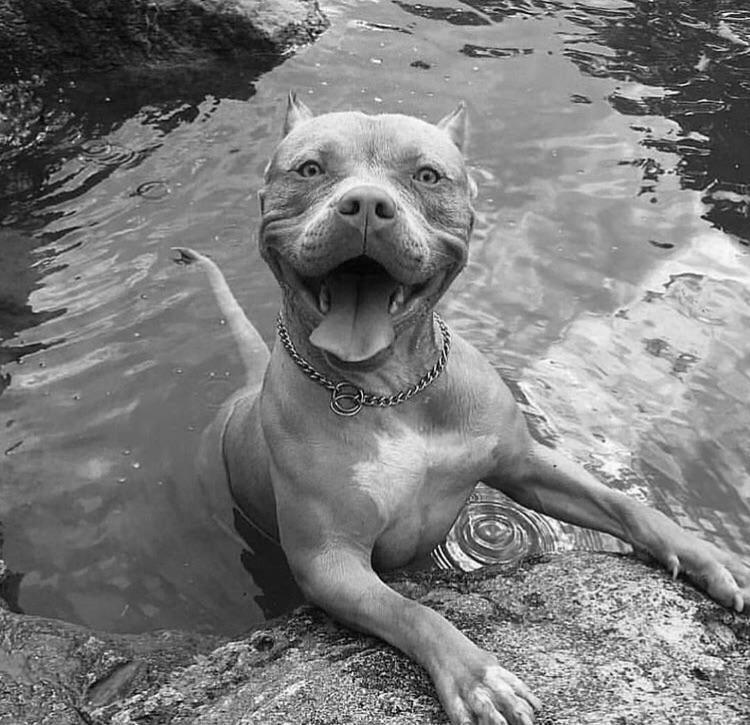
Pitbulls are among a variety of colors that includes red, brindle, tan as well as others.
Not to be misinterpreted for heaven pitbulls, which flaunt an one-of-a-kind color of black, real black pitbulls are amongst the most common of the type.
Some have acquired a black pit since they believed it was the much less common blue shade. avoid making this error simply study a couple of pictures of a blue versus a black pitbull. The distinction is simple to identify as soon as you know what you’re looking for.
There are misconceptions about black pit bulls being extra hostile or safety, however there is no fact to that. The reality is that pits are pits, despite the color.
The revolting breed of people who take pleasure in utilizing these pet dogs as dealing with canines possibly recognize that shade does not assist the dog be much better boxers.
pitbulls may be among one of the most prominent due to the fact that they are one of the most plentiful, and consequently, least pricey.
A recent news research determined that black canines are overlooked at kennels. They are actually the least taken on canine.
that situation, they have less of a possibility to be taken on than their lighter layered other pits. When they are being offered by dog breeders, however, they are more prominent than the others.
One thing that is particular is that black pits are attractive pets. Like any type of other pitbull they make remarkable, gentle pet dogs if they are treated right.
They make loving, faithful buddies that will certainly go out of their way to please their masters.
Regrettably, it is that great commitment that has actually permitted black pit bulls– and also all pitbulls– to be treated in such despicable means. Pet dog battling and also other atrocities have actually plagued this kind of pet dog and also, consequently, the track record of the entire breed has experienced.
Famous Pitbulls
Pitbulls really did not always have such terrible online reputations. fact, the most enhanced dog in armed forces background was a mainly black pit.
Sergeant Stubby was the only canine to earn a promo throughout fight. located wounded soldiers and warned of inbound artillery. also aided to record a spy.
After his time in the armed forces, this well-known black pitbull met and Coolidge. passed away in 1926.
General are just a few of the renowned people who have had pitbulls as animals. why is the image of black pitbulls and other pitbulls so distorted? It’s since individuals have abused the breed and the media seems to indulge in reporting every pitbull attack.
There absolutely have actually been stories of dreadful pitbull attacks, however they are not the canine that bites most (that honor goes to the Chihuahua). Responsible pet dog ownership has a great deal to do with it. Pitbulls are the not the ideal pet for every person.
If you do determine to acquire or take on any type of type of pitbull, be sure to talk to a pet instructor to discover exactly how to educate your pet so that he will be a caring and valued member of the family for several years to come.
We always listen to that bully kind canines such as the American pitbull, the Amstaff terrier and also the Staffordshire bull terrier are only awesome pets that are always violent, attacking youngsters, old individuals and so forth.
Nevertheless why does the media NOT mention some wonderful tales regarding these type of pets?
3 months ago I was reading this from and also one thing captured my focus.
was stating the happiest pets generally come from homeless individuals due to the fact that this mimics the way dogs act in the wild (travelling from one location to another, finding new locations, and not living inside packed apartment or condos, small backyards or even worse chained all day long)
went on to claim that these are possibly the most balanced pet dogs due to the fact that their proprietors treat them as pets and do not try to “humanize them”.
Homeless dogs hardly ever show splitting up anxiety, extreme barking, uncontrolled aggression issues and also various other behavioral issues.
I actually need to agree with that, supplied that the road pet dog that comes from a homeless is fed correctly and also offered health care it deserves.
show this factor I would like to reveal you an image of a road beggar with 2 pets, one of which appears to be an Amstaff terrier.
Currently does this Amstaff look ferocious?
you believe that he will certainly simply bite individuals like insane when they provide a contribution (that would be truly negative marketing for the beggar or maybe he is doing a guard task …).
And what regarding Amstaffs not quadrating other pets? Hmmm, to me this set resembles he manages simply great with his buddy.
closing I would like to remember a quote I review from an old regarding dogs, created in 1950. On among the very first pages there was an illustration of a homeless individual with his canine in the road.
The heading of the page was:
DURING ABUNDANT TIMES OR DESTITUTION, ALWAYS YOUR BUDDIES!!
Remember this.
The bond shared between humans and our beloved pets can be incredibly strong and powerful, and it’s important to consider their well-being when making major life changes, such as moving to a new environment.
Our pets are sources of unwavering loyalty, reliable travel companions, a constant abundance of joy, and even comforting shoulders during tough or sad times. When it’s time to relocate, among all the things we have to do, we naturally think about how our pets will adjust to the new house or apartment.
When considering this aspect, it’s often noted that dogs tend to be more adaptable compared to cats.
Scientifically supported evidence underscores that dogs have a tendency to stay close to their owners, following them wherever they venture.
This inherent behavior encourages dogs to transition more seamlessly into new environments when their owners are present, providing them with ample affection and support. What about cats and other pets?
Well, just learn more to find out!
Relocating a Cat to Your New Home
Cats are amazing but often quite puzzling beings, and I’m pretty sure most cat lovers and owners would agree. They have inner lives that are completely different from ours, and it can sometimes feel like we just can’t figure them out. That’s why moving a cat to a new place can be a tricky and lengthy process.
First off, my top advice is to plan your move well ahead of time. Cats have a thing for snug spots like boxes, bags, and carriers; you can use this to your advantage on moving days.
If your cat is comfortable with its carrier and views it as a safe space, the move will go a lot smoother. If your cat isn’t used to the carrier, start getting them used to it as soon as you can. Let them leave their scent in it and put their blanket or favorite toy inside.
Cats are really attached to their familiar space, so it can be incredibly stressful for them when their familiar and secure space changes. The next tip is to give your cat ample time to get used to the new place. Let them explore, sniff around every nook and cranny, and gradually start to think of this new environment as their own territory.
Take your time and allow your pets to explore at their own speed. This rule applies to dogs as well – let them sniff around the new home, and if they behave well and stay calm, you can reward them with a treat or their favorite food.
Don’t forget to reward them with their favorite treats, offer words of encouragement, and shower them with love. All of this will help them feel more at home, quicker and easier.
Create a Moving Day Essential Box
This box is a must-have for any pet owner, and trust me, it will be your savior when you finally reach your new home and come to realize the many additional responsibilities that come with moving and setting up your new abode.
Your pet may be feeling bewildered or somewhat anxious, which is why it’s vital to keep a special box dedicated to them close by and easily accessible.
Make sure to label it distinctly and separate it from the rest of your packing right from the outset. If you’re curious about what this box should include in terms of your pet’s essentials, click here.
Stick to Their Routine as Much as Possible
Of course, a change in surroundings disrupts the established routine that many pets simply adore and consider their daily life and routine, which instills a sense of stability and security in them.
Pets, particularly dogs and cats, thrive on routines. The more your schedule shifts, the more likely they are to experience anxiety and stress.
While it might be tempting to forgo your daily pet rituals when you’re deep into packing or organizing tasks, making minor adjustments now will lead to a happier pet in the future.
To minimize your pet’s stress in the weeks leading up to the move (and, if possible, on moving day itself), be sure to:
Consistently engage in their usual walks and playtime.
How to Recognize Stress Because of Relocation?
First and foremost, it’s essential to understand that every animal is unique and has its own way of reacting to change.
While dogs, for the most part, are adaptable because they thrive when they’re with their pack and close to their owner, some dogs may still find it challenging to cope with a change in their surroundings.
Cats, on the other hand, are known to be a bit more mysterious. They can hide their emotions well, making it tough to spot if something’s bothering them.
Nevertheless, there are clear signs of stress in both dogs and cats. If you notice unusual and excessive hair shedding, changes in their behavior and routine, increased lethargy, or a decrease in their appetite, it’s time to consult a veterinarian for professional advice.
In rare cases, stress might make your pet more agitated and irritable. We all want what’s best for our furry friends, so it’s vital to keep an eye out for these symptoms right from the get-go. The good news is that, with the help of a skilled vet, most pets can adjust and reduce their stress levels relatively quickly.
Enjoy Your New Home
While moves can often be stressful, complex, and time-consuming, they also mark an exciting new beginning and a fresh chapter in life.
There’s nothing quite like that moment when, after the hard work of unpacking and settling in, you finally uncork a bottle of your favorite wine, take a seat in your dream home, and your pet is right there with you, enjoying every bit as much and just as happy as you are.
That’s why I hope the information and advice you’ve found in this text will make the entire process of moving with your pet smoother and help you both enjoy the new beginnings together.
A canine cruciate ligament (CCL) injury is one of the most common orthopedic issues affecting dogs. It impacts the knee joint, causing pain, limping, and difficulty moving. This condition can be debilitating for affected dogs, significantly reducing their mobility and quality of life. While it is often associated with larger breeds, any dog can develop a CCL injury due to various factors such as age, weight, activity level, or genetics.
Understanding the causes, symptoms, and treatment options can help pet owners take proactive steps in managing and preventing this condition. Recognizing early signs and seeking prompt veterinary attention can make a significant difference in a dog’s recovery and long-term joint health. In this guide, we will explore everything you need to know about CCL injuries and how to ensure your furry companion receives the best possible care.
Facts You Should Know About Canine Cruciate Ligament Injuries
The cranial cruciate ligament (CCL) in dogs is comparable to the anterior cruciate ligament (ACL) in humans. It plays a crucial role in stabilizing the knee joint.
CCL injuries can develop due to sudden trauma, but they can also occur gradually due to age-related wear and tear.
Larger breeds and overweight dogs are at a higher risk of developing CCL injuries. Breeds such as Labrador Retrievers, Rottweilers, and Newfoundlands are particularly susceptible.
Surgery is often the most effective treatment for complete ligament tears, though mild cases may be managed with rest and therapy.
If left untreated, a CCL injury can lead to chronic pain, arthritis, and long-term mobility issues.
Causes of Cruciate Ligament Injuries in Dogs
Source: beltonvetclinic.com
Cruciate ligament injuries in dogs can result from several factors. Some of the most common causes include:
1. Sudden Trauma
Many CCL injuries occur due to sudden movements that put excessive strain on the ligament. Activities such as jumping from high surfaces, abrupt stops, and quick turns can lead to a rupture or tear. Dogs that are highly active, particularly those involved in agility training, rough play, or running, are at a higher risk.
2. Degenerative Changes
In some cases, CCL injuries develop gradually as the ligament weakens over time. This degeneration is often linked to aging, genetic predisposition, or underlying joint conditions such as arthritis. Older dogs are more likely to suffer from progressive ligament weakening, making them more prone to injuries even with minimal exertion.
3. Obesity and Poor Physical Condition
Excess body weight adds stress to the joints, increasing the likelihood of ligament strain. Obese or overweight dogs have a higher risk of CCL injuries due to the additional pressure placed on their knee joints. Regular exercise and a healthy diet play a crucial role in preventing ligament damage.
4. Breed Predisposition
Certain dog breeds are more prone to CCL injuries due to their genetic makeup. Large and giant breeds such as Labrador Retrievers, Boxers, and Rottweilers are commonly affected. Some studies suggest that dogs with straight hind legs or those with poor joint alignment may be at an increased risk.
Identifying Early Symptoms
Source: youtube.com
Early detection of CCL injuries can significantly improve a dog’s chances of successful treatment. Pet owners should monitor their dogs for the following signs:
Limping or lameness in one of the hind legs
Difficulty bearing weight on the affected leg
Swelling or tenderness around the knee joint
Reluctance to run, jump, or climb stairs
Stiffness or difficulty standing up after rest
Audible clicking or popping sounds from the joint
If your dog displays any of these symptoms, it’s crucial to schedule a veterinary consultation as soon as possible. Early intervention can prevent further joint damage and improve recovery outcomes.
How a Cruciate Ligament Injury Is Diagnosed
Veterinarians use a combination of physical examinations and imaging tests to diagnose CCL injuries.
1. Physical Examination
The drawer test is commonly used to assess joint stability. During this test, the vet will move the dog’s knee joint to check for abnormal motion. Joint instability often indicates a ligament tear.
2. Imaging Tests
X-rays are performed to rule out fractures, arthritis, or other joint abnormalities.
MRI or CT scans provide a detailed view of the ligament and surrounding structures, allowing for a more accurate diagnosis.
A thorough evaluation ensures that the most appropriate treatment plan is selected for the dog’s specific condition.
Treatment Options for Cruciate Ligament Injuries
Source: canineptandme.com
The best treatment approach depends on the severity of the injury. Treatment options include:
1. Conservative Management
For mild injuries, non-surgical approaches such as:
Tibial Tuberosity Advancement (TTA) – A surgical technique that adjusts the mechanics of the knee.
Lateral Suture Stabilization – A less invasive method using sutures to mimic the ligament’s function.
Preventative Measures to Reduce the Risk
Source: orthopets.com
Taking proactive steps can significantly lower the risk of CCL injuries. Here are some preventative measures:
Maintain a healthy weight to reduce joint stress.
Encourage low-impact exercise such as swimming or controlled walks.
Avoid excessive jumping or rough play.
Provide joint supplements if recommended by your vet.
Ensure proper warm-up exercises before strenuous activities.
By implementing these preventative strategies, pet owners can help protect their dogs’ knee health and overall well-being.
Frequently Asked Questions
Can a cruciate ligament heal on its own?
A mild tear may improve with time and conservative treatment, but a complete tear usually requires surgery for full recovery. Without treatment, the joint will remain unstable, leading to further degeneration and arthritis.
What is the recovery time after cruciate ligament surgery?
Most dogs recover within 8 to 12 weeks, but full rehabilitation may take up to six months. Post-surgery physical therapy is essential for a smooth recovery.
How can I prevent my dog from re-injuring the ligament?
Limit high-impact activities during recovery.
Gradually increase exercise levels under veterinary supervision.
Keep your dog at an ideal weight to reduce joint stress.
Follow a structured rehabilitation plan after surgery.
By taking the right precautions and following veterinary guidance, you can ensure a healthy, active life for your furry companion!
American Staffie is great around various other canines !!
Remember I informed you that you should never trust your American Staffie or generally bully breed not to fight other canines?
I such as to offer this general advice because of the prospective damages that could happen in a dog fight involving bully types.
Nonetheless often you get happily stunned.
Half an hour ago I satisfied a woman that was strolling a stunning 2 year old American Staffie.
His name is Thor.
We began speaking as well as I made a decision to walk in addition to her as well as Thor for some time.
I asked her concerning exactly how Thor reacts in the presence of various other pets as well as she stated “just great, never had a trouble”.
As she was stating this a little white Poodle approached us.
And you now what Thor did?
lied on the ground wagging his story as well as awaiting the poodle to close the distance.
The proprietor of the American Staffie discussed to me that he does this to make sure that other dogs are not daunted by him and will certainly come close to without issues.
This is a great example of a bully type dog combating the bias of culture (and other canines …) that all pit bulls are killers.
What if and also American Staffie is pet pleasant as well as wants to make new good friends on a constant basis?
It can not be refuted just because of some breed certain regulation that forbids any kind of type of call.
As I constantly claimed, there are exceptions to the regulations and also indeed many pit bulls can get along with other pets.
What’s essentialis to know your pit bull effectively as well as act as necessary.
And many thanks Thor for your compassion and design.
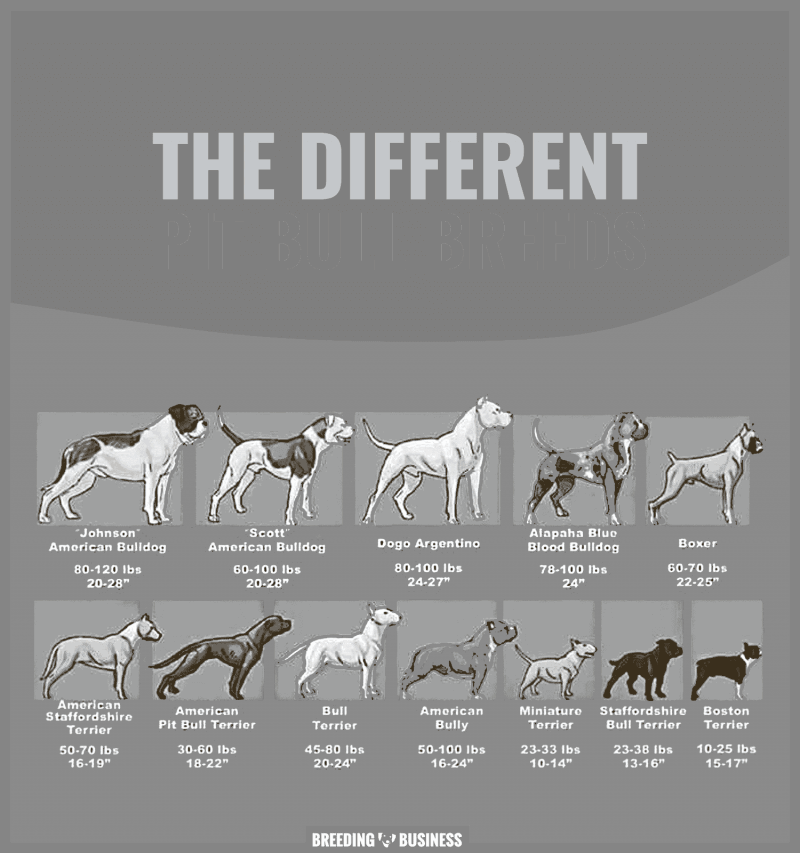
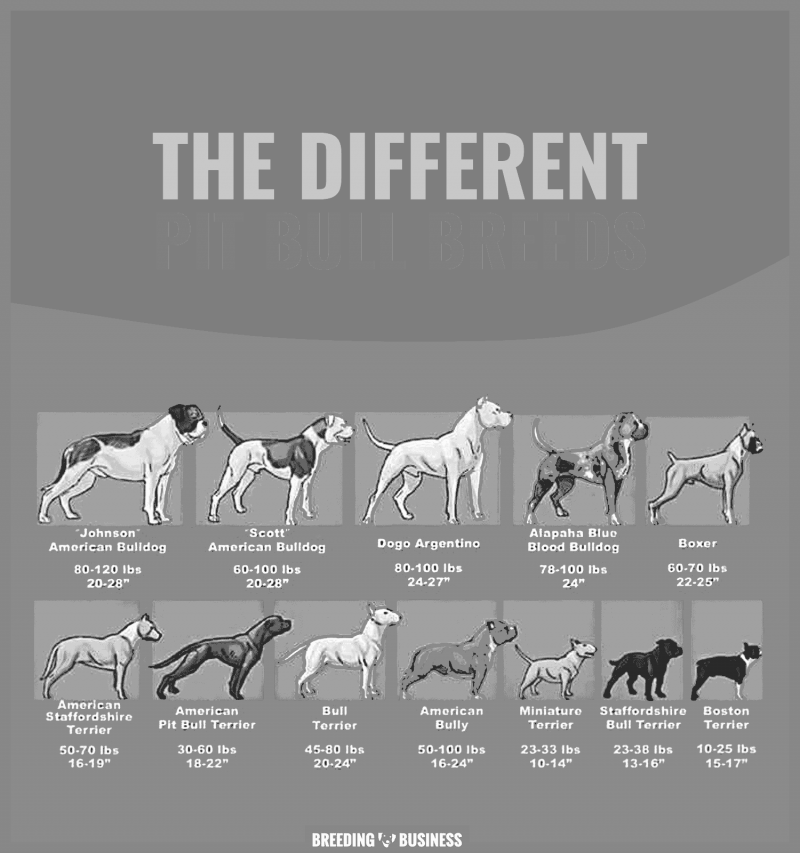
There are a number of pit bull types, most of which are not recognized by the United Kennel Club.
If you ask a person what reproduce their pet dog is and also they answer “pit bull”, then they are inaccurate. That is since the term “pit bull” does not refer to a breed of dog, however instead to a team of pets.
Obviously, the United Kennel Club is a performance pet organization, and even if a pit bull type is not recognized by that team, it still might be– depending upon who you ask– significantly a pit bull.
what makes a pet a pit bull?
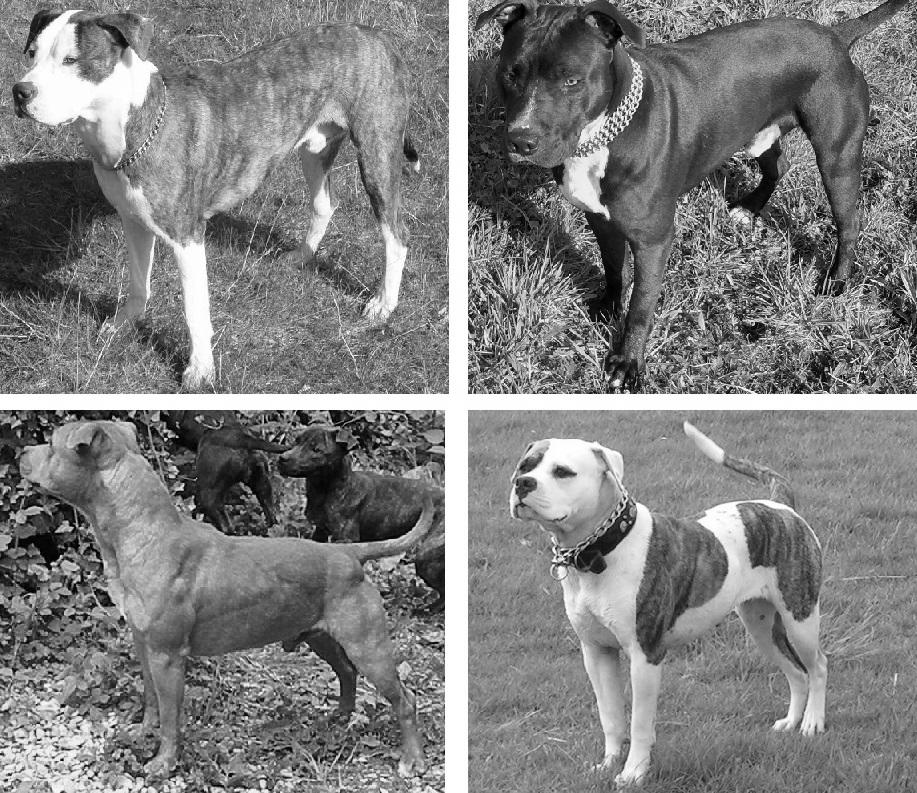
There are three types that are most typically detailed under the pit bull team. These are the American Pit Terrier, the American Staffordshire Terrier and also the Staffordshire Terrier.
There are numerous various other breeds of dogs that are considered by some to be pits just because they have actually some attributes associated with pit bulls such as large heads or layers of a particular shade, such as brindle. These dogs consist of Presa Canarios, American as well as Olde Bulldogs and also Martials Artists.
Some individuals would certainly believe it truly doesn’t make a distinction if a pet dog is called a pit bull or not, however it does. truth, the distinction can be the difference in between life and also death.
Some locations have actually passed breed particular regulation which bans all pit bull types from being inside the city or town restrictions.
Likewise, the shelters and also gentle cultures in some communities have a plan in place that needs ALL pit bulls to be euthanized when getting in the shelter.
Maybe a brand-new birthed young puppy or a 15 year old pet, if somebody at the sanctuary chooses that it fits the qualities of a pit bull breed, it will be put down.
The answer to the question “what are pit bull breeds” really depends upon that you ask.
The United Kennel Club which, according to its website is the “largest all-breed performance-dog computer system registry on the planet”, thinks about only one type of canine to be a pit bull and that is the American Pit Terrier.
The list of qualities listed on the United Kennel Club website for this canine do not accompany the view of pit bulls that is represented in the media.
While news reports would have you think that all pitbulls are ferocious awesomes, the official type description is quite different. The following is taken straight from www.ukcdogs.com
“The crucial characteristics of the American Pit Terrier are stamina, self-confidence, as well as enthusiasm forever. This type is eager to please as well as brimming over with interest. APBTs make outstanding family members companions and have actually constantly been kept in mind for their love of children. Because most APBTs display some degree of pet hostility and also due to its effective body, the APBT calls for a proprietor who will carefully interact socially and also obedience train the canine. The breed’s natural dexterity makes it one of the most qualified canine climbers so excellent fencing is a must for this type. The APBT is not the very best option for a watchdog since they are incredibly pleasant, despite strangers. Hostile actions towards human beings is uncharacteristic of the breed and also extremely undesirable.”
Note that it claims the type does not make an excellent guard dog, since they are too pleasant!
The description likewise notes what any person knowledgeable about pit bull breeds would know, which is that the canines have to be appropriately socialized as well as need to be executed proper obedience training.
Pit bulls make fantastic pets and, in the hands of the right owner, are among one of the most devoted, mild as well as loving types around.
Listed below you can discover some added articles about Pitbulls
Exactly how huge is the greatest pit bull? Go here
Pitbull, is there such a thing? Click here to discover.
people declare to have massive pitbulls, yet a number of them are not real pits.
NEW AREA ON MASTIFF BREEDS
Many Popular Mastiff Breeds
American Bandogge Mastiff
Argentine Mastiff
Fila Mastiff
Rare Mastiff Pet Dog Reproduces
Stories of unsafe as well as imply pitbulls take up area in papers across the nation, but are Pitbulls inherently indicate and also aggressive?
Are they a lot more hazardous than the large pet dog populace as a whole? And what, specifically, does it consider a dog to be called Mean?
Clearly the term “Mean Pit bull” is not an official category. It is much more something you would certainly hear when one is mentioning the “Mean Pitbull” that lives following door. Yet what has the pet done to deserve being called mean?
What ´ s a mean pitbull?
people would spray the term even if the dog not did anything greater than bark. But would certainly they make use of words “suggest” to define a Labrador or Poodle that barked? All pet dogs bark.
They don’t just bark to show aggression, so the truth that a Pitbull is barking doesn’t make him suggest. It just makes him a pet dog.
Also if a pet dog has attacked a pet that doesn’t make them mean. It is very important to keep in mind that Pitbulls are among the most devoted canine types. They will certainly do anything to please their masters– consisting of being aggressive.
When a Pitbull– or any kind of various other pet– is hostile, that is not a mistake of the type. It is a fault of just how the pet was educated or elevated.
Can Mean Pitbulls be Fixed Up?
Animal lovers were disgusted by the story of the fighting pets and the exceptionally cruel treatment they withstood. Currently, however, those pet dogs have actually verified to be a testament to what is possible, also when a Pitbull is dealt with in one of the most horrific methods imaginable.
These “Mean Matches” were made use of for pet dog fighting as well as were terribly abused by their owners. When they were saved, lots of wanted to have them all put down immediately claiming there was no possibility they could ever be restored.
Gladly, a group of experienced pet legal rights individuals fought for these dogs, as well as they won. Today, the previous battling dos, frequently called Vicktory Dogs, are much-loved household pet dogs, leading professional athletes and also treatment canines.
The dogs were a development that assisted many people understand that Mean Pits aren’t the issue. If a canine that was locked in a cage her entire life or beaten nearly to fatality or deprived or endured any kind of other variety of abuses can become the canine that the youngsters flop on before the television or that wins top place at a Dock Dogs competition or that conveniences a sick kid in a medical facility then just about anything is feasible.
Are there Mean Pit bulls? There are pet dogs of all breeds that were not correctly educated or that were educated particularly to be hostile. But that isn’t the pet’s mistake. Even when a Pitbull has actually been taught to be hostile, he can be re-trained and end up being a fantastic family members pet dog.
Human aggressiveness is not a natural quality of a Pitbull. It is something they must be instructed. It is essential to spread out the message of the Vicktory Dogs and various other truths that can help eliminate the false stereotypes that all Pitbulls are Mean.
We use cookies to ensure that we give you the best experience on our website. If you continue to use this site we will assume that you are happy with it.

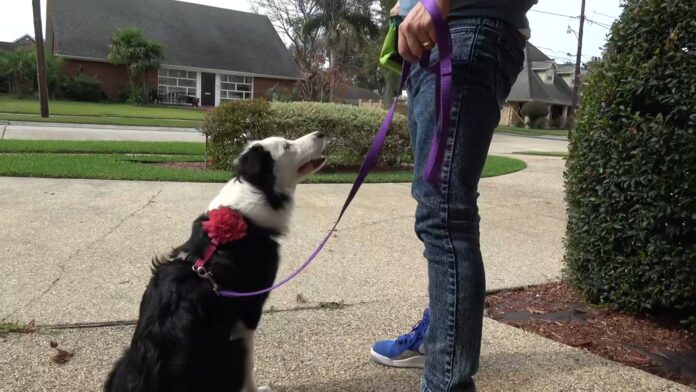 If you live in the United States, than having your dog trained to walk on a leash shouldn’t just be perk, it is most likely a law. In the majority of towns, national parks, and many counties, having a dog on a 6-foot leash is most likely a regulation, the breaking of which can carry fines.
Unleashed dogs that get away from their owners are at risk for being hit by a car, getting lost, or worst—stolen. Always be sure to have your dog’s identification and evidence of rabies vaccination attached to his collar.
If you live in the United States, than having your dog trained to walk on a leash shouldn’t just be perk, it is most likely a law. In the majority of towns, national parks, and many counties, having a dog on a 6-foot leash is most likely a regulation, the breaking of which can carry fines.
Unleashed dogs that get away from their owners are at risk for being hit by a car, getting lost, or worst—stolen. Always be sure to have your dog’s identification and evidence of rabies vaccination attached to his collar.
 Finally, many pet behavior experts agree that a dog’s bond with his human is strengthened when he does not fear punishment. When dog owners reward the behaviors that are desirable and simply ignore the behaviors that are undesirable, the dog has a clear understanding of what his owner wants. However, positive reinforcement methods tend to work best for dogs that are very food-motivated.
Some dogs, however, could care less about a tasty treat, especially when there are distractions around. But not all positive reinforcement needs to include food: some dogs respond better to praise or physical affection like a quick ear scratch.
Negative reinforcement tends to get a bad rap because the name itself implies that is harmful or damaging, but the name simply means that your dog experiences something unpleasant when doing an undesired behavior: negative reinforcement is not synonymous with punishment; in fact, you should find another trainer if the one you are working with suggests any method that involves than more 1 second (literally) of physical correction like a quick collar jerk.
Finally, many pet behavior experts agree that a dog’s bond with his human is strengthened when he does not fear punishment. When dog owners reward the behaviors that are desirable and simply ignore the behaviors that are undesirable, the dog has a clear understanding of what his owner wants. However, positive reinforcement methods tend to work best for dogs that are very food-motivated.
Some dogs, however, could care less about a tasty treat, especially when there are distractions around. But not all positive reinforcement needs to include food: some dogs respond better to praise or physical affection like a quick ear scratch.
Negative reinforcement tends to get a bad rap because the name itself implies that is harmful or damaging, but the name simply means that your dog experiences something unpleasant when doing an undesired behavior: negative reinforcement is not synonymous with punishment; in fact, you should find another trainer if the one you are working with suggests any method that involves than more 1 second (literally) of physical correction like a quick collar jerk.
 Another case that is made for the negative reinforcement camp is that positive reinforcement may not work for dogs that are very headstrong or overly excited: if the behavior (for example: trying to catch the cat that just ran out in the middle of the road) is more exciting than the reward (the bag of treats you have), positive training will have little effect.
In certain situations, making physical corrections to your dog will solve a behavioral problem in a short amount of time when nothing else works. Most importantly of all, negative reinforcement should never, ever, be used to cause physical harm to your dog; it is simply applying a negative stimulus to interrupt undesirable behavior.
It should go without saying that any negative reinforcement should never be done in anger or frustration. Training of any sort is much more effective if both human and dog are having a good time.
Another case that is made for the negative reinforcement camp is that positive reinforcement may not work for dogs that are very headstrong or overly excited: if the behavior (for example: trying to catch the cat that just ran out in the middle of the road) is more exciting than the reward (the bag of treats you have), positive training will have little effect.
In certain situations, making physical corrections to your dog will solve a behavioral problem in a short amount of time when nothing else works. Most importantly of all, negative reinforcement should never, ever, be used to cause physical harm to your dog; it is simply applying a negative stimulus to interrupt undesirable behavior.
It should go without saying that any negative reinforcement should never be done in anger or frustration. Training of any sort is much more effective if both human and dog are having a good time.
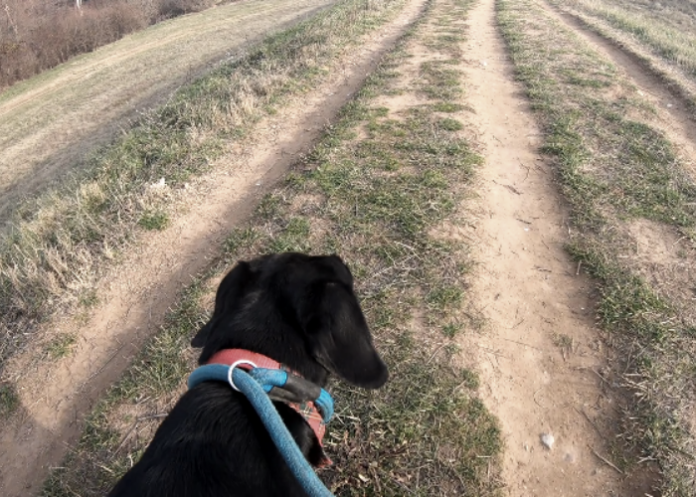 If you have a puppy, or an adult dog that is a rescue, then your dog may have never worn a collar before. Before starting any training regimen, let your dog get used to a collar and the feel of the leash first.
The types of products you should buy are discussed more below, but if you have a simple flat, buckle style collar, start out with that. Once your dog has become accustomed to the new accessory, clip on the leash, but don’t head outside just yet. Let him trot around with it on and smell it.
If you’d like to learn a bit more about clicker training, check out this great article on clicker training your dog.
Be sure to start out your training in an area free from distractions (no new smells, loud noises, or other people or dogs). Inside your home in a hallway is ideal since your dog will not have the option to wander too far off to the side.
Once training sessions are progressing, you can move outside. Also be sure to have a high quality treat on hand. Small pieces of hot dogs or cooked, cubed chicken are great options.
If you have a puppy, or an adult dog that is a rescue, then your dog may have never worn a collar before. Before starting any training regimen, let your dog get used to a collar and the feel of the leash first.
The types of products you should buy are discussed more below, but if you have a simple flat, buckle style collar, start out with that. Once your dog has become accustomed to the new accessory, clip on the leash, but don’t head outside just yet. Let him trot around with it on and smell it.
If you’d like to learn a bit more about clicker training, check out this great article on clicker training your dog.
Be sure to start out your training in an area free from distractions (no new smells, loud noises, or other people or dogs). Inside your home in a hallway is ideal since your dog will not have the option to wander too far off to the side.
Once training sessions are progressing, you can move outside. Also be sure to have a high quality treat on hand. Small pieces of hot dogs or cooked, cubed chicken are great options.
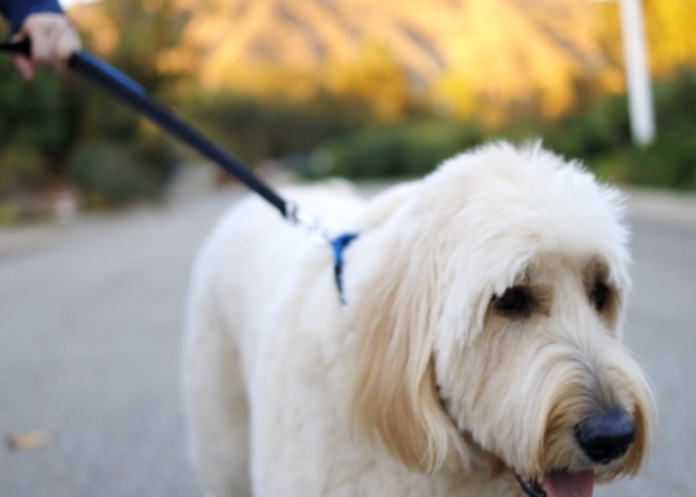 This method is similar to the first in that your dog is rewarded with a treat by staying near to you. To begin, start by holding the leash in your right hand and try to position your dog on your left side. Hold the treats in your left hand and begin walking using a command like “heel” or “let’s go!” with your treat hand very close in front of your dog’s nose. If you can hold multiple treats in your hand, it would be better.
Every few paces or so, reward your dog with a treat if he has not walked ahead and started pulling. This method works better when your dog is hungry so on your first few attempts, do this routine before mealtime—in fact, you could probably skip dinner with the amount of treats it will take to get your dog’s attention depending on how long your walk is!
The goal here is to gradually increase the number of steps you take before a treat is given. In the beginning, you will need to give a treat (while you remain walking forward) every couple of paces, but as your dog makes progress, stretch out your steps to where you eventually are only giving a treat every minute or so.
The downside to this method is that it must be continued indefinitely. If you stop giving treats all together, then your dog will stop looking to you for them and start looking for a fire hydrant instead.
This method is similar to the first in that your dog is rewarded with a treat by staying near to you. To begin, start by holding the leash in your right hand and try to position your dog on your left side. Hold the treats in your left hand and begin walking using a command like “heel” or “let’s go!” with your treat hand very close in front of your dog’s nose. If you can hold multiple treats in your hand, it would be better.
Every few paces or so, reward your dog with a treat if he has not walked ahead and started pulling. This method works better when your dog is hungry so on your first few attempts, do this routine before mealtime—in fact, you could probably skip dinner with the amount of treats it will take to get your dog’s attention depending on how long your walk is!
The goal here is to gradually increase the number of steps you take before a treat is given. In the beginning, you will need to give a treat (while you remain walking forward) every couple of paces, but as your dog makes progress, stretch out your steps to where you eventually are only giving a treat every minute or so.
The downside to this method is that it must be continued indefinitely. If you stop giving treats all together, then your dog will stop looking to you for them and start looking for a fire hydrant instead.
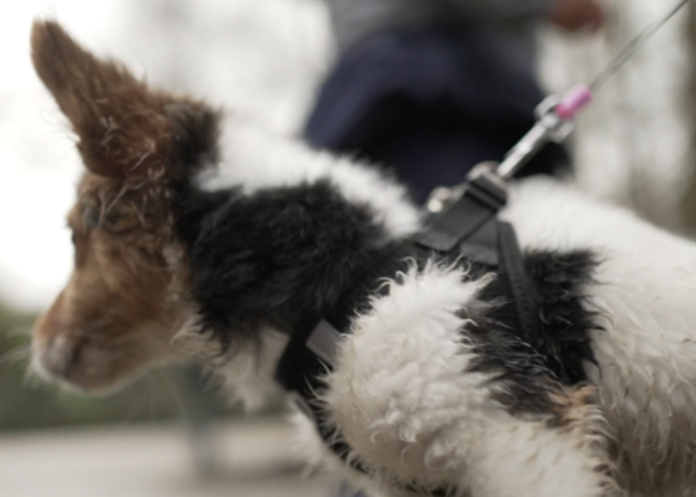 This method is often referred to as “about-face” and means just what it implies: you begin walking with your dog, and if he starts pulling ahead, quickly turn around and start walking in the opposite direction. However, it is vital that you give a verbal warning to your dog before making the turn.
The goal here is to keep your dog close to your side so that he is not surprised when you make a turn. If he is not paying attention to you (which he certainly isn’t if he is pulling ahead), then he will be surprised when the leash checks him.
Of course, caution must be exercised here if your dog is running quickly and you go to make a turn. Small dogs could especially be harmed if the leash jerks them too hard around the neck.
This method can be combined with positive reinforcement like a treat once your dog turns of his own accord and begins following you. Your dog should eventually respond to your verbal warning—which should always be the same word—and slow down because he is anticipating your turn.
A variation of this method could be to make a quick left turn with your dog at your left side. The turn must be very quick, starting with your left foot and almost done at 180 degrees to ensure the message is delivered: if the dog isn’t paying attention, your left leg will actually push him out of the way.
This method is often referred to as “about-face” and means just what it implies: you begin walking with your dog, and if he starts pulling ahead, quickly turn around and start walking in the opposite direction. However, it is vital that you give a verbal warning to your dog before making the turn.
The goal here is to keep your dog close to your side so that he is not surprised when you make a turn. If he is not paying attention to you (which he certainly isn’t if he is pulling ahead), then he will be surprised when the leash checks him.
Of course, caution must be exercised here if your dog is running quickly and you go to make a turn. Small dogs could especially be harmed if the leash jerks them too hard around the neck.
This method can be combined with positive reinforcement like a treat once your dog turns of his own accord and begins following you. Your dog should eventually respond to your verbal warning—which should always be the same word—and slow down because he is anticipating your turn.
A variation of this method could be to make a quick left turn with your dog at your left side. The turn must be very quick, starting with your left foot and almost done at 180 degrees to ensure the message is delivered: if the dog isn’t paying attention, your left leg will actually push him out of the way.
 Professional dog trainers only should teach this method of collar corrections, because they are most often used with special collars that tighten or pinch when the dog pulls on the leash.
A professional trainer with experience will know how to make an appropriate collar correction based on your dog’s size and temperament, and will teach you step by step instructions of what to do when you dog pulls on the leash. Typically, after you put on a special training collar, you begin the walk with your dog on your left side.
If he pulls ahead, a quick jerk in delivered on the leash. This correction (which should not be a pull but a swift yank) should happen in a fraction of a second: just enough time to get your dog’s attention.
The goal here is to cause surprise, not pain. It is worth saying again that anything over a second-long correction can quickly escalate to something more serious which will likely cause trauma and fear in your dog.
Professional dog trainers only should teach this method of collar corrections, because they are most often used with special collars that tighten or pinch when the dog pulls on the leash.
A professional trainer with experience will know how to make an appropriate collar correction based on your dog’s size and temperament, and will teach you step by step instructions of what to do when you dog pulls on the leash. Typically, after you put on a special training collar, you begin the walk with your dog on your left side.
If he pulls ahead, a quick jerk in delivered on the leash. This correction (which should not be a pull but a swift yank) should happen in a fraction of a second: just enough time to get your dog’s attention.
The goal here is to cause surprise, not pain. It is worth saying again that anything over a second-long correction can quickly escalate to something more serious which will likely cause trauma and fear in your dog.
 The market is saturated with every type, size, and color of dog accessories imaginable (even leashes and collars that light up for night walks!).
You can purchase these products online or in your local pet store, but first do some research to determine which type of lead is best for you dog. The most popular options for leashes and collars in terms of how to train a dog to walk on a leash are below:
Instead of having to guess at what you need, we’ve made the process a bit simpler for you in our article on finding the best leashes, collars, and harnesses.
The market is saturated with every type, size, and color of dog accessories imaginable (even leashes and collars that light up for night walks!).
You can purchase these products online or in your local pet store, but first do some research to determine which type of lead is best for you dog. The most popular options for leashes and collars in terms of how to train a dog to walk on a leash are below:
Instead of having to guess at what you need, we’ve made the process a bit simpler for you in our article on finding the best leashes, collars, and harnesses.
 Puppies love to run and they love to dart about the house. They love to splash in their water bowls and topple over the plants, and they love to run even more when you let them outside. At times, puppies seem to have boundless energy.
And it is at those times when you may find yourself believing that you will never be able to take it out on the street because you fear you won’t be able to control it in public. But you can, and with some time and patience, you will soon be enjoying a trot down the street and down to the park with your puppy at your side.
All you need to learn is how to train a puppy to walk on a leash. Puppies learn at their own pace. Your puppy may only take a few weeks, or it may take two months, but as long as you have patience and follow these guidelines, you can do it. Before long, your puppy will wear a collar, accept a leash, and prance alongside you wherever you go.
Puppies love to run and they love to dart about the house. They love to splash in their water bowls and topple over the plants, and they love to run even more when you let them outside. At times, puppies seem to have boundless energy.
And it is at those times when you may find yourself believing that you will never be able to take it out on the street because you fear you won’t be able to control it in public. But you can, and with some time and patience, you will soon be enjoying a trot down the street and down to the park with your puppy at your side.
All you need to learn is how to train a puppy to walk on a leash. Puppies learn at their own pace. Your puppy may only take a few weeks, or it may take two months, but as long as you have patience and follow these guidelines, you can do it. Before long, your puppy will wear a collar, accept a leash, and prance alongside you wherever you go.
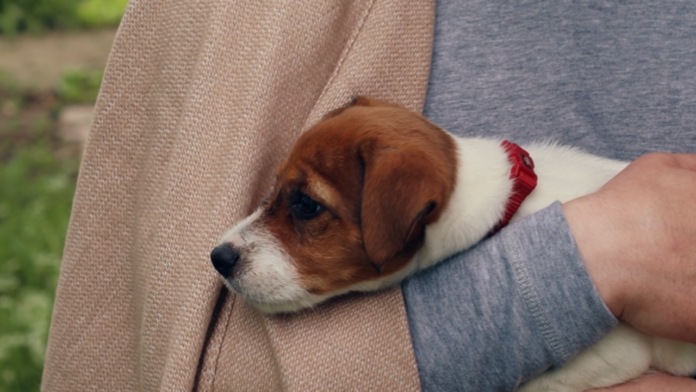 The collar won’t come off. Alternatively, you can distract him with a toy. But whatever method you choose, allow your pooch to gradually adjust to its new collar by wearing it for about an hour or two each day for a week.
The whole point is to allow your puppy to get used to wearing the collar to the point where it forgets that it is around its neck. Do not remove the collar while he is actively resisting it as removing the collar while your pet is squirming across the floor will teach him that fighting the collar is the way to get it to come off. If he learns that then both of you will have difficulties transitioning into the next phase.
Before the week is out, your pooch should be used to wearing the collar. The next step in leash training is to let Fido become used to having a leash attached to the collar. You can do this simply by attaching a short leash to the collar and then allow your puppy to wander around the house. He may be intimidated by the leash, at first, but it will soon learn that the leash is nothing to be afraid of.
Also, when he steps on the leash, you should pull it up short. This will help the dog to accept tugging on the collar. If your puppy bites or chews on the leash, you can consider soaking it in Grannick’s Bitter Apple, hot sauce, lemon juice, or other taste deterrent. Puppies learn quickly not to bite things that don’t taste good.
The collar won’t come off. Alternatively, you can distract him with a toy. But whatever method you choose, allow your pooch to gradually adjust to its new collar by wearing it for about an hour or two each day for a week.
The whole point is to allow your puppy to get used to wearing the collar to the point where it forgets that it is around its neck. Do not remove the collar while he is actively resisting it as removing the collar while your pet is squirming across the floor will teach him that fighting the collar is the way to get it to come off. If he learns that then both of you will have difficulties transitioning into the next phase.
Before the week is out, your pooch should be used to wearing the collar. The next step in leash training is to let Fido become used to having a leash attached to the collar. You can do this simply by attaching a short leash to the collar and then allow your puppy to wander around the house. He may be intimidated by the leash, at first, but it will soon learn that the leash is nothing to be afraid of.
Also, when he steps on the leash, you should pull it up short. This will help the dog to accept tugging on the collar. If your puppy bites or chews on the leash, you can consider soaking it in Grannick’s Bitter Apple, hot sauce, lemon juice, or other taste deterrent. Puppies learn quickly not to bite things that don’t taste good.
 Once you are prepared, take the end of the leash, and show it to the puppy. Connect the leash and then, holding it loosely, start walking around the house. Train Fido to walk on your left side; the American Kennel Club requires show dogs to walk at the handler’s left, and most professional trainers teach the same. If you heard of using the clicker method to train your dog, an article which we have written about, you may also employ that by all means.
Many also employ the following tips to encourage puppies to walk beside their owners.
Once you are prepared, take the end of the leash, and show it to the puppy. Connect the leash and then, holding it loosely, start walking around the house. Train Fido to walk on your left side; the American Kennel Club requires show dogs to walk at the handler’s left, and most professional trainers teach the same. If you heard of using the clicker method to train your dog, an article which we have written about, you may also employ that by all means.
Many also employ the following tips to encourage puppies to walk beside their owners.
 Don’t give your puppy a treat until it has walked beside your for at least thirty seconds. As he continues walking alongside you, alternate between praise and treats every thirty seconds or so. The treats and praise will encourage your puppy to remain beside you, and before long, your puppy will grow accustomed to this position and your pace. As your puppy begins to show discipline, you should reduce the number of treats you hand out during each walk.
One of the things you will find that your puppy will do on its journey to master the art of walking on a leash is that it will often look back at you. Your puppy is looking for praise (or more likely, a treat), but it is also looking for signals of direction. He wants to know if it is going fast enough, or if you are going to make a turn. Take these opportunities to praise your puppy and relax. You’ve taught your puppy well.
Don’t give your puppy a treat until it has walked beside your for at least thirty seconds. As he continues walking alongside you, alternate between praise and treats every thirty seconds or so. The treats and praise will encourage your puppy to remain beside you, and before long, your puppy will grow accustomed to this position and your pace. As your puppy begins to show discipline, you should reduce the number of treats you hand out during each walk.
One of the things you will find that your puppy will do on its journey to master the art of walking on a leash is that it will often look back at you. Your puppy is looking for praise (or more likely, a treat), but it is also looking for signals of direction. He wants to know if it is going fast enough, or if you are going to make a turn. Take these opportunities to praise your puppy and relax. You’ve taught your puppy well.
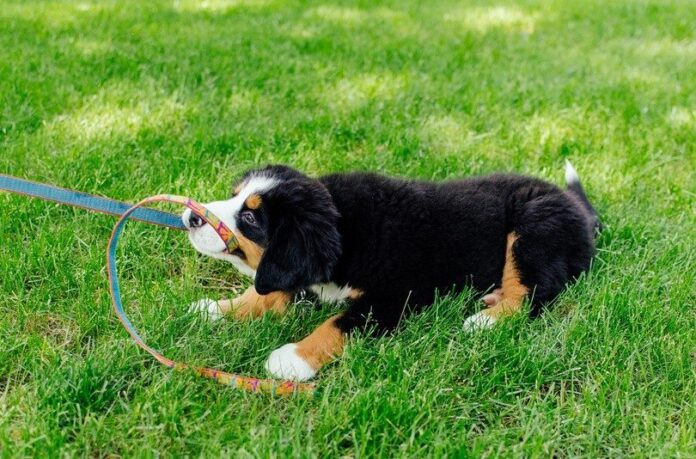 Your puppy may pull the leash taut to get at the distraction. Or it may bark, growl, or even cower away until the distraction goes way. None of these things are acceptable while training your puppy to walk. The easiest way to deal with these distractions is to command your puppy to sit at your feet as soon as you see a potential distraction approaching. If he doesn’t obey, gather in the leash and hold it firmly by the collar until the distraction passes.
Meanwhile, talk to your puppy in a calm voice. If your puppy obeyed you, offer praise; if you had to pull your puppy away from the distraction, the tone of your voice will help it to calm down.
Your puppy may pull the leash taut to get at the distraction. Or it may bark, growl, or even cower away until the distraction goes way. None of these things are acceptable while training your puppy to walk. The easiest way to deal with these distractions is to command your puppy to sit at your feet as soon as you see a potential distraction approaching. If he doesn’t obey, gather in the leash and hold it firmly by the collar until the distraction passes.
Meanwhile, talk to your puppy in a calm voice. If your puppy obeyed you, offer praise; if you had to pull your puppy away from the distraction, the tone of your voice will help it to calm down.
 Collar correction requires a delicate balance between timing and pressure. Walk with your arm slightly bent. As your puppy approaches the maximum length of the leash, give it a verbal warning. If it slows down, give it praise. If it continues forward and pulls the leash taut, reach out for slack and then give the leash a slight jerk. This should always be a slight jerk and never a yank or a pull, which could cause permanent damage.
The resistance from a jerk or two is an adequate signal to your puppy that it is doing something it shouldn’t. Larger breeds may require a little more effort behind the jerk, simply because they are stronger and weigh more, yet the principle remains the same. Over time, your puppy will learn that it gets a jerk every time it tries to get out too far ahead of you, but receives treats and praise when it remains at your side.
Professional trainers can teach you how to walk your young friend, but, if you’re confident in your relationship, you can do it on your own. You can read on more puppy training topic in our in-depth basic dog training guide. Start with allowing your puppy to get used to its collar, and then its leash.
Next, with an abundance of patience (and perhaps a pocketful of treats), lead Fido through the steps that will take you both to the streets. The journey may be a little rough at times, and you may have to backtrack, but eventually, your puppy will walk beside you with a proud gait. And look back at you often with love.
Collar correction requires a delicate balance between timing and pressure. Walk with your arm slightly bent. As your puppy approaches the maximum length of the leash, give it a verbal warning. If it slows down, give it praise. If it continues forward and pulls the leash taut, reach out for slack and then give the leash a slight jerk. This should always be a slight jerk and never a yank or a pull, which could cause permanent damage.
The resistance from a jerk or two is an adequate signal to your puppy that it is doing something it shouldn’t. Larger breeds may require a little more effort behind the jerk, simply because they are stronger and weigh more, yet the principle remains the same. Over time, your puppy will learn that it gets a jerk every time it tries to get out too far ahead of you, but receives treats and praise when it remains at your side.
Professional trainers can teach you how to walk your young friend, but, if you’re confident in your relationship, you can do it on your own. You can read on more puppy training topic in our in-depth basic dog training guide. Start with allowing your puppy to get used to its collar, and then its leash.
Next, with an abundance of patience (and perhaps a pocketful of treats), lead Fido through the steps that will take you both to the streets. The journey may be a little rough at times, and you may have to backtrack, but eventually, your puppy will walk beside you with a proud gait. And look back at you often with love. 


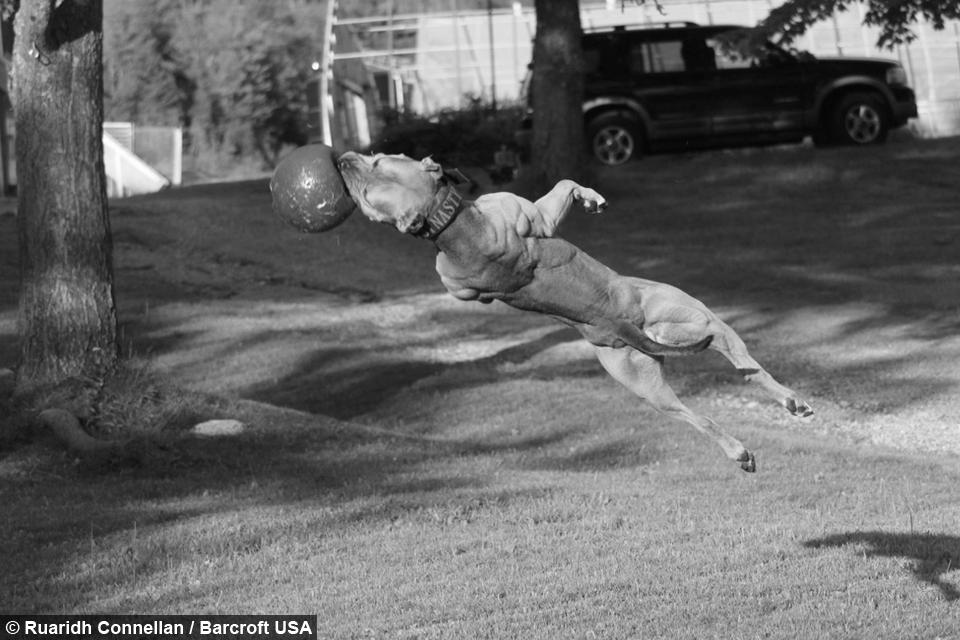
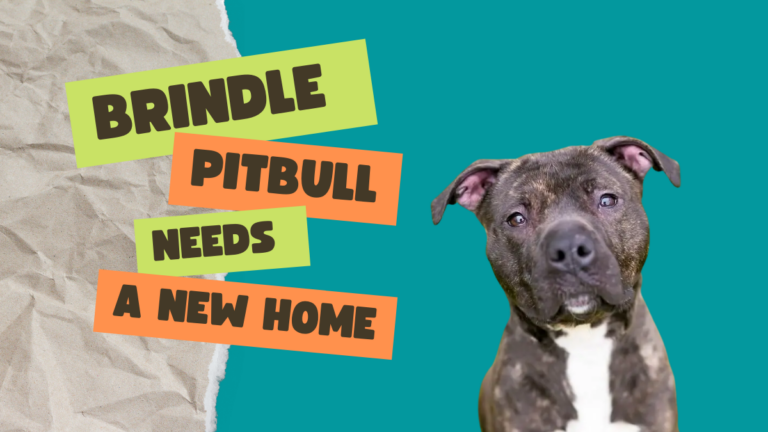


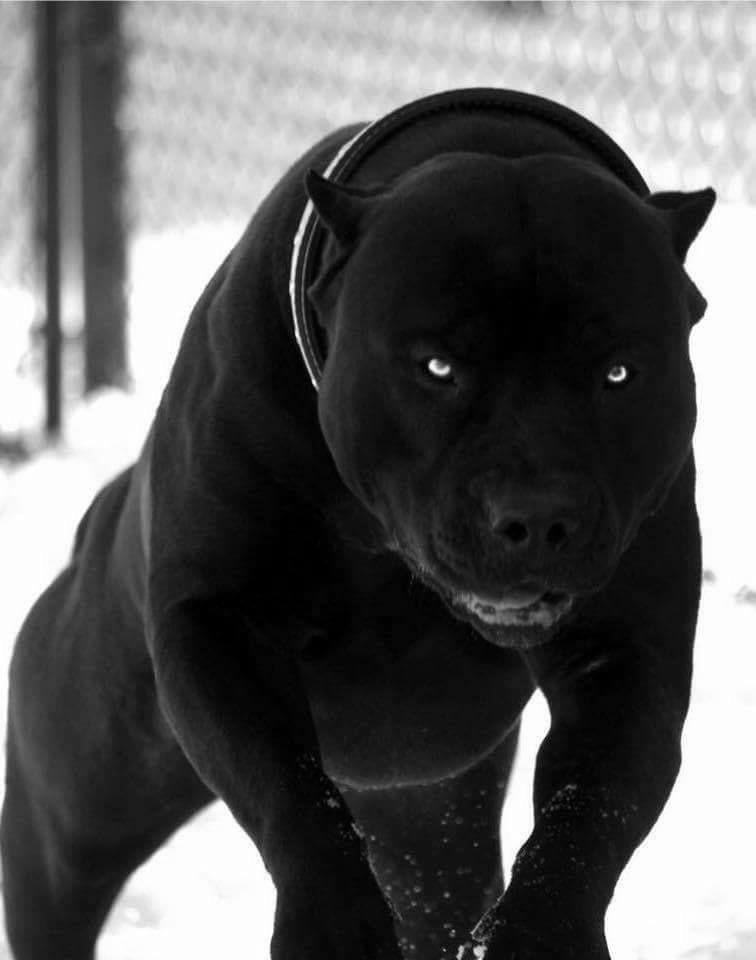
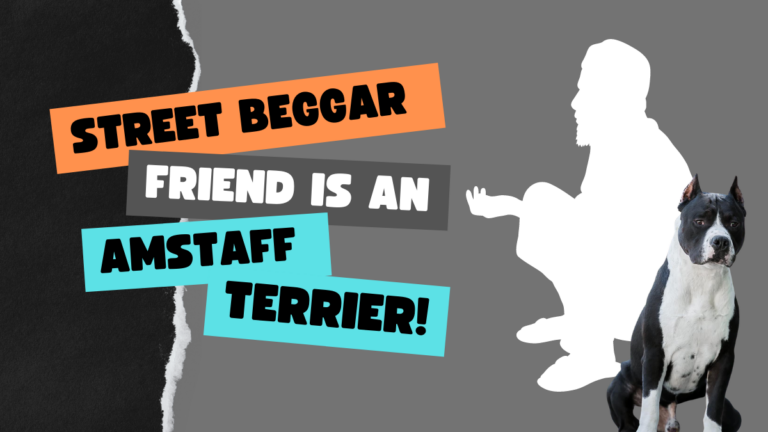


 Cats are amazing but often quite puzzling beings, and I’m pretty sure most cat lovers and owners would agree. They have inner lives that are completely different from ours, and it can sometimes feel like we just can’t figure them out. That’s why moving a cat to a new place can be a
  Of course, a change in surroundings disrupts the established routine that many pets simply adore and consider their daily life and routine, which instills a sense of stability and security in them.
Pets, particularly dogs and cats, thrive on routines. The more your schedule shifts, the more likely they are to experience anxiety and stress.
While it might be tempting to forgo your daily pet rituals when you’re deep into packing or organizing tasks, making minor adjustments now will lead to a happier pet in the future.
To minimize your pet’s stress in the weeks leading up to the move (and, if possible, on moving day itself), be sure to:
Of course, a change in surroundings disrupts the established routine that many pets simply adore and consider their daily life and routine, which instills a sense of stability and security in them.
Pets, particularly dogs and cats, thrive on routines. The more your schedule shifts, the more likely they are to experience anxiety and stress.
While it might be tempting to forgo your daily pet rituals when you’re deep into packing or organizing tasks, making minor adjustments now will lead to a happier pet in the future.
To minimize your pet’s stress in the weeks leading up to the move (and, if possible, on moving day itself), be sure to:
 While moves can often be stressful, complex, and time-consuming, they also mark an exciting new beginning and a fresh chapter in life.
There’s nothing quite like that moment when, after the hard work of unpacking and settling in, you finally uncork a bottle of your favorite wine, take a seat in your dream home, and your pet is right there with you, enjoying every bit as much and just as happy as you are.
That’s why I hope the information and advice you’ve found in this text will make the entire process of moving with your pet smoother and help you both enjoy the new beginnings together.
While moves can often be stressful, complex, and time-consuming, they also mark an exciting new beginning and a fresh chapter in life.
There’s nothing quite like that moment when, after the hard work of unpacking and settling in, you finally uncork a bottle of your favorite wine, take a seat in your dream home, and your pet is right there with you, enjoying every bit as much and just as happy as you are.
That’s why I hope the information and advice you’ve found in this text will make the entire process of moving with your pet smoother and help you both enjoy the new beginnings together.