WHAT PROBLEMS DID WE ENCOUNTER WITH CHINESE DOG TREATS?
Although up to now, the FDA had not pointed out what was actually the cause of the various pet ailments and even deaths that occurred after dogs ate China dog treats, a lot of pet owners have already submitted various problems regarding these types of products. It is important to take note that the number of complaints and reports that the FDA had received started in 2007 and it is continuing up to these days. There were about 5,800 cases of dogs that have fallen ill due to Chinese-made dog treats out of which an estimated 1,000 have died.
Out of all the dogs that have died, here is a summary of what their veterinarians have found to be the cause of death:
It is important to take note that the number of complaints and reports that the FDA had received started in 2007 and it is continuing up to these days. There were about 5,800 cases of dogs that have fallen ill due to Chinese-made dog treats out of which an estimated 1,000 have died.
Out of all the dogs that have died, here is a summary of what their veterinarians have found to be the cause of death:
- Gastrointestinal problems. About 60% of the dogs who have died were found to have developed problems in their stomachs and intestines. The results both showed normal and elevated levels of liver enzymes.
- Fanconi-like syndrome (FLS). This type of syndrome involves the deterioration of the kidneys which leads to the loss of protein and other essential nutrients to be lost in the urine. Roughly 30% of the dogs who have died supposedly of eating dog treats were found to have this condition.
- Other ailments. The remaining 10% of the cases showed a mix of various causes of death which includes widespread cancer, mushroom toxicity, pneumonia, abscess, cardiac lesions, Cushing’s disease, bacterial meningitis, trauma, and parvovirus enteritis.
- The presence of prohibited antibiotics. One of the major discoveries that led to the recall of some pet treats from China is the presence of certain prohibited antibiotics in the chicken jerky treat. The antibiotics were of the sulfate family and which had been known to cause Fanconi-like syndrome in dogs which have a particular sensitivity to this product.
- The presence of prohibited anti-viral products. Amantadine, which had been banned by the US to be used in chicken and poultry, was found to be present in some chicken jerky products. Although the FDA did not link Amantadine with the ailments and deaths of pet dogs in the US, they did screen out pet treats containing this substance.
- Falsification of documents regarding glycerin. Another main reason why there had been a recall of pet treats from China is the misrepresentation of one company regarding the receipt of glycerin in their plants.
Food made within the United States, however, are required to meet certain federal standards.

CIRCUMSTANCES AND SYMPTOMS INVOLVED IN THE DEATHS AND AILMENTS
Although the ailments experienced by the affected dogs seemed to show some uniformity, the circumstances surrounding them have some degree of variations. For example, some dogs exhibited symptoms hours after eating the treat while others experienced it after several weeks or months. Here are some of the things that are quite common in these cases:- The dogs were fed a significant amount of pet treat products. This one seems to be a common thread in some cases. The reports indicated that they fed treats to their dogs which can be considered to be more than what could be a normal amount. This does not mean though that all of them were overfed with treats. Some pets also experienced symptoms even after eating only a few pieces or after eating for a day.
- Humans who accidentally or purposely ate the treats experienced nausea and kidney problems. The recorded cases of humans ingesting the pet treats include children who accidentally ate the treat as well as an adult who decided to eat it. The victims were hospitalized and were found to have developed kidney and urinary problems similar to what the dogs experienced.
- There was no particular category or breed of dog that was more sensitive to the pet treat. The prevalence of the problem in various types of dog breeds, size, and age led to the conclusion that there was really something in the product that caused the illness and not to some particular sensitivity in the part of the dogs.
- Decreased appetite,
- Decreased activity or lethargy,
- Vomiting,
- Diarrhea (sometimes with blood),
- Thirstiness or increased water consumption,
- Increased urination.
WHAT BRANDS OF DOG TREATS COME FROM CHINA?
Although the FDA had not established any links between Chinese made dog treats and the ailments in pets which ate the treats, pet owners have been putting out names as to the brands of dog treats that they gave to their pets. But aside from these treats, there are also other brands which are either manufactured in China or have ingredients sourced from China. If you are wary about the brands of dog treats that you buy, here is a comprehensive list of those that are known to have Chinese ingredients:
- Purina’s Waggin’ Train
- Canyon Creek Ranch
- Milo’s Kitchen
- Beefeaters
- Dogswell
- Vitalife Duck Tenders
- Del Monte Chicken Griller Home-Style Dog Treats
- Cadet Brand Chicken Jerky Treats
- Chicken jerky
- Duck tenders
- Sweet potato jerky
Due to the warning that the FDA issued to dog owners regarding these dog treats, sales had started to be low and this only translated to lesser demand in the market and the pull-out of products by retailers.
 A lot of dog treat manufacturers were forced to close due to the loss and owners had been really at a loss. Some have even gone to the point of eating their own dog treat products just to show that they are safe even for human consumption.
As to the Chinese government, their representative had suggested that the FDA had wrongly accused Chinese-made dog treats of causing pet illnesses and deaths even though it had not showed solid evidence to do so. They also warned that this can affect trade relations between the two countries.
There are some who have suggested several explanations as to why the dogs exhibited such symptoms upon eating the dog treats from China. First, there is the presence of antibiotics in the meat jerky which is known to cause kidney failure in humans and animals.
The second is that irradiation and the presence of glycerin in the dog treat may have contributed to the overall results. This is especially so since irradiation had been known to change the chemical structure of substances and its effects on glycerin had not been really studied.
This seems to be the case especially since the common factor among the various types of jerky products was that they were all treated with irradiation.
Another theory is that irradiation does not totally eliminate microbes and other contaminants in meat. Lastly, there is also the issue of food safety practices in manufacturing plants in China. According to some reports, the plants and the chicken processing methods have often failed inspection but reports were being falsified by Chinese authorities themselves just to gain profits.
Surprise inspections by US authorities have also been thwarted since plant owners were able to learn about impending inspections days before they are done.
The pollution in China had also been seen as a contributing factor to the poor quality of pet food products.
A lot of dog treat manufacturers were forced to close due to the loss and owners had been really at a loss. Some have even gone to the point of eating their own dog treat products just to show that they are safe even for human consumption.
As to the Chinese government, their representative had suggested that the FDA had wrongly accused Chinese-made dog treats of causing pet illnesses and deaths even though it had not showed solid evidence to do so. They also warned that this can affect trade relations between the two countries.
There are some who have suggested several explanations as to why the dogs exhibited such symptoms upon eating the dog treats from China. First, there is the presence of antibiotics in the meat jerky which is known to cause kidney failure in humans and animals.
The second is that irradiation and the presence of glycerin in the dog treat may have contributed to the overall results. This is especially so since irradiation had been known to change the chemical structure of substances and its effects on glycerin had not been really studied.
This seems to be the case especially since the common factor among the various types of jerky products was that they were all treated with irradiation.
Another theory is that irradiation does not totally eliminate microbes and other contaminants in meat. Lastly, there is also the issue of food safety practices in manufacturing plants in China. According to some reports, the plants and the chicken processing methods have often failed inspection but reports were being falsified by Chinese authorities themselves just to gain profits.
Surprise inspections by US authorities have also been thwarted since plant owners were able to learn about impending inspections days before they are done.
The pollution in China had also been seen as a contributing factor to the poor quality of pet food products.
Due to this pollution, a wide range of antibiotics and antiviral treatments had been used in animals to ward off diseases.
WHY ARE WE OUTSOURCING PRODUCTS FROM CHINA?
 There are several reasons why China has become one of the best sources of raw and finished products in the pet care and pet food industry. Aside from the fact that the country is one of the largest sources of agricultural products, the country boasts with one of the largest manpower sources.
These factors, combined with political and other socio-cultural reasons contribute to the overall desirability of the country as a base for the production of pet foods.
One must remember however, that the country is under a different form of government which makes it possible to harness a large scale of manpower.
There are several reasons why China has become one of the best sources of raw and finished products in the pet care and pet food industry. Aside from the fact that the country is one of the largest sources of agricultural products, the country boasts with one of the largest manpower sources.
These factors, combined with political and other socio-cultural reasons contribute to the overall desirability of the country as a base for the production of pet foods.
One must remember however, that the country is under a different form of government which makes it possible to harness a large scale of manpower.
- Cheap source of materials. One of the main reasons why foreign countries rely on China for raw materials is the fact that they can offer a cheaper rate for them. One of the main reasons for this is the large area of China’s mainland which is used for agriculture. The country’s large arable areas as well as their agricultural programs help boost the country’s yearly agricultural produce. Compared to locally-raised agricultural products in the US and other Western countries, China can offer the same for just a fraction of the cost.
- The Chinese’s preference for red meat. Another reason why China is a viable source is their innate preference of red meat over white meat. The country disposes white meat products just as much as Westerners would discard animal by-products. Due to this somehow, cultural preference, other countries have taken advantage of the “discarded” white meat to be used for pet food and pet treat products.
- Cheap manpower. The country is able to gather a wide range of manpower resources under its form of government which makes it possible to offer labor at a much lower rate than in the West. The availability of manpower as well as the higher exchange rate of dollars against the Chinese currency makes it possible for the US and other Western countries to pay their workers at a lower rate than what they would in their own countries.
- Political reasons. Aside from these somewhat “practical” purposes of importing from China, there is also the political aspect of the whole thing. Foreign countries have trade interests on China and to strengthen the ties between countries, they have to at least concede to some of the requirements of the Chinese government which is to establish local manufacturing and production facilities in the country.

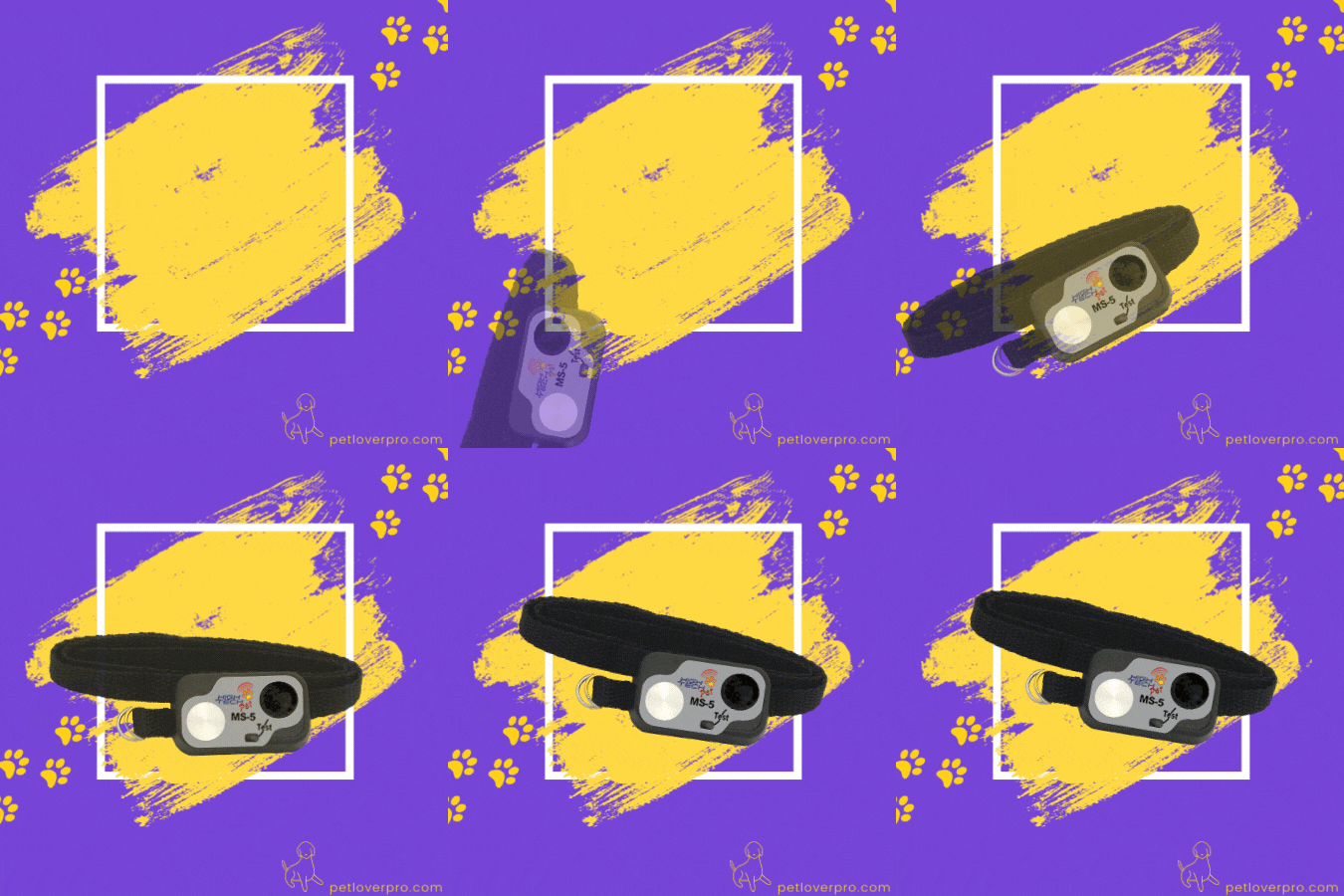 It is a digital waterproof ultrasonic camera that operates very efficiently when tied on the neck of your pet. It has MicroSonic and Yard Barrier Sonic fences for ultimate convenience. This camera has an entirely enclosed ultrasonic speaker, known as the MS-5, which is rugged and waterproof.
 The Hosecurity collar camera is a very simple to use device which allows pet owners to keep an eye on their pets. The camera comes with a collar, and you can easily make your pet wear it.
Also, if you want to use the device with your pet’s existing collar, you can do that as well. Attach the device to their present collar, and you are good to go. The size of this camera is very small and thus convenient to use. Additionally, its plastic construction keeps the weight down.
At the back, it has an LCD screen and very simple controls. You will get all the required information about operating the camera and its recording feature there at the back. Set up the device according to your preferences and how you want to operate it.
The media files collected by this cam are stored in the MicroSD card. On the side, there is a slot for the memory card. Through the Micro, USB you can charge the device and also view the videos on your system by connecting the camera to it.
The Hosecurity collar camera is a very simple to use device which allows pet owners to keep an eye on their pets. The camera comes with a collar, and you can easily make your pet wear it.
Also, if you want to use the device with your pet’s existing collar, you can do that as well. Attach the device to their present collar, and you are good to go. The size of this camera is very small and thus convenient to use. Additionally, its plastic construction keeps the weight down.
At the back, it has an LCD screen and very simple controls. You will get all the required information about operating the camera and its recording feature there at the back. Set up the device according to your preferences and how you want to operate it.
The media files collected by this cam are stored in the MicroSD card. On the side, there is a slot for the memory card. Through the Micro, USB you can charge the device and also view the videos on your system by connecting the camera to it.
 This is the ultimate choice of pet collar camera for pet parents who are on a strict budget. This camera is very simple and can only click pictures of your pet. It cannot record videos. However, several pet owners love using this collar camera since it is available on a budget. The resolution of images captured is 640*480 pixels.
This camera is a perfect choice if you are looking to click pictures of your pet in landscape mode. The camera is made of plastic and is small and lightweight. That being said, it will not bother your pet if you make them wear it with their collar.
Just clip it to the collar and set its time to take pictures in regular intervals as per your choice. You can then connect the camera to your system and see where your dog is going and what it is seeing.
This is the ultimate choice of pet collar camera for pet parents who are on a strict budget. This camera is very simple and can only click pictures of your pet. It cannot record videos. However, several pet owners love using this collar camera since it is available on a budget. The resolution of images captured is 640*480 pixels.
This camera is a perfect choice if you are looking to click pictures of your pet in landscape mode. The camera is made of plastic and is small and lightweight. That being said, it will not bother your pet if you make them wear it with their collar.
Just clip it to the collar and set its time to take pictures in regular intervals as per your choice. You can then connect the camera to your system and see where your dog is going and what it is seeing.
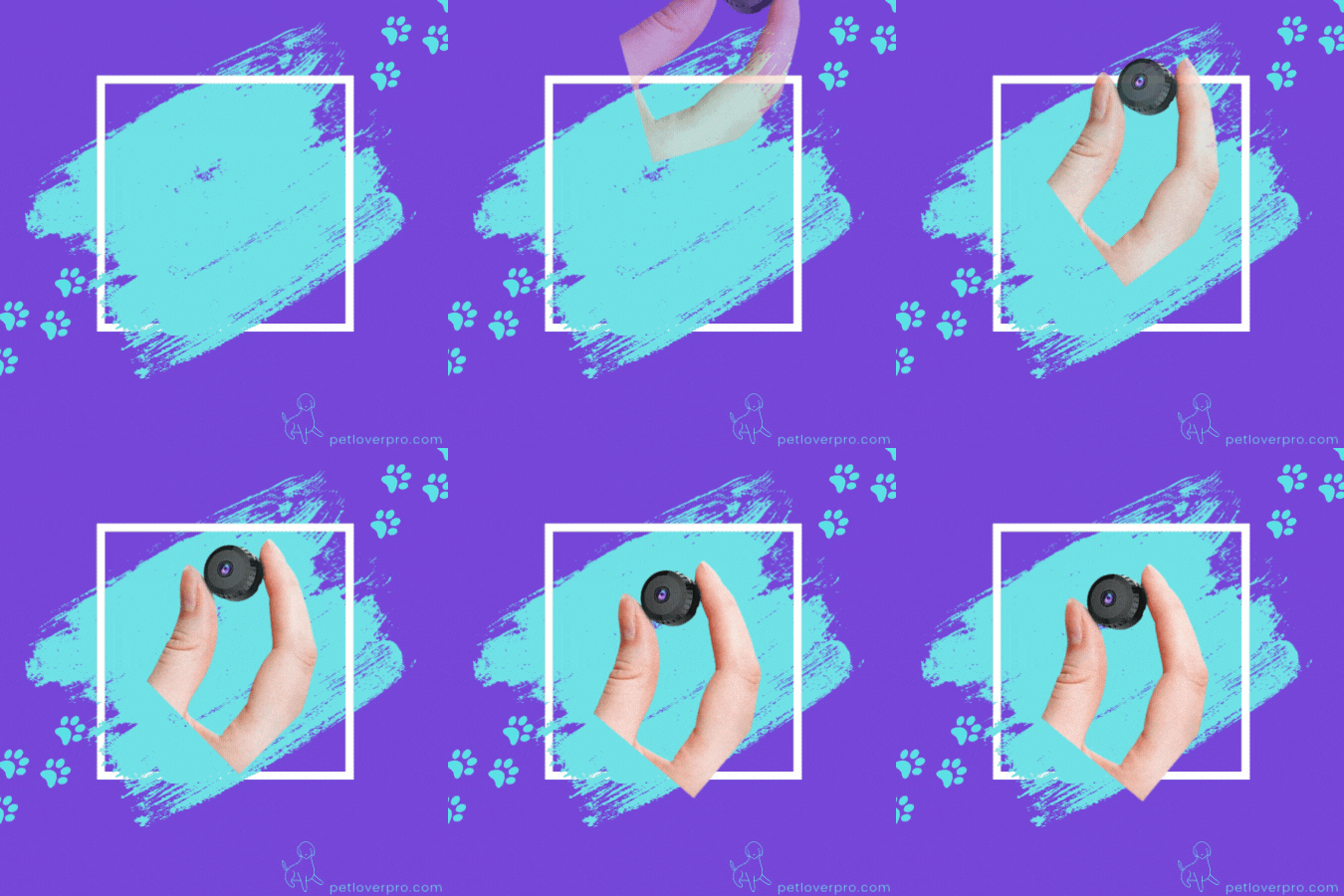 This camera is a tiny device but packed with numerous features that will benefit pet parents. Despite being small in size, the camera can take HD pictures, and it can also record full 1080p video. Fully charge the camera once, and it gives a battery backup of up to three long hours. On the front, it has a night sensor and a night vision light as well.
The sensor provided in this camera ensures that you can pick up details of every place your pet is visiting, irrespective of the lighting conditions. The camera acts as a motion detector as well. The best part is that you can also use it as a security camera for your home. Set security alerts, and you will receive them on your phone whenever a motion is detected.
This camera is a tiny device but packed with numerous features that will benefit pet parents. Despite being small in size, the camera can take HD pictures, and it can also record full 1080p video. Fully charge the camera once, and it gives a battery backup of up to three long hours. On the front, it has a night sensor and a night vision light as well.
The sensor provided in this camera ensures that you can pick up details of every place your pet is visiting, irrespective of the lighting conditions. The camera acts as a motion detector as well. The best part is that you can also use it as a security camera for your home. Set security alerts, and you will receive them on your phone whenever a motion is detected.
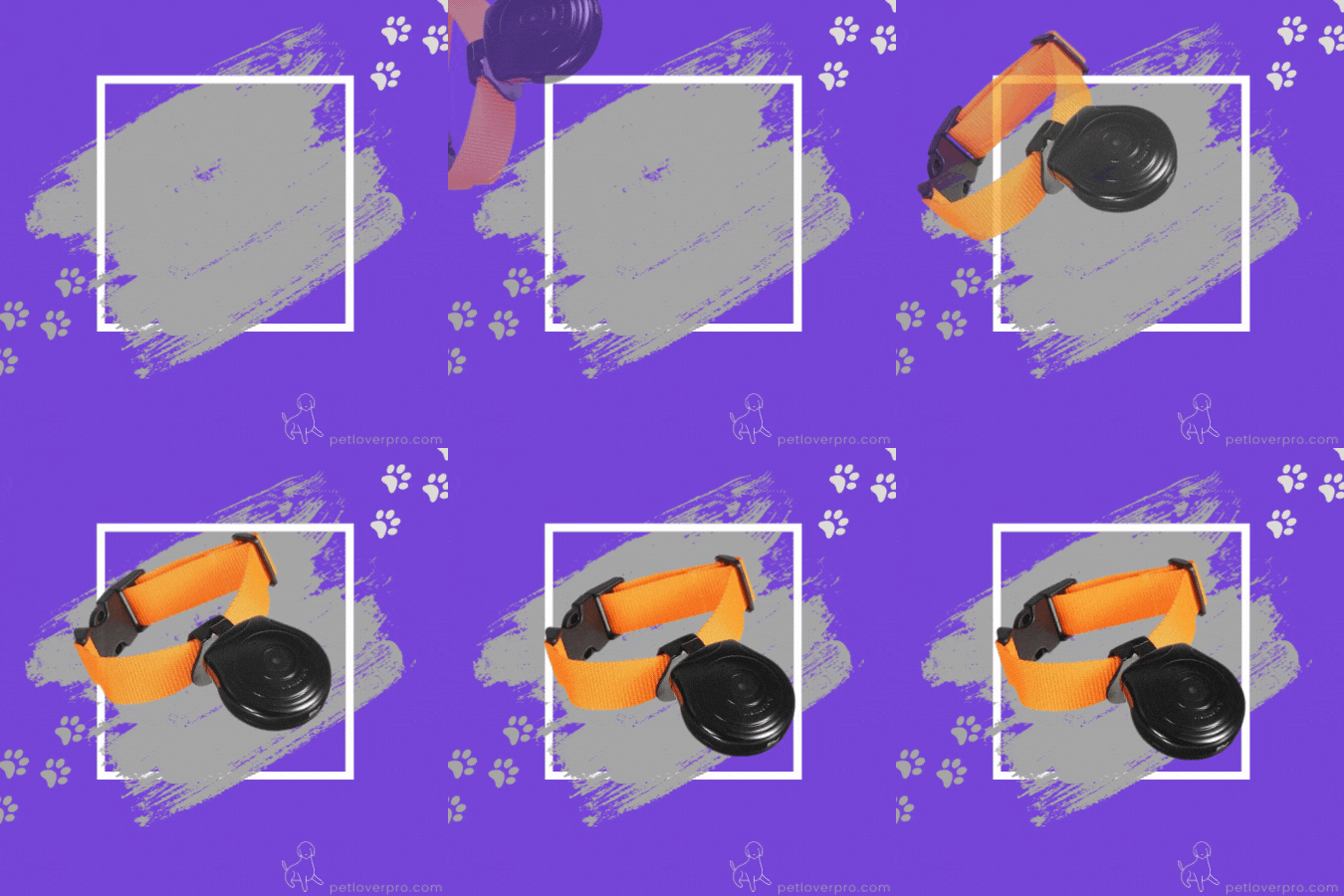 The Cam Digital Pet Collar Cam is another affordable camera that pet parents can consider buying. With great features, this option is a must-buy for those who are looking for good-quality pictures on a budget. The camera can click pictures and can record videos as well. The battery backup provided by this camera is also great, and when you charge it fully, it works for about an hour and a half.
No worries, even if you don’t have a collar for your pet. This one comes with a collar, and hence you can tuck the collar in your pet’s neck and you are good to go. This camera also has a very handy LCD screen at its back. It is used to switch modes between taking videos and pictures. The camera has a memory card slot as well so that you can extend this device’s memory. You should consider using a compatible MicroSD card and extend its memory as per your preferences.
The Cam Digital Pet Collar Cam is another affordable camera that pet parents can consider buying. With great features, this option is a must-buy for those who are looking for good-quality pictures on a budget. The camera can click pictures and can record videos as well. The battery backup provided by this camera is also great, and when you charge it fully, it works for about an hour and a half.
No worries, even if you don’t have a collar for your pet. This one comes with a collar, and hence you can tuck the collar in your pet’s neck and you are good to go. This camera also has a very handy LCD screen at its back. It is used to switch modes between taking videos and pictures. The camera has a memory card slot as well so that you can extend this device’s memory. You should consider using a compatible MicroSD card and extend its memory as per your preferences.

 Battery backup provided by the collar cam is an integral feature. Can you recharge the batteries, or will you have to replace them with a new one? Consider all these questions before buying the camera.
Rechargeable batteries will help you save costs in the long run. Also, if you want to interact with the pet for a longer period with a camcorder, pick a camera that has long battery life. Batteries that drain fast are irritating, and you will have to put the device on charging again and again.
Battery backup provided by the collar cam is an integral feature. Can you recharge the batteries, or will you have to replace them with a new one? Consider all these questions before buying the camera.
Rechargeable batteries will help you save costs in the long run. Also, if you want to interact with the pet for a longer period with a camcorder, pick a camera that has long battery life. Batteries that drain fast are irritating, and you will have to put the device on charging again and again.

 Before we start, let us establish what cumin actually is. It is a spice you can find in the seeds of a flowering plant from the parsley family. Cumin is used in a wide variety of cuisine, most commonly in
  There are many health benefits that dogs can acquire when eating cumin. However, as a dog owner, you must make sure that your pet is getting the right dosage and the proper type, and most importantly, you should consult with a veterinarian before adding this spice to the dog’s diet.
You can find various types of cumin seeds in today’s market, and all of them vary both in the oil content and flavor. When served on their own, cumin seeds can be hot, sharp, and have a specific bittersweet taste, which is why it is often used in countless Indian and Middle-Eastern dishes.
Now we come to the most important part. When consumed in small amounts, cumin is safe for dogs and can actually offer them some benefits. However, in large doses, cumin can trigger
There are many health benefits that dogs can acquire when eating cumin. However, as a dog owner, you must make sure that your pet is getting the right dosage and the proper type, and most importantly, you should consult with a veterinarian before adding this spice to the dog’s diet.
You can find various types of cumin seeds in today’s market, and all of them vary both in the oil content and flavor. When served on their own, cumin seeds can be hot, sharp, and have a specific bittersweet taste, which is why it is often used in countless Indian and Middle-Eastern dishes.
Now we come to the most important part. When consumed in small amounts, cumin is safe for dogs and can actually offer them some benefits. However, in large doses, cumin can trigger  Cumin offers a wide variety of benefits since it is very rich in iron, magnesium, calcium, and vitamins. Although this may sound very good, the main question is whether or not it can be beneficial or harmful to your dog. Since dogs are unable to eat larger portions of cumin, most of the healthy properties that it provides may have little to no effect on them.
Too much of this spice can upset your four-legged friend’s delicate stomach, and with that being said, all potential benefits are off. A tablespoon of cumin is usually the amount that can bring some benefits; however, your dog might be unable to digest this amount comfortably. Here are some possible benefits your dog may get by consuming cumin:
Cumin offers a wide variety of benefits since it is very rich in iron, magnesium, calcium, and vitamins. Although this may sound very good, the main question is whether or not it can be beneficial or harmful to your dog. Since dogs are unable to eat larger portions of cumin, most of the healthy properties that it provides may have little to no effect on them.
Too much of this spice can upset your four-legged friend’s delicate stomach, and with that being said, all potential benefits are off. A tablespoon of cumin is usually the amount that can bring some benefits; however, your dog might be unable to digest this amount comfortably. Here are some possible benefits your dog may get by consuming cumin:
 Yes, it is safe for dogs to eat cumin seeds. However, these seeds have a different flavor than powder, so some might not like the taste, while others might prefer it over the powder. If your pets like cumin seeds, it is important to dose them correctly to their diet since seeds are portioned differently than powder.
 Yes, it is safe to feed your dog cooked or baked cumin. Although certain spices can be only eaten raw, it is not the case for cumin, which you can also cook or bake. Moreover, your dog will likely eat cumin when it is inside their treats rather than when it is sprinkled over them.
This is a great option to go for if your dog can handle it and if you are interested in the potential health benefits this spice can bring. Cooked human food with some cumin in it can also be beneficial and safe if your dog likes it. Of course, it is safe only if other ingredients in the food are also safe for your four-legged friend.
Yes, it is safe to feed your dog cooked or baked cumin. Although certain spices can be only eaten raw, it is not the case for cumin, which you can also cook or bake. Moreover, your dog will likely eat cumin when it is inside their treats rather than when it is sprinkled over them.
This is a great option to go for if your dog can handle it and if you are interested in the potential health benefits this spice can bring. Cooked human food with some cumin in it can also be beneficial and safe if your dog likes it. Of course, it is safe only if other ingredients in the food are also safe for your four-legged friend.
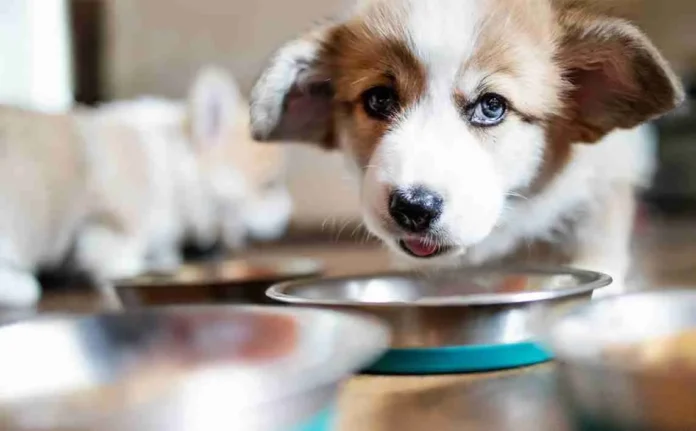 Puppies are growing and changing very fast, and this is especially the case in their first couple of months of life. Their bodies are constantly changing which leaves their immune and digestive system quite vulnerable and sensitive.
Since they have very delicate stomachs, adding cumin or any other spices or supplements is out of the question because it is not recommended to add them before the dog is fully grown. Cumin can cause gastrointestinal issues and potential allergy attacks, so keep away from it at least until your pup reaches adulthood or your vet recommends it.
Puppies are growing and changing very fast, and this is especially the case in their first couple of months of life. Their bodies are constantly changing which leaves their immune and digestive system quite vulnerable and sensitive.
Since they have very delicate stomachs, adding cumin or any other spices or supplements is out of the question because it is not recommended to add them before the dog is fully grown. Cumin can cause gastrointestinal issues and potential allergy attacks, so keep away from it at least until your pup reaches adulthood or your vet recommends it.
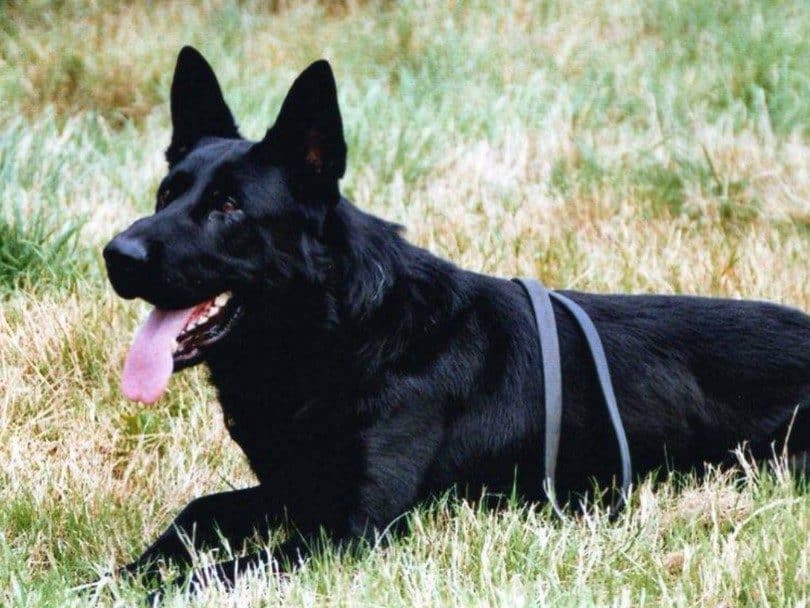 There are five different types of guard dog and although they all guard they do very different jobs. They are:
 There are trainers that specialise in training protection dogs all around the country so you should find one that is near and suitable for you relatively easily. Before contacting a specialised trainer though it is advisable to
 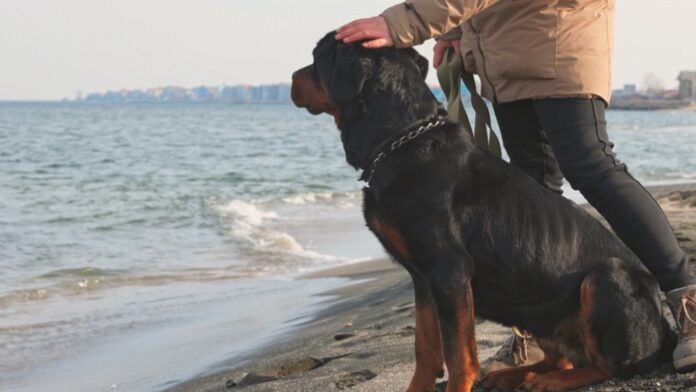 Rottweilers need firm and fair training that will allow them to believe they have a job to do. Without a job they can become bullies and may walk a fine line between protective and aggressive. They are best suited to an experienced dog owner who will ensure that they are the pack leader.
Rottweilers have in the past been seen as a status dog used by those wishing to
Rottweilers need firm and fair training that will allow them to believe they have a job to do. Without a job they can become bullies and may walk a fine line between protective and aggressive. They are best suited to an experienced dog owner who will ensure that they are the pack leader.
Rottweilers have in the past been seen as a status dog used by those wishing to 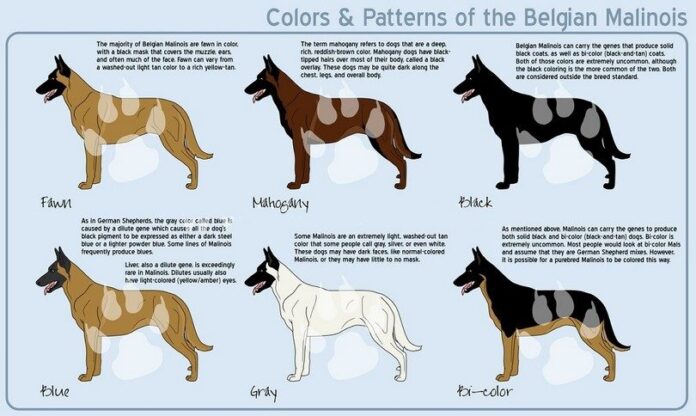 Personality wise they are all different, some being friendly and assertive and others reserved and aloof. Which traits they will have will depend on the way they are trained. They all however have intelligence, are quick to learn and excel in guarding and obedience. To see if this breed is right for you, you should definitely read more about the Belgian Malinois.
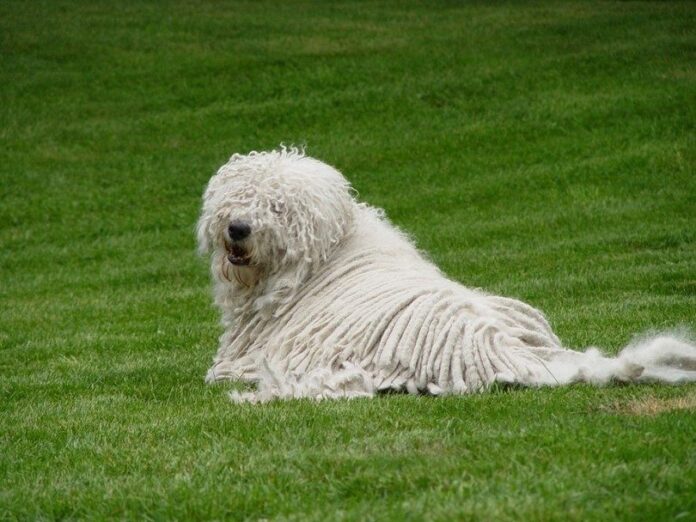 Komondors should only really be with experienced owners who can spare the time to accustom their dog to new people and other dogs. They are not fond of either of these things. Once he/she knows you though, he will welcome you into his herd and protect you relentlessly. Although you may find it unnerving do not be surprised if your Komondor sits and stares at you. He/she is just keeping an eye on you – ensuring you are safe.
Remember that not every breed of dog is for everyone; before you take on home, please read about the Komondor.
Komondors should only really be with experienced owners who can spare the time to accustom their dog to new people and other dogs. They are not fond of either of these things. Once he/she knows you though, he will welcome you into his herd and protect you relentlessly. Although you may find it unnerving do not be surprised if your Komondor sits and stares at you. He/she is just keeping an eye on you – ensuring you are safe.
Remember that not every breed of dog is for everyone; before you take on home, please read about the Komondor.
 Being a big and powerful dog they do need a strong owner who can give them lots of exercise and work to do. Dobermans can become bored quite easily. A home with large gardens would be ideal for this breed as he would have lots of territory to patrol.
 The Chinese Shar Pei is known to be a calm, independent and aloof dog that can over react in the company of strange people and dogs. They are very territorial and when strangers enter your home may display a behaviour known as ‘sharking’. This involves circling and staring to intimidate your guest. It is a natural behaviour to this breed which it used when fighting other dogs. A strong owner that will work patiently with it to overcome this problem is needed.
 They are notoriously difficult to train and probably suited to a more experienced owner. Socialisation and training must start whilst they are very young due to their extreme loyalty and urge to protect their family. They are however highly intelligent and naturally gentle with children.
This dog is not suitable to small places such as an apartment or house without a garden. They can become aggressive when they feel confined. Not everyone is aware of this breed, so to know what you’re getting into before you buy or adopt, educate yourself by reading up on
They are notoriously difficult to train and probably suited to a more experienced owner. Socialisation and training must start whilst they are very young due to their extreme loyalty and urge to protect their family. They are however highly intelligent and naturally gentle with children.
This dog is not suitable to small places such as an apartment or house without a garden. They can become aggressive when they feel confined. Not everyone is aware of this breed, so to know what you’re getting into before you buy or adopt, educate yourself by reading up on  They will accept children but it is probably best not to have them around young ones as they will not accept any torment or abuse. Hitting a chow chow is a 100% no go! Please note here it is never acceptable to hit any dog.
 They are an extremely high energy breed and will bark and chew when bored. They need an owner who is strong and will give them a job as well as long walks and plenty of attention.
It needs to be noted that whilst they are great with family, they will not welcome guests. They are naturally quite suspicious of strangers in their home even if you have welcomed them in.
They are an extremely high energy breed and will bark and chew when bored. They need an owner who is strong and will give them a job as well as long walks and plenty of attention.
It needs to be noted that whilst they are great with family, they will not welcome guests. They are naturally quite suspicious of strangers in their home even if you have welcomed them in.
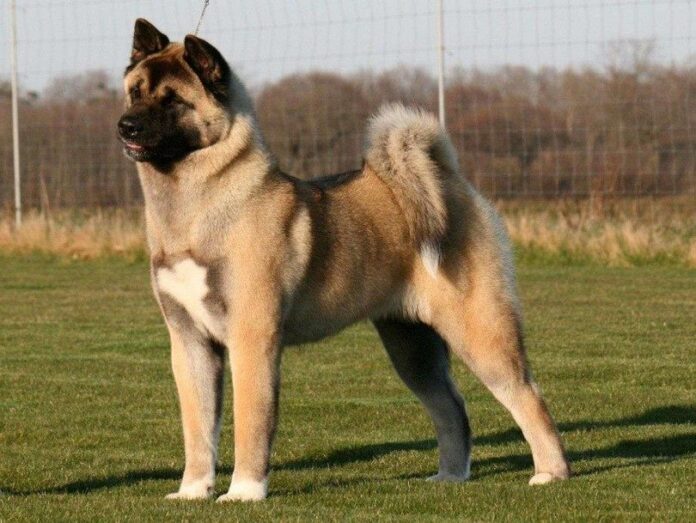 Akitas have a strong liking of carrying things around and will be very happy if you give them a carrying job to do. You may find they mouth your arm in play or to lead you somewhere because they want something. This is not them being vicious, they will not use their teeth.
As a
Akitas have a strong liking of carrying things around and will be very happy if you give them a carrying job to do. You may find they mouth your arm in play or to lead you somewhere because they want something. This is not them being vicious, they will not use their teeth.
As a 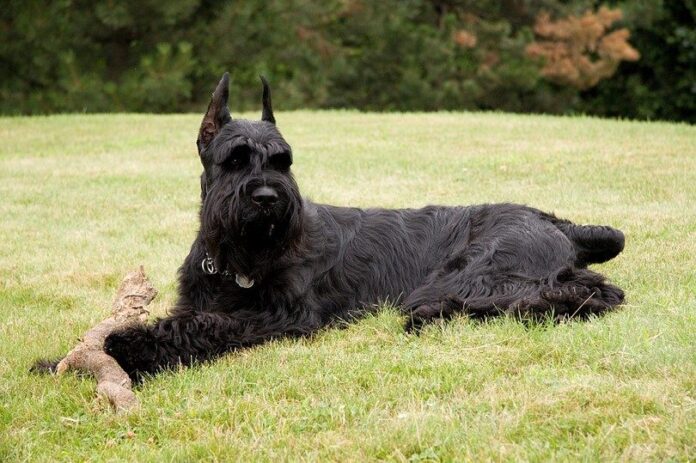 Not a happy go lucky dog, giant schnauzers have a very serious temperament. They are however a loyal and devoted dog who will quickly learn who are the welcome guests in your home and befriend them.
He is very watchful and on seeing anything he / she feels is suspicious will let out a low growl alerting you to the potential problem. They can become bored easily and boredom will lead to destructive behavior. With regards to children the giant schnauzer is probably best not homed with those under twelve.
Not a happy go lucky dog, giant schnauzers have a very serious temperament. They are however a loyal and devoted dog who will quickly learn who are the welcome guests in your home and befriend them.
He is very watchful and on seeing anything he / she feels is suspicious will let out a low growl alerting you to the potential problem. They can become bored easily and boredom will lead to destructive behavior. With regards to children the giant schnauzer is probably best not homed with those under twelve.



 There are various behavior issues that your dog might experience. You should bear in mind that this does not mean your dog is naughty or misbehaving – it could be a real and treatable issue. Some of the common ones are:
 One of the other common behavior issues that can affect dogs is destructive chewing, and this is something that can cause huge problems in the home. It could cost you a lot of money to replace or repair items that have been ripped to shreds by your pet, and some dogs do not grow out of this habit even as adults.
Some do it due to boredom, while others may do it for another reason. Speaking to a vet can help you to tackle this issue with greater ease.
One of the other common behavior issues that can affect dogs is destructive chewing, and this is something that can cause huge problems in the home. It could cost you a lot of money to replace or repair items that have been ripped to shreds by your pet, and some dogs do not grow out of this habit even as adults.
Some do it due to boredom, while others may do it for another reason. Speaking to a vet can help you to tackle this issue with greater ease.
 Behavioral problems in dogs can range from minor to severe, but a few of the most common issues include peeing in the house, exhibition of aggression, destructive chewing and barking excessively. As an owner, it is important to recognize when these issues are occurring and address them on your own or seek professional help.
However, solving your dog’s behavioral problems can be an overwhelming task as there is no one-size-fits-all solution. To choose the most effective approach for your situation and ensure safe outcomes for yourself and your pup, understanding canine behaviors is key.
Behavioral problems in dogs can range from minor to severe, but a few of the most common issues include peeing in the house, exhibition of aggression, destructive chewing and barking excessively. As an owner, it is important to recognize when these issues are occurring and address them on your own or seek professional help.
However, solving your dog’s behavioral problems can be an overwhelming task as there is no one-size-fits-all solution. To choose the most effective approach for your situation and ensure safe outcomes for yourself and your pup, understanding canine behaviors is key.
 In conclusion, it is important to understand that behavioral problems in dogs have many possible causes. Dogs can become disorderly due to a complex combination of factors, some natural and some caused by their owners.
To effectively treat and manage behavior issues, owners should recognize these signs early and be proactive in helping their pets. It is essential to determine the root cause of the problem before considering any form of corrective action.
Owners should consult their veterinarian or a professional animal behaviorist if they observe any consistent signs of distress or aggression in their pet. These experts are trained to help solve behavioral problems through scientific testing or through providing resources on training techniques and methods that can be used to modify your pet’s behavior.
In addition, humane treatments such as positive reinforcement can be used alongside traditional approaches for more durable results. With patience, guidance, and understanding, most behavioral problems can be successfully resolved so both dog owners and their pets can maintain fulfilling relationships for years to come.
In conclusion, it is important to understand that behavioral problems in dogs have many possible causes. Dogs can become disorderly due to a complex combination of factors, some natural and some caused by their owners.
To effectively treat and manage behavior issues, owners should recognize these signs early and be proactive in helping their pets. It is essential to determine the root cause of the problem before considering any form of corrective action.
Owners should consult their veterinarian or a professional animal behaviorist if they observe any consistent signs of distress or aggression in their pet. These experts are trained to help solve behavioral problems through scientific testing or through providing resources on training techniques and methods that can be used to modify your pet’s behavior.
In addition, humane treatments such as positive reinforcement can be used alongside traditional approaches for more durable results. With patience, guidance, and understanding, most behavioral problems can be successfully resolved so both dog owners and their pets can maintain fulfilling relationships for years to come. 
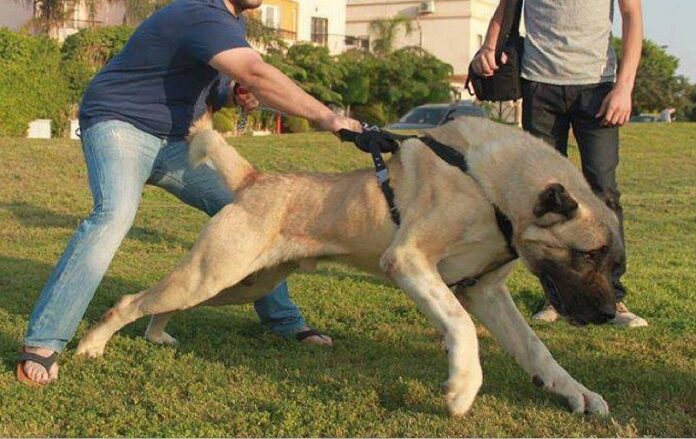 The other factor is the dog’s breed characteristics because some dog breeds have inner instincts for guarding, herding, retrieving, hunting etc.
Some of them had been developed specifically to do these tasks and they tend to find some other tasks if they are not provided with similar jobs and that can include nipping at the family members or other animals.
This can be brought to minimum by proper training, which brings us to the third factor: training and owner’s care.
The other factor is the dog’s breed characteristics because some dog breeds have inner instincts for guarding, herding, retrieving, hunting etc.
Some of them had been developed specifically to do these tasks and they tend to find some other tasks if they are not provided with similar jobs and that can include nipping at the family members or other animals.
This can be brought to minimum by proper training, which brings us to the third factor: training and owner’s care.
 When it comes to the first category or stranger-directed aggression, the dog breeds that scored lower and showed less hostility towards unfamiliar persons are: the Bernese Mountain Dog, Brittany Spaniel, Golden Retriever, Greyhound, Siberian Husky, Whippet and Portuguese Water Dog.
The dog breeds that scored lower than other breeds in terms of showing aggression towards their owners are: the Australian Shepherd, Bernese Mountain Dog, Boxer, Brittany Spaniel, Doberman Pinscher, Great Dane, Rhodesian Ridgeback and Pitt Bull.
The dog breeds that scored lower than other breeds in terms of showing aggression towards other dogs are: the Bernese Mountain Dog, Collie, Greyhound, Whippet and Brittany Spaniel.
The dog breeds that scored lower than other breeds in terms of dog rivalry are: the Labrador Retriever, Brittany Spaniel, Bernese Mountain Dog, Portuguese Water Dog and Rhodesian Ridgeback.
When it comes to the first category or stranger-directed aggression, the dog breeds that scored lower and showed less hostility towards unfamiliar persons are: the Bernese Mountain Dog, Brittany Spaniel, Golden Retriever, Greyhound, Siberian Husky, Whippet and Portuguese Water Dog.
The dog breeds that scored lower than other breeds in terms of showing aggression towards their owners are: the Australian Shepherd, Bernese Mountain Dog, Boxer, Brittany Spaniel, Doberman Pinscher, Great Dane, Rhodesian Ridgeback and Pitt Bull.
The dog breeds that scored lower than other breeds in terms of showing aggression towards other dogs are: the Bernese Mountain Dog, Collie, Greyhound, Whippet and Brittany Spaniel.
The dog breeds that scored lower than other breeds in terms of dog rivalry are: the Labrador Retriever, Brittany Spaniel, Bernese Mountain Dog, Portuguese Water Dog and Rhodesian Ridgeback.
 According to these statistics, the Golden Retrievers, Labradors Retrievers, Bernese Mountain Dogs, Brittany Spaniels, Greyhounds and Whippets are the least aggressive breeds toward both humans and dogs.
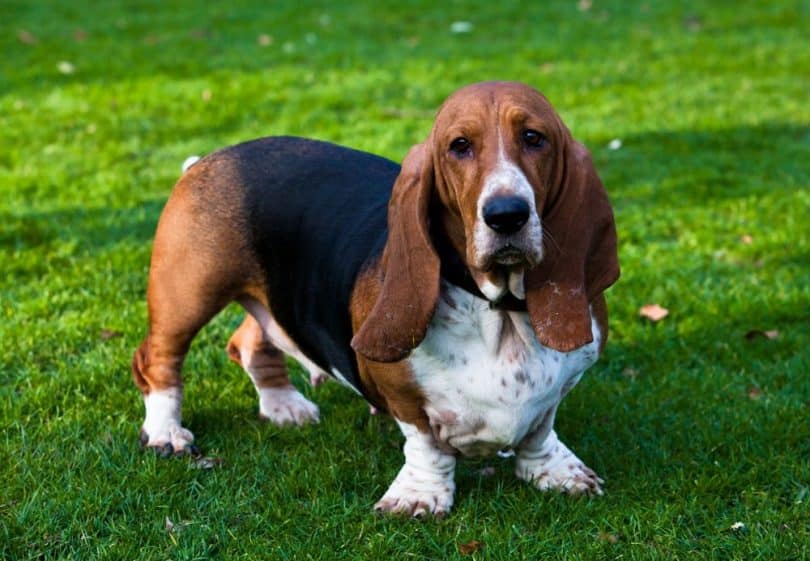 What makes this dog breed a great family member is his temperament – he is very laid-back, easy-going but also playful and friendly. They are comfortable living in apartments and they are also known for their gentle disposition. They are very tolerant of small children and like to be near them. Even though they can be very vocal and stubborn sometimes, they do not show signs of aggression if socialized and loved properly. They are also great companions for frail seniors or persons with limited mobility.
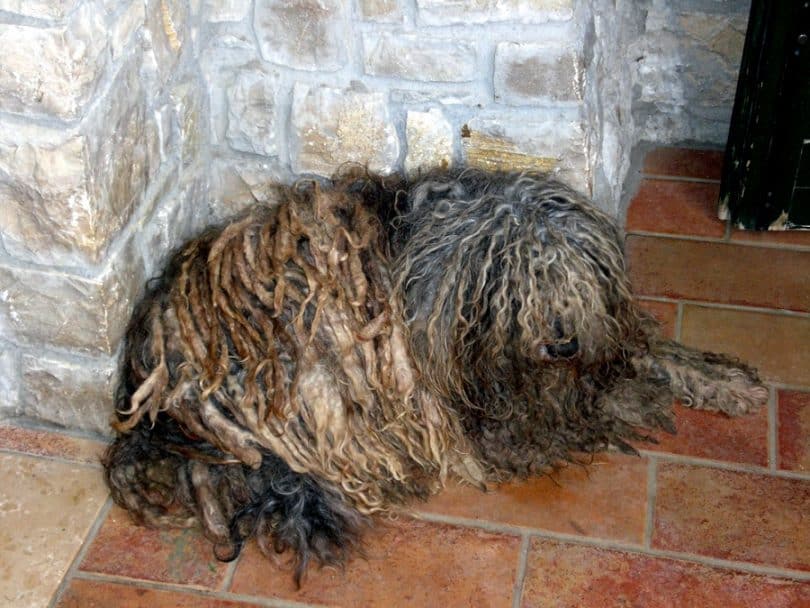 When it comes to their temperament, they are patient and have good self-control. They have a strong desire to please their master and they make good companions and family members.
 They require minimal grooming and exercise which makes them great companions for apartments, older people and children. They get along well with children and like to play with them. The same goes for other dogs and pets.
They are known for forming strong bonds with family members and they do not like to go anywhere without them. If you are looking for a pet that is courageous, patient, friendly and calm by nature, then the bulldog is a great choice.
They require minimal grooming and exercise which makes them great companions for apartments, older people and children. They get along well with children and like to play with them. The same goes for other dogs and pets.
They are known for forming strong bonds with family members and they do not like to go anywhere without them. If you are looking for a pet that is courageous, patient, friendly and calm by nature, then the bulldog is a great choice.
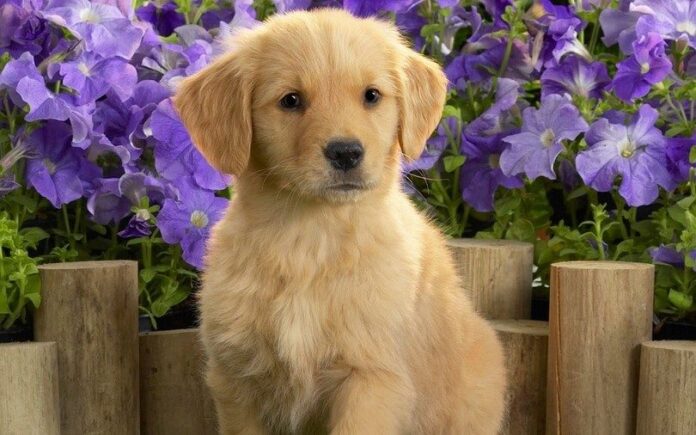
 Their temperament makes them one of the least aggressive dog breeds. They are described as friendly, easy-going, outgoing, patient, calm and confident. They are also the most popular family dog breeds in the world since they go along with children. They are also described as never being nervous, snappy or hostile towards people, dogs or other animals. They are also not ‘one-man dogs’ since their personality is so easy-going; they easily form bonds with strangers or anyone who is friendly with them. That means that they are not suitable for being guard dogs.
However, they require regular grooming and brushing, especially the Golden retrievers since their coats are longed and curlier than the ones in Labrador retrievers. They are fun-loving dogs who love to be loved and to take care of their owners, and that makes them also one of the least aggressive dog breeds in the world.
Their temperament makes them one of the least aggressive dog breeds. They are described as friendly, easy-going, outgoing, patient, calm and confident. They are also the most popular family dog breeds in the world since they go along with children. They are also described as never being nervous, snappy or hostile towards people, dogs or other animals. They are also not ‘one-man dogs’ since their personality is so easy-going; they easily form bonds with strangers or anyone who is friendly with them. That means that they are not suitable for being guard dogs.
However, they require regular grooming and brushing, especially the Golden retrievers since their coats are longed and curlier than the ones in Labrador retrievers. They are fun-loving dogs who love to be loved and to take care of their owners, and that makes them also one of the least aggressive dog breeds in the world.
 Their dispositions are gentle and loving and they often seek physical affection with their owners and family members. They can go along with other pets, animals and strangers and they do not show signs of aggression. They are friendly, kind and patient by nature and you should not be intimidated by their fearful size. They should be socialized from an early age in order to not become suspicious of strangers and they should be supervised around children because even though they are gentle towards them, they can accidentally step on them.
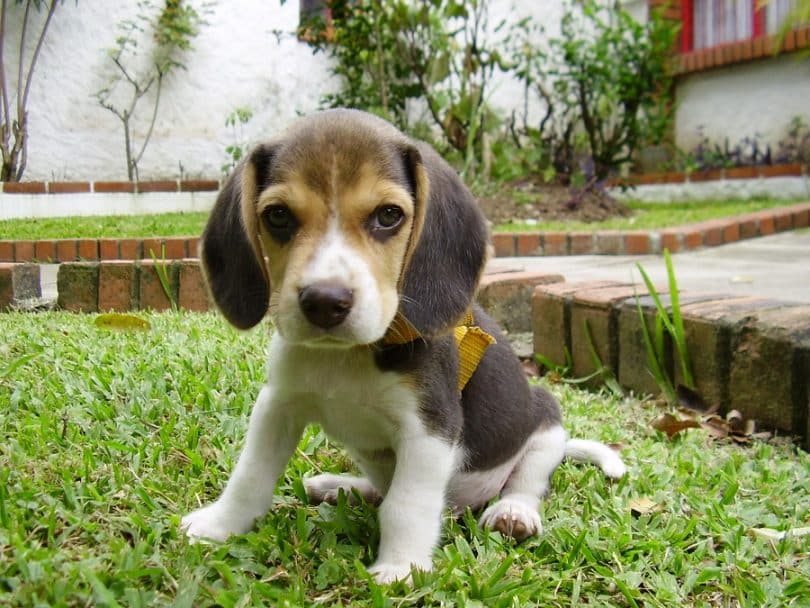 When it comes to their temperament, they are known for being gentle, merry and friendly. They enjoy people’s company and what makes them great family pets is the fact that they are excellent with small children. They also get along with other dogs and strangers which makes them poor guard dogs. They can get easily bored and even develop the separation anxiety. All in all, they are very playful dogs and aggressiveness is not part of their temperament.
 They are not suitable as guard dogs as they can get friendly with strangers. They love human companionship and they should never be left alone for a long period of time. They are known for being calm, friendly, patient and easy-going but also cheerful and full of energy. Because of this, they are often used as assistance and therapy dogs in hospitals and schools.
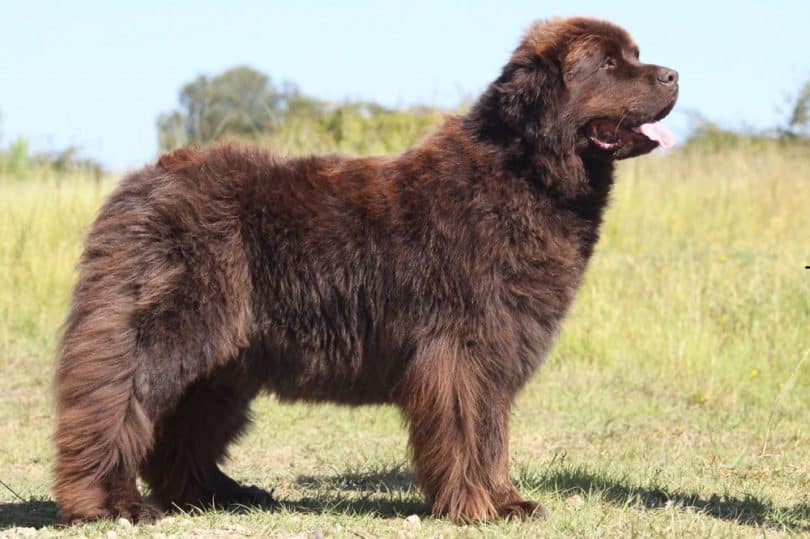 According to the American Kennel Club, there are more docile large dog breeds that are misunderstood as aggressive and imposing, but they are rather calm and gentle. They are the Irish Wolfhound, Leonberger, Mastiff and Saint Bernard. Some of these breeds have become very popular because of their huge size but mellow temperaments.
 When it comes to Collie’s temperament, they should never be nervous snappy or aggressive, on the contrary – they are good with children and other animals. They should be socialized and trained from an early age in order to not become shy or suspicious of others. They are very loyal and one-family dogs, which means that even though they would get friendly with others, they will stay loyal to their true family. They are eager to learn, playful, cheerful and protective.
 To sum up, when it comes to aggression in dogs, it is at least partially rooted in genetics while the other factors such as developmental and environmental ones play a bigger part in determining whether a dog will express aggressive behavior or not. According to the studies, the attempts of bites towards strangers and other dogs have been raised 20% in the recent years in certain breeds.
However, the attempts of bites are bigger in smaller breeds, probably because they are more tolerated. There are also variations in aggression towards strangers, owners and other dogs. Some dog breeds have been noted to show signs of all three, and some only one.
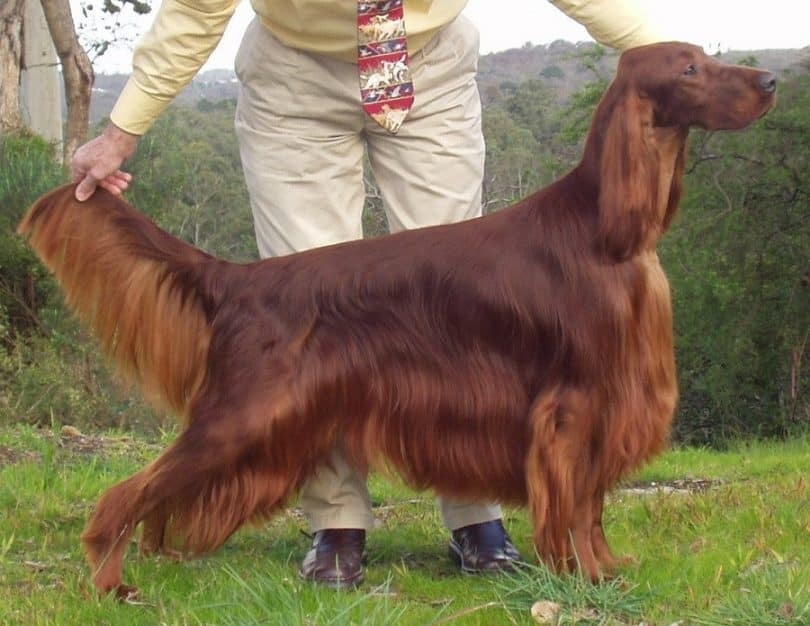
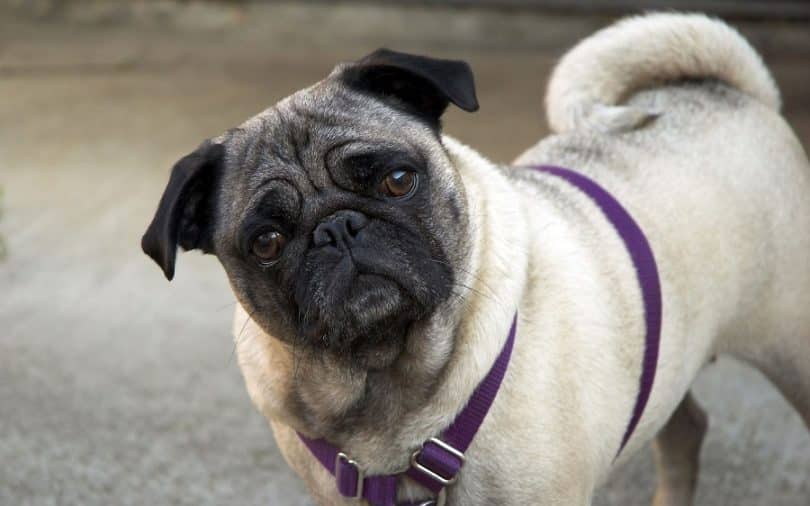
This article provided you with a guide of top 10 docile breeds that make great family dogs (Basset Hound, Bergamasco, Bulldog, Retriever, Great Dane, Beagle, Irish Setter, Newfoundland, Rough Collie and Pug) and some factors that may contribute to dogs’ aggressive behavior.
The most important thing to remember is that even though some dog breeds may have genetic dispositions for aggressive behavior, if they are cared for properly, they can be the warmest and gentlest dogs in the world
To sum up, when it comes to aggression in dogs, it is at least partially rooted in genetics while the other factors such as developmental and environmental ones play a bigger part in determining whether a dog will express aggressive behavior or not. According to the studies, the attempts of bites towards strangers and other dogs have been raised 20% in the recent years in certain breeds.
However, the attempts of bites are bigger in smaller breeds, probably because they are more tolerated. There are also variations in aggression towards strangers, owners and other dogs. Some dog breeds have been noted to show signs of all three, and some only one.
This article provided you with a guide of top 10 docile breeds that make great family dogs (Basset Hound, Bergamasco, Bulldog, Retriever, Great Dane, Beagle, Irish Setter, Newfoundland, Rough Collie and Pug) and some factors that may contribute to dogs’ aggressive behavior.
The most important thing to remember is that even though some dog breeds may have genetic dispositions for aggressive behavior, if they are cared for properly, they can be the warmest and gentlest dogs in the world 
 All of these matter and you should not think about getting a dog if you are unable to tend to his basic needs; do not forget that a dog is another family member and it should be treated as such.
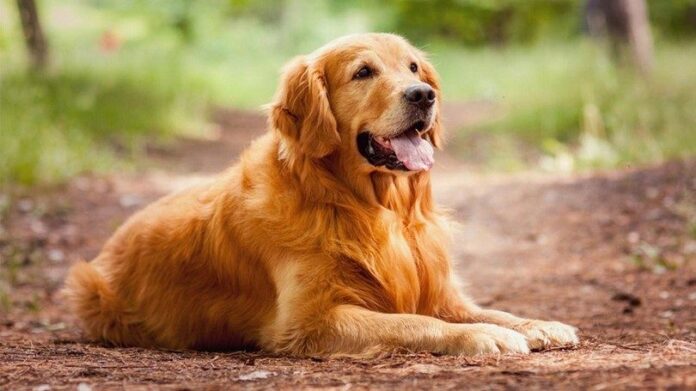 Some of the other interesting characteristics about this breed are that this dog is very active and he is suitable and used as a guide dog, a mobility assistance dog or a search and rescue dog. The Golden Retriever is also used for various performance events and games, and he almost always responds positively and well to the training.
You must take care to frequently groom and comb your Golden Retriever because they shed always throughout the year. They should be also taken to annual check-ups because they are known to have genetic disorders and various diseased.
Some of the other interesting characteristics about this breed are that this dog is very active and he is suitable and used as a guide dog, a mobility assistance dog or a search and rescue dog. The Golden Retriever is also used for various performance events and games, and he almost always responds positively and well to the training.
You must take care to frequently groom and comb your Golden Retriever because they shed always throughout the year. They should be also taken to annual check-ups because they are known to have genetic disorders and various diseased.
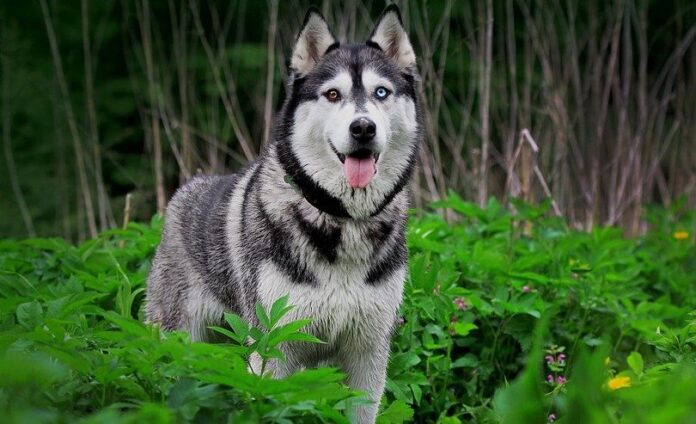 When it comes to his behavior and temperament, the Husky is described as a wolfish dog. He howls, and almost never barks.
They are also known as escape artists, mainly because they are able to dig under the fence, jump over it or even chew though it and escape. They love to roam, which is a strong connection to their ancestors.
They are usually good with children, and they love to be part of family, or as they see it, part of a pack. If you do not care or train your Husky, he can be very destructive – attack cats or other dogs or run away.
They ask for a lot of space, exercises and
When it comes to his behavior and temperament, the Husky is described as a wolfish dog. He howls, and almost never barks.
They are also known as escape artists, mainly because they are able to dig under the fence, jump over it or even chew though it and escape. They love to roam, which is a strong connection to their ancestors.
They are usually good with children, and they love to be part of family, or as they see it, part of a pack. If you do not care or train your Husky, he can be very destructive – attack cats or other dogs or run away.
They ask for a lot of space, exercises and  Maltese do not get along well with small children, simply because a child can easily hurt the dog during a game by dropping him or holding him too tightly. It would be better to simply have a Maltese in a home with older children or teenagers.
It is also known that many respectable dog breeders would not sell this breed to the families with babies and small kids, simply because they believe that would harm the dog and his basic needs would not be met.
Maltese do not get along well with small children, simply because a child can easily hurt the dog during a game by dropping him or holding him too tightly. It would be better to simply have a Maltese in a home with older children or teenagers.
It is also known that many respectable dog breeders would not sell this breed to the families with babies and small kids, simply because they believe that would harm the dog and his basic needs would not be met.
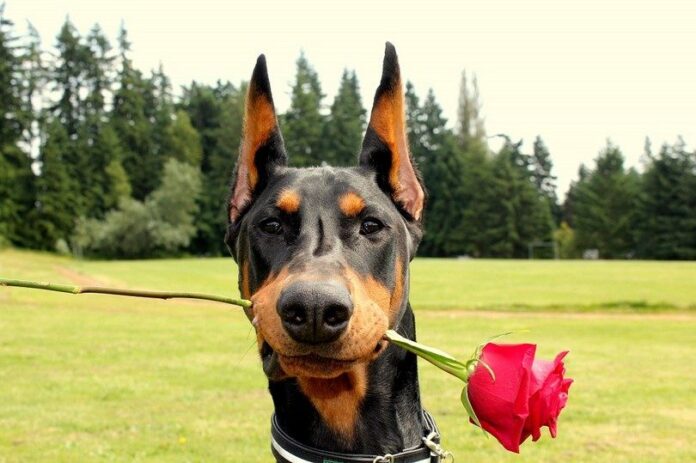
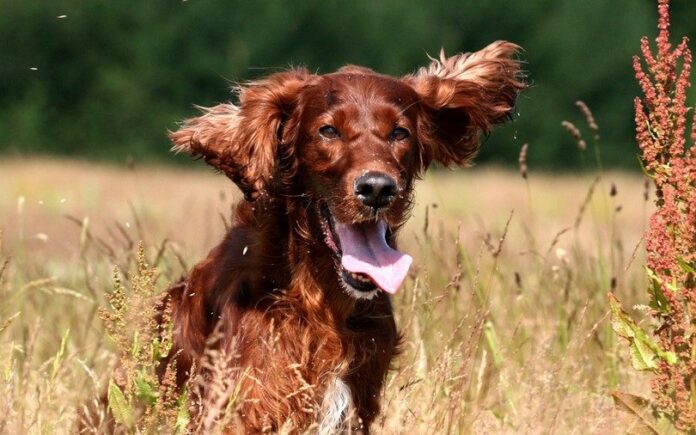 This dog was used for hunting birds and other prey on the fields, and his pointing position can be seen even today.
He can be stubborn, but he is always friendly and loyal. The breed belongs to the group of the most intelligent dogs. They are also used as therapy dogs in hospitals and schools. They are also great as family dogs because they love children and they also get along well with other dogs.
However, keep in mind that their hunting instinct may become a trouble for smaller pets, especially birds. They are also a breed that likes to play deaf and to roam, therefore a careful training should be a must from an early age and you should not let them off-lead until they master to respond to your calls.
The Irish Setter is not a dog that likes to be alone or left in the backyard. It is a dog that must be active and to have a job to do. They are not suitable as guard dogs.
This dog was used for hunting birds and other prey on the fields, and his pointing position can be seen even today.
He can be stubborn, but he is always friendly and loyal. The breed belongs to the group of the most intelligent dogs. They are also used as therapy dogs in hospitals and schools. They are also great as family dogs because they love children and they also get along well with other dogs.
However, keep in mind that their hunting instinct may become a trouble for smaller pets, especially birds. They are also a breed that likes to play deaf and to roam, therefore a careful training should be a must from an early age and you should not let them off-lead until they master to respond to your calls.
The Irish Setter is not a dog that likes to be alone or left in the backyard. It is a dog that must be active and to have a job to do. They are not suitable as guard dogs.
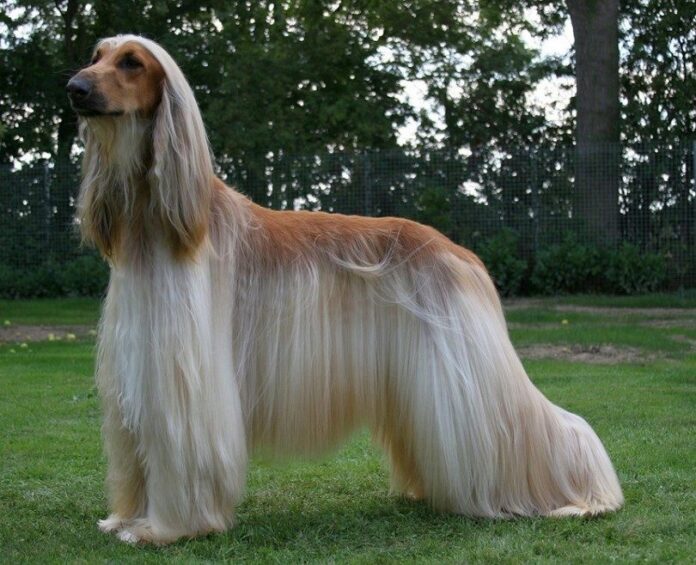 When it comes to his personality, this breed can be independent, but also sweet, silly and loyal.
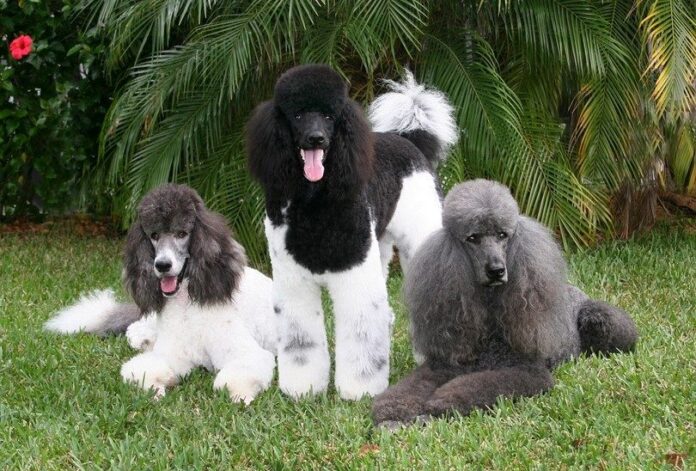 The poodle is always energetic and sociable. You must provide him with regular outdoor exercises and activities. The Poodle’s instinct for hunting is more prominent than in other breeds, and this breed should never be snappy or nervous.
The Poodles are highly trainable and they excel in most dog sports such as agility, fly ball, diving, tracking etc.
The poodle is always energetic and sociable. You must provide him with regular outdoor exercises and activities. The Poodle’s instinct for hunting is more prominent than in other breeds, and this breed should never be snappy or nervous.
The Poodles are highly trainable and they excel in most dog sports such as agility, fly ball, diving, tracking etc.
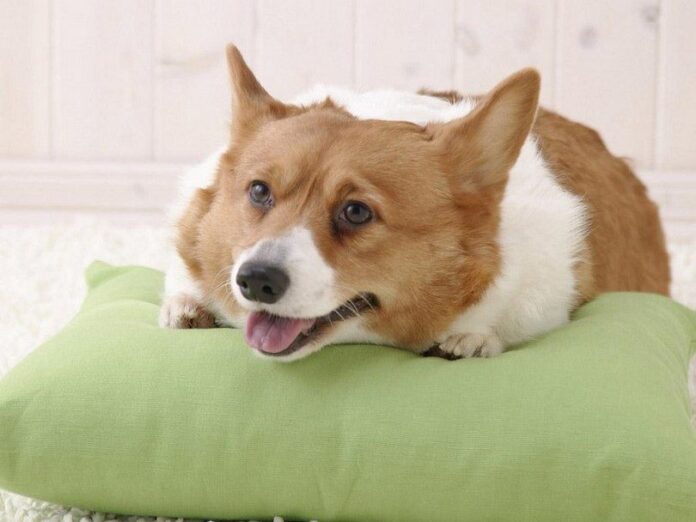 They are very curious and friendly dogs. They are very suitable for outdoor activities even though they have short legs.
They often compete in various dog sports and events such as the agility trials, fly ball, tracking, obedience and many more. They also make great alarm dogs since they tend to be very vocal and to bark a lot if they are not properly trained from an early age.
They get along with children; however, keep in mind their herding instincts since they can nip at the children’s heels during the play. You should also socialize them from an early age so they do not become cautious or shy around other dogs.
They are very curious and friendly dogs. They are very suitable for outdoor activities even though they have short legs.
They often compete in various dog sports and events such as the agility trials, fly ball, tracking, obedience and many more. They also make great alarm dogs since they tend to be very vocal and to bark a lot if they are not properly trained from an early age.
They get along with children; however, keep in mind their herding instincts since they can nip at the children’s heels during the play. You should also socialize them from an early age so they do not become cautious or shy around other dogs.
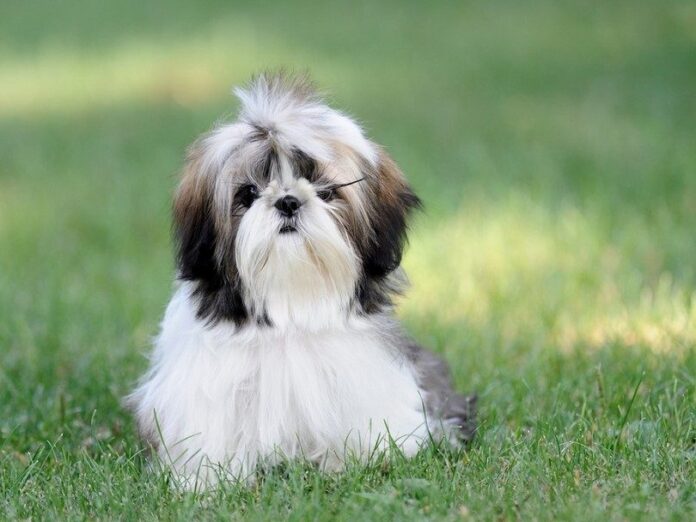 According to the Chinese legend, the Shih Tzu is known as a ‘lion dog’ because it resembles the Chinese guardian lions. Until 1930, the Chinese refused to sell and trade their dogs because they praised them so much. Their dog breeds from ancient times can be seen in Chinese paintings and legends.
The Shih Tzu may be a small dog, but he is loyal, outgoing and very alert. He can be very stubborn, so you must train him from an early age; otherwise it would become impossible for him to obey even the most basic commands later on.
Additionally, they can become nasty if they are provoked, so you should keep an eye on them while they are playing with children.
According to the Chinese legend, the Shih Tzu is known as a ‘lion dog’ because it resembles the Chinese guardian lions. Until 1930, the Chinese refused to sell and trade their dogs because they praised them so much. Their dog breeds from ancient times can be seen in Chinese paintings and legends.
The Shih Tzu may be a small dog, but he is loyal, outgoing and very alert. He can be very stubborn, so you must train him from an early age; otherwise it would become impossible for him to obey even the most basic commands later on.
Additionally, they can become nasty if they are provoked, so you should keep an eye on them while they are playing with children.
 When it comes to their temperament and behavior, they are very protective, obedient and loyal. They would protect their family at any cost and that is why it is very important to train them and socialize them from an early age, because they have tendency to go after smaller animals or even strangers.
To sum up, there are many beautiful and nice looking dogs in the world, and you should choose the breed according to your taste, but also the ability to take care of it, mainly because each breed is different and requires a different treatment.
That means that whether you go for a tiny companion doggie or for a big, guard dog, both of them need exercises, proper diet and mental activities.
This article pointed out 10 best looking dogs, such as: the Poodle, German Shepherd, Irish Setter, Corgi, Siberian Husky, Golden Retriever, Maltese, Doberman, Afgan Hound and Shih Tzu.
Some of them are companion dogs while the others are guard dogs. However, you should remember that, no matter what breed, every dog is beautiful and needs your love and friendship.
When it comes to their temperament and behavior, they are very protective, obedient and loyal. They would protect their family at any cost and that is why it is very important to train them and socialize them from an early age, because they have tendency to go after smaller animals or even strangers.
To sum up, there are many beautiful and nice looking dogs in the world, and you should choose the breed according to your taste, but also the ability to take care of it, mainly because each breed is different and requires a different treatment.
That means that whether you go for a tiny companion doggie or for a big, guard dog, both of them need exercises, proper diet and mental activities.
This article pointed out 10 best looking dogs, such as: the Poodle, German Shepherd, Irish Setter, Corgi, Siberian Husky, Golden Retriever, Maltese, Doberman, Afgan Hound and Shih Tzu.
Some of them are companion dogs while the others are guard dogs. However, you should remember that, no matter what breed, every dog is beautiful and needs your love and friendship. 




 The story of the Coots breed is a tapestry of intrigue and evolution. The breed’s origins can be traced back several centuries to the rugged landscapes of Northern Europe.
Here, they were primarily used as working dogs, given tasks that aligned with their natural instincts and abilities. Coots puppies quickly found their place as helpers to shepherds and hunters alike.
Find your next puppy pal here:
The story of the Coots breed is a tapestry of intrigue and evolution. The breed’s origins can be traced back several centuries to the rugged landscapes of Northern Europe.
Here, they were primarily used as working dogs, given tasks that aligned with their natural instincts and abilities. Coots puppies quickly found their place as helpers to shepherds and hunters alike.
Find your next puppy pal here:  One of the standout features of Coots puppies is their spirited temperament. They are bursting with energy and enthusiasm, always eager to explore and play.
While they are generally friendly and good-natured, they also possess a protective streak, making them excellent watchdogs for the home.
Coots puppies are known to form strong bonds with their families. They thrive on interaction and often display a keen sense of loyalty.
However, owing to their working dog lineage, they also have an innate drive to herd. This can sometimes manifest in playful attempts to “herd” family members, especially young children.
One of the standout features of Coots puppies is their spirited temperament. They are bursting with energy and enthusiasm, always eager to explore and play.
While they are generally friendly and good-natured, they also possess a protective streak, making them excellent watchdogs for the home.
Coots puppies are known to form strong bonds with their families. They thrive on interaction and often display a keen sense of loyalty.
However, owing to their working dog lineage, they also have an innate drive to herd. This can sometimes manifest in playful attempts to “herd” family members, especially young children.
 Coots are generally robust and healthy dogs, but like all breeds, they can be prone to certain health issues. Regular
  Building a strong bond with your Coots puppy from the outset is the foundation of a lasting, loving relationship.
Spending quality time together, whether it’s during training sessions,
Building a strong bond with your Coots puppy from the outset is the foundation of a lasting, loving relationship.
Spending quality time together, whether it’s during training sessions,