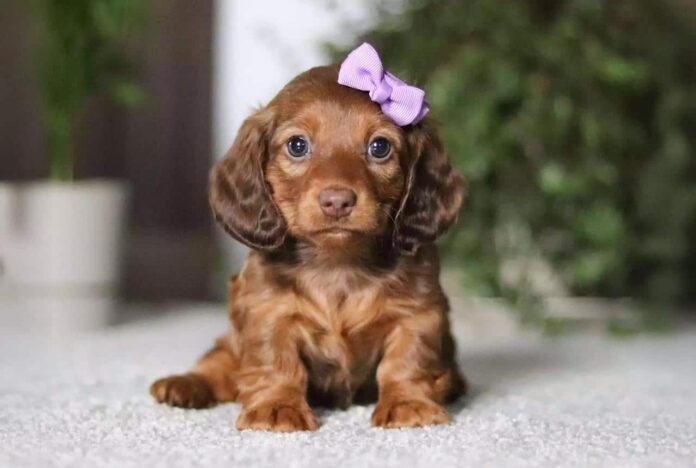
Dachshunds are irresistible. But their adorable looks come with health considerations. As with most dog breeds, where the dog comes from matters a lot more with Dachshunds. You want to work with a breeder who isn’t just giving you a puppy but a dog that will live a longer and healthier life with you. Find out what to look for in a breeder of Dachshunds.
Start With Health Testing, Not Just Photos
The single biggest issue with Dachshunds is Intervertebral Disc Disease (IVDD), which is directly related to their long backs. Although no breeder will ever guarantee that their dachshund puppy will never develop IVDD, many will avoid breeding dogs with a personal or strong family history of back issues. Many breeders also support the research into genetic testing for IVDD.
Beyond their backs, owners should also inquire about genetic testing and clearances for their Dachshunds for:
- Progressive Retinal Atrophy (PRA) — an inherited eye condition
- Patellar luxation — common in small breeds, worth checking in both parents
- Von Willebrand’s Disease — a clotting disorder seen in the breed
A breeder who can explain all of this properly and show you the paperwork to back up their genetic history is likely a responsible breeder.
Ask About the Parents’ Age and Health History
Health testing is important, but buyers should also ask how old the parents are and whether there are known health problems elsewhere in the family line. Some conditions may not become obvious until a dog is older, so information about grandparents, previous litters, and other related dogs can provide useful context.
Ask the breeder how long they have been working with Dachshunds and whether they keep in contact with owners of puppies from previous litters. Breeders who track the long-term health of the dogs they produce are in a better position to make informed breeding decisions in the future.
Don’t be afraid to ask specific questions. A responsible breeder should be comfortable discussing both the strengths and potential health risks within their breeding lines rather than claiming that their dogs have never experienced health problems.
Meet the Parents (At Least the Mother)
Reputable breeders will raise their puppies at home, not in a kennel out back, and will let you meet the mother dog. The temperament of the mother dog is indicative of the dog’s disposition, just as much as its coat and color – a nervous or aggressive dog will produce puppies with the same temperament.
If the breeder is not willing to let you visit the dog, insists on visiting some neutral location like a car park, or only offers you photos of the dog, this is another warning sign of what could be puppy mill breeding operations.
Check How the Puppies Are Socialised
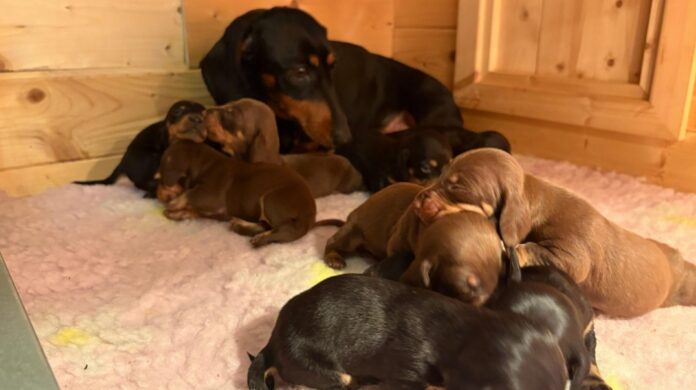
The first weeks of a puppy’s life can have a lasting influence on its behaviour. Dachshunds can be confident and curious, but they can also become wary or reactive if they have limited exposure to normal household life while young.
Ask where the puppies spend their time and what they experience before leaving for their new homes. Puppies raised responsibly should gradually become familiar with everyday sounds, different people, gentle handling, and normal household activity.
The breeder should also be able to tell you about each puppy’s personality. Rather than allowing buyers to choose solely based on colour, markings, or photos, a good breeder may help match individual puppies with homes that suit their temperament and energy level.
Ask About Litter Frequency
Responsible breeders will not over-breed their dogs. The general rule of thumb is that a healthy female dog should not be bred back to back, and the majority of reputable breeders will limit the number of litters a dog will have during its lifetime. If a person calls themselves a breeder and always has puppies and multiple breeds available, they are most likely a breed volume operation and not a passionate individual who breeds dogs as a hobby.
Expect Questions Back
This might be the most underrated sign of quality: good breeders interview you. Expect questions about your home, your experience with dogs, whether you have stairs (a genuine concern for a breed prone to back injuries), and your plans for exercise and training. A breeder who will sell to literally anyone with cash isn’t prioritising the dog’s welfare.
Get Everything in Writing
A responsible breeder provides:
- A written contract outlining health guarantees
- Vaccination and deworming records to date
- Microchipping details (in most parts of Australia, this is a legal requirement)
- Guidance on diet, weight management, and safe exercise for a long-backed breed
Weight management deserves special mention — excess weight dramatically increases the risk of back injury in Dachshunds, and a good breeder will talk you through this before you even bring the puppy home.
Look for Breed Club or Registry Involvement
Breeders who are members of a recognised breed club or those who are registered with a national kennel body will usually have a code of ethics to uphold. Again, not a guarantee that every dog out of these breeders will be perfect, but it does signify that at least someone else is looking after the breeders involved.
Trust Your Gut, Then Verify
If something feels rushed, if you’re being pressured to pay a deposit before you’ve asked a single question, or if the price seems unusually low for the breed, slow down. A well-bred Dachshund puppy represents months of planning, health testing, and vet costs on the breeder’s end — pricing and process usually reflect that.
Where to Start Looking
If you’re not sure where to begin, a curated directory of vetted, responsible breeders can save you a lot of the guesswork above — it’s a good first stop before you start contacting individual breeders directly. Responsible Pet Breeders Australia lists Dachshund breeders who meet these kinds of standards, which is a solid starting point if you’d rather not sift through classifieds and social media listings on your own.
A Dachshund is a long-term companion — often 12 to 16 years. Taking the time to find the right breeder isn’t just about getting a good puppy; it’s about giving that puppy the best possible start.