
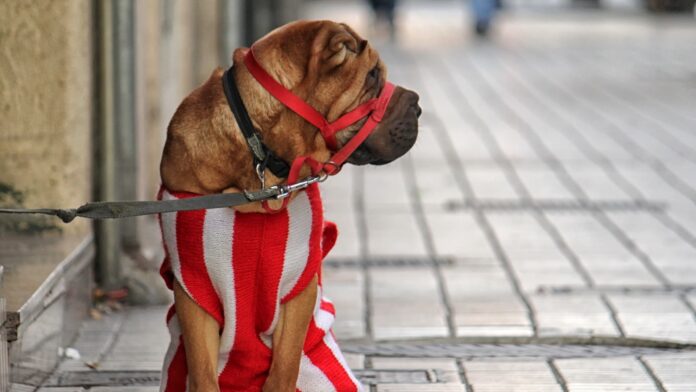
The head collar category has grown considerably in recent years, which is both a good and a slightly complicated thing for dog owners trying to make the right choice. More options means more opportunity to find something that genuinely suits your dog.
It also means more opportunity to buy something that looks the part but performs poorly, which in the head collar category tends to manifest as a dog that spends every walk trying to remove the product rather than actually walking nicely.
Dogmatic head collars have been consistently recognised as among the best in the category, and understanding what makes a head collar genuinely good is the most useful frame for any purchasing decision.
Why Head Collars Have Gained Ground
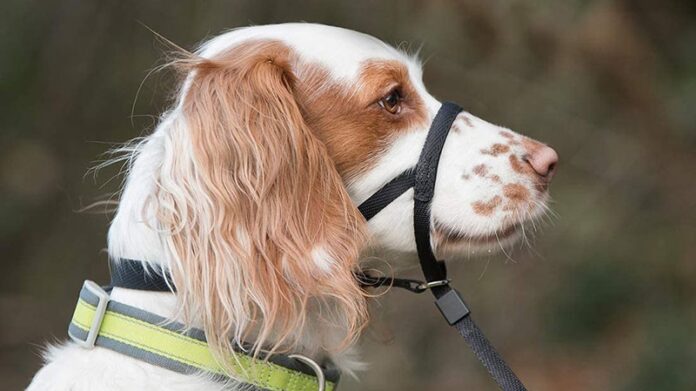
The force-free training movement has gained significant momentum, with major veterinary and animal organisations advocating for reward-based methods and an increasing number of professional trainers distancing themselves from aversive tools.
In that context, the head collar has moved closer to the mainstream of training equipment. It provides control without pain, redirects without confrontation, and supports positive reinforcement training in a way that punitive tools fundamentally cannot.
The UK dog training equipment market is growing at a 6.4% compound annual growth rate, reflecting rising demand for professional and advanced equipment, and within that market, the trend towards humane, effective tools is a consistent theme. Head collars are beneficiaries of that trend, and the quality of the products available has improved alongside the growth in demand.
The Design Features That Actually Matter
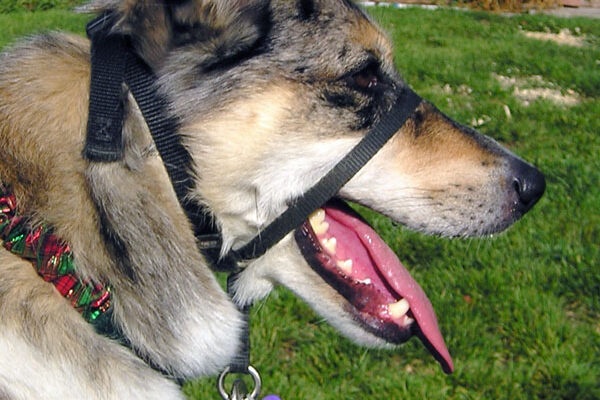
Not all head collars behave the same once you actually put them on a dog and go outside. That becomes obvious within the first few minutes of a walk.
The nose band is where everything either works smoothly or starts falling apart. If it sits too low, you will notice your dog trying to adjust their breathing or pawing at the strap. If it sits too high, it creeps toward the eyes, and that is something most dogs refuse to tolerate for long.
A few subtle details often separate a good design from a frustrating one:
- The shape should follow the natural curve of the dog’s muzzle, not fight against it
- The strap should stay in place without constant sliding during movement
- The adjustment points should feel secure, not loose or overly stiff
When these elements come together, the collar stops being something the dog notices and starts becoming something that simply works in the background.
Padding and Material Quality
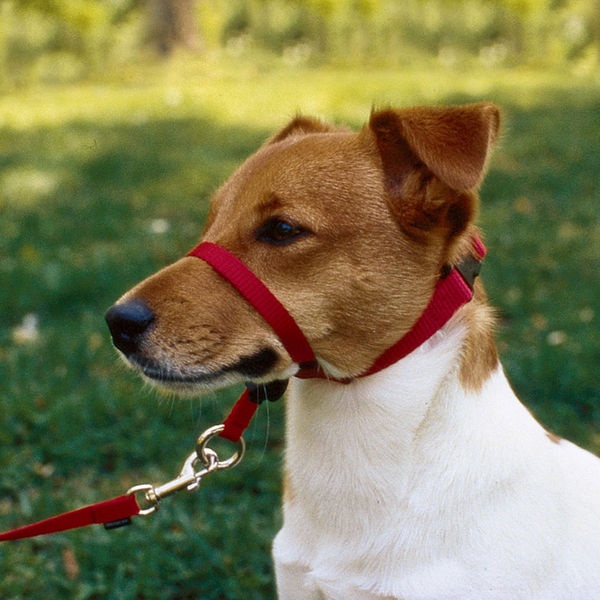
At a glance, most head collars look similar, but the difference in material becomes obvious as soon as pressure is applied. Thin, rough webbing creates a sharp point of contact across the nose. Dogs feel that immediately, and many will spend the entire walk trying to rub it off.
Padding changes that experience completely. Instead of a narrow pressure line, the contact spreads across a wider surface, which feels much more natural to the dog. It does not eliminate pressure, but it softens it in a way that makes the collar far easier to accept.
Here is a simple comparison that highlights what is really going on:
| Feature | Thin Webbing | Padded Webbing |
| Pressure feel | Sharp and concentrated | Even and distributed |
| Dog reaction | Frequent resistance | Higher tolerance |
| Comfort over time | Decreases quickly | Stays consistent |
| Skin impact | Can cause irritation | Much gentler on contact |
After a few walks, most owners notice the difference without needing to analyse it. The dog either settles into the walk or keeps trying to escape the equipment. Material quality usually sits right at the center of that outcome.
Sizing and Getting It Right
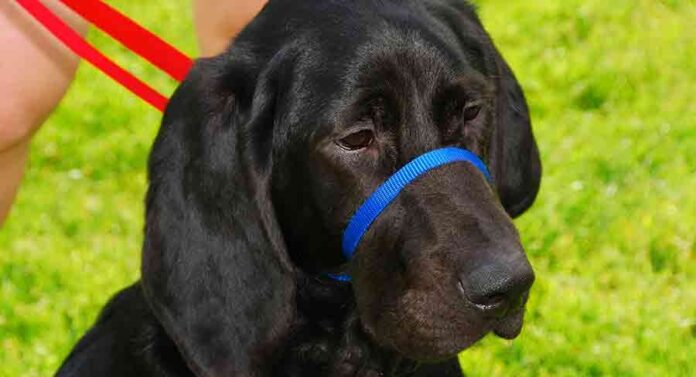
Sizing is where many people unintentionally set themselves up for problems. It is easy to assume that breed equals size, but that rarely holds up in real life. Even within the same breed, head shape, snout length, and overall proportions can vary more than expected. Mixed breeds make this even less predictable.
Taking a few minutes to measure properly changes everything. It removes guesswork and gives the collar a real chance to perform the way it is meant to.
- Measure the circumference of the nose where the band will sit
- Check the distance from nose to the back of the head
- Compare both measurements with the manufacturer’s guide, not just one
A collar that is too loose tends to slip off at the worst possible moment. A collar that is too tight creates discomfort and makes fitting awkward every time you put it on. Neither scenario reflects how effective the product can be when it actually fits the dog correctly.
Important:
A properly fitted head collar should allow the dog to open its mouth, pant, and take treats without restriction. If any of that feels limited, the fit is not right.
Getting the size right once saves a lot of frustration later.
The Colours and Options Available
Function comes first, but appearance still plays a role for most owners. Walking your dog is a daily routine, and people naturally want equipment that looks good as well as performs well. Modern head collars reflect that shift. You no longer have to settle for basic, neutral designs just to get something effective.
The range of colours and finishes now available means you can match the collar to your dog’s coat, your lead, or simply your own preference. It adds a small but noticeable layer of personalization to something that used to feel purely functional.
Many manufacturers expanded colour options after noticing that owners were more likely to stick with training tools that felt visually appealing. Consistency in use often leads to better training results.
That detail might seem minor, but it matters more than expected. When owners feel good about the equipment, they tend to use it more confidently and consistently, which benefits the dog in the long run.
A Final Word
Choosing a head collar is not something to rush. The difference between a well-fitted, well-designed model and a poor choice shows up immediately during walks. When everything fits properly and the dog is introduced to it in a calm, gradual way, the experience changes in a very noticeable way. Walks become smoother, corrections feel lighter, and the dog responds more naturally.
On the other hand, even a good product can fail if it is fitted incorrectly or chosen without attention to detail. Discomfort, slipping, or constant adjustment quickly turn what should be a helpful tool into a source of frustration.


