Pet owners and vets are divided in two very distinct camps when it comes to homemade dog food recipes.
There are the naysayers who consider that food prepared at home lacks certain very important nutrients and minerals and there are the ones who consider dogs should eat homemade food.
The food you prepare at home has the main advantage of being fresh, delicious and prepared with ingredients you actually know.
If you’re not sure which side to take, here are a few reasons that could help you understand the benefits of creating homemade dog food recipes.
These are all based on professional and individual observations according to the type of food that was provided for the dog. We will talk about the benefits of homemade meals and their effects on your dog’s health.

Let us take a look at the
pros and
cons of using these two types of pet foods.
- Commercial dog foods are prepared using processing methods that destroy nutrients in the ingredients. One of these processes is by subjecting ingredients to extremely high heat to kill all the possible harmful bacteria and microorganisms that may be present in the raw food. Processing plants make use of industry grade heating equipment which are designed to kill the smallest microorganisms in the ingredient.
The problem with this method is that most food nutrients are susceptible to excessively high temperatures. These include antioxidants, vitamins, and even protein content which can be rendered non-biologically available when their overall structure has been rearranged through the process of heating.
Some of the vitamins that can be easily destroyed are Folate and Vitamin C. Other processes that contribute to the loss of nutrients are boiling in large amounts of water, exposure to light and air, and contact with some types of metals.
- Commercial dog foods make use of non-human grade food ingredients. If you are going to look at the product’s label at the back, you will notice some ingredients such as fish or meat meals which actually include parts of an animal which you won’t eat yourself.
For example, they contain organ meats such as hooves, feathers, entrails, brain, and other animal by-products. The worst thing about these ingredients is that the FDA actually allows animals that have died by other causes, such as ailments and diseases, to be included in dog foods. A lot of people think that since they are just dogs, they can be fed anything.
Well, looking at the state of health of pets that are fed only processed dog food, one can say that this is not the case. Another interesting ingredient that you may find in pet food is propylene glycol. This ingredient is used to maintain moisture in wet types of dog food although it is a chemical used in car anti-freeze.
- Commercial pet foods usually contain artificial preservatives and other unhealthy additives. In order to prolong shelf-life and create an interesting “look” on their products, pet food companies will make use of artificial flavors and coloring as well as preservatives which are harmful for your pets.
These companies often defend its usage by saying that they only come in minimal amounts which do not have any significant effect on your pet’s health.But the truth is that the slow accumulation of these toxins will eventually lead to serious damage on your dog’s kidneys, liver, and heart. If you think that the natural antioxidants contained in the packaging will help counter these additives, just think that these antioxidants are also slowly destroyed by these chemicals and by the initial processing methods.
On the other hand, homemade meals will provide you with the following:
- Homemade pet food contains the freshest and healthiest ingredients. When making homemade meals, you will have to visit the local market or grocer where you can find locally raised vegetables and meat products. This means a higher nutritional content since they have not been stored for months and they have not travelled hundreds of miles to slowly lose their nutrients during the long transit.
Aside from that, shopping for local produce gives you the opportunity to look for organically raised meats, vegetables, and fruits which are truly healthier for your pet. This way, you can be assured that your pet is not eating antibiotic, steroid and hormone-laden foods.
- Homemade pet foods are less likely to lose nutrients by cooking methods. Since the food is cooked in small batches, they are cooked in less heat and water and so they also lose lesser nutrients during the cooking process. Compared to commercial food preparation, home cooking also makes use of lesser heat whereas industrial grade commercial cooking use extremely high temperatures.
There is also lesser stand-by time for the food before it is served to your pet so nutrients which are lost through light or air-exposure are better preserved.
If you are also going to judge by the look and texture of homemade versus commercially bought dog food, you will notice the difference – commercial dog food does not resemble any normal food at all.
- Homemade dog food does not contain preservatives. This is perhaps one of the most valuable health aspects of making your pet’s food at home. The only way you can lengthen the shelf life of homemade food is by storing it in the freezer, which does not pose any serious health risks for your pet unless you serve the food frozen. You will definitely give a large chance for your pet to gain better health if you serve foods that are not contaminated with these toxic chemicals.
Different types of homemade dog food recipes
There are different ways to prepare your pet’s homemade meals but generally, they are classified into two types: cooked and raw meals. There are advantages and disadvantages in both types but they are definitely a better option compared to store-bought pet foods.
Cooked pet foods can be prepared using the same methods that you use to cook your own meals: baking, frying, steaming, boiling, and grilling to name a few. In case of raw foods, they are the easiest to prepare.
Just clean your ingredients by washing them with water and then combine. You can also opt to cook the ingredients briefly in high heat in order to kill any germs or bacteria that are present in the surface of the food. Let us take a look at some of the advantages and disadvantages of these two types of homemade pet foods.
Cooked dog food – Cooking does a lot of things to your pet’s food. First, it makes certain nutrients more readily available for your dog. Dogs do not have enzymes that break down carbohydrate in their mouths so cooking them makes it easier for your pet to digest them. Vitamin A in carrots and tomatoes has been shown to become bio-available through the cooking process.
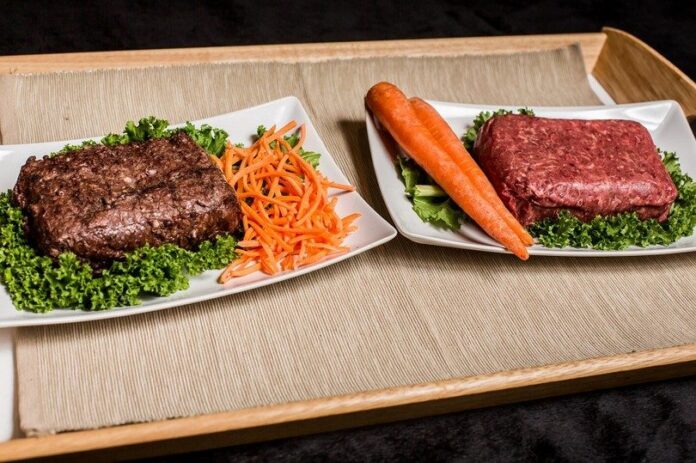
Another benefit of cooking food is that it kills germs and bacteria which may be present in the meat or vegetable. This is not a major problem with dogs though as they have stronger digestive acids which can kill these microorganisms and even digest bones and other tough materials.
It is only recommended for those who cannot bear to think of giving raw food to their pets or if their pets are not used to eating raw meat.
Raw dog food – Supporters of this type of pet food also have several bases in doing so. First, not cooking food helps to retain its essential nutrients such as enzymes, antioxidants, vitamins, and minerals. It also helps to maintain the natural moisture content of food which allows dogs to digest it much easier compared to cooked ones.
One of the best examples is meat bones. Cooking bones dehydrates them and makes them susceptible to splintering when chewed. Raw bones, on the other hand, are more pliable and digestible for dogs. They also retain their nutritional components better than cooked ones. This is also true in cooking vegetables or fruits.
To prepare raw dog food, you just need to toss the ingredients together and serve. This is highly recommended for those who cannot find the time to prepare their pet’s meals.
Main ingredients of a healthy dog meal
When preparing your pet’s dinner, it is important to consider its nutritional needs. Remember that their dietary needs are different than yours.
Dogs require a larger amount of calcium every day compared to humans and they also need more protein than carbohydrates.
Many times, pet owners think that vegetarian meals are the best for their pets since it provides a lot of health benefits in humans. The problem is that a dog’s digestive system is made for a carnivorous diet instead of an herbivorous one.
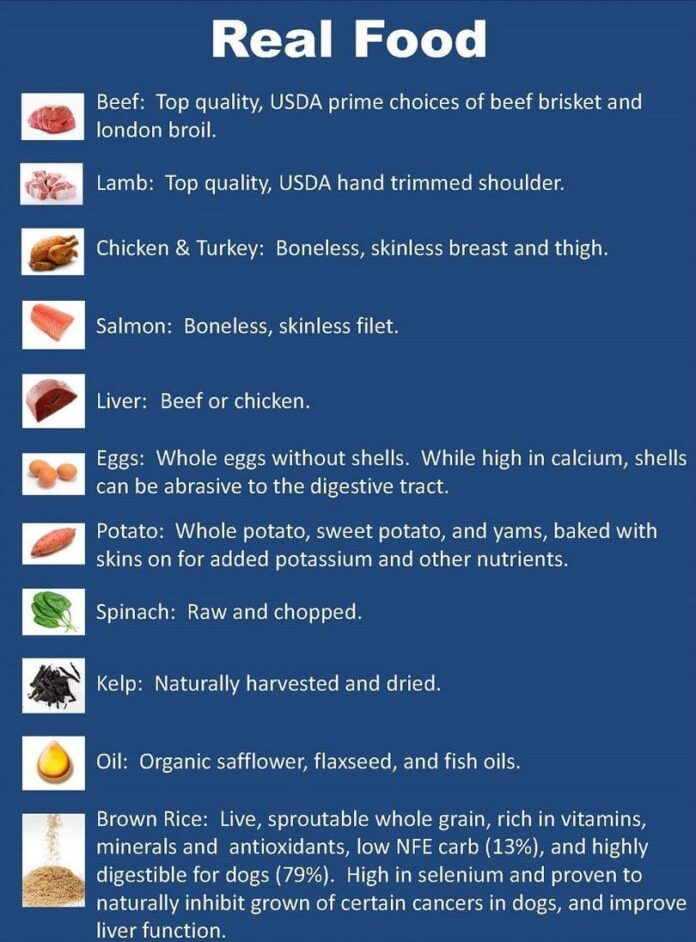
If you are going to study it, you will see that they have shorter intestines and they also lack in digestive enzymes suited for carbohydrates.
Animal protein
Since a dog is carnivorous, their main diet should consist in animal meat or protein. If you’re going to take a look at their diet while in the wild, you’ll realize that they eat the whole carcasses of their prey.
The recommended protein requirements are often based on daily percentages. Some diets require 75% meat while others only prescribe 50% of the overall meal. Dogs require a lot of protein for their overall growth and development.
Low protein diets often lead to musculoskeletal problems and degeneration of mental abilities in dogs. Sources of animal protein can range from beef, eggs, turkey, chicken, venison, lamb, wild game, bison, buffalo, and rabbits. Pork is not recommended for dogs since they contain a specific type of parasite which can produce adverse health effects in dogs.
Vegetables
This is the second most important ingredient in a dog’s diet where they derive essential micronutrients such as vitamins, minerals, phytonutrients, and enzymes. Pet owners are cautioned against using a large amount of vegetables since they lead to the formation of oxalates which eventually develops into kidney stones.
Some of the veggies that you can use in your dog’s diet include cabbage, celery, zucchini, squash, carrots, broccoli, and parsley. Eggplants, peppers, onions, beans, mushrooms, and garlic are not recommended due to their known adverse effects on dogs. You also need to cook them until soft or put them in a blender or food processor before feeding so that your dog can digest them easily.
Fruits, grains and starchy vegetables
These last ingredients are a good source of carbohydrates which dogs need for energy. They also provide vitamins and minerals which are essential for their biological functions. Take note not to give a lot of these foods to dogs since they can lead to diarrhea due to a large amount of fructose or it can cause unnecessary weight gain due to excess carbohydrates.
You also need to be careful about the type of grain that you feed your dog; make sure that they are not allergic to it. Stay away from grains that are commonly genetically modified such as corn and wheat. Some of the best that you can give are potatoes, sweet potatoes, carrots, couscous, and brown rice.
Fats and oils
Fats can be easily gotten from meat products and as for oil, you will have to find the healthier types. These two ingredients are what keeps your pet’s coat shiny and glossy and they also help provide some isolation from the cold. Chicken fat, in moderate amounts, is a good source of linoleic acid and fish oil is a high in omega-3 and omega-6 fatty acids.
You can use cod liver oil, olive oil, canola, and other healthy types of oil except for nut oils if your dog is allergic to them. You can add a teaspoon or two of these oils per meal either by cooking or mixing them in.
Supplements
Although this is not considered to be natural food, supplements help to provide additional nutrients which may not be gotten from whole foods. To make sure your pet is getting the nutrients they need, it is recommended to provide them with supplements such as calcium, phosphorus, magnesium, zinc, taurine, and vitamins.
Some recommend human supplements such as Centrum to be given at least once each day or you can buy supplements specifically made for dogs.
10 best homemade dog food recipes for your pet
To help you prepare your own homemade dog food recipes, we found some of the healthiest and most delicious ones. We have incorporated both cooked and raw recipes to help you choose or even try them out if you’re curious. The recommended meal servings per day, for a dog, will depend upon his breed, size, age, and health condition.
A puppy and lactating dog will require more calories as well as an adult dog. An average adult dog will need from 2 to 3% of his overall weight as a total daily meal serving. So if you have a 30-pound dog, that means he will need about 0.6 to 0.9 pound of dog food each day. The quantity can be increases if your dog is engaging in demanding or endurance activities.
1. Doggie beef stew
For this yummy recipe, you’ll need the following ingredients:
- 1 lb beef stew meat
- 1 small potato
- 1 small sweet potato
- ½ cup carrots, chopped
- ½ cup water
- ½ cup white flour
- 1 tbsp canola or olive oil
How to actually prepare it: Remove the skin from the potato and sweet potato and cut them into chunks. Bake the pieces in the oven for 8 minutes or until almost done. Next, heat the oil in a frying pan and sauté the beef stew pieces until they are cooked. Remove the beef and add water and flour slowly into the pan.
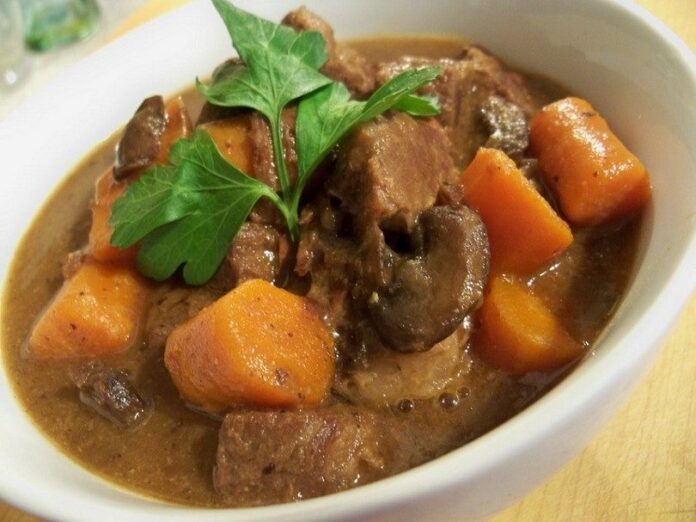
Continue stirring until the gravy gets thick and then add the beef, carrots, and potatoes. Keep it on the fire for 10 more minutes and it’s done. Your four legged companion will definitely be satisfied!
Turkey and vegetable dinner
To create this appealing recipe, the following ingredients are necessary:
- 1 pound turkey meat
- 1 cup cooked brown or white rice
- ½ cup green beans
- ½ cup carrots
- ¼ cup water
- 1 to 2 tbsp vegetable oil
The cooking procedure is quite simple: you only need to chop the turkey meat into pieces of desired size and stir-fry in oil until done. Add water, green beans, and carrots and cook for about 5 to 10 minutes. The final step is to mix in cooked rice and serve when the temperature is just right.
2. Doggie meat loaf
It sounds great, right? We’re sure your furry friend will also agree; just watch his reactions as the smell becomes greater and greater. Let’s start with the ingredients:
- 3 cups of your preferred type of meat
- 2 whole eggs
- ½ cup of grated or finely chopped vegetables
- ½ cup cottage cheese
- ½ cup rolled oats
Pre-heat the oven to 350 F and mix all the ingredients thoroughly in a bowl.
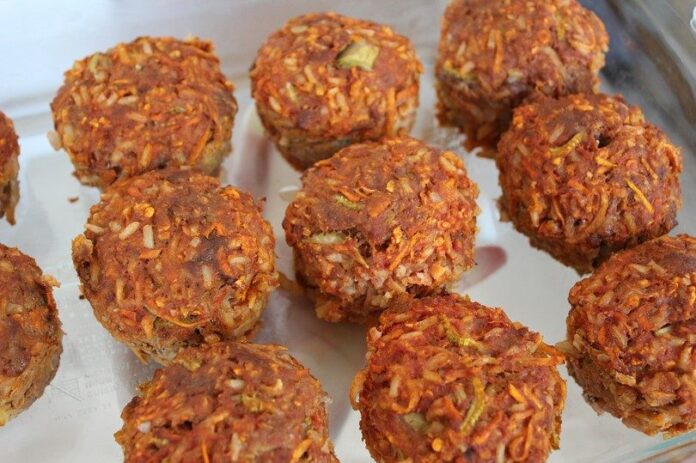
After this place them into a loaf pan and put the pan in the oven for about 35 to 40 minutes. When it’s done, simply slice into desired serving sizes.
3. Fish patty dinner
For this delicious recipe you’re going to need:
- 1 can of Salmon
- 1 medium-sized carrot
- 1 potato
- 1 egg
- 1 stalk of celery
- 3 tbsp flour
- Oil for frying
Cooking the recipe goes something like this: chop up the potatoes, celery, and carrot into bite-size pieces. Drain the salmon and mix it with flour and egg. The next step is to form the salmon into small patties and fry them in oil until they’re golden brown. After the patties are done, remove them from oil, and stir-fry vegetables for about 5 to 8 minutes. The patties are served with a side of vegetables.
4. Chicken casserole
The ingredients are easy to gather and the recipe tastes amazing (according to other dogs that have tried it). You will need:
- 2 chicken breasts
- 1 cup chopped vegetables (carrots, green beans, potatoes, broccoli)
- ¼ cup rolled oats
- 2 cups chicken broth
- Oil for frying
Start by chopping the chicken breasts into bite size pieces and sauté them in oil until cooked.
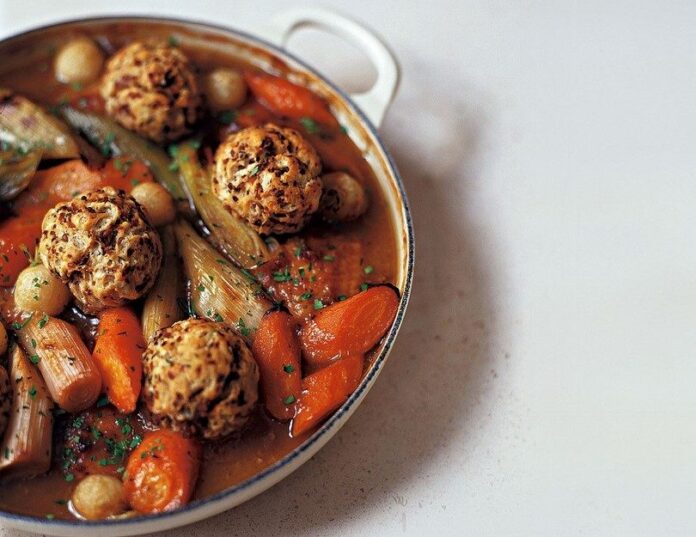
Add the chicken broth, rolled oats, and chopped vegetables in the pan and simmer from 10 to 15 minutes. Simple and absolutely delicious!
5. Sample raw dog food
For this you’ll need:
- 1 ½ cups of raw meat either beef, turkey, chicken, buffalo, venison, or lamb
- 1 cup mixed vegetables such as carrots, romaine lettuce, squash, and Brussel sprouts
- 1 tbsp cod liver oil
- 1 tablet supplement, powdered
- 2 tbsp bone meal or other similar calcium supplement
Chop up the raw meat into desired size pieces (you can use a grinder to get a finer mixture). Put all the vegetables in a blender or processor and blend until smooth. Next, take a large bowl and mix all ingredients together. Serve it to your furry friend and wait for impressions.
6. Basic dog food recipe
This is the kind of food you make when you can’t think of anything special for dinner or lunch. You’ll need the following:
- 1 cup ground meat
- ¼ cup liver either chicken or beef
- ½ cup cooked rice
- ¼ cup vegetables
- 1 hard-boiled egg
- 1 tbsp fish oil
Cook the ground meat until you don’t see any more pink. Mix in the liver, chopped boiled egg and vegetables and stir-fry until vegetables are done. Add the fish oil and rice and it’s ready to serve. Simple and efficient when the culinary inspiration is missing.
7. Homemade veggie smoothie
Note: This should only be served every other few days as dogs cannot thrive on a purely raw vegetable diet.
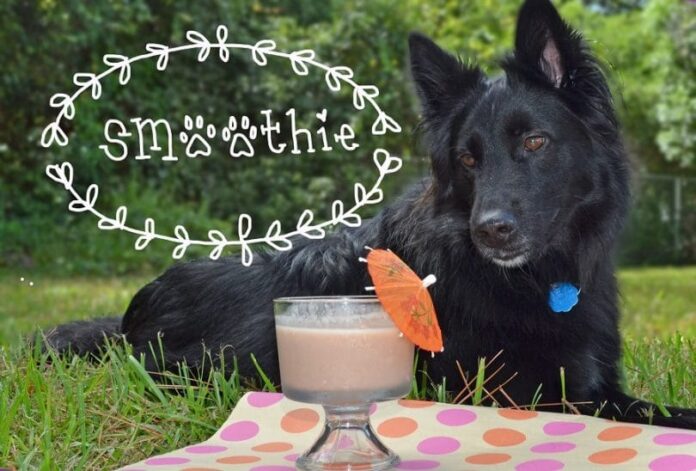
This delicious idea can be considered a small treat that you offer when your dog has behaved extremely well. You’ll need the following:
- ¼ cup of combined carrots, squash, zucchini, green beans, spinach, collards
- ¼ cup apples, peaches, pears, bananas
- ¼ cup fruit juice except for grape juice
- 4 tbsp yogurt
- 1 tbsp cream cheese
The procedure is super simple. Just combine all the ingredients in a blender and blend until smooth.
8. Raw fish dinner
We know it’s not too appealing for us (except if you like sushi) but for dogs this is quite tasty. The following ingredients are necessary:
- 2 pounds fish fillets
- 1 can pink Salmon
- 2 eggs
- 4 tbsp parsley
- 2 tbsp oregano
- 1 tbsp bone meal
- ½ cup cooked rice
Combine all the ingredients in a blender (except for the cooked rice). The next step is to add the rice (of course) and then serve under the form of tennis size balls.
9. Basic dog biscuits
Note: This should be used as a treat and not as a meal itself. Use it to reward your dog during training or when you are out in the park, playing.
This recipe requires the following ingredients:
- 2 ½ cups wheat or oat flour
- ½ cup chicken or beef stock
- 1 egg
- ½ cup bacon bits, cheese, or dehydrated chicken pieces
Start by pre-heating the oven at 350 F and continue by combining together the flour, stock, egg, and bacon bits (or chicken pieces).
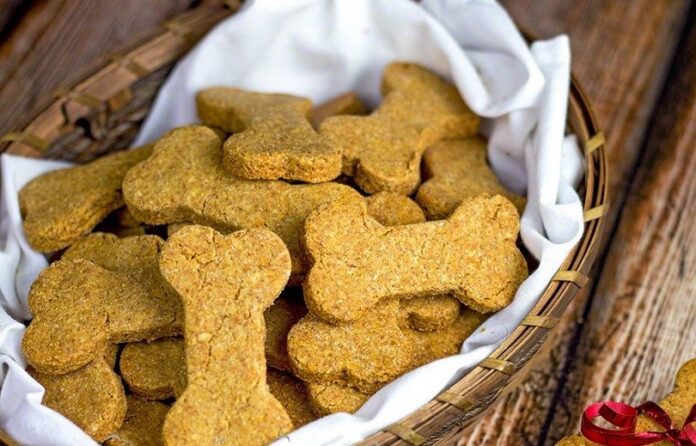
Roll and form into dough. Flatten to a half-inch thickness and cut into desired shapes. Apply a small amount of grease into a cookie sheet and place in the cut-out dough. Bake for 25 to 30 minutes.
10. Doggie fruit dessert
Reminder: Never use grapes, raisins, macadamia nuts, or chocolate when making dessert for dogs.
We added this recipe as a bonus to this top 10 recipes. It’s delicious and your dog will be extremely happy (so double bonus!). Necessary ingredients:
- ¼ cup applesauce
- ¼ cup yogurt
- ½ cup blueberries
- ¼ cup strawberries
- ¼ cup diced apples
- 1 tbsp Brewer’s yeast (optional)
Combine all the ingredients in a blender and blend until smooth. That’s it!

As you can see, homemade recipes are not that difficult to make and we all know that your pet’s health should never be compromised by low quality ingredients as well as by added preservatives and additives.
There is a better way to ensure that your dog is
getting the nutrition that they need by preparing their foods yourself.
You can choose from cooked meals which you can prepare with fresh ingredients or, if you don’t have the time, you can go for raw meals. Remember to add in vitamins and minerals through daily supplements or by adding bone meal to their food.
The easiest way to prepare your pet’s meals is to incorporate ingredients that you are using for your own meals. This way, your pet will enjoy the same nutrients that you enjoy without giving you added stress for meal planning.



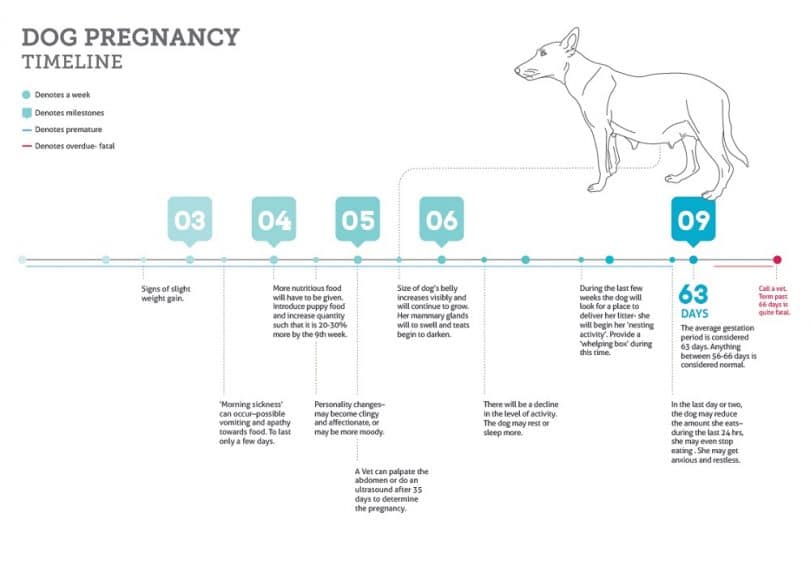
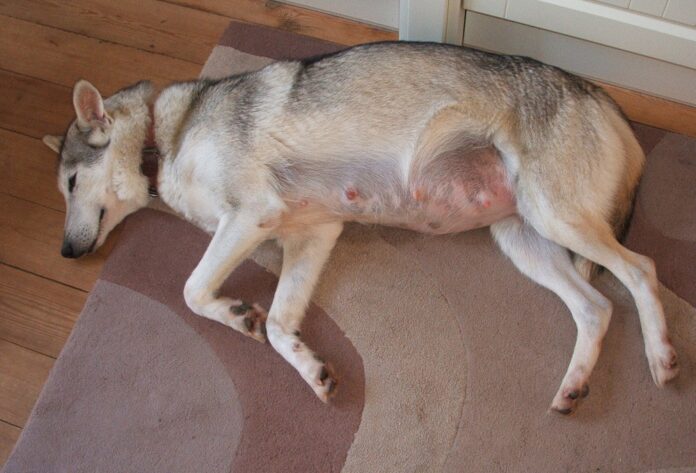 Like any pregnant female, a female dog requires a lot of care, love and affection during pregnancy. Remember that the first stage in the pregnancy of your dog will be the gestation. There are no clear symptoms to diagnose pregnancy in dog right after it happens. Thus, a dog is likely to show signs of pregnancy only after the first 25 to 36 days since mating.
Read Also:
Like any pregnant female, a female dog requires a lot of care, love and affection during pregnancy. Remember that the first stage in the pregnancy of your dog will be the gestation. There are no clear symptoms to diagnose pregnancy in dog right after it happens. Thus, a dog is likely to show signs of pregnancy only after the first 25 to 36 days since mating.
Read Also: 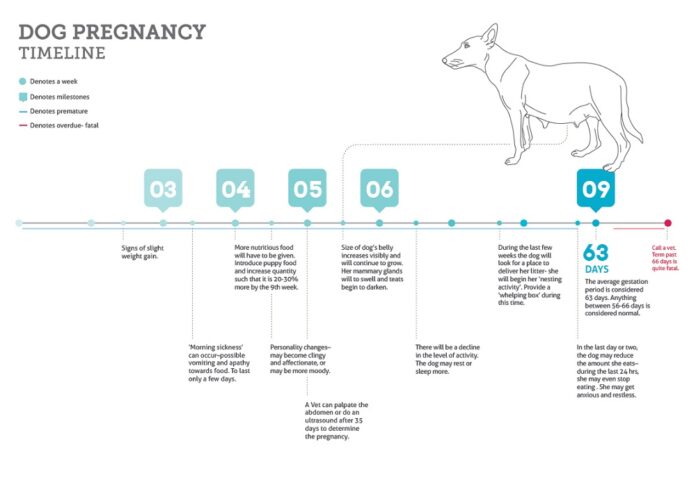 The first phase lasts for 3 weeks and is not really noticeable because the dog does not show any signs, except maybe a little fatigue or a slight loss of appetite. The second phase lasts from the 4th to the 6th week.
That is when a caring and observant dog owner may notice weight gain and increased size of the dog’s nipples. The third phase is when the growth of the dog’s womb becomes impossible to miss. Also, the production of breast milk begins.
As for length, this phase lasts until the 9th week of pregnancy, when labor should be near. Last, the fourth phase is the shortest one and the most eventful one as well. The dog becomes restless and starts to seek a quiet place where it can give birth.
The first phase lasts for 3 weeks and is not really noticeable because the dog does not show any signs, except maybe a little fatigue or a slight loss of appetite. The second phase lasts from the 4th to the 6th week.
That is when a caring and observant dog owner may notice weight gain and increased size of the dog’s nipples. The third phase is when the growth of the dog’s womb becomes impossible to miss. Also, the production of breast milk begins.
As for length, this phase lasts until the 9th week of pregnancy, when labor should be near. Last, the fourth phase is the shortest one and the most eventful one as well. The dog becomes restless and starts to seek a quiet place where it can give birth.  After a month since insemination, a dog’s embryos will be walnut-sized and the veterinarian will be able to figure out how many puppies are inside its womb. The muscles and the bones of the puppies are forming during this period, as well as their spinal cords and eyes.
That is when you should begin to increase food rations or their frequency, keeping in mind that too much food will only enhance its weight gain, which is not recommended if it goes out of control and which could lead to complications.
The abdomen of the dog will become larger and very visible. From the behavioral point of view, the dog can be a little restless and wander from place to place, looking agitated. After six weeks, it might lose its appetite once again. However, you should continue feeding the dog throughout the day.
After two months since insemination, the puppies’ hearts beat on their own and their limbs are almost fully grown. You can clean the dog’s nipples and vulva gently with a clean cloth and warm water. The first sign indicating that the dog is about to deliver is when its rectal temperature drops to 98 degrees. Another indication is when there is a discharge of clear liquid from the dog’s vulva.
About 14 to 24 hours after that happens, you could be delivering its puppies. Some puppies born before the normal gestation period ends may not survive because their organs might not be fully developed and prepared to function in the outside world. If that happens, you should try to save as many as possible.
This is also the most delicate moment of a dog’s gestation. The body of the dog may decide to dispose of fetuses after so many weeks of development.
If at this time, or at any other during pregnancy, you observe an abnormal vaginal bleeding, you should urgently contact the veterinarian as that could be a sign of abortion and the dog will need special care and should be monitored in order to avoid the occurrence of adverse side effects.
Some dogs might even eat their puppies after birth because of something called puppy cannibalism, which occurs rarely and from multiple reasons.
After a month since insemination, a dog’s embryos will be walnut-sized and the veterinarian will be able to figure out how many puppies are inside its womb. The muscles and the bones of the puppies are forming during this period, as well as their spinal cords and eyes.
That is when you should begin to increase food rations or their frequency, keeping in mind that too much food will only enhance its weight gain, which is not recommended if it goes out of control and which could lead to complications.
The abdomen of the dog will become larger and very visible. From the behavioral point of view, the dog can be a little restless and wander from place to place, looking agitated. After six weeks, it might lose its appetite once again. However, you should continue feeding the dog throughout the day.
After two months since insemination, the puppies’ hearts beat on their own and their limbs are almost fully grown. You can clean the dog’s nipples and vulva gently with a clean cloth and warm water. The first sign indicating that the dog is about to deliver is when its rectal temperature drops to 98 degrees. Another indication is when there is a discharge of clear liquid from the dog’s vulva.
About 14 to 24 hours after that happens, you could be delivering its puppies. Some puppies born before the normal gestation period ends may not survive because their organs might not be fully developed and prepared to function in the outside world. If that happens, you should try to save as many as possible.
This is also the most delicate moment of a dog’s gestation. The body of the dog may decide to dispose of fetuses after so many weeks of development.
If at this time, or at any other during pregnancy, you observe an abnormal vaginal bleeding, you should urgently contact the veterinarian as that could be a sign of abortion and the dog will need special care and should be monitored in order to avoid the occurrence of adverse side effects.
Some dogs might even eat their puppies after birth because of something called puppy cannibalism, which occurs rarely and from multiple reasons.
 X-rays are very important, especially for dogs that are pregnant for the first time. An x-ray can show exactly how many puppies are inside the dog’s womb and also whether they may or may not pass through their mother’s birth canal. If their skulls are larger than their mother’s birth canal, then their mother will need a cesarean. This is not the only reason because of which a pregnant dog might need a cesarean.
The puppies might also be in wrong positions or the mother may not have contractions at all. The radiographic study can be performed starting with the 45th day of gestation, but it is recommended between day 50 and 55. The radiation from an x-ray presents no risk for the puppies or the mother.
X-rays are very important, especially for dogs that are pregnant for the first time. An x-ray can show exactly how many puppies are inside the dog’s womb and also whether they may or may not pass through their mother’s birth canal. If their skulls are larger than their mother’s birth canal, then their mother will need a cesarean. This is not the only reason because of which a pregnant dog might need a cesarean.
The puppies might also be in wrong positions or the mother may not have contractions at all. The radiographic study can be performed starting with the 45th day of gestation, but it is recommended between day 50 and 55. The radiation from an x-ray presents no risk for the puppies or the mother.
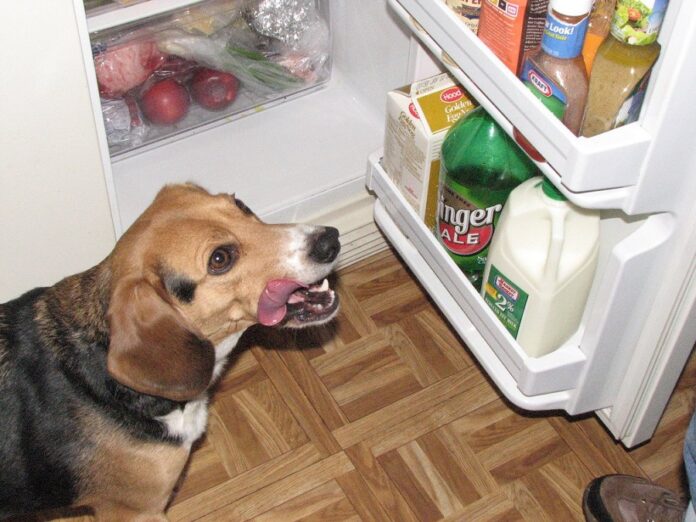 The mother’s appetite increases starting at the end of the first month. The female dog could have between 2 and 8 puppies inside its womb, which means that it has to provide enough nutrients for the development of their bones, muscles and nerves. Corn is often an element of bulking, which does not really bring a qualitative contribution to the dog, so avoid products that contain it.
In addition, these foods are not always ideal because they are difficult to digest. Food for junior dogs is recommended for pregnant dogs too because they contain a high quantity of proteins. Remember to choose the best brand you can find.
The appetite of a pregnant dog can be capricious. It might refuse to eat what it ate before and eat what it previously refused. Regardless of what it wants to eat, it should also take supplements rich in calcium and different vitamins, such as vitamin C and vitamin D2.
The vet will recommended the exact supplements after an initial consultation. The vet will also recommend 30 minutes of slow daily walking for your pregnant dog. In case of female dogs used as police dogs or watch dogs and so on, they are not supposed to be on duty after the first month of pregnancy.
The mother’s appetite increases starting at the end of the first month. The female dog could have between 2 and 8 puppies inside its womb, which means that it has to provide enough nutrients for the development of their bones, muscles and nerves. Corn is often an element of bulking, which does not really bring a qualitative contribution to the dog, so avoid products that contain it.
In addition, these foods are not always ideal because they are difficult to digest. Food for junior dogs is recommended for pregnant dogs too because they contain a high quantity of proteins. Remember to choose the best brand you can find.
The appetite of a pregnant dog can be capricious. It might refuse to eat what it ate before and eat what it previously refused. Regardless of what it wants to eat, it should also take supplements rich in calcium and different vitamins, such as vitamin C and vitamin D2.
The vet will recommended the exact supplements after an initial consultation. The vet will also recommend 30 minutes of slow daily walking for your pregnant dog. In case of female dogs used as police dogs or watch dogs and so on, they are not supposed to be on duty after the first month of pregnancy.
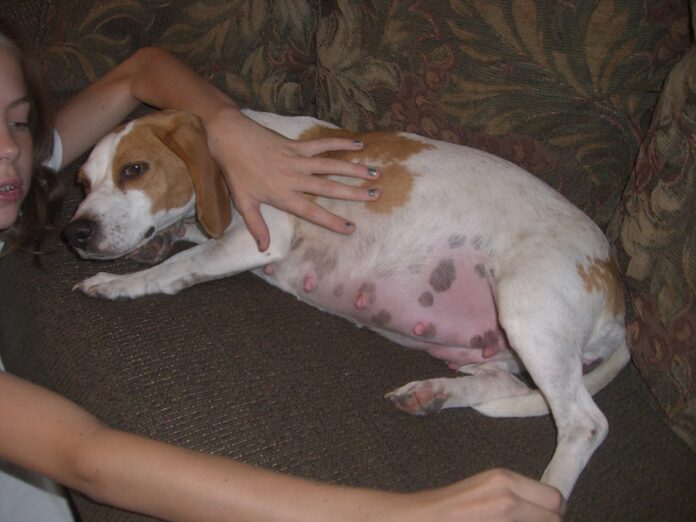 The actual labor begins with uterine contractions that are becoming more intense and that can be observed by looking at the dog’s belly. Approximately one hour after the expulsion effort opens the birth canal, the fluid bag breaks. In more common terms, this means that its water broke. Very soon after that, the first pup should come out. There should be a break between 10 to 30 minutes between births.
The pups come out covered in placenta, which is eaten by the mother after cleaning the pup. If the expulsions are too fast and the mother does not have time to lick every puppy, the placenta can be gently removed with a towel.
One should also cut the umbilical cord and use tincture of iodine to disinfect the cut. Some female dogs might not have maternal instincts at all, so one should know how to take care of everything. Fetal fluids might be greenish, but that is normal, so don’t be alarmed.
The actual labor begins with uterine contractions that are becoming more intense and that can be observed by looking at the dog’s belly. Approximately one hour after the expulsion effort opens the birth canal, the fluid bag breaks. In more common terms, this means that its water broke. Very soon after that, the first pup should come out. There should be a break between 10 to 30 minutes between births.
The pups come out covered in placenta, which is eaten by the mother after cleaning the pup. If the expulsions are too fast and the mother does not have time to lick every puppy, the placenta can be gently removed with a towel.
One should also cut the umbilical cord and use tincture of iodine to disinfect the cut. Some female dogs might not have maternal instincts at all, so one should know how to take care of everything. Fetal fluids might be greenish, but that is normal, so don’t be alarmed.
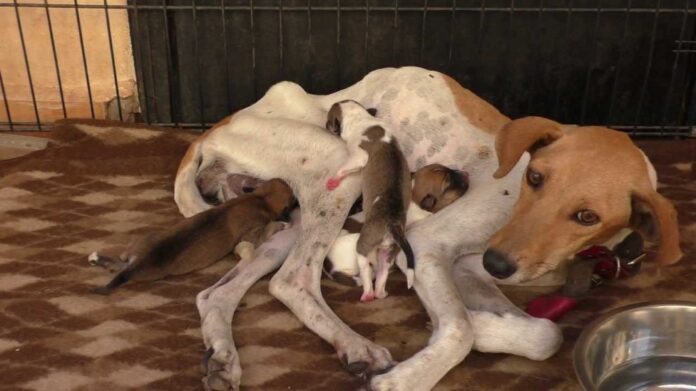 After the dog gives birth, it will also eat its placenta. That is a good thing, so no one should try to stop it. It eats the placenta because it contains a large amount of hormones that contribute to the uterine involution and the onset of milk secretion.
After the whole process is done, you can reward the mother with a glass of milk and let it recover from the tremendous effort that she made by giving birth to up to 8 puppies. Depending on the number of puppies, this process can last up to 10 hours. It goes without saying that if something goes wrong the vet should be immediately called for assistance.
After the dog gives birth, it will also eat its placenta. That is a good thing, so no one should try to stop it. It eats the placenta because it contains a large amount of hormones that contribute to the uterine involution and the onset of milk secretion.
After the whole process is done, you can reward the mother with a glass of milk and let it recover from the tremendous effort that she made by giving birth to up to 8 puppies. Depending on the number of puppies, this process can last up to 10 hours. It goes without saying that if something goes wrong the vet should be immediately called for assistance.
 During gestation, the dog should receive the same care as usually. It is recommended for pregnant dogs to be brushed daily, regardless of the length of their fur. This advice applies for the period after birth as well.
This is the safest way to keep infections away and to avoid skin problems that might complicate the pregnancy. It goes the same with bathing.
However, contact with other dogs should be limited. If you are a multiple dog owner, then you should make sure that all your other dogs are in top shape, healthy and clean when they interact with the pregnant one.
The health of a pregnant dog should be monitored throughout its gestation period. In the first few weeks it may experience nausea and it might not want to eat as much as it used to. These aspects should not alarm you, because they are completely normal.
However, if you notice that it does not hydrate for 24 hours or more, then you should go visit the vet. In addition, you should check its temperature constantly and look for signs of listlessness on a daily basis.
During gestation, the dog should receive the same care as usually. It is recommended for pregnant dogs to be brushed daily, regardless of the length of their fur. This advice applies for the period after birth as well.
This is the safest way to keep infections away and to avoid skin problems that might complicate the pregnancy. It goes the same with bathing.
However, contact with other dogs should be limited. If you are a multiple dog owner, then you should make sure that all your other dogs are in top shape, healthy and clean when they interact with the pregnant one.
The health of a pregnant dog should be monitored throughout its gestation period. In the first few weeks it may experience nausea and it might not want to eat as much as it used to. These aspects should not alarm you, because they are completely normal.
However, if you notice that it does not hydrate for 24 hours or more, then you should go visit the vet. In addition, you should check its temperature constantly and look for signs of listlessness on a daily basis.

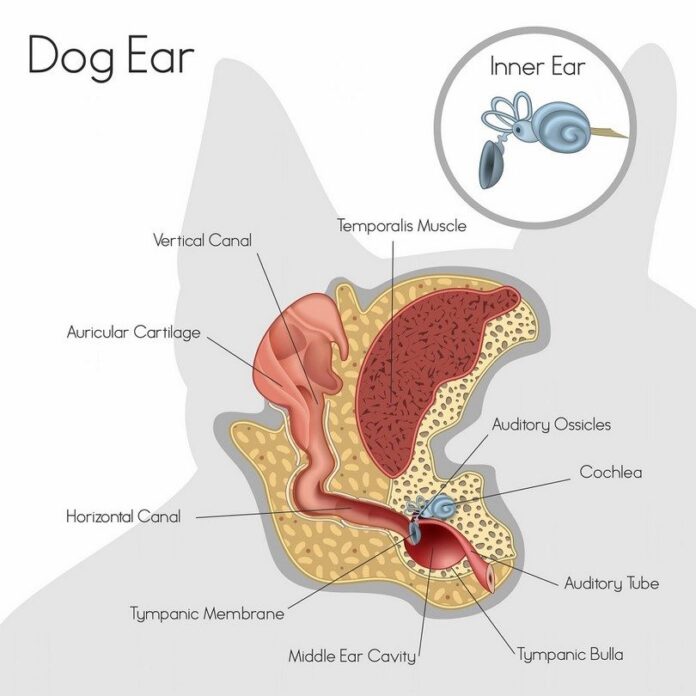 Debris tends to work its way up the canal and when it gets trapped it makes the dog feel itchy and uncomfortable.
It is also important to know that dogs that suffer from allergies are more vulnerable to develop problems with their ears. The same situation is valid for pets with floppy ears like poodles, cocker spaniel and bassets.
Debris tends to work its way up the canal and when it gets trapped it makes the dog feel itchy and uncomfortable.
It is also important to know that dogs that suffer from allergies are more vulnerable to develop problems with their ears. The same situation is valid for pets with floppy ears like poodles, cocker spaniel and bassets.
 This is a great alternative even when you take your pet for a swim as it can prevent all sorts of diseases. However, you also need to be able to spot any danger signs. There are certain symptoms, as you can see below, that can point out an
  On the other hand, it does not mean that you can give up if your dog is already an adult that would do anything to escape cleaning. In order to get it ready, consider the following tips:
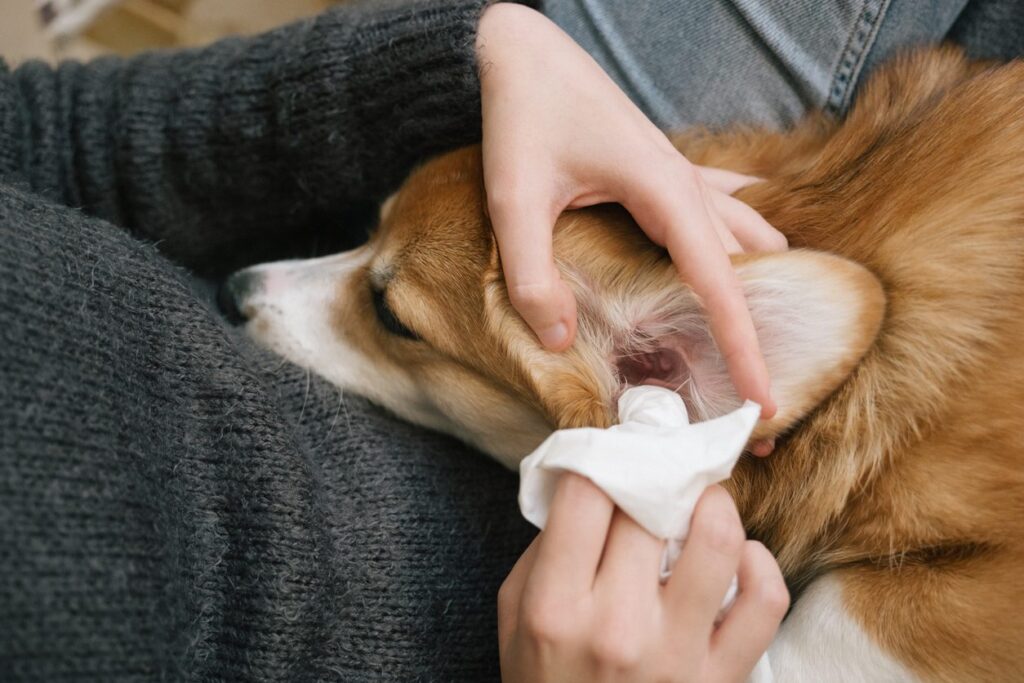 It is important to understand that once you start cleaning your dog’s ears, there is no way to stop, otherwise it will become agitated and not very cooperative. As a result, make sure that you have everything you need close to you.
However, make sure that the products are at a decent length away from the dog, otherwise it may start chewing them to relieve the stress. Also remember to take a step at a time, and to clean the ear in the correct order. If you are not precisely sure how it’s done, check out these rules:
It is important to understand that once you start cleaning your dog’s ears, there is no way to stop, otherwise it will become agitated and not very cooperative. As a result, make sure that you have everything you need close to you.
However, make sure that the products are at a decent length away from the dog, otherwise it may start chewing them to relieve the stress. Also remember to take a step at a time, and to clean the ear in the correct order. If you are not precisely sure how it’s done, check out these rules:
 This recipe is perfect to use after you take the dog for a swim in a river or sea. After you are done grooming the ear, you need to wipe it with a clean cotton ball or washcloth.
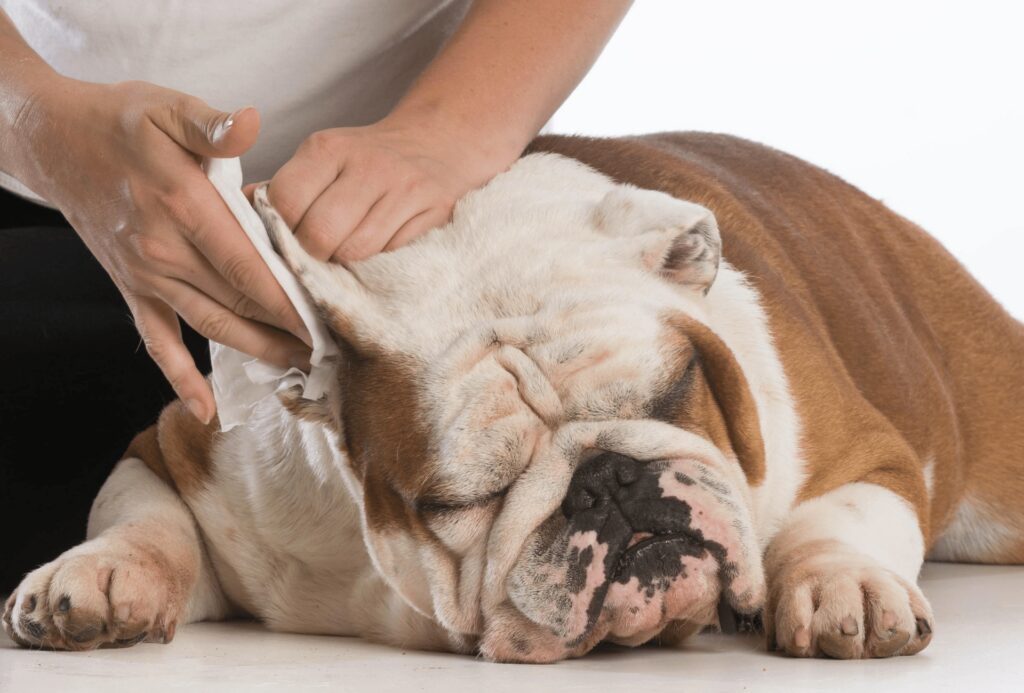 Allergies can cause scratching, and this leads to mild ear irritations. In this case, you need to assure proper care. A great idea of a homemade recipe includes the following three ingredients: white vinegar, hydrogen peroxide and alcohol.
It is recommended to mix only as much as you need for one cleaning session, and prepare more when you see other signs of irritations. In this case, you need to add half hydrogen peroxide, half white vinegar and just one drop of alcohol. If you see that the irritation persists you can ask your veterinarian for a medicated flush that has antibiotic properties and add it when you are done cleaning the ear.
Another great way to calm ear irritations is Aloe Vera gel. All that you need to do is to warm the gel in hot water until it becomes liquid. You can add a tablespoon of this ingredient in each ear, and the effects are immediate. Just like in the case of almond oil, you need to leave it for a couple of minutes before you wipe it with a cloth.
Besides soothing red ears, Aloe Vera also has cleaning properties and can eliminate wax. According to how serious is the problem, you will need to repeat this procedure several times. However, if you see that the dog does not start to feel better you need to go to the veterinarian immediately.
Now, if after you went through these recipes, you’re still not sure if Fido would like it, it’s best to discuss it with your vet. Also, if you’re interested in purchasing ready-to-use products, here is a great selection for you.
Allergies can cause scratching, and this leads to mild ear irritations. In this case, you need to assure proper care. A great idea of a homemade recipe includes the following three ingredients: white vinegar, hydrogen peroxide and alcohol.
It is recommended to mix only as much as you need for one cleaning session, and prepare more when you see other signs of irritations. In this case, you need to add half hydrogen peroxide, half white vinegar and just one drop of alcohol. If you see that the irritation persists you can ask your veterinarian for a medicated flush that has antibiotic properties and add it when you are done cleaning the ear.
Another great way to calm ear irritations is Aloe Vera gel. All that you need to do is to warm the gel in hot water until it becomes liquid. You can add a tablespoon of this ingredient in each ear, and the effects are immediate. Just like in the case of almond oil, you need to leave it for a couple of minutes before you wipe it with a cloth.
Besides soothing red ears, Aloe Vera also has cleaning properties and can eliminate wax. According to how serious is the problem, you will need to repeat this procedure several times. However, if you see that the dog does not start to feel better you need to go to the veterinarian immediately.
Now, if after you went through these recipes, you’re still not sure if Fido would like it, it’s best to discuss it with your vet. Also, if you’re interested in purchasing ready-to-use products, here is a great selection for you.
 They are gentle to the sensitive skin and do not cause allergies. Furthermore, you only need two or three ingredients to prepare the mixture. It is mandatory to keep your dog safe from infections, and it will live a long and happy life.

 It seems that the most common misconception is that the microchip your pet’s vet implanted under the skin of your beloved dog is actually a GPS microchip device for dogs that can help you locate your pet in case it gets lost. In fact, microchips for dogs and GPS tracking devices are two different options. Each has advantages and disadvantages; however both systems may come extremely handy in case your dog gets lost or stolen.
Microchip implants are approximately the size of a grain of rice and are implanted under the skin of the animal. These implants are in fact passive radio frequency devices – they do not have their own power supply and do not transmit continuous signal.
While a microchip actually contains a lot of useful information (unique ID of the chip, breed, description, vaccination schedule, owners contact details, vet’s contact details, etc.), it can only be read by a special scanner, once a lost or stolen dog has been found and brought to a shelter or to the authorities responsible for handling stray animals in the country.
GPS microchips for dogs are larger devices that are worn externally, usually on the collar of the dog. They have their own, internal battery and work via the Global Positioning System (GPS) just like a car GPS system works – they send continuous signal to the global satellite system that defines the exact coordinates of the device, and therefore – of the dog wearing the device.
In addition to providing the exact location, modern dog GPS trackers offer supplementary features – message and email alerts for extreme temperatures, information about activity levels, health monitoring and so on.
It seems that the most common misconception is that the microchip your pet’s vet implanted under the skin of your beloved dog is actually a GPS microchip device for dogs that can help you locate your pet in case it gets lost. In fact, microchips for dogs and GPS tracking devices are two different options. Each has advantages and disadvantages; however both systems may come extremely handy in case your dog gets lost or stolen.
Microchip implants are approximately the size of a grain of rice and are implanted under the skin of the animal. These implants are in fact passive radio frequency devices – they do not have their own power supply and do not transmit continuous signal.
While a microchip actually contains a lot of useful information (unique ID of the chip, breed, description, vaccination schedule, owners contact details, vet’s contact details, etc.), it can only be read by a special scanner, once a lost or stolen dog has been found and brought to a shelter or to the authorities responsible for handling stray animals in the country.
GPS microchips for dogs are larger devices that are worn externally, usually on the collar of the dog. They have their own, internal battery and work via the Global Positioning System (GPS) just like a car GPS system works – they send continuous signal to the global satellite system that defines the exact coordinates of the device, and therefore – of the dog wearing the device.
In addition to providing the exact location, modern dog GPS trackers offer supplementary features – message and email alerts for extreme temperatures, information about activity levels, health monitoring and so on.
 A real advantage of implanting a microchip under the skin of your pet is that the chip provides permanent identification that cannot be removed. In case your dog is lost, once found and brought to a shelter, a veterinarian clinic or the authorities responsible for stray animals in your country, the information in the microchip will be read and you will be contacted. On the other hand, there are several serious drawbacks associated with microchip implants for dogs:
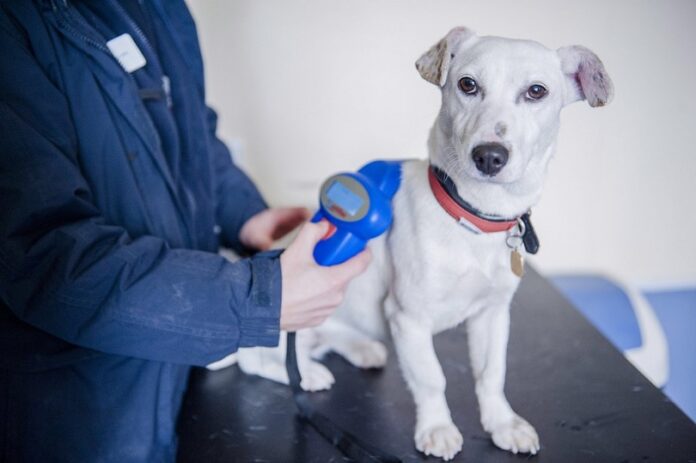 Regardless of the general safety of the procedure, here is what you need to check in advance:
 The sheer variety makes selecting the most appropriate GPS microchip for your dog an overwhelming task. To make your search a bit easier, we have compiled a list of the top 5 dog tracking systems.
 The huge variety of GPS tracking chips for dogs currently available at the market allows dog owners to select the device that best suits their budget and needs.
While no device can guarantee the absolute safety of your little companion, modern identification and tracking systems greatly reduce the risk of loosing your pet, and increase the chance that your darling pet will be brought safely back home in case it gets lost.
The huge variety of GPS tracking chips for dogs currently available at the market allows dog owners to select the device that best suits their budget and needs.
While no device can guarantee the absolute safety of your little companion, modern identification and tracking systems greatly reduce the risk of loosing your pet, and increase the chance that your darling pet will be brought safely back home in case it gets lost. 
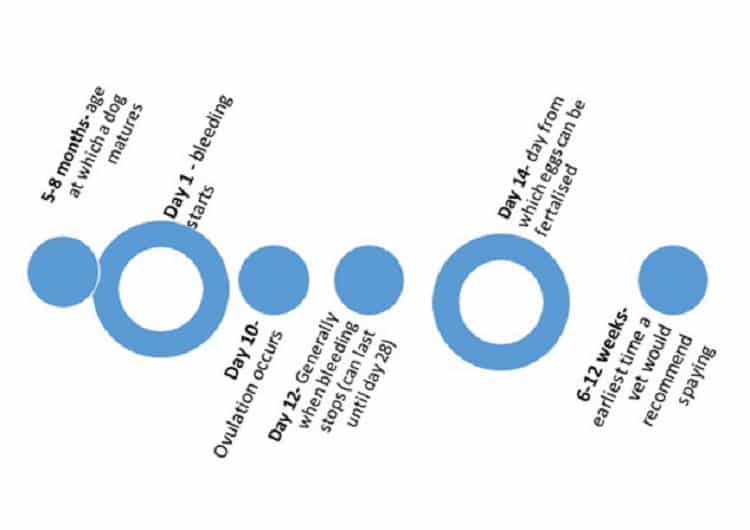
 How long does it last? This can also vary depending on the dog, but typically, estrus can last between two to three weeks. The most common sign before it occurs is a swollen vulva, and then there will be some vaginal discharge. Estrus is complete when the discharge completely disappears and the vulva returns to normal size.
 When the vaginal discharge becomes watery, that is the time that the dog ovulates. This is when the dog is most fertile, and is most receptive to breeding.
However, the sperm of a male dog can survive within the vaginal tract for up to a week, so pregnancy can occur even if reproduction takes place before this stage of estrus. When pregnancy does occur, it lasts for about nine weeks. Pregnancy can be detected by palpating the uterus at about 28 to 32 days.
The best way to avoid your dog becoming pregnant, especially if you don’t have the time and/or resources to take care of a litter, is to spay your dog.
It is typically recommended that the dog be spayed before her first estrus cycle, as allowing it to occur increases her chances of becoming pregnant. It can be difficult to predict when the first cycle will occur, so most veterinarians opt to conduct the surgery when the dog is roughly six to seven months old.
There are myths saying that dogs should be allowed to have their first estrus or to have a litter of puppies before spaying because this will make them friendlier. However, this is entirely false, and having a litter will not change the dog’s disposition.
In fact, having a litter at a young age can be quite detrimental on a young dog. It’s best to spay as soon as possible. Unlike humans, dogs do not experience menopause, which is defined as the halting of monthly cycles.
Since dogs do not have a monthly cycle, then they cannot experience this condition. They can even become pregnant at old age, but this can create complications that can jeopardize the health of the dog.
When the vaginal discharge becomes watery, that is the time that the dog ovulates. This is when the dog is most fertile, and is most receptive to breeding.
However, the sperm of a male dog can survive within the vaginal tract for up to a week, so pregnancy can occur even if reproduction takes place before this stage of estrus. When pregnancy does occur, it lasts for about nine weeks. Pregnancy can be detected by palpating the uterus at about 28 to 32 days.
The best way to avoid your dog becoming pregnant, especially if you don’t have the time and/or resources to take care of a litter, is to spay your dog.
It is typically recommended that the dog be spayed before her first estrus cycle, as allowing it to occur increases her chances of becoming pregnant. It can be difficult to predict when the first cycle will occur, so most veterinarians opt to conduct the surgery when the dog is roughly six to seven months old.
There are myths saying that dogs should be allowed to have their first estrus or to have a litter of puppies before spaying because this will make them friendlier. However, this is entirely false, and having a litter will not change the dog’s disposition.
In fact, having a litter at a young age can be quite detrimental on a young dog. It’s best to spay as soon as possible. Unlike humans, dogs do not experience menopause, which is defined as the halting of monthly cycles.
Since dogs do not have a monthly cycle, then they cannot experience this condition. They can even become pregnant at old age, but this can create complications that can jeopardize the health of the dog.
 Many of these can be avoided if you get your dog spayed.
 These suggestions will not only help to keep you safe, but will make your dog’s life more comfortable, especially if you choose not to spay your dog.
 Female dogs going into heat can be a trying time for everyone involved, and then some. It can be something of a hassle to take care of your dog doing these trying times, and it can put your dog at risk for conditions that can jeopardize your life.
If you have no intention of breeding your dog and to cut back on the overpopulation of dogs in shelters, it’s always best that you consider spaying as the best option for making your dog’s life a lot easier.
Female dogs going into heat can be a trying time for everyone involved, and then some. It can be something of a hassle to take care of your dog doing these trying times, and it can put your dog at risk for conditions that can jeopardize your life.
If you have no intention of breeding your dog and to cut back on the overpopulation of dogs in shelters, it’s always best that you consider spaying as the best option for making your dog’s life a lot easier.


 When it comes to friendliness, the Maltese Shih Tzu is a great companion and friend and he is always affectionate towards his family members. He can be great with children as well, but he is not suitable for toddlers and small kids because he would not tolerate being pulled at roughly, he will most likely defend himself if he is treated poorly!
That means that he is not really patient and you should be aware of it. When it comes to other dogs and strangers, he can be shy and suspicious, so make sure that you have socialized him from an early age. Taking him to dog parks and teaching him to behave properly will save you both from trouble.
When it comes to health and grooming, the great thing about the Maltese Shih Tzu is that he almost does not shed at all! However, that does not mean that you won’t have to groom him regularly. He also does not drool and his size is perfect for traveling and apartment living.
However, grooming this dog is not considered easy and his general health is kind of poor as well, which is probably the result of cross breeding which resulted in a flat face and small windpipe. This hybrid is also known for suffering from malformed knee joints which leads up to arthritis.
Speaking of trainability, the Maltese Shih Tzu is a really easy to train dog. He is moderately intelligent and he likes to play and please his owner so if you start from an early age, you should not have any problems with his obedience.
When it comes to friendliness, the Maltese Shih Tzu is a great companion and friend and he is always affectionate towards his family members. He can be great with children as well, but he is not suitable for toddlers and small kids because he would not tolerate being pulled at roughly, he will most likely defend himself if he is treated poorly!
That means that he is not really patient and you should be aware of it. When it comes to other dogs and strangers, he can be shy and suspicious, so make sure that you have socialized him from an early age. Taking him to dog parks and teaching him to behave properly will save you both from trouble.
When it comes to health and grooming, the great thing about the Maltese Shih Tzu is that he almost does not shed at all! However, that does not mean that you won’t have to groom him regularly. He also does not drool and his size is perfect for traveling and apartment living.
However, grooming this dog is not considered easy and his general health is kind of poor as well, which is probably the result of cross breeding which resulted in a flat face and small windpipe. This hybrid is also known for suffering from malformed knee joints which leads up to arthritis.
Speaking of trainability, the Maltese Shih Tzu is a really easy to train dog. He is moderately intelligent and he likes to play and please his owner so if you start from an early age, you should not have any problems with his obedience.
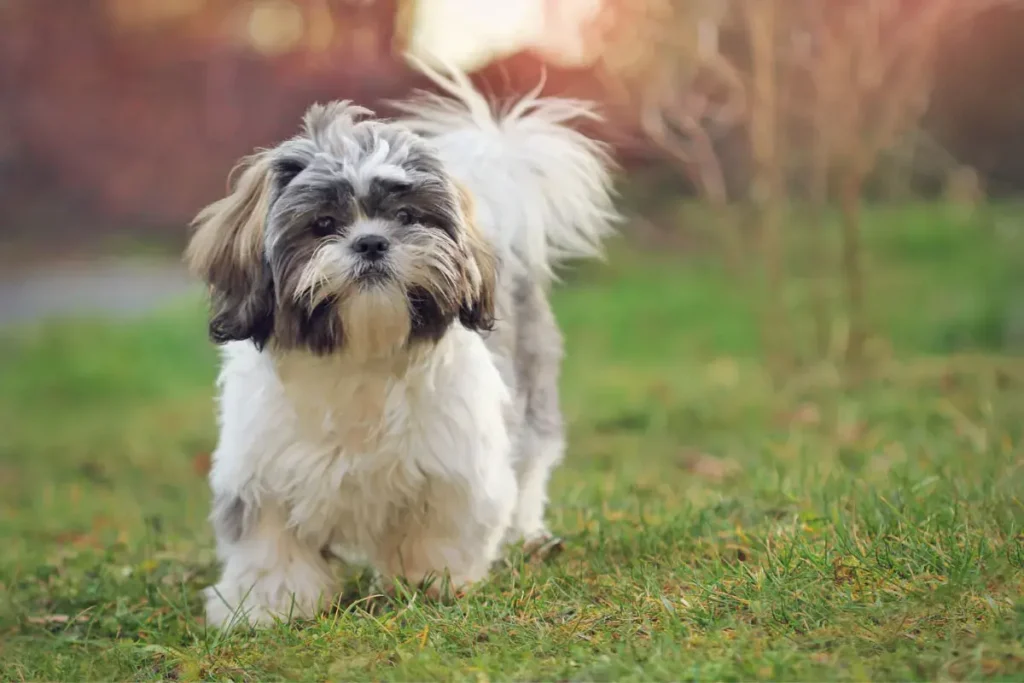 However, because of his unique heritage, this dog does have a potential for mouthiness and prey drive. That means that you should never keep him off leash in unfamiliar and wild areas, otherwise he might go after small animals and moving objects he finds interesting.
He also loves to bark, which is a known trait in small dogs, so be aware of the fact that it is something you might never be able to teach him not to do. His wanderlust potential is minimal.
When it comes to exercise needs, the Maltese Shih Tzu does not require harsh training, mostly because of his small size, but also because he tires easily because of his unique physical traits – flat face and small windpipe. The intensity of the games should be low, just enough to keep him engaged and healthy. He is more or less a playful dog and his energy level is moderate as well.
However, because of his unique heritage, this dog does have a potential for mouthiness and prey drive. That means that you should never keep him off leash in unfamiliar and wild areas, otherwise he might go after small animals and moving objects he finds interesting.
He also loves to bark, which is a known trait in small dogs, so be aware of the fact that it is something you might never be able to teach him not to do. His wanderlust potential is minimal.
When it comes to exercise needs, the Maltese Shih Tzu does not require harsh training, mostly because of his small size, but also because he tires easily because of his unique physical traits – flat face and small windpipe. The intensity of the games should be low, just enough to keep him engaged and healthy. He is more or less a playful dog and his energy level is moderate as well.
 The Malti zu is not considered a healthy dog, mostly because of his cross breeding which resulted in a flat face and small windpipe; here are some conditions that affect this hybrid more than usual:
 Speaking of coats, the Mal-Shi’s coat is long, soft and silky. Sometimes it is wavy but never curly. The major color is white, but some of them can have tan markings or even have a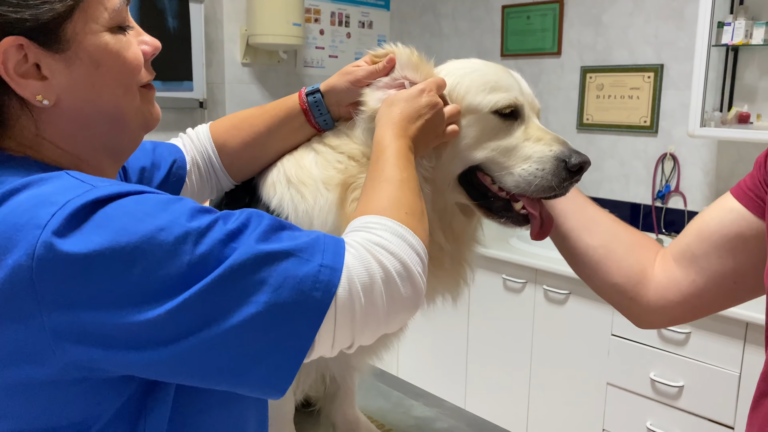
 This collaborative approach between your regular veterinarian and relief vets ensures your dog’s health is always a top priority.
 Pet health is a top priority for any pet owner. To ensure your furry companion’s long-term health, it’s essential to take proactive measures. Preventive care, proper nutrition, and
  This is necessary for maintaining your pet’s physical and mental health. Daily exercise helps promote good circulation, healthy digestion and
  To truly care for your furry friend’s health, grooming should be a regular routine. This involves bathing, brushing, and trimming your dog’s coat to maintain cleanliness and prevent tangling.
Regular grooming also allows you to check for any abnormalities on your dog’s skin or coat that may require attention from a veterinarian.
To truly care for your furry friend’s health, grooming should be a regular routine. This involves bathing, brushing, and trimming your dog’s coat to maintain cleanliness and prevent tangling.
Regular grooming also allows you to check for any abnormalities on your dog’s skin or coat that may require attention from a veterinarian.
 Moreover, exploring natural remedies under veterinary guidance and considering pet insurance are additional strategies to enhance your pet’s wellness.
Natural remedies, when used appropriately, can offer gentle support for various health conditions, while pet insurance ensures that your dog has access to necessary medical care without financial constraints.
By integrating these elements into your pet care routine, you contribute significantly to your dog’s longevity, happiness, and quality of life.
Remember, a healthy dog is a happy dog, and your efforts in nurturing their wellness will lead to rewarding and joyful companionship.
Moreover, exploring natural remedies under veterinary guidance and considering pet insurance are additional strategies to enhance your pet’s wellness.
Natural remedies, when used appropriately, can offer gentle support for various health conditions, while pet insurance ensures that your dog has access to necessary medical care without financial constraints.
By integrating these elements into your pet care routine, you contribute significantly to your dog’s longevity, happiness, and quality of life.
Remember, a healthy dog is a happy dog, and your efforts in nurturing their wellness will lead to rewarding and joyful companionship. 

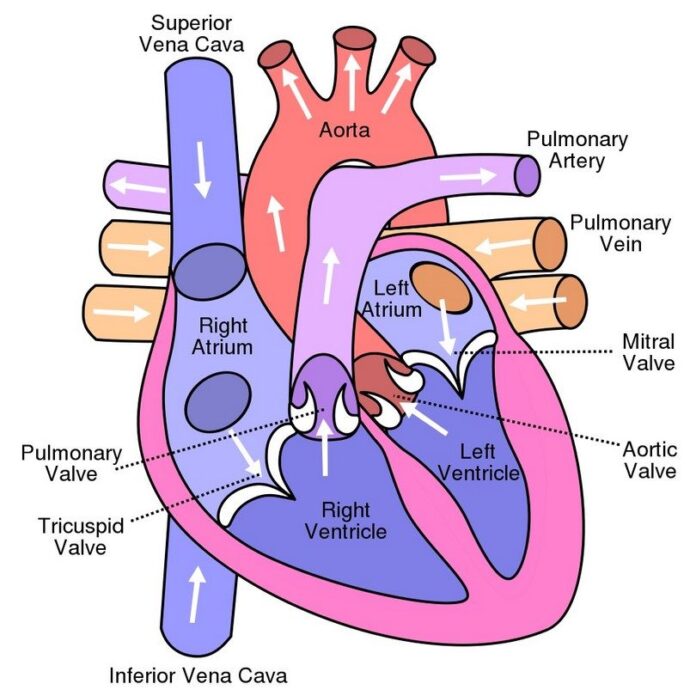 There are 2 types of heart diseases in dogs that are most met. The first type is when a dog’s heart valves lose their ability to properly close, causing abnormal blood flow. The second type manifests when a dog’s heart muscles become thin and weak, being unable to sustain its function in a normal way. These are general affections that include the case when a dog’s heart is enlarged.
Dilated cardiomyopathy is a cardiovascular disease, potentially fatal, characterized by the dilatation of the heart, both of its left and right sides. However, the coronary vessels and atrioventricular valves do not show changes, but there is a myocardial dysfunction present mainly in the systole. In other words, if your dog has a big heart in the most literally way possible, that is rather a bad thing than a positive one. A dog with such affection has a bigger heart and as it gets even bigger, its heart muscles get thinner and consequently its heart gets weaker.
Therefore, its heart has a weaker ability to push the blood throughout its body.
According to a study made by specialists, this type of heart disease occurs in dogs aged between 4 and 11 years. They are mostly males than females and they belong to dog breeds such as Doberman, Boxer, German Dog, Afghan, and Cocker, among others. Their respiratory, excretory, and circulatory systems started to malfunction, thus determining veterinarians to take further tests and establish a correct diagnosis, which was dilated cardiomyopathy.
Besides the clinical exam, there are numerous tests that must be done in order to establish for sure the affection that generates the symptoms present in certain dogs that may or may not be predisposed to developing heart diseases.
There are 2 types of heart diseases in dogs that are most met. The first type is when a dog’s heart valves lose their ability to properly close, causing abnormal blood flow. The second type manifests when a dog’s heart muscles become thin and weak, being unable to sustain its function in a normal way. These are general affections that include the case when a dog’s heart is enlarged.
Dilated cardiomyopathy is a cardiovascular disease, potentially fatal, characterized by the dilatation of the heart, both of its left and right sides. However, the coronary vessels and atrioventricular valves do not show changes, but there is a myocardial dysfunction present mainly in the systole. In other words, if your dog has a big heart in the most literally way possible, that is rather a bad thing than a positive one. A dog with such affection has a bigger heart and as it gets even bigger, its heart muscles get thinner and consequently its heart gets weaker.
Therefore, its heart has a weaker ability to push the blood throughout its body.
According to a study made by specialists, this type of heart disease occurs in dogs aged between 4 and 11 years. They are mostly males than females and they belong to dog breeds such as Doberman, Boxer, German Dog, Afghan, and Cocker, among others. Their respiratory, excretory, and circulatory systems started to malfunction, thus determining veterinarians to take further tests and establish a correct diagnosis, which was dilated cardiomyopathy.
Besides the clinical exam, there are numerous tests that must be done in order to establish for sure the affection that generates the symptoms present in certain dogs that may or may not be predisposed to developing heart diseases.
 In some cases, heart failure develops suddenly, for example after a viral infection, or progressively. Progressively developed symptoms of heart failure may include weakness, fatigue, dyspnea that means difficulty in breathing, wheezing that refers to the whistling noise made by the passage of air through narrowed airways, shortness of breath, dry and irritating cough, swelling especially in the legs, dizziness, fainting, rapid weight gain caused by water retention, increased urination at night, abdominal swelling, tenderness or pain that can result from fluid retention in the body.
In addition, the symptoms present in case of a sudden heart failure are severe shortness of breath, fast or irregular heartbeat, mucous expectoration that can be pink. If a dog is not getting treatment, things can get complicated and generate pulmonary edema, hypoxia, cardiogenic shock, death, infective endocarditis, thromboembolism, venous thrombosis, cardiac cirrhosis, supraventricular and ventricular arrhythmias, which are abnormal heart rhythms that can cause loss of consciousness or sudden death.
In some cases, heart failure develops suddenly, for example after a viral infection, or progressively. Progressively developed symptoms of heart failure may include weakness, fatigue, dyspnea that means difficulty in breathing, wheezing that refers to the whistling noise made by the passage of air through narrowed airways, shortness of breath, dry and irritating cough, swelling especially in the legs, dizziness, fainting, rapid weight gain caused by water retention, increased urination at night, abdominal swelling, tenderness or pain that can result from fluid retention in the body.
In addition, the symptoms present in case of a sudden heart failure are severe shortness of breath, fast or irregular heartbeat, mucous expectoration that can be pink. If a dog is not getting treatment, things can get complicated and generate pulmonary edema, hypoxia, cardiogenic shock, death, infective endocarditis, thromboembolism, venous thrombosis, cardiac cirrhosis, supraventricular and ventricular arrhythmias, which are abnormal heart rhythms that can cause loss of consciousness or sudden death.
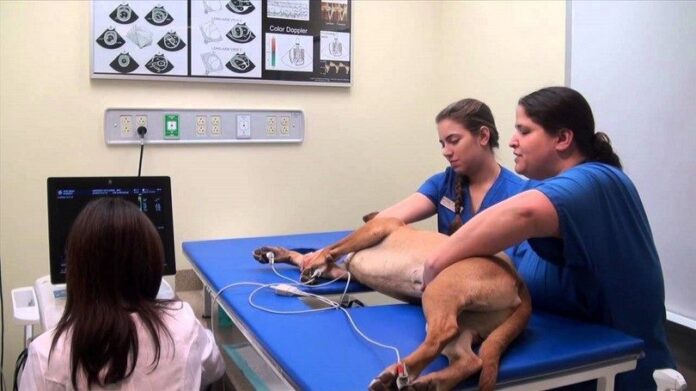 Among the other possible tests are measuring a dog’s blood pressure, verifying the hematocrit levels or asking for a complete blood count. These tests may be needed in order to identify a possible state of anemia or other diseases such as infections or inflammations. In addition, the vet may request biochemical tests, which are particularly important in case of thromboembolism or other complications in other organs. Testing the thyroid hormone to exclude hyperthyroidism might also be necessary, just as a urinalysis to assess kidney function.
The coronary angiogram and coronary catheterization assumes the insertion of a thin tube through a flexible artery or vein to the heart, to measure the pressure in the heart chambers and to take blood samples. A dye can be injected to see if the arteries that supply the heart, called the coronary arteries, are blocked as the heart pumps blood or not.
As a last option, the specialist can ask for a myocardial biopsy, which involves taking a sample of the heart tissue and examine it for signs of infection, metabolic diseases or tumor. This procedure is usually reserved for patients with acute heart failure that are unresponsive to treatment.
Among the other possible tests are measuring a dog’s blood pressure, verifying the hematocrit levels or asking for a complete blood count. These tests may be needed in order to identify a possible state of anemia or other diseases such as infections or inflammations. In addition, the vet may request biochemical tests, which are particularly important in case of thromboembolism or other complications in other organs. Testing the thyroid hormone to exclude hyperthyroidism might also be necessary, just as a urinalysis to assess kidney function.
The coronary angiogram and coronary catheterization assumes the insertion of a thin tube through a flexible artery or vein to the heart, to measure the pressure in the heart chambers and to take blood samples. A dye can be injected to see if the arteries that supply the heart, called the coronary arteries, are blocked as the heart pumps blood or not.
As a last option, the specialist can ask for a myocardial biopsy, which involves taking a sample of the heart tissue and examine it for signs of infection, metabolic diseases or tumor. This procedure is usually reserved for patients with acute heart failure that are unresponsive to treatment.
 As soon as you bring your dog back home from the veterinary clinic, you should keep stress factors at minimum. A
  Unfortunately, there are cases when dogs are simply born with a certain type of heart disease and you cannot do anything to prevent it. Those cases should not upset you because you can still do plenty for your dog to feel comfortable and live happily without putting too much pressure on it.
Usually, the cases when a dog’s heart gets bigger are not innate, but you never know what disease could affect your beloved animal. Regardless of what it really is, try to stay as informed as possible and avoid making mistakes. Spare your dog from noise, agitation, stressful situations, and other factors that might disturb its day-by-day routine.
Unfortunately, there are cases when dogs are simply born with a certain type of heart disease and you cannot do anything to prevent it. Those cases should not upset you because you can still do plenty for your dog to feel comfortable and live happily without putting too much pressure on it.
Usually, the cases when a dog’s heart gets bigger are not innate, but you never know what disease could affect your beloved animal. Regardless of what it really is, try to stay as informed as possible and avoid making mistakes. Spare your dog from noise, agitation, stressful situations, and other factors that might disturb its day-by-day routine.

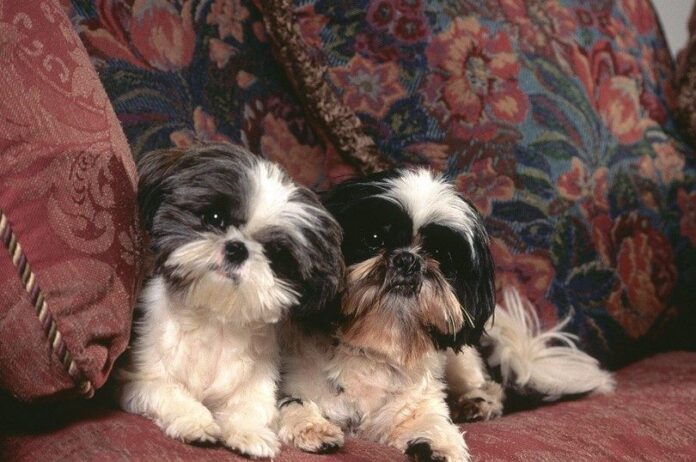 If the dog is of small indoor breed that does not mean that you can leave him alone in the apartment for hours. This article will provide you with a guide to some of the best indoor dogs, their needs and characteristics.
 When it comes to their personality, they are known for having a lively personality and they take well to training and positive reinforcements since they love to be around people. They also respond well to food rewards, praise and play. They are fearless in the presence of other dogs and people and their cuteness and sweetness enables them to always get their way, even if the masters have no intention of spoiling them. This means that they are also irresistible.
The puppies are often curious, playful and willing to approach people and be cuddled by them. You should always choose the puppy that is cheerful and playful, not the one that is hiding in the corner. They need early socialization in order to become comfortable with people and the environment in general.
Maltese do not have the undercoat, which means that they do not shed much, or not at all. However, you should comb and brush it regularly in order to keep it shiny and healthy. They also need to have their nails trimmed regularly and the hair that grows in their ears should be removed too. You should also know that you must brush their teeth regularly in order to remove the bacteria and tartar.
Clean the eyes of your Maltese with warm water to prevent tear stains and you should also wash his beard after the meal. You do not want his silky white coat to be dirty. If you happen to notice that your doggie’s nose is becoming pink, then you should take him outside more often because he is not getting enough sunshine.
Maltese do not get along well with small children or babies, simply because they can easily hurt the dog during a game by dropping him or holding him too tightly. That is why many Maltese breeders do not sell the Maltese puppies to families with small children. They would do much better in a home with quiet and older children or just adults.
They can also get along well
When it comes to their personality, they are known for having a lively personality and they take well to training and positive reinforcements since they love to be around people. They also respond well to food rewards, praise and play. They are fearless in the presence of other dogs and people and their cuteness and sweetness enables them to always get their way, even if the masters have no intention of spoiling them. This means that they are also irresistible.
The puppies are often curious, playful and willing to approach people and be cuddled by them. You should always choose the puppy that is cheerful and playful, not the one that is hiding in the corner. They need early socialization in order to become comfortable with people and the environment in general.
Maltese do not have the undercoat, which means that they do not shed much, or not at all. However, you should comb and brush it regularly in order to keep it shiny and healthy. They also need to have their nails trimmed regularly and the hair that grows in their ears should be removed too. You should also know that you must brush their teeth regularly in order to remove the bacteria and tartar.
Clean the eyes of your Maltese with warm water to prevent tear stains and you should also wash his beard after the meal. You do not want his silky white coat to be dirty. If you happen to notice that your doggie’s nose is becoming pink, then you should take him outside more often because he is not getting enough sunshine.
Maltese do not get along well with small children or babies, simply because they can easily hurt the dog during a game by dropping him or holding him too tightly. That is why many Maltese breeders do not sell the Maltese puppies to families with small children. They would do much better in a home with quiet and older children or just adults.
They can also get along well 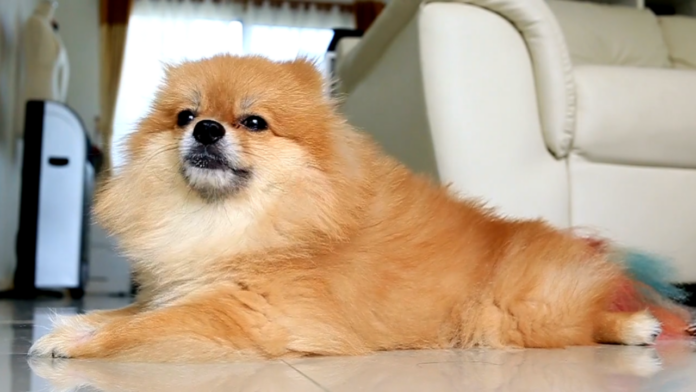 Do not forget that their small size makes them an easy prey to owls, eagles, coyotes and other wild animals. That is why you must never leave them alone outside, especially if you live in the countryside or in the area where some of the predatory animals can be found. Additionally, their popularity makes them a frequent target for dognappers, which is another reason for you not to leave them alone outside.
Pomerians are very active indoor dogs and choosing a Pomerian is a great choice if you want a smaller pet that is not in need of longer walks and exercises. They are sensitive to heat so never take them out during the worst dog days. They love challenges and they can easily get bored or depressed if left alone for a long time, so make sure to give them lots of toys and training, however, their attention span is short so the training sessions should be short too.
Just like with Maltese, Pom is best suited for older children or adults. They are too tiny and fragile, and children can unintentionally hurt them.
Do not forget that their small size makes them an easy prey to owls, eagles, coyotes and other wild animals. That is why you must never leave them alone outside, especially if you live in the countryside or in the area where some of the predatory animals can be found. Additionally, their popularity makes them a frequent target for dognappers, which is another reason for you not to leave them alone outside.
Pomerians are very active indoor dogs and choosing a Pomerian is a great choice if you want a smaller pet that is not in need of longer walks and exercises. They are sensitive to heat so never take them out during the worst dog days. They love challenges and they can easily get bored or depressed if left alone for a long time, so make sure to give them lots of toys and training, however, their attention span is short so the training sessions should be short too.
Just like with Maltese, Pom is best suited for older children or adults. They are too tiny and fragile, and children can unintentionally hurt them.
 The Pekingese almost always snore, even loudly, because they have short noses. They do not tolerate heat well and they are difficult to break. They also tend to be one-person dogs and they will get attached to one person who takes care of him the most.
They make amazing apartment dogs and they can be happy in an apartment. They love to explore and wander off. They also like to go for walks, however, do not forget that their tiny legs are not suitable for tiresome exercises and they can have heat stroke. They should never live outdoors. If you are looking for a loyal, devoted and unique friend, then this breed may be for you. The Pekingese needs a friend who is able to understand his needs and unique personality and he will for sure return your love and affection.
The Pekingese almost always snore, even loudly, because they have short noses. They do not tolerate heat well and they are difficult to break. They also tend to be one-person dogs and they will get attached to one person who takes care of him the most.
They make amazing apartment dogs and they can be happy in an apartment. They love to explore and wander off. They also like to go for walks, however, do not forget that their tiny legs are not suitable for tiresome exercises and they can have heat stroke. They should never live outdoors. If you are looking for a loyal, devoted and unique friend, then this breed may be for you. The Pekingese needs a friend who is able to understand his needs and unique personality and he will for sure return your love and affection.
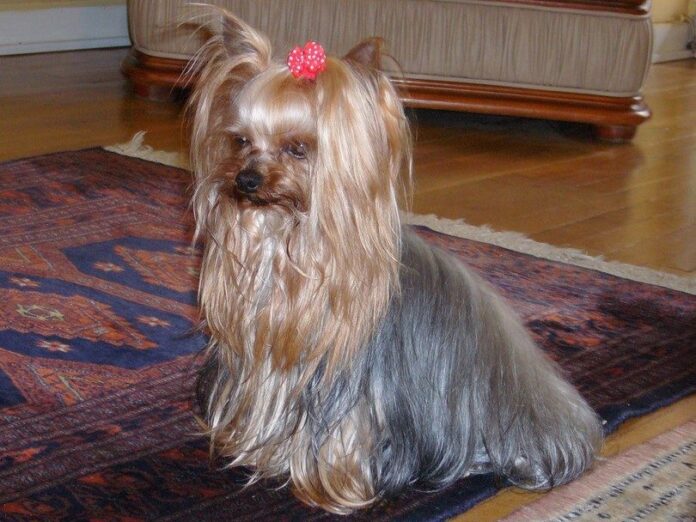 When it comes to their personality, they are smart, self-assured, cheerful, spirited, mischievous, cuddly, perky, outgoing. Some of them can be shy while the others can be really too out-going and active. If you spoil them you will make your life very difficult because it is hard to correct bad habits later on. Your Yorkie can be a wonderful companion if you set limits and train him. However, remember that they are small and fragile (even if they act as much bigger dogs), and they should never be kept outside or forced to train too much.
And just like with other dogs, most dog breeders won’t sell them to families with small children. That is because kids can unintentionally hurt them, step on them or squeeze them too tight. They are fragile and that is why you must take care of them as if they were family members, which they are.
When it comes to their personality, they are smart, self-assured, cheerful, spirited, mischievous, cuddly, perky, outgoing. Some of them can be shy while the others can be really too out-going and active. If you spoil them you will make your life very difficult because it is hard to correct bad habits later on. Your Yorkie can be a wonderful companion if you set limits and train him. However, remember that they are small and fragile (even if they act as much bigger dogs), and they should never be kept outside or forced to train too much.
And just like with other dogs, most dog breeders won’t sell them to families with small children. That is because kids can unintentionally hurt them, step on them or squeeze them too tight. They are fragile and that is why you must take care of them as if they were family members, which they are.
 The Chihuahua is often said to be terrier-like, which means that it is very bold and confident even though it is the smallest dog in the world. Being the smallest has many cons though – they are the obvious prey to larger animals and predators, which means that you should never leave it alone in the public or in the countryside. They are the indoor dogs and they should never be left alone for a long time outside.
It is also very common for Chihuahuas to bond to only one person even though they are willing to make friend to other people and animals. They are usually reserved and suspicious; they can be timid if you do not socialize them from an early age.
The Chihuahua is often said to be terrier-like, which means that it is very bold and confident even though it is the smallest dog in the world. Being the smallest has many cons though – they are the obvious prey to larger animals and predators, which means that you should never leave it alone in the public or in the countryside. They are the indoor dogs and they should never be left alone for a long time outside.
It is also very common for Chihuahuas to bond to only one person even though they are willing to make friend to other people and animals. They are usually reserved and suspicious; they can be timid if you do not socialize them from an early age.
 The most important thing to remember is that you must be able to provide for the dog’s needs, take him for walks etc because even though he is small, that does not mean that his needs should be ignored. They differ from other