Identifying a dog’s breed requires a thorough understanding of dogs as well as its behaviors.
Before adopting a dog into your family and personal life, it is always advisable to go through a study or session of learning how different dog breeds are, their virtues as well as limitations are, to be prepared to acquaint it with your own unique a lifestyle.
If you want to know what breed your dog is, you must go for a DNA test to understand the kind of dog you would have.
It is always better to do your research in order to choose a breed of dog that suits your own attitude, tastes and behavior. Additionally when you have an idea of what breed your dog is, you will observe the virtues and traits of the breed you own!
As said and clichéd for centuries, Dog is but Man’s best friend of course, as much as man is his own!
Why Identify Your Dog’s Breed
Without knowing the hereditary or genetic behavior and necessities of a dog, it is impossible to provide it with the apt care.
Many of us are hardcore dog lovers such that when we come across a lonely and helpless pup on the road, the whole eternity fails to coax us to leave it be!
We plunge out on the road and cup it up in our arms almost instantly as if it is our lost baby!
The aftermath of an irresponsible dog adopter’s ways and care results in sickness, disease and discomfort as well as illness in the pup during its growing years. Past the endless love and care that you shower on your pet, lay logic and wisdom.
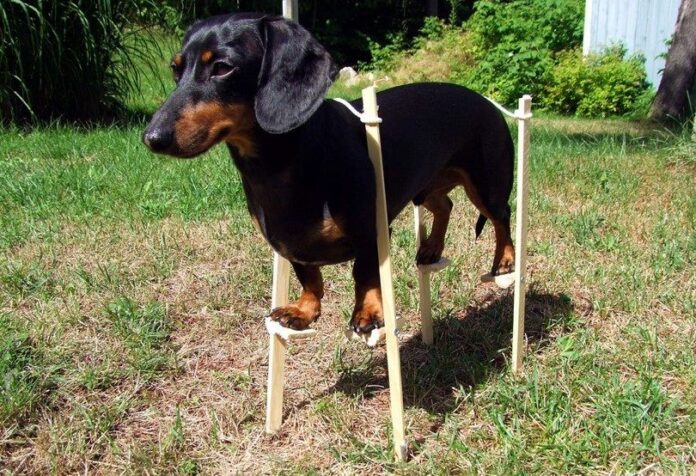
Adopting a stray dog instantly is never a crime, but it can turn into one if you are, caught in the ignorance of the dog’s necessities due to your infinite love and bewilderment.
It is necessary to identify a dog’s breed in order to provide it all the necessities, amenities and specifics that it needs by understanding the kind of dog you have.
Every dog is different from another, not just because of its breed differences but its growing up as well as instinctual behavior.
One must always have an estimate of the hereditary root of a dog in order to care for it the best.
Even if you are not a social activist in case of dog welfare, you must always select and meter out the characteristics and virtues that you are looking out in a dog beforehand, to live with it happily.
Without knowing the basic urges, cravings, biological demands and other necessities of the dog you plan to select it is impossible to bring about any hygiene, health and happiness your life.
You should properly understand all dos and don’ts regarding the dog before the adoption procedures. Many characteristics require a thorough understanding of before selecting one to your personal and private setting called home.
If you select a dog without thorough analysis, correction and research, you might end up having to face undue skin infection, diarrhea and a distressed or aggressive dog.

One should be thoroughly, informed when selecting the choice of dog breed. In order to, conveniently select a pup or dog to acquaint to your life, you should be aware of its diet, cleaning, water, infrastructure and behavioral needs.
Getting to know the base requirements of every dog breed makes you analyze and choose the right virtues that assert the behavior of the kind of dog you have.
Go through a dog selection questionnaire to conclude certain virtues that is similar to your own homely situations or convenience.
How to Recognize Different Breed of Dogs
This takes us to finally analyze and comprehend the various types of dog breed in order to understand what kind of dog you have.
There are but many ways to categorize different dogs. The best of which is, based on the idea of its size and nature, hence, keep the following in your head when deciding what kind of dog you have or want.
It is impossible to identify a dog’s breed by just a look as a dog can be, crossbred with various breeds that can be subtle or dominant in displaying its characteristics.
Only through a proper DNA test can one find out the right breed of dog that one has. Some other accurate tests to infer your dog’s breed is through observation and cross-examination.
A veterinarian can guide you to spot certain specific behavior of a breed of dog, but most dogs will have multiple ancestry evidences when the DNA test is, taken.
Veterinarians have many testing mechanisms that can determine the percentage of different breeds present in your dog.
With the curiosity of the genetic information of your dog kept aside, many people want to determine the breed of a dog for reasons of extending ownership, exchanging pets and improvising the atmosphere, environment and infrastructure presently provided for the dog.
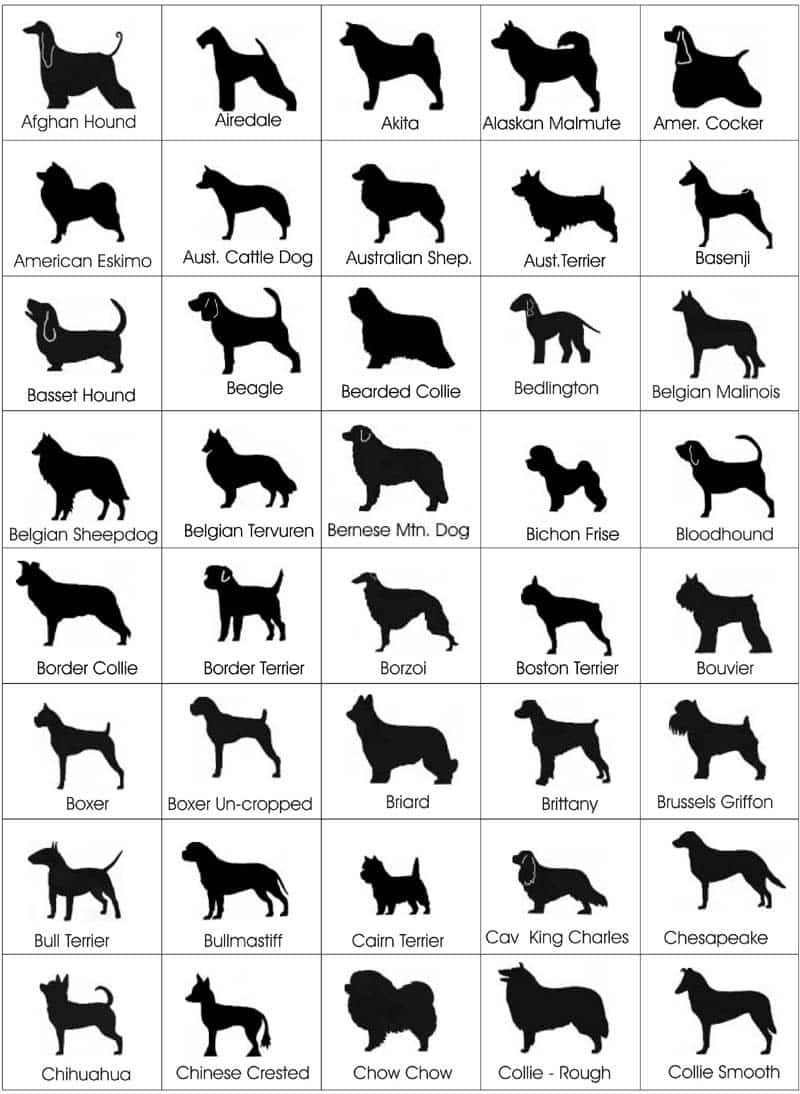
There are hundreds of different dog breeds with different behavior, intelligence, fur-size, aggression, skills, talents, emotional and physical growth such that identification processes that include just an hour long physical examination can go wrong or right, equivalently.
Hence, one must have a clear idea of the breed of dog that one has before providing care for it! Following provides some ways to examine and determine what kind of dog do you have, based on certain general characteristics.
Although, you must always go for a DNA test to assert with evidence, the breed of your dog as the recessive virtues in your dog can detour you to wrongly, confirm the breed of your dog.
Size
Toy
These dogs are generally, combined under groups of herding, hunting, sporting and companion dogs, which are lap warmers as with exceptionally adaptive indoor skills as well.
There are lovely toy sized dogs in most breeds that are playful, intelligent, obedient, alert, attentive, watchful, sensitive and social. Some breeds of toy sized dogs are Poodle, Pug, Japanese chin, Maltese, Havanese, English Toy Spaniel, Italian Greyhound Toy, Chinese Crested, Chihuahua, Cavalier King Charles Spaniel, Brussels Griffon, Affenpinscher, Toy Pinscher, Manchester Terrier Toy, Pekingese, Papillon, Pomeranian,
Shih Tzu, Yorkshire Toy Terrier, Silky Terrier Toy and Toy Fox terrier. These have a life span of 12-15 years.
Small

The second category to determine what kind of dog you have is based on the size of dogs that are bigger than toy size but smaller than medium built. These dogs are generally, encompassed under the groups of Herding, hounds, Sporting, terriers, sporting and hunting dogs. They are, known to be protective, amiable, sight and scent sensitive dogs that can be, trained to be exceptionally adaptive indoors.
Some of the breeds of small sized dogs are Beagle, Dachshund, Basset Artesian Normand, Schipperke, Xoloitzcuintle, Tibetan Spaniel, Patterdale Terrier, Manchester Terrier, Sussex Spaniel, West Highland White terrier, Lancashire Heeler, Lakeland Terrier, Lhasa Apso, Shiba inu, Jagdterrier, Pembroke Welsh Corgi, Skye Terrier, Airdale Terrier;
And also Scottish terrier, Cockapoo, Russian Spaniel, Cardigan Welsh Corgi, Italian greyhound, Lowchen, Chow-chow, Samoyed, Plummer Terrier, Drever, Swedish Vallhund, Japanese terrier, Sealyham terrier, Bedlington terrier, Glen of Imaal terrier, Bichon Frise, Japanese Spitz, Volpina Italiano, Rat terrier, Dutch Dachsund, Carin terrier, Cesky terrier, Pomeranian, Jack Russell Terrier, Welsh terrier, Prazkzy krysarik, Black Norwegian Elkhound, Norwegian Lundehund and Keeshond.
Medium
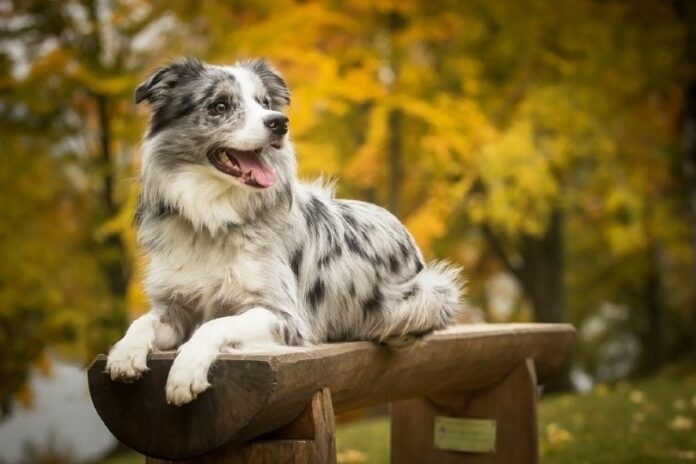
the best category of dogs preferred is the medium-sized dogs. These are preferred are herding, sporting, hunting, hounds, tracking, casing, guiding and aiding man in different types of activities. Apart from the physical pace, strength and skills, these dogs are excellent companions as they are intelligent, clever, sportive, loving, playful as well as watchful kind.
Some of the breed of medium sized dogs are Pont Audemer Spaniel, Boxer, Pumi, Bearded Collie, Puli, Portuguese Podengo, Australian Cattle Dog, Shetland Sheepdog, east Siberian Laika, Wetterhoun, Andalusian Hound, American Cocker Spaniel, Vizsla, silken Windhound, Catahoula Cur, Serbian Hound, Belgian Shepherd Tervuren, Dalmatian, Finnish Lapphund, American White Shepherd, Shar-Pei, Brittany, Whippet, American Pitbull terrier, Shikoku and English Shepherd.
Large

Bigger than medium sized dogs,
these dogs are generally stronger and powerful than the regular apartment dogs. These wilder kinds of dogs are trained for military purposes, hunting, herding, athletic skills, and sporting as well as guardian tasks. They are powerful, watchful, obedient, aggressive, playful, amiable, loving, faithful and intelligent category of dogs.
Some breeds are Rottweiler, Alaskan Malamute, Bernese Mountain Dog, Rhodesian Ridgeback, Tibetan Mastiff, Great Dane, Golden Retriever, Labrador Retriever, German Shepherd, Bouvier des flanders, Rajapalyam, Boerboel, Doberman Pinscher, Labrador Retriever, Bohemian Shepherd, American Akita, Alano Espanol, Afghan Hound, Briard, Komondor and Bloodhound.
Giant
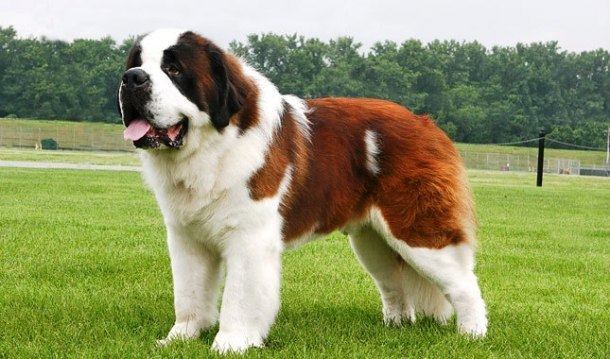
The last categories of dogs based on their size are the giant dogs. Some of them grow higher and heavier than humans and are hence the hugest category of dogs. They are powerful, aggressive, gentle, loving as well as intelligent kind of dogs. Some of the breeds are Kuvasz, Landseer, Pakistani Mastiff, Greyhound, Great Pyrenees, Leonberger, Caucasian Ovtcharka, Giant Schnauzer and St. Bernard.
Fur
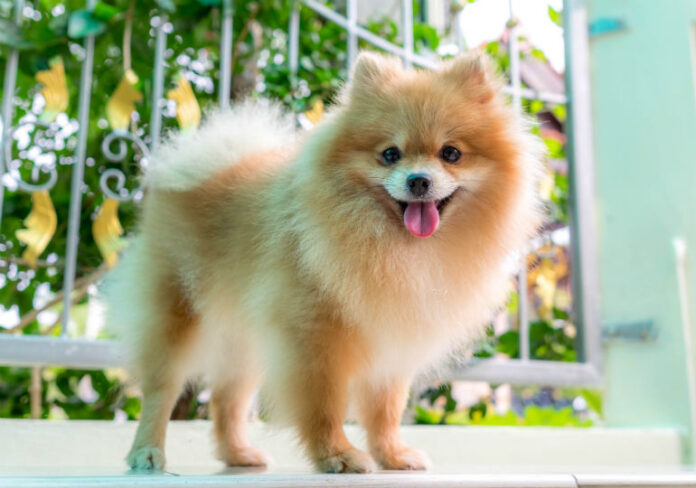
Another important characteristic of determining what kind of dog you have is by observing the nature of their fur. Some dogs are hairless, like the Chinese crested while some have long, short, thin and thick hair. If your dog sheds quite a lot of hair, then you must conclude it as the hairy variety. Note your observation about the nature of hair or fur in your dog with this step. Also, note the bundling up of the hair, if at all as well as grooming techniques implemented in your dog.
Drooling
Dogs drool excessively or in limited amount depending on the size of their upper lips. Some breeds of dogs that drool are Newfoundland, Mastiff, St. Bernard and bloodhounds. Additionally, the tartar build up in your dog can also instigate drooling.
Hypoallergenic

Most dogs are hypoallergenic but the range of effect they have can be, varied. Some of the highly hypoallergenic dogs, possess a coat of hair that does not shed, but, produce dander, which causes the allergies in humans. Some of these hypoallergenic kind of dogs are Giant Schnauzer, Afghan Hound, Puli, Keeshond, Welsh Terrier, Cairn Terrier, Bichon Frise, Lowchen, Bedlington Terrier, Italian Greyhound, Airdale Terrier, Xoloitzcuintle, Norfolk Terrier, Shih-Tzu, Affenpinscher, Brussels Griffon and Poodle.
Behavior
Note the behavior of your dog regarding his feeding, barking, pooping, resting and playfulness. There might be distinct way of resting, sleeping, playing or moaning in him.
Color
Note the colour of your dog’s skin as well as the texture of his hair.
With all the above observations of your dog’s size, nature, behavior, hair, hypoallergenic and other activity-oriented reactions, consult a veterinarian to conclude the breed.
How to Select Your Dog?
If you are looking to welcome a new dog to your family to help your present dog socialize, your kids learn responsibility and companionship or anything, you should first go through this questionnaire.
One such questionnaire is:
| No: |
Question |
A |
B |
C |
D |
| 1 |
What type of a dog do you need? |
Friendly |
Sporty |
Hunter |
Companion |
| 2 |
What is the size of dog that you prefer? |
Tiny |
Medium |
Big |
Any Size |
| 3 |
How smart a dog do you want? |
Smart |
Responsive |
Dumb |
Any rate |
| 4 |
What activity do you prefer with your dog? |
Walking |
Playing at the beach |
Snuggling on sofa |
Hunting |
| 5 |
What fur do you want in a dog? |
Furry |
Thin-haired |
Hairless |
Any |
| 6 |
How much would you exercise with your dog? |
Rarely |
Occasionally |
Frequently |
Adaptable |
| 7 |
What home do you have? |
Small |
Medium |
Big |
Any |
| 10 |
How old are the kids at home |
2> |
<2-5 |
<5-12 |
<13- Adults |
| 12 |
Are you allergic to dogs? |
Yes |
No |
Maybe |
– |
| 13 |
Does drooling bother you? |
Yes |
No |
Maybe |
– |
| 14 |
What is your idea of domesticating? |
Parenting |
Petting |
Friendship |
Grouping |
Answering the above:
- Depending on the energy, potential and characteristics of your own needs, one can easily conclude the type of dog to choose. When you want a dog for hunting or athletic responsibilities, you must be logical to choose one of the breed of hunter dogs or of the sort, to be successful in the act of deciding what kind of dog you have.
- There are dogs of all sizes and a dog that adapts to your sense of surroundings, needs and activities will determine the size of dog you want. Additionally, you should make sure that you encounter all of your size-related fears and choose a dog that you are unafraid of, finally.
- Depending upon the rate of smartness of your dog, you can analyse how much it can do to your own welfare. Exemplifying, an elderly will need a smart dog that aids, comprehends and responds to the older one’s needs, demands and emergencies. If you need a cute companion to be around, there are various breeds to fit in, as well.
- Once you know the kind of time and exercise that you want to spend with your dog, you will know how the dog wants to spent it. This determines what kind of dog do you have as well. Depending on the target time of exercising that you plan to do, you can understand the kind of energy you would want in a dog as well.
- Depending on the time of exercise you prefer to spend with your dog, you can judge the kind of activities both of you will like as well. You can train your dog into various assistant activities of hunting, chasing, tracking, walking and entertained as per your techniques of training.
- The idea of your own health conditions will make you understand the kind of dog you can have around. With aggressive health conditions, the closeness maintained with any pet is judgmental.
- Another important factor in selecting a dog to live with you is your own conditions of allergies in order to decide what kind of dog you have.
- With the knowledge of your own health conditions, now you should know how much of your own space are you ready to share with the dog you choose. Depending upon the space of your own house, you can understand the nature of the size of your choice of dog as well.
- The next answer you must be aware of is the rate of drooling bearable and comfortable to you as all dogs drool in extreme rates.
- Finally, you should know what you want to do with the dog. If your idea is to parent the dog, adopt a young pup. If you wish to train a dog to hunt and be sportive alongside you, you must train it to be so. As proclaimed since centuries, dog is but man’s best friend!
As dogs are, known to have been, evolved from foxes, it is difficult to have a predetermined idea of specific characteristics of dogs on a lone list in order to identify what kind of dog do you have.
The fact is dogs have evolved from another species that possess a drastic difference in physique, emotional and mental balance, which in turn also extends the chances of dogs possessing evolving and distinct characteristics even now.
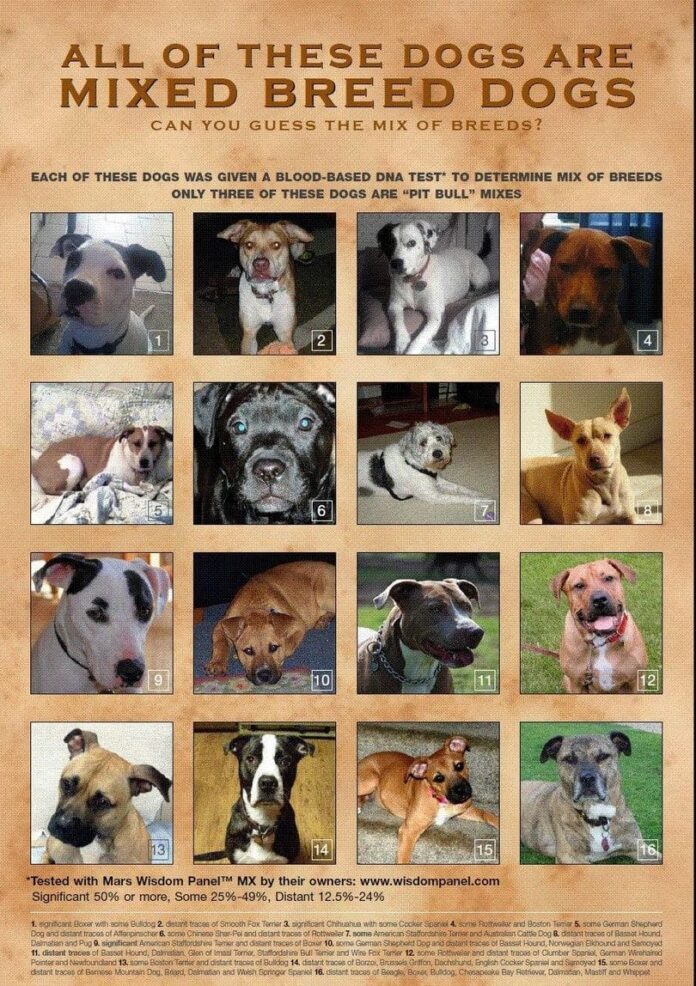
Choice of a breed of dog should be dependent on the dog’s behavior, texture of hair, nature, response, and skills.
Bringing a dog to your own private or personal space requires a clear idea of everything that your dog demands and requires to be healthy.
Along with selecting or determining a dog’s breed, make sure you have a regular veterinarian’s consultation, notes and observation regarding how to take care of your dog.
Good Luck! 
 Frostbite is a more difficult condition to diagnose, due to your dog’s fur. Your dogs extremities should be checked on a regular basis, such as their ears, tail and paws. If they feel extremely cold, then they are suffering from frostbite.
This is when the body retracts the blood flowing into the extremities in order to keep the core temperature regular. This means that ice crystals can form in your dog’s blood and lead to damage in his veins and arteries.
Frostbite is a more difficult condition to diagnose, due to your dog’s fur. Your dogs extremities should be checked on a regular basis, such as their ears, tail and paws. If they feel extremely cold, then they are suffering from frostbite.
This is when the body retracts the blood flowing into the extremities in order to keep the core temperature regular. This means that ice crystals can form in your dog’s blood and lead to damage in his veins and arteries.
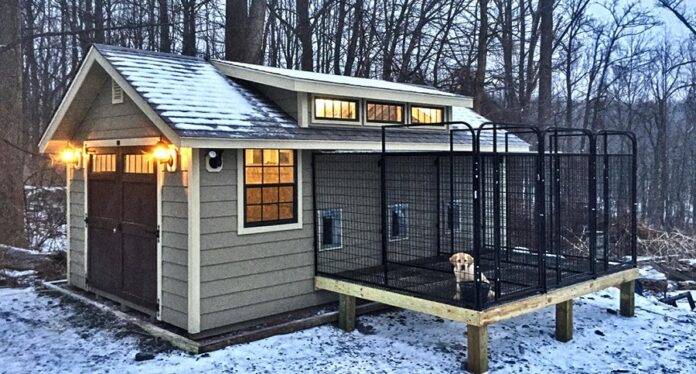 The flat inside surface of the shelter is in constant contact with the ground, which makes it quite easy for the inside of the dog house to become cold. Elevation from the ground causes the house to retain more heat, making it easier for your dog to stay warm.
 These options are cost-effective solutions that will protect the health of your dog and ensure that he is comfortable. They can also be switched around if your dog isn’t particular about any of the additions that are made.
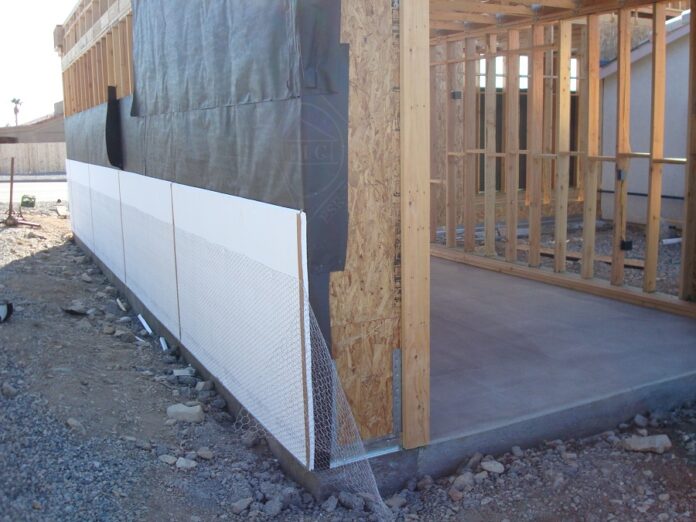 These steps are best fit for a wooden dog house that is square.
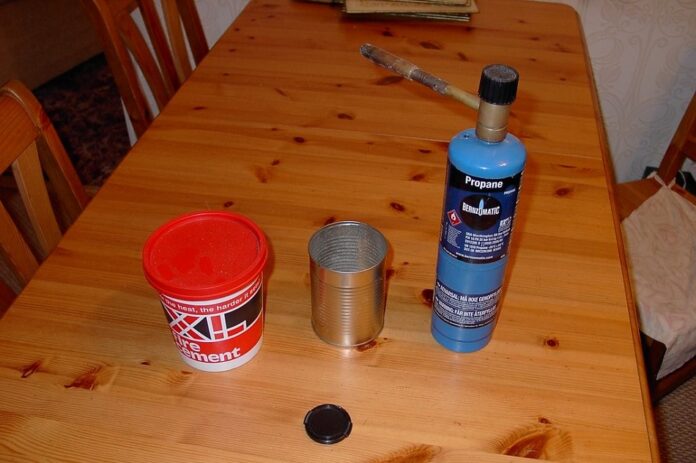 Be aware that if you have no electrical experience, you may be putting your dog at risk if an electrical fire starts. Keep an eye on the house for a few hours after everything is installed to make sure that it is in working order.
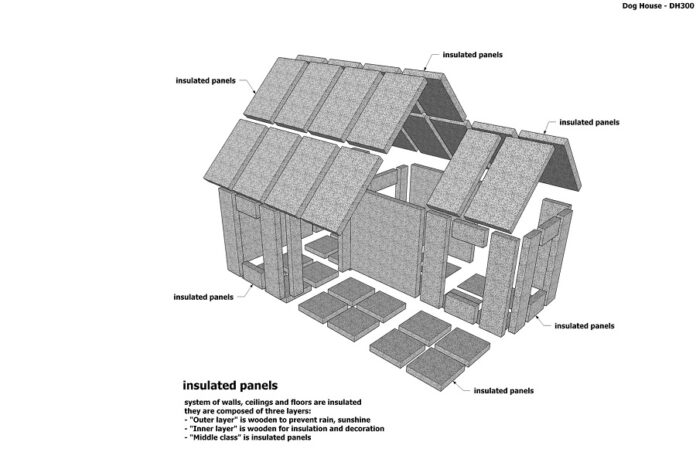 The materials that you’ll need are 2x4s, 3/4-inch plywood, 1 1/2-inch thick foam, glue, staple gun, weather-resistant screws, circular saw and/or saber saw, a drill, piano hinge, tar paper, metal drip edge, hammer, roofing nails, roofing cement, and asphalt shingles.

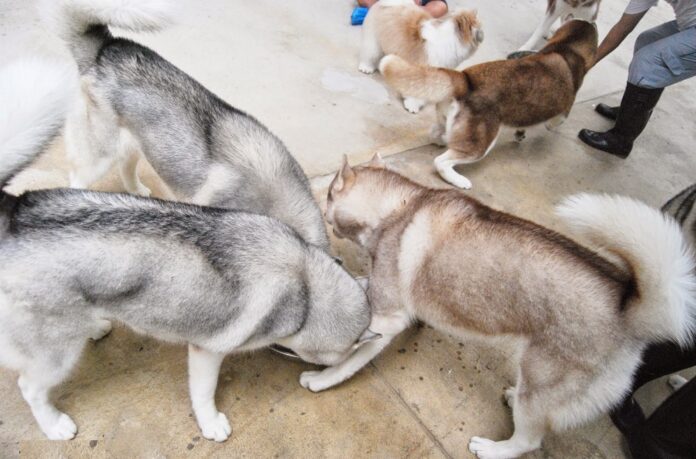 Another eating habit that is very common in huskies is a result of their stubborn nature. The smallest things could put a husky off of a certain food, and he may choose to avoid it altogether.
Huskies are very individualistic and can be quite particular of the food that they are being given. From the size and texture of the food, or being bored of eating the same food all the time, there are a number of reasons that a husky may not eat. Even experiencing sickness after eating can result in a husky not eating that kind of food ever again.
Boredom is a big factor to get over when it comes to feeding your husky. Leaving food out for too long can result in your dog becoming bored with it and will choose to avoid it altogether. If you find that he hasn’t eaten and there are no other signs of illness that could be causing this, return his food to the bag or container and try again at a later feeding schedule.
Another eating habit that is very common in huskies is a result of their stubborn nature. The smallest things could put a husky off of a certain food, and he may choose to avoid it altogether.
Huskies are very individualistic and can be quite particular of the food that they are being given. From the size and texture of the food, or being bored of eating the same food all the time, there are a number of reasons that a husky may not eat. Even experiencing sickness after eating can result in a husky not eating that kind of food ever again.
Boredom is a big factor to get over when it comes to feeding your husky. Leaving food out for too long can result in your dog becoming bored with it and will choose to avoid it altogether. If you find that he hasn’t eaten and there are no other signs of illness that could be causing this, return his food to the bag or container and try again at a later feeding schedule.
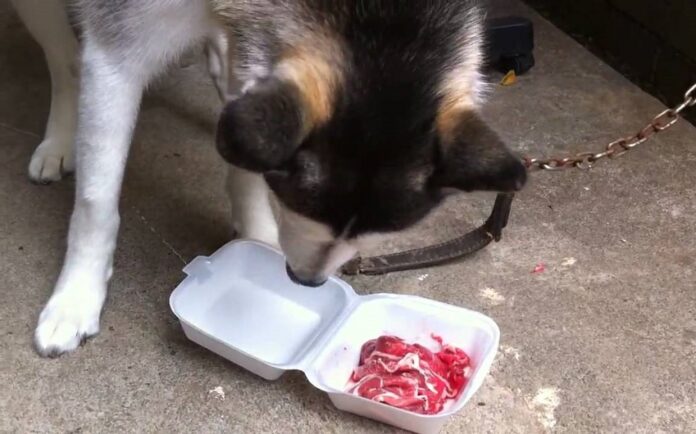 In conjunction with how often, knowing how much food to give can also help your dog from becoming overweight. They do not require as much food as other dog breeds, and can perform just as well on relatively smaller amounts of food.
That’s why you should be careful with the amount of food that you put in your dog’s bowl. Overfeeding can quickly lead to weight gain, as well as upset stomachs and diarrhea. It can be difficult to determine how much food should be given, as a dog’s weight and energy levels both play as factors.
A good baseline range to work from is roughly sixty percent of the food that the manufacturer recommends and to adjust it accordingly to meet your dog’s needs.
In conjunction with how often, knowing how much food to give can also help your dog from becoming overweight. They do not require as much food as other dog breeds, and can perform just as well on relatively smaller amounts of food.
That’s why you should be careful with the amount of food that you put in your dog’s bowl. Overfeeding can quickly lead to weight gain, as well as upset stomachs and diarrhea. It can be difficult to determine how much food should be given, as a dog’s weight and energy levels both play as factors.
A good baseline range to work from is roughly sixty percent of the food that the manufacturer recommends and to adjust it accordingly to meet your dog’s needs.
 If you can feel his ribs and spine easily, then your dog is underweight. Choose a high-quality dog food and mix in with dog food to provide the calories needed to start the weight gain process.
Only choose a high quality dog food, as cheap stuff may smell great, but it won’t have the essential vitamins and minerals that will help to restore the function of your dog’s organs and muscles. To further increase weight gain, choose high quality treats that are also good for your dog. Some of the best treats include hard boiled eggs, raw baby carrots, and cooked pieces of chicken.
If you can feel his ribs and spine easily, then your dog is underweight. Choose a high-quality dog food and mix in with dog food to provide the calories needed to start the weight gain process.
Only choose a high quality dog food, as cheap stuff may smell great, but it won’t have the essential vitamins and minerals that will help to restore the function of your dog’s organs and muscles. To further increase weight gain, choose high quality treats that are also good for your dog. Some of the best treats include hard boiled eggs, raw baby carrots, and cooked pieces of chicken.
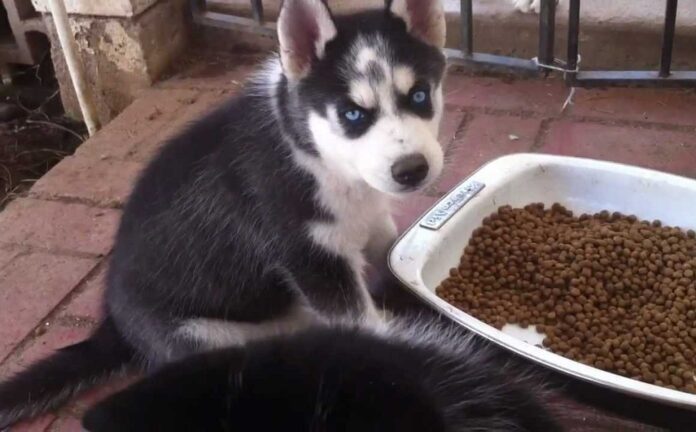 When adding new ingredients, reduce the amount of kibble and replace it with the equivalent measurement of the food you’re adding. Simply throwing in more food can quickly lead to overeating and giving your dog too many calories.
If you do decide to do a complete overhaul of the food that you’re giving your dog, it’s important that you do so on a gradual basis over a period of two weeks.
Some of the old food should be exchanged with the new in order to see if there are any adverse reactions. Gradually decreasing and increasing these amounts respectively will eventually lead to your dog accepting the new food without any problems.
When adding new ingredients, reduce the amount of kibble and replace it with the equivalent measurement of the food you’re adding. Simply throwing in more food can quickly lead to overeating and giving your dog too many calories.
If you do decide to do a complete overhaul of the food that you’re giving your dog, it’s important that you do so on a gradual basis over a period of two weeks.
Some of the old food should be exchanged with the new in order to see if there are any adverse reactions. Gradually decreasing and increasing these amounts respectively will eventually lead to your dog accepting the new food without any problems.
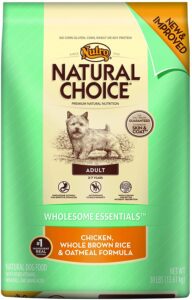 When it comes to large dog breeds, Nutro Max provides the nourishment that they need to keep going throughout the day. Only high-quality ingredients are used, such as chicken protein, from farm-raised chickens, and whole grain rice.
There are no by-products, preservatives, artificial flavors or artificial colors that are added to the food. It was developed to provide a complete and balanced nutrition for any large dog breed, chock full of all the vitamins, minerals and calories that they’ll need to get the job done.
The dry kibble bits will help to reduce any plaque and tartar on the teeth, the high protein content promotes the development and growth of the muscles, and the fatty acids improve skin and coat, so that your dog will look his best.
Not only does Nutro Max help your dog on the outside, but it also helps within, promoting a strong immune system to fight off infections and illnesses that may arise.
When it comes to large dog breeds, Nutro Max provides the nourishment that they need to keep going throughout the day. Only high-quality ingredients are used, such as chicken protein, from farm-raised chickens, and whole grain rice.
There are no by-products, preservatives, artificial flavors or artificial colors that are added to the food. It was developed to provide a complete and balanced nutrition for any large dog breed, chock full of all the vitamins, minerals and calories that they’ll need to get the job done.
The dry kibble bits will help to reduce any plaque and tartar on the teeth, the high protein content promotes the development and growth of the muscles, and the fatty acids improve skin and coat, so that your dog will look his best.
Not only does Nutro Max help your dog on the outside, but it also helps within, promoting a strong immune system to fight off infections and illnesses that may arise.
 Orijen Adult dog food has been specifically formulated to match the natural dietary needs of your dog. Containing over 90% meat ingredients made of chicken, turkey, eggs and fish that are delivered fresh each day to their processing plant, your dog will benefit from the calories that Orijen provides for their growth, development and calorie-burning.
Their food is free from any preservatives and the ingredients are never frozen, which has shown to destroy some of the nutritional value of ingredients. Fruits and vegetables are also included in the making of their dog food, and they’re entirely grain-free, making it easy for you and your dog to avoid any grain allergies that may occur from cheap, mass-produced dog foods.
Orijen Adult dog food has been specifically formulated to match the natural dietary needs of your dog. Containing over 90% meat ingredients made of chicken, turkey, eggs and fish that are delivered fresh each day to their processing plant, your dog will benefit from the calories that Orijen provides for their growth, development and calorie-burning.
Their food is free from any preservatives and the ingredients are never frozen, which has shown to destroy some of the nutritional value of ingredients. Fruits and vegetables are also included in the making of their dog food, and they’re entirely grain-free, making it easy for you and your dog to avoid any grain allergies that may occur from cheap, mass-produced dog foods.
 Made with all-natural ingredients, Innova is made with chicken, turkey, whole peas and fresh fruits, providing all of the vitamins and minerals that are needed to keep your dog healthy and happy.
The high-quality protein is harvested from farm-raised chickens and turkeys, and there are no by-products included to jeopardize the quality of the food being provided to your dog. Your dog’s skin and coat are also cared for with the inclusion of Omega-3 fatty acids, as well as the necessary ingredients to boost their immune system.
Made with all-natural ingredients, Innova is made with chicken, turkey, whole peas and fresh fruits, providing all of the vitamins and minerals that are needed to keep your dog healthy and happy.
The high-quality protein is harvested from farm-raised chickens and turkeys, and there are no by-products included to jeopardize the quality of the food being provided to your dog. Your dog’s skin and coat are also cared for with the inclusion of Omega-3 fatty acids, as well as the necessary ingredients to boost their immune system.
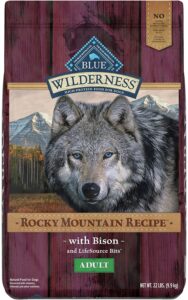 Blue Buffalo has quickly gained popularity as one of the best dog foods to purchase as an alternative to the raw diet.
They contain a unique blend of vitamins, minerals and antioxidants to keep your dog’s health in shape. It is without any corn, wheat or soy, and only healthy grains are used, such as brown rice, barley and oats to give them the energy that their body needs to burn calories. Vegetables such as carrots and sweet potatoes provide the complex carbohydrates and roughage that are needed.
Blue Buffalo has quickly gained popularity as one of the best dog foods to purchase as an alternative to the raw diet.
They contain a unique blend of vitamins, minerals and antioxidants to keep your dog’s health in shape. It is without any corn, wheat or soy, and only healthy grains are used, such as brown rice, barley and oats to give them the energy that their body needs to burn calories. Vegetables such as carrots and sweet potatoes provide the complex carbohydrates and roughage that are needed.
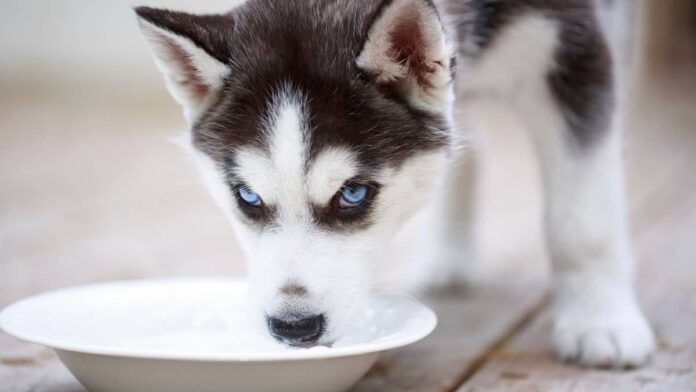 Many huskies and sled dogs are unable to tolerate specific ingredients that are commonly found in commercial dog food.
The cheaper brands of dog food are mostly guilty of this, which means that you’ll have to spend a little more at the pet store to find the right food for your dog. Avoid brands that include wheat in their ingredients, as this can lead to the irritation of the digestive system.
Your dog may also develop Zinc Responsive Dermatitis. The signs of this disease include scabs and hair loss, especially around the muzzle, ears and eyes. This is due to the fact that huskies and similar breeds of dog have difficult time absorbing zinc, so they will start to show signs of deficiency, even if the food that they’re eating has the right amount.
Symptoms can appear when your dog is stressed or is being fed a diet that is high in plant material and/or calcium. Adding a zinc supplement to his food should clear up the symptoms within a week or two.
Many huskies and sled dogs are unable to tolerate specific ingredients that are commonly found in commercial dog food.
The cheaper brands of dog food are mostly guilty of this, which means that you’ll have to spend a little more at the pet store to find the right food for your dog. Avoid brands that include wheat in their ingredients, as this can lead to the irritation of the digestive system.
Your dog may also develop Zinc Responsive Dermatitis. The signs of this disease include scabs and hair loss, especially around the muzzle, ears and eyes. This is due to the fact that huskies and similar breeds of dog have difficult time absorbing zinc, so they will start to show signs of deficiency, even if the food that they’re eating has the right amount.
Symptoms can appear when your dog is stressed or is being fed a diet that is high in plant material and/or calcium. Adding a zinc supplement to his food should clear up the symptoms within a week or two.
 Raisins, grapes or prunes: you may have heard recently that grapes and raisins can be detrimental to your dog’s health, but may not know why. Raisins and grapes can cause kidney failure; the kidneys are responsible for cleaning the blood of any waste products and removing any excess water to be excreted as urine.
The failure of these organs can lead to the rapid decline of your dog’s health. The first sign is repetitive vomiting for an extended period of time. Lethargy and depression soon present afterwards; once you notice these, you should take your dog to a vet immediately.
Macadamia nuts: cashews and peanuts may be provided to your dog as an occasional treat, but macadamia nuts are a no-no. These nuts can actually be fatal to your dog and lead to poisoning.
Signs include muscle tremors, paralysis of the hindquarters, weakness in the hind legs, vomiting, increased temperature, and a rapid heart rate. It’s best if you avoid giving any foods that contain these nuts. If you have done so accidentally, get your dog to a vet immediately.
Avocado: guacamole may be delicious, but your dog may not think so. Avocados contain persin, which affects dogs differently from humans. It can damage your dog’s heart muscles, which can lead to lethargy, difficulty breathing, vomiting and diarrhea.
Persin is present in the leaves, seeds and bark of avocado plants, so if you’re growing your own indoors, it’s important that you keep your dog way from them. Resist the temptation to share your nacho dip with your dog, and leave him to his regular treats instead.
Coffee or tea: caffeine can be great as a pick-me-up in the mornings, but your husky is not going to appreciate the effects of it in his system. Caffeine intake in large amounts can be quite fatal for dogs and has no known cure.
Your dog will become restless, have muscle tremors and fits, heart palpitations, rapid breathing, and bleeding. Caffeine can also be found in cocoa and chocolate, as well as some energy drinks. Why not wake up your dog the old fashioned way with a good daily run and high-quality food?
Raisins, grapes or prunes: you may have heard recently that grapes and raisins can be detrimental to your dog’s health, but may not know why. Raisins and grapes can cause kidney failure; the kidneys are responsible for cleaning the blood of any waste products and removing any excess water to be excreted as urine.
The failure of these organs can lead to the rapid decline of your dog’s health. The first sign is repetitive vomiting for an extended period of time. Lethargy and depression soon present afterwards; once you notice these, you should take your dog to a vet immediately.
Macadamia nuts: cashews and peanuts may be provided to your dog as an occasional treat, but macadamia nuts are a no-no. These nuts can actually be fatal to your dog and lead to poisoning.
Signs include muscle tremors, paralysis of the hindquarters, weakness in the hind legs, vomiting, increased temperature, and a rapid heart rate. It’s best if you avoid giving any foods that contain these nuts. If you have done so accidentally, get your dog to a vet immediately.
Avocado: guacamole may be delicious, but your dog may not think so. Avocados contain persin, which affects dogs differently from humans. It can damage your dog’s heart muscles, which can lead to lethargy, difficulty breathing, vomiting and diarrhea.
Persin is present in the leaves, seeds and bark of avocado plants, so if you’re growing your own indoors, it’s important that you keep your dog way from them. Resist the temptation to share your nacho dip with your dog, and leave him to his regular treats instead.
Coffee or tea: caffeine can be great as a pick-me-up in the mornings, but your husky is not going to appreciate the effects of it in his system. Caffeine intake in large amounts can be quite fatal for dogs and has no known cure.
Your dog will become restless, have muscle tremors and fits, heart palpitations, rapid breathing, and bleeding. Caffeine can also be found in cocoa and chocolate, as well as some energy drinks. Why not wake up your dog the old fashioned way with a good daily run and high-quality food?
 Taking care of your husky’s diet can be quite rewarding if done properly, and will help your husky to lead a full and healthy life.
Though they are known for being quite finicky when it comes to their food, it’s important that you exercise patience when providing healthy meals that they also find attractive. Going through a period of trial and error is normal in any husky owner’s life, but once you’ve found the right balance, then all of your worries simply melt away.
Taking care of your husky’s diet can be quite rewarding if done properly, and will help your husky to lead a full and healthy life.
Though they are known for being quite finicky when it comes to their food, it’s important that you exercise patience when providing healthy meals that they also find attractive. Going through a period of trial and error is normal in any husky owner’s life, but once you’ve found the right balance, then all of your worries simply melt away.

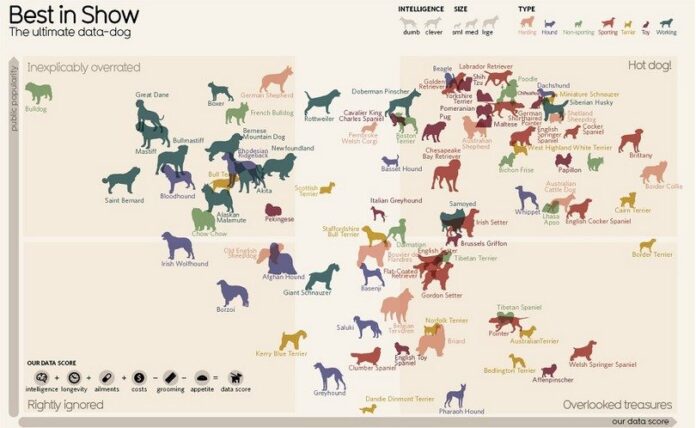
 The following 10 dog breeds are considered to be the dumbest: Shih Tzu, Basset Hound, Beagle, Mastiff, Pekingese, Bloodhound, Chow Chow, American Bulldog, Basenji and Afghan Hound. Although this might sound like an insult, they are in this classification because their obedience level is low and their functional intelligence as well. During the initial dressage phase, they need between 30 to 40 repetitions in order to show signs of understanding.
There are often necessary over 100 repetitions for any of these dogs to respond positively and have reliable results. Their responses are usually slow and not consistent. Moreover, once they finally learn a
The following 10 dog breeds are considered to be the dumbest: Shih Tzu, Basset Hound, Beagle, Mastiff, Pekingese, Bloodhound, Chow Chow, American Bulldog, Basenji and Afghan Hound. Although this might sound like an insult, they are in this classification because their obedience level is low and their functional intelligence as well. During the initial dressage phase, they need between 30 to 40 repetitions in order to show signs of understanding.
There are often necessary over 100 repetitions for any of these dogs to respond positively and have reliable results. Their responses are usually slow and not consistent. Moreover, once they finally learn a 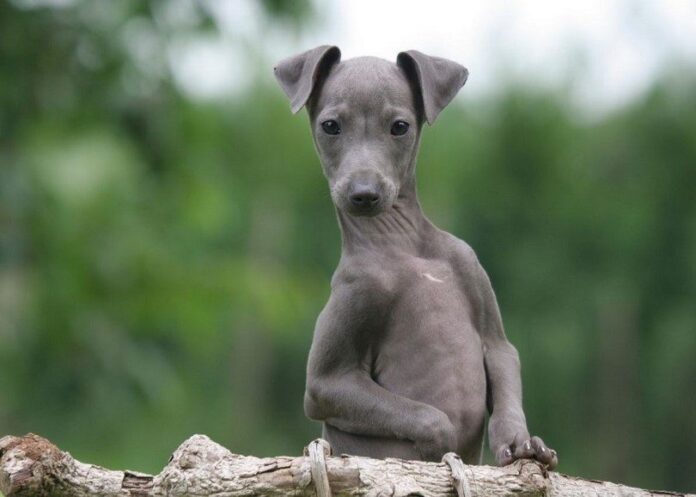 The following 15 dog breeds are
  A perfect companion for children, this dog type is affectionate and it doesn’t like to be alone. An older person could also find a true friend in a Shih Tzu thanks to its loyalty and caring personality. Interested in making this breed your companion? It would be best if you read up on the
 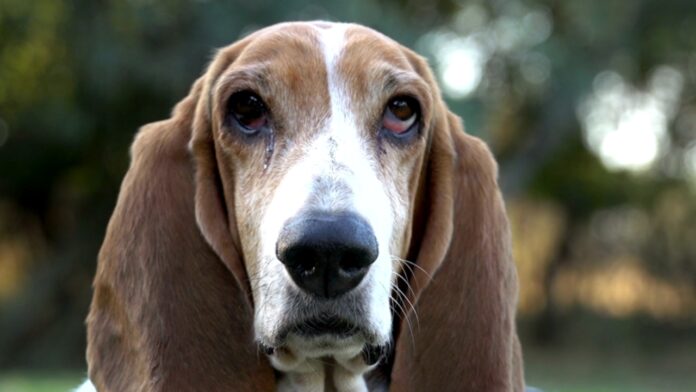 In addition, if their owners are not around, they do just fine in the company of other pets. However, being left alone with children is not good for their health. Children can ride them like horses, fact which can cause problems with their vertebral columns. A Basset Hound has the tendency to become inactive, especially if it is raised in an apartment.
Beagle is a friendly and affectionate canine specimen. Its tail is constantly swinging, transmitting joy and enthusiasm. It is
In addition, if their owners are not around, they do just fine in the company of other pets. However, being left alone with children is not good for their health. Children can ride them like horses, fact which can cause problems with their vertebral columns. A Basset Hound has the tendency to become inactive, especially if it is raised in an apartment.
Beagle is a friendly and affectionate canine specimen. Its tail is constantly swinging, transmitting joy and enthusiasm. It is 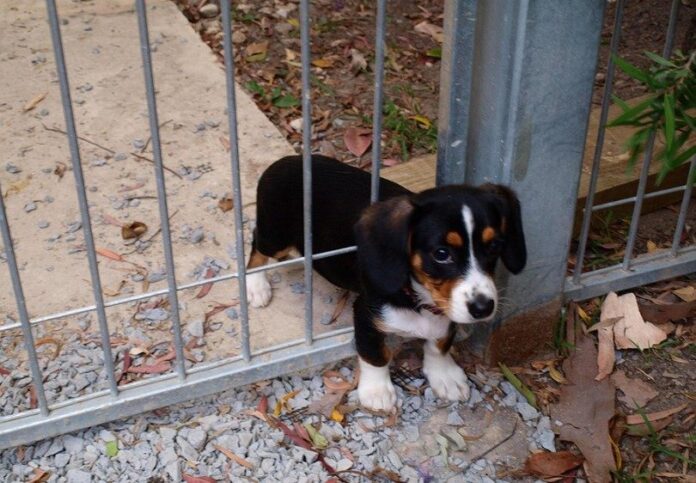 Mastiff is a gentle and loving giant. There is much to say about its temperament, even if it is listed as a dumb dog. It doesn’t excel when it comes to having a lot of energy to play and it tends to be lazy. However, it has a peaceful behavior, fact which makes it an ideal pet for families. In general, a Mastiff craves for the attention of its family and it doesn’t like strangers too much. The absence of socialization and interaction can lead to serious
 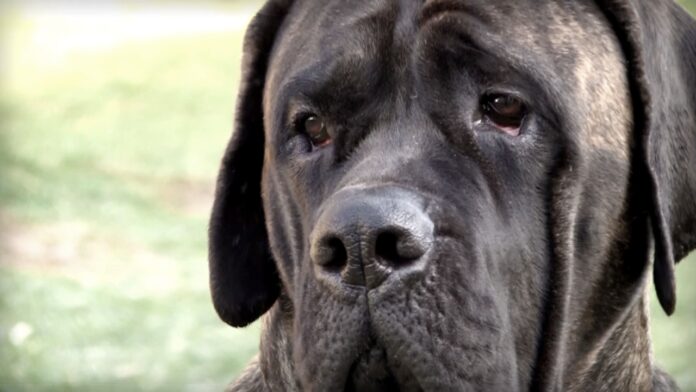 Pekingese is a dog breed characterized by stubbornness and independence. A Pekingese is brave despite its small size. It has a strong character stuffed in a small body. A loyal member of the family, this dog is friendly and exuberant with anyone but a stranger. It barks a lot when it feels danger or basically any noise coming from outside. In addition, it
 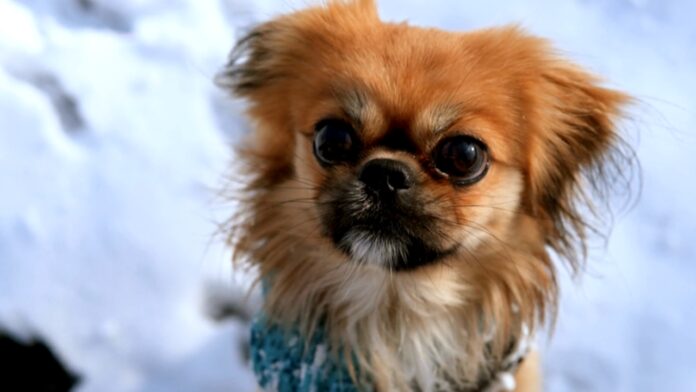 It is a little arrogant and perky and it is not good with other animals. A Pekingese could be a loyal and loving friend, but it can go as far as being jealous and doubt its owner’s loyalty towards it, not the other way around. It’s the kind of independent dog that has a selective hearing. It only does something when it feels like it, not when it is asked. Definitely check out our article on the Pekingese before you decide to add this breed to your family.
Bloodhound is a calm, patient, affectionate and noble dog breed. It appreciates any kind of attention it gets, including attention from children. It likes kids to ride its back and play in different ways. There isn’t a kid that has
It is a little arrogant and perky and it is not good with other animals. A Pekingese could be a loyal and loving friend, but it can go as far as being jealous and doubt its owner’s loyalty towards it, not the other way around. It’s the kind of independent dog that has a selective hearing. It only does something when it feels like it, not when it is asked. Definitely check out our article on the Pekingese before you decide to add this breed to your family.
Bloodhound is a calm, patient, affectionate and noble dog breed. It appreciates any kind of attention it gets, including attention from children. It likes kids to ride its back and play in different ways. There isn’t a kid that has A dog from the Bloodhound breed can become shy if it doesn’t socialize when it is young. Also, it gladly welcomes any stranger, so you can’t trust it to be territorial when you leave the house.
Chow Chow is an independent, less sociable and secluded dog. It has a strong character, thinks for itself and it shows signs of dominance as well. Although a Chow Chow is not the brightest dog out there, it is attached and devoted to its master and loves children too. It might be a sociable dog, but only if it is accustomed with strangers and other animals during its first years of life.
A dog from the Bloodhound breed can become shy if it doesn’t socialize when it is young. Also, it gladly welcomes any stranger, so you can’t trust it to be territorial when you leave the house.
Chow Chow is an independent, less sociable and secluded dog. It has a strong character, thinks for itself and it shows signs of dominance as well. Although a Chow Chow is not the brightest dog out there, it is attached and devoted to its master and loves children too. It might be a sociable dog, but only if it is accustomed with strangers and other animals during its first years of life.
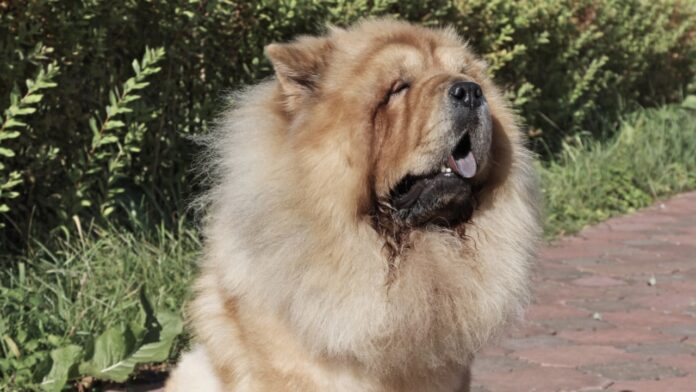 Otherwise, it will never learn how to socialize. Training a Chow Chow is hard. It is among the hardest breeds to train, so it needs consistent, balanced and firm dressage sessions. Its energy level is medium and the summer sun harms it. If you’re still considering this breed as a pet, then you should definitely read up on the Chow Chow first.
American Bulldog is par excellence a family dog. The representatives of this breed can do so much for their families that they are often called the dogs that do it all. Because they endure pain and are especially affectionate with children, they can be in the center of their attention for hours. Nothing can get them too tired, not even a bunch of kids.
Otherwise, it will never learn how to socialize. Training a Chow Chow is hard. It is among the hardest breeds to train, so it needs consistent, balanced and firm dressage sessions. Its energy level is medium and the summer sun harms it. If you’re still considering this breed as a pet, then you should definitely read up on the Chow Chow first.
American Bulldog is par excellence a family dog. The representatives of this breed can do so much for their families that they are often called the dogs that do it all. Because they endure pain and are especially affectionate with children, they can be in the center of their attention for hours. Nothing can get them too tired, not even a bunch of kids.
 However, they are solid dogs that can overthrow adults, not to mentions kids. Therefore, children must be supervised when they play with an
 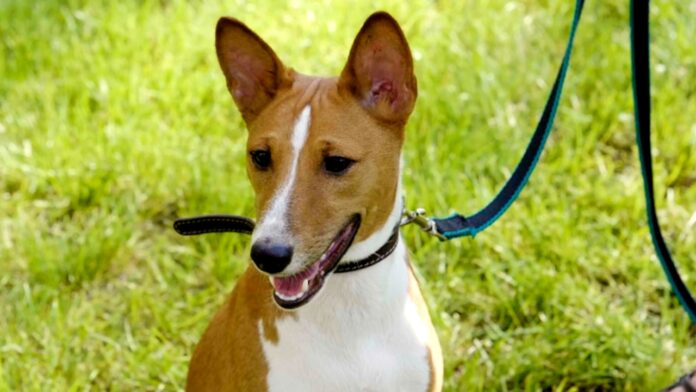 They are also considered a combination between cats and dogs as far as their character goes. This fact makes them an excellent choice for both cat and dog lovers. Basenji is a dog breed really different from all the other dog breeds. It is not so popular either.
Afghan Hound is a dog breed characterized by shyness. It is a slightly reserved dog that loves running, but it can also live a happy life inside a house or condo. It can become moody and behave picky when it comes to playing with children, but also in general. This breed resembles to a cat as well, from the independence’s point of view.
They are also considered a combination between cats and dogs as far as their character goes. This fact makes them an excellent choice for both cat and dog lovers. Basenji is a dog breed really different from all the other dog breeds. It is not so popular either.
Afghan Hound is a dog breed characterized by shyness. It is a slightly reserved dog that loves running, but it can also live a happy life inside a house or condo. It can become moody and behave picky when it comes to playing with children, but also in general. This breed resembles to a cat as well, from the independence’s point of view.

 Maybe none of these 25 dog breeds are suitable for certain people, but they make excellent friends for other people and all of them will most definitely find a home. A silly dog is funnier than others and it can lighten up the mood. In turn, it can get love and a roof above its head.
Moreover, some families prefer a playful and dumber dog than one that wastes its potential by being a family dog and by not participating in competitions or practicing sports that it is really good at. Plus, dumb dogs are way cutter!
Maybe none of these 25 dog breeds are suitable for certain people, but they make excellent friends for other people and all of them will most definitely find a home. A silly dog is funnier than others and it can lighten up the mood. In turn, it can get love and a roof above its head.
Moreover, some families prefer a playful and dumber dog than one that wastes its potential by being a family dog and by not participating in competitions or practicing sports that it is really good at. Plus, dumb dogs are way cutter! 
 One of the conditions that may show up in the Australian Cattle Dog is PRA or progressive retinal atrophy. This condition usually sets in when the dog reaches adulthood around 5-8 years of age.
PRA is a condition where the dog will slowly loose his eye sight, but due to the fact that it sets in slowly the dog will easily adjust to not being able to see. You will have to take certain safety procedures to keep your dog safe if he has PRA.
Hip dysplasia is also something to consider, but this goes for all large dog breeds. This can be treated with one or more of a few different surgical procedures including reconstructive surgery or a joint replacement.
The only other thing you need to look out for is the possibility of having a deaf pup – but many deaf dogs lead full lives with a bit of special training, so this should not really be a worry.
One of the conditions that may show up in the Australian Cattle Dog is PRA or progressive retinal atrophy. This condition usually sets in when the dog reaches adulthood around 5-8 years of age.
PRA is a condition where the dog will slowly loose his eye sight, but due to the fact that it sets in slowly the dog will easily adjust to not being able to see. You will have to take certain safety procedures to keep your dog safe if he has PRA.
Hip dysplasia is also something to consider, but this goes for all large dog breeds. This can be treated with one or more of a few different surgical procedures including reconstructive surgery or a joint replacement.
The only other thing you need to look out for is the possibility of having a deaf pup – but many deaf dogs lead full lives with a bit of special training, so this should not really be a worry.
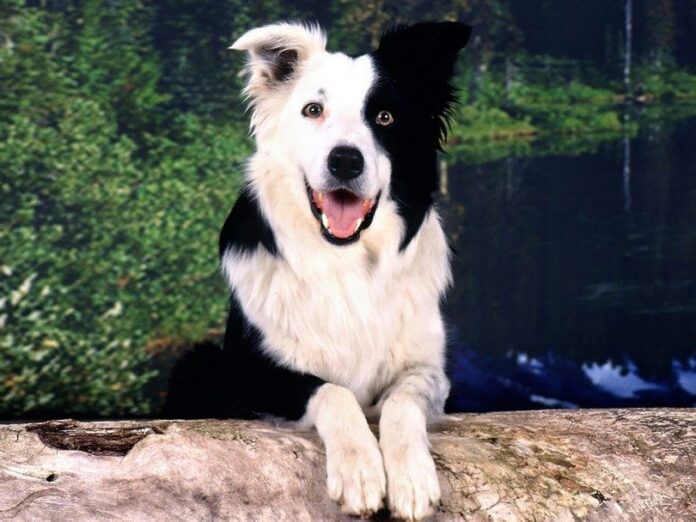 Other genetic diseases include hip dysplasia and epilepsy. Hip dysplasia is actually a genetic disease and unfortunately this is one of the more common conditions found in the Border Collie breed (though less in this breed than many other mid to large sized dogs). With proper treatments this disease can be managed for quite some time and doesn’t usually set in until the later years of the dog’s life.
Also mentioned was epilepsy – a genetic disorder and the least common of the genetic conditions to affect most Border collies. This disease can have a variety of affects and a wide range of severe-ness and the reason for this is undetermined. All in all, this mid-sized and loving dog would make a great and generally healthy option in breeds for any family to bring home. You can learn more about this breed by checking out this article we’ve got on the Border Collie.
Other genetic diseases include hip dysplasia and epilepsy. Hip dysplasia is actually a genetic disease and unfortunately this is one of the more common conditions found in the Border Collie breed (though less in this breed than many other mid to large sized dogs). With proper treatments this disease can be managed for quite some time and doesn’t usually set in until the later years of the dog’s life.
Also mentioned was epilepsy – a genetic disorder and the least common of the genetic conditions to affect most Border collies. This disease can have a variety of affects and a wide range of severe-ness and the reason for this is undetermined. All in all, this mid-sized and loving dog would make a great and generally healthy option in breeds for any family to bring home. You can learn more about this breed by checking out this article we’ve got on the Border Collie.
 The most curious of the conditions that are more likely to affect an Australian Shepherd is Multiple Drug Sensitivity (MDS). This is a condition where the dog is hypersensitive to ordinary medications used in common veterinary practice, even including some heartworm preventatives.
You can get your puppy screened for this test with a simple cheek swap which could save your dog’s life – rather than end up losing him while trying to keep him healthy.
Epilepsy and other genetic conditions are possible but not likely in this breed. If you buy your Aussie from a reputable breeder you should be confident in the health of your puppy.
The most curious of the conditions that are more likely to affect an Australian Shepherd is Multiple Drug Sensitivity (MDS). This is a condition where the dog is hypersensitive to ordinary medications used in common veterinary practice, even including some heartworm preventatives.
You can get your puppy screened for this test with a simple cheek swap which could save your dog’s life – rather than end up losing him while trying to keep him healthy.
Epilepsy and other genetic conditions are possible but not likely in this breed. If you buy your Aussie from a reputable breeder you should be confident in the health of your puppy.
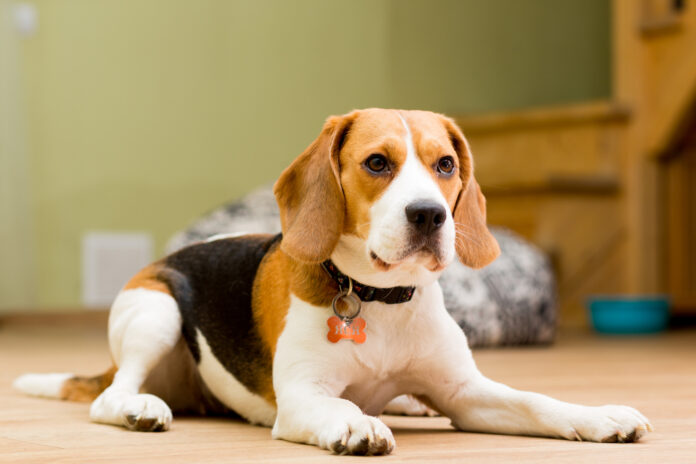 This breed is made from greedy dogs when it comes to their food and many would probably eat until they exploded, if they could. Controlling the amount of food your dog eats and the amount of exercise he gets in order to keep your Beagle at a weight where he can be happy and healthy!
The Beagles ears can also be a little bit of a problem – be prepared to clean their ears often and for them to still get ear infections! This is simply due to the shape of their ears and size of their ear canals. Beagles are usually pretty sturdy little hounds and they are built to keep going and going.
This breed is made from greedy dogs when it comes to their food and many would probably eat until they exploded, if they could. Controlling the amount of food your dog eats and the amount of exercise he gets in order to keep your Beagle at a weight where he can be happy and healthy!
The Beagles ears can also be a little bit of a problem – be prepared to clean their ears often and for them to still get ear infections! This is simply due to the shape of their ears and size of their ear canals. Beagles are usually pretty sturdy little hounds and they are built to keep going and going.
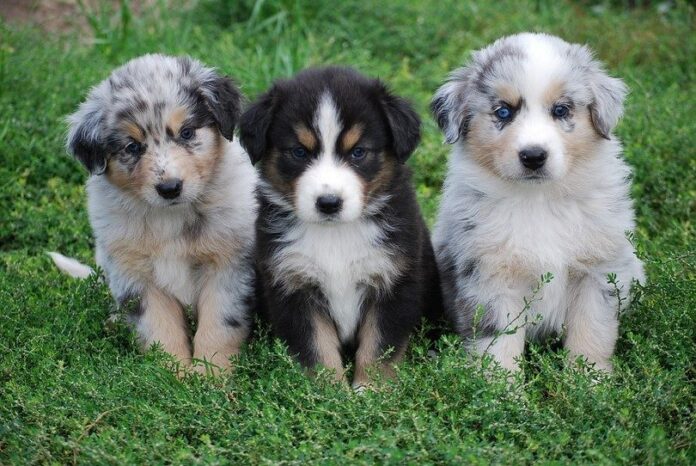 Unfortunately, there really is no specific scientific testing that states this either as fact or not – it is simply rumor that Mixed Breed dogs are healthier. Many vets would like to point out, however, that with a mix breed it is like a genetic lottery, one litter could live long, full and healthy lives while another litter may suffer from one or more of the conditions we talked about in the other breeds.

 While those situations are very real and quite possible they are not the most common reasons that your dog may not want to eat.
If you have recently moved your dog may not want to eat because they are in an unfamiliar place and simply do not feel comfortable there. If this is the case, it will gradually get better the longer you stay in your new home.
If you just got back after a long car ride, your dog may suffer motion sickness, which can also lead to a sudden interruption in their usual feeding schedule.
Recent vaccinations can also be a potential cause of anorexia in dogs and puppies, though this is not the most common, it is also usually very temporary and appetite returns within 24 hours.
If you have a young puppy, then the reason may not be that they are not hungry – they might be teething. Just like a baby, your puppy will grow a primary set of teeth also called milk-teeth.
These teeth are like a human child’s baby teeth and around eight to ten weeks old your pup will start to lose their milk-teeth and permanent ones will come in.
It can take up to seven months old for your puppy to have all their permanent teeth in. During this teething time, it can be very uncomfortable for the pup, causing them to chew on anything they can, but usually something soft.
If they won’t eat, their food may just be too hard for them to chew properly.
While those situations are very real and quite possible they are not the most common reasons that your dog may not want to eat.
If you have recently moved your dog may not want to eat because they are in an unfamiliar place and simply do not feel comfortable there. If this is the case, it will gradually get better the longer you stay in your new home.
If you just got back after a long car ride, your dog may suffer motion sickness, which can also lead to a sudden interruption in their usual feeding schedule.
Recent vaccinations can also be a potential cause of anorexia in dogs and puppies, though this is not the most common, it is also usually very temporary and appetite returns within 24 hours.
If you have a young puppy, then the reason may not be that they are not hungry – they might be teething. Just like a baby, your puppy will grow a primary set of teeth also called milk-teeth.
These teeth are like a human child’s baby teeth and around eight to ten weeks old your pup will start to lose their milk-teeth and permanent ones will come in.
It can take up to seven months old for your puppy to have all their permanent teeth in. During this teething time, it can be very uncomfortable for the pup, causing them to chew on anything they can, but usually something soft.
If they won’t eat, their food may just be too hard for them to chew properly.
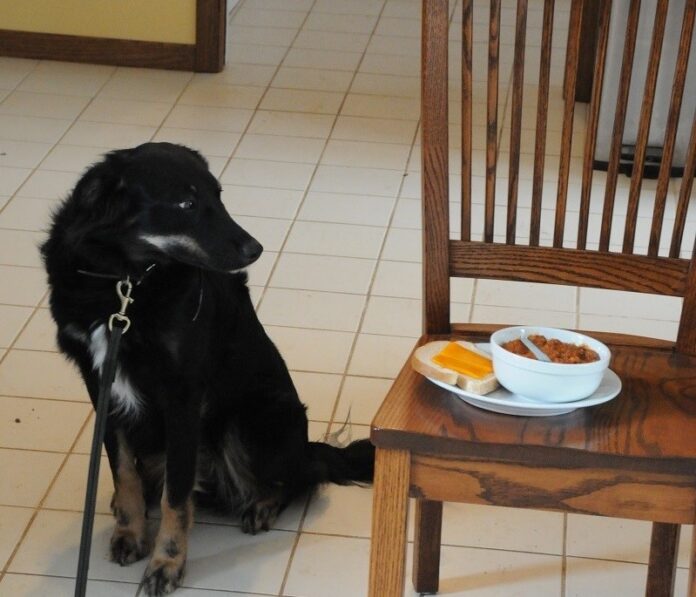 Another problem could be that rather than your dog not being hungry, he just may not want to eat. This is common when you have two dogs or two pets in the household.
If your dog will not eat it may be that the other dog or pet is stealing his food, growling at him while he tries to eat or maybe the other dog just eats faster. Any of these can be reasons for your dog to not want to eat around their companion.
Another problem could be that rather than your dog not being hungry, he just may not want to eat. This is common when you have two dogs or two pets in the household.
If your dog will not eat it may be that the other dog or pet is stealing his food, growling at him while he tries to eat or maybe the other dog just eats faster. Any of these can be reasons for your dog to not want to eat around their companion.
 If you are looking to figure out whether your dog may just be having a fit and being picky, then here are a few good ideas you can try out:
 Your dog relies on routine. Remember that. They may not be able to tell the time on the clock on the wall, but their internal clock knows very well what time you feed them, walk them, wake up and go to bed every day.
They know when you will leave for work and when you will be home. Any change in this usual routine can be upsetting to your dog and he may be skipping the meal out of nerves.
Again, this is a case where you should give you dog the chance to make up for their lost appetite at the next meal.
If you do not notice any changes in your dog other than the lack of appetite, then taking them for an extra-long walk before dinner time is the way to go.
They will work up an appetite after all the exercise, and even more so if you make sure they “go” before you head back home. If you take your dog on a walk before dinner time on a daily basis and have skipped it due to weather or other circumstances, then maybe they just haven’t had enough exercise to be hungry!
If you have recently brought a second pet into the home, whether it is the pup who won’t eat or not, it could be the reason behind their lack of eating.
If you think your dog may be uncomfortable eating around other pets then you should try feeding them in separate rooms (or at least in separate crates/kennels/etc.) Keeping them separated could give your dog the chance to relax and enjoy his meal like he wants to.
Your dog relies on routine. Remember that. They may not be able to tell the time on the clock on the wall, but their internal clock knows very well what time you feed them, walk them, wake up and go to bed every day.
They know when you will leave for work and when you will be home. Any change in this usual routine can be upsetting to your dog and he may be skipping the meal out of nerves.
Again, this is a case where you should give you dog the chance to make up for their lost appetite at the next meal.
If you do not notice any changes in your dog other than the lack of appetite, then taking them for an extra-long walk before dinner time is the way to go.
They will work up an appetite after all the exercise, and even more so if you make sure they “go” before you head back home. If you take your dog on a walk before dinner time on a daily basis and have skipped it due to weather or other circumstances, then maybe they just haven’t had enough exercise to be hungry!
If you have recently brought a second pet into the home, whether it is the pup who won’t eat or not, it could be the reason behind their lack of eating.
If you think your dog may be uncomfortable eating around other pets then you should try feeding them in separate rooms (or at least in separate crates/kennels/etc.) Keeping them separated could give your dog the chance to relax and enjoy his meal like he wants to.
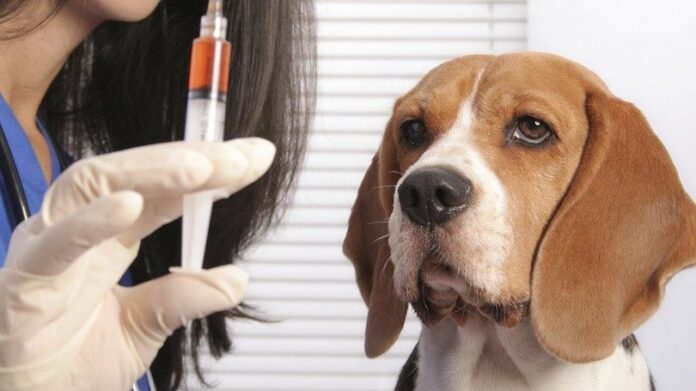 With an adult dog you can usually decide within 24-48 hours whether or not your dog’s lack of appetite is due to a situation you can control.
Your dog could be stressed or picky – in which case one of the above mentioned methods should work. If those methods did not help you see a change in your dog’s appetite but your vet cannot find anything medically wrong, they may have to force feed your dog. There are a few ways to go about this but only your vet should try to force feed a dog.
If your dog presents other symptoms along with their lack of appetite it may be a more immediate reason for concern.
If your dog has diarrhea and/or is vomiting regularly then you should take them to the vet immediately as it could be more serious than a simple case of anorexia.
If your dog has only one episode of diarrhea or vomit and no blood is present in either then wait just a little bit – they may have just eaten something they shouldn’t have when you weren’t paying attention.
After all, dogs are carnivore but they are also scavengers as well and they will eat almost anything they can get into.
Other symptoms to look for that may point to illness:
With an adult dog you can usually decide within 24-48 hours whether or not your dog’s lack of appetite is due to a situation you can control.
Your dog could be stressed or picky – in which case one of the above mentioned methods should work. If those methods did not help you see a change in your dog’s appetite but your vet cannot find anything medically wrong, they may have to force feed your dog. There are a few ways to go about this but only your vet should try to force feed a dog.
If your dog presents other symptoms along with their lack of appetite it may be a more immediate reason for concern.
If your dog has diarrhea and/or is vomiting regularly then you should take them to the vet immediately as it could be more serious than a simple case of anorexia.
If your dog has only one episode of diarrhea or vomit and no blood is present in either then wait just a little bit – they may have just eaten something they shouldn’t have when you weren’t paying attention.
After all, dogs are carnivore but they are also scavengers as well and they will eat almost anything they can get into.
Other symptoms to look for that may point to illness:
 If your dog has a fever or refuses to drink water, those are two of the bigger causes for concern. A high fever can be just as bad for your dog as it is for you or your children – possibly worse.
If you do not have a thermometer to check your dog’s temperature (which should be between 101 F and 102.5 F when your dog is healthy) then you can usually tell from other symptoms such as vomiting, nasal discharge or shivering.
Serious complications can occur if your dog’s temperature reaches 106 F, so if your dog has a fever that comes close to this, you should take them to a vet immediately.
Refusing to drink water is just as much of a reason to worry as a fever. If your dog will not eat and also will not drink water for 12-24 hours, you should take them to the vet as soon as possible. Without water your pet will not be able to survive which means you should not let them go for long without taking a drink.
Fresh water should be available to your dog at all times, no matter if you are at home, a friend’s house or the park. Dehydration can cause serious problems for your dog, so if he will not drink along with his loss of appetite, don’t hesitate to call or visit your vet immediately.
If you notice that your puppy or dog will not eat, there are plenty of methods you can try in order to bring their appetite back. You should try one or more of these techniques within the first 24 hours that you notice your dog lacking in appetite.
If after 24 hours your puppy or dog will not eat, it is probably time to take them to the vet to see if there is further underlying cause for the anorexia.
In some cases, your vet may notice that there is nothing physically wrong with your dog. In these cases it may just require time after a stressful situation or change in environment for your dog to be ready to eat again.
If your dog has a fever or refuses to drink water, those are two of the bigger causes for concern. A high fever can be just as bad for your dog as it is for you or your children – possibly worse.
If you do not have a thermometer to check your dog’s temperature (which should be between 101 F and 102.5 F when your dog is healthy) then you can usually tell from other symptoms such as vomiting, nasal discharge or shivering.
Serious complications can occur if your dog’s temperature reaches 106 F, so if your dog has a fever that comes close to this, you should take them to a vet immediately.
Refusing to drink water is just as much of a reason to worry as a fever. If your dog will not eat and also will not drink water for 12-24 hours, you should take them to the vet as soon as possible. Without water your pet will not be able to survive which means you should not let them go for long without taking a drink.
Fresh water should be available to your dog at all times, no matter if you are at home, a friend’s house or the park. Dehydration can cause serious problems for your dog, so if he will not drink along with his loss of appetite, don’t hesitate to call or visit your vet immediately.
If you notice that your puppy or dog will not eat, there are plenty of methods you can try in order to bring their appetite back. You should try one or more of these techniques within the first 24 hours that you notice your dog lacking in appetite.
If after 24 hours your puppy or dog will not eat, it is probably time to take them to the vet to see if there is further underlying cause for the anorexia.
In some cases, your vet may notice that there is nothing physically wrong with your dog. In these cases it may just require time after a stressful situation or change in environment for your dog to be ready to eat again.
 If your dog continues to refuse to eat for too long though, he may become sick which can lead to worse outcomes.
You should talk to your vet about different possibilities, medications that may stimulate appetite or force feeding if necessary. Nobody wants to see their dog feeling unwell, so getting to the bottom of the problem right away is important.
If none of your attempts to pique your dog’s appetite are working, try checking their temperature to see if there may be something more serious going on.
All in all, usually, the cause of anorexia is temporary and should not be a cause for immediate alarm. If your dog is not hungry there could be a hundred different possibilities. Try to wait until their next meal and see if they are making up for it later before you worry too much!
If your dog continues to refuse to eat for too long though, he may become sick which can lead to worse outcomes.
You should talk to your vet about different possibilities, medications that may stimulate appetite or force feeding if necessary. Nobody wants to see their dog feeling unwell, so getting to the bottom of the problem right away is important.
If none of your attempts to pique your dog’s appetite are working, try checking their temperature to see if there may be something more serious going on.
All in all, usually, the cause of anorexia is temporary and should not be a cause for immediate alarm. If your dog is not hungry there could be a hundred different possibilities. Try to wait until their next meal and see if they are making up for it later before you worry too much! 
 Oral health is vital for the overall well-being of our pets. Poor dental hygiene can lead to a variety of health issues such as bad breath,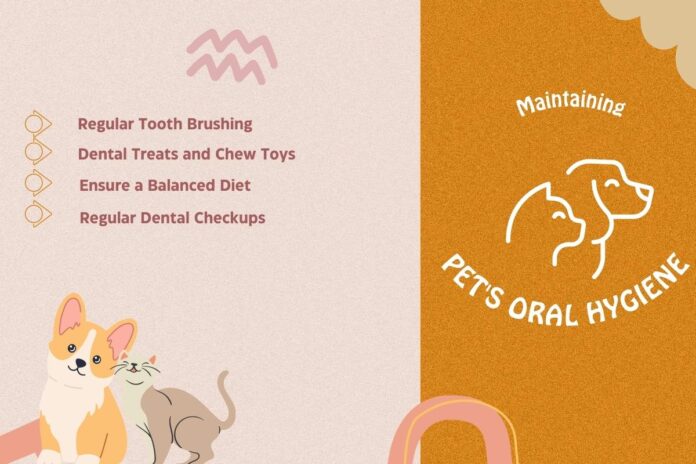
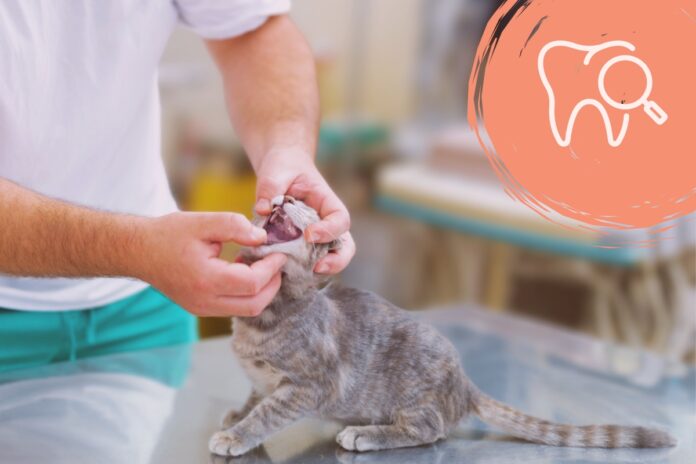 Some common signs indicating your pet may require a dental checkup include bad breath, difficulties eating or reduced appetite, drooling or dropping food excessively, bleeding or inflamed gums, loose or broken teeth, swelling in the face, and pawing at their mouth.
When it comes to your pet’s dental health, finding the right veterinarian is crucial. Look for a veterinarian with experience in pet dental care and ask them about their approach toward dental procedures and treatments.
Ensure they can provide you with clear guidance and preventive care tips, as well as perform necessary oral surgeries if required. Reading online reviews and asking for recommendations from friends or family can also help you make the best choice.
Some common signs indicating your pet may require a dental checkup include bad breath, difficulties eating or reduced appetite, drooling or dropping food excessively, bleeding or inflamed gums, loose or broken teeth, swelling in the face, and pawing at their mouth.
When it comes to your pet’s dental health, finding the right veterinarian is crucial. Look for a veterinarian with experience in pet dental care and ask them about their approach toward dental procedures and treatments.
Ensure they can provide you with clear guidance and preventive care tips, as well as perform necessary oral surgeries if required. Reading online reviews and asking for recommendations from friends or family can also help you make the best choice.
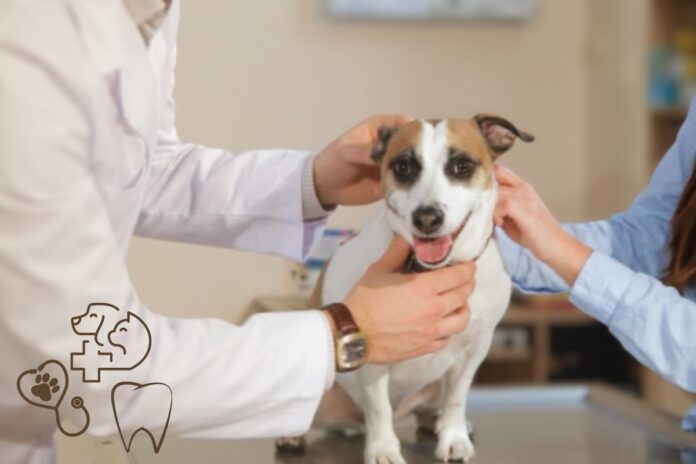 It’s important to note that the specific dental care needs vary depending on your pet’s species. In addition to dogs and cats, consider the dental care needs of smaller animals like rabbits, hamsters, and guinea pigs, who can also suffer from dental issues.
Make sure to consult your veterinarian about the specific dental care requirements and best practices for your particular pet species.
Establishing a comfortable environment for your pets during at-home dental care is essential for their cooperation and success. Begin with short, gentle brushing sessions and gradually increase the duration as your pet becomes more comfortable.
Use praise, positive reinforcement, and treats to encourage your pet to cooperate during the dental care routine. Try to create a consistent routine by scheduling dental care sessions at the same time and location.
It’s important to note that the specific dental care needs vary depending on your pet’s species. In addition to dogs and cats, consider the dental care needs of smaller animals like rabbits, hamsters, and guinea pigs, who can also suffer from dental issues.
Make sure to consult your veterinarian about the specific dental care requirements and best practices for your particular pet species.
Establishing a comfortable environment for your pets during at-home dental care is essential for their cooperation and success. Begin with short, gentle brushing sessions and gradually increase the duration as your pet becomes more comfortable.
Use praise, positive reinforcement, and treats to encourage your pet to cooperate during the dental care routine. Try to create a consistent routine by scheduling dental care sessions at the same time and location.
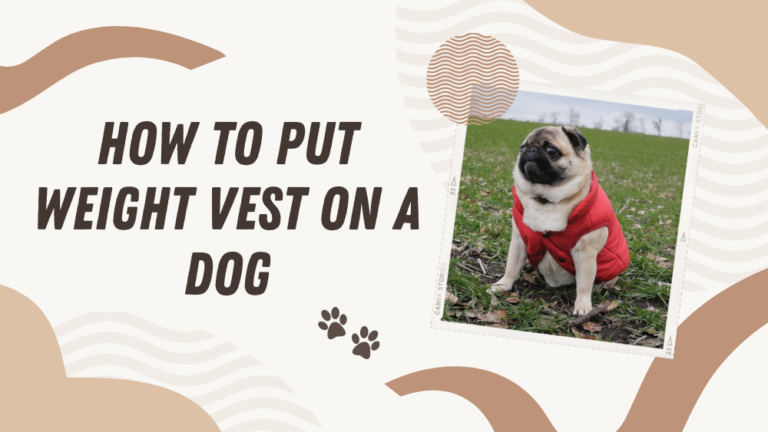
 Dogs are of various temperaments, and they easily get excitable especially when they are with company.
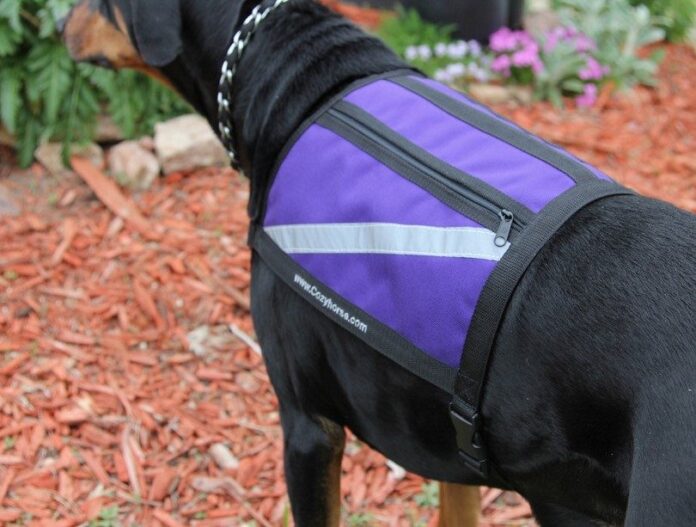 At the first mention of a vest with weights for your dog, your first thought may be how your pet will hold up under the weight. But it would worth the while to go for the benefits that can be derived.

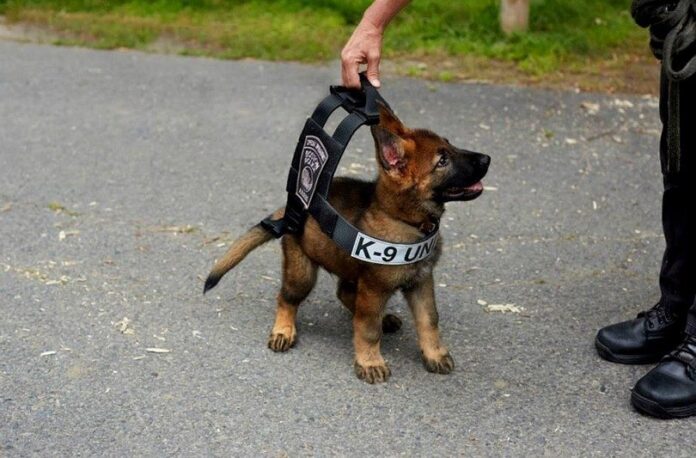 Dogs under two years are not yet fully grown and should not be burdened with weights. Overworking dogs that are still at puppy stage can damage their joints.
Consider also that vests are close fitting and can be very hot for the dog. As a measure to prevent heat stroke, it is advisable to use a weight vest when it is coolest in the day.
Dogs under two years are not yet fully grown and should not be burdened with weights. Overworking dogs that are still at puppy stage can damage their joints.
Consider also that vests are close fitting and can be very hot for the dog. As a measure to prevent heat stroke, it is advisable to use a weight vest when it is coolest in the day.
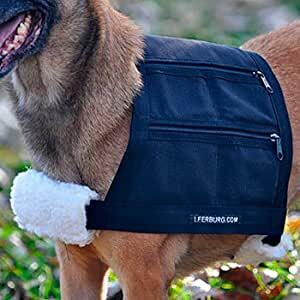 The fabric that this vest is made of immediately tells that it is durable. It is made from heavy cordura denier backed fabric and double stitched on both sides. The vest comes in three sizes, small, medium and large; you just need to measure the girth of your dog to determine which will fit best.
Additionally, each sized vest is made with several individual pockets and equal number of weights that you can add or remove as your dog requires at any time. This vest appears to be a good one to build muscle and get the cooperation of your dog. Apart from the attractiveness of the Leerburg, the vest is made from quality materials.
The fabric that this vest is made of immediately tells that it is durable. It is made from heavy cordura denier backed fabric and double stitched on both sides. The vest comes in three sizes, small, medium and large; you just need to measure the girth of your dog to determine which will fit best.
Additionally, each sized vest is made with several individual pockets and equal number of weights that you can add or remove as your dog requires at any time. This vest appears to be a good one to build muscle and get the cooperation of your dog. Apart from the attractiveness of the Leerburg, the vest is made from quality materials.
 Here is a rather innovative device found in the K9FITvest. This vest is designed solely with the complete fitness of your dog in mind. The vest is promoted for its remarkable benefits for resistance training, body awareness, safety, and cooling.
The vest comes with resistance weights placed strategically as resistance to the dog’s actions. With this method of resistance training, the dog is bound to be stronger, burns more calories, and done all in a shorter workout time.
The vest is also shaped to hug the dog’s body, giving him that comfort feel and subsequent calm demeanor. The manufacturers also takes into consideration that dogs do get hot under a vest and so releases that burden with cool gel packs to provide cooling relief.
Here is a rather innovative device found in the K9FITvest. This vest is designed solely with the complete fitness of your dog in mind. The vest is promoted for its remarkable benefits for resistance training, body awareness, safety, and cooling.
The vest comes with resistance weights placed strategically as resistance to the dog’s actions. With this method of resistance training, the dog is bound to be stronger, burns more calories, and done all in a shorter workout time.
The vest is also shaped to hug the dog’s body, giving him that comfort feel and subsequent calm demeanor. The manufacturers also takes into consideration that dogs do get hot under a vest and so releases that burden with cool gel packs to provide cooling relief.
 Similar to the Leerburg brand, LaGuard is another vest that is designed for the ultimate dog fitness. LaGuard is not just a vest, it incorporates a training method that seeks to build the athleticism of your dog while at the same time achieving a quieter disposition in your pet. The vest comes with pockets and bars of 1/4 pound and 1/3 pound weights.
The more bars you include in those pockets, the greater the intensity of the dog’s workout.
You can add to, or remove weights from the vest as needed. Two sizes of vests are available from LaGuard, a medium that holds 13 pounds of weight and a large size for 17 pounds.
If you chose the LaGuard brand however, you are advised to place the weights in the higher pockets and ensure that they are distributed evenly.
Similar to the Leerburg brand, LaGuard is another vest that is designed for the ultimate dog fitness. LaGuard is not just a vest, it incorporates a training method that seeks to build the athleticism of your dog while at the same time achieving a quieter disposition in your pet. The vest comes with pockets and bars of 1/4 pound and 1/3 pound weights.
The more bars you include in those pockets, the greater the intensity of the dog’s workout.
You can add to, or remove weights from the vest as needed. Two sizes of vests are available from LaGuard, a medium that holds 13 pounds of weight and a large size for 17 pounds.
If you chose the LaGuard brand however, you are advised to place the weights in the higher pockets and ensure that they are distributed evenly.
 Whether going for a hike along a trail or just having a walk in the park, Ruffwear dog backpack qualifies to keep your dog fit and strong. The product is made for the trail with pockets to stash things in, zippers to prevent spillage and external gear loops.
If you are hesitant about the security of the pack or your dog, Ruffwear comes with a Web Master harness that ensures stability on the animal and efficient distribution of load.
Made from quality material, the device can be adjusted five different ways. The dog pack however, fails in its capacity to prevent water soaking through. You might want to secure sensitive items in waterproof containers before loading up the Ruffwear.
Whether going for a hike along a trail or just having a walk in the park, Ruffwear dog backpack qualifies to keep your dog fit and strong. The product is made for the trail with pockets to stash things in, zippers to prevent spillage and external gear loops.
If you are hesitant about the security of the pack or your dog, Ruffwear comes with a Web Master harness that ensures stability on the animal and efficient distribution of load.
Made from quality material, the device can be adjusted five different ways. The dog pack however, fails in its capacity to prevent water soaking through. You might want to secure sensitive items in waterproof containers before loading up the Ruffwear.
 Not necessarily built with the specific objective of a weight vest, the Kurgo Wander is often used to double as a vest and a backpack. This is a device for dogs of larger breeds and weighing between 30 and 85 pounds. The product is of strong polyester material and really designed for the rugged outdoors.
The two saddlebags can be filled with weighted items including food, treats, and water bottles. Unlike its Ruffwear counterpart, the Kurgo Wander is water resistant so there is no fear for delicate items. The item is not built for the specific purpose of a weight vest but those saddlebags however, can provide the same exercise training opportunities for good dog health.
The purpose of the weighted vest is really to create that resistance that the dog goes against to make him work harder, burn energy, and build muscle.
Not necessarily built with the specific objective of a weight vest, the Kurgo Wander is often used to double as a vest and a backpack. This is a device for dogs of larger breeds and weighing between 30 and 85 pounds. The product is of strong polyester material and really designed for the rugged outdoors.
The two saddlebags can be filled with weighted items including food, treats, and water bottles. Unlike its Ruffwear counterpart, the Kurgo Wander is water resistant so there is no fear for delicate items. The item is not built for the specific purpose of a weight vest but those saddlebags however, can provide the same exercise training opportunities for good dog health.
The purpose of the weighted vest is really to create that resistance that the dog goes against to make him work harder, burn energy, and build muscle.
 In the end he will be a leaner, stronger and more focused and manageable dog.
Regardless of all its benefits, fitting a vest to your dog will not get the healthy and fit dog that you desire. It will have to be done in conjunction with regular exercise, proper nutrition and consistent training routines.
In the end you will have a healthy, well-built and socially competent dog. Soon your dog may just give you that look or bark that says it can’t do anything without its weight vest.
In the end he will be a leaner, stronger and more focused and manageable dog.
Regardless of all its benefits, fitting a vest to your dog will not get the healthy and fit dog that you desire. It will have to be done in conjunction with regular exercise, proper nutrition and consistent training routines.
In the end you will have a healthy, well-built and socially competent dog. Soon your dog may just give you that look or bark that says it can’t do anything without its weight vest. 


 Valvular stenosis or dysplasia is another source of heart murmur. Stenosis or dysplasia occurs when the size, shape or structure of a passage through which the blood flows becomes constricted or changes. The blood now has a narrower passage to go through and the heart works harder to push sufficient blood creating a whooshing murmur (PetWave.com, 2015).
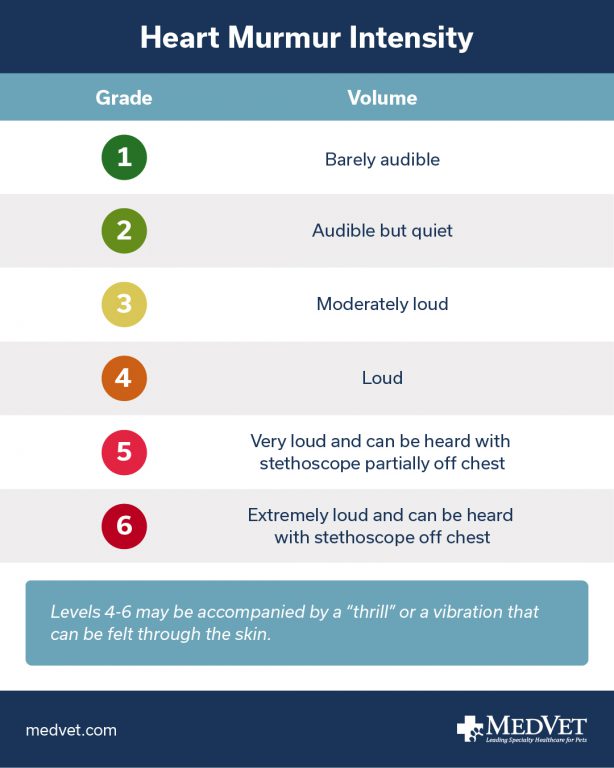 Grade 1 – At this level the murmur can barely be heard.
Grade 2 — This is a rather soft sound but is easily heard with the stethoscope.
Heart murmur at grades 1 and 2 may only be heard intermittently and only on the side of the heart where the problem is.
At this stage it does not usually require any immediate medical attention especially if it occurs at puppy stage.
Your vet may however ask you to watch your dog for any further development which could be the appearance of a cough or lethargy which may indicate a worsening of an illness.
Grade 3 – At this stage the sound has medium loudness and is very distinct.
Grade 4 – The sound radiates to other parts of the chest area and can be heard anywhere that that you can hear the dog’s heart beating.
Dogs diagnosed at grades 3 and 4 mean a condition that requires more serious medical attention. Usually there is a persistent cough and the dog will become tired easily. Medication is needed to regulate the blood flow.
Grade 5 – The murmur is so loud, a stethoscope would pick up the sound even barely touching the chest. You can also feel the vibrations through the chest walls.
Grade 6 – The murmur has reached the peak of its loudness. The vibration can be felt without touching the walls of the chest with the stethoscope.
Grades 5 and 6 staging is an indication of something serious and may require surgery to correct the problem.
Grade 1 – At this level the murmur can barely be heard.
Grade 2 — This is a rather soft sound but is easily heard with the stethoscope.
Heart murmur at grades 1 and 2 may only be heard intermittently and only on the side of the heart where the problem is.
At this stage it does not usually require any immediate medical attention especially if it occurs at puppy stage.
Your vet may however ask you to watch your dog for any further development which could be the appearance of a cough or lethargy which may indicate a worsening of an illness.
Grade 3 – At this stage the sound has medium loudness and is very distinct.
Grade 4 – The sound radiates to other parts of the chest area and can be heard anywhere that that you can hear the dog’s heart beating.
Dogs diagnosed at grades 3 and 4 mean a condition that requires more serious medical attention. Usually there is a persistent cough and the dog will become tired easily. Medication is needed to regulate the blood flow.
Grade 5 – The murmur is so loud, a stethoscope would pick up the sound even barely touching the chest. You can also feel the vibrations through the chest walls.
Grade 6 – The murmur has reached the peak of its loudness. The vibration can be felt without touching the walls of the chest with the stethoscope.
Grades 5 and 6 staging is an indication of something serious and may require surgery to correct the problem.
 As a dog owner you may not readily notice any clinical signs of heart murmur in your dog. The problem is usually only detected in a routine examination or a test for another medical problem. Heart murmur is usually a sign that your dog has an underlying heart condition. You may notice one or more of the following symptoms:
 A dog owner will not identify heart murmur in his or her dog. There may be signs, however, that indicate that something is wrong with your pet. A heart murmur is most often discovered by the veterinarian surgeon during a routine examination or an examination for other medical problems.
The vet may detect through his stethoscope a heartbeat that is irregular in your dog. Further physical examination may indicate weak or abnormal pulses which could have underlying causes and recommend further tests, including:
A dog owner will not identify heart murmur in his or her dog. There may be signs, however, that indicate that something is wrong with your pet. A heart murmur is most often discovered by the veterinarian surgeon during a routine examination or an examination for other medical problems.
The vet may detect through his stethoscope a heartbeat that is irregular in your dog. Further physical examination may indicate weak or abnormal pulses which could have underlying causes and recommend further tests, including:
 The heart valves are many times the offending parts causing heart murmurs. Defects in the mitral valve especially have come in for a good many of the causes of heart murmur.
The valve does not close properly likely because they have thickened and cannot be sealed to prevent blood from going back where it is coming from.
When problems like mitral valve defects occur, then the veterinary surgeon will definitely recommend surgery to repair or replace the valve.
A dog may develop a murmur due to the presence of heartworm. This is a parasite that is passed on by an infected mosquito.
The mosquito deposits the heartworm larvae into the bloodstream of the dog. After 6 – 7 months the larvae grow into mature worms that lodge themselves into the heart, lungs and other organs of the body.
Of course a dog that is infected with heartworm will exhibit signs of a defective heart and a heart murmur will indeed occur and be heard.
The doctor will prescribe medication that will rid the animal of the parasite and also repair any area that was affected. Our comprehensive tips on how to manage heartworms in dogs will be a great help to you, so check it out.
If a heart murmur is detected in your dog, the veterinary doctor will discuss with you how to manage your dog’s health to repair any damage from the underlying problem.
The heart valves are many times the offending parts causing heart murmurs. Defects in the mitral valve especially have come in for a good many of the causes of heart murmur.
The valve does not close properly likely because they have thickened and cannot be sealed to prevent blood from going back where it is coming from.
When problems like mitral valve defects occur, then the veterinary surgeon will definitely recommend surgery to repair or replace the valve.
A dog may develop a murmur due to the presence of heartworm. This is a parasite that is passed on by an infected mosquito.
The mosquito deposits the heartworm larvae into the bloodstream of the dog. After 6 – 7 months the larvae grow into mature worms that lodge themselves into the heart, lungs and other organs of the body.
Of course a dog that is infected with heartworm will exhibit signs of a defective heart and a heart murmur will indeed occur and be heard.
The doctor will prescribe medication that will rid the animal of the parasite and also repair any area that was affected. Our comprehensive tips on how to manage heartworms in dogs will be a great help to you, so check it out.
If a heart murmur is detected in your dog, the veterinary doctor will discuss with you how to manage your dog’s health to repair any damage from the underlying problem.
 He may recommend some specialized diet, which could also mean changes in the sodium content that can be high in certain kibble foods.
Surgery will be recommended in cases of valvula stenosis and patent ductus arteriosis.
If you are into holistic or integrative medicine, you may take the advice of Dr. Karen Becker on Mercola.com (2015) to include various types of products in your dog’s diet.
The perennial Omega 3 fatty acids are not to be left out especially that found in the Krill fish. Recommended holistic remedies also include Chinese herbs, homeopathic remedies, amino acids supplements, and herbs such as Hawthorne Berry and Cayenne. Many have found our article on natural dog food a great help, so why not check it out?
He may recommend some specialized diet, which could also mean changes in the sodium content that can be high in certain kibble foods.
Surgery will be recommended in cases of valvula stenosis and patent ductus arteriosis.
If you are into holistic or integrative medicine, you may take the advice of Dr. Karen Becker on Mercola.com (2015) to include various types of products in your dog’s diet.
The perennial Omega 3 fatty acids are not to be left out especially that found in the Krill fish. Recommended holistic remedies also include Chinese herbs, homeopathic remedies, amino acids supplements, and herbs such as Hawthorne Berry and Cayenne. Many have found our article on natural dog food a great help, so why not check it out?
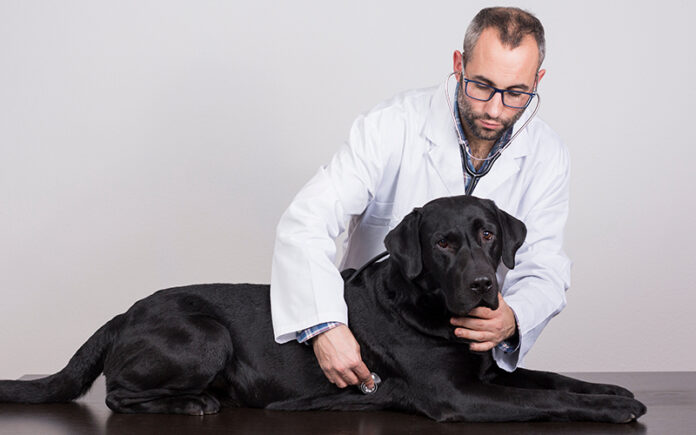 The situation with congenital heart murmur is highly dependent on the type of defect that is present in the heart. The prognosis is extremely good especially if surgery can be used to correct the problem.
Where it is a deficiency in the mitral valve, medication can be applied to correct the problem. More extreme cases of cardiomyopathy will lead to heart failure and the outlook for such dogs is grave. The outlook for dogs with endocarditis will vary depending on how severe the infection is and how badly the effects on the heart valves. For this cause it is important that the dental care of the dog is given serious attention.
Your vet will discuss the condition of your dog after the tests have been done and the results are returned. He will also discuss the prognosis and suggest ways to treat and care for the dog.
The situation with congenital heart murmur is highly dependent on the type of defect that is present in the heart. The prognosis is extremely good especially if surgery can be used to correct the problem.
Where it is a deficiency in the mitral valve, medication can be applied to correct the problem. More extreme cases of cardiomyopathy will lead to heart failure and the outlook for such dogs is grave. The outlook for dogs with endocarditis will vary depending on how severe the infection is and how badly the effects on the heart valves. For this cause it is important that the dental care of the dog is given serious attention.
Your vet will discuss the condition of your dog after the tests have been done and the results are returned. He will also discuss the prognosis and suggest ways to treat and care for the dog.
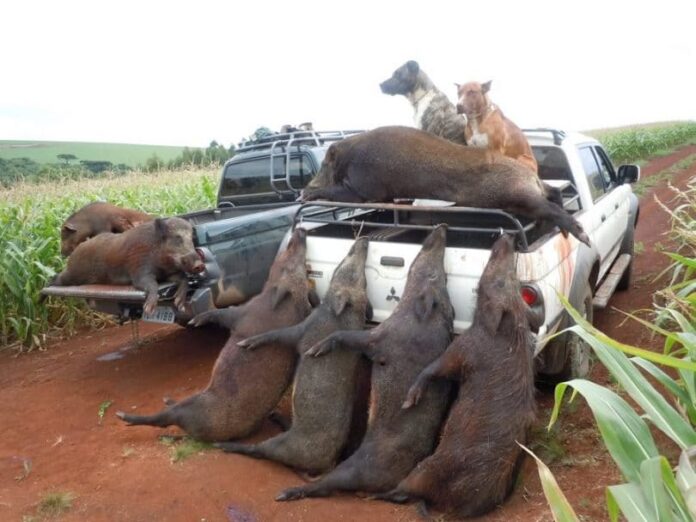 Aside from hunting, catch dogs were also used by the early settlers to keep their livestock, such as chickens and cows, safe from other predators in the wild.
Cougars and bears were a huge problem then and hunting dogs proved to be very useful in protecting the families that were carving out a new life in the untamed expanse of America.
The term ‘man’s best friend’ took on a meaning totally on a different level during those times. Back then, dogs worked side by side with their humans to put food on the table and have a meaningful life out in the wilds.
Aside from hunting, catch dogs were also used by the early settlers to keep their livestock, such as chickens and cows, safe from other predators in the wild.
Cougars and bears were a huge problem then and hunting dogs proved to be very useful in protecting the families that were carving out a new life in the untamed expanse of America.
The term ‘man’s best friend’ took on a meaning totally on a different level during those times. Back then, dogs worked side by side with their humans to put food on the table and have a meaningful life out in the wilds.
 Since wild hogs eat just about anything, the damage they cause to the environment cannot be underestimated as well.
Their rooting and wallowing behaviors also create runoff, a big contributor to pollution of natural water sources. Then there is the fact that they breed unbearably quickly.
Sows already become sexually mature after 6 months. They can then produce two litters of piglets per year, with each litter consisting of 10 to 15 piglets.
Because they have no natural predators to keep their population from burgeoning, a group of hogs left unchecked can easily overrun a property in no time at all. That is why hunters continue to hunt wild boars and feral pigs to this day using dogs.
Much has changed though. Today hunters use rifles along with their knives. They also use modern equipment such as binoculars.
Since wild hogs eat just about anything, the damage they cause to the environment cannot be underestimated as well.
Their rooting and wallowing behaviors also create runoff, a big contributor to pollution of natural water sources. Then there is the fact that they breed unbearably quickly.
Sows already become sexually mature after 6 months. They can then produce two litters of piglets per year, with each litter consisting of 10 to 15 piglets.
Because they have no natural predators to keep their population from burgeoning, a group of hogs left unchecked can easily overrun a property in no time at all. That is why hunters continue to hunt wild boars and feral pigs to this day using dogs.
Much has changed though. Today hunters use rifles along with their knives. They also use modern equipment such as binoculars.
 Before you proceed, the first step is to identify the kind of hog in your hunting area. This will help you get the right type of dogs.
For example, if the wild boars in your area tend to hold their ground and fight, then you need stronger and more aggressive dogs.
If the pigs are the kind that scatters far and wide, then you need fast dogs with top-level endurance. By knowing what you are up against, you will have more successful hunts.
Before you proceed, the first step is to identify the kind of hog in your hunting area. This will help you get the right type of dogs.
For example, if the wild boars in your area tend to hold their ground and fight, then you need stronger and more aggressive dogs.
If the pigs are the kind that scatters far and wide, then you need fast dogs with top-level endurance. By knowing what you are up against, you will have more successful hunts.
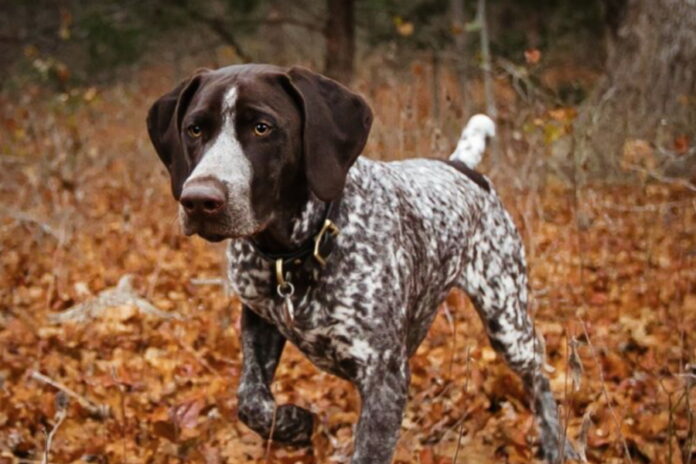
 There are many breeders and trainers specializing in hunting dogs and they can facilitate the training for you.
Just make sure that you find a reliable trainer in your area, someone who has a proven track record of success and, of course, can accommodate your budget.
There are many breeders and trainers specializing in hunting dogs and they can facilitate the training for you.
Just make sure that you find a reliable trainer in your area, someone who has a proven track record of success and, of course, can accommodate your budget.
 Walker Hounds – over the centuries, they have been tasked to track down and catch foxes and other small game.
When hunting wild boars, they tend to be very focused and dedicated at tracking down the right scent.
All of that makes them prime choices for bay dogs. But they are also good around people and many families have them as pets. They seem to love living in comfortable or plush homes too.
Lacy dogs – also called as Blue Lacy, this breed is said to have come from Texas and were especially bred to hunt wild boars functioning as bayers. They are strong and learn quickly, making it easy to train them.
They are very loyal as well but it is not advisable to make them pets because they tend to be very energetic. In fact, most breeders will not sell
Lacy Dogs unless they are certain that the canines will be used for hunting or as working dogs. Aside from hog hunting, they also do well at ranching and herding livestock.
Other dog breeds that make excellent catch dogs include the Florida Cracker Cur and Dogo Argentino. The Catahoula Cur, Black Mouth Cur, Mountain Cur, Jagdterrier, Redbone and Plott Hound are also good choices for bay dogs.
Walker Hounds – over the centuries, they have been tasked to track down and catch foxes and other small game.
When hunting wild boars, they tend to be very focused and dedicated at tracking down the right scent.
All of that makes them prime choices for bay dogs. But they are also good around people and many families have them as pets. They seem to love living in comfortable or plush homes too.
Lacy dogs – also called as Blue Lacy, this breed is said to have come from Texas and were especially bred to hunt wild boars functioning as bayers. They are strong and learn quickly, making it easy to train them.
They are very loyal as well but it is not advisable to make them pets because they tend to be very energetic. In fact, most breeders will not sell
Lacy Dogs unless they are certain that the canines will be used for hunting or as working dogs. Aside from hog hunting, they also do well at ranching and herding livestock.
Other dog breeds that make excellent catch dogs include the Florida Cracker Cur and Dogo Argentino. The Catahoula Cur, Black Mouth Cur, Mountain Cur, Jagdterrier, Redbone and Plott Hound are also good choices for bay dogs.
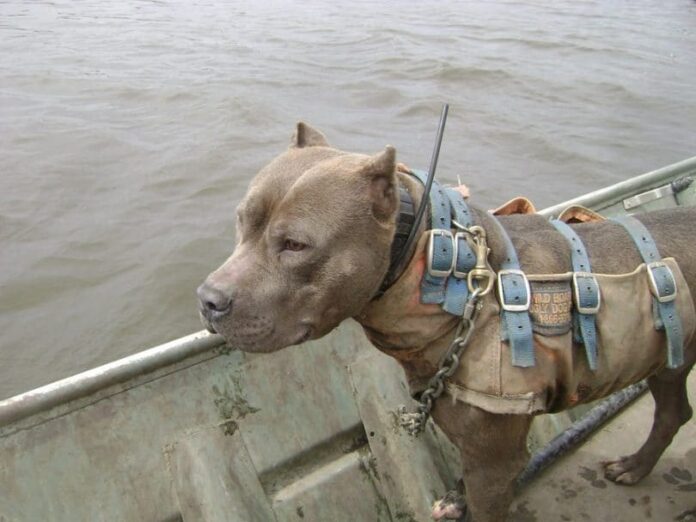 Fortunately, there are many hunting gear sold out there that are especially made to keep dogs relatively safe. These include: